

Most people think they’ll know what to grab when floodwater threatens. They won’t. When you’ve got 30 minutes before water reaches your door, your brain freezes and you stand there staring at a lifetime of stuff wondering what matters. The difference between protecting what you own and losing everything comes down to a plan you make right now, not a decision you improvise during panic. This guide walks you through exactly what to move, where to put it, and how to seal it against water damage, in order of what matters most when minutes count.
Quick-Start Action Guide: What to Do Right NOW
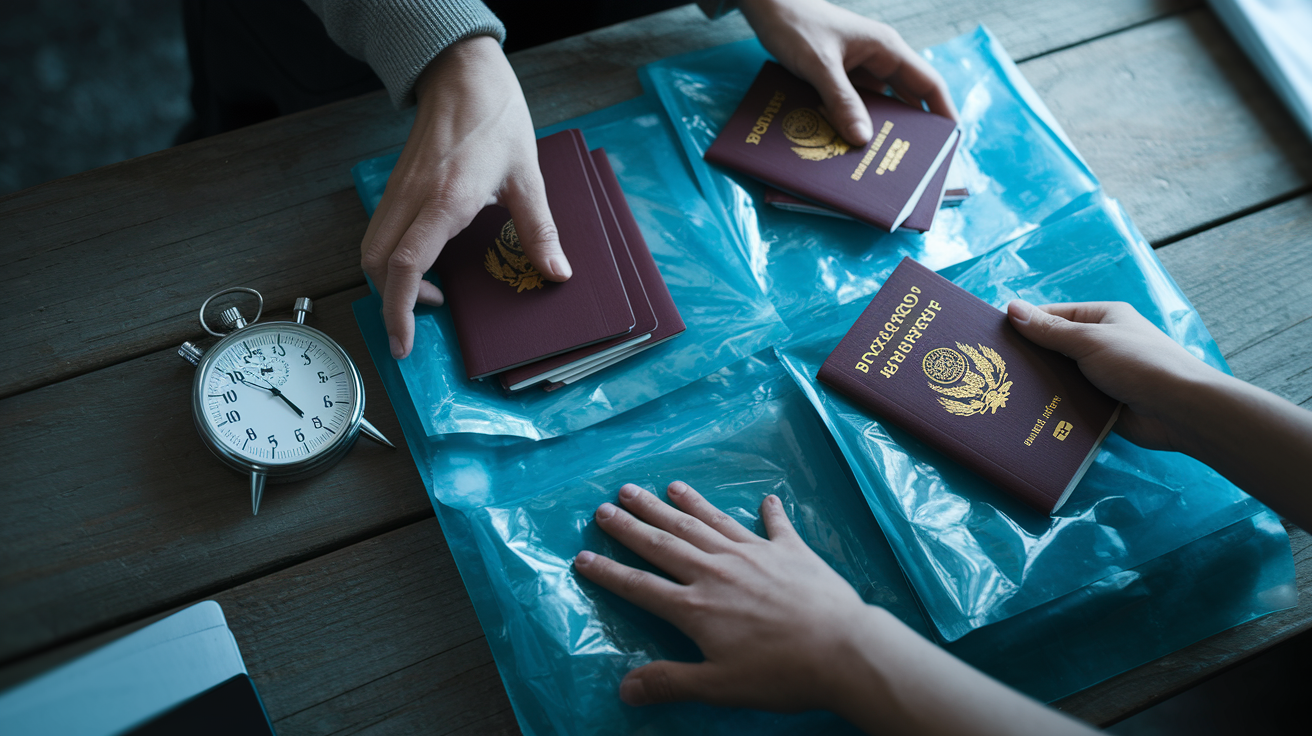
When flood warnings hit, your time window determines everything. Got 2 hours? Work systematically through all priority tiers starting with documents and medications, moving items to upper floors and sealing them in waterproof containers. Only have 30 minutes? Grab the top 3 priority tiers (documents, medications, electronics with data), toss them in waterproof bags, and move to the highest elevation you can reach. If flooding’s already visible at your doorstep, focus exclusively on irreplaceable documents and medications. Forget the furniture.
Follow this exact order when moving valuables:
- Important documents (passports, birth certificates, insurance policies, property deeds, tax records)
- Medications and medical equipment (prescriptions, mobility aids, oxygen equipment, CPAP machines)
- Electronics and data storage devices (computers, external hard drives, phones, tablets)
- Jewelry and small high-value items (wedding rings, inherited pieces, watches)
- Sentimental items and photographs (albums, letters, children’s artwork, family videos)
- Basement furniture and belongings (everything stored below ground level)
- Ground-level electronics and appliances (TVs, sound systems, gaming consoles, kitchen appliances)
- Larger furniture from main living areas (couches, dining tables, bedroom sets)
Timing depends entirely on your flood type. Weather-based flooding from hurricanes or storms? Monitor conditions and begin relocation at the first watch or warning, before evacuation orders come through. Sudden internal flooding from burst pipes or sewer backups? Act immediately. Within minutes. No matter what time it is. Having predetermined priorities eliminates decision paralysis during crisis because your brain already knows what matters most and you don’t waste precious minutes debating whether to save the couch or the photo albums.
Safe Storage Locations and Container Solutions
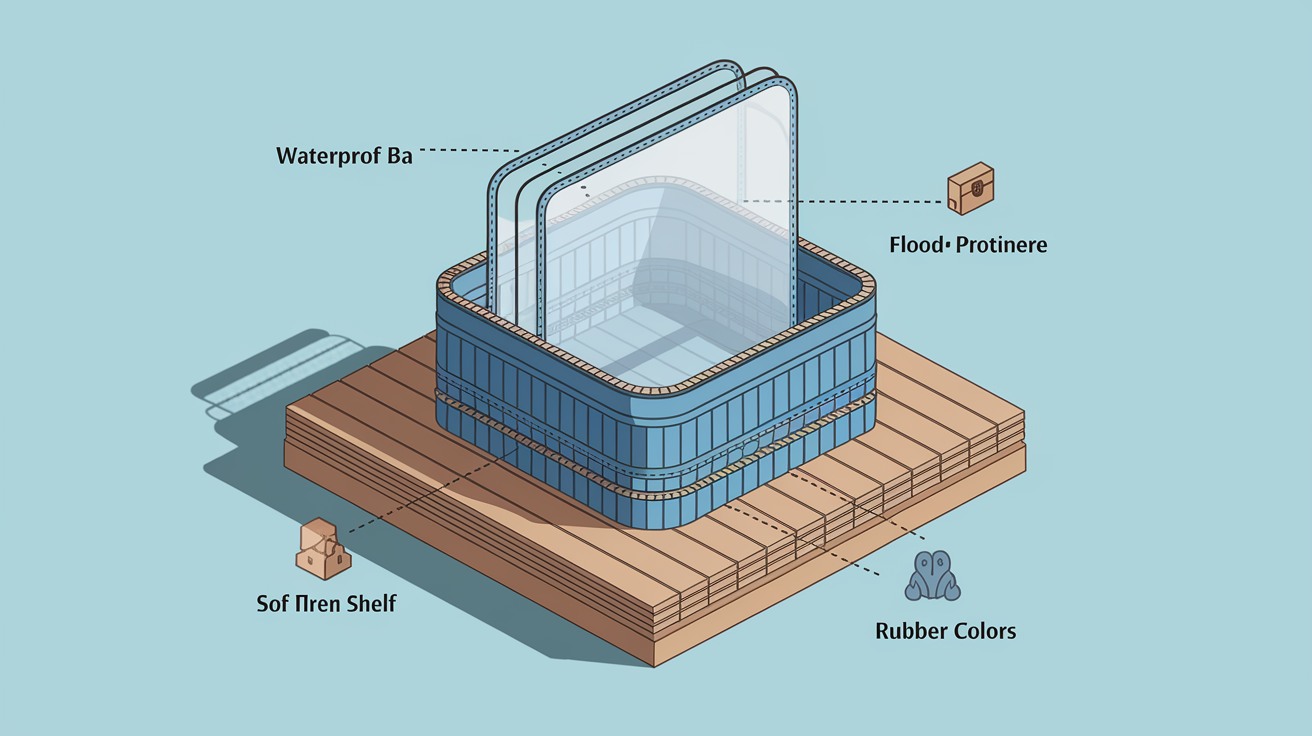
Protection works in layers. You need the right location AND proper waterproof protection. The most effective approach combines sealed bags inside airtight containers, placed at appropriate elevations. Think of it like building a fortress. The bag is your first wall, the container is your second wall, and elevation is your moat.
Upper floors and attics serve as your primary in-home solutions when flooding threatens. Move items to spaces at least 4 feet above ground level or above your area’s anticipated flood stage. Second-floor bedrooms work better than attics in some cases because attics can develop roof leaks during the same storms that cause flooding. If you use attic space, place items away from exterior walls and potential leak points near vents or roof valleys.
Safe deposit boxes at banks protect irreplaceable documents, jewelry, and small valuables year-round in flood-secure vault locations. These work best for items you don’t need daily access to, like birth certificates, property deeds, or grandmother’s wedding ring you inherited. Most banks locate vaults on upper floors or in buildings designed to withstand flooding. This is your set-it-and-forget-it solution for things that would devastate you to lose.
Offsite climate-controlled storage facilities make sense for advance preparation in high-risk flood zones, particularly for furniture, artwork, and seasonal items you can live without during flood season. If you live in a flood plain and own antique furniture or valuable collections, moving them offsite before hurricane season or spring flooding eliminates the scramble entirely. You rent the space for a few months and know your valuables are safe regardless of what happens.
In-home waterproof safes protect documents requiring both fire and water resistance when offsite storage isn’t feasible. Look for safes rated for water submersion, not just “water-resistant” which means light splashing. You want ratings showing they can survive 24 hours underwater. These safes anchor to floor joists and stay put even when water flows through your home.
Keep these waterproofing essentials on hand:
- Heavy-duty resealable plastic bags in multiple sizes (gallon, two-gallon, and garbage bag sizes)
- Airtight plastic storage bins with locking lids (the kind with rubber gaskets that seal)
- Waterproof document bags or pouches (designed specifically for papers, available at office supply stores)
- Vacuum-sealed bags for clothing and textiles (removes air and creates tight seal)
- Plastic sheeting and tarps for furniture covering (6-mil thickness minimum)
- Duct tape and zip ties for securing sealed packages (tape alone fails when wet)
- Silica gel packets to prevent moisture damage inside sealed containers (toss a handful in each bin)
| Storage Location | Best For | Access Speed | Protection Level | Cost |
|---|---|---|---|---|
| Upper Floors | Most household items, furniture, boxes | Immediate during event | High if above flood stage | Free (existing space) |
| Safe Deposit Box | Documents, jewelry, small irreplaceable items | Bank hours only | Maximum security | $20-200/year |
| Offsite Storage | Furniture, artwork, seasonal items, collections | Requires travel time | Very high if climate controlled | $50-300/month |
| Waterproof Containers In-Home | Electronics, photos, documents, medications | Immediate | Moderate to high | $15-100 per container |
| Attic Storage | Lightweight items, sealed containers only | Requires ladder access | Moderate (roof leak risk) | Free (existing space) |
Protecting Documents and Financial Records From Water Damage
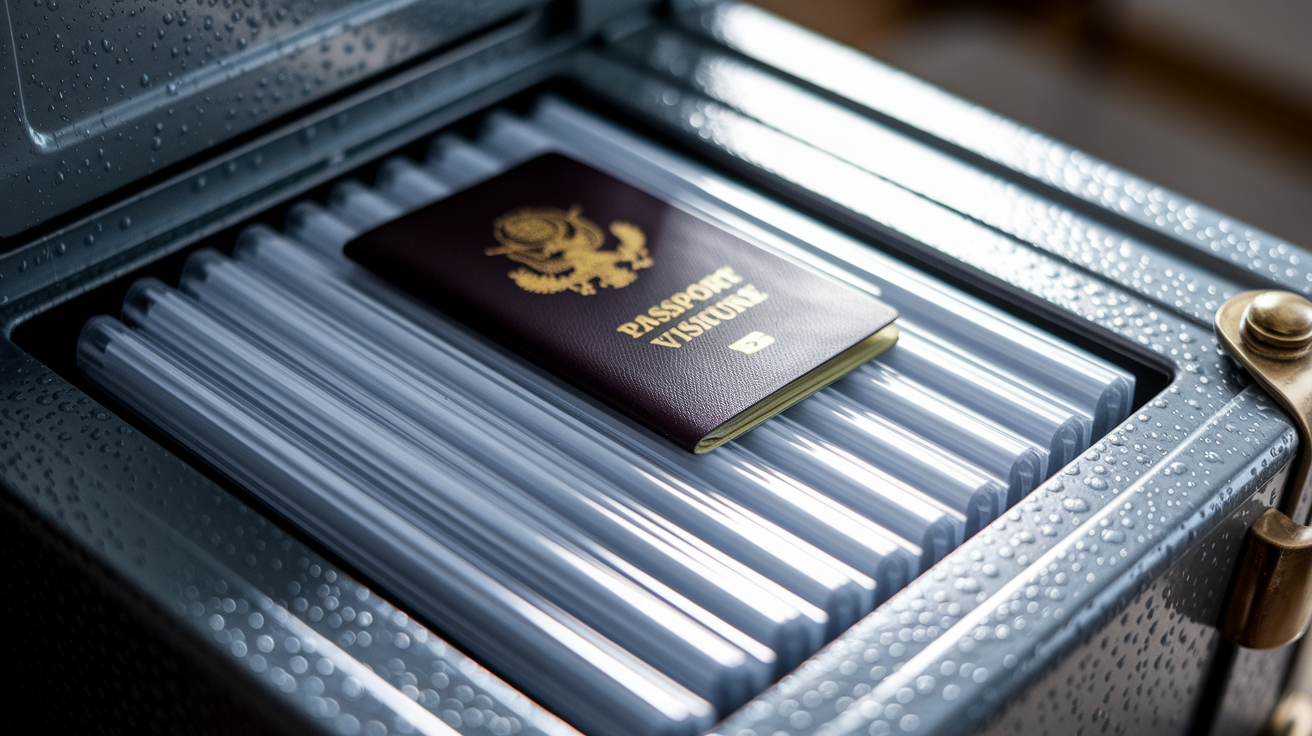
Your documents are your proof that you exist, that you own things, and that you’re entitled to help after disaster. Start with physical protection using waterproof safes offering both fire and water resistance, rated for at least one hour of fire protection and 24 hours of water submersion. Inside the safe, add an extra layer by sealing documents in plastic bags before placing them in folders. Follow a hierarchy. Passports and birth certificates go in first, then property deeds and titles, then insurance policies, then tax records from the past seven years, then medical records. Everything else is secondary.
Digital backup strategies multiply your protection. Cloud storage services like Google Drive, Dropbox, or iCloud provide automatic backup that survives even if your home is destroyed. Photograph every important document with your phone, then upload immediately. Scan important papers using a scanner or phone app, creating PDF files you can access from anywhere. Email copies to yourself so they sit in your inbox forever. Keep copies on external hard drives stored at a friend’s house or in your office desk. Share access with family members through shared cloud folders so if something happens to you, your spouse or adult children can retrieve what’s needed.
Before flooding occurs, establish documentation that supports insurance claims and recovery. Take this step seriously because it determines whether you receive full compensation or fight for months with adjusters who question what you owned.
Create complete insurance documentation following these steps:
- Photograph all rooms before moving anything to establish pre-flood condition, shooting wide angles that show entire spaces and close-ups of valuable items
- Record video walkthrough showing items in original locations with narration describing values, like “This couch cost $1,200 in 2021, we have the receipt in the filing cabinet”
- Photograph serial numbers on electronics and appliances (back of TVs, bottom of laptops, inside refrigerator doors) because insurance companies require proof for claims over certain amounts
- Document which items were successfully moved to safety and their new locations, either with photos or written notes, so you can prove you took protective action
- Photograph items that couldn’t be moved and their attempted protection measures (like furniture elevated on blocks or covered with plastic) showing you did what was reasonable
- Keep receipts and appraisals for high-value items in waterproof container, particularly for jewelry, artwork, antiques, and electronics over $500
- Upload all documentation to cloud storage immediately before evacuating, because your phone might get damaged or lost during the flood
Electronics Relocation and Water Damage Prevention

Electronics and water create disaster, both from immediate damage and from electrical hazards. Start by disconnecting all devices from power outlets, unplugging everything from computers to coffee makers to phone chargers. If time permits and flooding hasn’t started, shut off your electrical panel to eliminate any risk of electrical shock when water enters the home. This step saves lives, not just equipment.
Protect each electronic device following this exact procedure:
- Disconnect all devices from power outlets and remove batteries from items like laptops and cameras
- Shut off electrical panel if time permits and flooding hasn’t started (skip this if water’s already entering)
- Seal each device in resealable plastic bags with air pressed out, like you’re vacuum-packing food, squeezing air from the bag before sealing
- Place sealed items in waterproof containers with labels identifying contents using permanent marker, writing what’s inside and which room it came from
- Move containers to upper floors or elevated surfaces minimum 4 feet above ground, placed away from exterior walls where roof leaks might occur
- Backup critical data to cloud storage before flooding if not already completed, uploading anything you can’t afford to lose
Advance preparation matters because a 65-inch TV doesn’t fit in a sandwich bag. Keep appropriate-sized bags on hand. Garbage bags for large screens and gaming consoles, two-gallon bags for laptops and tablets, gallon bags for phones and cameras, quart bags for chargers and cables. Buy these during calm weather and store them with your emergency supplies, not when the storm’s 12 hours away and the store’s either closed or picked clean.
Prioritize electronics carrying data or supporting medical needs. Computers with work files or family photos, external hard drives, medical devices like CPAP machines or nebulizers, phones for emergency communication. A TV can be replaced for $400. The laptop containing your daughter’s baby photos and your business tax records cannot. After flood water recedes, never plug in electronics that got wet until a professional inspects them, even if they look dry, because internal corrosion creates fire and shock hazards.
Furniture and Large Item Elevation Strategies
Basement furniture requires immediate attention because flooding typically impacts lower levels first, filling from the bottom up like a bathtub. Water heaters, furnaces, washers, dryers need serial numbers documented with photos before you relocate or elevate them because insurance companies require this information for replacement claims. If you can move items upstairs, do it. If you can’t, elevation provides secondary protection that can mean the difference between minor damage and total loss.
Recruit help for moving large pieces. One person trying to wrestle a couch upstairs during a crisis creates injury risk. Use dollies or furniture sliders (those foam pads that slip under legs) to move heavy items without destroying your back or the floor. Prioritize valuable or sentimental pieces. Antiques that belonged to your grandparents, solid wood furniture that cost thousands, heirlooms with family history. Replaceable items like particleboard shelving from discount stores aren’t worth the effort or injury risk. Let them go.
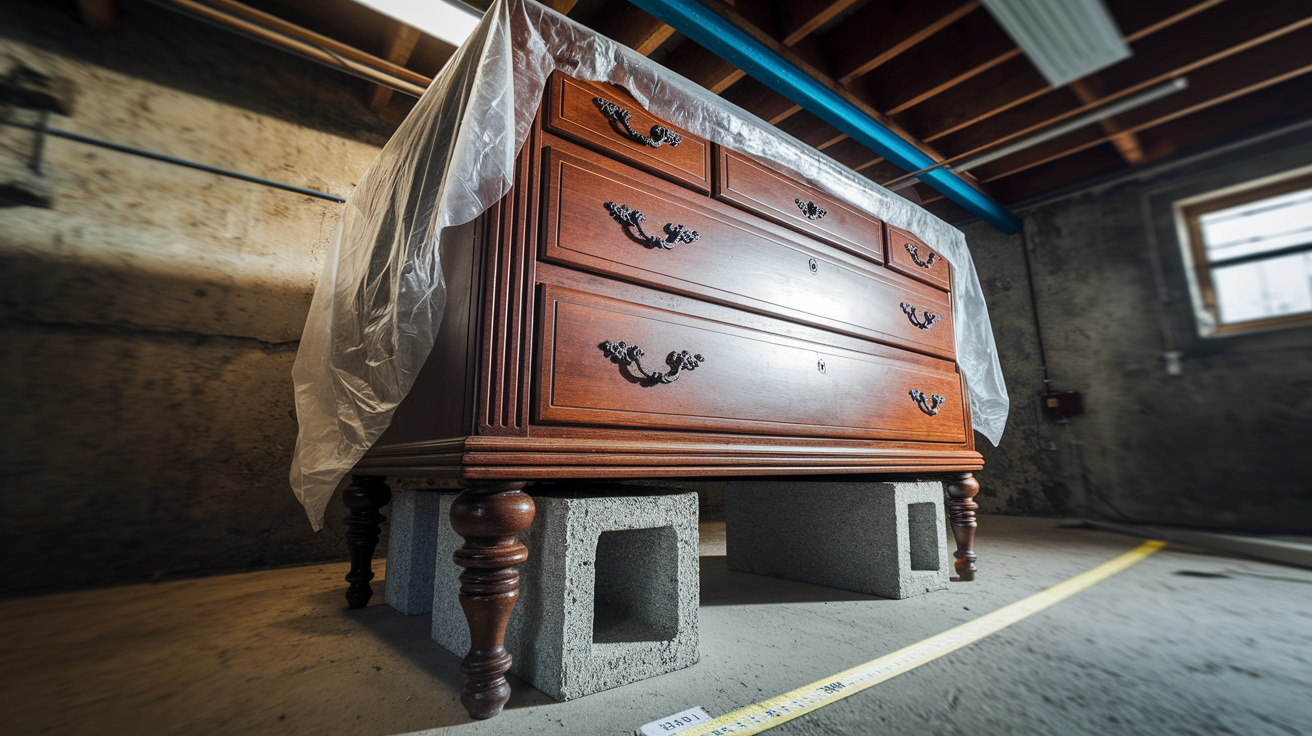
For items too large to move upstairs, create elevation using cinder blocks, bricks, milk crates, or sturdy platforms raising items at least 12 to 24 inches above anticipated water levels. Check your community’s flood maps to understand typical flood depths in your area. Remove drawers and cushions to reduce weight and move those separately to upper floors, lightening the frame enough to lift onto blocks. Stack blocks in stable configurations, using four to six blocks per furniture leg depending on weight.
Cover elevated or relocated furniture with plastic sheeting secured with duct tape to add an extra layer of water damage protection. This step matters especially for upholstered pieces that absorb water rapidly, swelling and developing mold within 24 to 48 hours. Wrap plastic completely around the item like you’re gift-wrapping it, taping seams closed. Even if water reaches the furniture, the plastic slows penetration and reduces the amount absorbed, potentially saving pieces that would otherwise be condemned.
Sentimental Items and Heirlooms: Special Handling Requirements
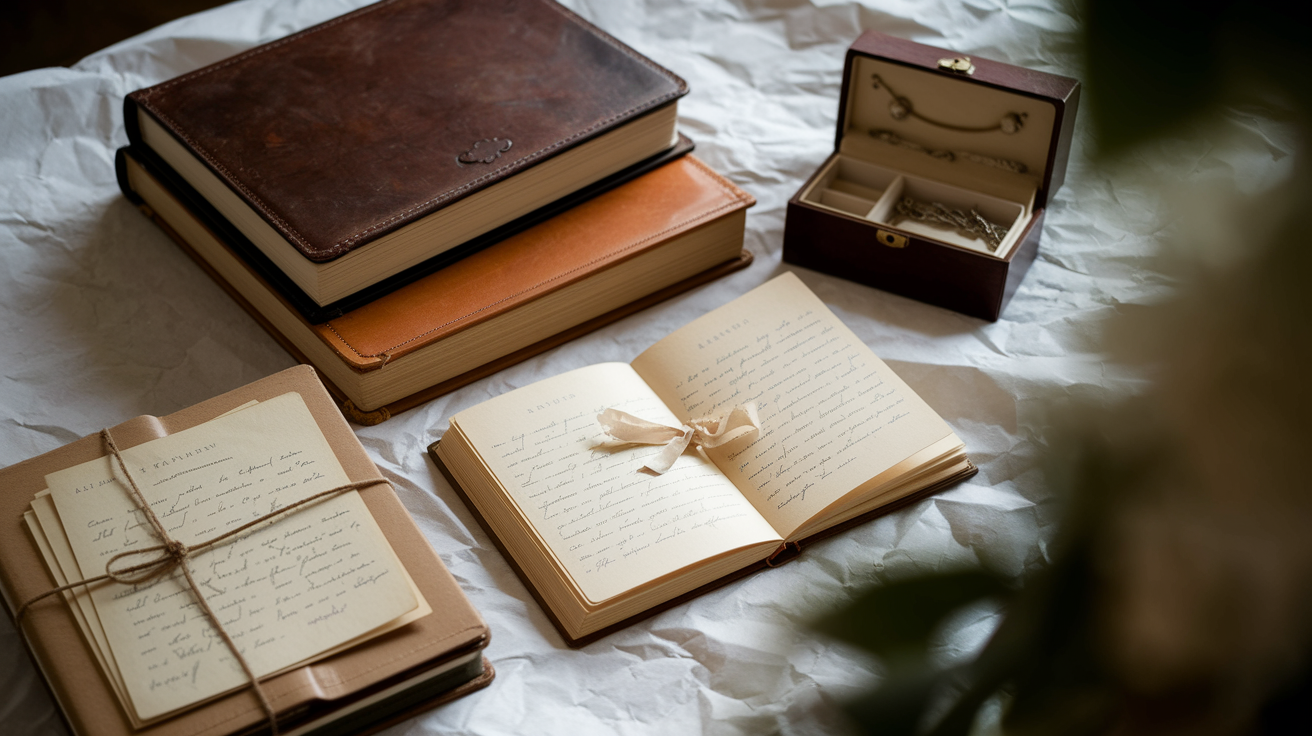
Identify sentimental items in advance as part of flood preparedness planning. Creating a “priority list” during calm weather reduces emotional decision-making during crisis when you’re stressed and rushing. Walk through your home and label items mentally or on paper. The wedding album from 1987, baby books with your kids’ first drawings, war medals your grandfather earned, handwritten letters from your mom, the quilt your great-grandmother sewed, jewelry inherited through three generations. Make these decisions now so when flooding threatens, you grab the list and work through it methodically.
Special handling protects delicate items from damage during relocation. For photograph albums, seal each album individually in plastic bags because if one bag fails, you don’t lose everything. For artwork, store vertically away from walls where they might lean and bend, never lay flat where water can pool on surfaces. For textiles and quilts, use sealed bags with minimal air, folding carefully with acid-free tissue (available at craft stores) between folds to prevent creases from becoming permanent. For book collections, stack books spine-down in waterproof bins so water can’t wick up pages. For jewelry boxes, place entire boxes in waterproof containers on high shelves rather than trying to sort individual pieces during a crisis. For musical instruments, seal cases in plastic bags because even small amounts of moisture warp wood and damage mechanisms.
Digital preservation serves as insurance for memories. Photograph or scan irreplaceable photos, documents, and artwork before flooding occurs so memories are preserved even if originals are damaged or destroyed. Use high-resolution settings on your phone or scanner, capturing details clearly enough to print if needed. Store copies in multiple cloud locations like Google Photos, iCloud, and Dropbox so if one service experiences problems, you have backups. This takes time, but once it’s done, your memories exist in a form that survives any physical disaster.
Evacuation Checklist: Room-by-Room Valuable Relocation Guide

Work systematically through your home using a room-by-room approach. This method reduces oversight and panic because you clear each space completely before moving to the next, rather than bouncing around randomly and forgetting entire rooms. Start in the basement if you have one, then work through main-level rooms, ending with upstairs bedrooms where you’ll likely stage items.
Basement. Move furniture first, then storage boxes, tools, seasonal decorations. Document serial numbers with photos on water heaters and HVAC systems because these expensive items require proof for insurance replacement. Relocate hobby equipment like woodworking tools or craft supplies, and elevate or move laundry machines if possible. Don’t forget items stored under basement stairs or in crawl spaces.
Living room. Disconnect and protect electronics including TV, gaming systems, sound equipment, cable boxes. Grab family photos on display, artwork hanging on walls, important mail sitting on side tables. Move coffee table books or albums that hold memories. Check entertainment centers and cabinets for stored items like external hard drives, photo albums, or document folders hidden in drawers.
Bedrooms. Empty jewelry from dressers, unplug laptops and tablets, pack clothing essentials (3-day supply of underwear, socks, comfortable clothes). Search nightstands for personal documents, medication bottles, and daily-use items. Gather medications from connected bathrooms. Don’t forget phone chargers, which you’ll need during and after the flood.
Kitchen. Move small appliances from counters including coffee makers, toasters, blenders, stand mixers. Plan refrigerator contents by packing coolers with ice for medications and essential perishables. Relocate valuable cookware like cast iron skillets (which rust when wet) or inherited china and serving pieces. Clear pantry items from lower shelves where water typically enters first.
Home office. This room contains your financial life. Secure desktop computers and monitors, external hard drives, business records and tax documents. Empty filing cabinets, prioritizing current year and legal documents. Move printers and office equipment. Check desk drawers for checkbooks, client files, or contracts.
Garage. Elevate power tools to high shelves, relocate vehicles to higher ground if possible. Move chemicals and propane tanks to high shelves but never seal them in airtight containers because vapors need to escape. Elevate lawn equipment, sports gear, and bicycles. Check overhead storage racks, which often hold holiday decorations or camping equipment worth protecting.
Creating a printed checklist and keeping it with emergency supplies provides quick reference when warnings are issued. Laminate the checklist so it survives moisture exposure, because during flood prep, everything gets wet from rain, splashing, or sweaty hands. Update the list yearly as you acquire new valuables or move items between rooms.
Timing Your Response: When to Start Moving Valuables
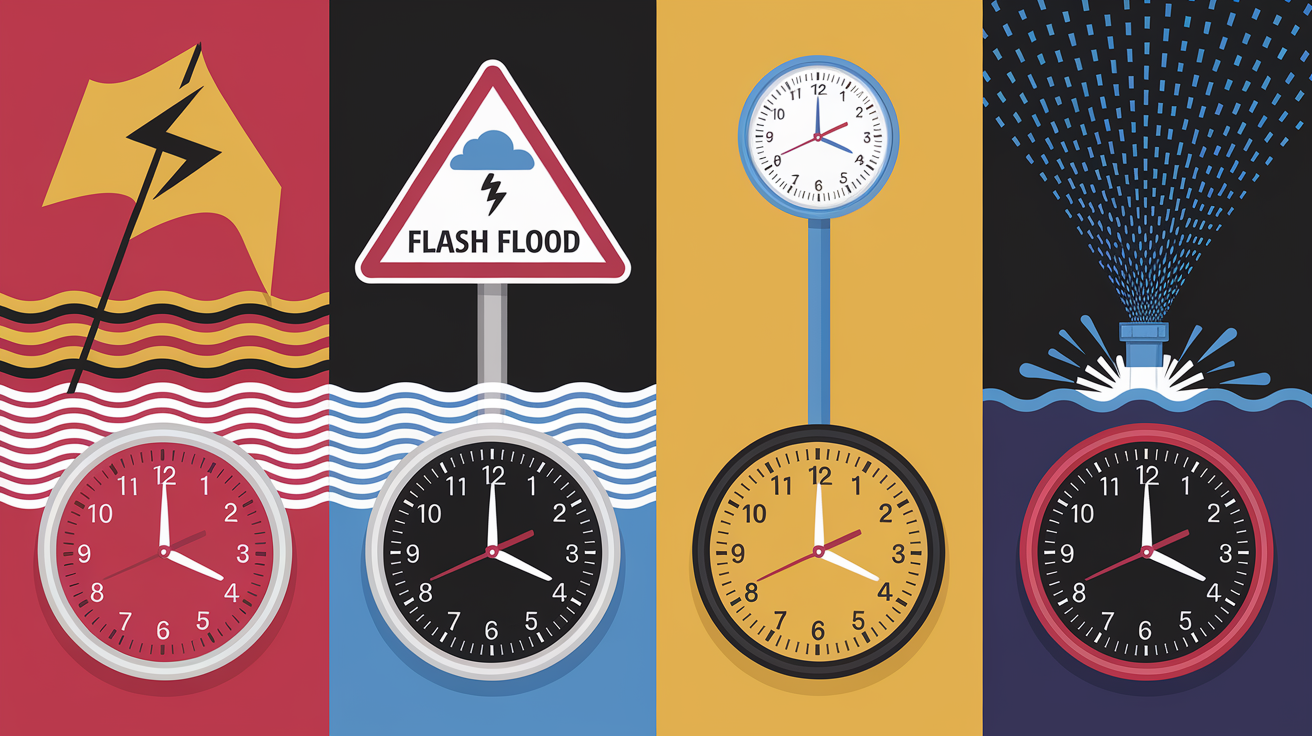
Hurricane and tropical storm warnings provide the longest preparation window. Begin moving valuables 48 to 72 hours before predicted landfall when evacuation orders are likely but not yet issued. This timeframe allows methodical protection of all priority items without rushing, working through your room-by-room checklist completely. You can recruit family members or friends to help, make multiple trips upstairs with heavy items, and properly seal everything in waterproof protection.
Flash flood warnings require immediate action. You have 30 to 60 minutes from alert to potential flooding, maybe less. Focus only on highest-priority irreplaceable items. Documents, medications, electronics with data. Skip furniture protection entirely. Grab pre-packed emergency kit, snatch document folders from your safe, throw laptops in plastic bags, and get to high ground. There’s no time for systematic protection.
Rising river levels provide moderate warning time. Monitor local flood stage forecasts and begin relocation when levels reach “action stage” or when flood watch is issued, typically providing 12 to 24 hours of preparation time depending on watershed size. This scenario falls between hurricane prep and flash flooding, giving you enough time for most valuables but requiring focus and steady work. Prioritize basement and ground level first because you know water’s coming from a predictable source.
Internal flooding from burst pipes, sewer backup, or appliance failures demands immediate action regardless of time of day. Shut off the water source first if possible (main water valve or appliance supply line), then start moving items within minutes, beginning with ground-level and basement possessions. Water from internal sources flows fast and spreads through the entire floor level quickly. Don’t waste time on perfect packing. Grab items and get them upstairs or outside before water reaches them.
Preparing an Emergency Kit Alongside Your Valuables Plan

Moving valuables is one component of comprehensive flood evacuation, but personal safety must remain the primary concern. You can replace a TV. You cannot replace yourself or your family members. While you’re gathering supplies for protecting possessions, gather supplies for protecting people.
Work on both simultaneously, not sequentially. While you’re buying plastic bins for valuables, buy bottled water and batteries. While you’re organizing documents for waterproof storage, organize first aid supplies. This parallel approach ensures neither category gets neglected when time pressure hits.
Valuables Protection Supplies:
- Waterproof containers and heavy-duty plastic bags in sizes from sandwich to garbage bag
- Plastic sheeting and tarps (6-mil thickness minimum)
- Permanent markers for labeling containers by room and contents
- Duct tape and zip ties for securing sealed packages
- Camera or phone for documentation (keep it charged)
- Dolly or hand truck for heavy items
Emergency Survival Supplies:
- Water (1 gallon per person per day, 3-day minimum for family of four equals 12 gallons)
- Non-perishable food (3-day supply including ready-to-eat meals, protein bars, peanut butter)
- Prescription medications (30-day supply if possible) and first aid kit
- Flashlights, batteries, and battery-powered radio (phone batteries die, radios keep working)
- Emergency cash ($200 or more in small bills because ATMs and card readers fail during disasters)
- Copies of important documents in waterproof pouch (separate from originals stored elsewhere)
Store both supply types together in an accessible location like a hall closet or garage shelving unit for rapid deployment when warnings are issued. If valuables supplies are in the attic and emergency supplies are in the basement, you waste critical time searching. Everything in one grab-and-go location means you’re ready in minutes. Review and update supplies every 6 months, replacing expired medications, updating documents, refreshing batteries, and rotating food supplies.
Common Mistakes When Moving Valuables During Flood Warnings
Stress and time pressure lead to poor decisions during flood emergencies. Your brain shifts into panic mode and logic takes a back seat to frantic action. Understanding common pitfalls helps maintain clear thinking during crisis because you recognize the mistake pattern before you fall into it.
Knowing what NOT to do is as important as knowing correct actions. Prevention stops problems before they start, and in flood situations, mistakes can mean the difference between successful protection and devastating loss.
Avoid these critical errors:
- Waiting too long to start moving items, procrastinating until water’s visible at the curb or seeping under doors. By then it’s too late for systematic protection and you’re in danger
- Focusing on replaceable items while ignoring irreplaceable documents and photos, spending 30 minutes moving a couch that costs $800 to replace instead of grabbing the wedding album that’s priceless
- Failing to disconnect electronics before moving them, leaving items plugged in which creates electrical shock hazards when you carry them through wet areas
- Overloading containers making them too heavy to carry upstairs, packing 40-plus pound bins that require two people to lift or that you drop halfway up the stairs
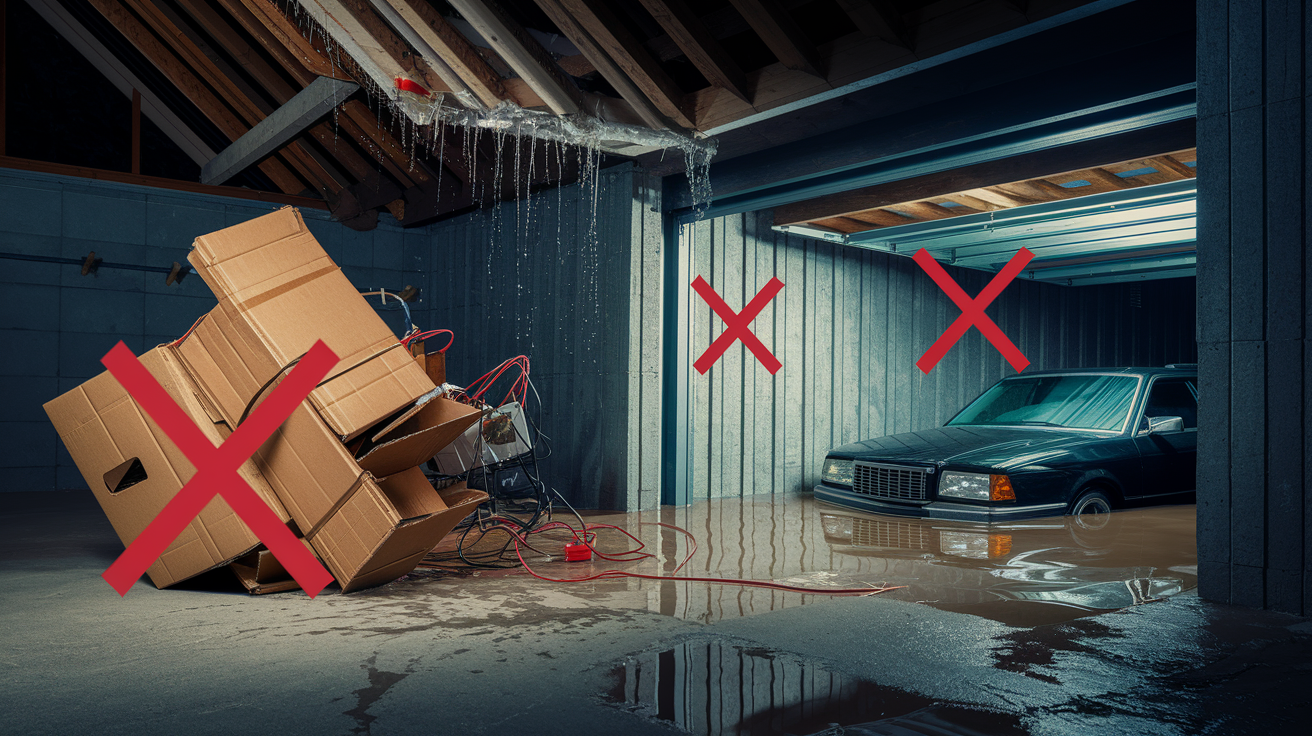
- Storing items in attics without waterproof protection, assuming the attic’s “safe” when roof leaks during the same storms compromise that storage space
- Leaving valuables in vehicles parked in garages or low-lying areas where cars flood quickly and become inaccessible when water rises
- Not informing family members where items have been relocated, creating confusion during recovery when no one remembers if the documents went to the master bedroom closet or the guest room
- Attempting to move items during active flooding when water’s already flowing through your home, risking personal safety for possessions that aren’t worth your life
Advance planning and early action eliminate most of these mistakes. When you prepare during calm weather, buy supplies ahead of time, and create written plans, the crisis becomes execution of a familiar process rather than panicked improvisation. Practice the plan during calm weather to build muscle memory for crisis situations, doing a practice run where you pretend flooding’s 2 hours away and work through your checklist. Write down where items are moved during actual events to prevent post-flood confusion when stress levels are high and memory’s unreliable because you’re exhausted and overwhelmed.
Final Words
Moving valuables before flood water arrives protects what matters most and speeds up your recovery later.
Start with documents, medications, and electronics. Work your way through furniture and sentimental items as time allows. Store everything in waterproof containers on upper floors or in your attic.
The key is acting early, before you feel rushed.
Keep your supplies ready now. Print a room-by-room checklist. Mark your containers clearly. When the flood warning hits, you’ll know exactly what to grab first and where to put it.
FAQ
What should you do before a flood to protect your home?
Before a flood to protect your home, you should move valuables to upper floors, seal important documents in waterproof containers, disconnect electronics from power sources, and relocate basement furniture first since lower levels flood fastest.
What’s the safest thing to do in a flood?
The safest thing to do in a flood is to evacuate immediately when warnings are issued, prioritizing your safety over possessions. If flooding begins while you’re home, move to the highest floor available and call for help.
What should not be done during a flood?
During a flood, you should not attempt to move furniture or valuables once water is visible inside your home, walk or drive through floodwater, touch electrical equipment while standing in water, or delay evacuation to save possessions.
What can you do before a flood happens to prepare?
Before a flood happens, you can prepare by identifying priority items in advance, gathering waterproof containers and plastic bags, creating a documented inventory with photos, storing copies of important documents offsite, and establishing predetermined storage locations for different item categories.
How much time do you need to move valuables before flooding?
You need different timeframes to move valuables depending on flood type. Hurricane warnings provide 48 to 72 hours for systematic relocation, while flash floods require immediate action within 30 to 60 minutes focusing only on irreplaceable items.
Where should you store valuables during a flood?
You should store valuables during a flood on upper floors at least 4 feet above ground level, in waterproof containers inside attics, or at offsite locations like safe deposit boxes. Basement and ground-level storage will flood first.
What documents should you protect first during flood evacuation?
During flood evacuation, you should protect passports, birth certificates, insurance policies, property deeds, tax records, and medical records first. Place these in waterproof bags inside sealed containers or waterproof safes before moving to higher ground.
How do you protect electronics from flood damage?
You protect electronics from flood damage by disconnecting all devices from power, sealing each item in resealable plastic bags with air removed, placing them in waterproof containers, and moving them to upper floors or elevated surfaces.
Should you move basement furniture first during flood warnings?
You should move basement furniture first during flood warnings because basements flood before main living areas. Prioritize valuable or sentimental pieces over replaceable items, and document serial numbers on appliances before relocating.
What waterproof containers work best for flood protection?
The waterproof containers that work best for flood protection include heavy duty resealable plastic bags, airtight plastic bins with locking lids, waterproof document pouches, and vacuum sealed bags. Layer protection by placing bags inside bins for maximum safety.
How do you protect photographs and sentimental items from floods?
You protect photographs and sentimental items from floods by sealing each album individually in plastic bags, uploading digital copies to cloud storage before flooding, and storing originals in waterproof containers on upper floors or in safe deposit boxes.
What’s the fastest way to protect valuables with limited time?
The fastest way to protect valuables with limited time is to grab only documents, medications, and electronics with data, seal them in plastic bags, and move to the highest point available. Skip furniture protection when you have under 30 minutes.
Should you turn off power before moving electronics during floods?
You should turn off power at the electrical panel before moving electronics during floods if time permits and flooding hasn’t started. This prevents electrical hazards while handling devices and reduces fire risk from short circuits.
How high should you elevate furniture to protect from flooding?
You should elevate furniture at least 12 to 24 inches above anticipated water levels using cinder blocks, bricks, or sturdy platforms. For basements, move items to main floors since elevation alone may not provide sufficient protection.
What items are too dangerous to move during active flooding?
Items that are too dangerous to move during active flooding include anything requiring you to walk through water, items stored in flooded basements, electronics still connected to power, and heavy furniture that risks injury. Personal safety always outweighs possessions.