

You’re staring at ankle deep water in your driveway, wondering if you should pack the car or wait it out. That hesitation is exactly what gets people trapped. Most flood deaths happen because households wait too long, not because they never got the warning. The gap between “safe to leave” and “too dangerous to move” can shrink to 15 minutes during fast rising floods. This guide breaks down the official alerts, physical warning signs, and location specific triggers that tell you when evacuation stops being optional and starts being the only choice that keeps your family alive.
Official Warnings and When They Mean You Must Leave

Understanding official flood alerts isn’t optional when flooding threatens. The National Weather Service uses specific words that tell you exactly when to prep, when to decide, and when you need to move right now to save your life. A watch means conditions are possible. A warning means it’s happening or about to happen. That single word difference is the gap between having hours to think it over and having seconds to act.
Mandatory evacuation orders mean local authorities decided staying puts your life at risk and creates danger for emergency responders who might need to pull you out later. These orders carry legal weight in some places and always mean leave immediately. Voluntary evacuation orders mean officials think conditions could turn dangerous but haven’t reached that point yet. If you’ve got young kids, elderly family, medical needs, pets, or anything that makes leaving complicated, treat voluntary orders like they’re mandatory for your household. Voluntary means “leave now if you need extra time,” not “wait and see what happens.”
Official flood alert levels and what you need to do:
Flood Watch: Flooding’s possible in your area within the next 12 to 48 hours. Start getting ready by gathering supplies, figuring out evacuation routes, prepping your home, moving valuables upstairs, and staying alert.
Flash Flood Watch: Flash flooding’s possible in a specific spot, often within 6 hours. Get ready to move to higher ground fast, keep watching weather conditions, and stay away from low spots and anywhere near streams.
Flood Warning: Flooding’s happening right now or will happen very soon where you are. Evacuate immediately if local authorities say so, move to higher ground if you’re in a flood prone area, and be ready to leave at any second even without official orders.
Flash Flood Warning: A flash flood is happening or about to happen, sometimes within minutes. Get to higher ground on foot immediately, don’t wait for instructions, ditch your car if you have to, and move to the nearest high ground as fast as you can.
Mandatory Evacuation Order: Authorities decided your area’s facing life threatening conditions. Leave immediately using designated routes, don’t delay trying to protect property, and understand emergency services might not be able to reach you if you stay.
Voluntary Evacuation Order: Conditions are getting worse and might become dangerous. Leave now if you’ve got special needs, mobility problems, pets, or you’ll need extra travel time, even if you think you could wait longer.
Shelter in Place Order: Conditions became too dangerous for travel and you missed the safe window to evacuate. Move to the highest floor in your home, stay away from windows, bring emergency supplies with you, and get ready to signal for rescue if water keeps rising.
Rainfall intensity and how long it lasts create specific flood risks that need evacuation consideration even before official warnings show up. Heavy rain exceeding 2 inches per hour typically overwhelms drainage and creates rapid water buildup. Approaching hurricanes with predicted storm surge mean coastal evacuation should happen 24 to 48 hours before landfall, way before the storm actually arrives. Dam or levee failure warnings need immediate evacuation of downstream areas within minutes of getting notified. Rapid snowmelt combined with rain creates situations where rivers rise faster than rainfall alone would cause. Upstream flooding reports mean water’s heading your way and you’ve got limited time before it shows up where you are. Forecast rainfall totals over 6 inches in 24 hours mean saturated ground where more rain has nowhere to go except across the surface.
Flash flood warnings give you the shortest decision window of any flood alert. You might have only minutes to act, sometimes while the sun’s still shining right where you are because the flooding’s racing toward you from upstream rainfall you can’t see. When a flash flood warning gets issued for your area, stop whatever you’re doing and move to higher ground immediately on foot. Don’t get in your car. Don’t wait to see if water shows up. Don’t grab your stuff. Just go.
Physical Signs Requiring Immediate Evacuation
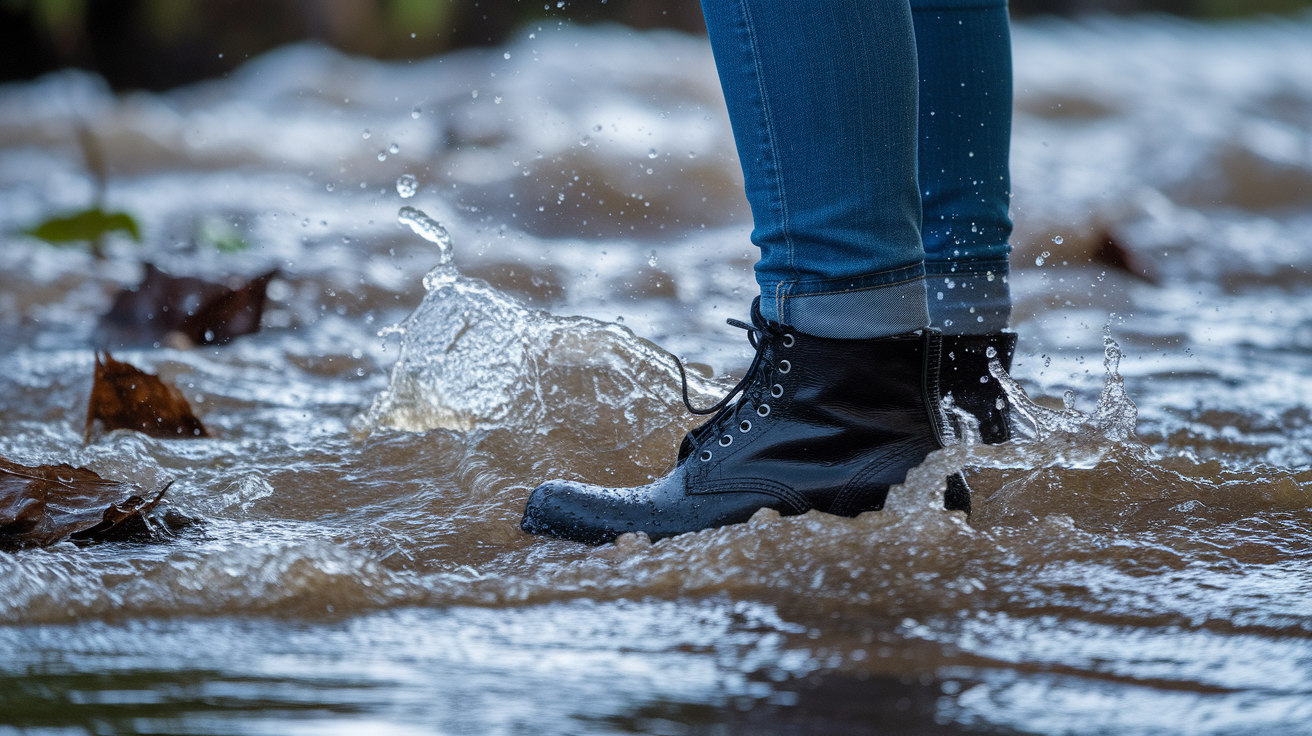
Floodwater turns deadly fast, way faster than most people expect. Water you can barely see over your shoes has enough force to knock you down. Water halfway up your car doors will float that car off the road and sweep it downstream with you stuck inside. The gap between “I can still leave safely” and “I’m trapped and in danger” is often just 15 to 30 minutes during fast developing floods, and once you cross that line, your options disappear.
| Water Depth | Danger Level | Required Action |
|---|---|---|
| Ankle deep flowing water | Moderate. Can knock down children and unsteady adults | Stop moving, turn around immediately, don’t try to cross, get back to higher ground |
| 6 inches of moving water | High. Can sweep adults off their feet | Evacuate immediately on foot to nearest high ground, stay out of any flowing water |
| 1 foot of standing water | High. Most vehicles will float and lose traction | Abandon your vehicle if water reaches this level, don’t try to drive, move to higher ground on foot |
| 2 feet of moving water | Extreme. Will sweep away most vehicles including SUVs and trucks | Emergency evacuation required, signal for rescue if trapped, don’t enter water on foot |
| Water entering first floor | Critical. Structure might be compromised, electrical hazards present | Move to upper floors immediately, get ready to signal for rescue, don’t touch electrical equipment |
| Water touching foundation | Urgent. Immediate action window closing | Evacuate within minutes if possible, move to upper floor if evacuation routes are flooded, gather emergency supplies |
Rapid water rise happens when you can actually watch the water line move up stuff like fence posts, building walls, or parked cars. If you see water rising on a mailbox and the line moves up two inches while you watch for one minute, you’re seeing conditions that might trap you within the hour. Increased flow speed shows up as faster current, more debris moving past, or water that was calm an hour ago now has visible ripples and waves. Water rising more than one inch per hour where you are means you’re in a fast developing flood situation where conditions will turn critical within hours, not days.
Specific things you can see that mean you need to evacuate right now:
Water touching your home’s foundation from any direction, even if it’s only an inch deep, because that inch can become a foot within 20 minutes during flash flooding.
Water entering your home at any level, including seeping through doors, coming up through floor drains, or flowing in from the garage.
You can’t safely reach your vehicle without walking through flowing water, which means your window to drive out just closed.
Visible road flooding on your planned evacuation routes, especially if water’s moving or you can’t see the road surface underneath.
Loss of electricity in your home or neighborhood, which means infrastructure failure and often means water’s gotten into electrical systems.
Emergency services announcing over radio or alerts that they can’t respond to your area anymore because of impassable roads.
Nighttime coming within 2 hours with water still rising anywhere on your property, because evacuating in the dark is way more dangerous.
People wait too long during floods because water rising slowly feels manageable and creates false confidence that you’ll know when it’s time to go. The psychological thing is to underestimate danger that develops gradually and to think you’ve got more time than you actually do. The window between “safe to leave” and “too dangerous to leave” can be incredibly narrow, sometimes 15 minutes or less during flash flood conditions. Emergency responders can’t reach everyone during peak flooding because roads become impassable and rescue resources get overwhelmed by hundreds of calls at once. Leaving early is always safer than leaving late. If you’re feeling uncertain about whether it’s time to evacuate, that uncertainty is your answer. During flash flood conditions where water’s rising rapidly or moving with visible current, your personal safety call has to override waiting for official evacuation orders because those orders might not come in time.
Location Specific Evacuation Criteria for Different Flood Risk Areas
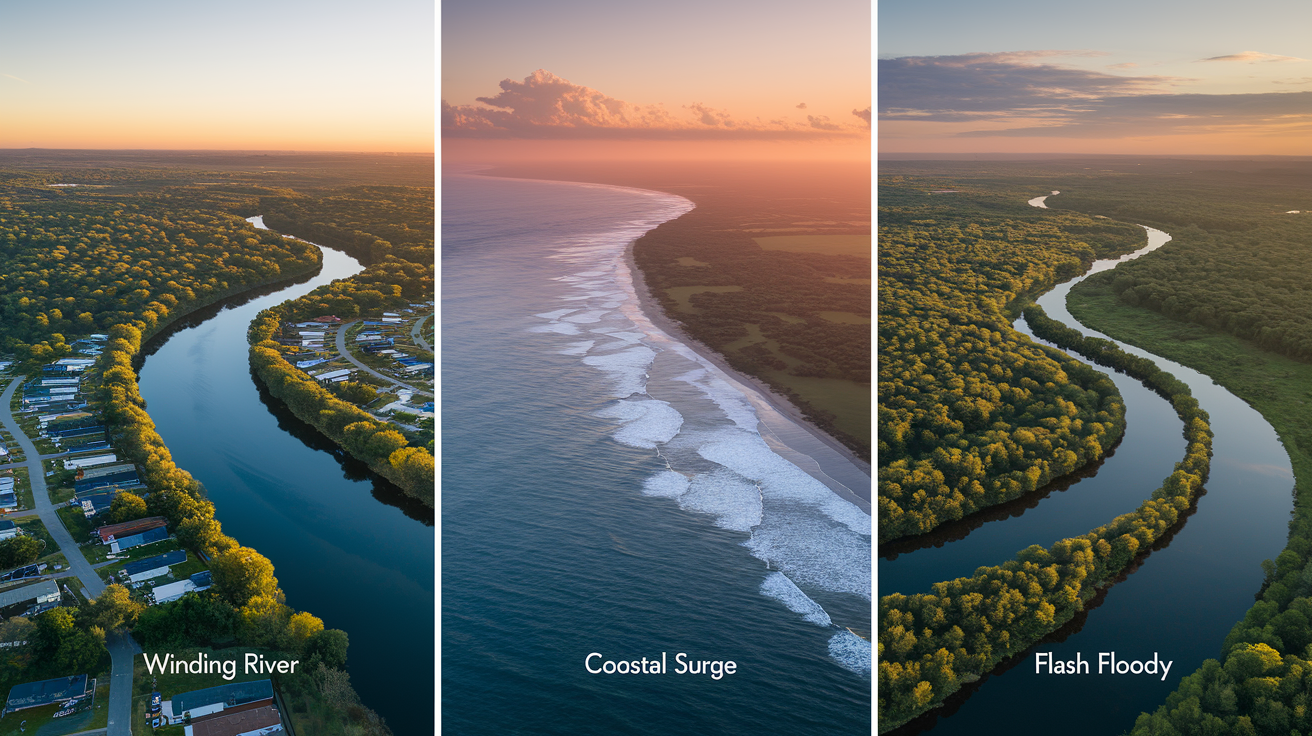
Evacuation timing changes a lot based on where you live because different spots flood at different speeds and give you different warning windows. A home next to a river might have 12 hours to prepare as upstream gauges show rising water. A house in a low lying area during a thunderstorm might have 12 minutes. Knowing your specific location type tells you how much time you actually have when conditions start going downhill.
River and Stream Adjacent Properties
River flooding typically develops gradually over 6 to 48 hours as upstream rainfall works its way downstream and water levels rise steadily. You can often monitor river gauges upstream and see flooding coming hours or even days before it reaches where you are. Local emergency management and the National Weather Service issue river flood warnings when gauges hit certain levels, giving you a predictable timeline. That gradual pattern means you often have 6 to 12 hours to prepare once flooding looks likely.
That timeline collapses completely once water reaches your property level. When you see water touching your yard or moving toward your foundation, evacuation needs to happen within an hour because river flooding can speed up as levees get overtopped or side channels form. Nighttime river flooding’s particularly dangerous because you can’t see rising water in the dark.
Coastal and Storm Surge Areas
Hurricane and tropical storm flooding requires evacuation 24 to 48 hours before landfall, way before you see any water. Mandatory evacuation orders for coastal zones typically come 24 to 36 hours before hurricane landfall because authorities know roads will become impassable once wind speeds pick up and storm surge begins pushing water inland. If you wait to see flooding before leaving a coastal evacuation zone during a hurricane, you’ve already waited too long.
Storm surge can push water miles inland and rise 10 to 15 feet within a few hours as the storm makes landfall. Once surge flooding begins, roads flood so fast that evacuation becomes impossible. Waiting to see how bad the storm looks is one of the most dangerous things coastal residents do, because by the time the storm looks bad at your location, you’re trapped.
Low Lying Areas and Flash Flood Zones
Flash flood zones offer minimal warning time, often just minutes to an hour between the first sign of trouble and life threatening conditions. These areas flood during intense thunderstorms, dam failures, or rapid snowmelt events that can’t be predicted with exact timing. You might see sunny skies right where you are while a flash flood races toward you from heavy rain 10 miles upstream.
The complete inability to predict exact flash flood timing means you need to evacuate at the first signs of heavy rainfall in your area or upstream. If local radar shows intense thunderstorms nearby or upstream from where you are, treat that as your evacuation trigger rather than waiting to see water. If you hear rumbling or see debris in a normally dry creek bed, you’ve got seconds to reach higher ground, not minutes.
Check local floodplain maps and evacuation zones before flood season so you know your property’s specific risk level and can make informed timing decisions. Your local emergency management office and FEMA flood maps show whether you’re in a high risk flood zone, moderate risk area, or outside mapped flood zones entirely, which determines how early you should evacuate when storms approach.
Evacuation Routes and Transportation Safety
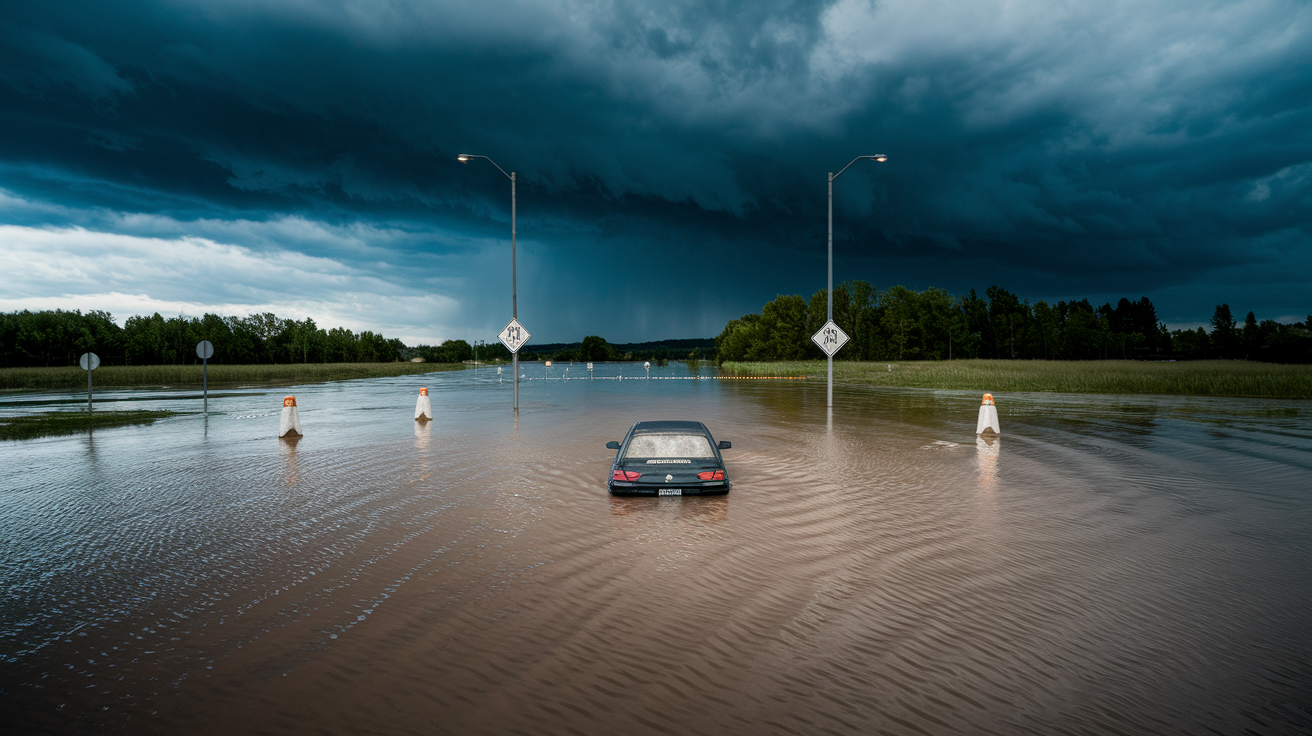
Figuring out your primary and alternate evacuation routes before flooding starts is critical because you need to leave before those routes become impassable. Vehicles create a false sense of security in floodwater because people think their car will protect them, but most vehicles become death traps in less than two feet of moving water. A car’s not a boat. Water gets inside, electrical systems fail, power windows stop working, and the vehicle floats off the road into deeper water where you’re trapped.
Critical safety rules for vehicle evacuation and route navigation:
Never drive through water covering the road, even if it looks shallow, because you can’t see what’s underneath and most flood deaths happen in vehicles.
Abandon your vehicle immediately if water reaches the floor or the car stalls, even if you’re in the middle of the road, because staying in the vehicle can kill you within minutes as water rises.
Avoid underpasses and low lying roads entirely during flooding since these areas collect water first and flood deepest.
Watch for washouts and collapsed pavement under floodwater, which can drop your vehicle into much deeper water or trap you in a hole.
Expect significant traffic delays during evacuations and leave early, often several hours earlier than you think necessary, to avoid getting stuck in traffic as water rises.
Identify high ground parking areas along your evacuation routes in advance so you’ve got options if routes ahead become flooded.
Plan alternate routes that avoid low lying areas and stream crossings in case your primary route’s already flooded when you try to leave.
Stop your vehicle immediately and don’t try to drive through water of unknown depth, because six inches is enough to lose control and one foot is enough to float the car.
Return home or to the nearest high ground if that’s closer and safer than continuing forward on a route that’s getting increasingly flooded.
If you become trapped in a vehicle during flooding, you’ve got a very short window to escape. If water’s rising rapidly around a stalled vehicle, exit immediately and move to higher ground on foot if you can do it safely. Don’t waste time trying to restart the car. Don’t call for help while sitting in the car if water’s rising. Get out and get to high ground, then call for help. If water’s already too deep to safely exit the vehicle, move to the roof of the car and signal for rescue, but that’s an emergency situation that resulted from waiting too long to evacuate.
Walking through floodwater’s extremely dangerous and should only happen when you’ve got no other option and only where water’s not moving. If you have to walk through flooded areas, use a stick or pole to check how firm the ground is in front of you because floodwater hides washouts, open manholes, and drop offs. Never walk through moving water above ankle depth. If water’s moving with visible current, don’t enter it on foot under any circumstances because moving water can sweep you off your feet and drown you in seconds.
Immediate actions when evacuation becomes impossible and you’re stranded:
Return home or to the nearest substantial building if that’s closer and safer than continuing toward your evacuation destination on flooded roads.
Move to upper floors immediately if water enters the home, bringing emergency supplies, phone, and flashlight with you.
Move to the attic with tools capable of breaking through the roof if water keeps rising to the second floor, because people have drowned trapped in attics with no roof access.
Signal for help from upper floors or the roof using bright colored clothing, flashlights, or anything visible from the air or from rescue boats.
Call 911, give your exact address and location within the building, then minimize phone use to preserve battery life for later emergency calls.
Stay with the structure rather than trying to enter floodwater on foot unless the building’s actively collapsing, because more people drown trying to evacuate flooded buildings than die waiting for rescue inside them.
Coordinating rescue during peak flooding takes patience because emergency responders prioritize life threatening situations and might not reach you for hours or even days if you’re safe on an upper floor. Make yourself visible, conserve phone battery, and wait for help rather than trying self rescue through floodwater. These stranded situations are exactly why early evacuation matters, because all of these are last resort measures that can be completely avoided by leaving before water makes routes impassable.
Pre Evacuation Actions to Take Before Leaving Home
These home prep steps should only be taken if you’ve got at least 30 to 60 minutes of available time before you need to evacuate. Personal safety always takes priority over property protection. If water’s rising rapidly or evacuation orders say leave immediately, skip these steps entirely and leave now.
Priority pre evacuation home prep sequence:
Turn off electricity at the main breaker panel to prevent electrical fires and electrocution hazards when floodwater reaches outlets or appliances.
Turn off gas at the meter if local authorities tell you to, which prevents gas leaks and fire hazards if flooding damages gas lines.
Move valuables, important documents, photographs, and irreplaceable items to upper floors or the highest point in your home.
Unplug all appliances and electronics to protect them from power surges when electricity gets restored after flooding.
Bring outdoor furniture, grills, garbage cans, and anything that could float away or become dangerous debris inside or secure them tightly.
Photograph your home and belongings for insurance documentation, taking quick photos of each room and valuable items.
Gather your pre packed evacuation bag with supplies for at least three days, including medications, documents, water, and food.
Fill bathtubs and large containers with clean water for drinking and hygiene in case you return to find water systems contaminated.
Secure doors and windows, close foundation vents if you’ve got time, and move cars to higher ground if possible.
Leave one light switched on so you can see from outside whether power’s been restored when you return to check the home.
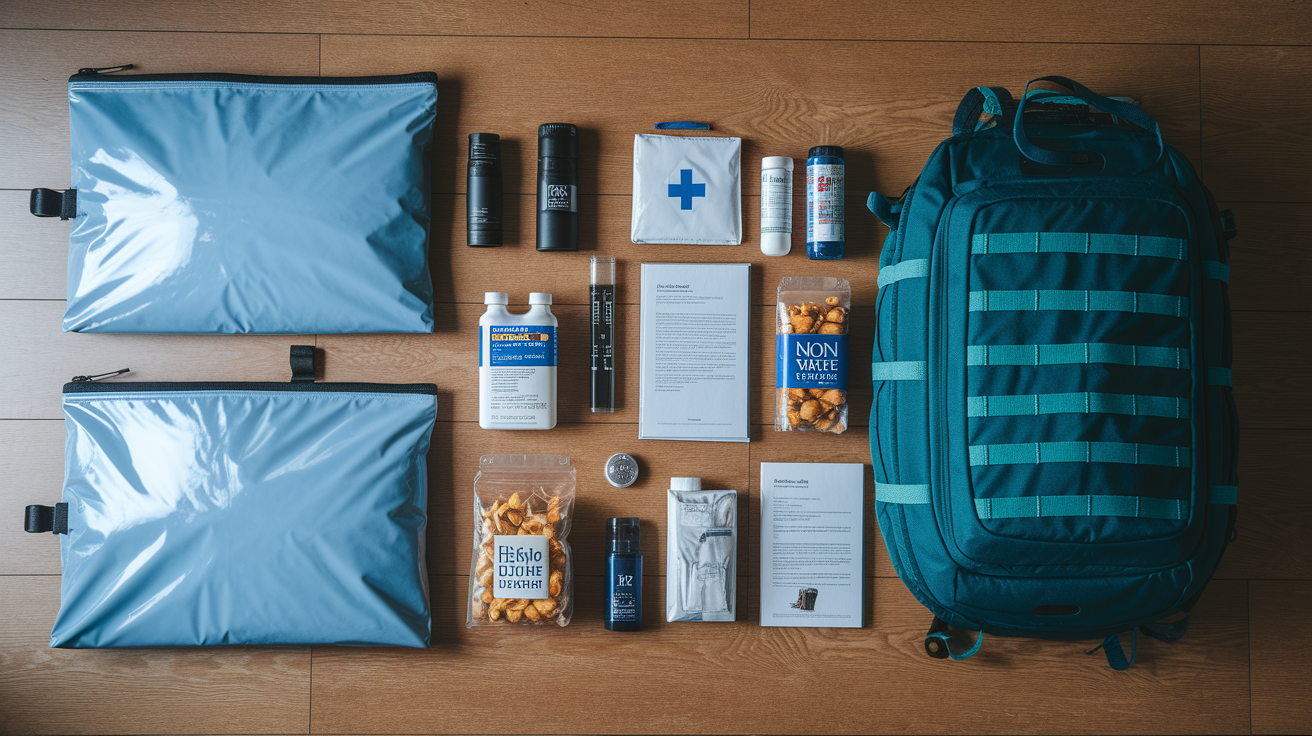
Your evacuation bag should have a three day supply of water (one gallon per person per day), non perishable food, essential documents in waterproof bags, prescription medications, flashlight, battery powered or hand crank NOAA Weather Radio, extra batteries, first aid kit, copies of insurance policies, cash in small bills, phone chargers including car charger, and a list of emergency contacts. Having these items pre packed during flood season means you can grab the bag and go rather than scrambling to gather supplies when evacuation orders come.
Never delay evacuation to complete property protection steps. If you’re still moving furniture when you should be in the car driving to safety, you’ve made a dangerous mistake. Home prep is what you do when you’ve got time. Evacuation is what you do when time runs out. The difference matters.
Special Evacuation Considerations for Vulnerable Household Members

Standard evacuation timing recommendations assume healthy adults who can move quickly, make rapid decisions, and travel efficiently. That assumption doesn’t match most households. Families with young children, elderly members, individuals with disabilities, or anyone dependent on medical equipment need to adjust evacuation timing earlier because everything takes longer and complications are more likely.
Household scenarios needing earlier evacuation timing than standard recommendations:
Infants and young children require car seats, diaper supplies, formula, comfort items, and way more time to load into vehicles, meaning your evacuation timeline needs an extra 30 to 60 minutes minimum.
Elderly family members often need additional travel time, more frequent rest stops, help moving between locations, and may resist leaving familiar surroundings, requiring patience and earlier departure.
Individuals with mobility limitations require accessible transportation, potentially specialized vehicles or wheelchair access, routes avoiding stairs or steep terrain, and extra time for transfers.
Household members dependent on medical equipment or refrigerated medications need power at evacuation destinations, coordination with medical providers, backup power supplies, and early departure before equipment fails.
Pets require carriers, leashes, food, water, medications, and advance arrangement of pet friendly shelters or hotels since most emergency shelters don’t accept animals except service animals.
Large animals including horses and livestock need trailer transport, advance coordination of evacuation facilities willing to accept animals, and way longer loading and travel times.
Figuring out evacuation assistance resources in advance makes a critical difference for households with special needs. Many communities maintain special needs registries through emergency management offices where you can register household members who need evacuation help. These programs can provide accessible transportation, medical equipment support, and priority notification of evacuation orders. Contact your local emergency management office before flood season to register and understand what assistance is available in your area.
Households with special considerations should evacuate during voluntary evacuation phases rather than waiting for mandatory orders because by the time mandatory orders get issued, roads may already be congested, transportation assistance resources may be fully committed, and pet friendly shelter space may be filled. Voluntary evacuation orders are specifically designed to give extra time to people who need it. If your household has any special needs, treat voluntary orders as mandatory for your situation.
Emergency Shelter Locations and Evacuation Destinations

Figuring out where you’re going before you leave home prevents dangerous decision making while driving through worsening conditions. Knowing your destination also determines your evacuation timing because driving 20 miles takes different time than driving 200 miles, and different destinations have different availability windows.
Evacuation destination options with specific guidance:
Official emergency shelters opened by local emergency management and Red Cross provide basic safety, restrooms, limited food and water, and climate control, usually located in schools, community centers, or government buildings on high ground outside flood zones.
Hotels or motels outside flood risk zones with confirmed pet policies if needed offer more privacy and comfort than emergency shelters but require advance reservation during major evacuations and cost money that not all households have available.
Homes of friends or family on higher ground at least 20 miles from the flood area provide familiar surroundings and support but require advance coordination and may not be accessible during widespread regional flooding.
Community centers or schools designated as evacuation points by local authorities offer temporary gathering locations and information about transportation to longer term shelters if needed.
Higher elevation public areas like parking garages, upper floors of sturdy buildings, or hilltops serve as temporary refuge during immediate flash flood threats when no time exists to reach distant shelters.
You can find official shelter locations through your local emergency management office website, calling 211 community information lines which activate during emergencies, monitoring local TV and radio emergency broadcasts, and checking Red Cross shelter finder apps on your phone. Shelters often don’t open until mandatory evacuations get issued, so calling ahead during voluntary evacuation phases may get you no information because facilities haven’t activated yet.
Official emergency shelters provide basic safety but limited privacy and amenities. You’ll likely sleep on a cot in a large room with many other families, have access to basic restrooms and possibly showers, receive some food and water but not full meals, and need to bring your own medications, important documents, entertainment for kids, and comfort items. Shelters aren’t hotels. They’re safe places to wait out the emergency, which is exactly what matters when flooding threatens your home. Many shelters don’t accept pets except service animals, which is why pre identifying pet friendly hotels or arrangements with friends who’ll accept your animals is critical for pet owners who might otherwise delay evacuation rather than leave animals behind.
Communication and Coordination During Flood Evacuation

Setting up family communication plans before flooding begins prevents confusion and missed connections when phones may not work reliably and family members might be separated. During major flooding, cell networks often become overloaded or damaged, making calls difficult or impossible. Having a plan means everyone knows what to do even when direct communication fails.
Complete communication protocol for flood evacuation coordination:
Designate an out of area contact person all family members can reach, preferably someone in another state who won’t be affected by the same flood event and whose phone system will stay operational.
Program local emergency management, 311 non emergency, and 211 information line numbers into all family members’ phones so everyone can access official information.
Monitor NOAA Weather Radio continuously for official updates directly from the National Weather Service, which often provides more current information than TV or internet sources during fast developing situations.
Enable Wireless Emergency Alerts on all mobile devices to receive geographically targeted warnings sent by local authorities directly to phones in threatened areas.
Establish specific meeting points if family members are separated when flooding begins, including both a local meeting spot outside the flood zone and a distant meeting location if local areas become inaccessible.
Inform others of your evacuation timing and destination before leaving, telling neighbors, out of area contacts, and posting on social media if time allows so people know you’ve left safely.
Maintaining communication during evacuation requires preserving phone battery life because you may lose power at your destination or need to stay in touch for several days. Reduce screen brightness, close unnecessary apps, switch to low power mode, and limit non essential calls or social media. Text messages often work when calls don’t because they need less network capacity. Leave notes in your home showing when you evacuated and where you’re going in case emergency responders need to account for residents or family members arrive looking for you.
Contact emergency services by calling 911 only for life threatening situations during peak flooding when responder resources are overwhelmed by hundreds of calls. If you’re safe but uncomfortable, that’s not an emergency requiring immediate response. If water’s rising in your home and you’re trapped, that is. Emergency responders prioritize active life safety threats, which means lower priority calls may wait hours or longer for response during widespread flooding.
Final Words
Knowing when to evacuate during a flood comes down to three things: understanding official warnings, recognizing physical danger signs, and leaving before conditions trap you.
Official alerts give you the framework. Physical signs like water at your foundation give you the trigger. Your location, household needs, and evacuation route tell you how much time you actually have.
The pattern is clear across every scenario. Early evacuation is safer, easier, and gives you control. Late evacuation means risk, panic, and sometimes impossible choices.
Build your plan now while it’s calm. Identify your routes, pack your go bag, and decide your trigger points before weather turns.
When the moment comes, you’ll know exactly what to do next.
FAQ
What are the 5 P’s of evacuation?
The 5 P’s of evacuation are People, Prescriptions, Papers, Personal needs, and Priceless items. These categories help you remember what to grab fast when you need to leave: get everyone out first, take medications, secure important documents, pack basics like phone chargers and eyeglasses, and save irreplaceable things like photos or heirlooms if time safely allows.
Can you flush a toilet during a flood?
You can flush a toilet during a flood only if your sewer system is working and floodwater has not entered your home. If water backs up when you flush, or if floodwater has reached your property, stop using all drains immediately because sewage may back flow into your home or contaminate your water supply.
How do we know when to evacuate?
You know when to evacuate by watching for official mandatory evacuation orders from local authorities, monitoring National Weather Service flood warnings, and observing physical signs like water touching your foundation or rising more than one inch per hour. Leave immediately if you receive a flash flood warning or see water entering your home at any level.
What is a good evacuation time?
A good evacuation time is as early as possible, ideally during voluntary evacuation periods or when flood watches are first issued, giving you daylight hours and clear roads. Plan to leave at least 6 to 12 hours before predicted peak flooding for river floods, or immediately upon flash flood warnings which may give only minutes to escape safely.
What is the difference between a flood watch and a flood warning?
A flood watch means flooding is possible in your area and you should begin preparation, while a flood warning means flooding is occurring or will occur soon and you must evacuate immediately if advised. Watches give you time to prepare, but warnings require action, and flash flood warnings demand immediate movement to higher ground without delay.
When should you leave during a mandatory evacuation order?
You should leave immediately during a mandatory evacuation order because staying puts emergency responders at risk and delays may trap you as roads flood. Mandatory orders mean conditions will become life threatening, and rescue services may not be able to reach you once flooding peaks, especially after dark or in fast moving water.
How much water does it take to sweep away a car?
It takes less than two feet of moving water to sweep away most cars, and even shallow water covering the road can hide washouts or create hydroplaning conditions. Never drive through floodwater, even if it looks shallow, because your vehicle can be pushed off the road or stall in rising water, trapping you inside.
What should you do if you get trapped by rising floodwater?
If you get trapped by rising floodwater, move to the highest floor of your home, call 911 with your exact location, and signal for help from upper windows or the roof using bright clothing or a flashlight. Stay with the structure unless it begins collapsing, and never enter moving floodwater to attempt self rescue.
How fast does water need to rise to be dangerous?
Water rising more than one inch per hour is dangerous and indicates critical flood conditions requiring immediate evacuation. Flash floods can rise several feet in minutes without warning, giving you almost no time to react, so any visible rapid rise means you need to move to higher ground right now.
Should you turn off utilities before evacuating during a flood?
You should turn off electricity at the main breaker and gas at the meter if instructed before evacuating during a flood, but only if you have time to do so safely. Never delay evacuation to complete home preparation tasks, and do not touch electrical equipment if you are wet or standing in water.
When is it too late to evacuate safely?
It is too late to evacuate safely when water blocks all exit routes, when your vehicle would need to drive through flooded roads, or when darkness falls with water still rising. This narrow window between safe departure and dangerous conditions is why leaving early during voluntary evacuations is always the better choice.
Where should you go during a flood evacuation?
You should go to official emergency shelters, hotels outside flood zones, or homes of family and friends on higher ground at least 20 miles from the flood area. Identify multiple destinations in advance with confirmed availability and pet policies if needed, because official shelters may not open until mandatory evacuations begin.
Do people with disabilities need to evacuate earlier?
People with disabilities, elderly household members, and anyone with mobility limitations need to evacuate earlier than standard recommendations because they require additional travel time, accessible transportation, and advance coordination. These households should leave during voluntary evacuation phases rather than waiting for mandatory orders to avoid being caught in traffic or dangerous conditions.
How do you evacuate with pets during a flood?
You evacuate with pets during a flood by having carriers ready, packing pet food and medications in your go bag, and pre identifying pet friendly hotels or shelters before flooding begins. Leave early because finding pet friendly accommodations becomes much harder during mandatory evacuations when options fill up fast.
What communication plan should you have before evacuating?
Your communication plan before evacuating should include an out of area contact all family members can reach, programmed emergency numbers, enabled wireless alerts on phones, and designated meeting points if separated. Tell someone outside the flood area your evacuation timing and destination before leaving, and leave a note at home for responders.