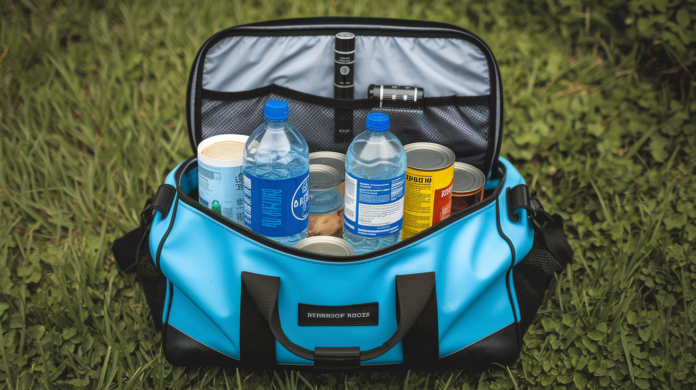

You’re packing for a weekend trip, except this one might save your life. When floodwater rises, you’ve got maybe 30 minutes to grab what matters and go. Most people freeze up, toss random stuff in trash bags, and forget half of what they actually need to survive three days without power, running water, or open stores. This guide walks you through exactly what to pack, in what order, so when evacuation warnings hit your phone, you’re not standing in your kitchen wondering what goes first.
Essential Items for Your Flood Evacuation Kit
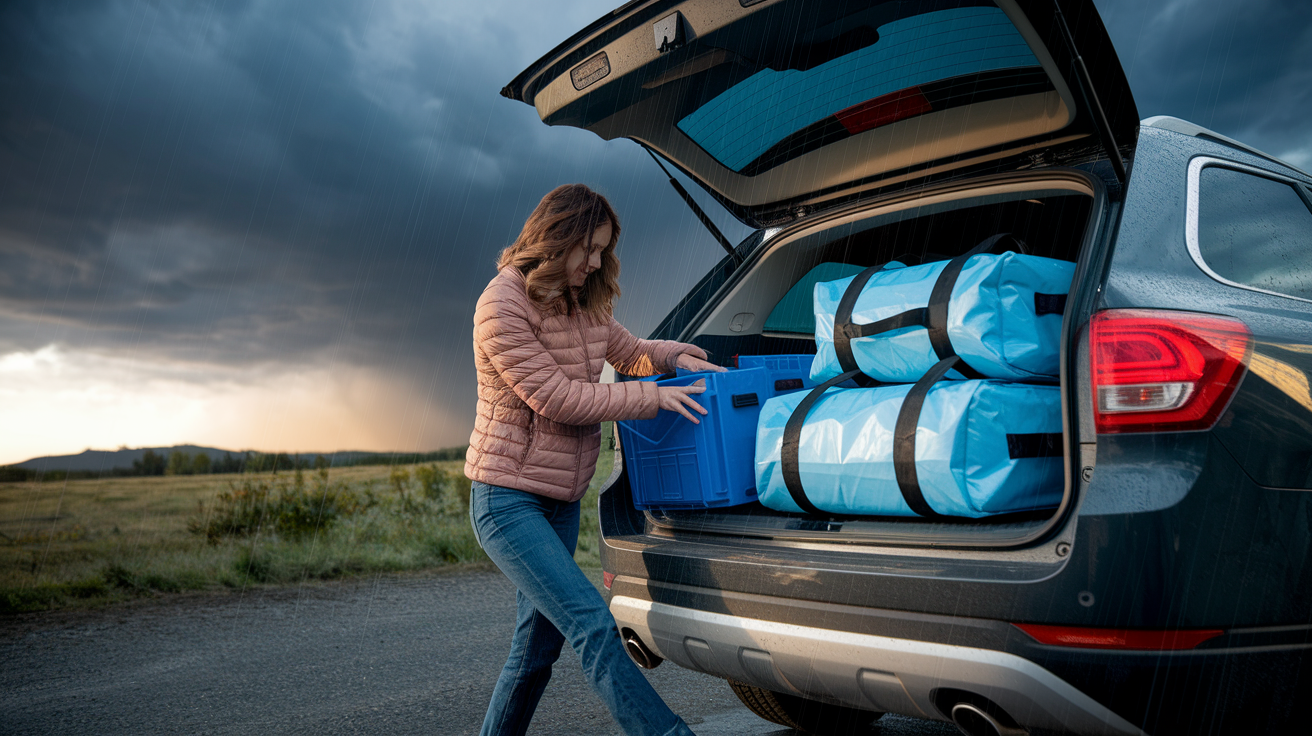
FEMA recommends preparing an emergency kit that can keep your family going for at least 72 hours. When authorities recommend evacuation, leave right away. Don’t wait for mandatory orders because by then, roads jam and water rises. You’re stuck.
Pack everything in crates or bags you can carry and store in your vehicle. If you can’t grab it and lift it without help, you’ve overdone it. Two trips max.
Essential services like electricity, water, and communication networks might stay down for days or weeks during floods. Your kit keeps you alive when nothing else works.
Water Supply Requirements
Water comes first. Store at least one gallon per person per day for three days. That’s three gallons per person minimum. Use bottled water and keep it in waterproof containers. Family of four? That’s 12 gallons. Heavy? Yes. Still need it? Also yes.
Food and Nutrition Essentials
Non-perishable items that don’t need refrigeration or cooking fill your food supply. Canned goods, protein bars, dried fruits, baby formula if you need it. Include a manual can opener because electric ones won’t work and not every can has a pull tab. Stock at least a three day supply per person. Choose foods your family will actually eat so stress doesn’t get worse when a picky eater refuses mystery canned stew.
Medical Supplies and Medications
Prescription medications require at least a seven day supply. Floods isolate people longer than three days, and pharmacies close or lose inventory. Include over the counter basics like pain relievers, antihistamines, and anti-diarrheal medication. Your first aid kit needs bandages, antiseptic wipes, gauze pads, medical tape, and tweezers. If someone needs an EpiPen, inhaler, or insulin, pack backups.
Critical Documents Protection
Driver’s license, passport, birth certificates. Insurance policies for home, auto, and flood coverage belong in the same waterproof container. Add bank account information and legal papers like wills, property deeds, and vehicle titles. When everything’s underwater, these papers prove who you are and what you own. Store everything in waterproof containers or heavy duty zip top bags, doubled up.
Communication and Power Equipment
Bring your fully charged mobile phone with its charger and a portable power bank that’s already charged. Battery powered radios keep you connected to emergency broadcasts when cell towers fail. Pack a flashlight, extra batteries, and a written emergency contacts list with local and out of town numbers. Don’t rely on your phone’s contact list because dead batteries happen.
Cash and Financial Access
Carry cash in small denominations. Mostly ones, fives, and tens because ATMs fail during outages and stores can’t make change when systems are down. Bring credit cards too, but cash works when nothing else does. A few hundred dollars in small bills covers gas, food, and shelter when you can’t access your bank account.
Keep your supplies organized in waterproof bags or hard sided containers stored near exit routes. The kit does no good in the attic or buried in a closet. Put it where you’ll grab it on the way out the door.
Critical Documents and Identification to Pack
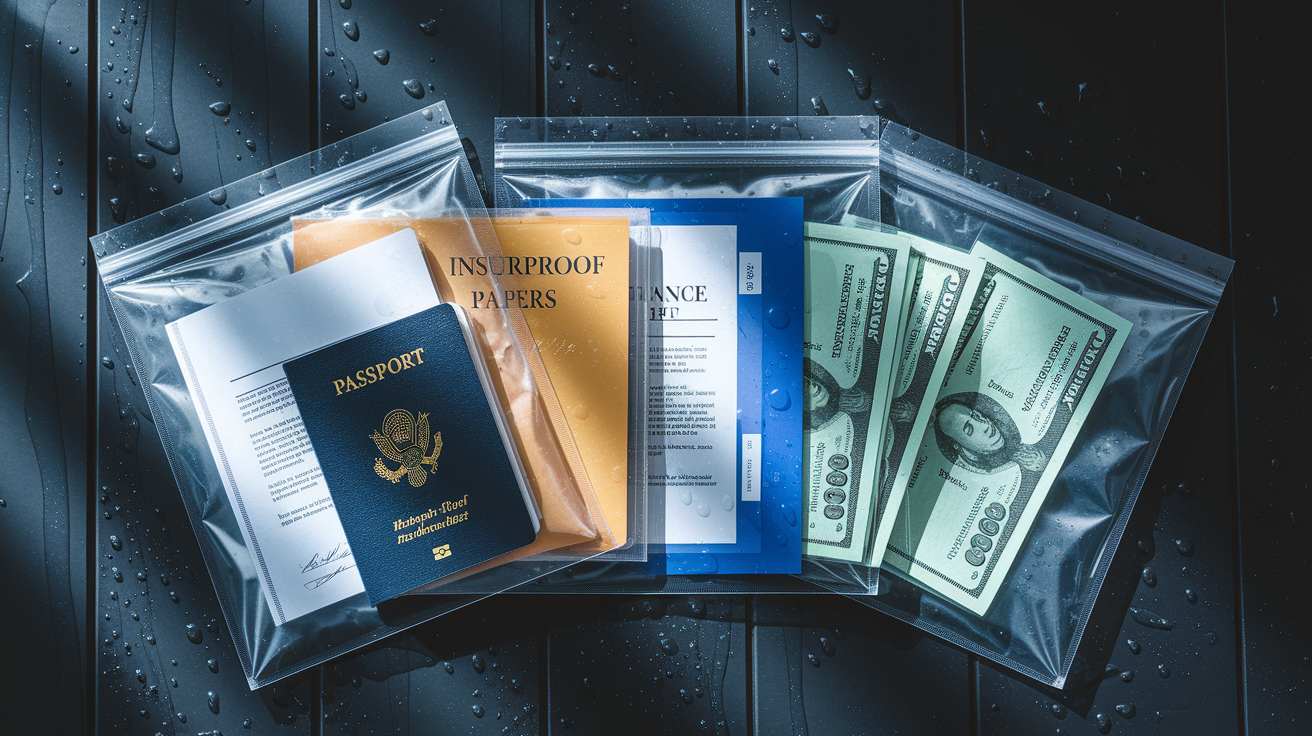
Floods destroy paper in minutes. Replacing identification takes months. Insurance claims, bank access, and shelter check ins all require proof of who you are and what you owned.
Waterproof storage isn’t optional. Regular bags leak, and damp documents fall apart or become unreadable.
Critical document categories to pack:
Identification: Driver’s license, passport, birth certificates, Social Security cards
Insurance policies: Home, auto, flood, life, health insurance cards
Legal papers: Wills, power of attorney, marriage and divorce certificates, adoption papers
Financial records: Bank account information, credit and debit cards, recent tax returns, retirement account statements
Medical records: Vaccination records, prescription lists, medical history summaries, healthcare provider contacts
Property titles: Vehicle registration, home deed, mortgage documents
Emergency contacts: Phone numbers for family, friends, doctors, insurance agents, written down on paper
Family photos: Digital copies on USB drive or waterproof prints of irreplaceable images
Use heavy duty waterproof bags with zip seals or hard plastic containers with tight sealing lids. Double bag everything in gallon size freezer bags before placing in the main container. Store originals when possible, but certified copies work too. Keep this container in your main evacuation kit or in a spot you’ll pass on the way out. If you’re scrambling in the dark with water at the door, you won’t remember where you hid it six months ago.
Clothing and Personal Hygiene Supplies

Pack clothing changes for up to a week. Include complete outfits with socks and underwear, not just shirts and pants. Weather appropriate layers matter because you don’t know if you’ll be sweating in a crowded shelter or shivering in a car overnight. Add protective rain gear like waterproof boots, gloves, and rain ponchos. You’ll be walking through wet conditions or cleaning up flood damage.
Temperature swings happen during evacuations. Light, loose fitting clothing works for hot environments when power may be lost and air conditioning fails. Warm insulated clothing becomes necessary for cool environments during power outages, especially overnight. Pack both unless you know exactly what conditions you’ll face. And you don’t. Include blankets or sleeping bags if space allows.
Personal hygiene essentials keep you healthy when conditions get rough. Pack soap, toothbrush, toothpaste, and feminine hygiene products. Add deodorant, shampoo, and any daily hygiene items you’d be miserable without. Small travel size bottles save space and weight.
Sanitation supplies prevent illness when facilities aren’t working. Hand sanitizer with 60 to 90 percent alcohol concentration kills germs when you can’t wash your hands. Disinfecting wipes, toilet paper, and portable toilet kits or waste bags handle situations when bathrooms aren’t available. Consider something like the Cleanwaste Original WAG Bag Go Anywhere Toilet Kit. It’s awkward to think about until you need it and don’t have it.
Power and Communication Equipment for Your Emergency Kit
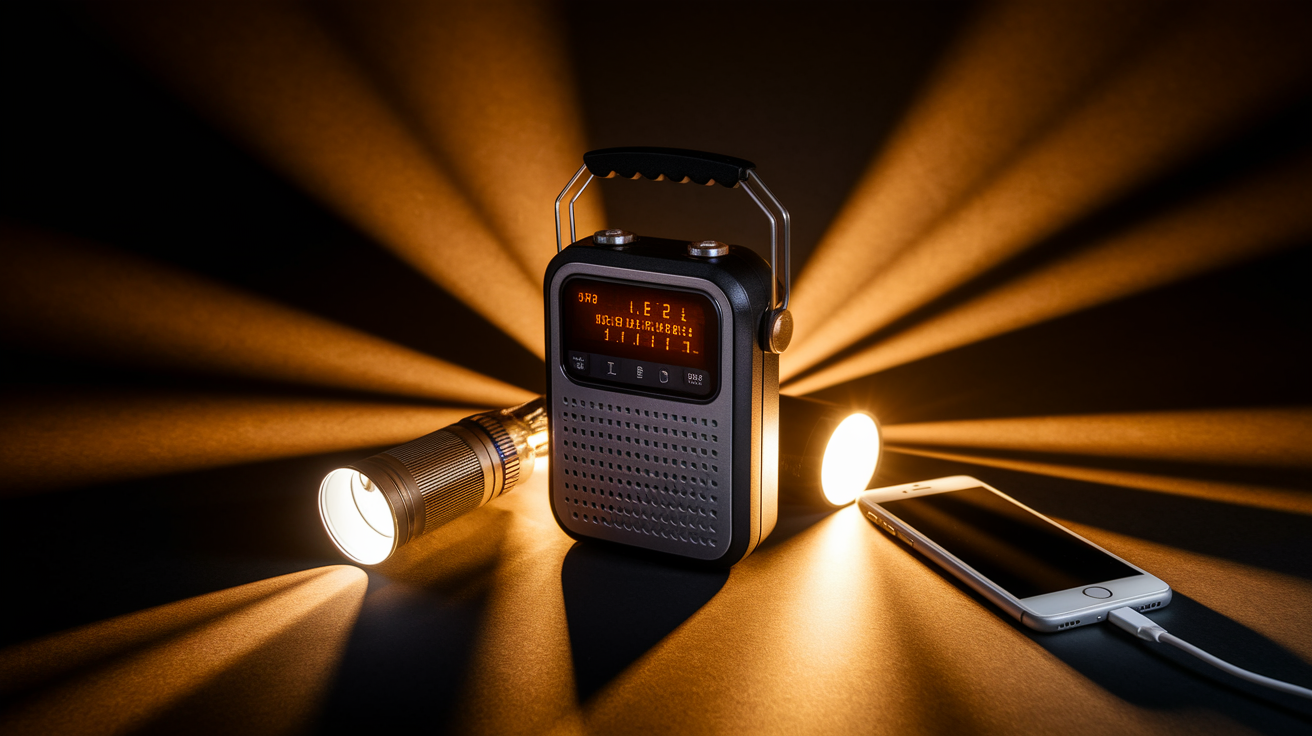
Cell towers lose power, landlines fail, and information stops flowing when you need it most. Communication equipment keeps you connected to emergency services and family members.
| Device | Purpose | Backup Power |
|---|---|---|
| Mobile phone | Call emergency services, contact family, receive alerts | Portable power bank |
| Portable power bank | Recharge phone and small devices | Pre-charged, 10,000+ mAh capacity |
| Flashlight | Navigate in darkness, signal for help | Extra batteries or hand-crank |
| Battery-powered radio | Receive emergency broadcasts and weather updates | Extra batteries or hand-crank |
| Extra batteries | Power all devices when recharging isn’t possible | Store in waterproof container |
Power banks and chargers must be kept charged at all times. Check them monthly and top off the charge. A dead power bank is useless weight. Store charging cables for your specific phone model because borrowing the right cable during a disaster is nearly impossible. Battery powered or hand crank radios work when cell service dies and you need weather updates or evacuation instructions. Test your flashlight and replace batteries every six months, even if they’re “long life” batteries. When you’re fumbling in the dark with rising water, that flashlight needs to work on the first try.
Cash, Valuables, and Financial Essentials
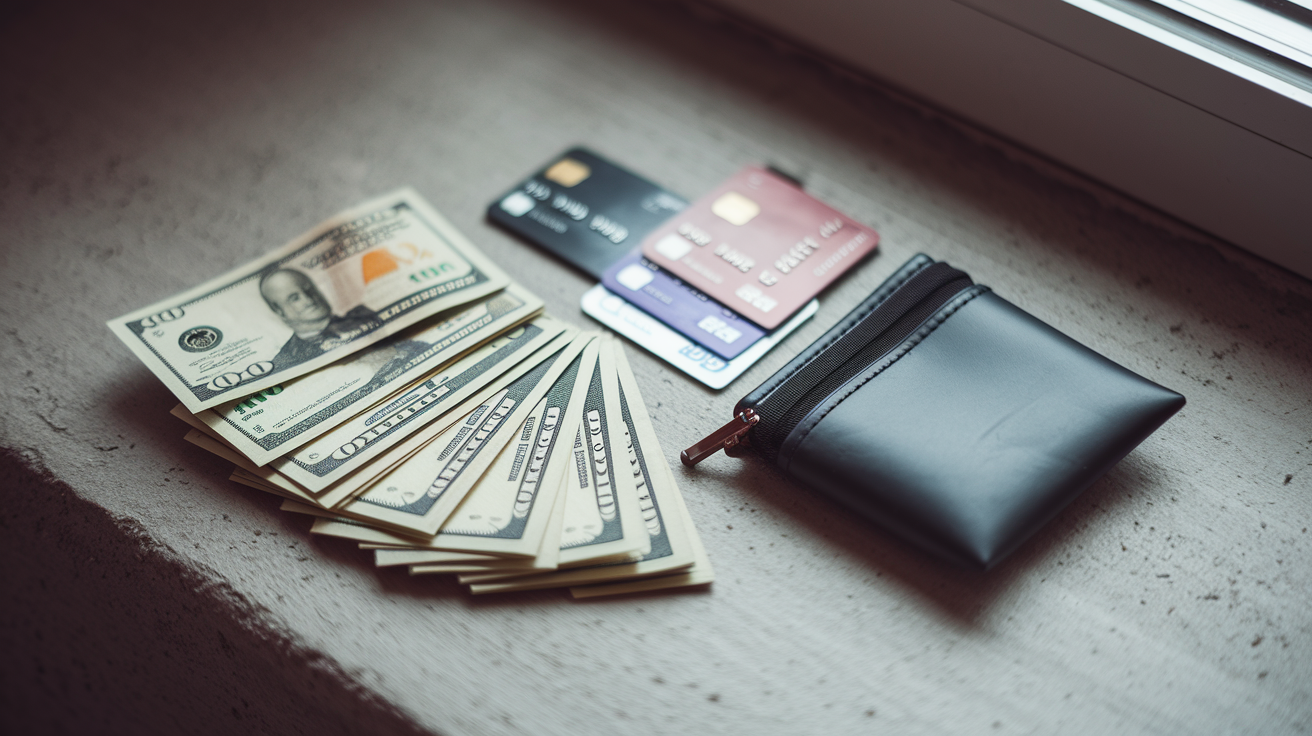
Power outages prevent ATM access. Carry cash in small denominations. Mostly ones, fives, and tens because making change becomes impossible when registers don’t work. Two hundred dollars in small bills covers gas, food, and emergency supplies when electronic payment fails.
Bring credit and debit cards as backup. Once power returns, cards work again. But cash keeps you going in the gap. Keep both in waterproof bags so they stay functional.
If time permits, pack valuables and family photos you can’t replace. Jewelry, heirlooms, and sentimental items that matter to you should go in the car if you have space. Priority goes to survival supplies first, irreplaceable items second.
Laptop computers are heavy and fragile. An alternative to full computers is bringing just the hard drive or thumb drive with important data. Pre-store computer backups to cloud storage, external drives, or multiple USB drives before the emergency. If you’re rushing out the door, grab the thumb drive and go. Family photos, financial records, and personal files fit on a device smaller than your thumb.
Special Needs Evacuation Supplies
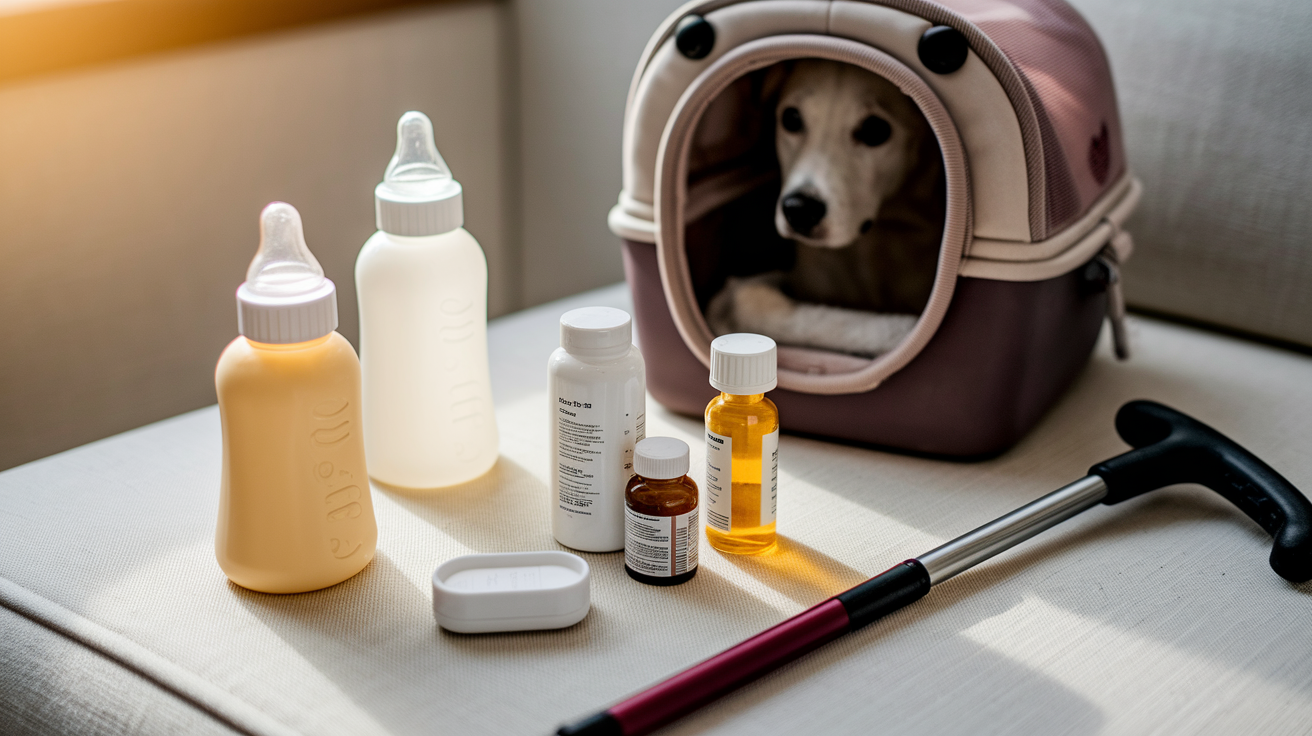
Household needs go beyond standard supplies when infants, pets, or people with medical conditions depend on you.
Infant supplies require specific quantities and types. Formula, milk, bottles, baby food, diapers, and wipes need enough volume for at least a week because stores close and supplies vanish. Pack more diapers than you think you’ll need. A sick, stressed baby goes through them faster. Include any medications, rash cream, and comfort items like a favorite blanket or pacifier. If you’re breastfeeding, pack a manual breast pump in case separation happens.
Pet evacuation necessities keep your animals safe and calm. Pack pet food and water for at least a week, medications with dosing instructions, travel crates or carriers that fit your pet comfortably, a leash, and vaccination records. Many shelters require proof of rabies vaccination before they’ll accept your animal. For cats, bring a litter box and litter. For dogs, bring waste bags and any calming aids your vet recommends. ID tags and a recent photo of your pet help if you get separated.
Medical and mobility equipment requires careful planning. Pack eyeglasses and contact lenses with solution, hearing aids with extra batteries, mobility devices like canes or walkers, and any medical equipment that’s portable. If someone uses a wheelchair, CPAP machine, or oxygen concentrator, plan for power needs and backup supplies. Check with your doctor before an emergency about medication refills, equipment alternatives, and what’s critical versus what’s manageable short term.
Tools and Safety Gear for Flood Evacuation
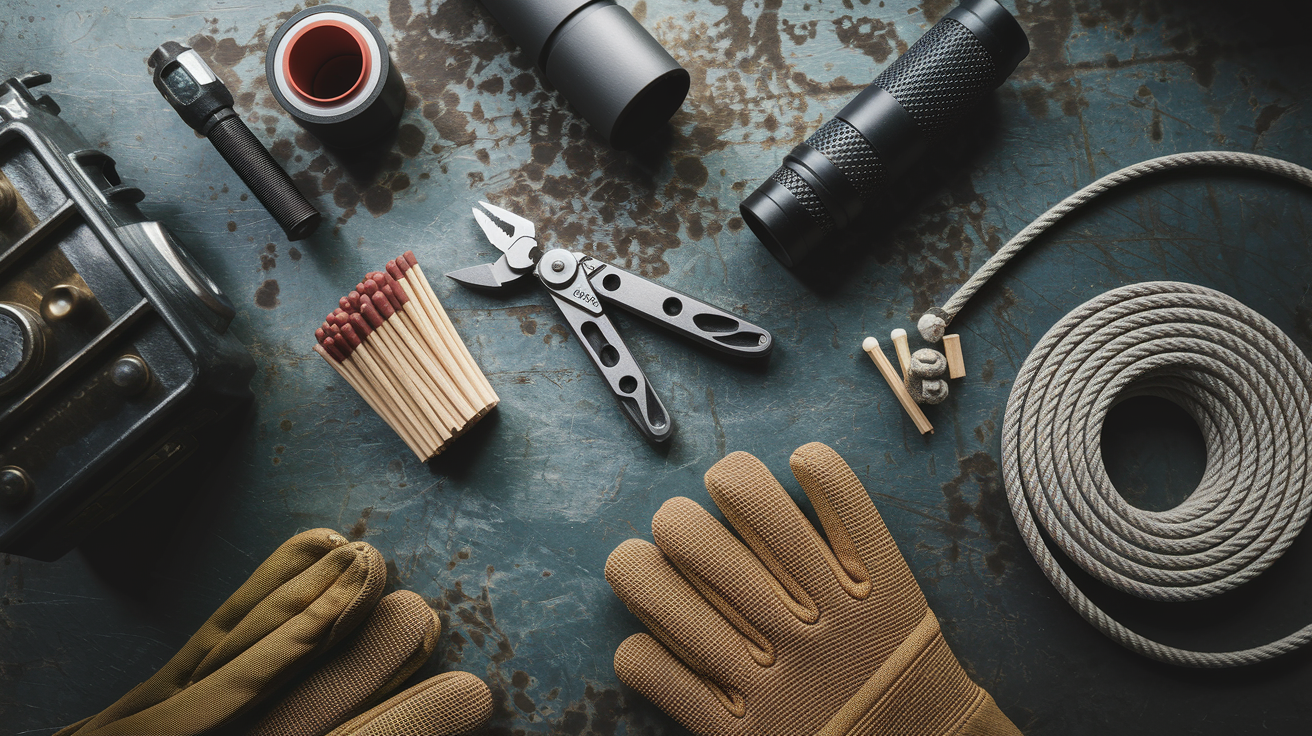
Basic tools solve problems and improve safety when you’re stranded, sheltering, or navigating damage. Multi-purpose items save space because your kit has limits.
Choose tools that handle multiple jobs. A multi-tool or pocketknife cuts, tightens, and pries. A flashlight provides light and signals rescuers. A whistle calls for help without exhausting your voice.
Essential tools to pack:
Flashlight with extra batteries
Whistle for signaling help
Multi-tool or pocketknife for repairs and cutting
Manual can opener for canned food
Duct tape for temporary fixes and sealing
Waterproof matches or fire starter
Heavy duty garbage bags for waterproofing, waste, or shelter
Work gloves to protect hands during clean up
Rope or tarp for makeshift shelter or securing items
Waterproof Storage Solutions for Evacuation Bags
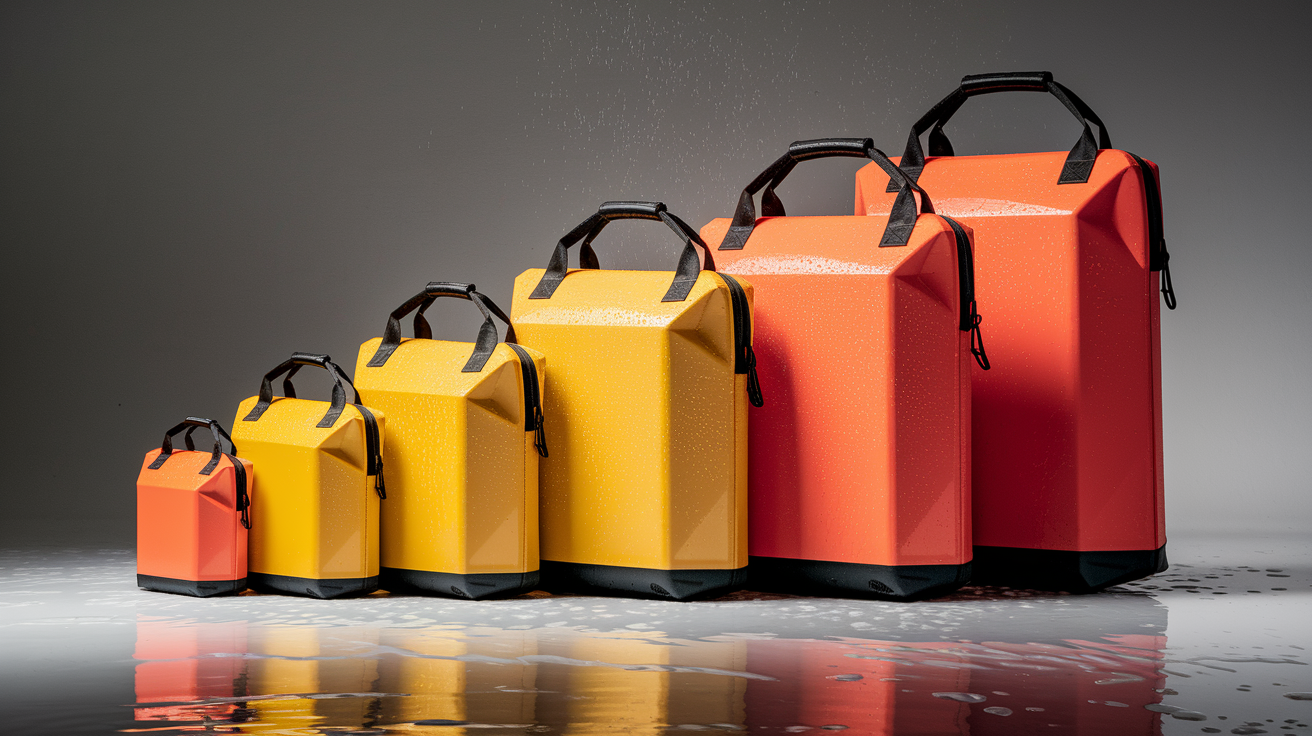
Waterproof protection during flood evacuation prevents your supplies from becoming useless wet weight. Regular bags leak and cardboard boxes dissolve.
| Bag Type | Capacity | Best For |
|---|---|---|
| Waterproof duffel | 30-50L | Main evacuation kit with heavy items, easy vehicle loading |
| Backpack | 20-40L | Personal grab-and-go bag, hands-free carrying |
| Dry bag 60L | 60L | Documents, electronics, clothing that must stay completely dry |
| Dry bag 100L | 100L | Bulk supplies, post-flood clean-up gear, family-size kit |
Pack items in crates or bags that can be easily carried and stored in your vehicle. A 60 pound duffel sounds manageable until you’re hauling it across a wet parking lot in the dark. Split heavy supplies across multiple smaller bags so two people can carry everything in one trip. Store your main kit in an easily accessible location near your exit route, like a hall closet, garage, or under a bed. The trunk of your car works if you’re not driving it daily. Avoid attics, basements, or anywhere that floods first or requires a ladder. When evacuation orders come, you’ll have minutes, not hours. Fumbling with storage makes you late. Test your setup once by walking your evacuation route while carrying your bags. If it’s awkward or exhausting, repack before the real emergency.
Maintaining and Updating Your Flood Evacuation Kit
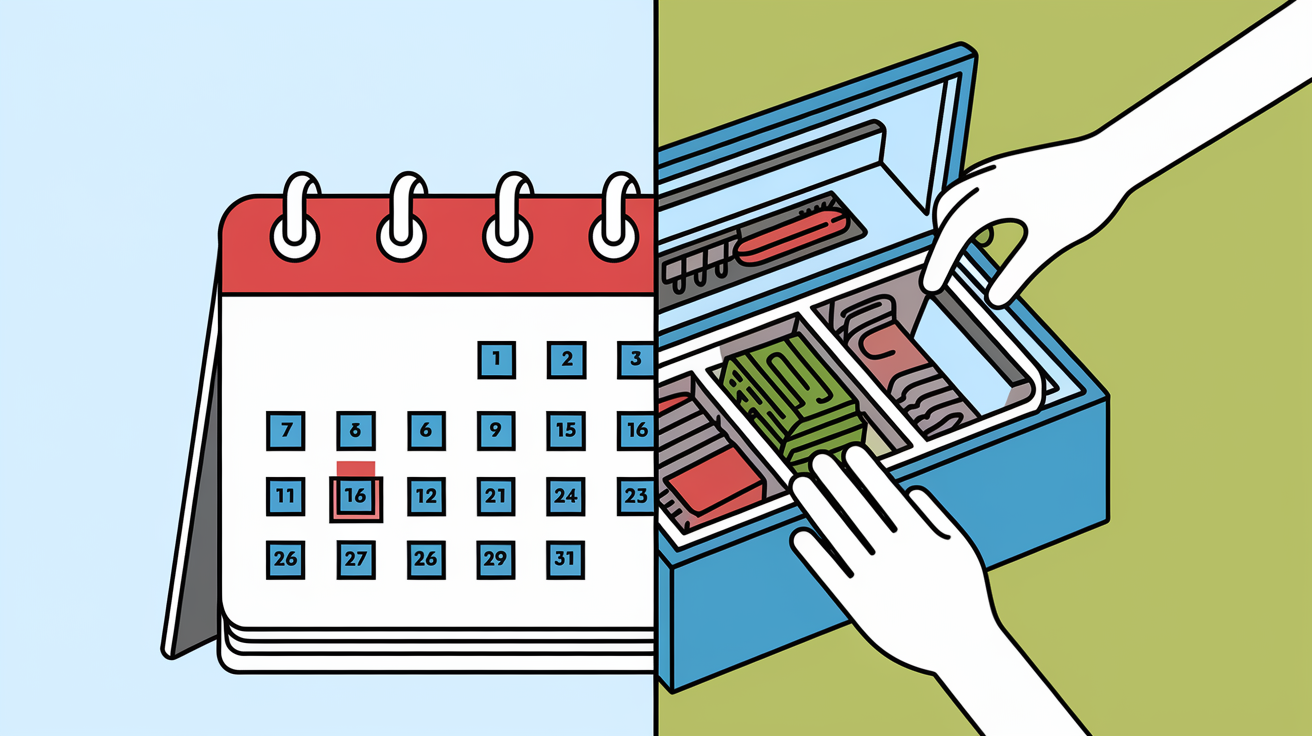
Static emergency kits fail during actual emergencies because food expires, batteries corrode, medications lose potency, and documents become outdated.
Biannual maintenance tasks to complete:
Check expiration dates on all food, water, and medications. Replace anything within six months of expiring.
Rotate food and water supplies. Use older stock at home and replenish with fresh items.
Update prescription medications and refill any that have changed dosage or type.
Refresh documents like insurance policies, bank statements, and ID copies if information changed.
Test batteries in flashlights, radios, and other devices. Replace any that are weak.
Review your family communication plan and update contact numbers for anyone who moved or changed phones.
Conduct family emergency drills to ensure everyone knows kit location and usage. Walk through your evacuation route together and practice grabbing the kit and loading the car. Kids should know where the kit lives and what’s inside. Include evacuation maps and shelter locations in your kit so everyone can find safety if you’re separated. Write down local and out of town emergency contacts on paper because phones die and memories fail under stress. Check your kit every six months, ideally when you change your clocks for daylight saving time. Set a recurring reminder so it doesn’t slip. A kit you never check is a kit that won’t work when you need it.
Final Words
Your flood evacuation kit works only if you pack it before you need it.
Start with the 72-hour essentials—water, food, medications, and critical documents in waterproof storage. Then add the items specific to your household, like baby formula, pet supplies, or medical equipment.
Store everything near an exit where you can grab it fast. Check the kit twice a year, swap out expired items, and make sure everyone knows where it lives.
When authorities say leave, you’ll have what to pack for flood evacuation already sorted. You just grab and go.
That clarity matters when minutes count.
FAQ
What are 10 items in an emergency kit for flood?
A flood emergency kit should include water (one gallon per person per day for three days), non-perishable food, prescription medications (seven-day supply), first aid kit, flashlight with extra batteries, battery-powered radio, mobile phone charger, important documents in waterproof containers, cash in small bills, and a manual can opener.
What are the 5 P’s of evacuation?
The 5 P’s of evacuation are People and pets (get everyone out safely), Prescriptions and medical supplies (seven days minimum), Papers and documents (ID, insurance, financial records in waterproof storage), Personal needs (clothing, hygiene items, baby supplies), and Priceless items (family photos, irreplaceable valuables you can carry quickly).
What should I take for 15 minutes to evacuate?
For a 15-minute evacuation, grab your go bag with water, medications, phone charger, important documents, wallet with cash and ID, and car keys. Then take any family members, pets with carriers, and one change of clothes if you have seconds left.
What are the 10 essential survival kit items?
The 10 essential survival kit items for floods are water (three gallons per person), non-perishable food (three-day supply), prescription medications, first aid supplies, flashlight, battery-powered radio, mobile phone with charger and power bank, cash in small denominations, critical documents in waterproof storage, and personal hygiene items.
How much water should I pack for flood evacuation?
You should pack a minimum of one gallon of water per person per day for at least three days (three gallons per person total). Store bottled water in waterproof containers that you can carry easily and keep in your vehicle or near exit routes.
Why do I need cash during a flood evacuation?
You need cash during flood evacuation because power outages knock out ATMs and card readers for days or weeks. Pack small bills and coins so you can buy gas, food, and supplies when electronic payment systems fail.
How often should I check my flood evacuation kit?
You should check your flood evacuation kit every six months. During each check, replace expired food and medications, test batteries, update documents, rotate water supplies, and verify that everyone in your household knows where the kit is stored.
What documents go in a flood evacuation kit?
Your flood evacuation kit should include identification (driver’s license, passport, birth certificates), insurance policies (home, auto, flood), bank account information, medical records, property titles, emergency contacts list, and legal papers like wills and vehicle registration, all stored in waterproof containers.
Can I bring my pet during flood evacuation?
Yes, bring your pet during flood evacuation by packing their food, water, medications, travel carrier or crate, leash, vaccination records, and litter box if needed. Many shelters now accept pets, but you need proper supplies and containment equipment.
What clothing should I pack for flood evacuation?
Pack one week of clothing including complete outfits with socks and underwear, waterproof boots, rain gear, and weather-appropriate layers. Choose light, loose-fitting clothes for heat or warm insulated layers for cold conditions during power outages.
Do I need a battery-powered radio for floods?
Yes, you need a battery-powered radio during floods because cell towers and internet fail when power goes out. A radio lets you receive emergency alerts, weather updates, and evacuation orders when your phone stops working.
What hygiene items go in a flood evacuation kit?
Pack soap, hand sanitizer (60 to 90 percent alcohol), toothbrush, toothpaste, feminine hygiene products, disinfecting wipes, toilet paper, and portable toilet kits or waste bags for when facilities are unavailable during evacuation.