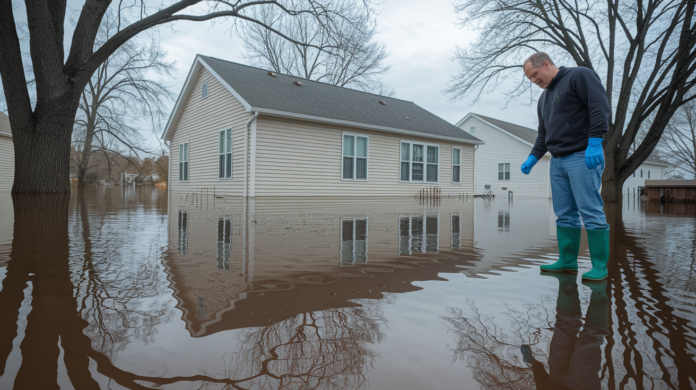

You’re standing in front of your flooded home, wondering when it’s safe to go inside and where to even start. That first step back into a flood damaged house can be more dangerous than the storm itself if you don’t know what to check first. Floodwater leaves behind contamination you can’t see, structural damage you might miss, and hidden hazards that can hurt you or your family in the first few hours of cleanup. This guide walks you through the exact safety checks, utility shutoffs, contamination precautions, and recovery steps you need to protect yourself and salvage what you can without making costly mistakes.
Safe Re-Entry Steps After Flood Damage
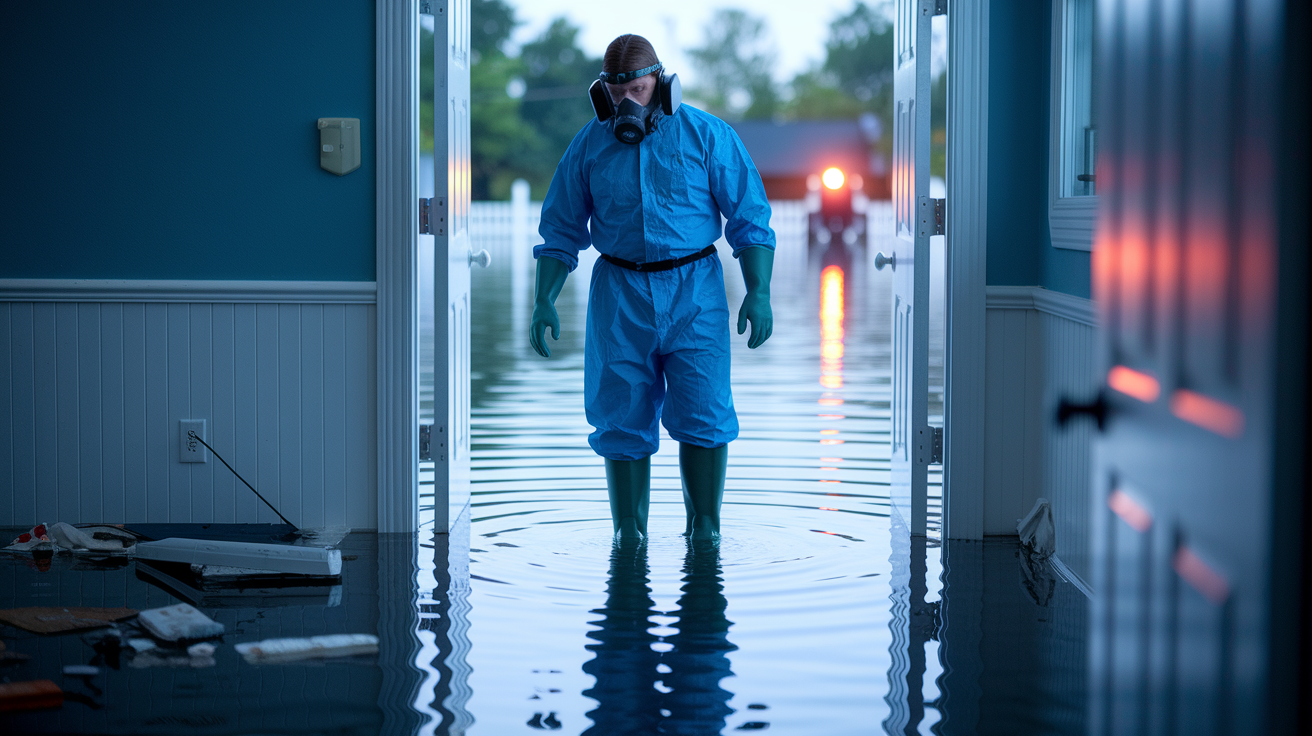
Wait for official clearance from local authorities before you go back. Don’t enter your property until emergency services say it’s safe, and never approach your home at night when you can’t see anything and authorities usually won’t let you in anyway. If you’re not sure the structure is still sound, get a qualified building inspector or structural engineer to check the foundation, walls, and roof before you step inside.
Put on protective gear before you enter. Wear sturdy rubber boots, heavy gloves, and a face mask or respirator. Floodwater leaves contamination you can’t see, and debris hides sharp objects, nails, and broken glass. Use battery powered flashlights only. Never use lanterns, candles, or torches that could ignite gas leaks or chemical vapors.
Initial Re-Entry Safety Checklist:
- Walk around the outside first and look for cracks in the foundation, sagging walls, walls separating from the roof, and leaning chimneys or porches.
- If you smell gas or hear hissing, open a window from outside if you can, leave right away, turn off the main gas valve outside, and call the gas company from a neighbor’s home or your cell phone away from the building.
- Don’t touch any electrical system, appliance, or outlet that got wet until a licensed electrician inspects it, even if it looks dry now.
- Check how much water is in the basement before you pump it. Remove only about one third of the water per day to prevent walls from collapsing inward and floors from buckling.
- Use a long stick to poke through debris piles and check closets and dark corners for animals, especially snakes that may have washed in.
- Watch for undermined foundations, holes in floors, wet plaster about to fall, and stairs or porches that shifted or cracked.
- Open closets and cupboards slowly in case items shifted and are ready to fall out.
- If you see sparks, broken or frayed wires, or smell hot insulation, leave immediately and turn off power at the main breaker outside if you can safely reach it.
Keep small children and pets completely away during your initial assessment and early cleanup days. The hazards are too many and too hidden for them to navigate safely.
Contact your insurance agent immediately, before you move or throw out anything. Flood damage claims are time sensitive. You need photo evidence of everything before cleanup begins. Walk through every room with your phone or camera and photograph the water line on walls, all structural damage from multiple angles, and every damaged belonging. Take close-up shots of serial numbers on appliances and electronics. Capture wide shots that show the scale of damage in each space. The more documentation you create now, the smoother your claim process will be and the less you’ll have to rely on memory weeks from now when you’re filling out forms.
Managing Utilities and Electrical Systems Post-Flood

If you see sparks, smell burning insulation, or spot broken wires, shut off electricity at the main fuse box or circuit breaker right away. Don’t assume an electrical system is safe just because the power is currently off. Any part of your electrical system that got submerged in floodwater must be inspected by a licensed electrician before you restore power. This includes outlets, wiring inside walls, your breaker panel, and the meter base. Water damage can create short circuits and fire hazards you can’t see from the outside.
Gas, electric, water, and sewer systems must all be formally inspected and restored only by certified utility workers or licensed contractors. Don’t try to relight pilot lights, reconnect service lines, or test systems yourself. If you suspect your sewage line is damaged, don’t use toilets or run water down any drain. Call a licensed plumber immediately to inspect the system. Sewage backups create serious contamination, and using damaged lines will flood your home with waste.
Your water heater, furnace, and air conditioning system all need professional inspection if they were exposed to floodwater, even if they appear undamaged. Don’t use water from a private well until your local health department tests it and confirms it’s safe to drink. Replace all smoke alarms and carbon monoxide detectors that got wet, because water ruins their sensors even if they still beep during testing. Before you run your HVAC system, have the ductwork inspected and cleaned. Floodwater and mud inside ducts will spread contamination throughout your home every time the system runs.
Contamination Hazards and Safe Cleanup Procedures

Floodwater is never just water. It carries sewage from overwhelmed treatment plants and backed up drains, chemicals from roads and industrial sites, bacteria from soil, and waste from animals. Mud and silt left behind after water recedes look harmless but contain all of those contaminants. Every surface the water touched must be treated as contaminated until it’s properly cleaned and disinfected.
Health hazards in flood-damaged homes:
- Mold spores that grow within 24 to 48 hours and cause respiratory problems and allergic reactions
- Sewage bacteria including E. coli and salmonella that cause severe gastrointestinal illness
- Chemical residues from fuel, pesticides, and household cleaners that create toxic exposure
- Tetanus risk from cuts and punctures caused by nails, glass, and sharp debris hidden in mud
- Skin infections from contact with contaminated water and surfaces
- Respiratory irritation from airborne particles during demolition and cleaning
- Foodborne illness from eating anything that contacted floodwater
Wear full protective equipment every single time you work in the damaged home. That means rubber boots that go up your calves, heavy rubber gloves, a respirator or N95 mask, and safety goggles. Regular dust masks aren’t enough when you’re working around sewage and mold. Change out of contaminated clothing before you enter clean areas, and wash work clothes separately from other laundry.
Throw away all food that contacted floodwater, including sealed packages, canned goods with dents or swelling, and anything from your refrigerator or freezer if power was out for more than four hours. Discard all medicines, cosmetics, and any porous items like stuffed toys that can’t be fully disinfected. For hard surfaces like floors, walls, counters, and solid furniture, scrub off all mud and dirt first, then disinfect with a solution of one cup bleach to one gallon of water. Let the solution sit on surfaces for at least ten minutes before rinsing. Work from the top of the room down. Never mix bleach with ammonia or other cleaners, which creates toxic gas. Upholstered furniture and mattresses that absorbed floodwater generally can’t be salvaged because you can’t fully disinfect the interior padding. HVAC ducts, insulation, and drywall that stayed wet for more than 48 hours usually need replacement because mold grows inside the materials where cleaning can’t reach.
Drying Out Your Home and Preventing Mold
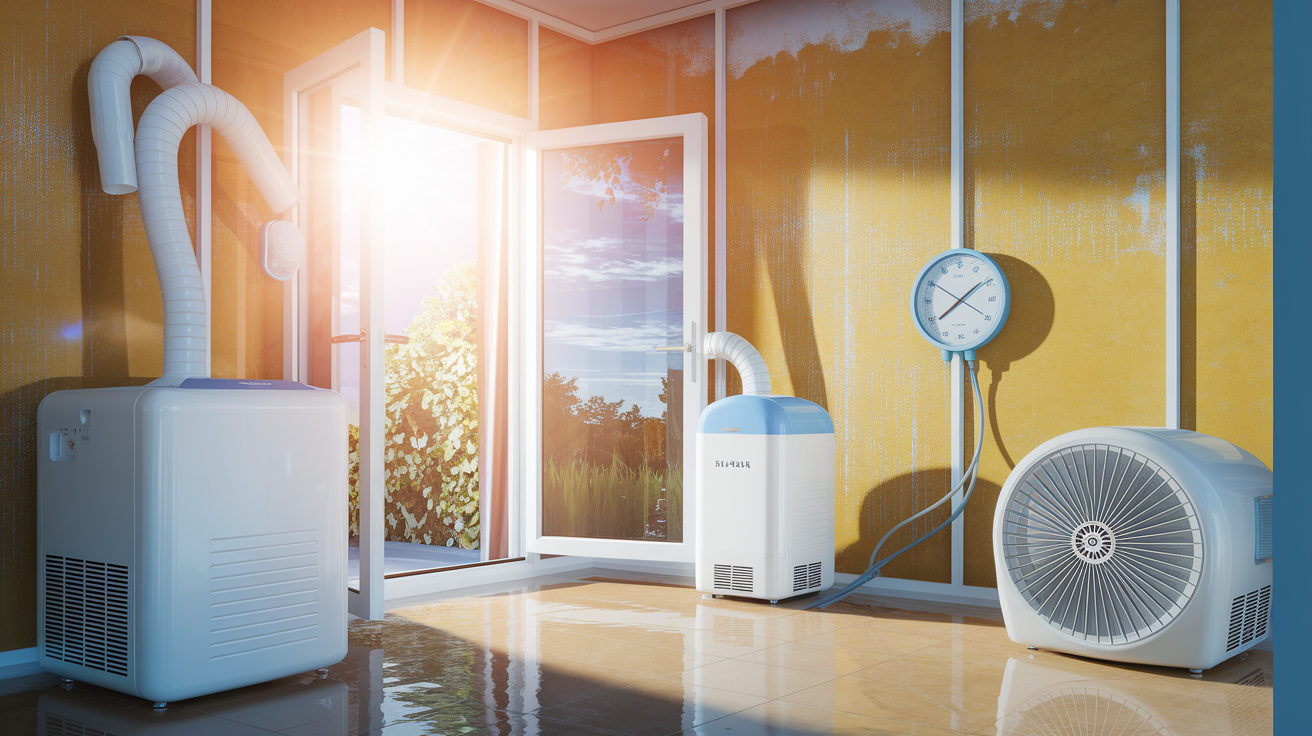
Start drying your home as fast as you can. Mold begins growing on wet materials within 24 to 48 hours after flooding.
Mold spreads quickly once it starts, releasing spores into the air that cause coughing, wheezing, eye irritation, and skin rashes, especially in children, elderly adults, and anyone with asthma or allergies. Long term mold growth also damages the structure of your home by breaking down wood, drywall, and insulation. The longer materials stay wet, the more expensive and extensive your repairs become.
Steps to dry your home effectively:
- Remove all standing water using pumps, wet vacuums, or buckets, but if you have a flooded basement, pump out only one third of the water per day to prevent structural collapse.
- Pull out and discard wet materials that can’t be dried within 48 hours, including soaked carpet, carpet padding, insulation, drywall that stayed wet, and any wood that’s soft or crumbling.
- Increase ventilation by opening all windows and doors, and use fans to move air through the house, but only if outdoor humidity is lower than indoor humidity.
- Run dehumidifiers in every affected room to pull moisture from the air. Empty collection tanks frequently or set up continuous drainage if your model allows it.
- Monitor moisture levels in walls, floors, and remaining materials using a moisture meter, which you can rent from hardware stores. Keep drying until readings match levels in undamaged areas of your home.
Delay all permanent repairs, painting, and rebuilding until your home is completely dry. That can take several weeks depending on the extent of flooding and your climate. Sealing moisture inside walls or under new flooring guarantees mold growth you won’t see until it becomes a major problem. You can make temporary weatherproofing repairs to keep rain out, but leave walls open and materials exposed to air until moisture meters confirm everything is dry.
What to Salvage Versus Discard After Flood Damage

Deciding what to keep and what to throw away depends on the material, how long it was wet, and what the item is used for. Non porous items like metal, glass, and hard plastic can usually be cleaned and disinfected. Porous materials like fabric, wood, and paper absorb contaminants deep inside where cleaning can’t reach, so contamination level and the item’s purpose matter more than its dollar value.
| Item Category | Discard | Can Salvage with Proper Cleaning |
|---|---|---|
| Food and Medicine | All food, medications, and cosmetics that contacted floodwater, even sealed packages | None, contamination risk is too high |
| Mattresses and Pillows | Any that absorbed floodwater | Only if completely untouched by water |
| Electronics | Items submerged or heavily wet | Devices only splashed if professionally dried and tested |
| Hard Furniture | Particle board and laminate furniture that swelled | Solid wood and metal after thorough drying and disinfecting |
| Clothing and Linens | Items contaminated with sewage | Most washable fabrics if laundered with hot water and bleach |
| Documents | Heavily damaged papers with no other copies | Important documents and photos if carefully air dried flat or frozen, then professionally restored |
| Children’s Toys | Stuffed animals and porous toys | Hard plastic toys after washing with soap and bleach solution |
| Building Materials | Drywall and insulation that stayed wet over 48 hours, warped wood | Framing lumber if dried quickly, tile and concrete after cleaning |
Official documents like birth certificates, social security cards, property deeds, and family photographs can often be salvaged even when wet. Rinse mud off gently with clean water, then lay papers flat on clean towels to air dry, or freeze them in zip top bags if you can’t dry them immediately. Freezing stops mold growth and gives you time to arrange professional document restoration services. For photographs, don’t try to separate stuck pictures while they’re wet, as this tears the emulsion. Rinse, air dry or freeze, and consult a photo restoration specialist for next steps.
Insurance Documentation and Claims Process

File your flood insurance claim as soon as possible after the disaster, ideally within the first few days. Your insurance company will assign a claims adjuster who will visit your property to assess damage, usually within a week of your initial report, though major disasters can cause delays.
What to document in detail for your claim:
- Structural damage from multiple angles showing walls, ceilings, floors, and foundations, plus close-ups of cracks, water lines, and failing materials
- Water lines on walls measured and marked with tape before cleanup so the adjuster can see flood depth even after you remove mud
- Every damaged belonging with photos that show brand names, model numbers, serial numbers, and the extent of damage
- Utility system damage including electrical panels, HVAC equipment, water heaters, and plumbing fixtures
- Exterior damage to siding, roof, windows, doors, and foundation
- Before and after photos as you clean and remove debris so there’s a visual record of your progress
Take a comprehensive video walkthrough of your entire home before you begin cleanup, narrating as you go to describe what you’re seeing and explain what was in spaces now filled with debris. Create a detailed room by room inventory listing every item that was damaged, with purchase dates and estimated replacement costs if you can remember them. Keep all receipts for every cleanup expense, temporary repair, emergency supply purchase, and hotel stay if you can’t live in your home. These costs may be reimbursable depending on your coverage.
When the adjuster visits, walk through the property together and point out all damage, even minor issues that might not be obvious. Ask questions about your coverage, timelines, and what documentation they still need from you. Follow up in writing after the visit to confirm what was discussed. If you disagree with the adjuster’s assessment, you have the right to request a re-inspection or hire a public adjuster to advocate for you.
Check if you have important financial documents or records stored in filing cabinets or home safes that got wet. Many paper records can be salvaged if you act quickly, rinsing off mud and either air drying them flat or freezing them to stop deterioration while you arrange professional restoration.
When to Contact Professional Restoration Services
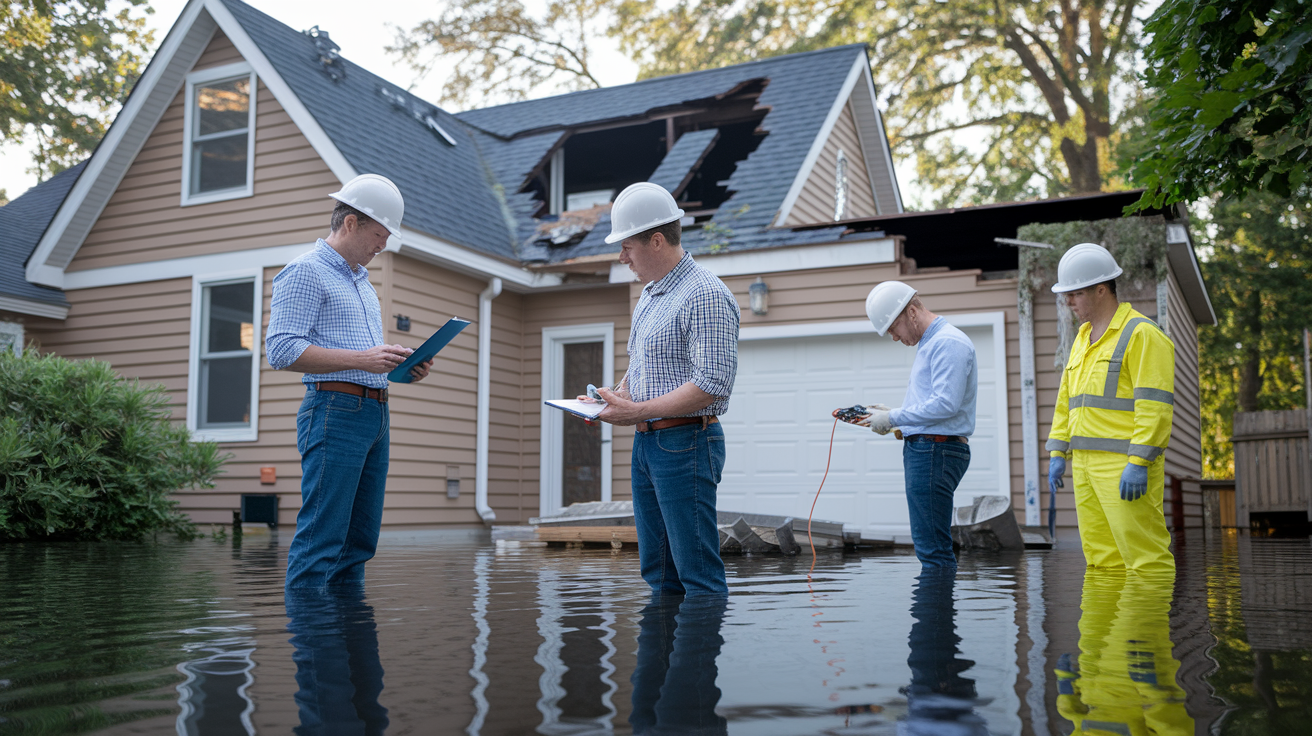
Hire professional restoration contractors when damage goes beyond surface cleaning and basic repairs. If your home has structural damage like cracked foundations, sagging floors, or shifted walls, you need a licensed structural engineer and contractors who specialize in foundation and framing work. Electrical systems that were flooded must be inspected and repaired only by licensed electricians, and gas lines require certified gas fitters. Extensive mold growth, especially if it covers more than ten square feet or is inside HVAC systems and wall cavities, requires professional mold remediation, not DIY cleaning.
Get written bids from at least three reputable, established companies before you sign any contract. Verify that each contractor holds current licenses for your state and the specific type of work you need, and confirm they carry both liability insurance and workers compensation insurance. Ask for references from jobs completed in the last year, then actually call those references and ask if you can see the finished work in person. A reliable contractor won’t hesitate to connect you with satisfied customers.
Red flags when hiring contractors:
- No valid license or unwilling to provide license number you can verify with your state
- Demands large cash payments or asks you to pay the full amount upfront before work begins
- Can’t or won’t provide references from recent jobs
- Uses high pressure sales tactics or insists you must sign a contract immediately
- Won’t provide a detailed written contract that lists specific work, materials, timeline, and payment schedule
- Promises an unrealistic timeline like “we’ll have your whole house rebuilt in two weeks”
Always insist on a clearly written contract before any work starts, and never pay the full amount until all work is complete and you’ve inspected it. Many states have laws about how much deposit a contractor can legally require, often limiting it to one third or less of the total bid. Be especially cautious of contractors who show up at your door unsolicited after a disaster.
Emergency Assistance and Disaster Relief Resources
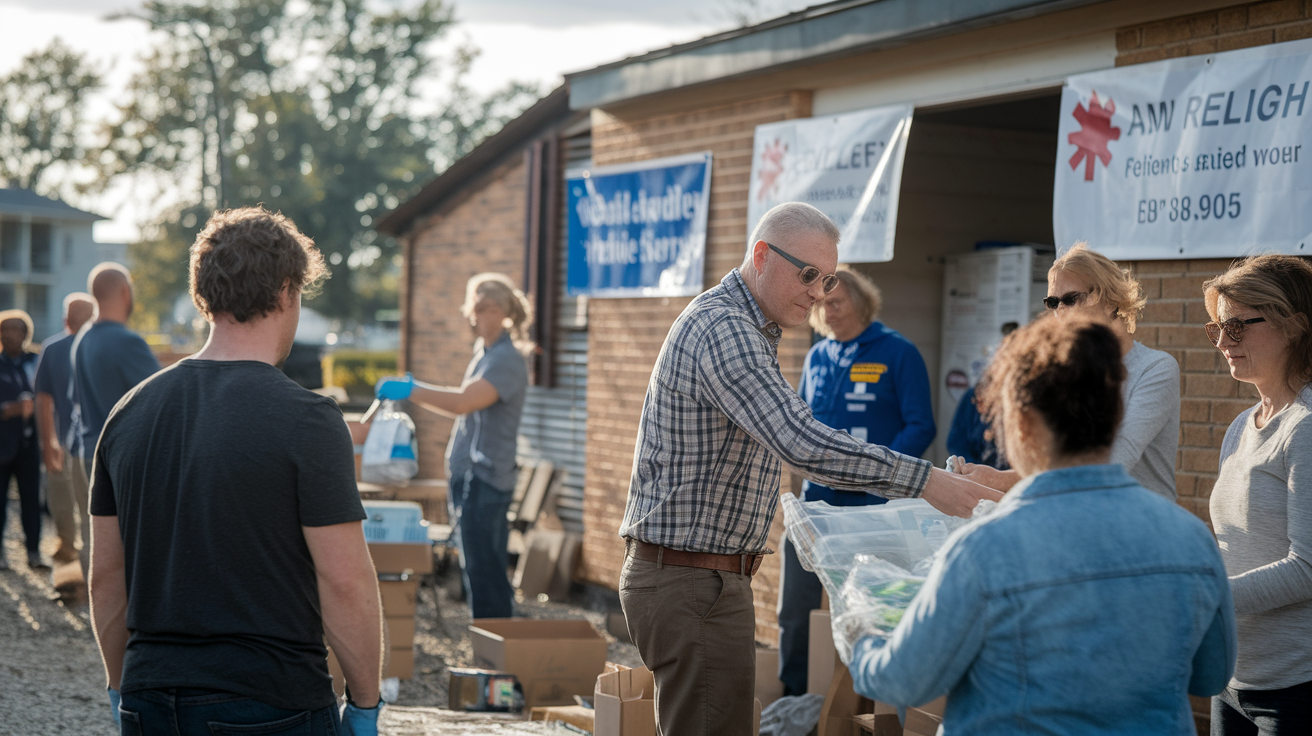
Register for federal disaster assistance as soon as possible after a flood, because many programs have strict deadlines. If FEMA has declared your area a disaster zone, you may qualify for grants that don’t need to be repaid, low interest loans, temporary housing assistance, and help with immediate needs like food and medicine.
Resources to contact for flood recovery help:
- FEMA at 800-621-3362 or DisasterAssistance.gov for federal grants, temporary housing, and disaster unemployment benefits
- American Red Cross for vouchers covering groceries, clothing, medications, basic furnishings, and daily essentials
- Your local emergency management office, often reachable by calling 3-1-1 in cities or checking your county government website for local aid programs and recovery information
- 2-1-1 national helpline for referrals to food banks, shelters, health care, mental health services, and other community resources
- Your flood insurance provider immediately to start your claim and ask about advance payments for temporary housing
- Small Business Administration (SBA) at 800-659-2955 for low interest disaster loans that cover home repairs not paid by insurance, even if you’re not a business owner
- Local volunteer organizations and faith based groups that often provide free cleanup labor, supplies, and meals
- Mental health crisis hotlines and local counseling services if you or family members are struggling with stress, anxiety, or despair after the disaster
Don’t wait to ask for help. Most assistance programs work best when you apply early, and some have application windows that close within weeks of the disaster. Even if you’re not sure you’ll qualify, it’s better to apply and find out than to miss deadlines and lose access to support you actually needed.
Recovery Timeline and Phased Return Checklist
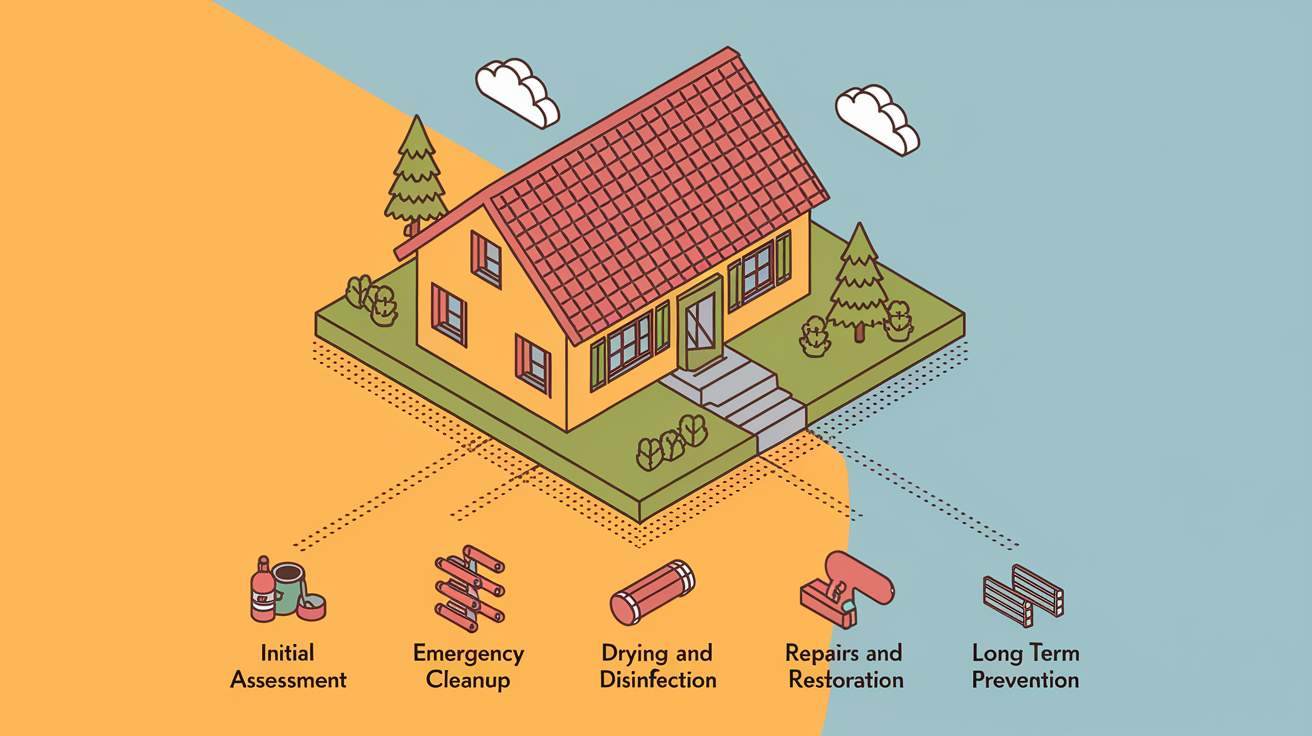
A phased approach prevents health risks and additional property damage that happen when you rush back into a home that’s not ready for occupancy.
| Timeline Phase | Key Activities | Before Moving to Next Phase |
|---|---|---|
| Day 1, Initial Assessment | Exterior inspection, photo documentation, contact insurance, assess safety hazards | Professional inspection if any structural concerns, utilities checked by licensed workers |
| Days 2-7, Emergency Cleanup | Remove standing water, pull out unsalvageable materials, begin drying process, discard contaminated items | All wet materials removed, dehumidifiers running, no sewage or chemical hazards remaining |
| Weeks 2-4, Drying and Disinfection | Continue ventilation and dehumidification, clean and disinfect all surfaces, monitor moisture levels, get contractor bids | Moisture readings normal throughout home, all surfaces cleaned, mold growth stopped |
| Months 1-3, Repairs and Restoration | Rebuild damaged walls and floors, replace systems, install new insulation and drywall, paint, restore utilities | All systems tested and approved, building inspection passed, no moisture or contamination issues |
| Long-term, Rebuilding and Prevention | Finish permanent repairs, install flood prevention improvements, update emergency plans, review insurance coverage | Safe certificate of occupancy, all work completed to code, family ready to return |
If you use well water, don’t drink or cook with it until your county health department tests it and confirms it’s safe. Floodwater contaminates wells with bacteria, and even if the water looks clear, it may carry illness. If you have a septic system, have it inspected for damage before you use toilets or drains, because flooded septic tanks and broken drain fields spread sewage across your property. Watch for signs of pest infestation, including rodents and insects that moved into your home during the flood, and set traps or call pest control before you bring children and pets back. Keep all rodent poison and disinfecting chemicals locked away where children can’t reach them.
Watch for signs of emotional stress in yourself and your family members, like trouble sleeping, constant worry, anger that feels out of control, or feeling hopeless about recovery. These reactions are normal after a disaster, but if they persist for weeks or interfere with daily functioning, reach out to a counselor or call a mental health crisis line. Many disaster assistance programs include free short term counseling for survivors.
Long-Term Flood Prevention and Home Improvements
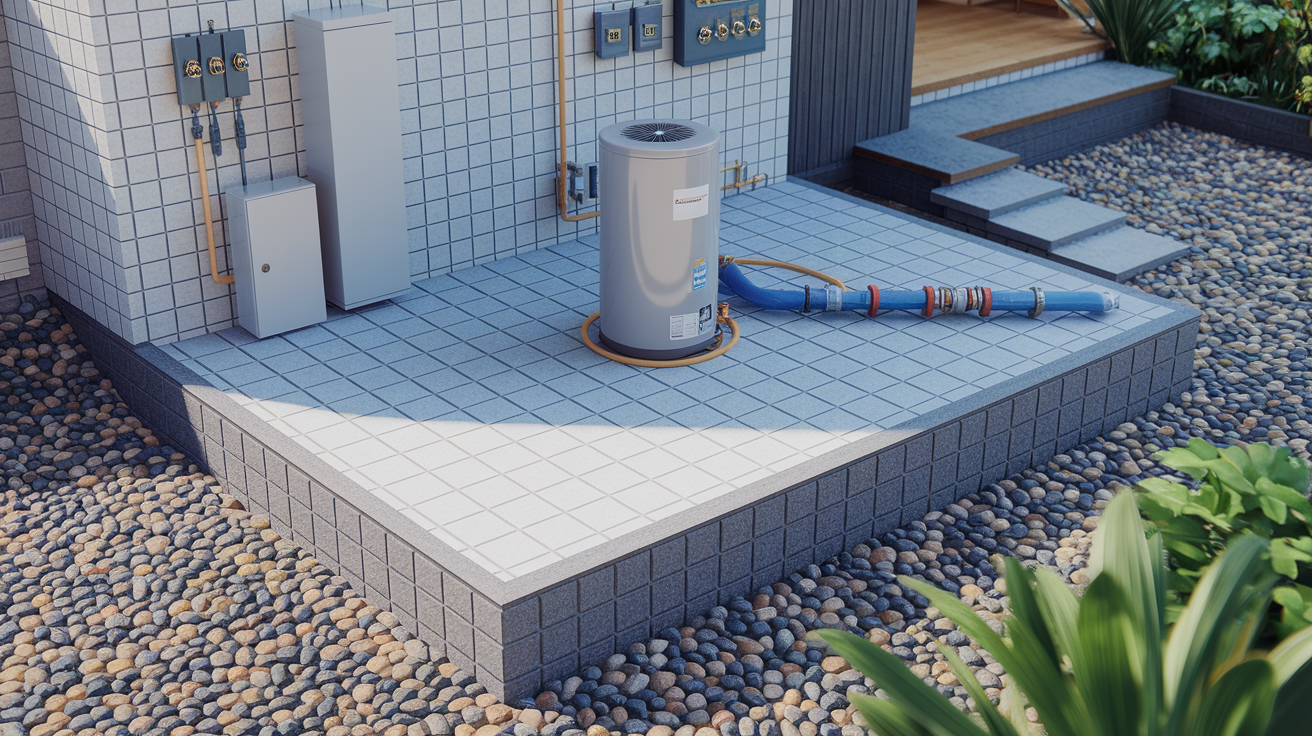
Use the rebuilding process as a chance to make your home more resistant to the next flood. Elevate critical systems like your furnace, water heater, electrical panel, and washer and dryer above the expected flood level, either by moving them to upper floors or building elevated platforms. Install backflow valves in sewer lines to prevent future sewage backups during floods. Replace damaged materials with flood resistant alternatives like tile or concrete floors instead of carpet, and cement board instead of standard drywall in basements.
Review your flood insurance coverage and make sure it matches your actual risk and your home’s current value. Standard homeowners insurance doesn’t cover flood damage, so if you don’t have a separate flood policy, get one now while you’re rebuilding. Take the time to update your family emergency plan based on what you learned from this flood, including better evacuation routes, a more complete emergency supply kit, and clearer communication plans for how family members will reconnect if you’re separated during the next disaster.
Flood prevention improvements to consider during rebuilding:
- Elevation of HVAC systems, water heaters, electrical panels, and other utilities to higher floors or raised platforms
- Sump pump installation with battery backup to remove water from basements even during power outages
- Improved drainage around your foundation, including grading that slopes away from the house and extended downspouts
- Foundation sealing with waterproof coatings and crack repair to prevent water intrusion
- Flood resistant building materials like marine-grade plywood, metal studs, and cement board in high-risk areas
- Backflow prevention valves in sewer and drain lines to stop sewage from backing up into your home
- Emergency power options like a portable generator or whole-house backup system to keep sump pumps and critical systems running
Final Words
Coming back to a flooded home feels overwhelming, but you can get through this safely by taking it one step at a time.
Start with the safety basics: wait for official clearance, check for structural damage, and document everything before you touch anything. Get professionals in when you need them, especially for utilities and serious structural issues.
What to do when returning home after flood damage comes down to this: stay safe, move fast on drying and documentation, and don’t try to do everything alone.
You’ll make smarter decisions when you’re not rushing. And you’ll rebuild stronger when you take time to do it right.
FAQ
What is the first thing you should do after a flood?
The first thing you should do after a flood is wait for official clearance from authorities before returning home. Once cleared, contact your insurance agent immediately before touching anything, then conduct an exterior safety inspection during daylight hours wearing protective gear like rubber boots and gloves.
Is “the flood” a real event?
“The flood” refers to any flooding event affecting your home, not a single historical event. Floods happen when water overflows onto normally dry land from storms, rivers, or coastal surges, and each requires specific safety steps and cleanup procedures.
Can you flush a toilet during a flood?
You should not flush a toilet during or immediately after a flood if you suspect damaged sewage lines. Wait until a professional plumber inspects your plumbing system, as broken pipes can cause sewage backup and create serious health hazards in your home.
How long to dry out a house after a flood?
A house typically takes several weeks to dry out completely after a flood, depending on the extent of water damage and drying equipment used. You must delay permanent repairs until all materials are thoroughly dry to prevent mold growth and structural problems.
When can you safely enter your home after flooding?
You can safely enter your home after flooding only when authorities say it’s safe and only during daylight hours. Have a qualified building inspector check for structural damage first if you have any safety concerns about the home’s stability.
What protective equipment do you need for flood cleanup?
You need protective equipment including sturdy rubber boots, waterproof gloves, an N95 face mask, and safety goggles for flood cleanup. This gear protects you from contaminated water, sewage, chemicals, mold spores, and sharp debris hidden in mud.
How do you know if floodwater is contaminated?
All floodwater should be treated as contaminated because it typically contains sewage, chemicals, bacteria, and other hazardous materials. Any items that touched floodwater need thorough cleaning with bleach solution or disposal, depending on the material.
What foods must you throw away after a flood?
You must throw away all food that contacted floodwater, including packaged items, canned goods, and anything stored in flooded refrigerators or freezers. Also discard all medicines and cosmetics exposed to floodwater, as contamination cannot be cleaned off safely.
How fast does mold grow after flooding?
Mold grows within 24 to 48 hours after flooding when wet materials remain in place. Start removing wet items and drying your home immediately to prevent mold development, which causes health problems and structural damage if left untreated.
Should you pump out a flooded basement all at once?
You should not pump out a flooded basement all at once because removing water too quickly can cause walls to collapse inward and floors to buckle. Remove only about one third of the water per day to maintain pressure balance.
When do you need professional restoration services after a flood?
You need professional restoration services after a flood if you have structural damage, flooded electrical systems, extensive mold growth, or sewage contamination. Certified professionals must inspect and restore utilities before you can safely use them again.
How do you register for FEMA disaster assistance?
You register for FEMA disaster assistance by calling their hotline or visiting their website as soon as possible after the flood. Quick registration is important because aid programs have deadlines, and documentation of your losses needs to happen before cleanup begins.