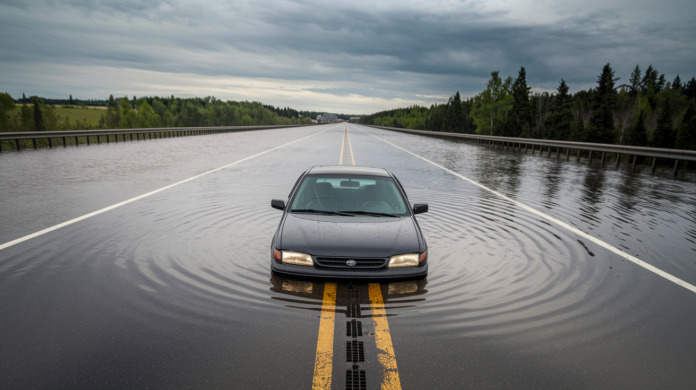

Most people who die in floods make the same mistake: they wait too long to leave. They second guess the warnings, pack the wrong stuff, or drive through water that looks calm but isn’t. The gap between hearing a flood alert and being in real danger closes fast. What you do in that first hour decides whether you get out safe or end up stranded waiting for rescue. This guide breaks down the critical errors that turn routine evacuations into emergencies and shows you exactly what to do instead.
Critical Evacuation Errors That Put Lives at Risk

Floods kill more people every year than tornadoes, hurricanes, or lightning. That’s from the National Severe Storms Laboratory, not speculation. When evacuation goes wrong, it’s usually because someone made a preventable mistake in those first critical minutes. The gap between hearing a flood warning and being in actual danger closes fast. What you do in that window is what determines whether you get out safe or end up needing rescue.
Most deadly mistakes fall into a few buckets. Bad timing and ignoring warnings. Vehicle errors. Forgetting to plan or packing the wrong stuff. Getting too close to the water. Coming back home too soon. People wait when they should be moving. They drive when they should abandon the car. They grab photo albums and forget medications. And they look at water that seems calm and think it’s safe when it’s absolutely not.
You can avoid all of this with a plan and fast action when the warning comes. Just 6 inches of moving water will take your vehicle. People still try to drive through flooded roads every single time. Weather shifts minute by minute during floods, so checking updates once isn’t enough. The difference between getting out clean and waiting for a helicopter comes down to taking the first warning seriously instead of waiting to see if it gets worse.
Dangerous Timing Failures During Flood Evacuation

When you leave matters more than almost anything else. Ignore the warnings or wait too long and what should’ve been an easy drive turns into a situation where you’re stuck waiting for someone to pull you out. That puts you at risk and the responders too.
Here’s what people get wrong with timing:
- Treating voluntary evacuation like a suggestion instead of urgent guidance
- Waiting for mandatory orders, which often come after roads start flooding
- Thinking “it won’t be that bad” because last time wasn’t
- Staying to grab stuff like furniture or old photo boxes
- Dismissing early alerts because the weather still looks fine outside
- Not checking forecasts continuously as things change
- Trying to leave after water’s already blocking your main routes
Flash floods happen in minutes, especially near rivers or in areas with bad drainage. When officials say voluntary evacuation, they’re giving you the window to leave on your terms with time to pack right and pick your route. Wait for mandatory and you’re leaving in the worst conditions with everyone else clogging the roads at once.
Officials base evacuation calls on weather data and flood models you can’t see or interpret yourself. Storms get worse fast. Storm surges cause most flood deaths in the U.S., particularly along coasts where water shoves inland faster than people expect. Dismissing warnings early is a fatal bet that your gut feeling beats trained meteorologists tracking the storm in real time. By the time rising water proves them right, your options are gone.
Vehicle-Related Evacuation Mistakes in Flooded Areas
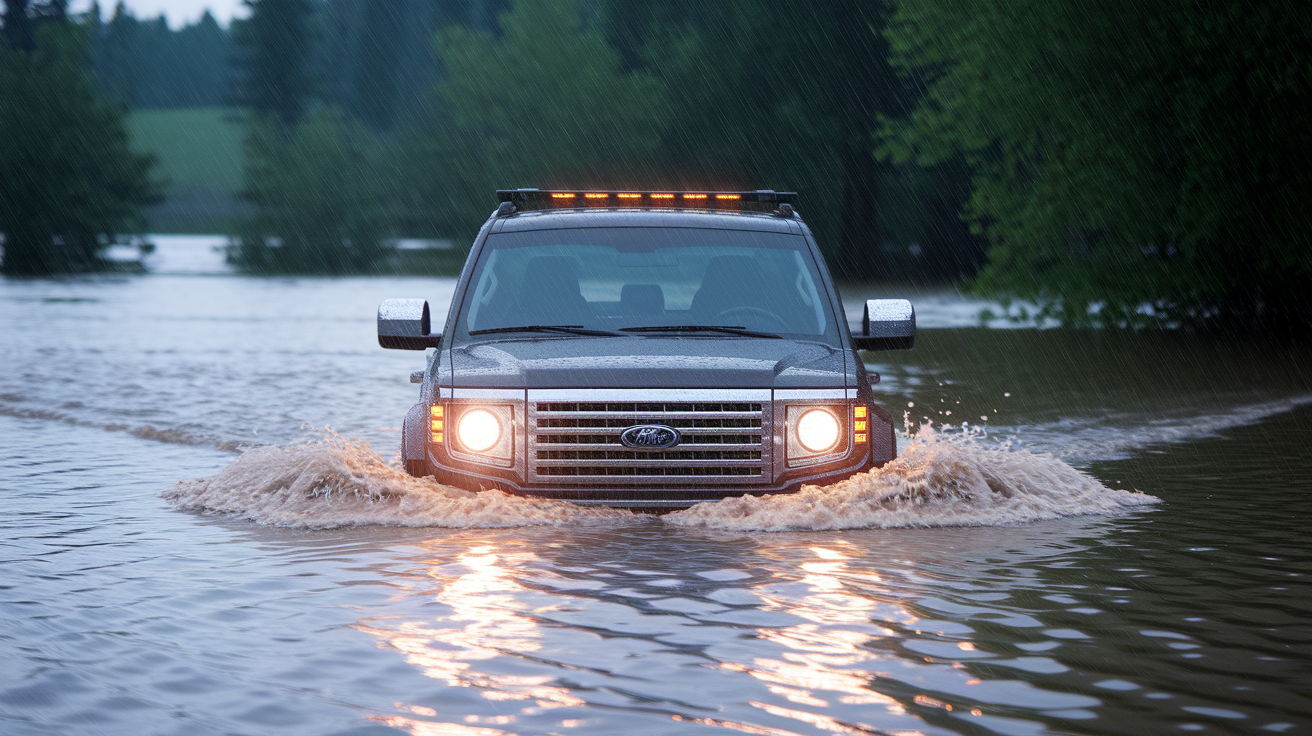
Most people die in their cars during floods, not their homes. It happens because they make bad calls about driving through water or staying with the vehicle when walking away is safer.
The biggest killer is driving through any amount of floodwater, even when it looks shallow or slow. Six inches of fast water will wash most cars off the road. It gets under the vehicle, creates lift, kills your traction. You can’t judge depth accurately because roads wash out underneath. What looks like a puddle might hide a sinkhole or a section of pavement that’s completely gone. Now rescue teams have to come into the same dangerous water to get you out, risking more lives.
Ignoring road barriers and taking shortcuts through flood zones is another critical error, usually driven by traffic panic. Main routes jam up and people look for alternatives without knowing if those roads are still intact or already underwater. Barriers get placed to keep you away from flooded or damaged areas. Driving around them because you think you know better often puts you straight into high water or washed out sections. Side routes through neighborhoods or rural areas flood faster than main roads because the drainage is worse.
Running out of gas or skipping vehicle maintenance before you leave means getting stranded in the worst spot possible. Gas stations run dry or lose power during mass evacuations. Leave with half a tank or a car that’s been skipping oil changes and you risk stopping on the highway with floodwater coming and no way to move. A breakdown that’s annoying on a normal day becomes life threatening when it happens during evacuation with water rising around the car.
After the vehicle stalls, people make another fatal mistake by trying to walk through floodwater to higher ground. Once the car’s done, the instinct is to keep moving toward safety. But walking through moving water is more dangerous than driving through it. Currents knock you down, water hides debris and open manholes, every step risks deeper water ahead. The right call after your vehicle stalls in flood water is get on the roof and call for rescue, not wade toward what you hope is shallow.
Essential Items Forgotten During Flood Evacuation

Bad packing creates hardship at shelters and forces dangerous trips back for stuff you should’ve grabbed the first time. When people pack in a panic, they take sentimental items and leave behind the documents and supplies that actually matter for survival and recovery.
| Item Category | Critical Items | Why Essential |
|---|---|---|
| Identification and Legal Documents | IDs, passports, birth certificates, property deeds, insurance policies | Required for shelter check in, insurance claims, proving ownership after damage |
| Medical Supplies and Prescriptions | Current medications, prescription copies, medical equipment, health records | Pharmacies may be closed or unreachable for days, conditions worsen without meds |
| Emergency Food and Water | 1 gallon water per person per day for 3 days, non-perishable food, manual can opener | Shelters may be packed or undersupplied, clean water may be unavailable in evacuation zones |
| Communication Devices and Chargers | Fully charged phones, backup battery packs, car chargers, emergency radio | Cell networks fail during floods, need backup power for updates and contacting family |
| Cash and Financial Documents | Cash in small bills, credit cards, bank info, emergency contact numbers | ATMs and card readers stop when power fails, small bills needed for gas, food, supplies |
| Pet Supplies and Carriers | Secure carriers, food for 3 days, water, medications, vaccination records, leashes | Shelters require vaccination proof, pets need secure transport and supplies during displacement |
Forgetting these forces dangerous return trips or creates serious problems at shelters where you show up with nothing. Can’t file insurance claims without policy numbers and ID. Medical emergencies get worse when prescriptions run out and pharmacies stay closed for days. Families without cash can’t buy fuel or food when payment systems are down across entire regions.
Pre-packed evacuation kits eliminate panic packing by having everything ready in waterproof containers near the door. When the order comes, grab the kit and go instead of running through the house trying to remember what matters. First aid, cleaning materials, extra batteries, flashlights, charging equipment should already be together in a bag you assembled during calm weather, not thrown together while watching water creep up the driveway.
Communication and Planning Failures in Evacuation Mistakes

Communication breakdowns during evacuation create dangerous confusion. Family members get separated with no way to reconnect when phone networks fail. People scatter across different shelters or get stuck in different locations without knowing if everyone made it out.
Not having a predetermined evacuation plan or meeting spot means panic kills rational coordination once the emergency starts. When the call comes, family may be at work, school, running errands in different parts of town. Without a pre-set plan, everyone makes independent decisions about where to go, which routes to take, when to leave. Parents drive to schools for kids who already got bused to shelters. Spouses head to different relatives’ houses assuming the other had the same idea. Adult children can’t find elderly parents who left without saying where. This confusion burns critical time and puts people back on flooded roads searching for family instead of staying in one safe spot.
Not establishing communication protocols before cell networks fail leaves families with no backup contact methods. During major floods, cell towers lose power, networks overload, phones die without charging access. The time to exchange out of area contact info is before the emergency. Designate a relative or friend in another state who can be a central message point. When local calls won’t connect, each family member calls the out of area contact to report location and status. Text messages often work when voice calls fail, but only if everyone knows which numbers to text and what info to send. Written contact lists matter because phone contacts disappear when devices get lost or damaged in floodwater.
Not practicing evacuation routes with all family members, including kids and elderly relatives, creates confusion when familiar routes get blocked and you need alternates under stress. Kids need to know what evacuation means, where the family will go, what to do if separated. Elderly relatives may have mobility limits requiring extra time or special transportation you can’t improvise during the emergency. Running through the plan during calm weather identifies problems like blocked exits, missing supplies, or family members who don’t understand their role. Power outages eliminate normal communication the moment you need it most. Pre-set plans prevent the dangerous mistake of driving through flood zones searching for missing family who are already safe somewhere else.
Household Preparation Mistakes Before Flood Evacuation
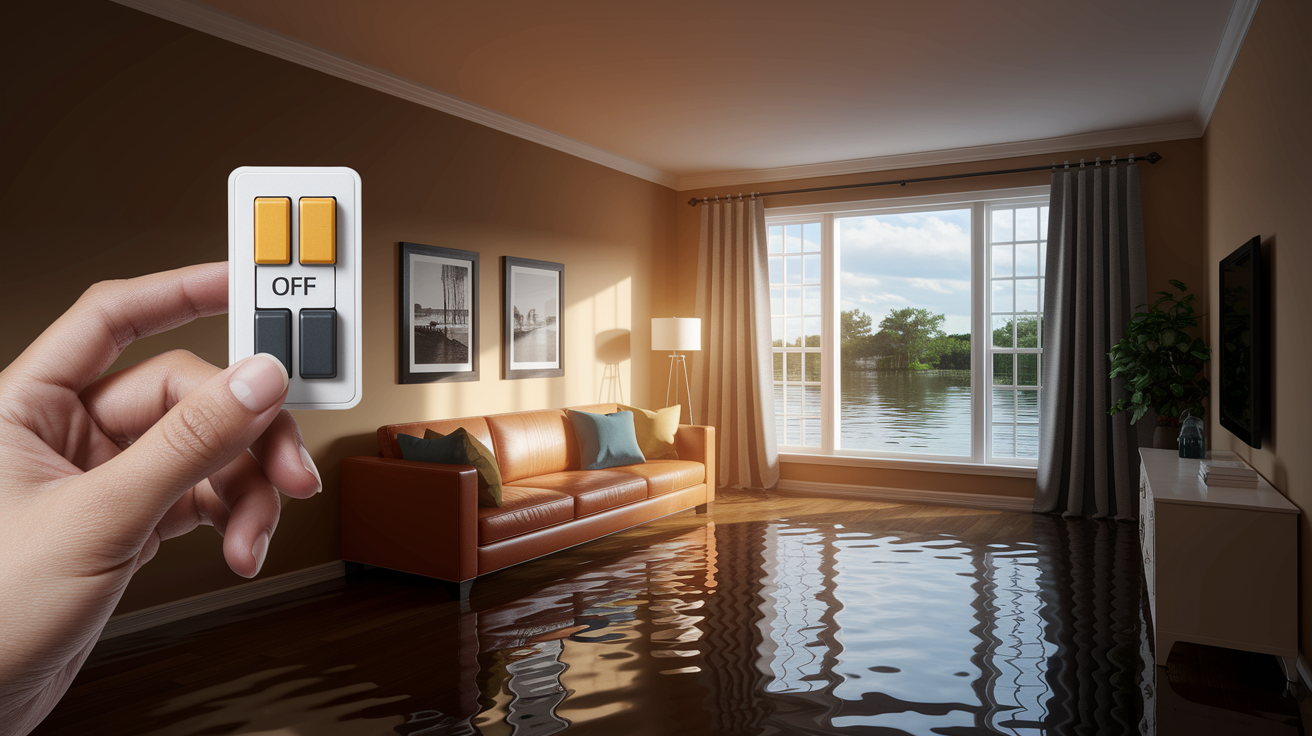
Last minute departures cause critical oversights at home that create additional dangers, from electrical fires to property loss you could’ve prevented with a few extra minutes before walking out.
Leaving utilities on when evacuating for an extended period creates fire risks and infrastructure damage when floodwater hits live electrical systems. The shutdown sequence matters because doing it wrong causes electrical shorts or equipment damage. When shutting off power, flip each circuit breaker to off before turning off the main. This prevents power surges when electricity comes back and protects appliances from damage. Gas lines should be shut at the meter if you know how to do it safely, because leaking gas mixing with water creates explosion risks. Water mains should be closed to prevent contaminated floodwater from back flowing into home plumbing. Leaving utilities on means live electricity can arc through floodwater, gas can leak into enclosed spaces, sewage can flow backward into your clean water supply.
Not securing or elevating property and valuables guarantees destruction because items left on ground level will get swept away, waterlogged, or contaminated beyond recovery. Move furniture and valuables to upper floors if the home has them, prioritizing irreplaceable items like photo albums, hard drives with family pictures, important documents not in the evacuation kit. Outdoor items like patio furniture, grills, trash cans become battering rams in floodwater, smashing through windows and doors or floating away completely. Bringing these inside or securing them prevents them from damaging your home or neighbors’ property. Lightweight furniture and patio umbrellas must be secured because even small amounts of water turn them into dangerous projectiles.
Abandoning pets or livestock without arrangements creates the additional danger of people returning to flooded areas to rescue animals they left behind. Pet evacuation planning should happen before flood season. Identify shelters accepting animals, secure carriers for safe transport, assemble supplies including food, water, medications, vet records. The fatal mistake is assuming you’ll have time to come back for pets or that emergency shelters will make exceptions to no pet policies. They won’t. Once you evacuate, returning for forgotten animals puts you back in the same danger you just escaped, often in worse conditions with less time to get out safely the second time.
Physical Contact Hazards in Flood Evacuation Mistakes
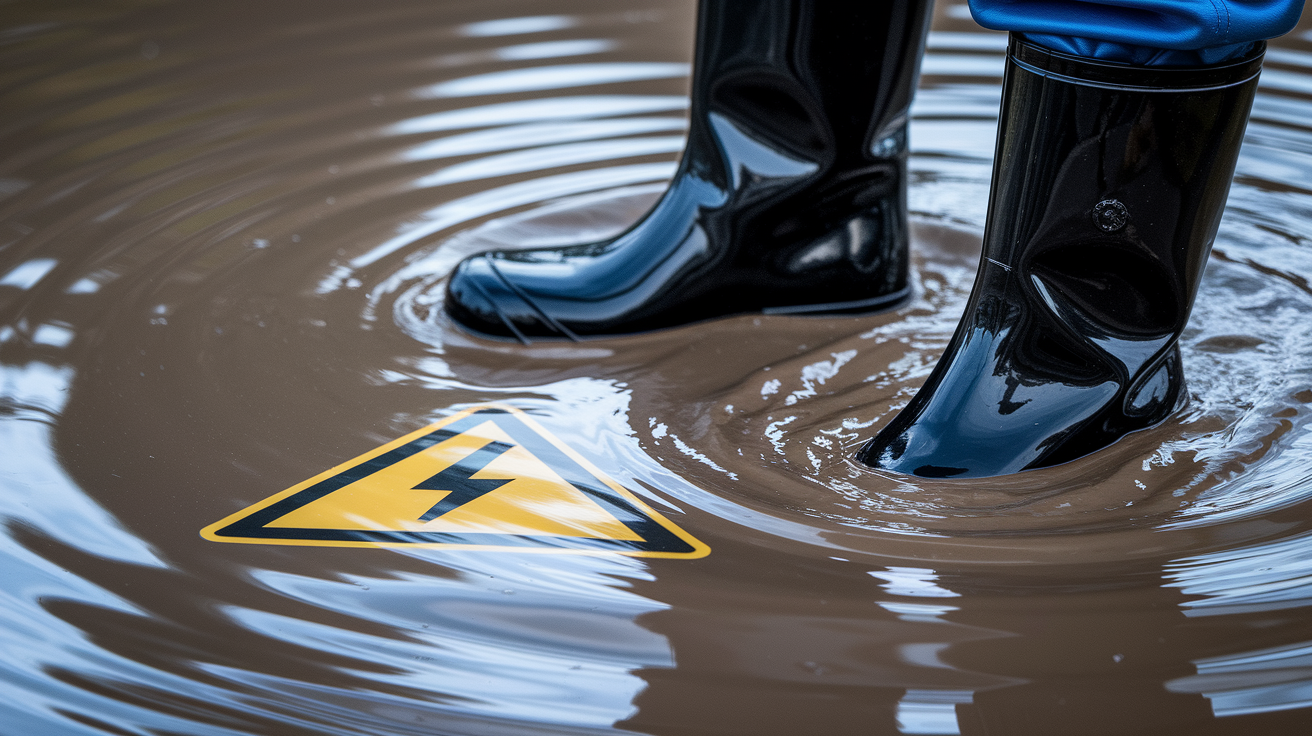
Physical contact with floodwater during evacuation is often avoidable but frequently attempted, usually because people underestimate the hazards hidden in water that looks relatively shallow or slow.
| Contact Hazard | Danger | Consequence |
|---|---|---|
| Wading Through Water | Current strength that knocks people down even in ankle deep water | Being swept away, carried into deeper water, slammed into obstacles |
| Contaminated Water | Sewage overflow, industrial chemicals, pesticides, bacteria, viruses | Severe infections, gastrointestinal disease, skin rashes, long term illness |
| Electrical Hazards | Downed power lines, submerged outlets, live current in water | Electrocution death, cardiac arrest, severe burns from electrical contact |
| Hidden Debris and Animals | Sharp metal, broken glass, nails, snakes, fire ants, spiders, alligators in some regions | Deep cuts requiring stitches, venomous bites, infection from contaminated wounds |
| Inadequate Protective Clothing | Shorts and t-shirts provide no barrier against germs and contaminants | Direct skin exposure to disease, hypothermia in cold water, increased injury risk |
Even shallow water can knock you down because current strength is invisible until it hits. Water moving at walking speed puts hundreds of pounds of force against your legs. Once you lose balance, the current carries you into deeper areas where standing back up becomes impossible. Swift floodwaters carry people away from their intended path, slam them into submerged cars or trees, cause falls that result in head injuries when there’s no way to catch yourself. The instinct is to keep your feet under you, but water has other plans.
Proper protective clothing like waders provides minimal protection against contaminated floodwater, and most people don’t own waders or know how to use them safely. Shorts and t-shirts offer no protection from germs, meaning any contact with flood water exposes skin directly to sewage, chemicals, disease. Waders can fill with water and drag you down if you fall, creating a drowning risk even in waist deep conditions. The only truly safe choice is avoiding water contact entirely during evacuation. Don’t touch electrical appliances or downed power lines even when they’re outside the water, because current can travel through wet ground for significant distances.
Risky Decision Making During Flood Evacuation Emergencies
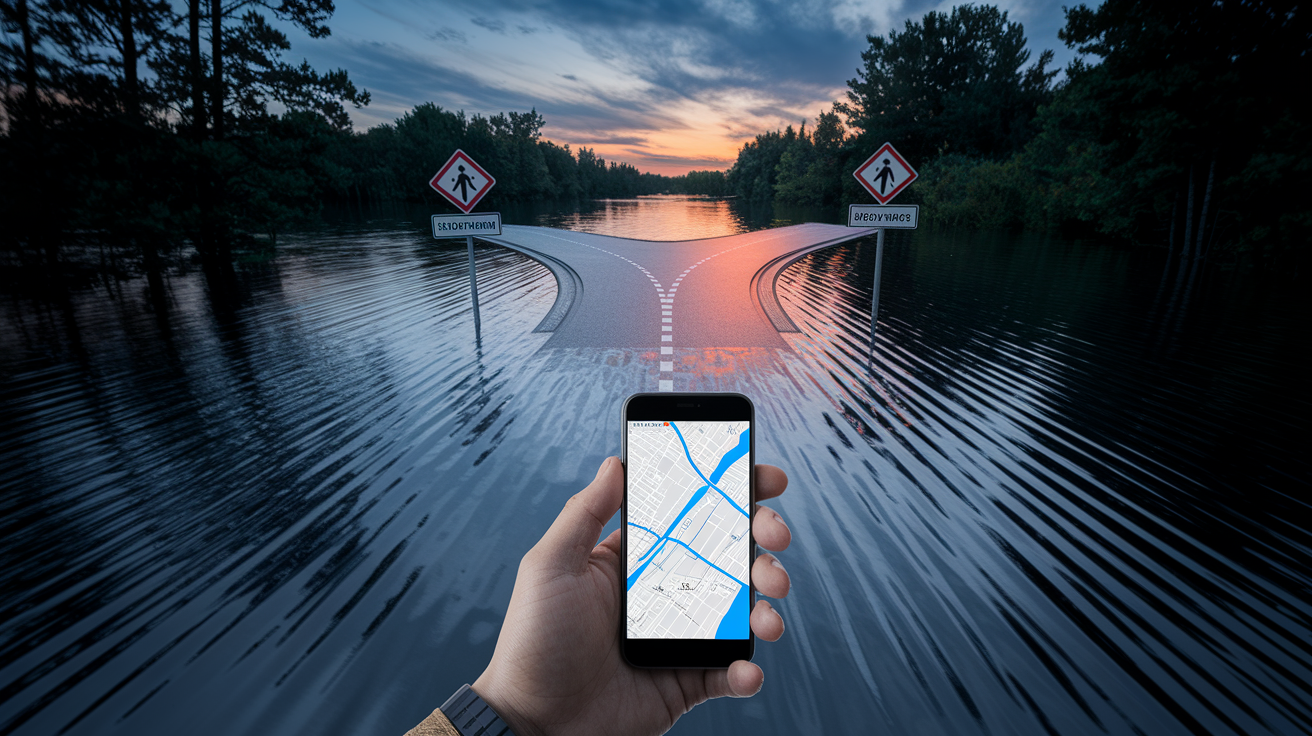
Stress and panic drive irrational choices during evacuation, overriding training and planning with fear based decisions that increase danger rather than reduce it. Clear thinking gets difficult when water’s rising and time’s running out, but the decisions made in these moments determine survival outcomes.
Panic driven decisions like taking unfamiliar shortcuts or ignoring safety protocols happen when fear overrides logic. People who’d never drive through a flooded intersection on a normal day convince themselves that speed matters more than safety during evacuation. They see the traffic backup on the main route and decide to cut through neighborhoods they don’t know, gambling that side streets will be clear when those roads actually flood first because they have smaller drainage. The shortcut that saves ten minutes in normal conditions becomes a fatal trap when it leads directly into high water with no way to turn around. Ignoring safety protocols like staying off the road after dark or driving around barriers happens because panic convinces you the rules don’t apply to your specific emergency.
Underestimating visible danger because water appears calm or shallow is another psychological mistake leading to drowning and vehicle loss. Floodwater that’s not white capping or creating obvious rapids still moves with enough force to float a car or knock down an adult. The surface appearance tells you nothing about current strength, water depth, or what’s concealed underneath. Roads may look intact from a distance but have collapsed beneath the waterline, creating sudden drops that send vehicles into sinkholes. The assumption that you can see hazards leads people to wade into water hiding downed power lines, sharp debris, structural damage beneath a deceptively smooth surface.
Making heroic attempts to save property or return for forgotten items is a fatal error that prioritizes possessions over life. Houses can be rebuilt. Furniture can be replaced. Photo albums and family heirlooms matter emotionally but aren’t worth drowning for. The drive to go back for one more load or retrieve something valuable turns people around mid evacuation and sends them back into worsening conditions with less time to escape. Staying calm during evacuation requires acknowledging the real risks honestly rather than pretending you can control outcomes through determination. Survival instincts can mislead during floods because the instinct to protect your home and possessions conflicts with the need to leave everything behind and prioritize survival.
Post-Evacuation Mistakes and Premature Returns

The temptation to return home quickly after water recedes creates new dangers that injure and kill people who survived the initial evacuation. Visible water disappearing doesn’t mean the danger has passed or that it’s safe to re-enter damaged areas.
Common post evacuation errors:
- Returning before officials declare areas safe, often within hours of water receding
- Entering structurally compromised buildings that may collapse without warning
- Touching electrical systems before professional inspection confirms they’re safe
- Assuming receded water means all safety hazards have disappeared
- Leaving evacuation shelters early due to discomfort or impatience
- Not documenting damage with photos before cleanup starts, which complicates insurance claims
Hidden dangers like compromised foundations, live electrical wires in walls, contaminated surfaces remain after visible water recedes. Buildings that look intact may have structural damage causing partial collapses when people walk on weakened floors or lean against walls. Floodwater soaks into drywall, insulation, wooden framing, creating mold growth within 24 to 48 hours that poses respiratory hazards. Electrical systems that were submerged can’t be used until an electrician confirms the wiring is dry and undamaged, because live wires in wet walls create electrocution risks even when you can’t see water anymore.
Evacuation centers and emergency shelters provide safety, food, clean water until local authorities confirm that return conditions are secure. Leaving shelters early because the accommodations are uncomfortable or crowded means giving up access to these resources before your home is genuinely habitable. Officials use specific criteria to determine when areas are safe, including testing water systems for contamination, clearing debris from roads, restoring power safely, inspecting infrastructure for damage. Returning before the all clear signal puts you in an area where emergency services may not be operating, where utilities are still down, where additional hazards haven’t been identified or cleared yet.
Evacuation Route Planning Failures and Navigation Errors

Navigation failures during crisis moments trap evacuees in locations they could’ve avoided with better route planning and practice before the emergency began. When the primary route fails, people improvise without the local knowledge or real time information needed to make safe choices.
Relying on a single evacuation route without alternatives creates severe problems when that primary route floods or jams with traffic. Main highways and evacuation corridors flood first in many areas because they run through low lying areas or cross rivers at bridge points that become impassable. Traffic congestion blocks preferred paths as everyone attempts the same route simultaneously, creating parking lots on roads where sitting still means rising water eventually surrounds stopped vehicles. The time to identify alternate routes is before evacuation orders get issued, using local maps to find multiple paths to higher ground or designated evacuation zones. These alternates should be driven during normal conditions so you know where turns are, what the road surface is like, how long each route actually takes.
Not practicing routes before emergencies means unfamiliarity with alternate roads causes missed turn offs, wrong decisions, dangerous backtracking under stress. Street signs become invisible in heavy rain and at night. GPS systems fail when cell networks go down or when mapping data hasn’t been updated to reflect new construction or road changes. Intersections that are obvious in daylight become confusing in darkness with traffic signals out and no other cars to follow. Running the evacuation route with the whole family during a calm weekend identifies problems like roads too narrow for safe passage, areas prone to flooding even in moderate rain, distances longer than expected. Children and elderly relatives learn what to expect, where the family is going, what landmarks to watch for along the way.
Not identifying high ground destinations or safe shelter locations in advance means evacuating without a clear endpoint, which leads to aimless driving that burns fuel and time. Evacuation isn’t just leaving the danger zone but also arriving at a safe location where you can wait out the flood and access resources. Designated evacuation centers provide shelter, food, information, but only if you know where they are and how to reach them from different starting points. High ground areas outside the flood zone but close enough to return home quickly after the all clear should be identified using flood maps and elevation data. Weather conditions change rapidly during major storms, making pre-planned routes obsolete without backup navigation plans accounting for multiple scenarios.
Clear pathways and exits of obstructions before flooding begins so you can leave quickly without moving furniture, bikes, storage bins blocking doors and hallways. Respect road closure barriers because they mark areas where roads are damaged, underwater, or at imminent risk of failure. Driving around them puts you directly into the hazards they’re warning you about.
Special Needs and Vulnerable Population Evacuation Oversights
Compounded risk affects household members with special needs, and the mistakes made regarding their care and evacuation create dangerous situations that are entirely preventable with advance planning and awareness of individual limitations.
| Vulnerable Group | Common Oversight | Evacuation Solution |
|---|---|---|
| Elderly Relatives | Assuming they can move at normal speed or navigate stairs and obstacles independently | Plan for early departure with extra time, arrange mobility assistance, ensure accessible transportation |
| Young Children | Not explaining what’s happening in age appropriate terms, causing panic and resistance | Prepare children with simple explanations, practice evacuation as a family activity, pack comfort items |
| Individuals with Medical Needs | Packing insufficient medication supply or forgetting equipment requiring power | Maintain 7 day medication supply, identify shelters with medical support, bring battery backups for equipment |
| Pets and Service Animals | Leaving carriers and supplies unprepared, not having vaccination records accessible | Keep carriers assembled and accessible, store vaccination records with evacuation kit, identify pet friendly shelters in advance |
| People with Disabilities | Failing to plan for assistive device transportation or accessibility at evacuation destinations | Confirm evacuation shelter accessibility, ensure wheelchairs and walkers are ready for transport, arrange specialized vehicle access if needed |
These populations require extended evacuation time that must be factored into departure decisions. An evacuation taking a healthy adult 30 minutes may take 90 minutes with elderly relatives who move slowly, need bathroom breaks, require help getting in and out of vehicles. Medication supplies must cover potential shelter stays of 3 days or longer because pharmacies in flood zones remain closed and prescription transfers to new locations take time to process. Each person’s individual medication needs must be considered when preparing supplies, including not just prescriptions but also over the counter medications for pain, allergies, chronic conditions.
One gallon of water per day applies to each person and pet, which means a family of four with two dogs needs 18 gallons for a three day supply. Service animals have the same hydration and nutrition needs as pets, plus the additional requirement of maintaining their working ability to assist their handlers. Community resources and neighbor assistance should be arranged before flooding begins, identifying which neighbors can help with evacuation and which households need help. Elderly or disabled neighbors who live alone should be included in your evacuation planning so someone checks on them when warnings are issued rather than assuming someone else will help.
Final Words
When seconds count, what mistakes to avoid during flood evacuation can mean the difference between getting out safely and facing a life-threatening crisis.
The errors we’ve covered, from waiting too long and driving through water to forgetting medications and returning home too early, are all preventable with a solid plan practiced before warnings arrive.
Print your evacuation checklist. Walk your routes. Pack your kit now, while you’re calm and thinking clearly.
Floods move faster than panic allows you to think, but preparation moves faster than floodwater. You’ve got this.
FAQ
What should you never do during a flood?
You should never drive through flooded roads, ignore evacuation orders, walk through floodwater, touch downed power lines, or return home before officials declare it safe. These actions cause most flood deaths and can sweep you away in just 6 inches of moving water.
How can you stay safe as you evacuate during a flood?
You can stay safe during flood evacuation by leaving early when voluntary orders are issued, avoiding all flooded roads, bringing emergency supplies and medications, staying calm and following your pre-planned evacuation route, and monitoring weather updates continuously for changing conditions.
How many inches of water can carry away a car?
Just 6 inches of swiftly moving water can wash most automobiles off the road and cause you to lose control. Twelve inches of rushing water can carry away most vehicles including SUVs, making any depth of floodwater dangerous for driving.
How to prepare for flood evacuation?
You prepare for flood evacuation by creating a family meeting plan, practicing evacuation routes before emergencies, packing a 3-day emergency kit with 1 gallon of water per person daily, storing important documents in waterproof bags, and arranging transportation for pets and vulnerable family members.
What items should you pack for flood evacuation?
You should pack identification documents, prescription medications for 3 days, one gallon of water per person per day, nonperishable food, phone chargers, flashlights, first aid supplies, cash, insurance papers, and pet carriers. These items prevent dangerous return trips.
When should you evacuate during a flood?
You should evacuate immediately when voluntary evacuation is recommended, not wait for mandatory orders. Flash flooding can occur within minutes and block roads quickly, so leaving at the first sign of danger gives you the safest window before routes become impassable.
Why do people make mistakes during flood evacuations?
People make flood evacuation mistakes because panic overrides planning, they underestimate visible danger, dismiss warnings based on past experience, or delay departure for non-essential belongings. Stress prevents rational decisions, making pre-emergency preparation critical for survival.
What utilities should you turn off before evacuating?
You should turn off electricity by flipping individual breakers before the main breaker, shut off gas at the main valve, and close the water main. Live electricity contacting floodwater creates fire and electrocution risks that endanger first responders.
How do you evacuate with elderly family members during floods?
You evacuate elderly relatives by planning extra departure time for mobility limitations, confirming their medications are packed, arranging accessible transportation, practicing routes together beforehand, and leaving early before roads become congested. Extended evacuation time prevents rushed dangerous decisions.
What are the dangers of walking through floodwater?
Walking through floodwater exposes you to sewage, disease, hidden debris, downed power lines, strong currents that sweep you away, snakes, and sharp objects beneath the surface. Even shallow water can knock you down and contaminated water causes serious infections.
Should you return home immediately after flooding stops?
You should not return home until local authorities issue an all-clear signal because receded water leaves hidden dangers like structural damage, live electrical wires, contaminated surfaces, and compromised foundations. Buildings may collapse even after water disappears from view.
How do you create a flood evacuation plan?
You create a flood evacuation plan by identifying multiple routes to high ground, establishing a family meeting point, practicing routes with all members, designating an out-of-area contact person, and preparing a 3-day emergency kit before flood season begins.