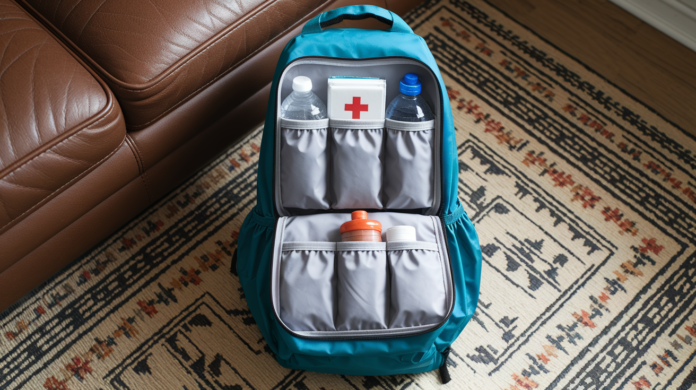

You probably think waterproof bags are just for kayakers and doomsday preppers. But when you’re leaving your house in a crisis with 15 minutes to grab everything, that bag and what’s inside it becomes your entire safety net for the next three days. No clean water. No shelter. No backup plan. The truth is, most emergency bags fail the moment they matter because people skip waterproofing or pack the wrong stuff. This guide breaks down exactly what belongs in a true waterproof emergency bag, how to organize it so you can find things in the dark, and why the bag itself matters as much as what goes in it.
Complete Waterproof Emergency Bag Essentials Checklist
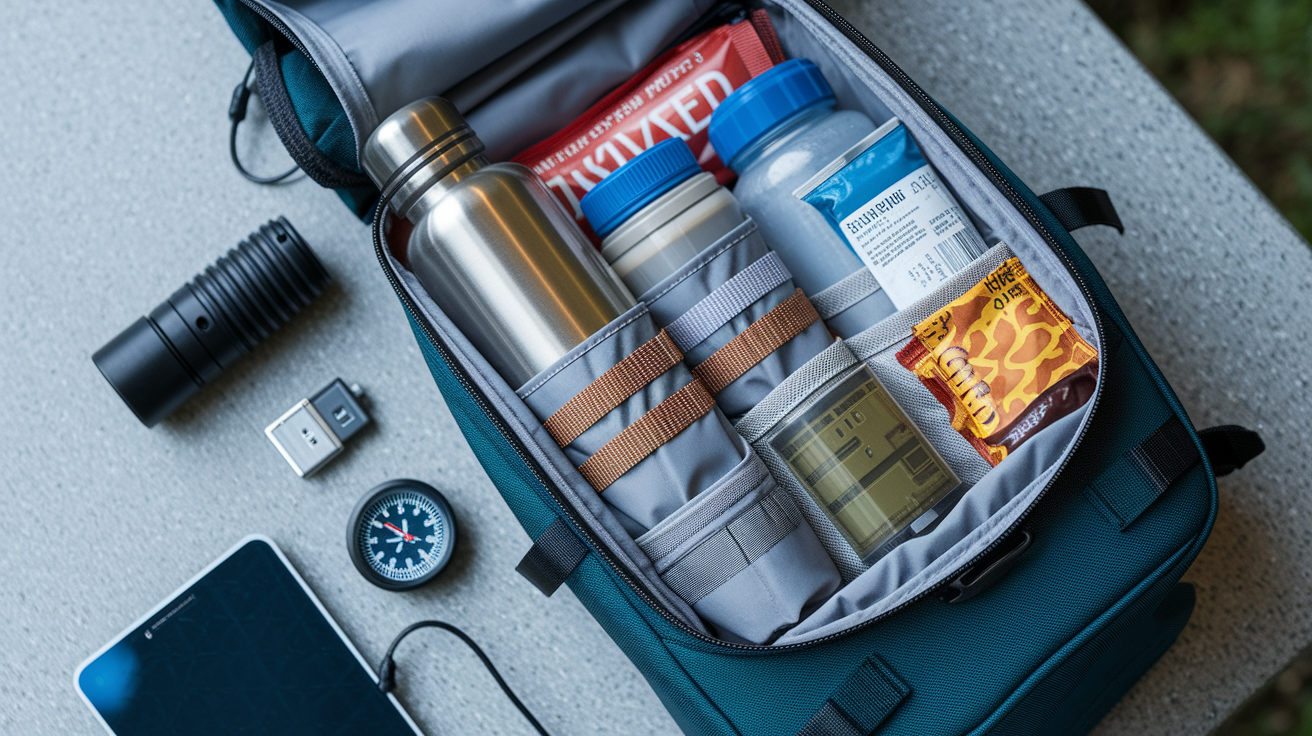
Your emergency bag needs to keep you going for 72 hours when you’re evacuating with almost no warning. That’s the standard. No shelter, no clean water, no supplies for three full days. Everything’s on your back. Water weighs 8.35 pounds per gallon and takes up 231 cubic inches, which is why purification beats hauling gallons. Plan for 1 gallon per person per day, minimum 3 days. Don’t forget pets.
| Category | Specific Items | Quantity/Specifications |
|---|---|---|
| Water & Purification | Single-walled stainless steel bottle, Sawyer Mini filter or equivalent, purification tablets, collapsible water container | 32oz bottle, 1 filter, 50 tablets, 2L container |
| Food | Millennium ration bars or MREs, energy bars, peanut butter packets, trail mix, bouillon cubes | 6 meals, 6-9 bars, 6 packets, 1 lb, 12 cubes |
| First Aid & Medical | MyMedic basic kit or equivalent, tourniquet, gauze pads assorted sizes, prescription medications, ibuprofen/antihistamines | 1 kit, 1 tourniquet, 10 pads, 7-day supply, 20 tablets each |
| Navigation & Communication | Hand-crank emergency radio with NOAA, printed local maps, compass with declination set, emergency contact list waterproof, whistle, signal mirror | 1 radio, 3 maps, 1 compass, 1 list, 120+ decibels whistle, 1 mirror |
| Power & Lighting | Headlamp with red mode, backup flashlight, power bank, extra batteries sealed, compact solar panel | 200+ lumens, 100+ lumens, 10,000+ mAh, 8 AA/8 AAA, 10W panel |
| Shelter & Warmth | Mylar emergency blanket, waterproof tarp with paracord, rain poncho, complete clothing change sealed, work gloves | 2 blankets, 8×10 tarp with 50ft cord, 1 poncho, 1 outfit, 1 pair |
| Tools & Fire | Leatherman-style multi-tool, fixed blade knife, ferrocerium rod, waterproof lighter, stormproof matches, paracord, duct tape | 1 multi-tool, 1 knife, 1 rod, 2 lighters, 20 matches, 50ft 550 cord, 20ft tape |
| Documents & Money | ID copies, insurance policy copies, medical records, emergency contacts, USB drive with scanned documents, cash in small bills | 2 copies each, 1 drive, $200-500 ($1, $5, $20 bills) |
| Hygiene | Biodegradable soap, toothbrush/toothpaste travel size, toilet paper compressed, hand sanitizer, moist wipes, feminine products | 1 bottle, 1 set, 1 roll, 2oz bottle 60%+ alcohol, 20 wipes, 1 week supply |
| Personal Protection | N95 masks, nitrile gloves, work gloves leather/synthetic, sunglasses, extra prescription glasses | 5 masks, 10 gloves, 1 pair, 1 pair, 1 pair |
| Bag Selection | Waterproof backpack or dry bag with roll-top closure, internal waterproof pouches for organization | 40-55L capacity, 3-5 pouches various sizes |
This checklist’s a baseline. Your location, family size, and the disasters you’re most likely to face will change what you actually need. Coastal areas need flotation protection. Wildfire zones need better respiratory gear than basic N95s. What works for someone else might not work for you.
Selecting the Right Waterproof Bag for Emergency Situations
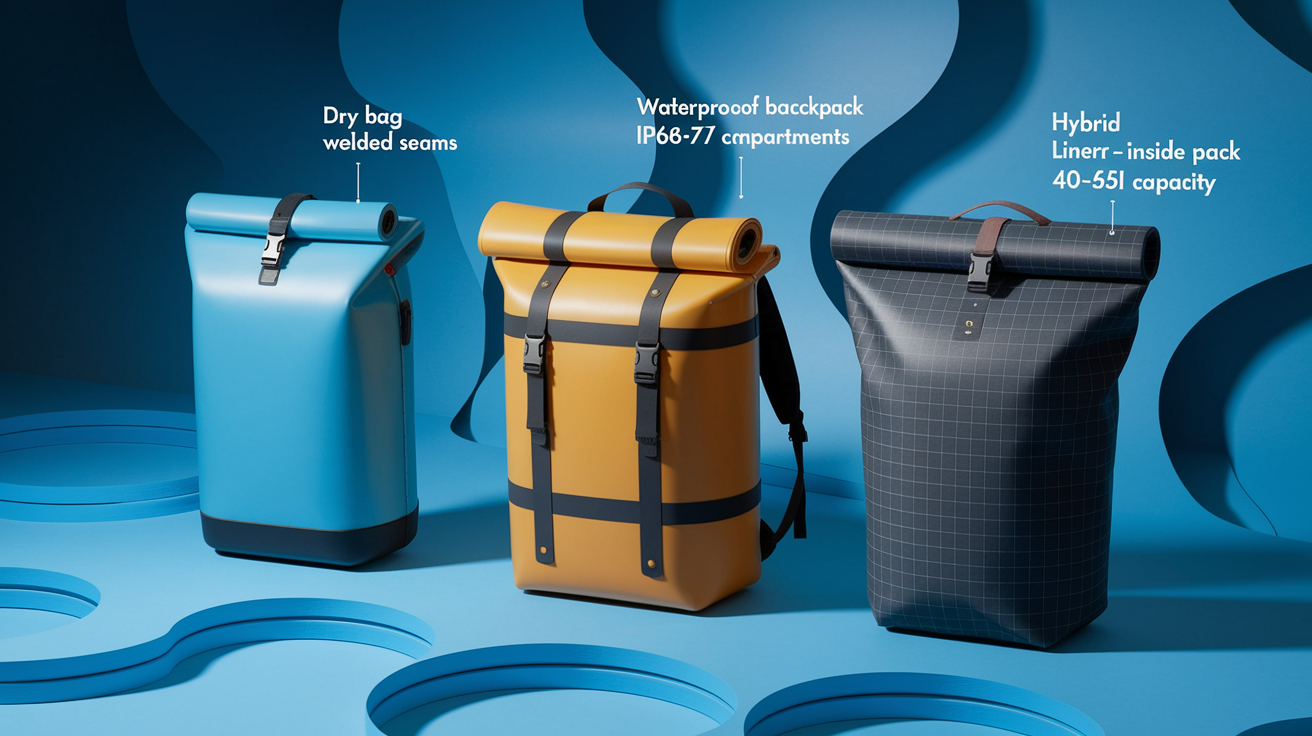
Dry bags handle full submersion with welded seams and roll-top closures, but they’re awful for organization and comfort during long carries. Waterproof backpacks give you compartments and padded straps, though most handle splash better than dunking. Hybrid designs stick a waterproof liner inside a regular pack, which gives you organization with weather protection that peels out when it’s dry.
You need 40-55 liters for 72 hours of gear without turning into a pack mule during fast evacuations. The 5.11 RUSH 72 (55L tactical) works in cities where MOLLE webbing helps. The TETON Scout 55 (55L wilderness) fits backcountry with its hiking suspension. The 5.11 COVRT24 (41L urban) serves smaller people or minimalists who value speed.
IP67 submersion rating means 30 minutes underwater at 1 meter. That protects you during vehicle water crossings or heavy flooding. Roll-top closures seal better than zippers if you actually do three full rolls before clipping. Welded seams beat stitched every time because needle holes leak through thread channels even after waterproof coating.
Internal organization with waterproof pouches stops the “everything gets wet if one thing fails” problem. Color coding speeds access when you’re cold, tired, or working by headlamp. Red for medical. Clear for food. Black for valuables. Keep three to five separate waterproof pouches inside so a ripped outer shell doesn’t kill everything you packed.
Water Storage and Purification Essentials for Your Emergency Bag
The 1 gallon per person per day standard covers drinking plus basic hygiene like hand washing and wound care. Three gallons for one person means 25 pounds of just water before you add food, shelter, or tools. That weight reality pushes you toward purification instead of bulk carrying. Store just enough to reach the next water source while keeping the ability to make any water safe.
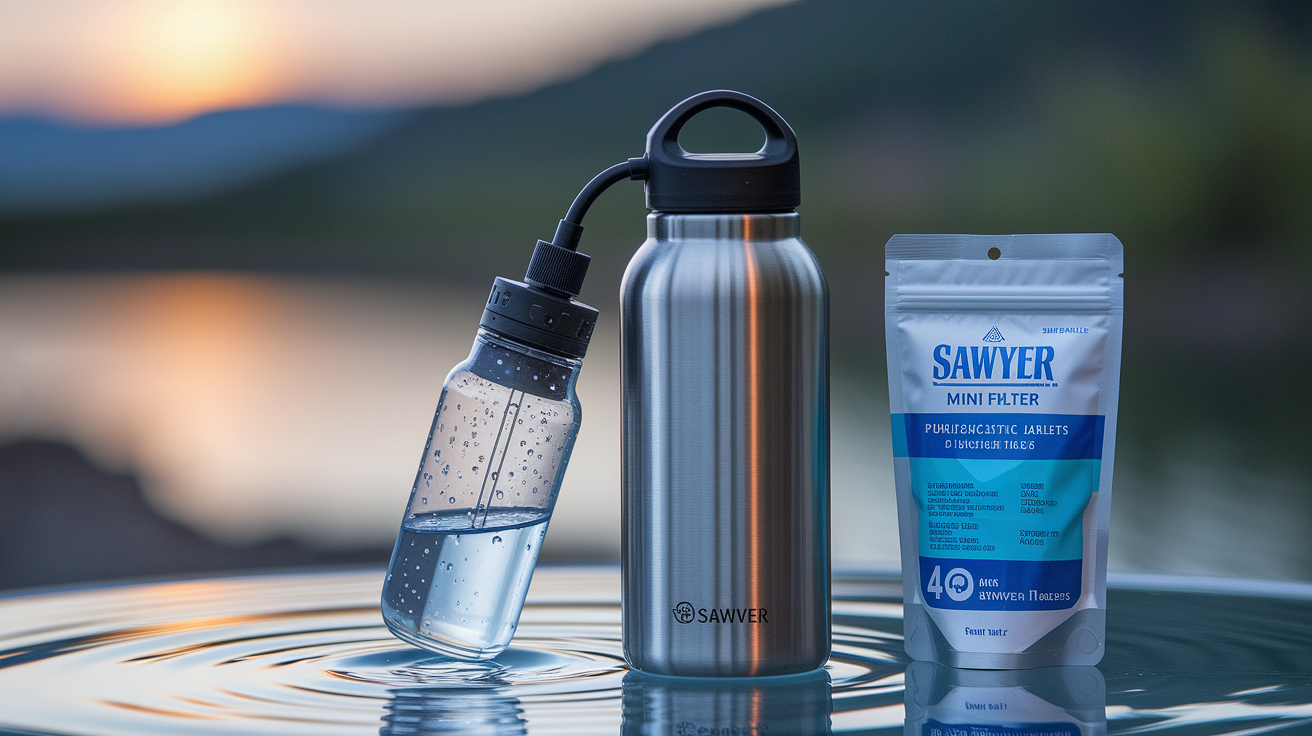
Portable water filter systems like the Sawyer Mini remove bacteria and protozoa through hollow fiber membrane tech. No batteries, no chemicals. Processes up to 100,000 gallons before replacement. Purification tablets are your chemical backup when filters clog or break, with a 30-minute wait that kills viruses some filters miss. Boiling in a single-walled metal container for 1 to 3 minutes is most reliable when you have fuel. Kills everything including cryptosporidium that resists chemical treatment. Bleach treatment works as emergency backup. 8 drops of unscented household bleach per gallon, wait 30 minutes. Only when other methods fail.
Single-walled stainless steel bottles let you boil water directly when you have fire but no filter. Insulated bottles like Yeti use double-wall vacuum construction that makes boiling impossible and adds weight you don’t need. A 32-ounce single-walled bottle works as both carry container and purification pot.
Store purification tablets and filter in a sealed waterproof pouch away from the main water bottle. Moisture destroys tablet effectiveness within months once the seal breaks. Clogged filters stop working until backflushed, which needs clean water you might not have if everything got wet together.
Emergency Food Selection and Storage
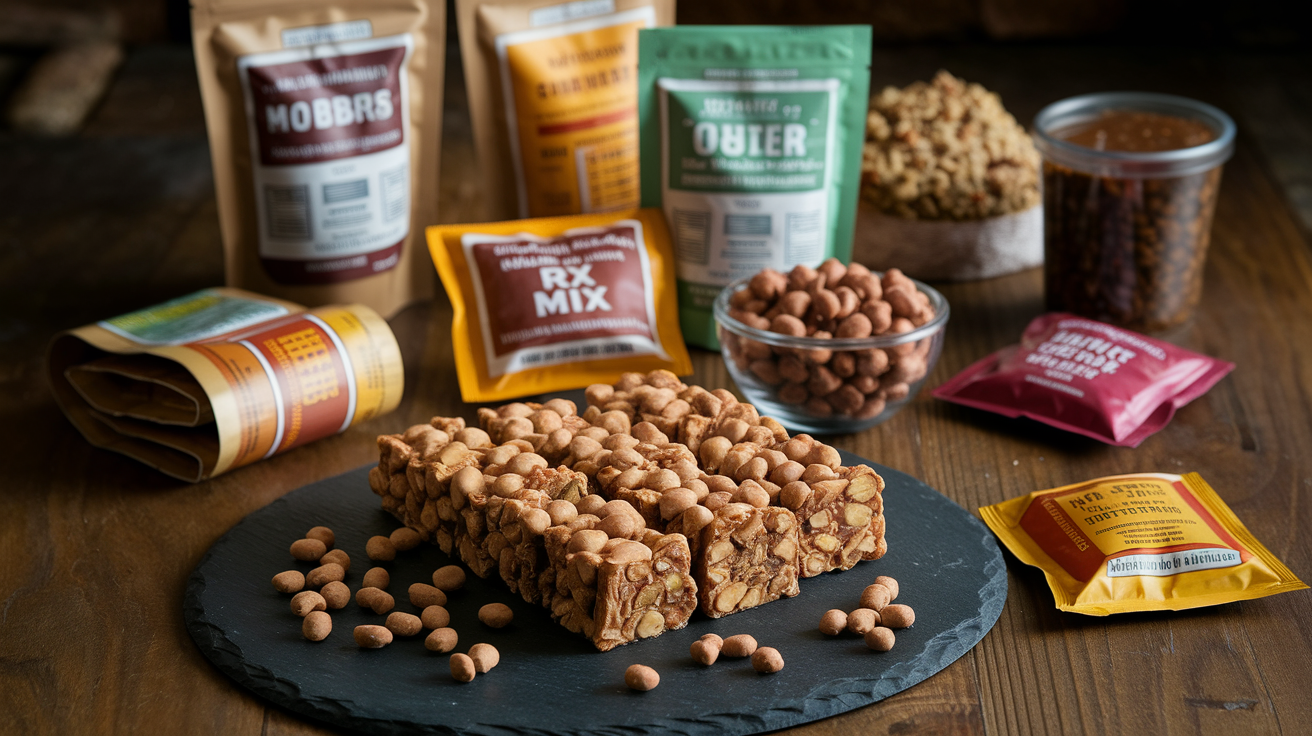
Aim for 1,200 to 2,000 calories per person per day during emergencies. Physical stress and cold weather jack up energy needs. Focus on no-cook options because fire attracts attention, fuel runs out, and wet conditions make starting fires nearly impossible when you actually need hot food.
Ready to eat means zero prep and survives rough handling. Millennium ration bars pack 2,400 calories with 5-year shelf life, surviving temps from -40°F to 300°F. US Military MREs include flameless heaters for warm meals without open flames. RX Bars and LARABARs blend protein, fat, and carbs in whole food ingredients kids will actually eat. Peanut butter packets deliver dense calories with familiar taste. Trail mix combines nuts, dried fruit, and chocolate for variety. Bouillon cubes provide warm broth that feels like real food when morale tanks on day two.
Double bag everything in heavy-duty freezer bags, then put sealed bags inside waterproof pouches in your main pack. Canned goods leak when dented, adding sharp metal edges that puncture other packages and contaminate supplies. Single-layer plastic bags tear on the first snag, letting moisture turn crackers into mush.
Inspect and rotate food every 6 months to catch expiration dates before things go bad. Longer shelf life products like Millennium bars (5 years) and MREs (5+ years when stored cool) reduce rotation frequency compared to standard energy bars lasting 6 to 12 months. Mark purchase dates with permanent marker so you know what needs rotating first.
First Aid Kit and Medical Supply Requirements
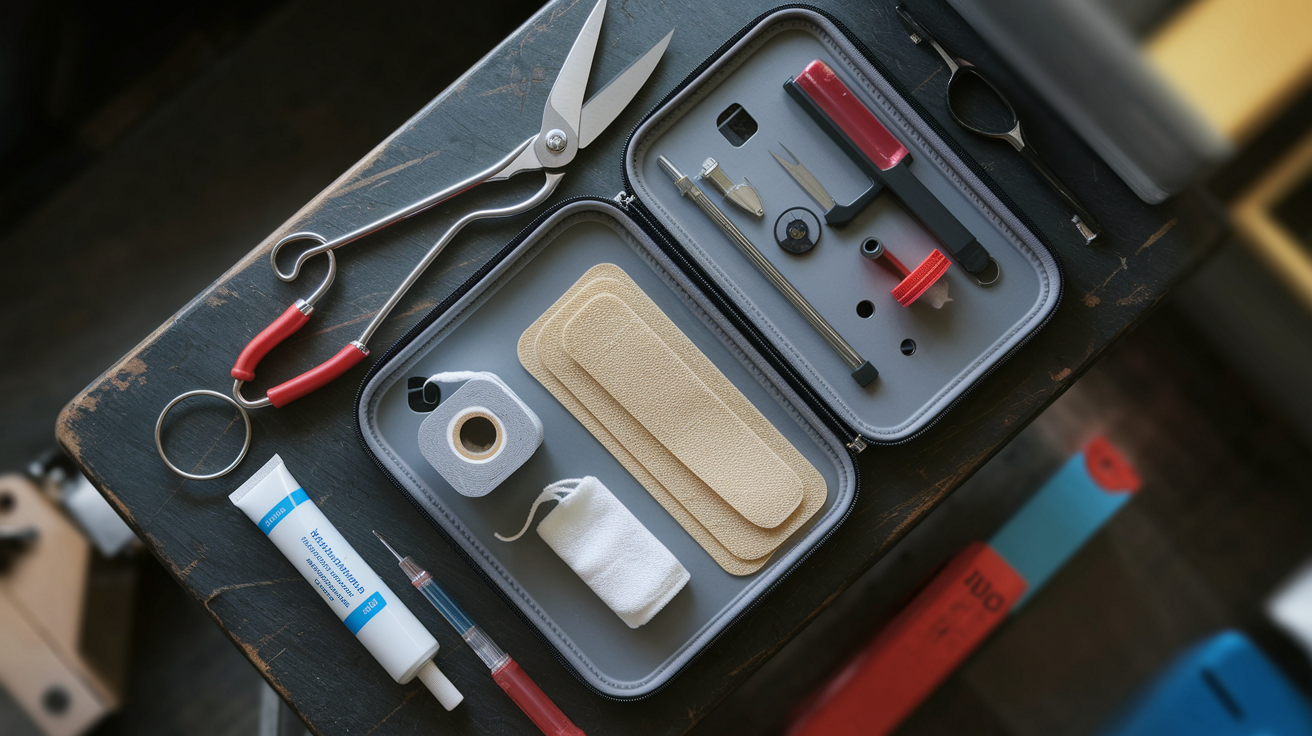
Trauma supplies handle life-threatening bleeding and fractures before professional help arrives. Tourniquets stop arterial bleeding from limbs within seconds. Compression bandages apply pressure without tying off entire limbs. Gauze pads pack deep wounds and control surface bleeding. Sam splints stabilize broken bones using moldable aluminum covered in foam. These separate basic first aid from trauma care that saves lives during the critical first hour.
| Supply Category | Essential Items |
|---|---|
| Trauma Care | Tourniquet (CAT or SOFTT), compression bandage (Israeli type), QuikClot gauze, chest seal |
| Wound Treatment | Gauze pads (2×2, 4×4), medical tape, bandages assorted, antibiotic ointment, irrigation syringe |
| Medications OTC | Ibuprofen, acetaminophen, antihistamine (Benadryl), anti-diarrheal (Imodium), antacid |
| Prescription Backup | 7-day supply all regular medications, EpiPen if prescribed, rescue inhaler, nitroglycerin if needed |
| Tools & Instruments | Trauma shears, tweezers, safety pins, thermometer, CPR face shield, Sam splint |
| Protective Equipment | Nitrile gloves (10 pairs), N95 masks (5), eye protection, hand sanitizer |
Pack a 7-day prescription medication backup in waterproof pill containers with printed labels showing drug name, dosage, and prescribing doctor. Pharmacies sometimes allow early refills for emergency stockpiling if you explain. Generic medications cost less and work identically to name brands, stretching your budget when building backup supplies.
Over-the-counter essentials cover common problems without needing a doctor. Pain relievers address injuries and illness. Ibuprofen for inflammation, acetaminophen for fever. Antihistamines treat allergic reactions from insect stings or environmental exposure. Anti-diarrheal medication prevents dangerous dehydration when clean water’s already scarce. Antiseptic wipes clean wounds before bandaging. Store all pills in sealed waterproof bags inside hard plastic containers because crushed pills become difficult to dose.
Moisture destroys medication within days once packaging fails. Pills absorb humidity and break down. Tablets crumble into powder. Liquids dilute or separate. Use multiple layers with desiccant packets inside pill bottles, bottles inside sealed bags, bags inside hard cases. Check supplies every 3 months for condensation signaling seal failure.
Navigation and Communication Tools for Emergency Preparedness
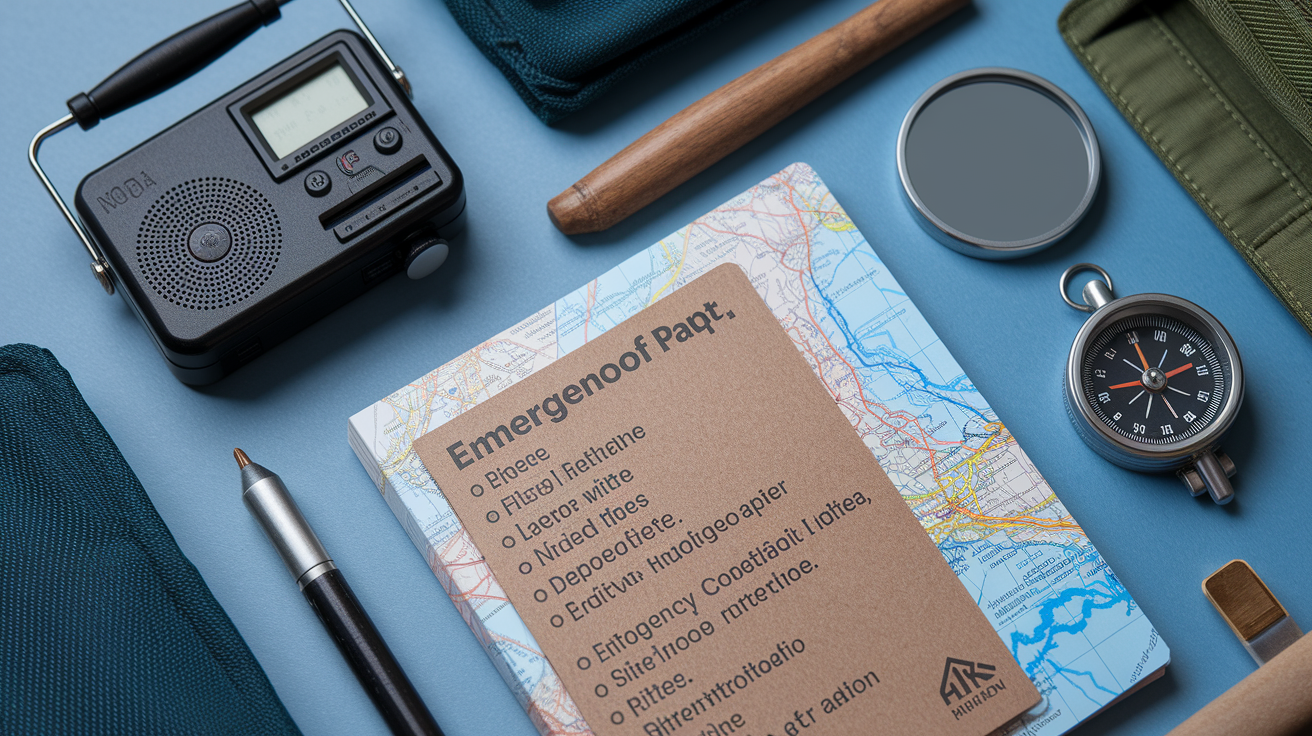
Hand-crank emergency radios eliminate battery dependence during extended outages. Solar charging panels built into quality models provide secondary power when sunlight’s available. NOAA weather alerts deliver real-time info about approaching storms, flood warnings, and evacuation orders. USB charging ports turn the radio into a phone charger, maintaining your connection to emergency services and family. Multiple power sources mean you always have access to critical information.
Printed local maps in waterproof pouches work when phones die, GPS satellites fail, or you’re traveling through areas without cell coverage. Pre-calibrated compasses like the Suunto A-10 have magnetic declination adjusted for your region, eliminating math under stress. Download free quad maps from USGS showing terrain features, water sources, and back roads electronic maps miss.
Emergency contacts stored on waterproof paper (Rite in the Rain type) survive moisture that kills regular notebook pages. Include one out-of-area contact who serves as the family communication hub when local networks overload. Full names, phone numbers, addresses, and relationship of each contact. Add medical info, insurance policy numbers, and allergies for each family member so first responders have critical data if you’re unconscious.
A 120+ decibel whistle carries farther than your voice and needs no power. Three short blasts signal distress in universal search and rescue protocol. Signal mirrors reflect sunlight up to 10 miles in clear conditions, alerting aircraft or distant rescue teams when electronic devices fail.
Power Sources and Emergency Lighting Essentials
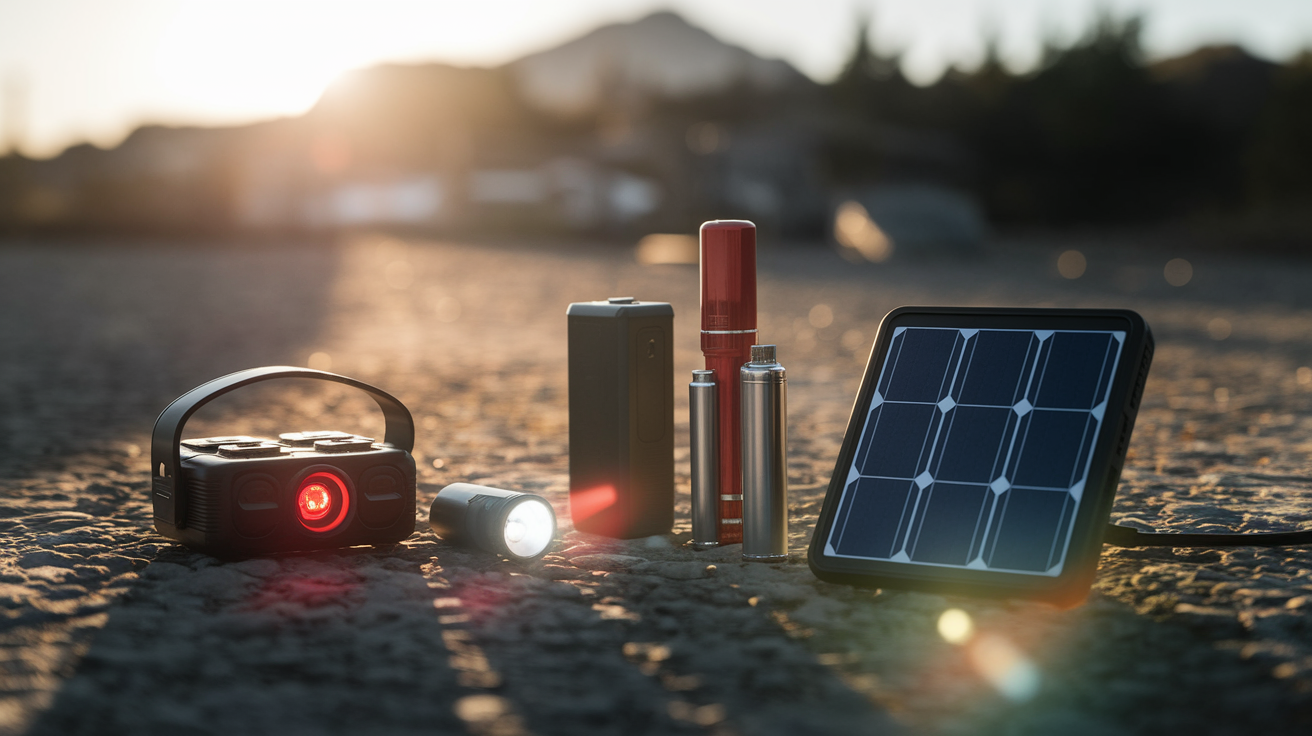
Headlamps rated 200+ lumens with red light mode provide hands-free illumination for navigation, medical treatment, and camp tasks while preserving night vision. Hands-free matters when you’re building shelter, treating injuries, or reading maps during nighttime travel.
Headlamp (200+ lumens, red light mode) with extra batteries stored separately. Handheld flashlight (backup) with extra batteries for signaling or loaning to others. Portable phone charger/power bank (10,000+ mAh capacity) maintaining communication devices. Extra batteries (AA, AAA) in waterproof case preventing corrosion. Compact solar panel (10W+) for recharging devices during extended emergencies.
Store extra batteries in waterproof containers completely separated from devices to prevent corrosion and power drain from accidental activation. Battery contacts touching metal objects inside bags create shorts that drain power or start fires. Individual battery storage in small waterproof cases keeps each cell isolated and dry.
Portable solar chargers and power banks rated 10,000+ mAh keep phones and radios operational when grid power fails for days or weeks. Solar panels fold flat for compact storage and unfold to charge power banks during daylight. Power banks then charge devices overnight or during cloudy weather when solar charging stops.
Emergency Shelter and Warmth Components for Your Bag
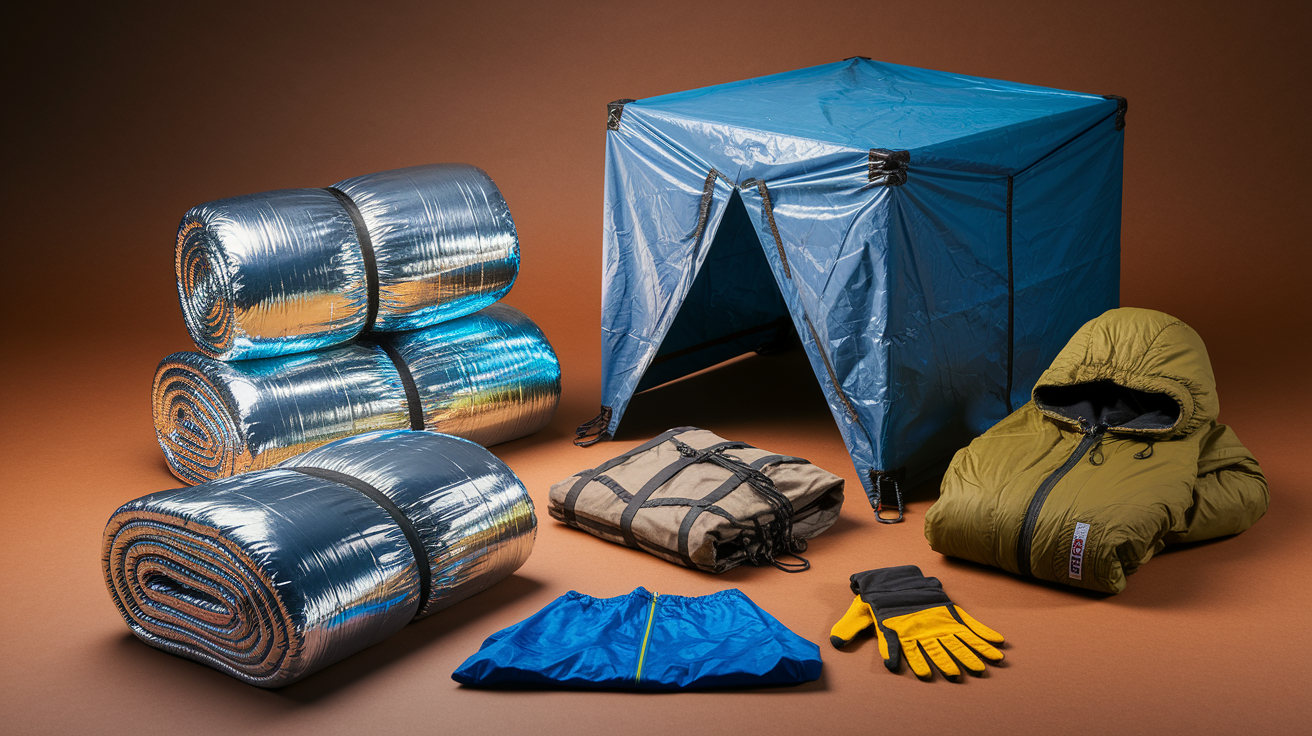
Thermal Mylar emergency blankets weigh 2 to 3 ounces and fold smaller than a deck of cards while reflecting 90% of body heat back to you. The reflective surface doubles as a ground signal visible from aircraft during rescue operations. Two blankets let you layer for increased warmth or share with an injured person showing hypothermia signs.
Waterproof tarps measuring 8×10 feet minimum with paracord create improvised shelters blocking wind and rain when buildings aren’t available. The AquaQuest Defender type uses ripstop nylon with waterproof coating surviving multiple setups without tearing at grommets. Tarp shelters set up faster than tents and adapt to whatever natural anchors you find. Trees, rocks, vehicle tie-downs.
Rain ponchos or packable rain jackets maintain mobility in wet conditions while preventing hypothermia from prolonged exposure. Hypothermia kills faster than dehydration when wet clothing pulls heat from your core. Ponchos cover both you and your pack, keeping everything dry during travel. Jackets allow better movement for physical work but leave your pack exposed.
Pack a complete clothing change in vacuum-sealed bags or compression stuff sacks removing all air. One set of dry clothes can save your life when original clothing gets soaked crossing water or caught in sudden storms. Include moisture-wicking underwear, wool or synthetic socks (Darn Tough type), long-sleeve shirt, and durable pants (5.11 Tactical type). Cotton kills in wet conditions because it stays damp and pulls heat away from skin.
Multi-Purpose Tools and Fire-Starting Equipment
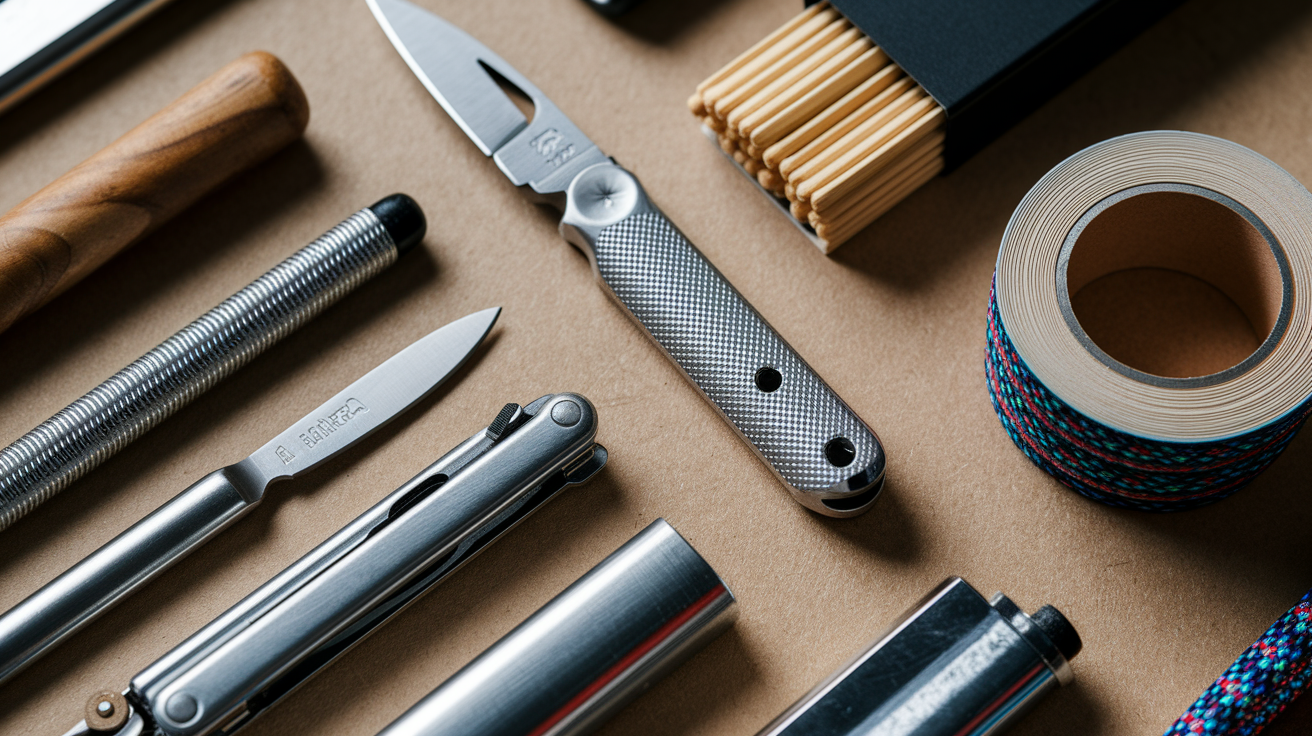
Full-size multi-tools like the Leatherman Signal include pliers, multiple knife blades, saw, can opener, wire cutters, and screwdrivers in one compact package weighing under 8 ounces. Pliers grip hot pots, remove splinters, and bend wire for repairs. The saw cuts branches for shelter building. Can opener accesses canned food when you scavenge abandoned supplies. A fixed-blade knife serves as backup when the multi-tool’s in use or breaks, with 4 to 6 inch blades handling batoning, food prep, and defensive needs.
Ferrocerium rod works when wet, 3,000+ strikes. Scrape with knife spine creating 3,000°F sparks that ignite tinder in rain or snow. Windproof/waterproof lighter as backup fuel source. Arc lighters or butane models with protective caps starting hundreds of fires per fill. Stormproof matches in waterproof container (UCO type) burn in 80 mph winds and underwater for 15 seconds each. Tinder in waterproof bag like cotton balls with petroleum jelly or commercial fire starter catches sparks when natural materials are wet. Backup lighter sealed in plastic bag. Cheap Bic lighter as final redundancy when primary methods fail.
Store all fire-starting materials in waterproof containers or dry bags because wet matches, soaked tinder, and moisture-damaged ferrocerium rods won’t produce fire when you need warmth, water purification, or signaling. Separate storage in multiple locations means losing one container doesn’t eliminate your ability to make fire.
Paracord handles shelter building by securing tarps to trees, gear repair by lacing torn backpack straps, clothesline for drying wet items, improvised tourniquets during medical emergencies, fishing line when inner strands are separated, and emergency boot laces when originals break. Carry 50 feet minimum of true 550 cord rated for 550-pound tensile strength, not cheap imitation cord that breaks under load.
Duct tape patches torn shelters, stabilizes sprained joints and fractures before proper splinting, repairs broken gear, seals food bags preventing contamination, twists into rope when paracord runs short, and prevents blisters by taping friction points before they develop. Wrap 20 feet around your water bottle to save space compared to carrying a full roll. The tape compresses flat and peels off easily when needed.
Important Documents and Identification Protection
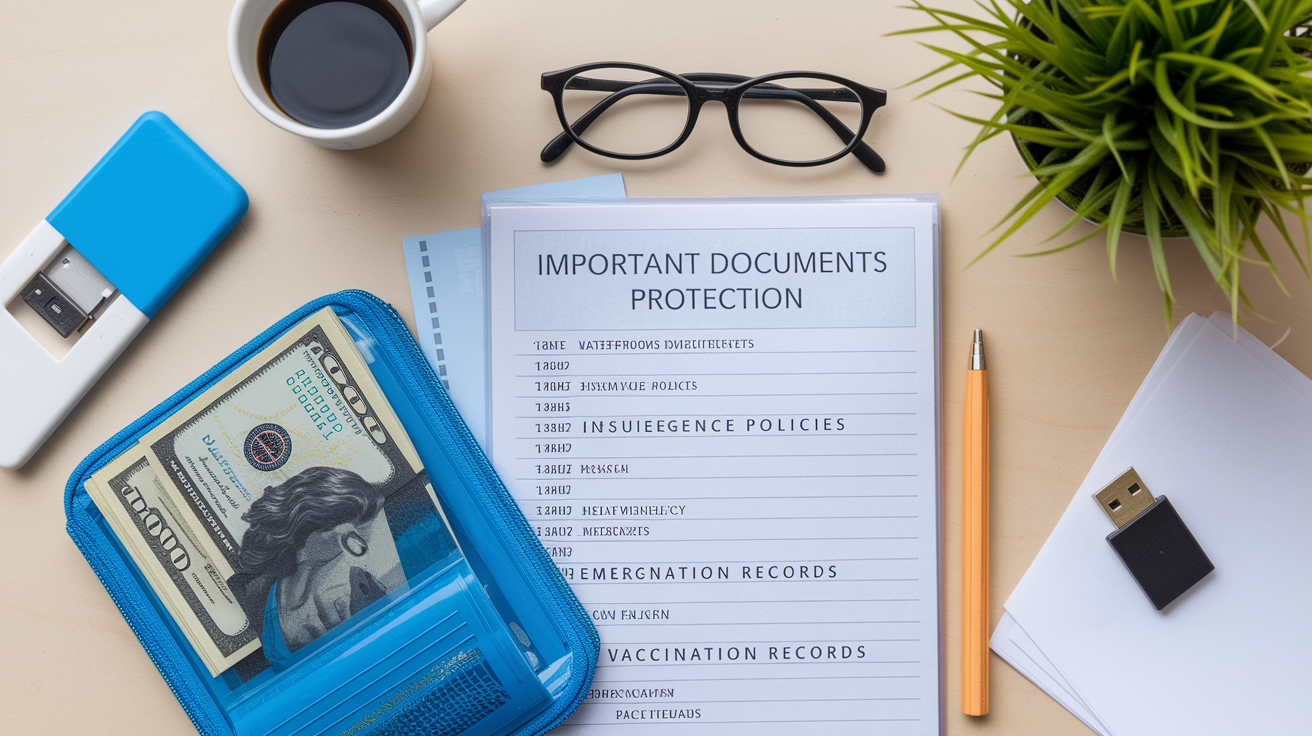
Essential document copies belong in your waterproof emergency bag. Photo ID, insurance policies (health, auto, home), medical records including prescriptions and allergies, emergency contacts with full info, vaccination records, property deeds or rental agreements, and vehicle titles. Two copies of each provide redundancy if one set gets damaged. Laminating adds protection but makes documents harder to fold into compact storage.
Triple-seal waterproof pouches designed specifically for documents use heat-welded seams and roll-top closures creating multiple barriers against moisture. Premium options include hard cases with rubber gaskets forming compression seals. Budget alternatives use heavy-duty freezer bags inside heat-sealed mylar pouches inside zip-top bags. Three-layer approach catches failures in outer layers before water reaches your documents.
Keep $200 to 500 cash in small bills including $1, $5, and $20 denominations plus coins for exact change. Electronic payment systems fail for 2 to 3 weeks during regional disasters when power grids collapse and internet connectivity drops. ATMs run out of cash within hours during mass evacuations. Small bills work when merchants can’t make change and prevent overpaying for basic supplies. Store bills in waterproof envelope separate from main document pouch so you can access money without exposing important papers.
USB drives in waterproof cases hold scanned copies of all documents plus downloaded maps, survival manuals, family photos, and emergency contact info accessible from any computer. Digital backup survives when physical documents get lost or destroyed. Load the drive with local area maps showing roads, terrain, and water sources. Add PDF copies of gear manuals, first aid guides, and regional emergency plans.
Hygiene and Sanitation Supplies for Emergency Situations
Maintaining hygiene during emergencies prevents illness that compounds existing crisis situations. Dirty hands spread disease when immune systems are already stressed from lack of sleep, poor nutrition, and physical demands. Basic sanitation maintains morale when everything else feels out of control. Small acts of normalcy like brushing teeth or washing your face reduce psychological stress.
Biodegradable soap (multi-use for body, dishes, clothes like Campsuds type) reduces items needed. Toothbrush and toothpaste (travel size, folding brush) prevents dental problems requiring medical care. Toilet paper or compressed towel tablets (Portawipes) expand when wet for sanitation needs. Hand sanitizer (60%+ alcohol content) kills germs when water’s too precious for hand washing. Feminine hygiene products (tampons or pads) are essential even for male preppers supporting others. Moist wipes (biodegradable) for body cleaning when showers aren’t available for days. Small towel or chamois cloth that wrings out and dries quickly unlike cotton towels. Prescription glasses/contacts backup because vision loss creates dangerous situations.
Pack hygiene items in travel-size waterproof containers and resealable bags organized by use frequency. Daily items like toothbrush and hand sanitizer go in external pockets for quick access. Less frequent items like compressed towels store deeper in the pack. Moisture contamination ruins toilet paper, clumps powder, and breeds bacteria in soap.
Portable waste bags with chemical treatments or simple ziplock bags contain human waste when buried catholes aren’t possible in urban evacuations or frozen ground conditions. Cathole digging requires no essential gear beyond a small trowel or sturdy stick for digging 6 to 8 inch deep holes at least 200 feet from water sources.
Clothing and Personal Protection Equipment Essentials
Pack one complete outfit change in vacuum-sealed or compression bags removing all air and minimizing space. Moisture-wicking underwear (Under Armour Boxerjock type) pulls sweat away from skin preventing chafing and bacterial growth. Merino wool or synthetic socks (Darn Tough Light Hiker type) dry faster than cotton and maintain insulation when wet. Long-sleeve shirts (Carhartt Midweight Crew type) protect against sun, insects, and abrasion. Durable tactical pants (5.11 Tactical Ridge type) resist tears and include cargo pockets for gear access.
Work gloves combining leather palms or synthetic material with warmth, waterproofing, and dexterity handle debris removal, shelter construction, and fire building without destroying your hands. Nitrile gloves provide contamination protection when treating injuries, handling questionable water sources, or dealing with waste. Keep 10 pairs because they tear easily and single-use disposal prevents cross-contamination.
Packable rain jackets or ponchos block wind and rain preventing hypothermia from wet clothing exposure. Hypothermia occurs in temperatures as warm as 50°F when clothing stays wet and wind strips heat from your body. Ponchos cover both you and your backpack keeping all gear dry during movement. Rain jackets allow better mobility for physical work but require separate pack covers.
N95 masks filter 95% of airborne particles 0.3 microns or larger including smoke from wildfires, dust from building collapse, and some biological contaminants. Proper fit requires molding the metal nose piece and checking for air leaks around edges. Keep five masks minimum because each works for 8 to 40 hours of use depending on air quality before filters clog and breathing resistance increases.
Waterproof Emergency Bag Essentials for Different Disaster Scenarios
Core essentials stay constant across disaster types, but specific threats demand targeted additions and reprioritized packing order. Coastal flooding requires different prep than inland wildfires. Understanding likely scenarios in your region shapes which specialized items deserve limited pack space.
Flooding and Hurricane Scenarios
Water-based disasters elevate document protection and flotation considerations. Add personal flotation device or inflatable life jacket to your core gear when coastal storm surge or river flooding threatens your evacuation route. Triple-bag electronics in waterproof pouches inside hard cases because submerged phones and radios become useless exactly when you need emergency communication most. Increase water purification capacity and tablets because floodwater contamination with sewage, chemicals, and debris makes every water source questionable for weeks after flooding recedes. Include waterproof boots or waders if you anticipate crossing flooded roads or moving through standing water during evacuation.
Wildfire Evacuations
Respiratory protection becomes critical when smoke fills evacuation routes and falling ash contaminates water and food. Upgrade from basic N95 masks to P100 respirators filtering 99.97% of particles when smoke density makes breathing difficult. Add safety goggles protecting eyes from ash and embers during vehicle or foot travel through fire zones. Pack fire-resistant clothing layers and close-weave fabrics rather than synthetic materials that melt against skin. Store all food and water in sealed containers preventing ash contamination that causes intestinal problems when ingested. Include extra sealed bags for protecting gear from fine ash that works into every crevice and damages electronics.
Earthquake Preparedness
Structural collapse creates dust clouds, trapping hazards, and sharp debris requiring specialized protection. Heavy-duty work gloves with leather palms and reinforced fingers handle broken glass, sharp metal, and rough concrete during debris navigation or helping trapped neighbors. Dust masks or N95 respirators filter concrete dust and insulation fibers released when buildings fail. Carry a pry bar or multi-tool with substantial pliers for moving debris or shutting off damaged gas lines. Pack a 120+ decibel whistle for signaling rescuers if you become trapped under rubble. Add a quality knife sheath preventing injury when you’re crawling through tight spaces with fixed-blade knife attached to your belt.
Cold Weather Emergencies
Thermal protection and calorie density matter more than pack weight when freezing temperatures threaten hypothermia within hours of exposure. Layer thermal underwear (Carhartt type) under regular clothing providing insulation without restricting movement. Add chemical hand and toe warmers providing 8+ hours of heat when wet conditions prevent fire starting. Pack insulated water bottles or keep bottles inside your jacket preventing freezing that leaves you without drinking water in below-freezing conditions. Increase calorie-dense foods like peanut butter, nuts, and chocolate because your body burns significantly more calories generating heat in cold weather. Triple the waterproof protection for clothing layers because wet insulation fails completely in freezing temperatures.
Pet and Family-Specific Emergency Bag Additions
Infant supplies require dedicated waterproof storage preventing moisture from contaminating formula, bottles, and sensitive skin products. Pack ready-to-feed formula in single-serve bottles eliminating mixing needs when clean water’s scarce. Store 10 to 15 diapers and travel-size wipe containers in sealed bags. Include diaper rash cream, burp cloths, and at least one complete outfit change. Formula and baby food stored in waterproof containers prevent spoilage from humidity ruining your infant’s only food source.
Children need comfort items reducing stress during frightening evacuations when normal routine disappears. One small toy, a favorite book, or printed family photos provide psychological anchor points. Avoid battery-powered items requiring extra batteries you can’t spare. Include age-appropriate snacks kids recognize and accept rather than emergency rations they refuse to eat. Pack extra clothing layers because children regulate temperature poorly and can’t communicate cold stress before hypothermia begins.
Pet essentials center on 3-day food supply in sealed waterproof bags, collapsible bowls for food and water, sturdy leash, waste bags for cleanup, and photocopies of vaccination records in waterproof pouch proving ownership and rabies protection at emergency shelters. Add any prescription medications your pet requires. Include recent photos of your pet from multiple angles helping identify and recover them if you get separated during evacuation chaos. Small dogs need carriers or backpack-style bags for extended foot travel when roads become impassable.
Elderly family members require extra prescription medications stored in clearly labeled waterproof containers showing drug names, dosages, and doctor info. Pack mobility aids like folding canes, spare hearing aid batteries in sealed containers, spare prescription glasses preventing vision loss from broken or lost primary glasses, and any specialized medical equipment like glucose monitors or blood pressure cuffs. Medical information cards listing conditions, medications, and emergency contacts belong in waterproof pouches accessible without digging through the entire bag.
Weight Distribution and Bag Packing Strategy
Keep total pack weight at 20 to 25% of your body weight for sustained carrying during evacuations lasting hours or days on foot. A 150-pound person should target 30 to 37.5 pound maximum loaded weight. Water alone represents significant weight with one gallon weighing 8.35 pounds, meaning three days of water at one gallon per day uses 25 pounds before adding any other supplies. This weight reality forces prioritization of purification methods over bulk water carrying.
Sleeping gear and extra clothing go in the bottom compartment. Items needed only when you stop for rest. Food and cooking supplies in middle-low. Moderately heavy items cushioning contents below. Water containers and filter in middle-center, against back for weight distribution. Heaviest items positioned close to your spine between shoulder blades for balance. Shelter components and tools in middle-high. Frequently accessed items above heavy core. First aid and electronics at top, protected from crushing. Delicate items requiring protection from weight above. Rain gear and frequently-accessed items in top pocket/external. Immediate-need items in fast-access locations.
Place heaviest items close to your back centered between shoulder blades maintaining center of gravity over your hips for efficient weight transfer through your skeletal system. Heavy items packed away from your back create lever arm pulling you backward forcing your muscles to work harder maintaining balance. Test your loaded pack by walking several miles before emergency situations reveal poor weight distribution through back pain and fatigue.
Keep essential items like first aid kit, headlamp, and fire starters in top compartments or external pockets accessible without unpacking the entire bag. Position fixed-blade knife in secure sheath on belt or shoulder strap for quick access but safe carry preventing injury during movement.
Budget-Conscious Waterproof Emergency Bag Building
Prioritize purchases using the “Rule of Threes.” You die in 3 hours without shelter in harsh conditions, 3 days without water, and 3 weeks without food. This hierarchy guides budget allocation toward shelter and water gear first, then food, and finally convenience items. A $15 waterproof tarp and $20 emergency blanket prevent hypothermia death better than a $200 sleeping bag you can’t afford yet.
Identify dual-use items already in your home reducing new purchases. Existing hiking backpack becomes emergency bag with $10 waterproof liner inside. Kitchen items like metal water bottle, lighter, and knife move to emergency supplies. Camping gear like headlamp, sleeping pad, and first aid kit already meet emergency standards. Household supplies including duct tape, trash bags, and basic tools cost nothing to reallocate to your emergency bag.
DIY waterproofing using heavy-duty freezer bags as dry bag liners costs $5 compared to $40 dedicated dry bags. Trash compactor bags rated 3 mils thick create durable waterproof liners inside regular backpacks. Heat-seal edges of freezer bags using clothing iron on low setting creating custom waterproof pouches for documents and electronics. Budget knife sheath alternatives include wrapped cardboard secured with duct tape or cut sections of PVC pipe preventing blade damage during transport.
Build incrementally over 3 to 6 months rather than overwhelming one-time purchases depleting emergency funds you might need for immediate crisis response. Month one, water bottle and purification tablets ($25). Month two, first aid kit and medications ($40). Month three, emergency food bars and trail mix ($30). Month four, shelter and warmth items ($35). Month five, tools and fire starting ($30). Month six, clothing and hygiene ($40). Total investment of $200 spread across half a year feels manageable compared to $200 immediate expense. Choose 5-year shelf-stable water eliminating monthly rotation costs that nickel-and-dime your budget over time.
Final Words
Your waterproof emergency bag essentials sit at the center of every fast evacuation. You’ve got the checklist. You know what goes in sealed bags and what stays accessible.
Now build it in stages if budget’s tight. Start with water, shelter, and first aid. Add the rest over a few months.
Test your bag once. Walk around the block with it loaded. You’ll find out fast what needs adjusting before an actual emergency.
Keep it near the door. Update it twice a year. And make sure everyone in your house knows where it lives and how to grab it without thinking.
FAQ
What are 10 items in an emergency go bag?
The 10 essential items in an emergency go bag are water with purification method, 3-day food supply, first aid kit, flashlight or headlamp, emergency blanket, complete clothing change, important documents in waterproof pouch, multi-tool, hand-crank radio, and $200-500 cash in small bills for 72-hour self-sufficiency.
What are the 7 essentials for survival?
The 7 essentials for survival are shelter from elements, potable water or purification method, food for energy, first aid supplies, fire-starting tools, navigation tools like compass and maps, and signaling devices such as whistle or mirror to enable rescue and maintain core body functions.
What to put in an emergency weather bag?
An emergency weather bag should contain weather-specific protection including rain poncho or jacket, thermal emergency blanket, complete dry clothing change in sealed waterproof bag, hand-crank NOAA weather radio, headlamp with extra batteries, and waterproof tarp with paracord for improvised shelter against wind and precipitation.
What are the 5 essentials for an emergency kit?
The 5 essentials for an emergency kit are one gallon of water per person per day with purification backup, 72-hour food supply requiring no cooking, comprehensive first aid kit with prescription medications, multiple lighting sources with backup batteries, and copies of critical documents in waterproof storage.
How do you waterproof important documents in an emergency bag?
You waterproof important documents in an emergency bag by using triple-seal methods including heat-sealed bags, placing documents inside dedicated waterproof pouches or dry bags with roll-top closures, and storing the sealed pouch within your main waterproof bag to prevent moisture damage during flooding or heavy rain.
What size waterproof bag do you need for 72 hours?
You need a 40-55 liter waterproof bag for a 72-hour emergency kit, with options like the 5.11 RUSH 72 (55L tactical), TETON Scout 55 (55L wilderness), or 5.11 COVRT24 (41L urban) providing adequate space for water, food, shelter, and medical supplies while remaining portable.
How much water should you carry in an emergency bag?
You should carry one 32-ounce single-walled stainless steel bottle plus a collapsible 2-liter container in an emergency bag, focusing on purification methods like Sawyer Mini filters and tablets rather than full supply because water weighs 8.35 pounds per gallon making large quantities impractical.
What fire starting methods work in wet conditions?
Fire starting methods that work in wet conditions ranked by reliability are ferrocerium rods providing 3,000+ strikes when wet, windproof waterproof lighters as backup, stormproof matches in waterproof containers, petroleum jelly cotton balls in sealed bags, and backup lighter in plastic bag.
Should you pack prescription medications in your emergency bag?
You should pack a 7-day backup supply of prescription medications in your emergency bag stored in waterproof pill containers with clear labels because moisture destroys medication effectiveness and pharmacies may be closed or inaccessible during disasters requiring multiple waterproof protection layers.
What clothing should go in a waterproof emergency bag?
A waterproof emergency bag should contain one complete outfit change including moisture-wicking underwear, Darn Tough type socks, long-sleeve shirt, durable pants like 5.11 Tactical, rain poncho or jacket, work gloves, and N95 masks all stored in vacuum-sealed or compression bags preventing moisture damage.
How do you pack a waterproof emergency bag for proper weight distribution?
You pack a waterproof emergency bag by keeping total weight at 20-25% of body weight, placing heaviest items like water and food close to your back between shoulder blades, storing sleeping gear at bottom, and keeping first aid and lights in top accessible pockets.
What tools are essential in a waterproof emergency bag?
Essential tools in a waterproof emergency bag are a full-size multi-tool like Leatherman Signal with pliers and saw, fixed-blade knife as backup, 50 feet of 550 paracord for shelter and repairs, 20 feet of duct tape, and ferrocerium rod stored in waterproof containers.
How often should you rotate emergency bag food supplies?
You should inspect and rotate emergency bag food supplies every 6 months to prevent expiration, choosing longer shelf-life items like Millennium ration bars, MREs, and sealed energy bars stored in double-bagged waterproof pouches to extend rotation intervals and reduce maintenance.
What pet supplies belong in an emergency bag?
Pet emergency supplies include a 3-day food supply in sealed waterproof bags, collapsible water bowl, leash, waste disposal bags, vaccination records copies in waterproof pouch, and comfort items because pets require one gallon of water per day just like people during evacuations.
How do you waterproof fire starting materials?
You waterproof fire starting materials by storing ferrocerium rods, stormproof matches, lighters, and tinder in separate sealed containers or dry bags with desiccant packets, keeping backup methods in different bag compartments so moisture cannot compromise all fire-starting capability simultaneously.