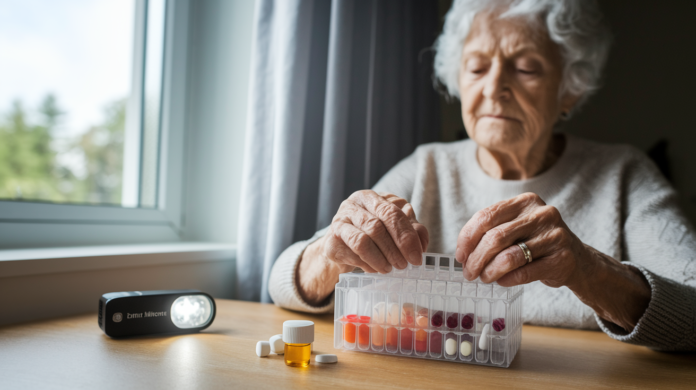

When you see “emergency kit” recommendations listing 25 pounds of supplies, does it make you want to laugh or cry? Most seniors can’t lug that around, especially with arthritis, balance issues, or a walker that already takes up both hands. The truth is standard emergency kits ignore real physical limits and set older adults up to leave critical supplies behind when seconds count. A properly designed senior emergency kit should max out at 5 to 10 pounds total, packed with lightweight versions of the same life saving items, from 4 ounce water pouches to compact first aid kits that actually fit in one hand.
Top Essential Lightweight Emergency Items for Seniors
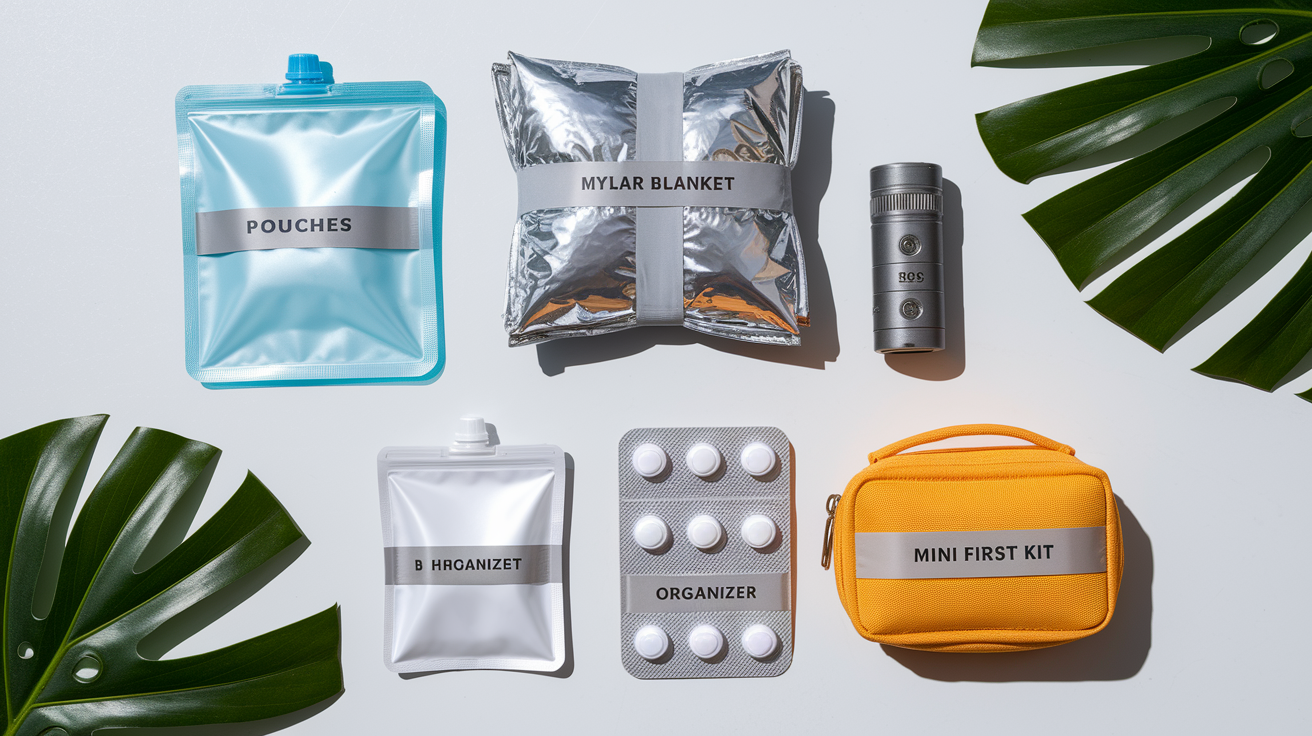
Standard emergency kits weighing 15 to 25 pounds don’t work for older adults dealing with arthritis, balance problems, or reduced upper body strength. You need something actually manageable. A senior focused kit should max out at 5 to 10 pounds total, light enough to carry one handed or clip to a walker without throwing you off balance.
-
Water pouches (4 oz each, pack of 12) – These squeeze pouches replace those heavy water bottles. Twelve pouches give you three days of basic hydration at 3 pounds total. Walmart, Target, and Amazon all stock them in emergency supply sections.
-
Mylar emergency blanket (2 to 3 oz) – Folds down to the size of a deck of cards but reflects 90 percent of your body heat back. Grabber or Swiss Safe brands work fine. Sporting goods stores or online, usually under five bucks.
-
LED headlamp with AAA batteries (2 to 3 oz) – Hands free lighting beats trying to hold a flashlight when you’re dealing with mobility aids. Energizer or Petzl brands run for 10 hours. Hardware stores and outdoor retailers carry them.
-
Weekly pill organizer with medications (4 to 6 oz) – Pre fill a seven day organizer with your regular prescriptions. Add a printed med list with dosages and doctor contacts in a small zip bag. Any pharmacy sells pill organizers.
-
Compact first aid kit (8 to 10 oz) – Johnson & Johnson or Band Aid brand portable kits have bandages, antiseptic wipes, and ointment in a 4 inch zippered pouch. Drugstores and big box retailers stock them.
-
Protein bars and applesauce pouches (6 to 8 oz for 3 day supply) – Six protein bars plus six applesauce squeeze pouches need zero prep and work for people with chewing issues. KIND, RXBAR, or Mott’s from any grocery store.
-
Hand crank emergency radio (6 to 8 oz) – Midland or Eton models get weather alerts and charge phones without batteries. Electronics stores and online for 25 to 40 dollars.
-
Waterproof document pouch with essential papers (2 to 3 oz) – A gallon size freezer bag works, but dedicated waterproof pouches with seal lock tops last longer. Camping stores and online. Toss in ID copies, insurance cards, and medication lists.
-
Travel size hygiene kit (6 to 8 oz) – Mini toothpaste, soap bar, hand sanitizer, and wipe packets fit in a quart size bag. Grab them from drugstore travel sections or buy pre made TSA compliant kits.
-
Emergency whistle (0.5 oz) – A Fox 40 or Storm whistle can be heard half a mile away without needing voice strength. Clip it to your emergency bag zipper. Sporting goods stores, under ten bucks.
-
Backup eyeglasses and hearing aid batteries (3 to 4 oz) – Store an old prescription in a hard case along with a six pack of hearing aid batteries in the right size. Being unable to see warnings or hear instructions is dangerous.
-
Portable phone charger/power bank (4 to 6 oz) – Anker or RavPower models that charge a smartphone twice weigh around 5 ounces. Get versions with built in cables so you don’t lose cords. Electronics retailers and online.
-
Laminated medical information card (under 1 oz) – Write allergies, chronic conditions, emergency contacts, and doctor names on a card, then laminate it at an office supply store. Stick it in the document pouch.
-
Glucose tablets or condition specific supplies (2 to 3 oz) – If you’re managing diabetes, heart disease, or asthma, add small quantities of glucose tablets, nitroglycerin, or an inhaler. Keep them in original labeled containers.
-
Compression socks (2 to 3 oz) – One pair helps circulation during extended sitting in shelters. Lightweight athletic compression socks from drugstores work better than medical grade for emergency kits.
These fifteen items combine to roughly 5 to 7 pounds, leaving room to add personal stuff like denture supplies, extra meds, or comfort objects while staying well under the 10 pound maximum that makes evacuation realistic for older adults.
Complete Medical and First Aid Supplies Under Two Pounds
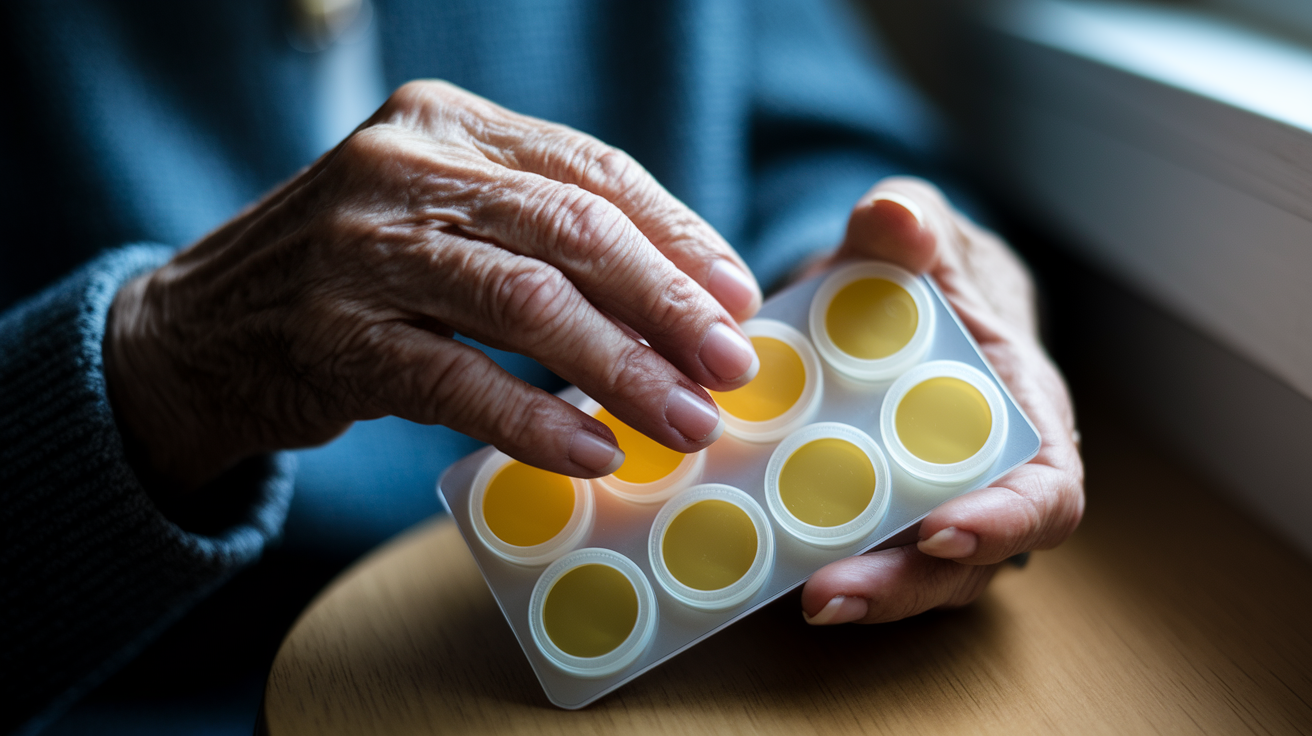
Getting to your medications during the first 72 hours of a disaster can prevent life threatening complications for seniors managing chronic conditions. The complete medical supply kit should weigh under 2 pounds while covering prescription needs, basic wound care, over the counter medications, and critical health information.
Prescription medication storage starts with a seven day pill organizer weighing 4 to 6 ounces when filled. Choose organizers with push button lids rather than flip tops. Easier with arthritic fingers. Transfer current prescriptions into the organizer and check it monthly, rotating medications before they expire. Store the organizer inside a small waterproof pouch (camping stores, three bucks) along with a printed medication list. The list should include drug names, dosages, prescribing physician contact info, and pharmacy details. If your medications normally need refrigeration, talk with your pharmacist about short term storage options during power outages. The complete prescription setup weighs under 8 ounces.
Over the counter medications packaged in single dose formats add minimal weight while covering common emergency health issues. Include four individual antacid packets for digestive upset, six anti diarrheal caplets in blister packs, four single dose pain reliever packets (acetaminophen or ibuprofen based on what you normally take), three anti nausea tablets, four allergy relief tablets, and two sleep aid tablets if you use them regularly. Skip bottles and choose blister pack or foil packet versions that weigh a fraction of bottled versions. The complete over the counter selection weighs under 4 ounces and fits in a sandwich size zip bag. Write the purpose of each medication on the packet if the print’s too small to read easily.
Essential medical documents and cards weigh almost nothing but provide critical information when you can’t communicate clearly due to stress or medical emergency. Create a laminated medical information card listing chronic conditions, drug allergies, recent surgeries, and whether you have advance directives. Add a separate laminated emergency contact card with names and phone numbers for family members, caregivers, primary care physician, and specialists. Include photocopies of insurance cards (both sides), Medicare or Medicaid cards, and a one page summary of your medical history. Store everything in a waterproof document holder that weighs 2 to 3 ounces. Office supply stores will laminate cards for under two dollars each.
Basic wound care and first aid components address cuts, burns, and minor injuries without requiring a full tackle box sized kit:
Antiseptic wipe packets (box of 10 individually wrapped), antibiotic ointment in single use tubes (6 pack), adhesive bandages in assorted sizes (12 mixed sizes), sterile gauze pads 4×4 size (4 individually wrapped), paper medical tape (1 inch width, small roll), disposable nitrile gloves (2 pairs, size large fit most hands), small scissors with rounded tips (2 inches long), tweezers for splinters (pointed tip, 3 inches).
This complete wound care selection weighs under 10 ounces and fits in a gallon size freezer bag. Replace gauze and ointment every two years.
Compact Food and Hydration Solutions for Emergency Kits
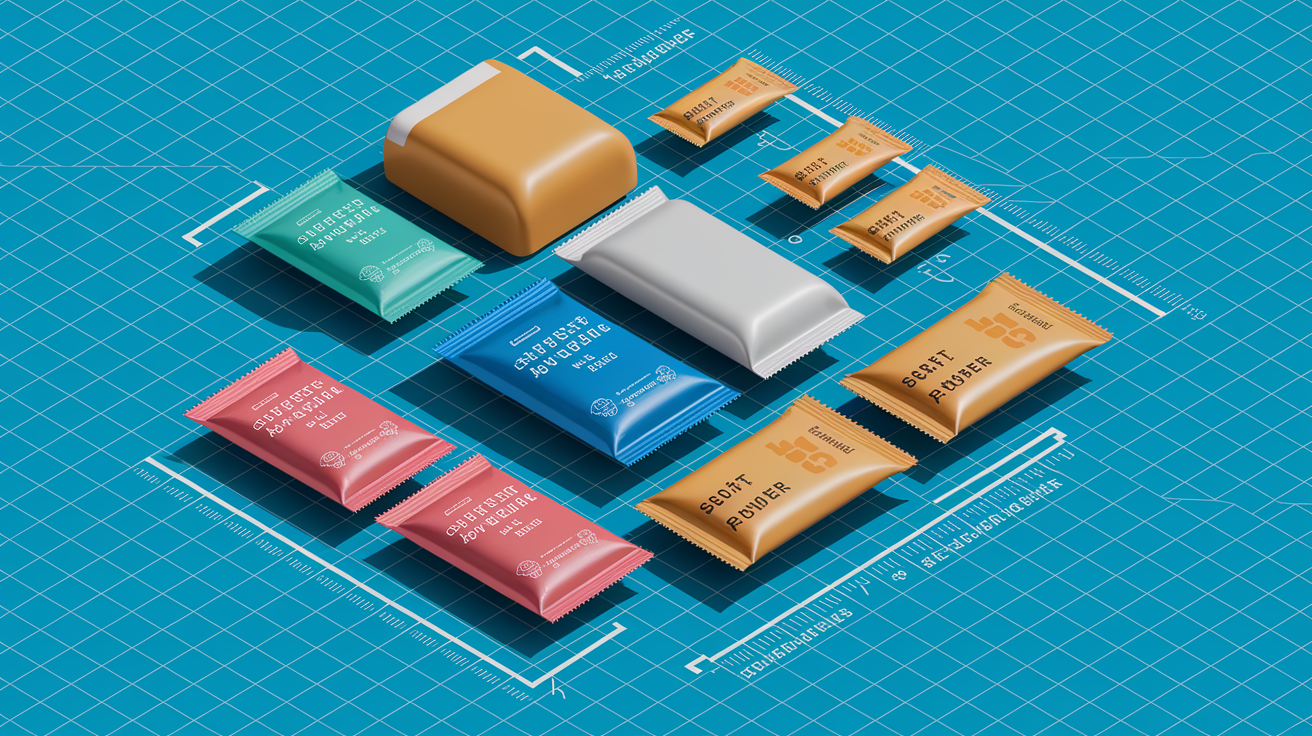
Water pouches solve the weight problem of traditional bottled water while meeting the three day minimum recommended by the California Earthquake Authority. Each 4 ounce pouch replaces a 16 ounce bottle, cutting water weight by 75 percent. Twelve pouches provide three days of minimal hydration. You still need one gallon per day ideally, but pouches work for evacuation bags where weight matters. Store electrolyte powder packets alongside water pouches so you can add minerals that help with absorption, especially important for seniors taking diuretics or blood pressure medications. A 10 pack of electrolyte powder packets weighs 3 ounces. Camping stores, emergency supply retailers, or online carry water pouches. Some brands include a five year shelf life.
Senior friendly food options focus on soft textures, easy chewing, and zero preparation requirements. Soft protein bars like RXBAR or Pure Protein dissolve easily without hard chewing. Individual applesauce pouches provide calories and need no utensils. Single serve nut butter packets (almond or peanut) offer protein and healthy fats. Meal replacement shakes in shelf stable cartons (like Ensure or Boost) provide complete nutrition for people with chewing difficulties or small appetites. A three day supply includes six protein bars (12 ounces), six applesauce pouches (18 ounces), six nut butter packets (6 ounces), and three meal replacement shakes (33 ounces). Total food weight comes to approximately 4 pounds, heavier than ideal but necessary for adequate nutrition.
Easy open packaging matters as much as food choice for seniors with arthritis or reduced hand strength. Pull tab cans eliminate the need for manual can openers. Squeeze pouches open with one hand. Tear top packages require only a simple pull motion rather than twisting bottle caps or peeling back sealed films. When buying emergency food, test the package at home before packing it. If you struggle to open it in your kitchen with good lighting and no stress, it’ll be impossible during an emergency. Avoid traditional cans that require manual openers, bottles with tight screw caps, and vacuum sealed pouches that need scissors.
A complete 72 hour food and water supply using lightweight alternatives weighs approximately 6 to 7 pounds total. Water pouches (3 pounds), soft protein bars and applesauce (30 ounces), nut butter packets (6 ounces), electrolyte powder (3 ounces), and three meal replacement shakes (33 ounces) provide basic nutrition with minimal preparation. This exceeds ideal weight targets, so seniors who can’t carry 7 pounds should prioritize water pouches and protein bars first (under 4 pounds combined), then add other items only if weight capacity allows.
Lightweight Illumination and Communication Devices

Hands free lighting and reliable communication tools help seniors navigate dark evacuation routes, signal for help, and stay informed about changing emergency conditions without fumbling with devices or draining phone batteries.
LED headlamps provide the best hands free lighting solution for older adults using walkers, canes, or wheelchairs. A headlamp weighing 2 to 3 ounces runs for 10 hours on low setting using three AAA batteries. Models with red light settings preserve night vision and signal rescuers. The elastic strap adjusts to fit over regular glasses. Energizer, Black Diamond, or Petzl brands offer models with simple one button operation rather than complex mode cycling. Headlamps work better than handheld flashlights because they keep both hands available for opening doors, holding railings, or managing mobility aids.
Five essential lightweight communication and lighting devices with exact weights:
Hand crank emergency radio (6 to 8 oz). Midland ER310 or Eton FRX3 models receive NOAA weather alerts, AM/FM broadcasts, and include phone charging ports. No batteries required. The hand crank generates power through 60 seconds of turning. Electronics stores for 35 to 50 dollars.
Compact solar charger (5 to 6 oz). Anker PowerCore Solar or similar fold flat panels charge a smartphone in 3 to 4 hours of sunlight. Weighs less than half a traditional power bank. Works as backup when hand crank radio charging is too tiring. Outdoor retailers and online for 40 to 60 dollars.
Emergency whistle (0.5 oz). Fox 40 or Storm whistle produces 120 decibel sound audible up to half a mile. Requires no voice strength or breath control. Attach to emergency bag zipper or wear on lanyard. Sporting goods stores for 6 to 10 dollars.
Mini LED flashlight (2 oz). Streamlight Nano or similar keychain models provide backup lighting if headlamp fails. Single AAA battery runs for 8 hours. Clip to bag strap for quick access. Hardware stores for 10 to 15 dollars.
Backup phone power bank (4 to 6 oz). Anker PowerCore Slim 10000 charges iPhone twice or Android once. USB C and Lightning cable built in eliminates lost cord problems. Recharge monthly to maintain capacity. Electronics retailers for 25 to 35 dollars.
Combined weight of all communication and lighting devices totals 18 to 23 ounces (under 1.5 pounds). Keep spare AAA batteries in a small zip bag (4 batteries add 2 ounces). Recharge solar panels and power banks every three months, and test hand crank radios twice yearly to confirm they still generate power properly.
Senior Specific Personal Care Items That Pack Light

Travel sized hygiene items maintain comfort and prevent infection during shelter stays or evacuation. A complete hygiene kit weighing under 8 ounces includes mini toothpaste tube (0.85 oz TSA size), travel toothbrush with cover (1 oz), small bar soap in travel case (1.5 oz), hand sanitizer travel bottle (2 oz), individual sanitizing wipe packets (10 pack weighs 2 oz), and travel tissue packs (3 pack weighs 1 oz). Assemble these from drugstore travel sections or buy pre made TSA compliant kits designed for air travel. Store everything in a quart size freezer bag that seals completely. Replace toothpaste and wipes yearly before expiration dates make them less effective.
Incontinence supplies deserve dignified inclusion in emergency kits since stress, limited bathroom access, and medication disruptions can worsen bladder control issues. Compact disposable briefs designed for travel come in thin profiles that pack flat. Three to four briefs per day for 72 hours means 9 to 12 items. Choose store brand overnight absorbency versions that handle more fluid in fewer changes. Include cleansing wipes (individual packets, not a bulky tub) and gallon size zip bags for discrete disposal when trash service is unavailable. The complete incontinence supply weighs approximately 24 to 30 ounces but significantly impacts comfort and dignity during multi day shelter stays. Brands like Depend or Prevail offer compact travel versions at drugstores and grocery stores.
Vision and hearing aid backups prevent dangerous isolation during emergencies when you can’t see warning signs or hear evacuation announcements. Store backup eyeglasses in a hard protective case weighing 3 to 4 ounces total. Include both prescription distance glasses and reading glasses if you use separate pairs. If you wore an old prescription before your current one, pack those as backup rather than buying expensive duplicates. For hearing aids, include a 6 pack of batteries in the correct size (10, 312, 13, or 675) stored in the original sealed packaging to prevent accidental activation. Batteries weigh under 1 ounce. Add a small soft brush for cleaning hearing aids and a microfiber cloth for glasses. If you use a hearing aid dehumidifier regularly, include two desiccant packets (the kind that come in shoe boxes) to absorb moisture.
Additional senior specific items include denture cleaning tablets (6 tablets in individual foil packs weigh 1 ounce) and one pair of compression socks to improve circulation during extended sitting in shelters (lightweight athletic versions weigh 2 to 3 ounces). Combined, these extras add under 4 ounces but address real needs that standard emergency kits ignore. Find compression socks in the pharmacy foot care section, not the medical supply aisle where therapeutic grade versions cost three times more for emergency purposes.
Document Protection and Important Papers Under Four Ounces
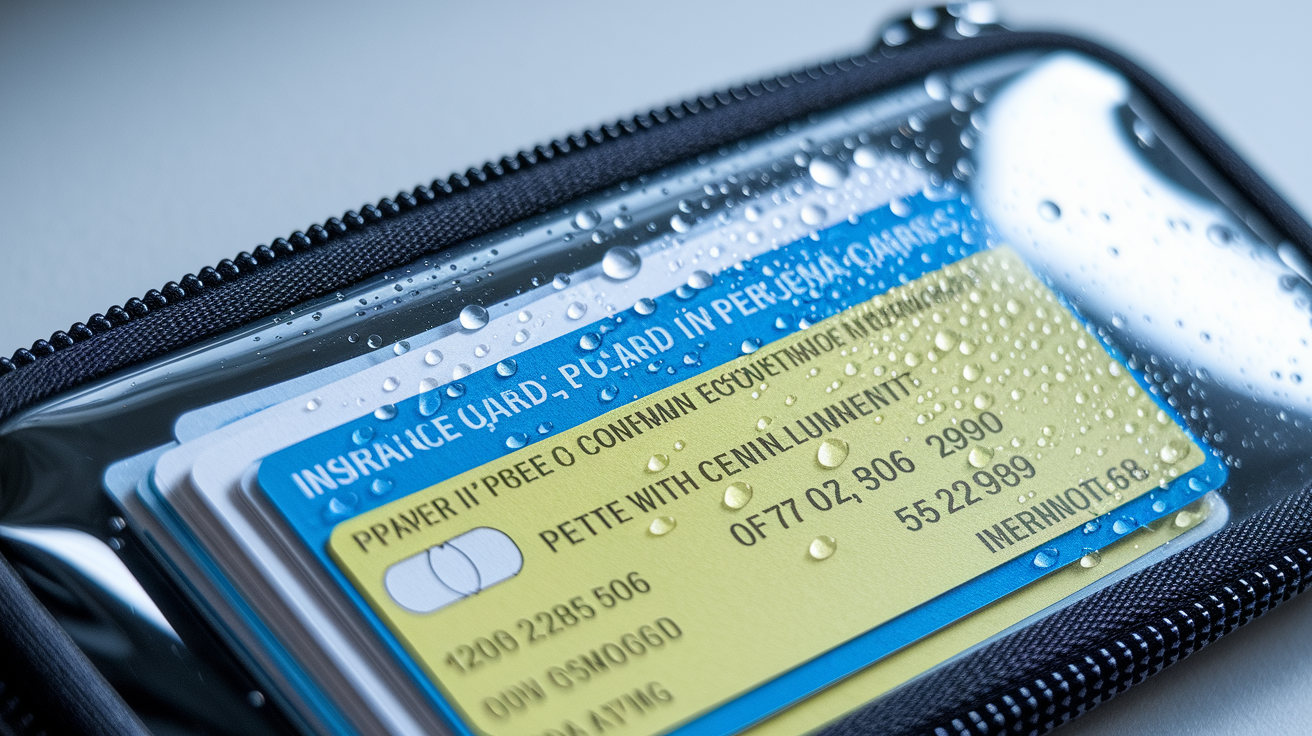
Waterproof document protection using lightweight zip lock style pouches or small waterproof bags weighing 1 to 2 ounces empty keeps critical papers accessible during evacuations, insurance claims, and medical treatment. Aloksak brand bags or Sea to Summit waterproof pouches sold at camping stores provide heat sealed construction that survives brief submersion. A 6 inch by 9 inch pouch holds folded letter size documents and weighs 1.5 ounces. Larger 9 inch by 12 inch versions weigh 2 ounces and accommodate documents flat. Test waterproof claims at home by sealing a paper towel inside, submerging the pouch in a sink for 10 minutes, then checking for moisture.
A dual format approach works best. Laminated cards provide immediate access to critical information in your wallet or attached to your emergency bag, while full document copies stay sealed in the waterproof pouch. Laminate a medical information card (chronic conditions, allergies, medications, doctors), emergency contact card (family, caregivers, physicians with phone numbers), and insurance summary card (policy numbers, claims phone numbers). Laminated cards cost under two dollars each at office supply stores and weigh almost nothing. Punch a hole in one corner and attach them to your emergency bag zipper with a small carabiner clip so they stay visible.
Essential documents to include in the waterproof pouch:
Photo identification copies (driver’s license or state ID, front and back), insurance cards (health, prescription, supplemental, long term care), medication lists with prescribing doctors and pharmacy contacts, emergency contact information (family members, caregivers, medical professionals), advance directives and living will (first two pages if multi page documents), Medicare and Medicaid information (cards and prescription coverage details), small amount of emergency cash (three twenty dollar bills for situations where cards don’t work).
Make black and white photocopies rather than color copies to reduce ink bleeding if moisture somehow reaches the papers. Fold documents in half once to fit standard pouches, or use legal size pouches if you prefer documents flat. The complete document packet weighs 2 to 3 ounces depending on paper quantity. Store digital backup copies on your phone or in cloud storage (Google Drive, Dropbox, or iCloud) so you have redundant access if the physical pouch is lost.
Arthritis Friendly Tools and Multi Use Items
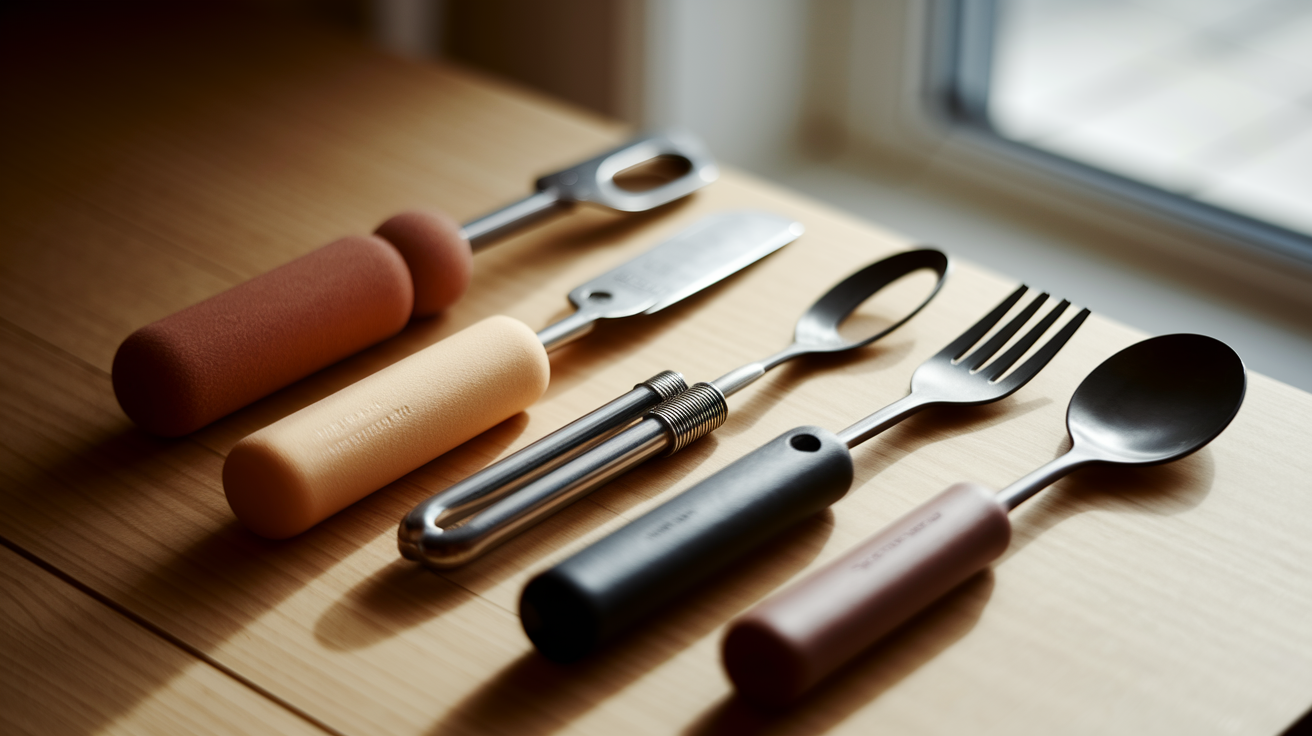
Traditional emergency tools with small handles, tight grips, or mechanisms requiring two hand operation create frustration and safety risks for seniors with arthritis, hand tremors, or reduced grip strength. Ergonomic alternatives add minimal weight while dramatically improving usability under stress.
Specific ergonomic features make tools accessible. Large handle can openers with turning knobs instead of squeeze triggers, lightweight multi tools with spring loaded pliers that pop open automatically rather than requiring manual spreading, and utensils with built up foam grips that accommodate weak or deformed finger positions. OXO Good Grips brand offers can openers, scissors, and other tools designed specifically for arthritis. Their smooth edge can opener weighs 4 ounces, requires one hand to operate, and works on any can size without sharp edges. Kitchen supply stores and online retailers stock adaptive tools, or check medical supply stores where occupational therapists recommend products.
| Tool Type | Weight | Senior Friendly Feature |
|---|---|---|
| Ergonomic can opener | 4 oz | Large turning knob, one hand operation, no sharp edges |
| Lightweight multi tool | 3 oz | Spring loaded pliers, built in LED light, safety lock blades |
| Easy grip utensil set | 2 oz | Foam padded handles (1.5 inch diameter), curved for weak grip |
| Push button scissors | 1.5 oz | Spring action blades open automatically, loop handle for four fingers |
| Jar opener (multi size) | 1.5 oz | Adjustable rubber grip fits multiple lid sizes, leverage handle |
The complete arthritis friendly tool set weighs under 12 ounces and eliminates common barriers to using emergency supplies. Store tools in a small mesh bag attached to the main emergency kit so they don’t shift around and poke through softer items. Test each tool at home before an emergency reveals that arthritis makes it unusable despite marketing claims.
Thermal Comfort Solutions in Minimal Space

Emergency thermal blankets made from Mylar material weigh 2 to 3 ounces, fold to the size of a deck of cards, and reflect up to 90 percent of body heat back to the user. These space blankets prevent hypothermia when shelters lose power or evacuations happen during cold weather. The crinkly material makes noise when you move, which helps rescuers locate you in dark or debris filled environments. Grabber or Swiss Safe brands cost three to five dollars at sporting goods stores. Include two blankets per person since the thin material tears easily and having a backup matters when overnight temperatures drop. Mylar blankets also work in reverse during heat emergencies by providing shade and reflecting sunlight away when draped over a window or used as a lean to cover.
Disposable hand and toe warmers provide 8 to 10 hours of warmth for seniors with circulation issues or Raynaud’s disease who lose feeling in extremities during cold stress. Each warmer weighs 1 ounce and activates by exposing the packet to air. HotHands or Yaktrax brands sold at drugstores and outdoor retailers cost about one dollar per pair. Include six pairs of hand warmers and four pairs of toe warmers in your kit (total weight 10 ounces). The warmth helps prevent dangerous drops in core body temperature and makes cold environments tolerable without bulky blankets. Warmers expire after two years, so check dates annually and replace before they lose effectiveness.
Cooling solutions matter as much as warming gear since seniors regulate body temperature less effectively in both directions. Compact cooling towels activate when wet, then provide evaporative cooling for 2 to 3 hours before needing re wetting. Mission or Chill Pal brands weigh 2 ounces, fold into a small pouch, and reactivate unlimited times. Wet the towel, wring it out, then snap it a few times to activate the cooling effect. Drape it around your neck or over your head to reduce heat stress during summer evacuations or power outages without air conditioning. Lightweight emergency ponchos weighing 3 to 4 ounces provide rain protection and reduce heat stress by preventing wet clothing that accelerates hypothermia. Choose bright orange or yellow versions for visibility. The complete thermal comfort kit (two Mylar blankets, ten hand/toe warmers, one cooling towel, one poncho) weighs under 1 pound and addresses temperature extremes in both directions.
Sanitation and Hygiene Essentials Under Eight Ounces
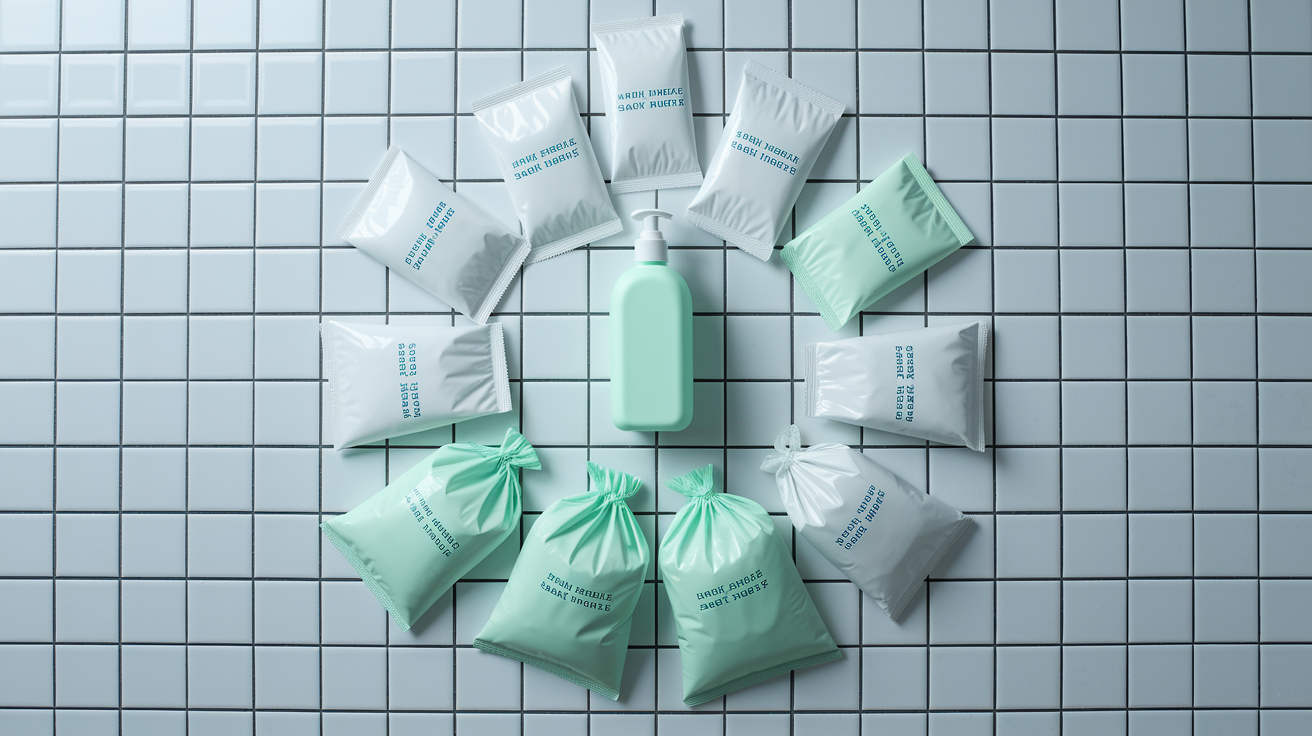
Infection prevention and dignity maintenance through proper sanitation supplies become critical when normal bathroom facilities are unavailable, water service stops, or shelter conditions are crowded during multi day emergencies.
Hand hygiene items include travel sized hand sanitizer in a 2 ounce bottle (TSA compliant size found at drugstores), ten individually wrapped antibacterial wipe packets, and 20 disposable soap sheets that dissolve in water. The soap sheets come in a plastic case the size of a business card holder, weigh 1 ounce, and work without running water by rubbing your wet hands together until the sheet dissolves into lather. Scrub for 20 seconds, then rinse or wipe away residue. Find soap sheets online or at travel supply stores for five to eight dollars per 50 sheet container. Combined, these hand hygiene items weigh under 4 ounces and fit in a sandwich size zip bag. Clean hands prevent diarrheal illness and respiratory infections that spread quickly in shelter environments.
Waste management and personal hygiene supplies cover situations where toilets don’t flush or shower access is limited for days. Include travel tissue packets (3 pack weighs 1 ounce), four gallon size heavy duty zip bags for waste disposal, ten moist towelettes (individual foil packets for body cleansing), and one package of disposable toilet seat covers (10 pack weighs 2 ounces). The moist towelettes provide basic body cleaning when showers are unavailable, especially important for bedridden seniors or those with mobility limitations who can’t easily reach shelter shower facilities. The waste disposal bags seal completely and contain odors better than regular trash bags. Some people add a small bottle of no rinse body wash (2 ounces) designed for hospital use that cleans skin without water. The complete waste management and hygiene setup weighs under 8 ounces but makes uncomfortable situations more bearable while reducing infection risk. Dispose of waste bags in designated trash areas when possible, or double bag them if storage is required during extended shelter stays.
Portable Emergency Gear Storage Systems for Seniors
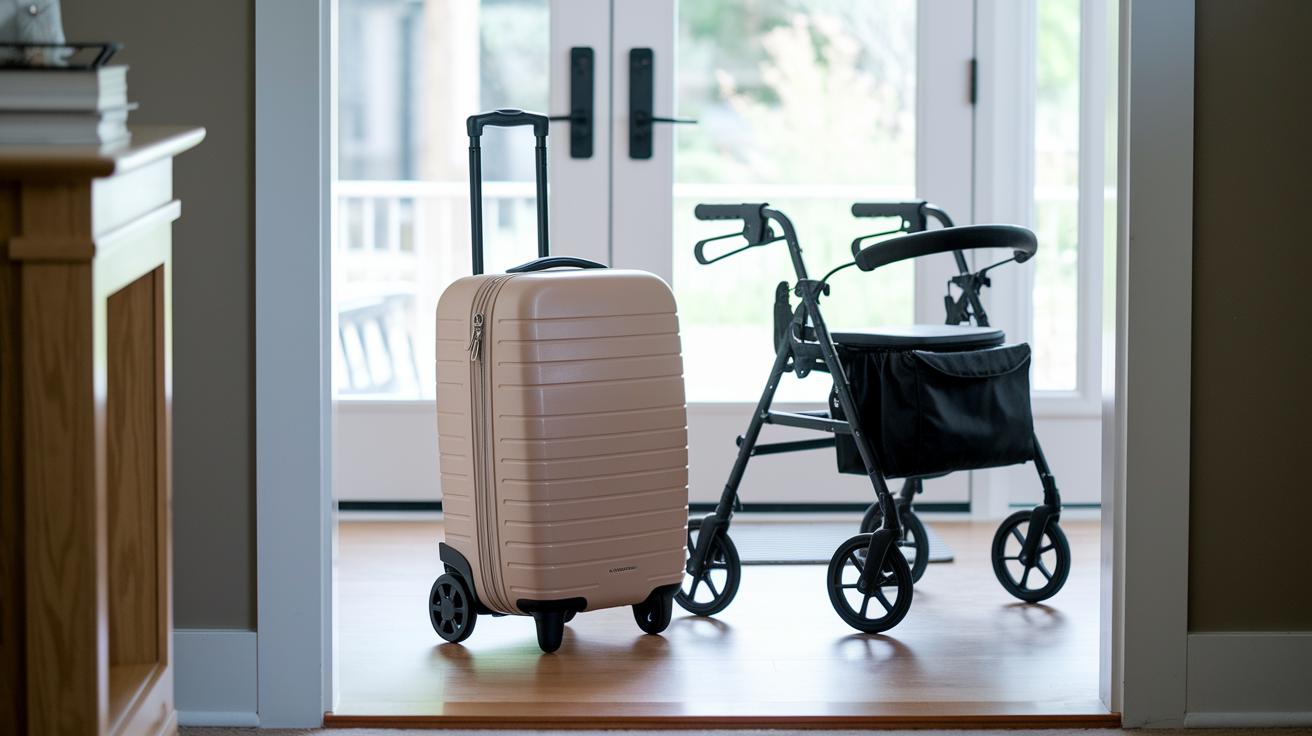
Traditional backpacks create balance problems, shoulder strain, and back pain for seniors with osteoporosis, kyphosis, or previous spinal injuries. The weight distribution and carrying method matter as much as the total weight when selecting storage for emergency supplies.
Lightweight rolling bags with telescoping handles eliminate carrying strain entirely by distributing weight to wheels instead of your body. Look for carry on style bags weighing under 2 pounds empty, measuring 14 to 18 inches tall. The telescoping handle adjusts for different heights and folds flat for storage. Four spinner wheels work better than two inline wheels because they turn in any direction without tipping. Samsonite, Travelpro, or Amazon Basics brands offer versions for 40 to 80 dollars. Test the bag on different surfaces (smooth floors, carpet, gravel) because some small wheels snag on uneven ground during outdoor evacuations. Pack emergency supplies in the rolling bag, then store it in a bedroom closet where you can grab it quickly without bending or lifting.
Walker and rollator attachment pouches keep emergency supplies accessible while maintaining full mobility aid functionality. These pouches attach to the walker frame using velcro straps or clips, positioning supplies within arm’s reach without adding weight to your back or shoulders. Drive Medical and Medline brands offer pouches sized to hold 3 to 5 pounds of supplies, with outside pockets for quick access items like phones, water, or flashlights. The pouches weigh 4 to 6 ounces empty and cost 15 to 25 dollars at medical supply stores or online. Choose versions with bright colors so the pouch is visible in dark conditions. This solution works well for seniors who evacuate on foot with their walker because the supplies stay balanced and don’t interfere with mobility aid grip or stability.
Five storage solutions with weight specifications for different mobility situations:
Rolling carry on style bags (2 pounds empty, 22 inch x 14 inch x 9 inch). Best for apartment dwellers with elevators or smooth surface evacuations. Samsonite Winfield 2 or similar at luggage stores.
Walker storage pouches (6 ounces empty, holds 5 pounds). Best for seniors evacuating on foot with walkers. Drive Medical Universal Walker Pouch at medical supply retailers.
Wheelchair side bags (8 ounces empty, holds 7 pounds). Attach to wheelchair frame without interfering with wheels. Diestco or Ability Superstore brands at adaptive equipment suppliers.
Crossbody messenger bags with padding (12 ounces empty, holds 8 pounds). Best for seniors with good mobility who need hands free carrying. Timbuk2 or Chrome brands at outdoor retailers.
Compression packing cubes for organization (2 ounces each). Separate supplies by category (medical, food, hygiene) within any bag type. Eagle Creek or Amazon Basics at travel stores.
Condition Specific Medical Monitoring Devices
Compact fingertip pulse oximeters measuring 1 to 2 ounces clip onto your finger and display blood oxygen saturation levels within 10 seconds. Seniors with COPD, heart failure, or respiratory conditions need to monitor oxygen levels during stress, physical exertion from evacuating, or when breathing feels difficult. Normal oxygen saturation reads 95 to 100 percent. Readings below 90 percent require immediate medical attention. Zacurate Pro Series or Innovo brands cost 20 to 35 dollars at drugstores and online. The devices run on two AAA batteries included with purchase. Store the oximeter in its protective case to prevent damage, and replace batteries yearly whether you’ve used it or not.
Portable blood glucose monitors with test strips help diabetic seniors track blood sugar during emergencies when meal timing changes, stress elevates glucose, or usual medications are disrupted. The complete kit (meter, lancing device, 25 test strips, lancets, case) weighs under 6 ounces. Contour Next or OneTouch brands offer models with large displays and simple one button operation suitable for seniors with vision challenges or arthritis. Test strips expire, so rotate your emergency supply every six months by moving strips from your daily use kit into the emergency kit and replacing them with fresh ones. Include a small log book or index cards to write down readings if you can’t access your usual tracking app. Glucose monitors and supplies are available at any pharmacy.
Compact digital thermometers weighing under 1 ounce detect fever that signals infection requiring medical care. Seniors have blunted fever response, so a temperature of 100°F that seems mild might indicate serious infection in an older adult. Store a probe style digital thermometer in a hard plastic case with extra batteries (button cell type). Clean the probe with alcohol wipes before and after each use. Lightweight wrist blood pressure monitors weighing 4 to 6 ounces work better than traditional upper arm cuff styles for seniors with arthritis or limited shoulder mobility. Omron or GreaterGoods brands display readings on large screens and store previous measurements for comparison. Wrist monitors are less accurate than upper arm versions but better than no monitoring when emergencies disrupt access to medical offices or pharmacies. Position your wrist at heart level when taking readings and remain still for best accuracy.
Condition specific supplies like glucose tablets for hypoglycemia (4 ounce tube), asthma rescue inhalers (less than 1 ounce), or sublingual nitroglycerin tablets for angina (small glass bottle weighs 2 ounces) should stay in their original labeled containers rather than transferring to unmarked bags. The prescription labels provide critical information for emergency responders and prevent medication errors when stress impairs your memory. Include written instructions for how to use condition specific supplies if a caregiver or first responder needs to help you during a medical emergency.
Emergency Planning Checklists and Caregiver Instructions
Written emergency plans provide critical guidance when digital devices fail, cell networks are overloaded, or cognitive stress impairs decision making during crises. A laminated instruction card the size of an index card should include your home address, two emergency contact phone numbers, meeting place location, and any critical medical information like “diabetic, insulin dependent” or “pacemaker, no MRI.” Write in large print using permanent marker, then laminate at an office supply store for two dollars. Attach the card to your emergency bag zipper using a small carabiner clip so it stays visible and accessible. The card weighs less than 1 ounce but could save your life if you become disoriented or unable to communicate clearly.
Caregiver instruction sheets detail medication schedules, physician contacts, facility preferences, and special handling instructions for medical equipment. Include daily medication times (not just drug names), what to do if a dose is missed, warning signs of your specific conditions worsening, and which hospital or urgent care your doctors prefer. List durable medical equipment you use (oxygen concentrator, CPAP machine, wheelchair) with model numbers and settings so replacements can be obtained if yours is damaged. Note any communication difficulties (hearing loss, speech impairment, language barriers) and how caregivers can best communicate with you. Store these instruction sheets in the waterproof document pouch along with medical records. Family members, neighbors, or emergency responders can use the information to provide appropriate care when you can’t explain your needs clearly.
Six essential planning document items to include in your emergency kit:
Laminated emergency plan card with address, contacts, meeting place, critical medical summary (under 1 oz), caregiver instruction sheet detailing medication schedule, physician contacts, equipment settings (1 oz), evacuation route map with primary and alternate paths marked, accessible exits highlighted (1 oz), shelter location list with addresses of nearby designated emergency shelters, hospitals, care facilities (1 oz), family communication tree showing who contacts whom, out of state contact person for coordination (1 oz), small waterproof notepad with attached pen for updates and new information during extended events (2 oz).
Pre Assembled Senior Emergency Kit Options
Pre assembled kits save time and provide expert curation by including categories of supplies many people forget, but they often over pack items unsuitable for seniors or miss critical age specific needs like extra medications and assistive device batteries.
Typical pre made senior emergency kits weigh 8 to 12 pounds before adding personal medications, documents, or medical devices. Companies like Emergency Zone, Ready America, or Red Cross sell versions marketed to older adults for 60 to 150 dollars. Standard contents include water pouches (2 to 3 pounds), pre packaged food bars (1 to 2 pounds), basic first aid supplies (8 to 12 ounces), emergency blanket, flashlight with batteries, radio, whistle, and hygiene items. The kits package everything in backpack style bags that create the same shoulder strain and balance issues that make traditional emergency kits unsuitable for seniors with mobility limitations. Better to transfer the supplies to a rolling bag or walker pouch immediately after purchase.
How to evaluate and customize pre made kits: empty the entire kit and weigh each category separately using a kitchen scale. Remove duplicate items (most kits include both a flashlight and a headlamp when you only need one light source), eliminate items you can’t physically use (tools requiring strong grip, foods too hard to chew
Final Words
A well-packed emergency kit under 10 pounds can keep you safer and more comfortable when disaster strikes.
Start with the essentials: water pouches, medications, a headlamp, and important documents. Add food you can actually eat and tools you can actually open.
Store everything in a bag you can carry or roll without straining your back or losing your balance.
Check your lightweight emergency supplies for elderly twice a year. Swap out expired meds, refresh the batteries, and make sure everything still fits your current needs.
You don’t need a huge heavy kit. You just need the right lightweight emergency supplies ready to grab when it matters most.
FAQ
Q: What are the 10 essential survival kit items?
A: The 10 essential survival kit items for seniors include water pouches (4 oz each), Mylar emergency blanket, LED headlamp, weekly pill organizer with medications, compact first aid kit, protein bars, hand-crank radio, waterproof document pouch, emergency whistle, and portable phone charger, totaling approximately 5-7 pounds.
Q: What to stock up on in case of war?
A: Stock up on lightweight essentials including at least 3 days of water (water pouches work best), non-perishable soft foods, 7-10 day medication supply, first aid supplies, battery-free lighting like LED headlamps, hand-crank radio, waterproof document protection, and backup batteries for medical devices.
Q: Who is eligible for free survival kits?
A: Free survival kit eligibility varies by location and typically goes to low-income seniors, Medicare or Medicaid recipients, or those enrolled in local emergency management programs. Check with your county emergency management office, Area Agency on Aging, or local Red Cross chapter for current programs.
Q: What to put in a senior survival kit?
A: A senior survival kit should include water pouches, soft protein bars, 7-10 days of prescription medications in a pill organizer, compact first aid supplies, LED headlamp, emergency whistle, backup eyeglasses and hearing aid batteries, hand-crank radio, waterproof documents pouch, and personal hygiene items totaling 5-10 pounds.
Q: How heavy should a senior emergency kit be?
A: A senior emergency kit should weigh between 5-10 pounds total to remain practical for those with limited strength or mobility issues. Standard emergency kits weighing 15-25 pounds are too heavy for most seniors to carry during evacuations or access easily.
Q: What medical supplies should seniors include in emergency kits?
A: Seniors should include 7-10 days of prescription medications in weekly organizers, over-the-counter medicines like pain relievers and antacids in single-dose packets, wound care supplies including bandages and antibiotic ointment, medical information cards, and condition-specific items like glucose tablets, totaling under 2 pounds.
Q: What lightweight food options work for senior emergency kits?
A: Lightweight senior-friendly food options include soft protein bars, individual applesauce pouches, nut butter packets, meal replacement shakes, and 4-ounce water pouches instead of heavy bottles. These require no preparation and accommodate swallowing concerns while providing 72 hours of nutrition in approximately 3-4 pounds.
Q: How do seniors with arthritis open emergency supplies?
A: Seniors with arthritis should choose pull-tab cans, squeeze pouches, and tear-top packages that require minimal grip strength. Include large-handle can openers, spring-loaded multi-tools, and push-button pill organizers designed specifically for arthritic hands in your emergency kit.
Q: What communication devices should seniors pack for emergencies?
A: Seniors should pack a hand-crank emergency radio, emergency whistle for signaling help, portable phone power bank, compact solar charger, and LED headlamp for hands-free lighting. These lightweight devices (under 1 pound combined) keep seniors informed, visible, and connected during emergencies.
Q: Where should seniors store emergency kits?
A: Seniors should store emergency kits in readily accessible locations near main living spaces like bedroom closets or entryway areas. Use rolling bags with telescoping handles, walker attachment pouches, or wheelchair side bags instead of backpacks to work with mobility limitations.
Q: What documents belong in senior emergency kits?
A: Senior emergency kits should include photo identification copies, insurance cards, complete medication lists with prescribing doctors, emergency contacts, advance directives or living will, Medicare or Medicaid information, and small amounts of emergency cash stored in waterproof pouches weighing under 4 ounces.
Q: How do seniors stay warm during emergencies with minimal gear?
A: Seniors can stay warm using Mylar emergency blankets (2-3 ounces) that reflect body heat, disposable hand and toe warmers providing 8-10 hours of warmth, and compact cooling towels that also work as insulation layers. These temperature regulation items weigh less than 1 pound total.
Q: What hygiene supplies fit in lightweight senior emergency kits?
A: Lightweight hygiene supplies include travel-sized hand sanitizer, antibacterial wipe packets, disposable soap sheets, tissue packets, moist towelettes for body cleansing, and gallon-size bags for waste disposal. A complete sanitation kit weighing under 8 ounces helps prevent illness when facilities are unavailable.
Q: Do seniors need special medical monitoring devices in emergency kits?
A: Seniors with chronic conditions should include compact fingertip pulse oximeters (1-2 ounces), portable blood glucose monitors with test strips (under 6 ounces), digital thermometers, and lightweight wrist blood pressure monitors. These battery-operated devices enable self-monitoring and weigh less than 1 pound combined.