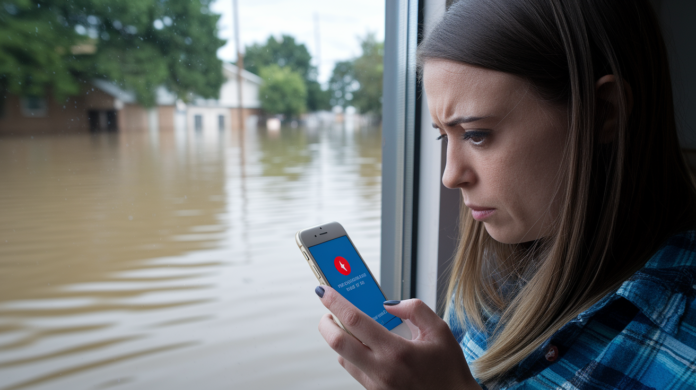

You might think “mandatory” means the same thing everywhere, but here’s the truth: it doesn’t. When local officials issue a mandatory flood evacuation order, they’re telling you the danger has crossed into life threatening territory and you need to leave right now. Not in an hour. Now. The problem? People confuse warnings with orders, wait for someone to knock on their door, or assume mandatory doesn’t really mean mandatory. This guide breaks down exactly how to recognize official evacuation orders, where to find them, what your zone means, and why the word “mandatory” carries weight you can’t ignore.
Recognizing Official Mandatory Evacuation Orders During Floods
A mandatory evacuation order is an official directive from local authorities telling you to leave a specific area right now. Not later. Now. Flood conditions have created a direct, immediate threat to your life. This isn’t the same as a warning or advisory, which suggests you prepare or think about leaving.
| Directive Type | Meaning | Required Action | Timeline |
|---|---|---|---|
| Mandatory Order | Immediate threat to life exists | Leave the area immediately | Instant departure required |
| Evacuation Warning | Danger is imminent; order likely to follow | Prepare to leave; vulnerable populations should evacuate now | Departure within hours |
| Voluntary/Advisory | Conditions may become dangerous | Consider leaving based on personal circumstances | Personal judgment allowed |
When local officials issue a mandatory evacuation order, it means flood conditions have reached (or will very soon reach) levels that pose a direct threat to human life. In some areas, these orders carry legal weight. Authorities can actually compel you to leave. The word “mandatory” tells you this isn’t a suggestion. It’s a requirement based on how dangerous things have gotten. Emergency managers only issue these orders when staying put creates unacceptable risk of injury or death.
Evacuation warnings work as advance notice that conditions are getting worse and a mandatory order will likely follow. If you need extra time to grab things, arrange a ride, or move large animals, treat warnings like mandatory orders. The warning period gives you a head start before roads get jammed or become impassable. People with mobility issues, medical equipment, young kids, or pets should start leaving during the warning phase instead of waiting for the mandatory order.
Local officials base evacuation calls on how the flood danger is behaving, what the terrain looks like, and how much time you’ve got. They look at how fast water’s rising, where the highest risk spots are, which escape routes are still safe, and how much time residents have before those routes become unusable. Voluntary advisories let you use your own judgment about staying or going. Mandatory orders remove that choice because conditions have crossed into life threatening territory. Leaving early (whether during a warning or at the first mention of an order) keeps you from getting trapped by rising floodwaters or stuck in evacuation traffic when every minute counts.
Official Channels for Receiving and Verifying Flood Evacuation Alerts

Multiple alert systems work together during flood emergencies to reach as many people as possible through different methods. Each system has strengths, so monitoring several at once gives you the best shot at getting time critical information.
Don’t wait for someone to knock on your door with evacuation instructions. Emergency officials may not have time to go house to house during rapidly developing flood situations. Waiting for personal contact can cost you the minutes you need to leave safely.
Official notification channels that issue evacuation orders include:
- Wireless Emergency Alerts (WEA) sent directly to cell phones in affected areas
- Emergency Alert System (EAS) broadcasts interrupting radio and TV programming
- NOAA Weather Radio transmitting continuous updates and alarm tones
- Reverse 911 calls placing automated voice messages to registered phone numbers
- Emergency sirens activating in communities with outdoor warning systems
- Local emergency management websites posting current orders and zone information
- Official social media accounts from county emergency management and law enforcement
- Local news broadcasts providing live coverage and official statements
Taking responsibility to stay informed means actively monitoring these sources rather than assuming someone will contact you. Sign up for local emergency alerts, keep a battery powered NOAA Weather Radio charged, and follow your county emergency management office on social media before flood season starts. During active weather events, check multiple sources every hour or more often if conditions are changing.
Misinformation spreads during emergencies, especially on unofficial social media accounts and community message boards. Verifying that an evacuation order is real protects you from both false alarms and missing actual directives.
Steps to verify evacuation orders:
- Check your local emergency management website directly by typing the URL yourself rather than clicking links
- Call your county emergency services non emergency line to confirm the order and affected zones
- Monitor NOAA Weather Radio for National Weather Service statements that often come with local evacuation decisions
- Confirm through at least two official sources, like the sheriff’s office and emergency management
- Check local government social media accounts that display verification badges
- Contact local law enforcement non emergency lines if you can’t reach emergency management
Verification should take minutes, not hours. If you see an evacuation order through any channel, start preparing to leave while you confirm the info. Don’t delay leaving while checking sources if you can see flooding or if multiple unofficial sources are reporting the same order. Speed matters more than perfect verification when water’s rising.
Understanding Evacuation Levels and Flood Zones

Communities divide their geography into evacuation zones, often labeled with letters like A, B, and C, or with color codes like red, orange, and yellow. These zones help emergency managers issue targeted evacuation orders to the areas facing the most immediate danger instead of evacuating entire counties unnecessarily.
Flood zones match up with elevation and distance from water sources. Zone A typically includes the lowest lying areas closest to rivers, lakes, or coastlines. Places where water arrives first and rises fastest. Zone B sits at moderate elevation or farther from water, and Zone C occupies the highest ground least likely to flood. When officials issue an evacuation order, they specify which zones must leave. You might hear “Zone A mandatory evacuation” while Zone B stays under a warning and Zone C remains at advisory status.
Residents in flood plains and low lying neighborhoods get evacuation orders first because these areas flood faster and deeper than elevated ground. Officials consider terrain, drainage patterns, and historical flood data when drawing zone boundaries. If you live near a creek, river, or retention pond, or if your home sits in a valley or depression, assume you’re in a higher risk zone.
Water depth thresholds drive many evacuation decisions. Six inches of moving water can knock an adult off their feet. One foot of water can sweep away most vehicles including SUVs. When forecasts predict these depths in roadways or residential streets, mandatory evacuation orders typically follow because escape routes will become impassable and rescue impossible. Find out what zone you live in now by checking your local emergency management website or calling their office. Write your zone on your refrigerator and in your phone so you know immediately whether an order applies to you.
Legal Consequences of Ignoring Mandatory Flood Evacuation Orders
Mandatory evacuation orders carry legal weight in many places. Officials can issue fines or other penalties for non compliance. The specific consequences vary by state and county, but the word “mandatory” signals that authorities have determined staying behind violates emergency orders designed to protect public safety.
Refusing to evacuate when ordered puts first responders at risk who may attempt water rescues under life threatening conditions. Emergency services can’t always reach people who ignore evacuation orders once flooding begins. Rescue attempts put firefighters, police officers, and emergency medical personnel at extreme risk. Helicopters can’t fly in all weather conditions, and boat rescues through fast moving floodwater or debris filled streets often fail. When you stay behind, you may force responders to choose between their own safety and attempting to save you. Or you may die waiting for help that can’t arrive.
Some insurance policies contain clauses that reduce or eliminate coverage if you ignore mandatory evacuation orders and your property suffers damage you could have prevented. Beyond insurance, refusing evacuation means accepting that you may be completely on your own for days or weeks without power, water, food resupply, or medical care. Officials prohibit return until they declare an all clear, but if you never left, you remain trapped in a disaster zone. No ability to leave safely and no access to emergency services. The order exists because the threat to life is immediate. Defying it means accepting the likely outcome of that threat.
How Emergency Management Determines When Evacuation Becomes Mandatory

Emergency managers continuously monitor river gauge readings that measure water levels at key points along waterways. When readings approach or exceed flood stage, especially if the rate of rise is speeding up, officials start evaluating whether evacuation orders are necessary. They combine gauge data with precipitation forecasts, upstream water releases from dams, and soil saturation levels to predict how high and how fast water will rise.
Flood prediction models integrate rainfall forecasts from the National Weather Service with terrain maps, drainage system capacity, and historical flood patterns. These models estimate when water will reach critical depths in specific neighborhoods and how long residents have before escape routes flood. Trigger conditions that often lead to mandatory evacuations include rapidly rising water that exceeds normal flood stage, imminent dam failure or spillway releases that will send a surge downstream, levee breach potential that would inundate protected areas in minutes, and flash flood conditions where rainfall intensity overwhelms drainage so fast that water rises before warnings can reach everyone. Emergency management works closely with the National Weather Service, which provides the weather data and flood forecasts that inform local evacuation decisions.
National Weather Service alert terminology helps communicate flood risk levels, though the terminology itself doesn’t mean an evacuation order.
| Alert Type | Meaning | Evacuation Implication |
|---|---|---|
| Flood Watch | Conditions are favorable for flooding | Monitor conditions; prepare to evacuate if watch upgrades |
| Flood Warning | Flooding is occurring or will occur soon | Evacuation orders may be issued; prepare to leave immediately |
| Flash Flood Warning | Life-threatening flash flooding is imminent or occurring | Evacuation orders likely; leave immediately if in affected area |
Local authorities use National Weather Service alerts as one input in their evacuation decisions but make the final call based on local conditions. A Flash Flood Warning often comes with immediate mandatory evacuations because flash floods develop in minutes, leaving no time for drawn out warnings. Emergency managers must issue evacuation orders while routes remain passable, which sometimes means calling evacuations before visible flooding begins.
The threshold for imminent danger varies by geography and infrastructure. A community protected by levees might tolerate higher river levels than an unprotected area, but levee failure risk adds a different danger calculation. Coastal areas account for storm surge timing and height. Urban areas with poor drainage flood at lower rainfall totals than rural areas with natural absorption. When forecast models show six inches of moving water will cover major roads or one foot will inundate low lying homes, officials typically issue mandatory orders because those depths create life threatening conditions.
Evacuation route safety is part of the calculation. Officials must order evacuations early enough that people can leave on dry roads. If they wait too long, rising water cuts off escape routes and traps residents, forcing them to shelter in place under much more dangerous conditions. The timing window between “leave now” and “too late to leave safely” can be short, especially in flash flood scenarios. Emergency managers tend to issue mandatory orders earlier rather than risk trapping people.
Mandatory Evacuation Timing and When to Leave Before Orders

Waiting for a mandatory evacuation order before you start preparing or leaving may not give you enough time to evacuate safely. Roads get jammed quickly once orders are issued, especially in densely populated areas. Floodwater can cut off routes faster than forecasts predict. Leaving as soon as officials recommend evacuation, even during the warning phase, keeps you ahead of both traffic and rising water.
Certain groups should self evacuate during evacuation warnings rather than waiting for mandatory orders:
- Elderly individuals or anyone with mobility limitations who move slowly or need assistance
- Families with infants or very young children who need extra time to pack supplies
- People with serious medical conditions or who depend on electrical medical equipment
- Pet owners who need to transport multiple animals or arrange pet friendly shelter
- Residents with large animals like horses or livestock that need trailers and time to load
Nighttime evacuation is way more dangerous than leaving during daylight because you can’t see flooded roads, washed out sections, or debris in the water. If an evacuation warning is issued in the evening and you’re in a vulnerable zone, leave that night instead of waiting until morning when conditions may have gotten worse. Floodwater looks deceptively shallow in darkness, and you can’t judge current speed or road damage.
Rapid onset flooding scenarios, especially flash floods, require immediate action the moment you see rising water or get alerts. If you’re in a flash flood warning area and see water rising in your yard or street, leave immediately in whatever vehicle you have or on foot to higher ground. Don’t wait for an official order when the flood is already at your location.
Special Flood Evacuation Protocols for Vulnerable Populations

People who need assistance to evacuate face extra challenges during mandatory flood evacuation orders. Planning ahead determines whether they can leave safely.
People with Disabilities and Medical Needs
Register with your local emergency management agency on any lists that identify residents with access and functional needs requiring evacuation assistance. Many counties keep registries that help emergency services prioritize notifications and provide transportation when evacuations are ordered. Build a personal support network of family members, neighbors, and friends who can help you evacuate and know where your emergency supplies are kept. People with disabilities should treat evacuation warnings as mandatory orders and start leaving as soon as warnings are issued because accessible transportation may take longer to arrange and specialized equipment takes time to pack. Keep extra wheelchair batteries, oxygen, catheters, and medications in your emergency kit for three to five days. Store a lightweight manual wheelchair as backup if you use a power chair.
Pet Owners and Animal Evacuation
Most public disaster shelters only allow service animals, so identify pet friendly shelters, hotels, or friends and family outside the flood zone before emergencies happen. Pet evacuation requires a carrier for each animal, two weeks of food and water, vaccination records, medications with dosing instructions, and ID tags. Large animals and livestock need advance planning because trailers must be available and animals must be moved to facilities outside evacuation zones. Local animal rescue organizations sometimes work with emergency services to evacuate animals, but don’t count on rescue being available. Bring pets with you in your vehicle during evacuation. Never leave them behind assuming you’ll return quickly.
Elderly and Limited Mobility Residents
Many communities run transportation assistance programs that provide rides during evacuations for residents who don’t have vehicles or can’t drive. These programs prioritize elderly and disabled residents but require advance registration. Community notification systems often place elderly residents on priority call lists for reverse 911 alerts and sometimes conduct wellness checks during evacuation periods. Family members and neighbors should check on elderly residents as soon as evacuation warnings are issued and offer transportation if needed.
Pre registration with emergency management and building support networks must happen before flood season, not during an emergency. Waiting until an evacuation order is issued to figure out how you’ll leave or who will help you leaves no time to arrange assistance.
What to Do Immediately When Mandatory Flood Evacuation Is Ordered

Leave as soon as you get the mandatory evacuation order. If your emergency kit is pre packed and you’ve planned your route, you should be able to leave within minutes of the order.
Don’t spend time on non essential tasks that delay departure. Move quickly through these immediate actions:
- Turn off utilities at main shutoffs if you have time, especially natural gas to prevent fire hazards
- Grab your pre packed emergency kit that includes documents, medications, phone charger, and supplies
- Take essential documents if not already in your kit, including ID, insurance papers, and medical information
- Use one vehicle per family to reduce evacuation traffic congestion
- Follow designated evacuation routes provided by emergency management instead of your usual routes
- Avoid any roads with visible water, even if they look shallow
- Tell family members that you’ve left and where you’re going
- Go directly to your designated shelter location or a safe area outside the evacuation zone
If you only have two minutes to leave, grab your emergency kit and your family and go immediately. Everything else can be replaced. Your pre packed go bag should contain the items you absolutely can’t leave without. Medications, phone charger, backup battery, important documents, and basic supplies.
Evacuation routes are picked by officials based on terrain and flood modeling to keep you on roads that will stay passable longest. Don’t take shortcuts or alternate routes you think might be faster. Those roads may already be flooded or may not have been checked for safety. Monitor road closure information on local emergency management websites and through radio broadcasts. Be prepared to take alternate routes if your planned route is closed after you leave. Never drive through flooded roads, even if you see other vehicles trying it. Turn around and find another route.
Staying Informed During Active Flood Evacuation Situations

Flood situations change fast. Evacuation orders can expand to more zones or jump from voluntary to mandatory as conditions get worse. Continuous monitoring of official information sources keeps you aware of changing danger levels and evacuation zone expansions.
Keep battery powered or hand crank radios available because power outages during floods are common and your phone battery won’t last forever. NOAA Weather Radio broadcasts continuous updates directly from the National Weather Service and automatically activates with emergency alerts even if you’re not actively listening.
Monitor these critical information sources at the same time during flood events:
- NOAA Weather Radio for National Weather Service alerts and forecast updates
- Local emergency management mobile apps that push notifications directly to your phone
- Official county emergency management and sheriff social media accounts
- Local TV and radio news broadcasts with live coverage
- Emergency hotline numbers provided by your county for recorded information
- Community alert systems you registered with before the emergency
During evacuation, keep your phone charged using car chargers or backup batteries and stay in touch with family members about your location and status. If you’re sheltering during extended flood events, take turns listening to radio broadcasts so someone is always monitoring for updates. Watch for information about evacuation zone changes, road closures, shelter locations, and estimated flood crest timing.
Updates you need to track include whether your evacuation zone status has changed, when floodwater is expected to crest and start receding, which roads have closed or reopened, where emergency shelters are operating, and when officials expect to issue all clear notifications for return. Staying aware helps you make informed decisions about whether to stay at your current shelter, move to a different location, or adjust plans based on how the flood is developing.
Returning Home After Mandatory Flood Evacuation Orders Lift

Don’t return home until officials confirm through public announcements that your specific evacuation zone is cleared for re entry. Even after floodwater recedes, hazards like unstable structures, downed power lines, contaminated water, gas leaks, and weakened roads may make return unsafe.
Emergency management lifts evacuation orders zone by zone as safety assessments are completed. Your zone may stay under evacuation order while neighboring zones are cleared if damage is more severe in your area or if infrastructure repairs are still going on. Officials prioritize assessments based on damage extent and population density.
Verify that return is authorized through the same channels that issued the original evacuation order. Emergency management websites, official social media accounts, local news broadcasts, and emergency hotlines. Don’t rely on neighbors or unofficial reports that it’s safe to return. If you return before official clearance, you may be turned away at checkpoints. Worse, you could run into hazards that emergency crews haven’t cleared yet.
Infrastructure damage can make areas unlivable even after evacuation orders formally lift. Roads may have washed out, bridges may be unsafe, water and sewer systems may be offline, and electrical service may not be restored. Match your return timing with emergency services announcements about which utilities and services are working. Returning to a home without water, power, or safe access roads creates new emergencies when you can’t meet basic needs and may have no way to leave again if conditions worsen.
Final Words
Knowing how to know when flood evacuation is mandatory comes down to recognizing official orders, monitoring the right channels, and acting fast.
Mandatory means leave now. Not later. Not after you finish packing the whole house.
If you’re in a flood zone, check your evacuation level today. Sign up for local alerts. Know which roads lead out.
Don’t wait for someone to knock on your door.
When the order comes, you’ll already know what to grab and where to go. That clarity can save your life and protect the people who matter most.
FAQ
How mandatory is a mandatory evacuation?
A mandatory evacuation is legally required in most jurisdictions, meaning you must leave the area immediately when officials issue the order. While enforcement varies by location, staying behind can result in fines, endanger first responders who must rescue you, and potentially void insurance claims during flood emergencies.
When should you evacuate during a flood?
You should evacuate during a flood as soon as officials recommend it, ideally before orders become mandatory. People needing extra time, those with large animals, elderly residents, families with infants, and anyone with medical needs should leave immediately when an evacuation warning is issued to avoid being trapped by rising water or road congestion.
How do you know if flood insurance is mandatory?
Flood insurance is mandatory if your property is in a high-risk flood zone and you have a federally backed mortgage. Your lender will notify you of this requirement, and you can verify your flood zone designation by checking FEMA flood maps through your local government website or mortgage documents.
What is the required evacuation time?
The required evacuation time varies based on flood conditions, geography, and infrastructure, but officials typically provide several hours notice when possible. However, flash floods may require immediate departure within minutes, so leave as soon as evacuation is recommended rather than waiting for the last moment when roads may flood or become congested.
What is the difference between a mandatory evacuation order and an evacuation warning?
A mandatory evacuation order means immediate threat to life requiring instant departure, while an evacuation warning signals impending danger and that an order will likely follow soon. Treat warnings as urgent if you need extra time to leave, have pets or livestock, or have mobility limitations.
How do officials decide when to issue mandatory flood evacuations?
Officials issue mandatory flood evacuations based on river gauge readings, flood prediction models, water level forecasts, and specific trigger conditions like rapidly rising water, dam failure risk, levee breach potential, or flash flood warnings. Emergency managers coordinate with the National Weather Service to assess terrain, danger location, and threat behavior before declaring orders.
What are evacuation zones and how do they work?
Evacuation zones divide communities into areas labeled A, B, C or by color codes based on elevation and proximity to water sources. Officials issue evacuation orders specifying which zones must leave first, typically starting with low-lying areas and flood plains where six inches of moving water can knock people down.
Can you be fined for ignoring a mandatory evacuation order?
You can be fined for ignoring a mandatory evacuation order in some jurisdictions, though penalties vary by location. Beyond legal consequences, refusing to evacuate endangers first responders who must attempt rescues, may prevent emergency services from reaching you, and can void certain insurance claims.
Should you leave before a mandatory evacuation is issued?
You should leave before a mandatory evacuation is issued if you are elderly, have infants or medical needs, own pets or large animals, or observe rapidly rising water. Waiting for mandatory orders may provide insufficient time, especially during nighttime when evacuation is more hazardous.
What should you grab immediately when evacuation is ordered?
When evacuation is ordered, immediately grab your pre-packed emergency kit containing important documents, medicine, medical information, phone charger, and backup battery. Secure home utilities, take one vehicle per family to reduce congestion, and follow designated evacuation routes while avoiding flooded roads.
How do you verify a flood evacuation order is real?
You verify a flood evacuation order by checking local emergency management websites, calling county emergency services directly, monitoring NOAA Weather Radio, confirming through multiple official sources, checking verified government social media accounts, and contacting local law enforcement non-emergency lines. Do not delay evacuation while verifying.
What official channels issue flood evacuation alerts?
Official channels that issue flood evacuation alerts include Wireless Emergency Alerts sent to phones, Emergency Alert System broadcasts, NOAA Weather Radio, reverse 911 calls, emergency sirens, local emergency management websites, official government social media accounts, and local news broadcasts. Monitor multiple sources simultaneously.
When can you return home after a mandatory flood evacuation?
You can return home after a mandatory flood evacuation only when officials confirm through all-clear notifications that it is safe. Re-entry happens zone by zone based on safety assessments, and returning prematurely may strand you or cause injury even if evacuation orders have lifted for other areas.
Do shelters accept pets during mandatory flood evacuations?
Most public shelters accept only service animals during mandatory flood evacuations, so identify pet-friendly shelters or facilities in advance. Pet owners should register with local emergency management agencies and plan early evacuation to ensure space at pet-accepting locations.
How do people with disabilities evacuate during floods?
People with disabilities evacuate during floods by establishing personal support networks of family, friends, and neighbors who can assist, and registering with local emergency management agencies for evacuation assistance. Early departure is critical, and community notification systems often prioritize special needs residents.