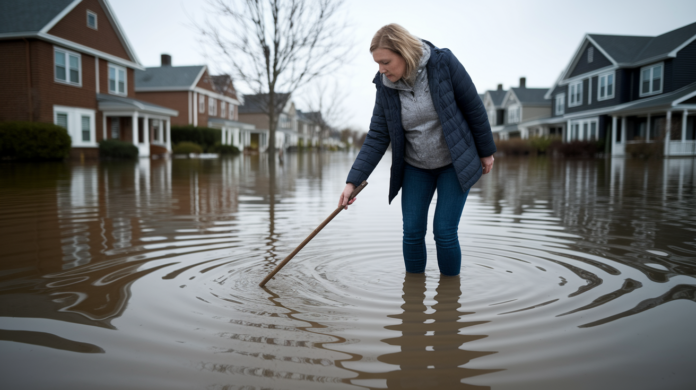

Most people wait too long to leave, convincing themselves the water won’t reach their door or that conditions will improve in an hour. That hesitation kills people every flood season. The decision to evacuate isn’t about guessing how bad it might get. It’s about recognizing clear danger signs and moving fast. This guide gives you a simple framework to decide in minutes, not hours, based on what you can see and verify right now. You’ll learn which situations mean leave immediately, when you have a narrow window to prepare, and how to read water conditions that most people underestimate until it’s too late.
Your Immediate Evacuation Decision Framework

This decision is life or death. You need to act on clear indicators right now, not after you’ve thought it over or finished what you’re doing. Flooding conditions change faster than most people expect, and hesitation costs lives every year. The framework below gives you yes or no answers based on specific situations you can observe and verify in real time.
| Situation | Decision | Action Required |
|---|---|---|
| Mandatory evacuation order issued for your area | GO | Leave immediately, no exceptions |
| Water entering your home from any source | GO | Evacuate within minutes, move to higher ground |
| Flash flood warning active for your location | GO | Leave now without waiting for more information |
| Water depth 6 inches or more and moving | GO | Do not attempt to walk or drive through it, evacuate immediately |
| Visible structural damage in your home (cracks, leaning walls, failing doors) | GO | Exit the building immediately, do not gather belongings |
| Voluntary evacuation issued and household includes elderly, disabled, or medical dependent members | GO | Leave within 2 hours while roads are clear |
| Rising water visible in street, yard, or nearby drainage areas | GO | Evacuate within 4 hours before conditions worsen |
| Heavy rainfall forecast and you live in flood prone location | GO | Leave during daylight hours before rain intensifies |
| Voluntary evacuation and you have adequate mobility and transportation | PREPARE | Pack supplies, monitor conditions every 30 minutes, be ready to leave |
| Stable conditions with no warnings or visible water rise | STAY | Monitor weather alerts continuously, check local streams and drainage every hour |
When you see “GO” in the decision column, that means evacuate. Not in an hour. Not after dinner. Not after you secure a few more things. Immediate means grab your family, take your essentials if they’re within arm’s reach, and leave. “PREPARE” means you’ve got a narrow window to get your evacuation supplies ready, fill your gas tank, and check on vulnerable neighbors, but you must monitor conditions every 30 minutes because that window can slam shut fast.
The core principle is simple and it will save your life if you follow it. When in doubt, leave early. Property can be replaced. Furniture, photos, even important documents can often be recovered or recreated. You can’t. Your kids can’t. Flooding conditions can go from manageable to deadly in minutes, especially during flash flood events. The people who wait to see how bad it gets are the ones who end up trapped on roofs or worse.
Understanding Official Evacuation Orders and Warnings

Official evacuation orders carry legal and practical weight. They come from emergency management officials who have access to real time data, weather models, and on the ground conditions you can’t see from your house. When authorities issue these orders, they’ve already determined that staying puts lives at risk. Ignoring them doesn’t just endanger you, it puts first responders in danger when they have to attempt rescues in conditions that should’ve been avoided.
Mandatory Evacuation Orders
These are non negotiable directives issued when life threatening conditions exist or are imminent. Mandatory evacuation orders mean you’re required to leave the area immediately. They’re issued for specific zones based on flood modeling, elevation data, and current water levels. If you’re in a mandatory evacuation zone, authorities expect you to leave. Emergency services may not be able to reach you once conditions deteriorate. Some jurisdictions will note your refusal to evacuate, which can affect rescue prioritization and may have legal implications. Mandatory means mandatory. Pack your vehicle, take your family and pets, and go to higher ground or a designated shelter.
Voluntary Evacuation Advisories
These are strong recommendations for at risk populations to leave before conditions worsen. Voluntary evacuation advisories give you more time for safe departure, but they’re not suggestions to ignore. They’re issued when flooding is expected but not yet severe, giving vulnerable residents, families with young children, people with medical needs, and anyone who needs extra time to evacuate the chance to leave safely during daylight hours with clear roads. If you’re in decent health, have reliable transportation, and can evacuate quickly if conditions change, you can choose to stay during a voluntary evacuation. But you must actively monitor conditions and be ready to leave the moment things shift.
Listen to multiple alert systems so you don’t miss critical updates. Emergency broadcast systems interrupt regular radio and television programming with warnings. Wireless Emergency Alerts send messages directly to your phone based on your location, like an Amber Alert but for flooding. Many counties use reverse 911 systems that call or text residents in affected areas. Some communities still use outdoor siren systems for flash flood warnings. Sign up for local emergency alerts through your county or city emergency management website, and keep your phone charged and nearby. Weather updates change throughout the day during flood events, so continuous monitoring isn’t optional.
Water Depth and Speed: The Critical Danger Indicators

Water depth alone doesn’t tell you the full danger story. A calm pond two feet deep is annoying. Two feet of water moving at five miles per hour will knock you down, drag you under, and push you into submerged debris or vehicles. Speed and force matter just as much as depth, and moving water is exponentially more dangerous than standing water at the same level.
| Water Depth | Danger Level | Impact |
|---|---|---|
| 6 inches of moving water | Can knock down adults | Sufficient force to sweep people off their feet and cause drowning |
| 12 inches of moving water | Can move small vehicles | Most cars will begin to float, lose traction, and be carried downstream |
| 18 to 24 inches of moving water | Can float most vehicles | SUVs and trucks will float and be swept away, likely rolling or submerging |
| Standing water of any depth | Electrical hazards and contamination | May be electrically charged from downed lines, contains sewage and chemicals |
You can gauge water speed by watching debris movement, surface turbulence, and sound. If you see branches, trash, or foam moving quickly on the surface, the current is fast enough to be deadly. If the water has whitecaps or a churning surface, that indicates speed and obstacles underneath. If you hear a rumbling or roaring sound, that’s water moving with enough force to carry vehicles and collapse structures. Don’t test water speed by stepping into it or driving into it. If you can see or hear that it’s moving, assume it will kill you if you enter it.
Standing water poses different but equally serious dangers. Floodwater can be electrically charged from underground power lines or downed power lines you can’t see. Touching standing water near buildings, utility poles, or metal structures can electrocute you. Standing water also contains sewage from overwhelmed treatment systems, chemicals from flooded homes and businesses, gasoline and oil from submerged vehicles, and agricultural runoff. You should avoid all contact with standing floodwater, and you should never let children or pets play in it.
Assessing Your Home’s Flood Risk and Structural Safety

Your property’s flood vulnerability depends on geographic location, elevation, and proximity to water sources. Homes in FEMA designated flood zones (especially A and V zones) face the highest baseline risk. If you live near rivers, streams, drainage channels, or coastlines, your flood risk is higher than average regardless of official zone classifications. Low lying urban areas with extensive pavement and limited drainage flood quickly during heavy rainfall because water has nowhere to go. If you’re in a canyon, valley, or area downhill from significant terrain, you’re at risk from flash flooding even without nearby water sources.
Once flooding starts, watch for these structural warning signs that demand immediate evacuation.
Visible cracks in the foundation, especially new cracks or ones that are widening. Walls that appear to be leaning, bowing outward, or separating from the ceiling. Water entering the first floor from any direction, including through walls or floors. Sounds of structural stress like cracking, popping, or groaning from walls or supports. Basement completely flooded, which adds massive weight and pressure to the foundation. Water surrounding the building on multiple sides, which undermines the foundation. Doors or windows that suddenly won’t close properly or are jammed due to frame shifting.
You should complete this structural assessment before flooding intensifies, ideally as soon as you see water rising in your area. Walk around your property and look at the foundation, walls, and ground level entry points. Check your basement if you have one. If you see any of the warning signs above, evacuate immediately. These indicators override all other considerations. You can replace belongings. You can’t replace your life or your family’s lives. A compromised structure can collapse with little warning once floodwater pressure reaches a critical point.
Evacuation Timing: When Every Minute Counts

Early evacuation during voluntary phases is safer for multiple reasons. Roads are clear, visibility is good, gas stations are open, and you have time to think through your route and destination. You’re not competing with thousands of other evacuees for space on the highway. Emergency services are still operational if you have car trouble or need help. You can take your time securing your home and gathering important items without rushing.
Delays create cascading dangers that compound fast. As more people decide to evacuate, traffic congestion turns evacuation routes into parking lots where you’re sitting in a vehicle surrounded by rising water. Routes that were passable two hours ago flood and close, forcing you onto unfamiliar back roads. Conditions worsen while you’re stuck in traffic with no way to turn around. Daylight disappears, eliminating your ability to see water depth and road hazards.
Watch for these five critical timing indicators that mean you need to leave right now.
Weather forecasts shifting from possible flooding to imminent or severe flooding in your area. Water levels rising visibly in streams, drainage areas, or streets over a 30 minute observation period. Loss of daylight within the next two hours, especially if conditions are already deteriorating. Increasing traffic on known evacuation routes, which means everyone else is leaving now. Official warnings upgrading in severity from watches to warnings or voluntary to mandatory orders.
Nighttime evacuation is extremely dangerous and should be avoided except in immediate life threatening situations. You can’t see water depth on roadways in the dark. Your headlights reflect off water surfaces making it impossible to judge whether the road is flooded with three inches or three feet. Debris, downed power lines, washed out sections of pavement, and road damage are invisible at night. Animals and people stranded in floodwater are harder to see and avoid. If you wait until dark to evacuate, your risk of driving into deep water, going off the road, or hitting obstacles increases dramatically. Leave during daylight even if conditions seem manageable at the moment, because manageable can become deadly after sunset with no warning.
Planning Safe Evacuation Routes and Transportation

Identify your evacuation routes before you need them. Sit down with a map and mark two or three different ways to reach higher ground or exit your flood zone. Your primary route should be the most direct path to safety using major roads. Your alternate routes should avoid low water crossings, areas near streams or drainage channels, neighborhoods known to flood, and roads that run parallel to rivers or coastline. Drive these routes in normal conditions so you know what they look like, where the turns are, and how long they take.
Pre Planned Route Selection
Choose routes that lead to genuinely higher ground, not just out of your immediate neighborhood. If you live in a valley, your route needs to climb out of it. If you’re near the coast, you need to move inland and uphill. Avoid roads that cross streams, even small ones, because those crossings flood first and become impassable fast. Stay away from roads in canyons or areas where water funnels downhill. If a road has flooded in previous events, assume it will flood again and plan around it. Mark your routes on a physical map and keep it in your vehicle, because GPS and phone maps may not work if you lose cell service or power.
Your destination matters as much as your route. Identify specific locations where you’ll go, such as a friend’s house on higher ground, a hotel outside the flood zone, or an official emergency shelter. Have addresses and phone numbers written down. If your primary destination is unavailable, you need backup options. Don’t evacuate without a destination. Driving around looking for somewhere safe wastes fuel, time, and puts you at greater risk of encountering flooded roads.
Vehicle Safety During Evacuation
Before you leave, check your fuel level and fill up if you’re below three quarters of a tank. Gas stations in evacuation zones often lose power or run out of fuel quickly. Driving in stop and go evacuation traffic uses more fuel than normal highway driving. You may need to take a longer alternate route if your primary path is blocked. Running out of gas during an evacuation is a crisis you can prevent with a five minute stop.
Never drive on flooded roads, even if they look shallow. Water hides the road surface, so you can’t see if the pavement has washed away underneath. A dip or hole invisible under six inches of water can trap your vehicle. Moving water exerts tremendous force against the side of your vehicle, and just 12 inches of flowing water can float most cars. Once your vehicle floats, you have no control. The current will push you sideways, into deeper water, or into obstacles like trees, poles, or other vehicles.
If you’re driving and water begins rising around your vehicle, abandon it immediately and climb to higher ground on foot. Don’t wait to see if it stops rising. Don’t try to restart the engine. Don’t attempt to push the vehicle to safety. Cars sink fast once water reaches the doors. Electrical systems fail, power windows and locks stop working, and water pressure makes doors nearly impossible to open. Get out while you still can, leave the vehicle, and move perpendicular to the water flow toward higher elevation. Your life is worth infinitely more than your car.
Special Considerations for Vulnerable Populations
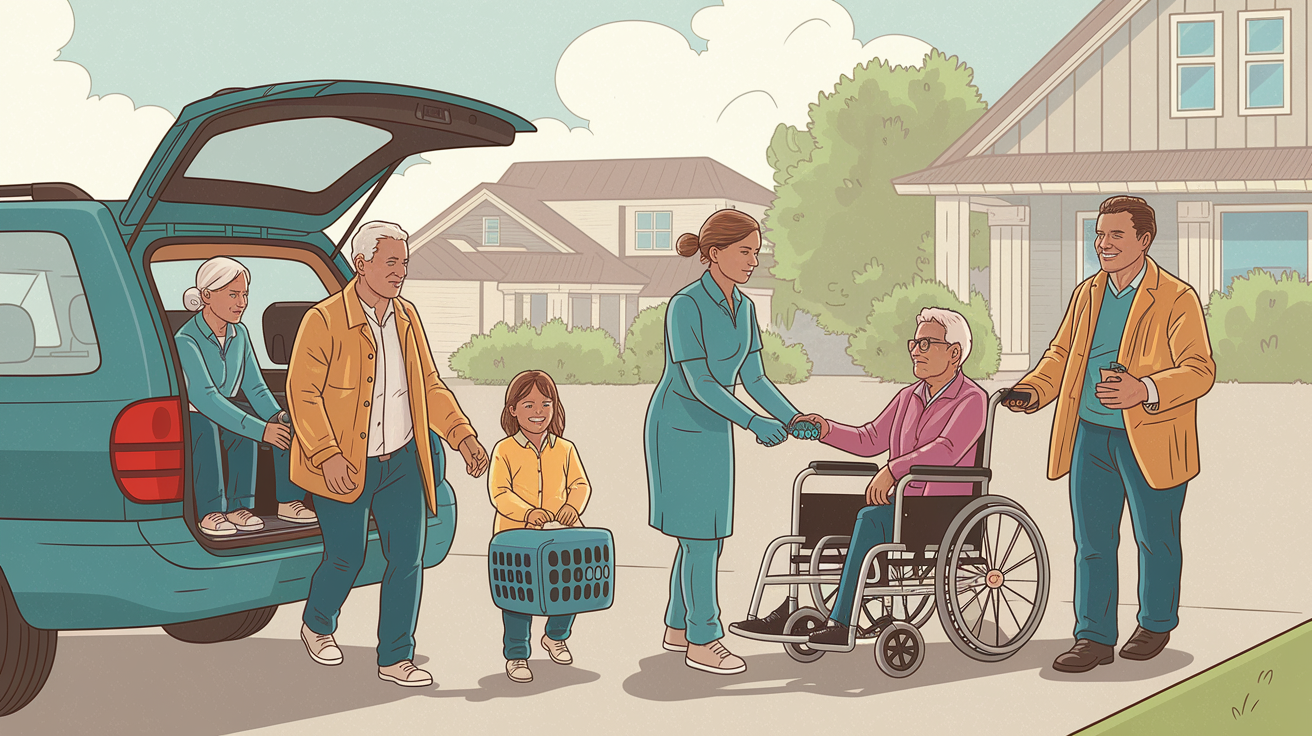
Vulnerable populations need to evacuate earlier than the general population because they require more time to prepare, travel more slowly, have equipment or medical needs that complicate rapid departure, and face higher health risks from exposure or stress. If your household includes anyone in the categories below, treat voluntary evacuations as mandatory for your situation and leave as soon as advisories are issued.
Seniors with limited mobility who move slowly, use walkers or wheelchairs, or need assistance with stairs and transportation. Individuals dependent on medical equipment like oxygen concentrators, dialysis machines, ventilators, or power dependent devices that won’t work during outages. People with cognitive impairments including dementia, Alzheimer’s, or developmental disabilities who may not understand the danger or follow instructions. Infants and young children who can’t evacuate on their own and require specialized supplies like formula, diapers, and car seats. Individuals with disabilities affecting movement, communication, or self care who need extra time and assistance to evacuate safely. Those dependent on daily medication that requires refrigeration, specific timing, or medical supervision. Pet owners with large animals, multiple pets, or pets with medical needs that require advance planning for transport and shelter. Non English speakers who may miss warnings or instructions issued only in English and need information in their primary language.
Arrange transportation assistance well before you need it. If you don’t own a vehicle or can’t drive due to disability or medical condition, register with your local emergency management agency for evacuation assistance. Many counties maintain registries of residents who need help during emergencies and coordinate transportation through volunteer organizations, transit systems, or emergency services. This registration should happen now, during calm conditions, not when a flood warning is active. Tell neighbors you trust about your evacuation needs so they can check on you when warnings are issued and offer rides if they’re evacuating.
Never leave pets behind during evacuation. Pets can’t survive flooding on their own, and they shouldn’t be left in homes that may flood or lose power. Identify pet friendly evacuation shelters or hotels outside your flood zone before you need them. Keep pet carriers accessible, pack pet food and medication in your evacuation supplies, and have leashes and ID tags ready. If your pet is large or difficult to transport, arrange transportation in advance with friends or pet evacuation services. Leaving animals behind creates dangerous emotional pressure to return home too early and puts them through suffering that’s easily prevented with basic planning.
Essential Supplies and Documentation for Evacuation
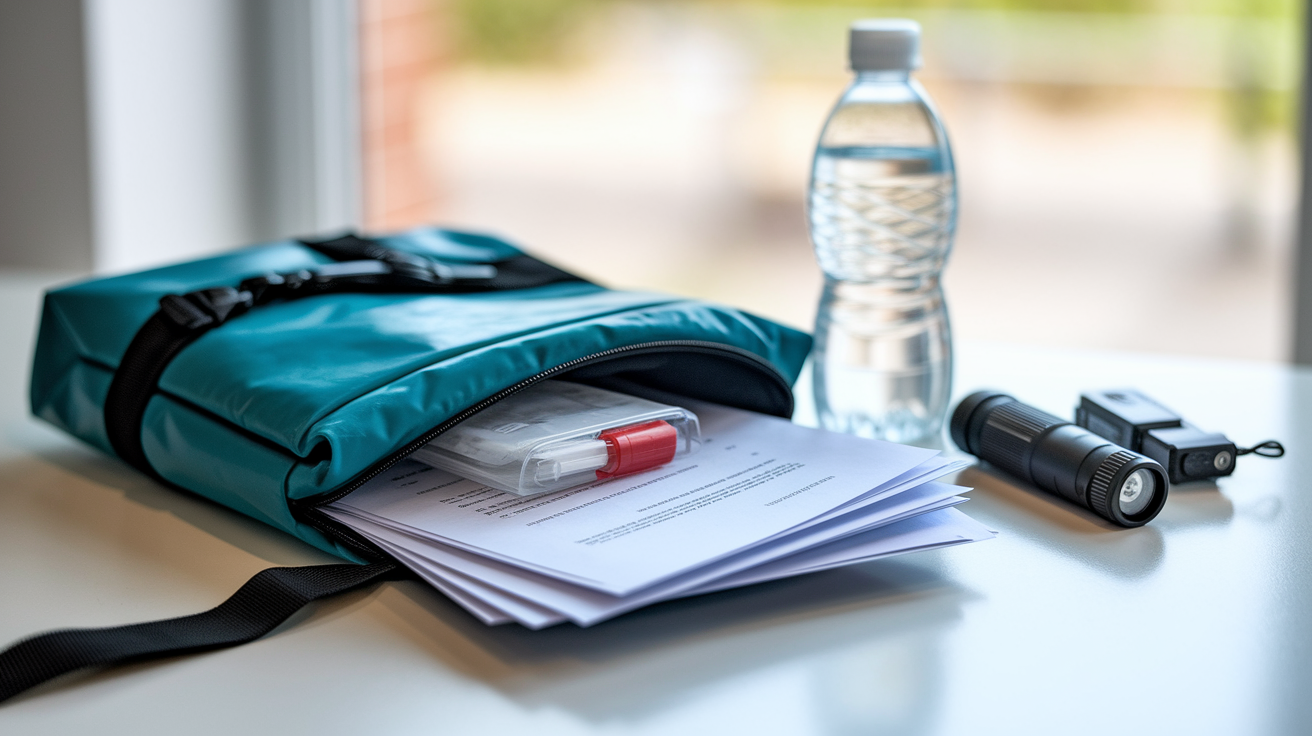
Have your supplies packed and ready before evacuation orders arrive, because you won’t have time to shop or search through your house once water is rising. Pre packed supplies mean you can leave within minutes instead of hours, which can make the difference between a safe evacuation and a dangerous one.
| Category | Essential Items | Quantity/Notes |
|---|---|---|
| Water and Food | Bottled water, non-perishable food, manual can opener | One gallon of water per person per day for three days, ready to eat meals |
| Medications | Prescription medications, over the counter pain relievers, first aid supplies | 7 day supply minimum, include copies of prescriptions |
| Documents | Insurance policies, ID, bank info, medical records, property deed | Store in waterproof container or sealed plastic bags |
| Clothing and Bedding | Change of clothes, sturdy shoes, jacket, blanket | For each family member, suitable for current weather |
| Tools and Supplies | Flashlight, batteries, phone charger, battery pack, basic tools | Battery powered or hand crank flashlight, extra batteries |
| Personal Items | Eyeglasses, contact lenses, hearing aid batteries, hygiene items | Items specific to each family member’s daily needs |
| Pet Supplies | Pet food, water, medications, leash, carrier, vaccination records | 3 day supply, comfort items like toys or bedding |
| Cash and Cards | Cash in small bills, credit cards, debit cards | ATMs and card readers may not work during power outages |
Critical documents need special protection because water destroys paper fast. Get a waterproof document container or use heavy duty zip top freezer bags doubled up for extra protection. Include your homeowner’s or renter’s insurance policy with the specific policy number and agent contact information. Pack copies of driver’s licenses, passports, birth certificates, and Social Security cards. Add bank account information, credit card numbers, and contact numbers for your financial institutions. Include medical records, especially for family members with chronic conditions, and copies of prescriptions that show medication names and dosages. Take photos of these documents with your phone as a backup. After flooding, you’ll need this information to file insurance claims, access emergency funds, get replacement medications, and prove your identity if your home is damaged or inaccessible.
Pre pack go bags for each family member and store them in accessible locations where you can grab them in seconds. Keep them near your main exit door, in a front closet, or in your garage. Don’t store evacuation supplies in basements or areas that flood first. Review and update your go bags every six months, replacing expired medications, updating clothing sizes for growing children, refreshing food and water supplies, and adding new insurance documents or bank information. For more detailed guidance on assembling comprehensive emergency supplies, see our complete resource at https://www.floodrescueguide.com/build-a-flood-emergency-kit/.
What to Do Before Leaving: Protecting Your Property

Property protection is important, but only if you have time to complete it safely without delaying your evacuation. If water is already rising, skip these steps and leave immediately. Your safety matters more than your stuff, and every task you attempt reduces the time you have to evacuate before roads flood or conditions worsen.
If you have 30 to 60 minutes before you need to leave, complete these quick actions in order.
Turn off utilities at the main switches or valves if local authorities have instructed you to do so, which prevents gas leaks, electrical fires, and additional water damage from broken pipes. Disconnect electrical appliances by unplugging them to prevent power surge damage when electricity is restored. Move valuables and important items to upper floors if you have them, focusing on irreplaceable items like photos, family heirlooms, and documents you couldn’t pack. Bring outdoor furniture, grills, trash cans, and lawn equipment inside or secure them so they won’t float away and damage your property or your neighbors’ homes. Close all windows and doors to minimize water entry and wind driven rain damage. Take photos and videos of your home’s condition and your belongings for insurance documentation before flooding occurs. Place sandbags around doorways or garage openings if you have them already available and if water has not yet reached your property.
Don’t spend hours trying to protect property when time is limited. Don’t lift heavy furniture alone, work in dangerous conditions, or attempt projects like sandbagging if water is already approaching your home. Extensive protection efforts delay evacuation and put you at risk. If you can’t complete a task in five minutes or less, skip it. The people who die during floods are often the ones who stayed too long trying to save belongings. Insurance exists to replace property. Nothing replaces you.
When Sheltering in Place Is Your Only Option

Sheltering in place becomes necessary when evacuation is no longer possible due to rapidly rising water that has blocked all exit routes, nighttime conditions with zero visibility making travel more dangerous than staying, or situations where you’re already trapped by floodwater with no safe path to higher ground. This is the worst case scenario, but you can survive it if you take the right actions immediately.
If you’re trapped and can’t evacuate, do these things right now.
Move to the highest floor of your building, which is usually the second floor or higher in a multi story home. Avoid attics unless they have a way to access the roof from inside, because attics become death traps if water continues rising and you have no escape route. Call 911 immediately to report your location, how many people are with you, any medical conditions, and whether you have access to the roof. Signal for help by hanging a white sheet, towel, or bright clothing from an upper floor window facing the street so rescue teams can see you. Stay away from windows, which can break from water pressure or floating debris. Never enter moving water in an attempt to self rescue, because six inches of moving water can knock you down and drown you.
Wait for professional rescue rather than attempting to save yourself by entering floodwater. Rescue teams use boats, high water vehicles, and helicopters specifically designed for flood conditions. They have training, safety equipment, and coordination with other emergency services. You have none of that. Swimming or wading through floodwater puts you at extreme risk of drowning, electrocution from submerged power lines, injury from submerged debris, or exposure to contaminated water. Rescue operations take time, sometimes many hours, but they are exponentially safer than self rescue attempts in active flooding.
Keep tools like an ax or saw in upper floors or attic spaces so you can cut through the roof if water continues rising and threatens to trap you inside. Break through the roof from the underside and get onto the roof surface where you’re visible to rescue teams and helicopters. Once you’re on the roof, stay there. Don’t try to swim to safety or climb onto floating debris. Stay in one place so rescuers can find you.
Communication Plans for Separated Family Members
Pre established communication plans are essential because flooding separates families fast. Kids are at school. Parents are at work in different locations. Extended family lives across town. When evacuation orders hit or flash floods develop, you need a plan that everyone knows and can execute without discussion or confusion, because phone networks often fail during disasters.
| Communication Method | When to Use | Backup Option |
|---|---|---|
| Mobile phone calls | First attempt to reach family members | Leave voicemail with your location and plans if no answer |
| Text messages | When calls won’t go through due to network congestion | Text messages often work when voice calls fail |
| Out of area contact person | When local networks are down or overloaded | Everyone calls the same relative in another state who relays information |
| Social media check ins | To broadcast status to multiple family members at once | Use Facebook safety check or post location updates on platforms family monitors |
| Predetermined meeting locations | When electronic communication is impossible | Primary and backup physical locations everyone knows to go to |
Designate an out of area relative or friend as your family’s central contact point. This person should live far enough away that they won’t be affected by the same flooding event, ideally in another state. When local cell towers are overwhelmed or damaged, long distance calls sometimes go through when local calls don’t. Every family member calls this contact person to report their location, evacuation status, and plans. The contact person keeps notes and relays information between family members who can’t reach each other directly.
Have written emergency contact information stored in waterproof containers and in your vehicle’s glove box, because phone batteries die at the worst possible times and you lose access to all your stored numbers. Write down phone numbers for every family member, your out of area contact, local emergency shelters, your insurance agent, and critical services. Include work addresses and school locations. Kids should carry a small card with emergency numbers in their backpacks. This simple redundancy has saved families during countless disasters when digital communication failed.
Recognizing Immediate Evacuation Warning Signs
You need to recognize danger signs even without official warnings, because flash floods develop faster than emergency management can issue alerts, rural areas may not have sophisticated warning systems, and some flooding happens in locations that weren’t predicted or expected. Environmental and situational indicators give you direct evidence that conditions are becoming life threatening.
Watch for these nine warning signs that mean evacuate immediately.
Water entering your building from any source including walls, floors, doors, or windows. Creek or stream levels rising rapidly, especially if the rise is visible within a 15 to 30 minute observation period. Rumbling or roaring sounds coming from upstream or uphill areas, which indicates debris filled water moving with significant force. Sudden changes in water color from clear to brown or muddy, which indicates upstream flooding pushing sediment and debris downstream toward you. Water covering roads, parking lots, or low lying areas that are normally dry. Loss of utility services like power or gas, which often happens when flooding affects infrastructure. Neighbors loading vehicles and evacuating, which means they have information or concerns you should share. Unusual animal behavior with wildlife moving to higher ground or domestic animals acting anxious and trying to leave the area. Ground saturation where rain no longer soaks in and instead pools on the surface immediately.
Any one of these signs warrants immediate evacuation action without waiting for official orders. When multiple signs appear together, you’re looking at a rapidly developing flood event that will worsen within minutes to hours. If you see water entering your home, you should already be in your car driving to higher ground. If you hear rumbling from a nearby stream, you should gather your family and leave right now.
Trust your instincts when environmental indicators suggest imminent danger. If something feels wrong, if conditions look worse than you’ve seen before, if your gut tells you to leave, go. The people who survive unexpected floods are often the ones who acted on early warning signs before the situation became critical. The people who rationalize, wait to see what happens, or convince themselves it won’t be that bad are the ones who end up trapped. Your instincts are processing information your conscious mind hasn’t fully analyzed yet. Listen to them.
Coordinating with Local Emergency Management and Neighbors
Local emergency management agencies provide evacuation information, operate shelters, coordinate rescue resources, and make decisions about road closures and re entry timing. Their job is to keep you informed and safe during flooding events. Your job is to use the resources they provide and follow their instructions.
Emergency management monitors weather conditions, river gauges, and on the ground reports throughout flood events. They have access to forecasting tools and coordination with the National Weather Service that gives them the most accurate and up to date information available. When they issue evacuation orders or open emergency shelters, they’re responding to specific data indicating that danger is imminent or already present.
You can coordinate with emergency management and your community through these five steps.
Register with your county or city emergency management if you need evacuation assistance due to disability, medical condition, lack of transportation, or other factors that prevent self evacuation. Check on elderly or vulnerable neighbors when warnings are issued to make sure they’ve heard the warnings and have a way to evacuate. Share evacuation transportation with neighbors who need rides, which reduces traffic congestion and helps people who might otherwise be trapped. Communicate your evacuation plans with nearby residents so someone knows when you left and where you went, which helps rescue teams account for people if searches become necessary. Monitor official social media channels from your local emergency management agency, county sheriff’s office, and fire department for real time updates that may not reach traditional media quickly.
Identify local evacuation shelters before flooding occurs by checking your county emergency management website or calling their non emergency number during normal business hours. Shelters are typically located in schools, community centers, or other large public buildings on high ground outside flood zones. Know which shelters accept pets and which don’t, because this affects whether you can bring your animals with you. Have backup shelter options arranged with family or friends outside your flood zone in case official shelters are full or inaccessible.
Safe Return: Knowing When It’s Safe to Go Home
Returning home too early creates serious safety risks including electrocution from water damaged electrical systems, structural collapse from weakened foundations, contamination from sewage filled floodwater, injuries from debris and damaged structures, and loss of life from hazards you can’t see in buildings that appear intact from the outside. Wait for official clearance even if your house looks fine from the street.
Don’t return until all seven of these safety criteria are met.
Official all clear announcement from local authorities specifically stating that residents may return to your evacuation zone. Floodwaters completely receded from roads, yards, and buildings in your neighborhood. Roads inspected and officially reopened by public works or transportation departments. Daylight conditions that provide full visibility of damage, hazards, and water contamination. No visible structural damage from the exterior including leaning walls, separated sections, or obvious collapse. Utilities evaluated by professionals, especially if power was out or gas service was interrupted. Necessary safety equipment gathered including rubber boots, gloves, flashlights, and cleaning supplies.
When you do return home, photograph all damage before you touch or move anything. Walk around the exterior first looking for foundation cracks, shifted structures, or separated utilities. Open windows and doors to ventilate the building before entering. Smell for gas leaks and listen for hissing sounds near gas lines or appliances. Don’t touch electrical outlets, switches, or appliances if anything is wet or if you’re standing in water. Turn off electricity at the main breaker even if community power is off, and wait until the home is completely dry before restoring power.
Document everything for insurance claims by taking photos and videos of water lines on walls, damaged belongings, destroyed furniture and appliances, and structural damage. Make lists of damaged items with approximate values. Contact your insurance agent within 24 to 48 hours to start the claims process. Be extremely cautious of contractors who show up door to door immediately after disasters offering quick repairs. Legitimate contractors are busy with existing clients and scheduled work. Disaster chasers often do shoddy work, demand cash payment up front, and disappear before finishing jobs. Get multiple written estimates, check contractor licenses and references, and never pay the full amount before work is completed.
Final Words
Knowing how to decide if you should evacuate during flooding means accepting that some decisions need to happen in minutes, not hours.
Water rises fast. Conditions change faster.
When you spot any of those critical warning signs, mandatory orders, rising water at your doorstep, or structural cracks, you act. You grab your go bag, you load your family and pets, and you head to higher ground.
Don’t wait for perfect information. Don’t try to save everything.
Your safety plan works best when you trust it early, follow it completely, and leave while the roads are still clear and the sun is still up.
You can always come back when it’s safe. That’s the plan that keeps everyone alive.
FAQ
Q: When should I evacuate during a flood?
A: You should evacuate during a flood immediately when you receive a mandatory evacuation order, see water entering your home, hear a flash flood warning for your area, or notice water depth of 6 inches or more that is moving. When in doubt, leave early because conditions can deteriorate in minutes.
Q: What is the difference between mandatory and voluntary evacuation orders?
A: Mandatory evacuation orders are non-negotiable directives from emergency management when life-threatening conditions exist or are imminent, while voluntary evacuation advisories are recommendations for at-risk populations to leave before conditions worsen, providing more time for safe departure.
Q: How deep does water need to be to become dangerous?
A: Water becomes dangerous at just 6 inches of depth when moving, as it can sweep adults off their feet. At 12 inches, moving water can move small vehicles, and at 18 to 24 inches, it can float most vehicles. Standing water of any depth also poses electrical hazards.
Q: What are the warning signs that I need to evacuate immediately?
A: Immediate evacuation warning signs include water entering your building, rapidly rising creek or stream levels, rumbling sounds from moving debris, sudden water color changes indicating upstream flooding, water covering roads, loss of utilities, neighbors evacuating, and unusual animal behavior fleeing to higher ground.
Q: Is it safe to evacuate at night during a flood?
A: Evacuating at night during a flood is extremely dangerous due to reduced visibility, hidden water depth, and debris hazards. You should leave during daylight hours even if conditions seem manageable, as nighttime evacuation creates cascading dangers including inability to see flooded roads and obstacles.
Q: How much water and food should I take when evacuating?
A: When evacuating, you should take a 3-day supply of water and food for each person and pet in your household. Store these supplies in your pre-packed go-bag along with medications, documents, clothing, and other essentials for rapid departure.
Q: Should I turn off utilities before evacuating my home?
A: You should turn off utilities at main switches or valves only if instructed by authorities and only if time allows without delaying evacuation. Disconnect electrical appliances, but never delay departure for extensive property protection when evacuation is urgent.
Q: What should I do if I get trapped in my home by floodwater?
A: If trapped in your home by floodwater, move immediately to the highest floor or roof, call 911 to report your location, signal for help, stay away from windows, and wait for professional rescue rather than entering moving water. Have tools like an ax to access your roof if water continues rising.
Q: How do I know when it’s safe to return home after evacuating?
A: It is safe to return home after evacuating when authorities issue an official all-clear announcement, floodwaters have completely receded, roads are inspected and reopened, there is daylight for visibility, no structural damage is visible from outside, and utilities have been evaluated by professionals.
Q: What evacuation route should I take during a flood?
A: You should take pre-planned evacuation routes to higher ground that avoid flood-prone areas, low-water crossings, and areas near streams or drainage channels. Always have multiple alternate routes identified before emergencies, and follow the “Turn Around, Don’t Drown” principle by never attempting to cross flooded roads.
Q: Do I need to evacuate earlier if I have elderly family members or pets?
A: You need to evacuate earlier if you have elderly family members, people with mobility challenges, medical equipment needs, or pets because vulnerable populations require additional time for safe departure and should leave during voluntary evacuation periods before conditions worsen.
Q: What documents should I take when evacuating?
A: When evacuating, you should take insurance policies, identification, medical records, and bank information stored in waterproof containers. Also pack a 7-day supply of medications, mobile phone with battery backup, cash, and essential supplies for a 3-day period.
Q: Can I enter my home if it’s surrounded by floodwater?
A: You should never enter your home if it is surrounded by floodwater because buildings may have hidden structural damage in foundations, standing water may be electrically charged from power lines, and conditions can deteriorate suddenly. Wait for official all-clear and professional structural assessment.
Q: How can my family communicate during evacuation if we get separated?
A: Your family can communicate during evacuation by using text messages when calls fail, designating an out-of-area relative as a central contact point, using social media check-ins, and meeting at predetermined locations. Establish this communication plan before flooding occurs and keep written contact information in waterproof containers.
Q: What should I do if my car stalls in floodwater during evacuation?
A: If your car stalls in floodwater during evacuation, exit the vehicle immediately and climb to higher ground without attempting to restart it. Never stay in a vehicle surrounded by rising water, as conditions can worsen in seconds and moving water can sweep vehicles away.