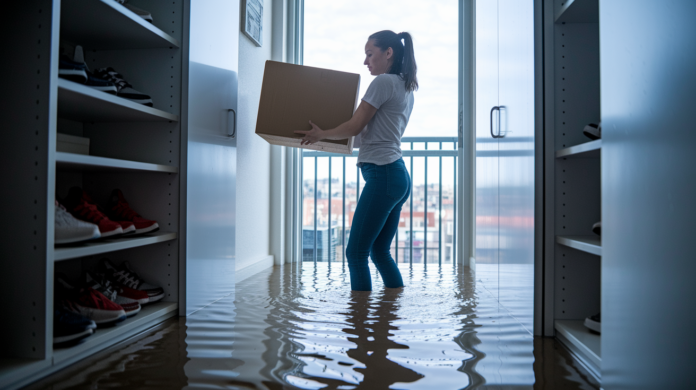

You might think your landlord handles flood prep, so you’re covered. Not quite. Renters face unique risks when water rises. Your landlord fixes the building, but protecting yourself and your stuff falls on you. Many renters skip basics like evacuation plans, vertical storage, and separate flood insurance, only to lose everything when flooding hits. This guide walks you through practical steps to stay safe, protect your belongings, and know exactly what your landlord owes you when water damage happens.
Protecting Yourself and Your Belongings as a Renter During Floods

Renters deal with different problems than homeowners when floods show up. You’re not fixing the building’s roof or waterproofing anything structural. But you are responsible for keeping yourself alive and your stuff protected. Your landlord handles the property, but that doesn’t mean you wait around. You need to move first.
Life safety beats everything else. Before you stress about your couch or laptop, get clear on how you’re getting out when things go bad. Know your evacuation routes from your building. Understand when officials issue mandatory orders, and don’t stick around to see if it gets worse. Never walk or drive through moving water, even if it looks shallow. Floodwater hides debris, washed out pavement, electrical hazards. Six inches of moving water knocks you down. Twelve inches can sweep away most cars. If water’s rising, leave early while roads still work.
Here’s what every renter should do:
- Create a specific evacuation plan with primary and backup routes out of your building and neighborhood, plus at least one safe destination address.
- Avoid all moving water whether you’re on foot or in a vehicle, and turn around if you hit flooded roads.
- Move valuables and important items to higher shelves, upper closets, or elevated surfaces as soon as flood warnings hit your area.
- Document all your belongings with photos and videos before flooding happens, and store copies offsite or in cloud storage.
- Alert your landlord immediately after water damage occurs, even minor leaks, and inspect your rental as soon as it’s safe.
- Coordinate a joint inspection with your landlord after flooding to check if the unit’s livable and what repairs you need.
Vertical storage is your best shot at protecting stuff when you rent. Use upper shelves in closets, high cabinets, storage areas above ground level. Ground floor or basement apartment? Store anything valuable or irreplaceable as high as possible. Move electronics, important papers, photo albums, sentimental items off the floor onto furniture tops, high shelves, overhead storage. Even lifting items a few feet makes the difference between total loss and survival when water gets in.
A detailed home inventory protects you financially. Walk through every room and photograph or video each area. Open drawers and closets to capture what you own. Write down serial numbers for electronics, appliances, anything that has one. Keep receipts for major purchases if you can, note approximate purchase dates and costs for everything else. This documentation becomes critical if you need to file an insurance claim after flooding.
After damage happens, time matters. Contact your landlord in writing as soon as you find water damage, even if it seems minor. Send an email or text so you have a record, follow up with a phone call if it’s urgent. Take photos of all damage before you move or clean anything. Your landlord needs to know immediately so they can start inspections and repairs. You need documentation to support any insurance claim you file for your belongings.
Proactive Protection Strategies for Rental Spaces
Waterproof containers and heavy duty storage bags add protection for items you can’t move to higher ground. Use sealed plastic bins with tight lids for clothing, linens, other soft goods. Place important documents, insurance policies, lease agreements, medical records, irreplaceable photos in waterproof document bags or containers, then store them on high shelves. For extra protection, keep digital copies of critical documents in cloud storage or email them to yourself so you can access them from any device.
Electronics need special attention because water destroys them fast. If you have advance warning, unplug everything and move devices to the highest point in your apartment. Wrap laptops, tablets, phones in plastic bags before placing them in elevated spots. Desktop computers or gaming systems? Photograph the cable setup before unplugging so you can reconnect later, then move components as high as possible. Keep all charging cables and power adapters together in a waterproof bag you can grab during evacuation.
Sentimental items and irreplaceable belongings deserve offsite protection if you live in a high risk area. Family photos, heirlooms, important collections, anything with emotional value that can’t be replaced should ideally be stored at a friend’s or family member’s home in a safer location. If that’s not possible, digitize what you can. Scan old photos, take detailed pictures of sentimental objects, keep those digital files in cloud storage. You may lose the physical item in a flood, but you’ll still have the image and the memory.
Renters Insurance and Flood Coverage Essentials
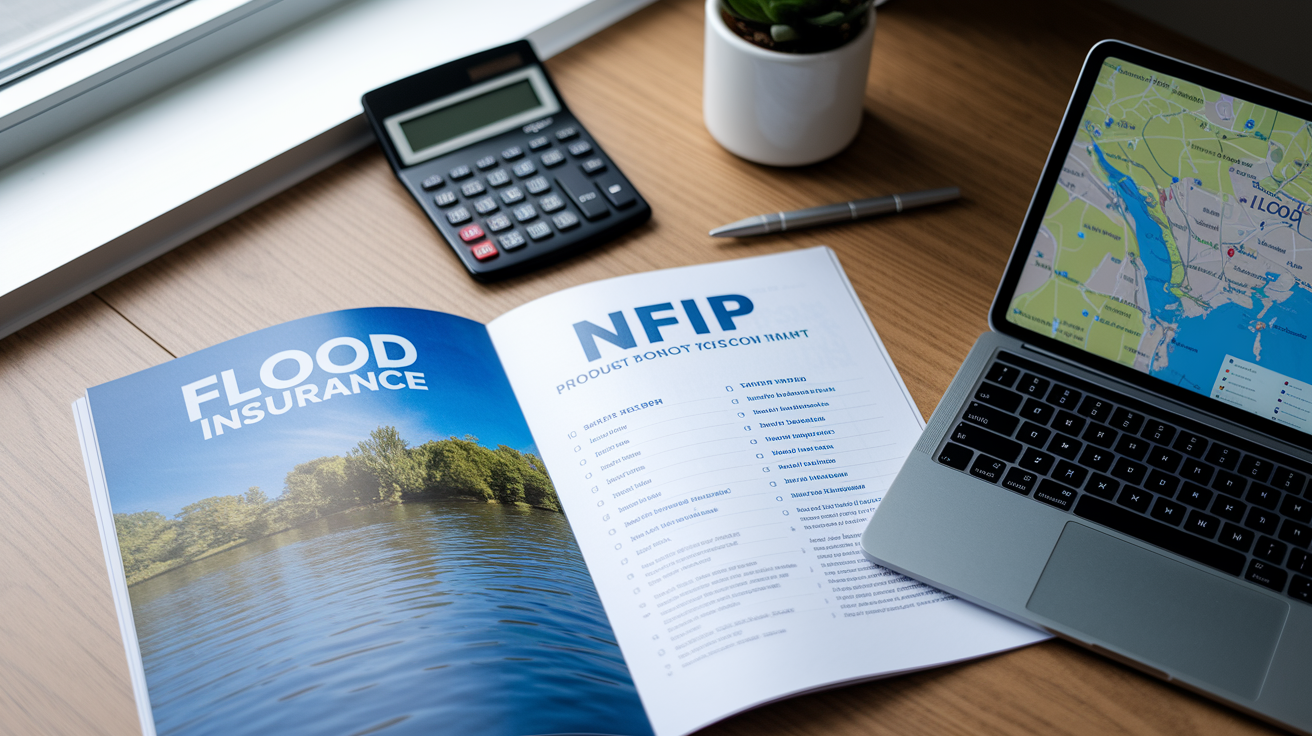
Most renters think their insurance policy covers flood damage. It doesn’t. Standard renters insurance excludes floods, surface water, storm surge, rising water from any source outside the building. This shocks people who discover the gap only after their apartment floods and their claim gets denied. If you want flood coverage, you must purchase it separately.
Standard renters insurance covers quite a bit, just not flooding. You get protection for fire, smoke, lightning, windstorms, hail, theft, vandalism, certain types of water damage like burst pipes or leaking appliances. If your upstairs neighbor’s bathtub overflows and ruins your furniture, that’s covered. If a tree falls through your roof during a storm and rain soaks your belongings, that’s covered. But if a river overflows, a storm surge pushes water inland, or heavy rain causes street flooding that enters your building, standard policies won’t pay. The exclusion is nearly universal across insurance companies.
Flood insurance for renters comes through the National Flood Insurance Program, the only flood insurer in the United States, backed by FEMA and the federal government. You purchase a separate policy that covers your personal belongings, not the building itself. Your landlord’s flood policy, if they have one, covers only the structure and their property. To get NFIP coverage, contact your insurance agent or any insurance company that sells flood policies. There’s typically a 30 day waiting period before the policy takes effect, so you can’t buy it the day before a hurricane arrives. Apply early, ideally as soon as you move into a new rental.
Many renters policies include loss of use coverage, also called additional living expenses coverage. If your apartment becomes uninhabitable due to a covered event, your policy may pay for temporary housing, meals, other costs while repairs are being made. This applies to events like fires or severe wind damage. Some flood policies through NFIP don’t include loss of use coverage, so ask specifically about temporary housing benefits when you purchase flood insurance. If that coverage is available and fits your budget, it can save you from financial crisis if flooding forces you out of your home for weeks or months.
Premium costs for renters flood insurance vary based on your flood zone, the amount of coverage you choose, your deductible. In low to moderate risk zones, premiums can be surprisingly affordable, sometimes $150 to $400 per year for $30,000 in contents coverage. In high risk flood zones, costs run higher. Most policies let you choose your coverage limit in increments, so you can insure $20,000, $50,000, or $100,000 worth of belongings depending on what you own and what you can afford. Higher deductibles lower your premium but mean you pay more out of pocket before insurance coverage kicks in.
Understanding Your Landlord’s Flood Protection Obligations
Your landlord is responsible for maintaining the building and protecting it from weather related damage. Property maintenance and weather damage mitigation are landlord responsibilities, not tenant responsibilities. That includes the roof, walls, foundation, plumbing, electrical systems, drainage, gutters, anything structural. You shouldn’t be climbing ladders to clean gutters or trying to seal basement cracks yourself.
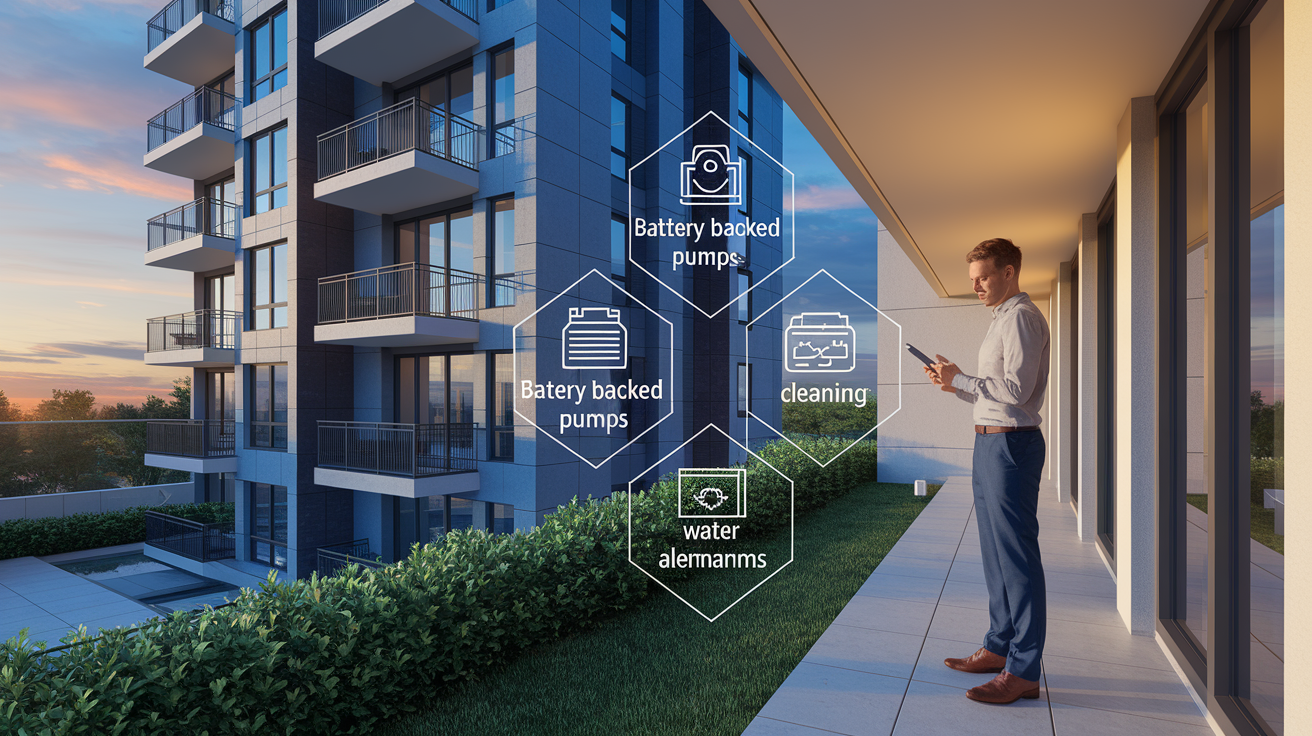
Landlords should complete specific preventive measures before flood season, and you have the right to ask whether these tasks are being handled. FEMA recommends waterproofing basements, checking sump pumps and installing battery operated backup models for power failures, cleaning gutters and downspouts, elevating electrical panels and appliances, anchoring fuel tanks, locating shut off valves for water, electricity, gas. Gutters and downspouts should be clear of debris and positioned to carry water several feet away from the building to a well drained area. If your building has a basement or ground floor units, ask whether sump pumps are installed and tested regularly, whether water alarms are in place to detect accumulation before major flooding occurs.
During active flooding or flood warnings, landlords have specific duties. They should provide clear instructions on how to turn off utilities if needed, though you should never attempt this yourself if water’s already present. When local authorities issue mandatory evacuation orders, landlords must communicate those orders to all residents immediately. Some landlords hold informational meetings before flood season or distribute emergency preparedness packages that cover evacuation routes, shelter locations, emergency response numbers, recommended emergency kit items. If your landlord hasn’t provided this information, ask for it directly.
After flooding occurs, landlords must make all necessary repairs to ensure the rental remains livable and meets all local housing, health, safety laws. If flooding renders your apartment or the building unlivable, your landlord may be required to provide alternative housing during repairs, depending on your state’s laws and your lease terms. Repairs must address not just visible damage but also hidden problems like water under slabs, roof leaks, mold growth that can appear weeks or months later.
You can take a proactive approach by requesting specific maintenance well before flooding threatens. Schedule a conversation with your landlord before peak flood season in your region. Ask whether gutters will be cleaned, whether drainage systems around the building have been inspected, whether sump pumps have been tested, whether any known plumbing or roof issues have been addressed. Request a copy of the building’s emergency plan, evacuation routes, emergency contact numbers for after hours maintenance issues. If you live in a basement or ground floor unit, ask about the building’s flood history and what protections are in place.
Document every request and communication in writing. Send requests via email or certified mail so you have proof of the date and content. If your landlord agrees to complete certain tasks, follow up in writing to confirm what was promised and by when. If flooding occurs and it turns out your landlord ignored maintenance responsibilities that contributed to damage, your written requests become evidence that you tried to prevent the problem. Written records also matter if you later need to pursue rent abatement, lease termination, any legal claim related to habitability.
Tenant Rights During and After Flooding Events
Tenant rights for natural disasters vary significantly by state with no universal standards. Some states provide strong protections for renters displaced by floods, while others offer very little. Your lease agreement and your state’s landlord tenant laws determine what happens to your rent obligation, your lease term, your rights to alternative housing if your rental floods. Understanding these rights before disaster strikes helps you make informed decisions quickly when you need to act.
| Flood Damage Scenario | Tenant Rights | Rent Obligation |
|---|---|---|
| Minor damage, apartment remains livable | Remain in unit, request repairs | Full rent due until repairs complete |
| Major damage, apartment uninhabitable, landlord making repairs | May request rent abatement or partial rent; some states require landlord to provide alternative housing | Depends on state law and lease terms; some allow suspended or reduced rent during repairs |
| Severe damage, landlord chooses not to repair or rebuild | Landlord must provide formal lease termination notice | Rent obligation continues until lease is officially terminated |
| Building condemned or declared uninhabitable by local authorities | Immediate lease termination, right to security deposit return | No rent due after condemnation date |
Rent abatement provisions allow you to suspend payments or pay partial rent while your apartment is uninhabitable and undergoing repairs. This right is not automatic in most states. You typically must request it in writing, explaining why the unit is uninhabitable and providing evidence like photos, inspection reports, official notices from local housing authorities. Some leases include specific language about rent abatement after disasters. Read your lease carefully to see what it says about natural disasters, partial or total destruction, rent obligations during repairs. If your lease is silent on these issues, your state’s landlord tenant laws control what happens.
If you need to terminate your lease because flooding has made your apartment unlivable and your landlord is not making repairs, submit your request in writing via certified letter to create a paper trail. Include the date, a description of the damage, the steps you’ve taken to notify your landlord, a clear statement that you’re terminating the lease due to uninhabitable conditions. Be aware that in many states, your lease remains in effect and you remain legally responsible for paying rent even if the property is uninhabitable until your landlord provides a formal termination notice or you receive legal permission to break the lease. Coordinate a joint inspection with your landlord as soon as possible after flooding to create a shared record of damage and habitability status, which protects both of you if disputes arise later.
Creating an Emergency Preparedness Kit for Apartment Living
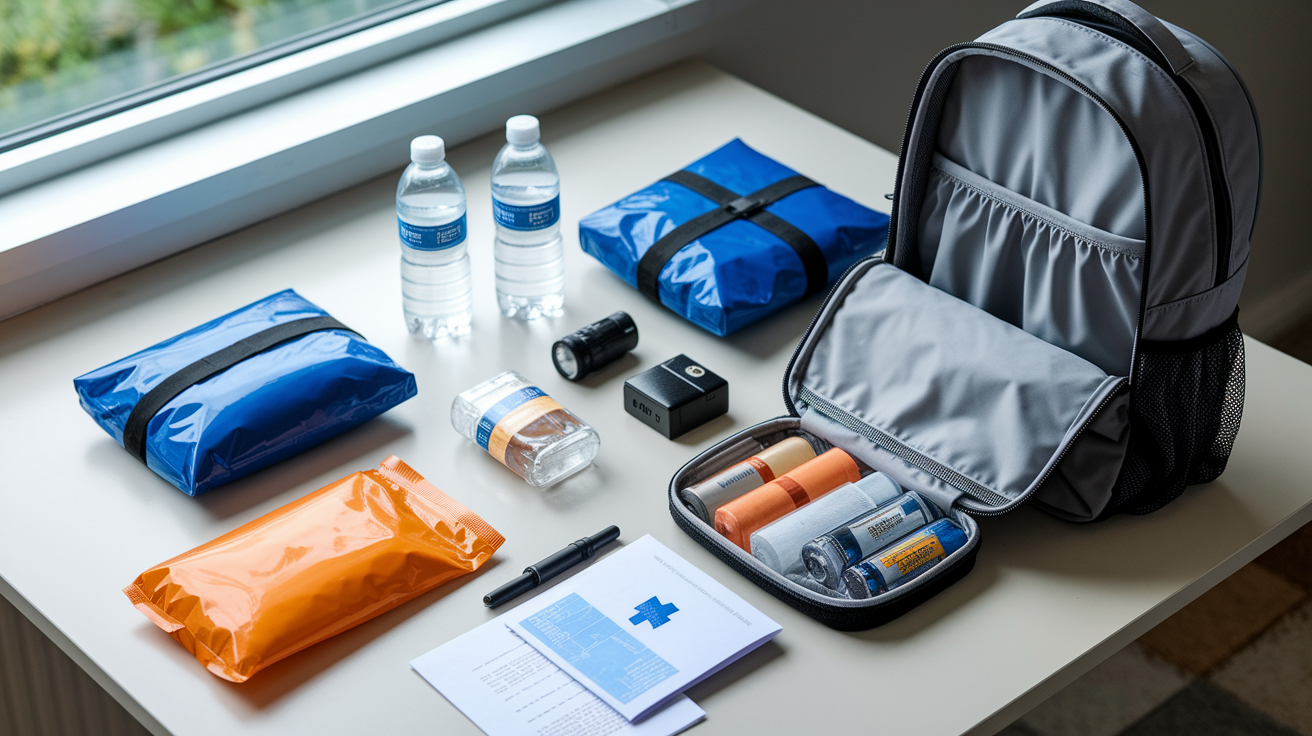
Emergency kits for apartment dwellers need to be compact, portable, ready to grab in under two minutes. You don’t have a garage full of shelves or a basement to store bulky supplies. Everything must fit in a backpack, a small bin, a designated closet space. Focus on items that keep you safe and functional for 72 hours, which is the standard timeframe emergency planners recommend for self sufficiency after disasters.
Build your kit with these supplies:
Water: One gallon per person per day for three days, stored in sturdy plastic bottles.
Non perishable food: Canned goods, protein bars, dried fruit, nuts, anything that doesn’t require cooking or refrigeration.
Flashlight: Battery powered or hand crank models. Avoid candles which create fire risk.
Extra batteries: Multiple sets in the sizes your flashlight and radio require.
First aid kit: Bandages, antiseptic, pain relievers, any prescription medications you take regularly.
Prescription medications: At least a one week supply in waterproof packaging.
Phone chargers: Standard wall charger plus a portable battery pack or solar charger.
Cash: Small bills, at least $100, because ATMs and card readers may not work during power outages.
Copies of important documents: Insurance policies, lease agreement, IDs, medical records in waterproof bags or containers.
Emergency contact list: Written on paper with phone numbers for family, friends, landlord, local emergency services.
Basic tools: Multi tool or knife, duct tape, work gloves.
Personal hygiene items: Soap, toothbrush, feminine products, toilet paper, hand sanitizer.
Protecting important documents requires waterproof containers that seal completely. Use heavy duty zip top bags, waterproof document pouches, small waterproof cases designed for boating or camping. Store originals of your lease, renters insurance policy, flood insurance policy if you have one, birth certificates, social security cards, medical records, any other paperwork you’d need to restart your life if everything else was destroyed. Keep these in your emergency kit or in an elevated location you can access quickly. Beyond physical copies, create digital backups by scanning or photographing every important document and uploading files to cloud storage like Google Drive, Dropbox, iCloud. Email copies to yourself as an additional backup. If your phone survives but your apartment doesn’t, you can still access everything you need from any internet connected device.
Evaluating Flood Risk for Your Apartment Location

Knowing your property’s flood risk helps you make better decisions about insurance, emergency preparedness, whether to renew your lease. Flooding doesn’t only happen in official flood zones near rivers and coasts. Flash floods strike in areas far from large bodies of water when heavy rain overwhelms drainage systems. Urban flooding affects cities with lots of pavement and limited green space to absorb water.
| Region | Peak Flood Season | Primary Causes |
|---|---|---|
| Coastal areas (Atlantic, Gulf, Pacific) | June to November | Hurricanes, tropical storms, storm surge, heavy rainfall |
| Midwest | Spring and summer | Snowmelt, heavy rain, river overflow, saturated ground |
| Northeast and Northwest | Late winter and early spring | Snowmelt, ice jams, rapid temperature changes, heavy rain |
| Southwest deserts | Late summer (July to September) | Monsoon season, flash floods, dry ground that can’t absorb sudden rainfall |
| Anywhere near rivers, streams, or poor drainage | Year round | Flash floods from heavy rain regardless of season or climate |
FEMA flood maps show official flood zone designations for every property in the United States, and you can access them for free online. Go to FEMA’s Flood Map Service Center, enter your rental address, see whether your building sits in a high risk zone, moderate risk zone, or low risk zone. High risk zones, labeled with the letter A or V, have a 1 in 4 chance of flooding during a 30 year period. Moderate risk zones, labeled B, C, or X, have lower but still real flood risk. Even properties in low risk zones can flood during extreme weather, so no location is completely safe. Use the map as a starting point for understanding risk, not a guarantee. If you’re required to buy flood insurance as a condition of your lease or if your landlord tells you the building has flooded before, that’s a strong signal you’re in a higher risk area.
Geographic risk factors matter as much as official zone designations. Properties near rivers, streams, culverts, coasts, or downstream from dams and levees face particular flood risk. Low lying areas near any body of water, even small creeks or drainage ditches, are vulnerable regardless of what the flood map says. Urban apartments in areas with poor drainage or lots of concrete can flood when heavy rain overwhelms storm drains. If your neighborhood has flooded before, it will likely flood again. Ask neighbors, check local news archives, search online for your area’s flood history. A 1,000 square foot roof with one foot of snow depth produces approximately 2,500 gallons of water during snowmelt, which shows how quickly large volumes of water can accumulate and threaten buildings in northern climates.
First floor and basement apartments face higher risk than upper floors. Water enters buildings from the ground up, so lower levels flood first and flood deepest. If you rent on the ground floor or in a basement, assume you’re at elevated risk even if your building is not in a flood zone. Ask your landlord directly whether the building or your unit has ever flooded. Request information about drainage systems, sump pumps, any waterproofing measures in place. Consider whether the increased flood risk is worth the typically lower rent these units command. If you choose to stay, invest in flood insurance and keep belongings elevated as much as possible.
Evacuation Planning and Decision Making for Renters

Evacuation decisions depend on whether local authorities have issued mandatory or voluntary orders. Mandatory evacuation means you must leave. These orders happen when conditions are life threatening and emergency services may not be able to reach you if you stay. Don’t ignore mandatory evacuation orders to protect your belongings. Your life is worth more than your stuff, and staying puts first responders at risk if they have to rescue you later. Voluntary evacuation means authorities recommend leaving but are not requiring it. If you’re in a flood prone area and a voluntary evacuation is issued, treat it seriously and leave if you can. Once flooding starts, roads close fast and your window to evacuate safely disappears.
Planning evacuation routes from apartment buildings requires knowing multiple exits. Identify at least two ways out of your building and two routes out of your neighborhood. Walk or drive these routes in advance so you know what to expect. Upper floor apartments may have stairwell access from multiple directions. Know which stairwells lead to exits that are less likely to flood first. If you live on a ground floor, know whether your windows can serve as emergency exits if hallways flood. Keep a pair of sturdy shoes near your door so you can move quickly through water or debris if needed. Never use elevators during flooding or when power is unstable. Map out where you’ll go once you leave, whether that’s a friend’s home, a hotel outside the flood zone, an official emergency shelter. Keep that address in your phone and share your evacuation plan with at least one person who doesn’t live with you.
Pet evacuation preparation makes a huge difference in how smoothly you can leave. Have a pet carrier ready for each animal, and keep it accessible, not buried in a closet. Pack a pet emergency kit with food, water, medications, leashes, waste bags, any comfort items your pet needs. Research pet friendly shelters and hotels in advance because not all emergency shelters accept animals. Some communities have separate pet friendly shelters during disasters. The Red Cross offers apps with shelter location information that works even when cell towers are down. Keep your pet’s medical records and vaccination documentation in your emergency kit, as some shelters require proof of vaccinations before admitting animals.
If you own a vehicle, move it to higher ground before flooding begins. Don’t wait until water’s already on the street. Once roads flood, moving your car becomes impossible and dangerous. If you live in an area with parking garages, ask whether the garage has flooded before and whether there are higher levels available during flood warnings. Street parking in low areas almost guarantees your vehicle will flood, so relocate it as soon as warnings are issued. If you can’t move your car to higher ground, prioritize your own evacuation over the vehicle. Cars can be replaced. You can’t.
Establish a family communication plan that works when cell service fails. Text messages often go through when phone calls don’t, so plan to use texts as your primary communication method. Designate one out of state contact person everyone agrees to check in with, because long distance calls sometimes connect when local calls fail. Write down all important phone numbers on paper and keep that list in your emergency kit. Don’t rely on your phone’s contact list if your battery dies or your phone gets damaged. Agree on a specific meeting location outside the flood zone if you get separated. Make sure every household member knows the plan and has practiced it at least once.
Basement and Ground Floor Apartment Flood Risks
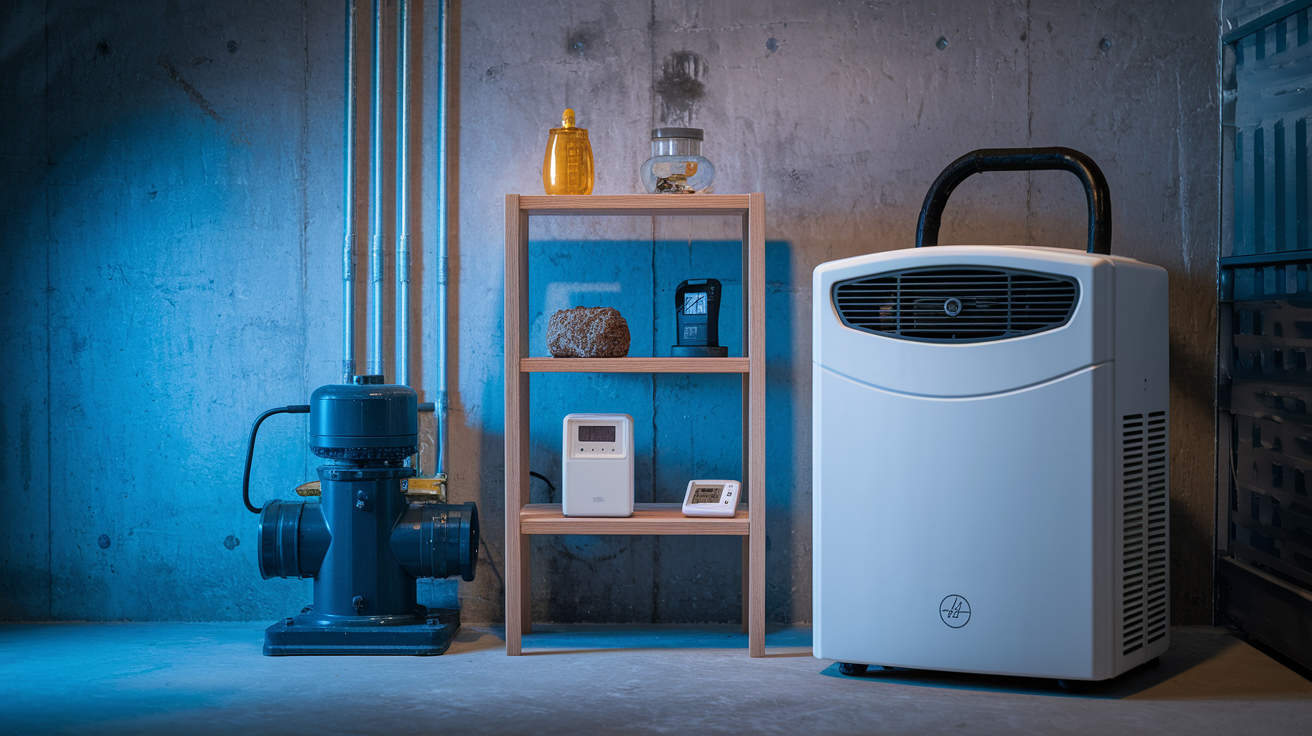
Basement and first floor apartments flood before upper levels because water flows downward and accumulates in low points. If you rent in a basement unit, you’re at the highest risk for water intrusion even during minor flooding events. Ground floor apartments face the next highest risk. Water can enter through doors, windows, cracks in foundations, floor drains, anywhere else the building envelope is not perfectly sealed. Once water gets inside, it damages everything it touches and creates hazards like electrical shocks, mold growth, structural instability.
Your landlord should have protective equipment installed if you live in a flood prone area. Ask whether the building has a sump pump, which is a pump installed in a pit that removes water that accumulates below the floor level. Sump pumps need regular testing and should have battery operated backups in case of power failure, because floods often knock out electricity. Request information about whether water alarms are installed to detect water accumulation before it becomes visible flooding. These alarms sound when sensors detect moisture and give you early warning to move belongings and take action. If your landlord hasn’t installed these protective measures and your building is in a flood prone area, request them in writing. Some jurisdictions require landlords to maintain functional drainage systems and flood prevention equipment as part of habitability standards.
You can take steps to control moisture and drainage even though you’re renting. If your lease allows it and your landlord approves, use a dehumidifier to keep indoor relative humidity between 40 percent and 60 percent. High humidity promotes mold and mildew growth even without flooding, and basements tend to be damp. Monitor humidity levels with an inexpensive hygrometer and run the dehumidifier regularly, especially during humid months. Check that floor drains are not clogged with debris. If water is pooling outside your ground floor windows or doors, alert your landlord immediately so they can address drainage grading and downspout positioning. Eave trough downspouts should carry water several feet from the house to a well drained area, not dump it right next to the foundation where it seeps into basements.
When water first appears in your unit, act fast. Don’t wait to see if it stops on its own. Turn off electronics and move them to higher surfaces. Contact your landlord immediately and take photos of the water source, the extent of the flooding, any damage. If water is entering rapidly and you feel unsafe, evacuate and call emergency services. Don’t enter standing water if you can see or smell anything electrical nearby, because electrocution risk is real. Use box fans to circulate air as soon as it’s safe to do so, which helps dry out the space and prevents mold from taking hold in the critical first 24 to 48 hours after flooding.
Comprehensive Documentation: Before, During, and After Flooding

Documentation happens in three phases. Before flooding when you create your home inventory, during flooding when you safely capture what’s happening, after flooding when you document damage for insurance claims. Each phase has a different purpose. All three together give you the strongest position for recovering financially from flood losses.
Create a pre flood home inventory while everything is dry and undamaged. Walk through your apartment room by room with your phone or camera and record video of everything you own. Open closets, drawers, cabinets and show what’s inside. Narrate as you go, describing items and mentioning purchase dates or values if you remember them. Pause on high value items like electronics, jewelry, furniture, appliances to capture serial numbers and model information. Take close up photos of anything expensive or unique. Once you finish the video tour, go back through and photograph individual items, especially anything worth more than $100. Write down serial numbers, model numbers, purchase information for major items. Store this documentation in cloud storage or email it to yourself so it survives even if your phone and computer are destroyed.
Document carefully during active flooding only if you can do so without risking your safety. Never enter moving water or areas with electrical hazards to take photos. If water is rising in your apartment and you’re still safely inside, take quick photos or video showing the water source, how high the water is rising, what’s being damaged. This real time documentation can be valuable for claims and landlord disputes. If you’ve already evacuated or conditions are dangerous, skip this phase entirely. No photo is worth your life, and you can document damage later when it’s safe.
Post flood damage documentation starts as soon as authorities say it’s safe to return. Before you touch or move anything, take comprehensive photos and videos of every room from multiple angles. Capture wide shots showing overall damage and close ups of individual damaged items. Photograph water lines on walls that show how high the water reached. Focus on serial numbers and labels on damaged electronics and appliances. Take photos of structural damage like warped floors, damaged drywall, anything that shows water intrusion. Most insurance companies require you to report claims within 24 to 60 hours of discovering damage, so start your documentation immediately and contact your insurance company as soon as you have initial photos.
Create a detailed written inventory of everything damaged or destroyed. Go room by room and list each item, its approximate age, what you paid for it if you remember, what it would cost to replace it today. This becomes your loss inventory for the insurance claim. Include everything, even items that seem minor, because small losses add up. Be as specific as possible. “Samsung 55 inch 4K TV, model UN55RU7100, purchased in 2020 for $500” is better than “TV.” Attach your pre flood inventory photos to the loss list to prove you owned these items before the flood. Replacement cost coverage, if you have it, pays what it costs to buy a new item of similar quality today. Actual cash value coverage pays what your used item was worth at the time of loss, which is typically much less.
Your insurance company will send an adjuster to inspect the damage and verify your claim. Be present during this visit if possible, and bring your documentation with you. Walk the adjuster through the damage, point out items on your loss inventory, answer questions. The adjuster’s job is to assess damage accurately, but they’re also looking out for the insurance company’s interests, so having thorough documentation protects you. After the visit, follow up in writing to confirm what was discussed and what the next steps are. Remember that your landlord is responsible for structural damage to the building, not your belongings. Their insurance covers the apartment shell, walls, floors, building systems. Your renters insurance or flood insurance is the only coverage for your personal property.
What to Do Immediately After Your Rental Floods

Safety is the only priority until professionals confirm it’s safe to re enter your flooded rental. Don’t rush back inside just because the water has receded. Floodwater leaves behind contamination, structural damage, electrical hazards you can’t see. Wait for official clearance from local authorities or emergency management before returning. Even then, proceed with extreme caution.
Follow these steps in order once you have clearance to return:
- Conduct an exterior safety assessment before entering by looking for obvious hazards like structural damage, downed power lines, gas leaks (which smell like rotten eggs). If you see or smell anything dangerous, don’t enter and call emergency services.
- Contact your landlord immediately to report the flooding and coordinate a joint inspection, preferably with a professional inspector present.
- Address utility concerns by checking whether power is still on and whether electrical outlets, panels, or appliances were submerged. Don’t touch electrical equipment or operate switches if anything is wet.
- Perform an initial walk through once inside to assess the extent of damage, taking photos and videos as you go.
- Remove salvageable items to a dry location, prioritizing important documents, valuables, anything that can be cleaned and saved.
- Start ventilation and drying by opening windows and doors if weather permits and using fans to circulate air, which slows mold growth.
- Coordinate professional inspection and repairs with your landlord to determine what structural damage exists and what repairs are needed before the unit is habitable again.
Work with your landlord to schedule professional inspections as quickly as possible. Your landlord is responsible for determining whether the rental remains habitable and for making all necessary repairs to bring it back to livable condition. Don’t assume the unit is safe just because water is gone. Floods cause hidden damage like compromised foundations, roof leaks, water trapped under flooring or inside walls, electrical system failures that might not show up immediately. A professional inspection identifies these issues before they cause bigger problems. If your landlord is slow to act or refuses to schedule inspections, document your requests in writing and contact your local housing authority or code enforcement office for guidance.
Mold prevention depends on fast action in the first 24 to 48 hours after flooding. Mold spores exist everywhere, and they start growing on wet surfaces within one to two days. Remove standing water as quickly as possible using mops, towels, wet dry vacuums if power is safely available. Pull up wet carpeting and padding if your landlord approves, because these can’t be saved and will grow mold if left in place. Use box fans or portable air movers to circulate air across all wet surfaces. Open windows and doors to increase airflow if outdoor conditions are dry. Run dehumidifiers to pull moisture out of the air and materials, keeping indoor relative humidity below 60 percent. The faster everything dries, the less mold will establish itself. Watch for musty smells or visible mold growth in the weeks after flooding, and report any signs to your landlord immediately because mold remediation requires professional treatment.
Resources and Financial Assistance After Flooding
Multiple organizations and government programs offer help to renters recovering from floods, but you must apply quickly because most assistance programs have strict deadlines and limited funding. The sooner you start the application process, the better your chances of receiving aid.
FEMA’s Individual Assistance program provides grants and low interest loans to people affected by federally declared disasters, including renters who lost belongings or were displaced from their homes. To qualify, the flood must occur in an area where the President has declared a federal disaster, and you must apply within the deadline FEMA announces, which is typically 60 days after the disaster declaration. Apply online at DisasterAssistance.gov or by calling FEMA’s helpline. You’ll need to provide your address, describe your losses, upload documentation like photos of damage and receipts for emergency expenses. FEMA assistance can help with temporary housing costs, personal property replacement, other disaster related expenses that insurance doesn’t cover.
Additional resources that help renters after flooding:
Red Cross for immediate emergency shelter, food, basic supplies in the first days after flooding.
Local emergency management offices for information about shelters, distribution centers, community recovery resources specific to your area.
Nonprofit disaster relief organizations like Team Rubicon, All Hands and Hearts, or local faith based groups that provide cleanup help and supplies.
State rental assistance programs that may offer emergency grants or loans to help with rent, security deposits, moving costs if you need to relocate after flooding.
Utility company hardship programs that offer payment plans or temporary bill reductions for customers facing financial difficulty after disasters.
Legal aid organizations that provide free legal advice to low income renters dealing with landlord disputes, lease termination, habitability issues after flooding.
Application timelines matter for every type of assistance. FEMA typically requires applications within 60 days of the disaster declaration. Red Cross assistance is available immediately but is meant for short term emergency needs, not long term recovery. State and local programs have their own deadlines that vary, so contact your local emergency management office or dial 211 to reach community resource hotlines that can connect you with available programs in your area. Don’t wait weeks to apply, assuming help will still be there. Funding runs out, deadlines pass, delays reduce your chances of getting assistance.
Documentation requirements are similar across most assistance programs. You’ll need proof of residence like a lease agreement or utility bill, photo ID, proof of income like pay stubs or tax returns, evidence of losses like photos, receipts, insurance claim information. Even if you don’t have perfect documentation, apply anyway and explain what you can provide. Many programs work with applicants who lost everything.
Final Words
Flood safety for renters means knowing your responsibilities, protecting your belongings, and understanding your rights.
You don’t control the building, but you can control your preparation. Store items high. Create your inventory. Buy the right insurance. Document everything before and after water arrives.
Talk to your landlord now, not during the storm. Request maintenance. Get those gutters cleaned. Ask about sump pumps and evacuation plans.
When flooding starts, your life matters more than your stuff. Leave early if you’re unsure. Moving water is stronger than you think.
You’ve got the steps. Now build your plan and update it each season.
FAQ
What unique challenges do renters face during floods compared to homeowners?
Renters face unique challenges during floods because they depend on landlords for structural maintenance and building repairs, yet must take personal responsibility for protecting their belongings, creating evacuation plans, and securing separate flood insurance coverage.
How can renters protect their belongings when flooding threatens?
Renters can protect their belongings by storing valuables on upper shelves and closets away from floor level, using waterproof containers for important items, creating detailed photo inventories before floods occur, and keeping irreplaceable documents in waterproof bags.
Does standard renters insurance cover flood damage?
Standard renters insurance does not cover flood damage caused by rising water, storm surge, or surface water, though it typically covers fire, wind, hail, and rain damage. Renters need separate flood insurance through the National Flood Insurance Program to protect belongings from floods.
What are landlords legally required to do for flood protection?
Landlords are legally required to maintain building structures, implement preventive measures like gutter cleaning and sump pump maintenance, provide utility shut-off instructions, ensure properties meet habitability standards after flooding, and complete necessary repairs to keep units livable.
Can renters stop paying rent after flooding damages their apartment?
Renters remain legally responsible for rent payments even if the property becomes uninhabitable until the lease is formally terminated, though rent abatement provisions may allow suspended or partial payments while the property undergoes repairs. State laws vary significantly on tenant rights.
What should renters include in an apartment emergency kit?
Renters should include water, non-perishable food, flashlight, batteries, first aid supplies, medications, phone chargers, cash, waterproof containers with important document copies, emergency contacts, basic tools, and personal hygiene items in a portable, grab-and-go emergency kit.
How can renters determine their apartment’s flood risk?
Renters can determine flood risk by checking FEMA flood maps for their address, assessing proximity to rivers, streams, or coastal areas, identifying regional seasonal flood patterns, and considering whether they occupy ground-floor or basement units with heightened vulnerability.
When should apartment renters evacuate during flooding?
Apartment renters should evacuate immediately when local authorities issue mandatory evacuation orders, when water begins entering the building, when utilities fail and cannot be safely restored, or when access routes may become impassable as conditions worsen.
Why are basement and ground-floor apartments at greater flood risk?
Basement and ground-floor apartments face greater flood risk because they sit at or below street level where water naturally flows and pools, are vulnerable to sewer backups and drainage failures, and can flood from snowmelt producing thousands of gallons of water.
What documentation do renters need for flood insurance claims?
Renters need pre-flood photo and video inventories with serial numbers, post-flood damage documentation showing water lines and affected items, receipts proving ownership and value, written damage descriptions, and detailed loss inventories with estimated replacement costs for successful insurance claims.
What should renters do in the first 24 hours after their apartment floods?
In the first 24 hours after flooding, renters should verify safe re-entry conditions, notify landlords immediately, avoid electrical hazards, document damage with photos, remove salvageable items, establish ventilation to prevent mold, and coordinate professional inspections with property management.
What financial assistance is available to renters after flooding?
Financial assistance available to renters after flooding includes FEMA Individual Assistance for temporary housing and personal property replacement, Red Cross emergency shelter and immediate needs support, state rental assistance programs, local emergency management resources, and utility company hardship programs.