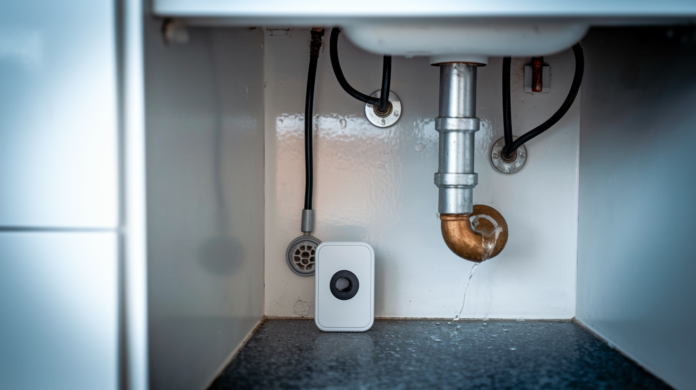

You can’t control the building’s plumbing or the weather, but you can absolutely control how much damage water does to your apartment. A neighbor’s burst pipe, a backed up drain, or a surprise storm doesn’t have to wreck everything you own. Most apartment flooding happens because small warning signs got ignored, not because of massive disasters. The good news? A few simple steps this week, like finding your water shutoff and checking under your sink, can stop thousands of dollars in damage before it starts.
Essential Steps to Protect Your Apartment from Water Damage
Preventing flood damage in apartments means watching what’s happening inside your walls and beyond your front door. Unlike houses, water in apartment buildings doesn’t respect boundaries. A burst pipe three floors up floods your bedroom. Your neighbor’s overflowing bathtub ruins your ceiling. You can’t just worry about your own unit.
Multi-unit buildings get hit from two directions. Internal failures like burst pipes, broken appliances, and clogged drains cause most apartment floods. External threats including heavy rain, hurricanes, and flash floods hit ground-floor units hardest when drainage systems can’t keep up. You need to handle both.
Actions to take this week:
-
Find your water shutoff valve. Locate the main shutoff for your unit and individual shutoffs under sinks and toilets. When water’s spraying everywhere, you need to know where these are without thinking.
-
Install water leak detectors. Battery-powered alarms go under sinks, near washing machines, dishwashers, water heaters, and in basements where problems start quietly.
-
Raise ground-floor appliances. First floor or basement? Put washers, dryers, and electrical systems on platforms to get them off the floor.
-
Seal windows and doors. Check weather stripping, caulking, and door sweeps every few months. Replace anything worn that’s letting water sneak in during storms.
-
Inspect monthly. Look under sinks, around appliances, near windows, along baseboards. You’re checking for water stains, musty smells, dampness.
-
Keep drains clear. Use drain covers, don’t pour grease down sinks, and only flush toilet paper. Clogs back up fast in apartment buildings.
-
Pack an emergency kit. Flashlight, battery radio, important documents in waterproof bags, rubber gloves, boots, emergency contacts. Keep it where you can grab it.
-
Document everything now. Take photos and videos of your apartment and belongings while they’re dry. Insurance claims need proof.
Prevention works in layers. A leak detector catches problems early. Knowing your shutoff valve stops water flow. Proper sealing keeps external flooding out. Regular inspections spot trouble before disaster. No single step prevents every flood, but together they cut your risk dramatically.
Comprehensive Plumbing and Appliance Maintenance Guide
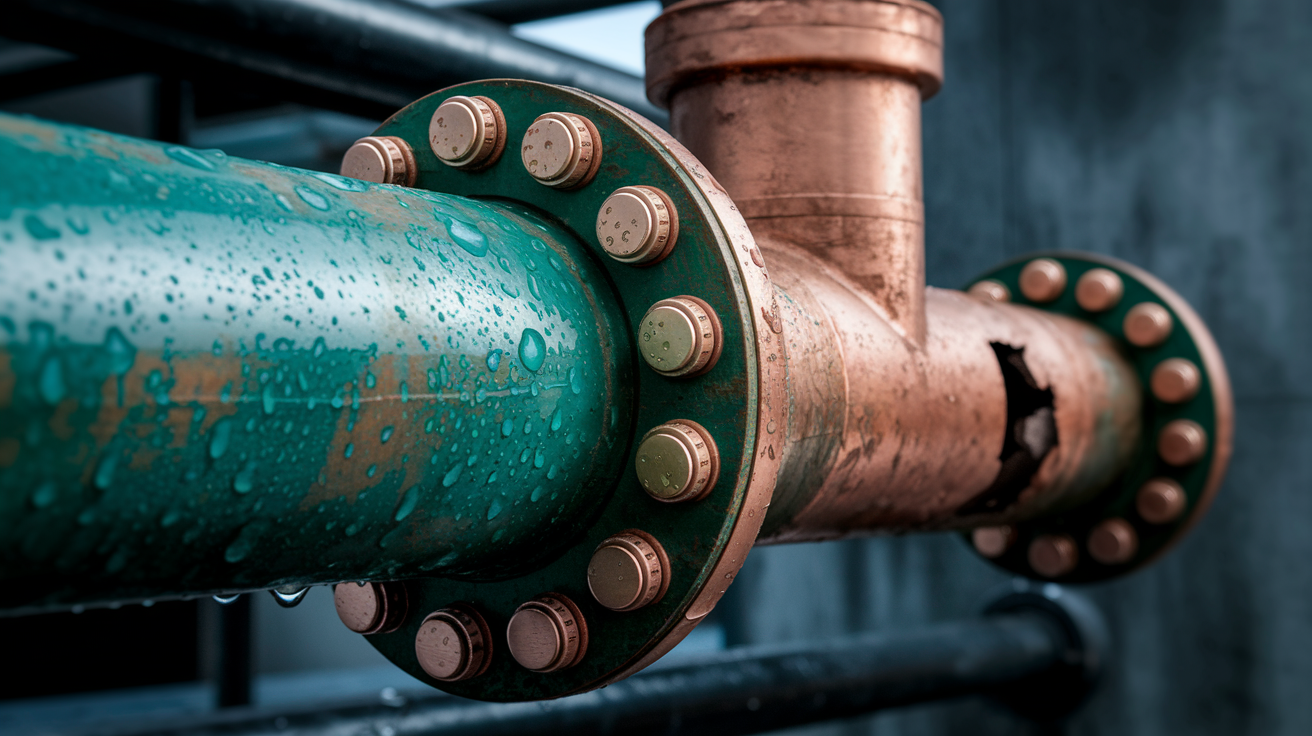
Most apartment flooding starts with plumbing or appliances you can inspect yourself. Catching small problems before they explode saves money, protects your stuff, and keeps water from migrating through walls into your neighbors’ units.
| Appliance/System | Inspection Frequency | What to Check | Warning Signs |
|---|---|---|---|
| Washing Machine | Monthly | Hoses for cracks, bulges, or leaks; connection tightness; water pooling | Damp floor, hose discoloration, loose fittings |
| Dishwasher | Monthly | Door seal condition, hose connections, floor underneath for moisture | Water on floor after cycles, musty smell, visible rust |
| Water Heater | Every 3 months | Tank for rust or corrosion, pressure relief valve, connections, floor for pooling | Rust-colored water, tank corrosion, damp floor, unusual sounds |
| Refrigerator | Every 2 months | Ice maker line, water dispenser connection, drip pan, floor underneath | Ice buildup, water pooling, loose connections |
| Air Conditioner | Monthly during use | Drain line for clogs, condensation pan, window seal | Water dripping inside, full drain pan, musty odor |
| Toilet | Monthly | Base for water, tank for cracks, supply line condition, flush mechanism | Water around base, constant running, loose supply line |
| Garbage Disposal | Monthly | Connections under sink, gasket condition, cabinet floor for moisture | Leaking connections, water in cabinet, disposal wobble |
| Pipes/Connections | Monthly | All visible pipes for corrosion, drips, or condensation; joint tightness | Green corrosion, water stains, pipe sweating, loose joints |
Burst pipes cause more apartment flooding than anything else. Freezing temperatures make pipes expand and crack, especially in exterior walls, unheated areas, and older buildings without insulation. Age weakens pipes through corrosion that eats through metal over years. Excessive water pressure stresses joints until they fail.
Prevent winter pipe bursts by wrapping exposed pipes with foam insulation sleeves. Hardware stores sell them for a few dollars. Keep cabinet doors under sinks open during cold snaps so warm air reaches pipes. Leaving for winter vacation? Keep heat at 55 degrees minimum and ask your landlord about shutting off water to your unit.
Washing machines, dishwashers, and refrigerators with ice makers flood through broken supply hoses. Washing machine hoses develop bulges, cracks, and weak spots after 3 to 5 years of pressure changes. Replace them every 5 years even if they look fine. Sooner if you spot damage. Braided stainless steel hoses last longer than rubber but still need inspection.
Dishwasher supply lines loosen over time from vibration. The door gasket deteriorates, letting water escape during cycles. Refrigerator ice maker lines are thin plastic tubes that crack easily, especially where they bend behind the appliance. Pull appliances forward twice a year to check hoses you normally can’t see.
Know where to shut off water fast when something breaks. Every sink and toilet should have individual shutoff valves on the supply lines, usually underneath or behind the fixture. Turn them clockwise to stop flow to just that fixture. Your unit should also have a main water shutoff, often near the water heater, in a utility closet, or by the front door. Can’t find it? Ask your landlord now, not during an emergency. Test shutoff valves once a month by turning them off and back on so they don’t freeze in place from corrosion.
Visual and sensory warnings that flooding’s coming:
Discoloration on walls or ceilings. Yellow, brown, or dark spots that weren’t there before. Bubbling or peeling paint and wallpaper from moisture trapped behind surfaces. Musty or moldy odors that smell like damp basements, especially in bathrooms, kitchens, or near appliances.
Standing water or persistent dampness in cabinets, on floors, around fixtures. Drains that empty slowly or make gurgling sounds. Water stains on walls, floors, or ceilings. Paint or caulk peeling around tubs, showers, and sinks.
Carpet or flooring that feels damp or spongy when you walk on it. Water meter running when all water’s off, showing a hidden leak somewhere. Appliances taking longer to complete cycles or making unusual sounds.
Check under every sink monthly. Open cabinet doors and look at the back wall, the floor of the cabinet, all visible pipes with a flashlight. Feel for dampness. Around windows, run your hand along the sill and frame after heavy rain. Near appliances like washing machines and dishwashers, look behind and underneath them every few months.
When you spot warning signs, document with photos and notify your landlord in writing immediately. Small leaks become floods when ignored. Landlords can’t fix problems they don’t know about.
Waterproofing Methods for Apartment Dwellers
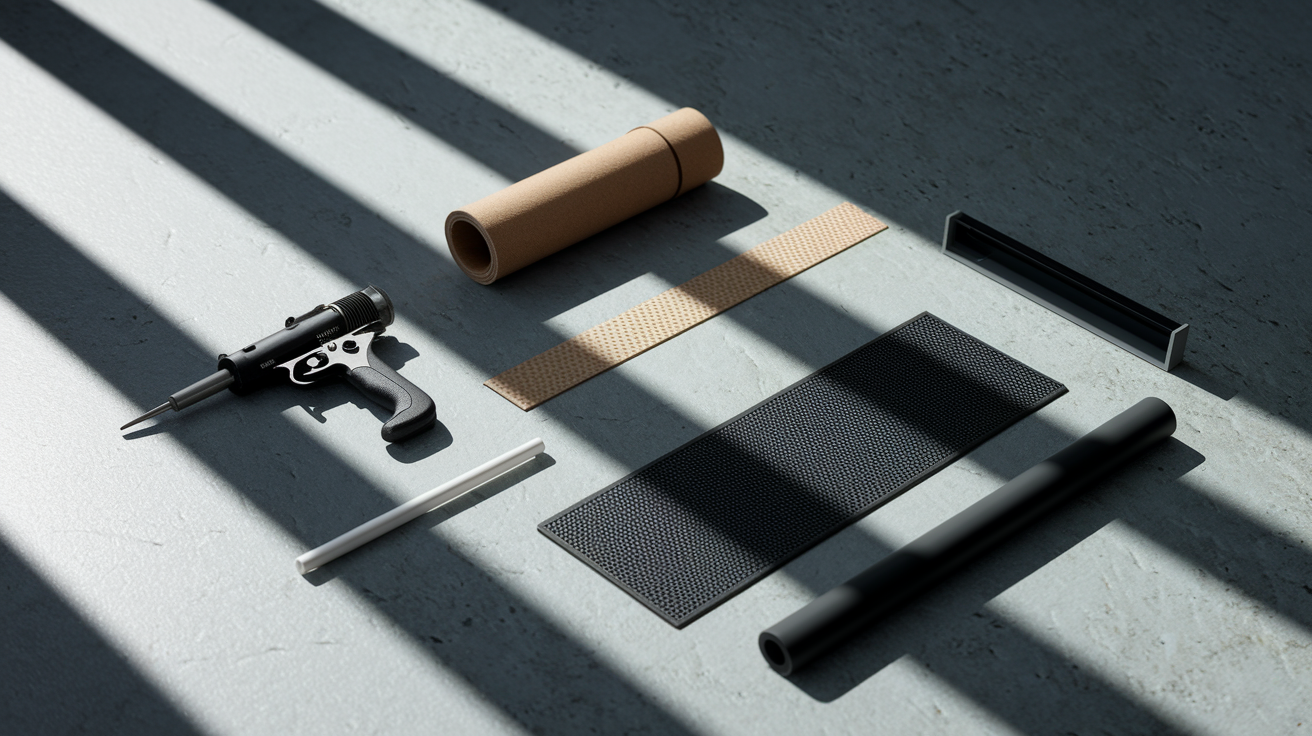
Ground-floor and basement apartments need extra protection because gravity works against you. Water flows downward, accumulating at the lowest point. That might be your living room.
Sealing Entry Points
Windows let in more than light during heavy storms. Inspect caulking around window frames twice a year. Look for cracks, gaps, or sections that pulled away from the wall. Remove old deteriorated caulk with a utility knife and apply fresh silicone caulk rated for exterior use. Weather stripping around window sashes wears out from opening and closing, creating gaps where rain enters. Replace foam or rubber weather stripping when it feels hard, cracked, or compressed flat.
Door thresholds are critical barriers against water flowing under doors. Check that door sweeps make contact with the floor across the entire width. Adjust or replace sweeps with gaps. For entry doors, exterior-grade weather stripping on the sides and top creates a seal when the door closes.
Balcony and patio doors need special attention because they often lack proper drainage. If water pools on your balcony during rain, it’ll eventually find a way inside. Make sure balcony drains are clear of leaves and debris, and that the balcony slopes slightly away from your door.
Interior Waterproofing Strategies
Protect floors in high-risk areas with waterproof mats under appliances, near entry doors, in front of sliding glass doors. Rubber-backed mats catch small leaks and splashes before they spread. For serious ground-floor flood risk, consider removable flood barriers that wedge in doorways to keep water out of bedrooms when external flooding threatens.
Elevate furniture and electronics in ground-floor apartments, especially in bedrooms and living areas most likely to flood first. Bed risers lift beds 6 to 12 inches higher. Furniture pads raise sofas and tables. Store important items and electronics on upper shelves, never on floors in basement or ground-level units.
Flood-resistant materials make a difference if you’re renovating or have landlord cooperation. Ceramic tile and sealed concrete floors withstand water better than carpet or hardwood. Pressure-treated wood, plastic, or metal furniture survives flooding that destroys particle board.
Work with your landlord on permanent improvements that protect the building and your unit. Landlords benefit from waterproofing because it reduces their repair costs and liability. Suggest improvements like better gutter systems, window upgrades, or exterior grading that directs water away from the building. As a renter, focus on temporary solutions you can take with you like door sweeps, waterproof storage containers, and removable weather stripping that don’t alter the structure.
Smart Technology and Flood Detection Systems

Water leak detectors monitor high-risk areas 24 hours a day, sounding alarms the moment moisture appears. Basic battery-powered sensors cost $10 to $30 each and sit on floors under sinks, next to water heaters, near washing machines. When the sensor contacts water, it emits a loud alarm that wakes you up or alerts you when you’re home. Place sensors in basements where you don’t go daily, under kitchen and bathroom sinks where slow leaks hide, next to any appliance connected to water supply lines.
Smart home water monitors connect to your WiFi and send alerts to your smartphone when they detect moisture, even when you’re at work or traveling. Models range from $50 to $200 per sensor and link to apps that let you monitor multiple locations simultaneously. Some systems track humidity levels and temperature, warning you about conditions that lead to frozen pipes or mold growth. The notification reaches you within seconds, giving you time to shut off water remotely or call your landlord before a small leak becomes a flood.
Automatic water shutoff systems close your main water valve when sensors detect leaks, stopping flooding even when nobody’s home. These systems require professional installation and landlord approval because they connect to your main supply line. Costs range from $400 to $800 installed, but they prevent thousands in flood damage. Some systems learn your water usage patterns and detect unusual flow that indicates burst pipes or running toilets.
Dehumidifiers control moisture in humid climates or poorly ventilated apartments, preventing condensation that damages walls and encourages mold. Run dehumidifiers in bathrooms without exhaust fans, damp basements, and during humid summer months.
| Technology | Installation Location | Benefit |
|---|---|---|
| Basic Flood Sensors | Under sinks, near water heaters, next to washing machines, in basements | Loud alarm alerts you immediately when water appears |
| Smart Water Alarms | Same as basic sensors plus behind toilets, near dishwashers, by hot water tanks | Smartphone notifications even when you’re away from home |
| WiFi Leak Monitors | Throughout apartment in all high-risk areas, with central hub | Track humidity, temperature, and moisture across multiple rooms simultaneously |
| Automatic Shutoff Valves | Main water supply line entering your unit | Stops all water flow when leak detected, preventing flooding when nobody’s home |
| Dehumidifiers | Bathrooms, basements, kitchens, laundry areas with poor ventilation | Reduces humidity that causes condensation, mold, and material deterioration |
Drainage System Protection and Clog Prevention
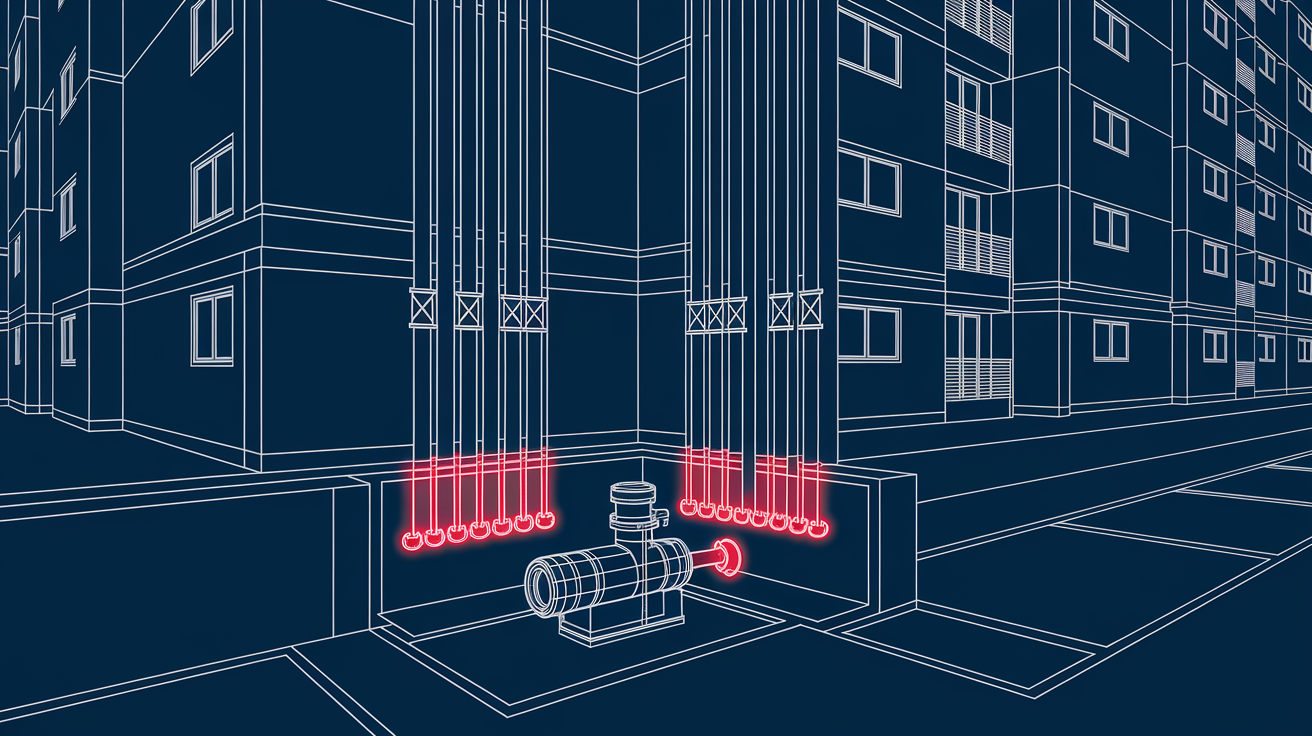
Your apartment has two drainage systems working to remove water. Individual unit drains serve your sinks, tubs, showers, and toilets, carrying waste water to building lines. Building-wide drainage handles roof runoff, foundation water, and storm water through gutters, downspouts, and underground systems.
Multi-level apartment buildings depend on gravity and functioning drains to move water down and out. When drains clog anywhere in the stack, water backs up into lower units. A clogged drain on the fifth floor can cause sewage to bubble up through first-floor toilets and tubs.
Critical drain care practices:
Never pour cooking grease, oil, or fat down kitchen sinks. It solidifies in pipes and catches other debris. Use mesh drain covers in tubs and showers to catch hair before it enters pipes. Flush only toilet paper and human waste. Never “flushable” wipes, cotton swabs, dental floss, or feminine products.
Run hot water down kitchen drains after washing dishes to help clear grease residue before it hardens. Clean bathroom drain covers weekly, removing accumulated hair and soap buildup by hand. Dispose of grease by letting it solidify in a container, then throwing the container in the trash.
Building-level drainage includes gutters that collect roof runoff and downspouts that carry it to ground level. Clogged gutters overflow, pouring water down exterior walls where it seeps through windows, penetrates foundations, and floods ground-floor apartments. Downspouts that dump water too close to the building send it into basements and crawl spaces. Landlords maintain these systems, but you should report clogged gutters, disconnected downspouts, or standing water around the building foundation.
Sump pumps in basements remove water that accumulates below ground level before it floods living areas. These pumps sit in pits that collect groundwater and automatically pump it outside when water reaches a certain level. Test your sump pump monthly by pouring water into the pit until the float rises and activates the pump. If it doesn’t turn on or sounds unusual, notify building maintenance immediately.
Floor drains in basements, laundry rooms, and utility areas provide overflow protection when water enters these spaces. Keep floor drains clear of storage items, debris, and dirt that can block them when you need them most. Pour a bucket of water down floor drains monthly to keep the trap full and prevent sewer gases from entering your apartment.
Understanding Tenant Responsibilities vs. Landlord Obligations
Most preventable apartment flooding happens because someone didn’t know their job. Tenants assume landlords will catch everything. Landlords expect tenants to handle basic maintenance. Water doesn’t care who’s responsible. It flows.
What Tenants Must Handle
You own the small stuff that causes big problems. Keep drains clear by using drain covers and avoiding grease disposal in sinks. Report leaks, drips, and water damage to your landlord in writing immediately, with photos if possible. Delayed reporting turns minor leaks into major floods and may make you liable for damage that grows worse because you didn’t speak up.
Maintain appliances you own including window air conditioners, portable dishwashers, and any equipment you brought into the apartment. If your washing machine floods the building, you’re responsible even though the landlord owns the building. Prevent negligent damage like overflowing tubs, clogged toilets from improper flushing, and hose disconnections you caused.
Secure renters insurance that covers your personal property because your landlord’s insurance won’t replace your belongings when flooding happens.
What Landlords Must Provide
Landlords maintain building structure including roofs, walls, foundations, windows, and doors that keep water out. They repair and replace plumbing systems, fix leaking pipes, and address drainage problems that affect the building. Common area maintenance falls to landlords including hallway plumbing, building drainage systems, gutters, and sump pumps that serve multiple units.
When you report maintenance issues in writing, landlords must respond within reasonable timeframes that vary by local law. Structural repairs and plumbing failures typically require faster response than cosmetic issues. If flooding makes your apartment uninhabitable with no working bathroom, extensive water damage, or dangerous mold growth, you should not pay rent until repairs restore the unit to livable condition. Local tenant laws define uninhabitable conditions and your rights during repairs.
Document all communication with your landlord about water problems. Send maintenance requests by email or text so you have written proof of when you reported the issue. Take dated photos of problems when you first notice them and after they worsen if repairs are delayed. This documentation protects you if disputes arise about responsibility, supports insurance claims, and establishes timelines that matter for liability.
The majority of renters don’t receive information about flood dangers according to NPR, so you have to educate yourself and communicate clearly with landlords about prevention needs.
Insurance Coverage for Flood Damage in Apartments
Standard renters insurance covers sudden and accidental water events like burst pipes, washing machine hose failures, water heater leaks, and appliance malfunctions. When a pipe freezes and breaks overnight, flooding your apartment with no warning, renters insurance typically pays to replace damaged clothing, furniture, electronics, and other personal property. It excludes gradual damage from slow leaks you should have noticed and reported. It excludes natural disaster flooding from hurricanes, heavy rain, and storm surge.
Landlord insurance protects the building structure including walls, floors, ceilings, and permanent fixtures, but it doesn’t cover your personal belongings. When the apartment above you floods your unit, the landlord’s insurance pays to repair your ceiling, walls, and flooring. Your renters insurance pays to replace your damaged sofa, laptop, and clothes. Understanding this division prevents surprise when you file claims and find out whose policy covers what.
Separate flood insurance becomes necessary for apartments in flood zones or areas with high natural disaster flood risk. Both tenants and property owners need their own flood insurance policies because standard homeowners and renters policies exclude natural flooding. Flood insurance through the National Flood Insurance Program covers water damage from hurricanes, heavy rain, storm surge, and overflowing rivers or lakes. Policies take 30 days to activate after purchase, so buy coverage before storm season starts, not when a hurricane’s in the forecast.
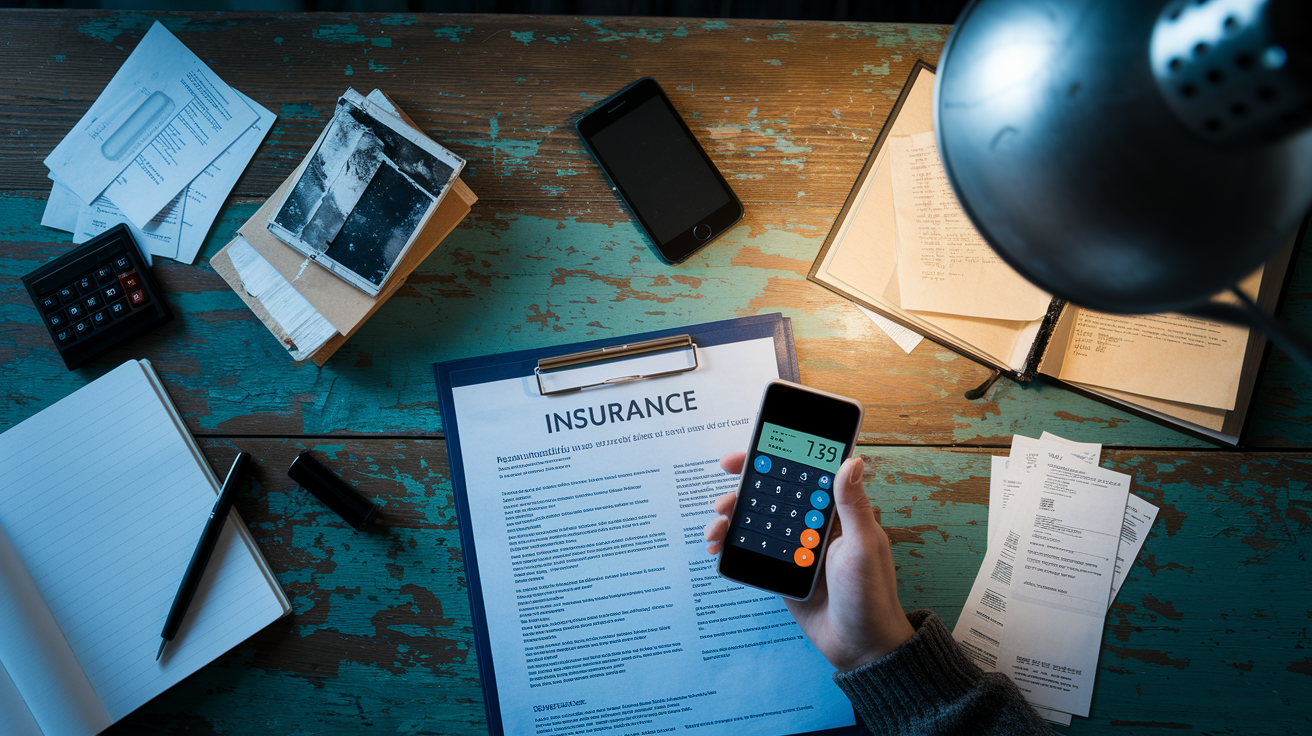
Documentation determines whether your claim gets paid quickly or rejected. The moment water enters your apartment, start recording everything. Take photos and videos showing water levels, damaged areas, and affected belongings before you start cleanup. Insurance adjusters need to see the extent of damage to approve claims. Detailed documentation also prevents disputes about what got damaged and how much it was worth.
Essential documentation for insurance claims:
Date and time the flooding started, plus when you discovered it if it happened while you were away. Water source identification like burst pipe location, appliance failure, or external flooding entry point. Photos and videos of all affected areas including floors, walls, ceilings, and damaged rooms from multiple angles.
Itemized list of damaged belongings with descriptions, approximate ages, and estimated replacement costs. Receipts, photos, or other proof of ownership and value for expensive items like electronics and furniture. Written communication with landlords and property managers about the incident and repair coordination. Temporary living expenses if flooding makes your apartment uninhabitable and you need a hotel.
Emergency Response: Preparation Through Active Flooding
Flooding happens fast. Middle of the night. While you’re at work. During dinner. Having supplies ready and knowing what to do first saves lives and property.
Apartment dwellers face unique emergency challenges. You might need to alert neighbors below you. Building management might control main shutoffs. Evacuation routes could flood or get blocked by other residents.
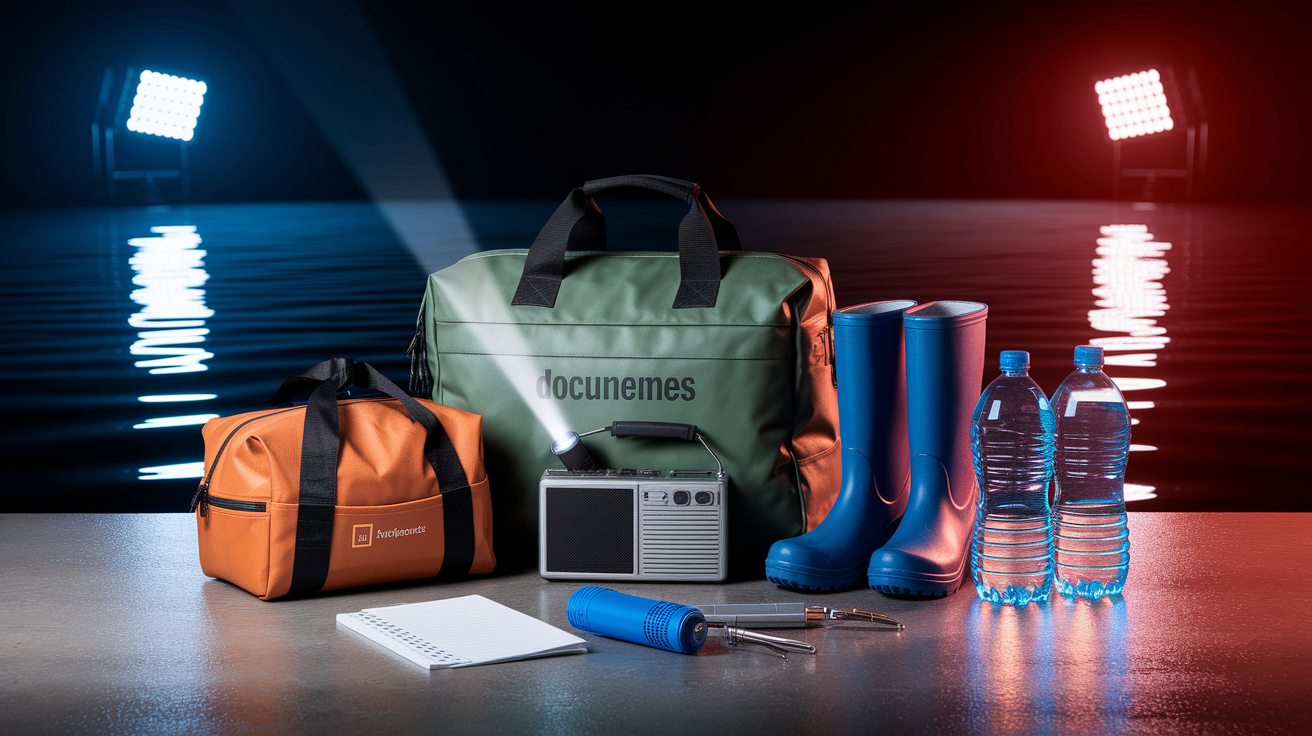
Essential emergency kit items to keep accessible:
Battery-powered flashlight with extra batteries because flooding often cuts electricity. Battery or hand-crank emergency radio for weather alerts when cell service fails. First aid supplies including bandages, antiseptic, pain relievers, and any prescription medications.
Emergency contacts list with landlord, property manager, insurance agent, and local emergency services written on waterproof paper. Important documents stored in waterproof bags including lease agreement, insurance policies, identification, and bank information.
Protective gear including rubber gloves and waterproof boots for safe cleanup of contaminated floodwater. Basic tools including adjustable wrench for shutting off water valves, screwdrivers, and utility knife. Portable phone charger or power bank because your phone becomes your lifeline during emergencies.
Drinking water in sealed bottles, at least one gallon per person for 3 days. Non-perishable food that doesn’t require cooking like granola bars, canned goods with pull-top lids, and dried fruit.
Plan evacuation routes before flooding threatens. Identify two ways out of your apartment in case one gets blocked by water. Know where stairs are located because elevators fail during floods. Choose a meeting location outside the building where household members can reunite if you get separated. Keep emergency contacts for neighbors, building management, and out-of-town family members programmed in your phone and written in your emergency kit. Coordinate with elderly neighbors or those with mobility limitations who might need help evacuating.
Immediate actions when flooding occurs, in order:
Shut off electricity at the main breaker if water reaches outlets, appliances, or electrical panels to prevent electrocution, but only if you can reach the breaker safely without stepping in water.
Stop the water source by closing the shutoff valve at the fixture or your main water supply if the flooding comes from plumbing inside your unit.
Alert your landlord and property manager immediately by phone call and text message. Notify downstairs neighbors if water’s flowing through your floor.
Document everything with photos and videos before you start moving items or cleaning up, capturing water levels and damage from multiple angles.
Move furniture, electronics, and valuables to higher ground like beds, tables, or upper shelves to minimize damage while water’s still spreading.
Begin water removal using wet/dry vacuum, mops, buckets, or towels to stop water from spreading further and soaking more materials.
Protect critical items by placing important documents, medications, and irreplaceable belongings in waterproof bags or moving them to dry areas.
Contact emergency services if water rises rapidly, you smell gas, you see electrical sparking, or anyone is injured or trapped.
Protect electronics by unplugging them immediately if they aren’t already underwater. Move them to the highest dry surface available, like upper shelves, countertops, or beds you’ve raised on furniture risers. Never touch electrical devices while standing in water. Elevate furniture by stacking it on blocks, placing chairs on tables, or moving smaller pieces onto larger ones. Waterproof covering using plastic sheeting or tarps helps, but moving items completely out of water’s path works better.
Decide between sheltering in place and evacuating based on water level, rising speed, and external conditions. If water’s rising slowly from a controlled source like a broken pipe you’ve shut off, you can likely shelter and begin cleanup. If water’s rising fast from external flooding, reaching higher than your ankles, or if weather forecasts predict worsening conditions, evacuate to higher floors or leave the building entirely.
Check Flood Evacuation Timing and Decision Tips for guidance on when to leave versus when to stay. Floodwater contains bacteria, sewage, chemicals, and sharp debris requiring rubber boots and gloves for any contact. Never wade through moving floodwater that can knock you down or contaminated standing water without protective gear.
Post-Flood Cleanup and Mold Prevention

Mold grows faster than most people realize. Within 24 to 48 hours after flooding, mold spores start colonizing wet materials. Once established, mold spreads quickly and creates health hazards that make apartments uninhabitable. Speed matters more than perfection in the first two days.
| Cleanup Phase | Timeline | Actions Required |
|---|---|---|
| Immediate Water Removal | First 24 hours | Remove standing water using mops, buckets, wet/dry vacuums; open windows for ventilation |
| Drying Process | 24 to 72 hours | Run fans, dehumidifiers; remove wet materials; open cabinets; increase air circulation throughout unit |
| Sanitizing | After surfaces are dry | Clean all affected surfaces with bleach solution or disinfectants; dispose of contaminated porous materials |
| Final Inspection | 7 days after flooding | Check for hidden moisture with moisture meter; inspect for mold growth; verify complete drying |
Start water removal the moment it’s safe to enter your apartment. Use wet/dry vacuums designed for water pickup, or mop and bucket for smaller amounts. Work from the highest concentration toward exits, pushing water toward drains or doorways. Towels and mops soak up shallow water, but you’ll need to wring them frequently and have collection buckets ready. Remove area rugs and soaked materials immediately because they hold moisture against floors and walls. The faster you remove standing water, the less it penetrates porous materials like drywall, subflooring, and furniture.
Proper drying requires more than waiting for surfaces to look dry. Run multiple fans pointed at wet areas to move air constantly across surfaces. Position fans to create cross-ventilation from windows and doorways. Dehumidifiers pull moisture from the air, preventing it from reabsorbing into materials. Empty dehumidifier reservoirs frequently because they fill fast in humid conditions. Open all cabinet doors, closet doors, and drawers in affected areas so air reaches hidden surfaces. Pull furniture away from walls to dry both sides. Drying takes 2 to 5 days depending on materials, ventilation, and how thoroughly they got soaked.
Sanitizing prevents bacterial growth and health hazards from contaminated floodwater. Mix 1 cup of bleach per gallon of water and wipe down all hard surfaces including walls, floors, countertops, and furniture that got wet. Bleach solution kills bacteria, pathogens, and mold spores, but only use it on non-porous surfaces like tile, sealed wood, and metal.
For porous materials like drywall and insulation, disinfecting doesn’t eliminate contamination. Items soaked in floodwater including carpets, mattresses, upholstered furniture, and stuffed children’s toys need disposal because they absorb harmful bacteria and chemicals that can’t be fully cleaned.
Check Mold Prevention and First 48 Hours Damage Control for detailed timelines and techniques. Untreated water damage leads to mold colonies that spread through walls, compromise air quality, and create respiratory problems requiring expensive professional remediation.
When to Call Professional Restoration Services
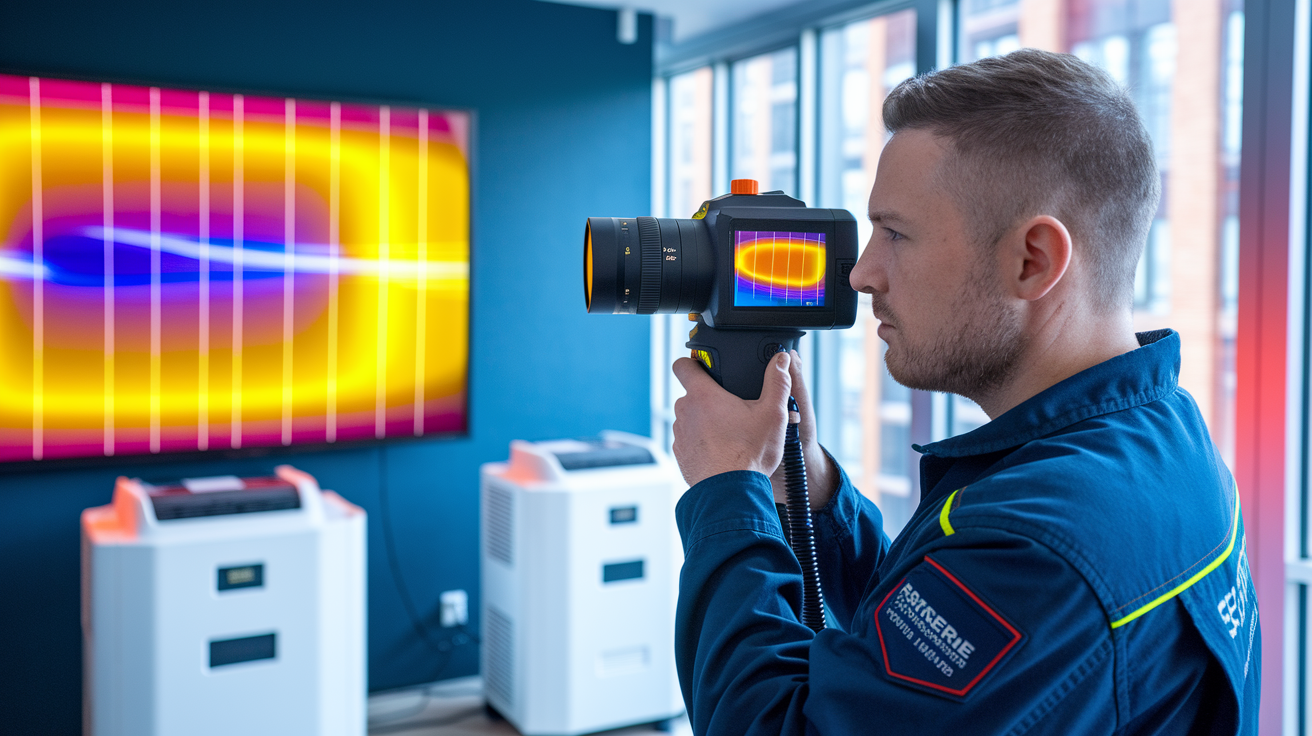
Some flooding situations exceed what mops and fans can handle. When water covers more than one room, soaks through flooring into subflooring, rises higher than baseboards, or comes from contaminated sources like sewage backup, professional restoration becomes necessary. Structural concerns including sagging ceilings, bulging walls, or warped floors require expert assessment because hidden damage might compromise building safety. If you spot mold growth already established, especially black mold covering areas larger than a few square feet, professionals have equipment and protective gear to remove it safely without spreading spores throughout your apartment.
Professional water damage restoration companies use industrial-grade equipment unavailable to typical residents. Truck-mounted water extractors remove thousands of gallons faster than any shop vacuum. Commercial dehumidifiers pull 10 times more moisture from air than home units. Infrared cameras detect hidden water in walls and under floors you can’t see. Air movers create focused airflow that dries materials from the inside out. Moisture meters measure exact water content in building materials so professionals know when drying’s complete, not just when surfaces feel dry. These tools prevent incomplete drying that leads to mold weeks later after you thought everything was fine.
Restoration services coordinate directly with insurance companies to document damage, justify repair costs, and streamline claims processes. They photograph conditions, create moisture maps, and provide detailed estimates insurance adjusters recognize as legitimate. This coordination improves claim outcomes because restoration professionals speak the language adjusters understand and document damage in formats insurers require. Many companies bill insurance directly, so you don’t pay thousands upfront while waiting for claim reimbursement. The relationship between restoration companies and insurers speeds approvals and reduces disputes about covered repairs.
Fast professional drying actually saves money compared to incomplete DIY attempts. Mold remediation costs $2,000 to $6,000 for moderate cases. Replacing subflooring ruined by inadequate drying runs $3,000 to $8,000. Professional restoration for the same flooding might cost $1,500 to $3,000 but prevents those larger expenses. Proper documentation from professionals strengthens insurance claims, potentially covering costs that insurers might dispute if you handled cleanup yourself without proof of professional-grade drying.
Time matters too because professionals complete in 3 to 5 days what takes homeowners 2 to 3 weeks, getting you back to normal life faster and reducing business losses if you work from home.
Protecting Against Neighbor-Caused Flooding Incidents
Your perfect plumbing maintenance means nothing when the apartment above you floods. Overflowing bathtubs, washing machine failures, and burst pipes three floors up pour water into your living space with no warning and no way for you to stop it at the source.
Common neighbor-caused scenarios include upstairs residents who leave water running and forget about it, fall asleep while filling tubs, or install washing machines incorrectly with loose hose connections. Burst pipes in adjacent units spray water through shared walls directly into your closets and bedrooms. Toilet overflows from clogs dump contaminated water through ceilings into units below. Common area plumbing failures in hallways, utility closets, or shared laundry rooms flood multiple apartments simultaneously.
Lower floor apartments bear the heaviest burden from neighbor flooding because gravity delivers water from every unit above. A small leak on the tenth floor might not affect the ninth but could soak through and flood the second floor after accumulating through multiple ceilings and wall cavities.
Proactive steps to reduce neighbor-caused flooding:
Build relationships with neighbors directly above and beside you, exchanging phone numbers for emergency contact when flooding starts. Coordinate with building management to organize tenant meetings about flood prevention, appliance maintenance, and shared responsibilities. Understand your building’s plumbing layout including which units share vertical plumbing stacks that can transmit flooding between floors.
Participate in or request tenant education sessions about proper drain care, appliance maintenance, and early leak reporting. Know building emergency protocols including who to call when flooding originates in another unit and how building management coordinates shutoffs.
When neighbor negligence floods your apartment, documentation becomes critical for determining liability and insurance coverage. Take photos and videos immediately showing water source, entry points, and damage. Note the time flooding started and when you contacted the neighbor and building management.
Your renters insurance covers your damaged belongings regardless of who caused the flood, but your insurance company may pursue the negligent neighbor’s liability coverage to recover costs. If the neighbor rented their unit, their renters insurance should cover liability for damage they cause to other apartments. If they own their unit, their condo insurance includes liability coverage. Document everything in writing to support claims and potential liability disputes that determine who ultimately pays for repairs and replacement.
Seasonal Flood Prevention Strategies
Flood risks shift with seasons. Winter brings frozen pipes. Spring delivers heavy rainfall. Summer brings hurricanes and flash floods. Fall requires preparation before winter returns. Adapting your prevention throughout the year keeps you ahead of changing threats.
Winter and Frozen Pipe Prevention
Protect pipes from freezing by insulating any exposed plumbing in unheated areas including exterior walls, under sinks on outside walls, and in unheated storage areas. Foam pipe insulation costs $1 per foot and prevents thousands in burst pipe damage. Maintain indoor temperatures at 55 degrees minimum even when you’re away for winter vacations. Open cabinet doors under sinks during extreme cold so warm air reaches pipes.
Final Words
Apartment flood damage prevention works best when you combine small daily habits with smart preparation.
Check those hoses. Know where your shutoff valve is. Put leak detectors in the right spots. Seal your windows before storm season hits.
And keep that emergency kit ready, because flooding doesn’t wait for perfect timing.
Most apartment floods come from boring stuff like old washing machine hoses and clogged drains, not dramatic disasters. That’s actually good news, because it means you can stop most problems before they start.
Take one step this week. Then another next week. You’ll build protection without the stress.
FAQ
Q: What can I do if my apartment keeps flooding?
A: If your apartment keeps flooding, immediately notify your landlord in writing, document each incident with photos, identify the water source (plumbing, drainage, or external), and request permanent repairs. Install water alarms in high-risk areas and consider breaking your lease if conditions remain unsafe after documented repair requests.
Q: How can I protect my apartment from flooding?
A: You can protect your apartment from flooding by locating your water shutoff valve, installing leak detectors under sinks and near appliances, sealing windows and doors, elevating ground-floor appliances, maintaining monthly inspection routines, and keeping drains clear. Prevention requires both internal awareness and external waterproofing.
Q: Does renters insurance cover apartment flooding?
A: Renters insurance typically covers sudden water events like burst pipes and appliance leaks but excludes natural disaster flooding. You’ll need separate flood insurance for hurricane or heavy rain damage. Standard renters insurance protects your belongings, while landlord insurance only covers building structure.
Q: Can you break a lease if your apartment keeps flooding?
A: You can break a lease if your apartment keeps flooding and becomes uninhabitable, especially after documented repair requests go unaddressed. Stop paying rent when flooding makes the unit unsafe, notify your landlord in writing about each incident, and consult local tenant laws regarding habitability requirements and lease termination rights.
Q: When should I call professional restoration services after apartment flooding?
A: You should call professional restoration services when flooding involves extensive water damage, contaminated water sources, visible mold growth, structural concerns, or damage beyond simple cleanup. Professionals have specialized drying equipment and coordinate directly with insurance companies to streamline claims and prevent long-term damage.
Q: How do I prevent frozen pipes in my apartment during winter?
A: You can prevent frozen pipes in your apartment by insulating exposed pipes, maintaining indoor temperatures above 55 degrees even when away, opening cabinet doors under sinks during extreme cold, and letting faucets drip slightly during freezing weather. Coordinate with your landlord on exterior pipe protection.
Q: What warning signs indicate my apartment might flood?
A: Warning signs that indicate your apartment might flood include wall or ceiling discoloration, bubbling paint, musty odors, standing water under sinks, slow drains, water stains, damp carpets, unusual water meter activity, and appliance performance issues. Check under sinks, around windows, and near appliances monthly.
Q: How quickly does mold develop after apartment flooding?
A: Mold can develop within 24 to 48 hours after apartment flooding, making immediate water removal and drying essential. Start cleanup immediately using wet/dry vacuums, fans, and dehumidifiers. Open windows for ventilation and contact your landlord right away to prevent health hazards and additional damage.
Q: What’s the difference between tenant and landlord flood prevention responsibilities?
A: Tenants handle routine drain care, immediate leak reporting, maintaining their own appliances, preventing negligent damage, and securing renters insurance. Landlords must provide structural maintenance, plumbing system upkeep, building drainage, common area maintenance, and timely repairs when issues are reported. Document all maintenance requests.
Q: How do I protect my apartment from neighbor-caused flooding?
A: You can protect your apartment from neighbor-caused flooding by building relationships with adjacent neighbors, coordinating with building management on preventive maintenance, understanding shared plumbing layout, documenting any incidents with photos, and knowing emergency shutoff valve locations. Lower floor apartments face higher risk from upstairs leaks.
Q: What items should I include in an apartment flood emergency kit?
A: Your apartment flood emergency kit should include a flashlight, battery radio, first aid supplies, emergency contacts list, waterproof document storage, rubber gloves and boots, basic tools, portable phone charger, drinking water, and non-perishable food. Keep protective gear accessible for contaminated floodwater.
Q: Are ground floor apartments at higher flood risk?
A: Ground floor apartments face higher flood risk during heavy rain, hurricanes, and flash floods when drainage systems become overwhelmed. Elevate appliances and electrical systems, install water alarms near entry points, seal doors and windows properly, and understand your building’s drainage infrastructure to reduce damage potential.
Q: What should I do immediately when my apartment starts flooding?
A: When your apartment starts flooding, shut off electricity at the main breaker first, identify and stop the water source, notify your landlord and neighbors immediately, document damage with photos, move furniture and electronics to higher ground, and begin water removal. Contact emergency services if water rises quickly.
Q: How can I detect water leaks early in my apartment?
A: You can detect water leaks early by installing water alarms under sinks and near appliances, checking for wall discoloration and bubbling paint, listening for running water sounds when fixtures are off, monitoring your water meter for unusual activity, and inspecting pipe connections monthly for moisture or corrosion.
Q: What flood prevention maintenance should I do monthly in my apartment?
A: Monthly flood prevention maintenance includes checking under sinks for leaks, inspecting washing machine and dishwasher hoses, testing toilet connections, cleaning drain covers, examining window and door seals, looking for wall discoloration, checking appliance water lines, and ensuring floor drains remain clear and functional.