

You think you’ve got time to figure this out when water’s rising? You don’t. Most people wait too long because they have no idea how fast flooding actually moves or when they should’ve already been gone. Here’s the reality: flash floods give you 0 to 30 minutes, river floods maybe 6 to 24 hours, and coastal storms 12 to 48 hours before surge hits. But those windows shrink fast once you add kids, pets, traffic, and bad decisions. This guide breaks down exactly when to leave based on flood type, warning levels, and your actual situation so you’re not guessing when it matters most.
Evacuation Timeframes By Flood Type
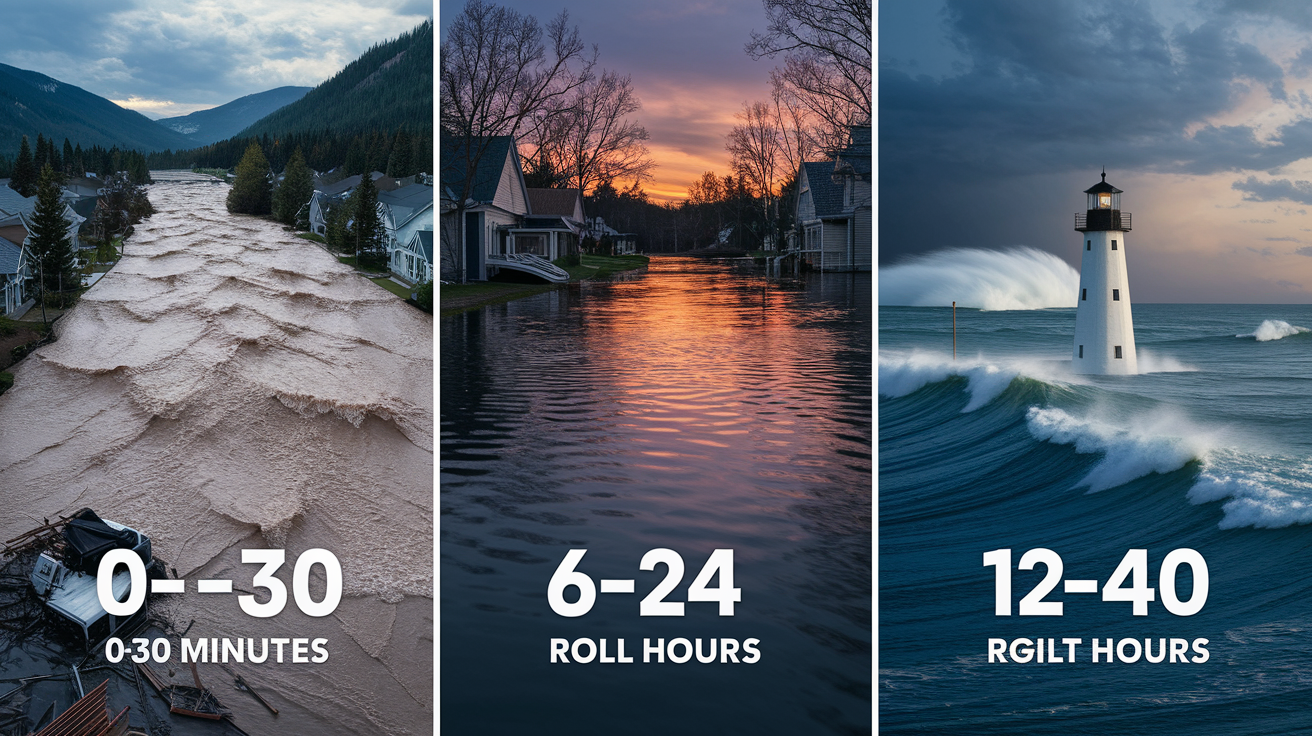
Flash floods give you maybe 0 to 30 minutes. River floods? You’re looking at 6 to 24 hours, sometimes more. Coastal flooding can offer 12 to 48 hours warning if there’s a hurricane coming. Your evacuation timeline depends entirely on what type of flood you’re dealing with and how good the warning systems are where you live.
Flash floods are straight up the most dangerous because they show up fast. You might get zero warning. The moment you hear “flash flood warning,” you grab your people and go. Don’t think about packing, don’t worry about your stuff, just move to higher ground. This happens a lot in mountains, cities with bad drainage, and near small rivers that blow up during heavy rain.
River flooding gives you more breathing room. Water rises upstream first, so you can watch forecasts, pack methodically, lock up your house, and leave while it’s still light out. But here’s the thing. Just because you have 6 to 24 hours doesn’t mean you should wait. Once officials tell you to go, go. Don’t burn through your head start.
Coastal flooding from hurricanes can give you a couple days notice. That’s plenty of time to get out before the storm hits. But when the storm actually arrives, water can rise several feet in under an hour. The trick is finishing your evacuation before the storm gets there, not during. Storm surge doesn’t wait for you to make up your mind.
Understanding Flood Warning Systems and Emergency Alerts

If you’re paying attention to warning systems and monitoring conditions yourself, you can pick up an extra 2 to 6 hours before officials tell everyone to leave.
Flood watch means flooding’s possible. Monitor the weather and get ready to move. Flood warning means it’s happening now or about to. That difference matters. During a watch, review your plan, pack your bag, fill up the car, stay alert. When a warning hits, you need to be out the door within the hour.
Mandatory evacuation means you legally have to leave. It’s not a suggestion. Voluntary evacuation means they recommend it but won’t force you. A lot of people hear “voluntary” and decide to stay. Bad idea. Voluntary orders usually turn mandatory just a few hours later. Leaving during voluntary gives you more time, clearer roads, and daylight.
-
Flood Watch – Flooding’s possible in 12 to 48 hours. Review your plan, gather supplies, watch conditions. You’ve got 12 to 48 hours.
-
Flood Warning – Flooding is happening or will happen soon, usually in 6 to 12 hours. Take action now. You’ve got 6 to 12 hours.
-
Flash Flood Warning – Life threatening flooding is happening right now or within minutes. Get to higher ground immediately. You’ve got 0 to 30 minutes.
-
Mandatory Evacuation Order – You must leave now. Staying puts your life at risk and keeps responders from helping others. This is legally required.
-
Voluntary Evacuation Advisory – Officials recommend leaving, especially vulnerable people. Treat this like a serious warning. Things can go sideways fast.
-
NOAA Weather Radio – 24/7 monitoring with automatic alerts for your county. You’ll get warnings even if you’re asleep.
-
National Weather Service Mobile Alerts – Turn on Wireless Emergency Alerts on your phone. Download your local emergency app for real time updates.
You can learn to read weather data yourself and figure out when evacuation orders are coming before they’re official. Check river gauges, rainfall totals, storm tracks. Use the FEMA Flood Map Service Center to check flood risk for your exact address. If you see rain over 2 inches per hour, rivers hitting flood stage, or hurricane surge forecasts for your zone, you can decide to leave hours before everyone else gets the order.
Leaving early on your own schedule instead of waiting for official orders can give you 4 to 12 extra hours. Less traffic. Better routes. Hotel rooms still available. Daylight. You don’t need permission to leave early.
Critical Factors That Reduce Available Evacuation Time
Where you live affects how fast you need to move. Flood zone, low area, within a quarter mile of a river or coast? Water’s going to reach you faster. Figure out where higher ground is and how long it takes to get there. If your safe spot is 30 minutes away in normal traffic, assume 60 to 90 minutes during an evacuation when everyone’s on the road.
Your personal situation can triple normal evacuation time. Single adult with a packed bag and full tank? Maybe 15 minutes. Family with kids, elderly parents, pets, medical equipment, or someone with mobility issues? 45 minutes to 2 hours just to get everyone in the car. Don’t own a car? Need help from neighbors? Add even more time. Plan for your actual life, not some perfect scenario.
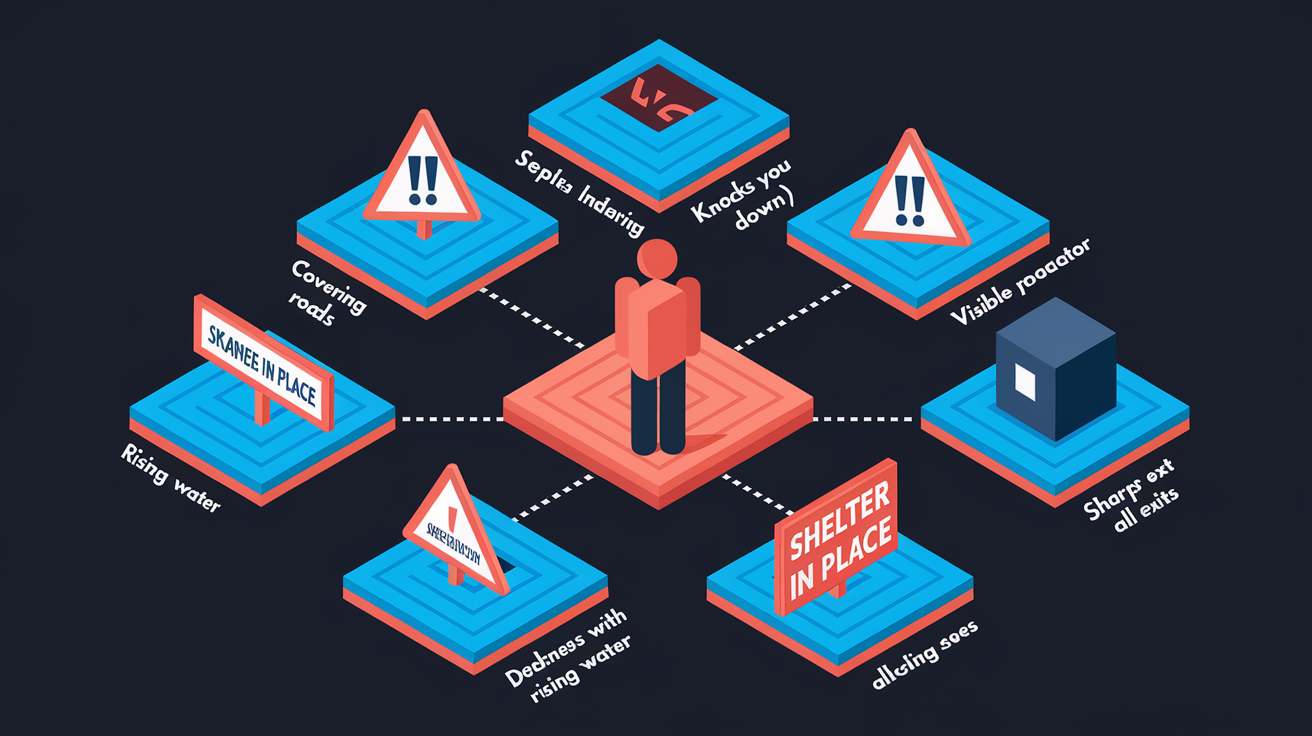
Sometimes sheltering in place is safer than trying to evacuate. If water’s already rising around your house or blocking your route, going upstairs beats trying to drive through floodwater. Six inches of fast moving water can knock you down. Twelve inches can carry a car away.
Six signs evacuation isn’t safe anymore:
- Water covering roads or your planned route
- Water at 6 inches (knocks people down) or 12 inches (floats vehicles)
- Visible current moving debris
- Darkness plus rising water (can’t see depth or hazards)
- Official shelter in place orders
- Standing water blocking all exits
If you’re trapped, move to the highest floor. Call 911. Hang a bright cloth from an upper window to signal for help. Never drive through flooded roads. Never walk into moving water. Never use elevators during flooding because power failures can trap you.
What To Do In The First 30 Minutes of an Evacuation Order

The first 30 minutes? Grab and go mindset. Safety only. Not protecting property, not packing perfectly.
Pre packed bags save you 15 to 20 minutes of panicked decision making. If your go bag’s ready with water, food, first aid, flashlight, radio, and waterproof copies of important documents, you just grab it and leave.
Priority actions in order, first 30 minutes:
-
Alert everyone – Wake them up, announce evacuation, assign tasks if there’s time (2 minutes)
-
Grab emergency bags – One per person or the family kit (1 minute)
-
Important documents – Birth certificates, insurance, medical records in waterproof bag (3 minutes)
-
Medications – All prescriptions, medical devices, week’s supply if possible (3 minutes)
-
Pets and carriers – Secure pets with leashes, food, vaccination records (5 to 10 minutes)
-
Fill water container – Large jug or several bottles for the car (2 minutes)
-
Phone chargers – Cell phones, tablets, battery packs (1 minute)
-
Lock and leave – Secure your home and drive to your safe location (1 minute)
Don’t waste time on photos, heirlooms, extensive packing, or trying to protect stuff. You can’t save your belongings if you don’t survive. Furniture and electronics can be replaced. Trying to move valuables upstairs or sandbag doors has gotten people trapped in rising water. When they say leave now, they mean now.
Evacuation Timing for Families With Special Needs

Households with infants, seniors, or medical equipment need 2 to 3 times normal evacuation time. Start preparing when a flood watch is issued, not when a warning hits. Packing for an infant means diapers, formula, bottles, meds, comfort items. Seniors might move slower, need extra medication, use walkers or wheelchairs that complicate loading. Medical equipment like oxygen, CPAP, or portable dialysis needs careful packing with backup power.
Pet owners add 15 to 45 minutes to departure time. Multiple animals, carriers, food, meds, vet records. Cats hide when they sense stress. Loading several pets into carriers during a rushed evacuation takes longer than you think. Keep carriers, leashes, two weeks of food, medications, vaccination records, and recent photos in case pets get lost.
If you have mobility issues, evacuate during voluntary orders. Don’t wait for mandatory when roads jam up and assistance gets limited. Wheelchair, walker, trouble with stairs? Leaving early gives you time to navigate obstacles, request accessible transportation, reach shelter before it fills.
Medical dependency on oxygen, dialysis, meds, or life sustaining treatments? Coordinate with emergency services ahead of time and leave earlier than everyone else. Contact your equipment supplier and local emergency management before flood season to register for priority help. If you need dialysis every 48 hours, you’ve got to reach a functioning facility before that window closes. Maybe that means evacuating 24 to 36 hours before flooding hits your area. Keep a list of all meds with dosages, doctor’s contact, at least a week’s supply in your go bag.
Pre-Planning Your Evacuation To Maximize Response Time
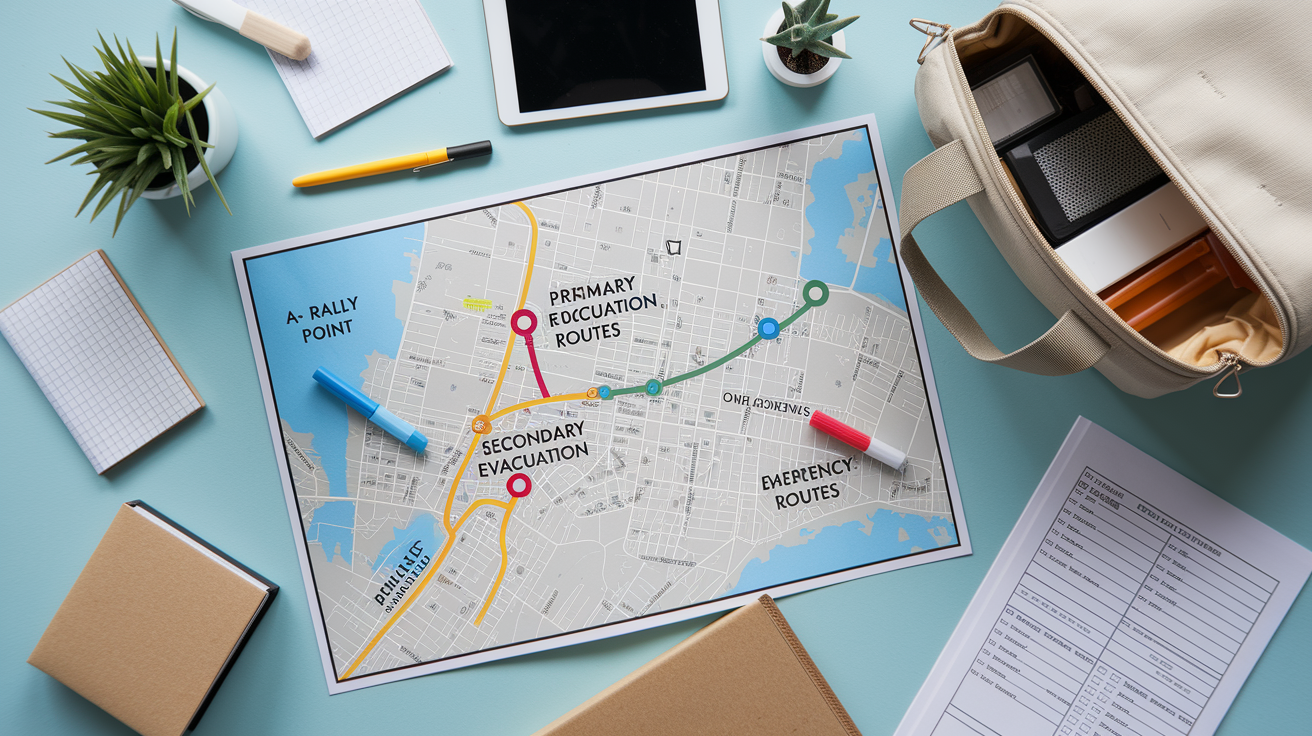
Planning ahead can cut your evacuation time in half or more. You eliminate decision making when seconds count.
Figure out primary and secondary routes from your home to high ground before an emergency happens. Primary route is fastest, most direct. Secondary is your backup if the first one’s flooded or blocked. Mark both on a paper map in your car because cell service and GPS can fail. Use the FEMA Flood Map Service Center to see which areas flood first and which roads stay passable longest. Keep your gas tank above half during flood season. Store emergency supplies in your trunk year round.
| Planning Element | Action Required | Time Saved |
|---|---|---|
| Route Mapping | Identify and drive primary and secondary evacuation routes, noting landmarks, gas stations, and potential obstacles | 15 to 30 minutes |
| Rally Point Selection | Designate a specific high ground location where family members will meet if separated, share address and photo with everyone | 10 to 20 minutes |
| Emergency Contacts | Create a contact card with out of state relative, local emergency numbers, and medical information for each family member | 5 to 10 minutes |
| Go Bag Preparation | Pack and maintain emergency bags for each household member with clothing, medications, documents, and supplies | 30 to 60 minutes |
| Vehicle Readiness | Keep fuel above half tank, store blankets and water in trunk, maintain vehicle emergency kit with tools and first aid | 10 to 15 minutes |
| Practice Drills | Run timed evacuation drills twice yearly, practicing loading vehicle, following routes, and reaching rally point | 20 to 40 minutes |
Run family evacuation drills twice a year. Update plans when things change. New baby, elderly parent moving in, different work schedule. Time how long it actually takes to load the car and leave. Most families find their first drill takes way longer than expected. The second one, after learning from mistakes, cuts time by 30 to 40 percent.
Post-Flood Return Timing and Safety Considerations

Don’t return until local authorities say it’s clear. That’s usually 24 to 72 hours minimum after water recedes. Officials need time to check roads for washouts, clear debris, restore utilities, assess structural damage. Going back too early puts you at risk from unstable buildings, downed power lines, contaminated water, impassable roads. Even if your home looks fine from outside, hidden damage to the foundation, electrical, or gas lines can kill you.
Structural, electrical, and contamination hazards need professional assessment before you go inside. Floodwater contains sewage, sharp objects, chemicals. Standing water hides holes, debris, weakened floors that can collapse. Damaged electrical can cause fires or electrocution days later. Gas leaks create explosion risks. If you smell gas, see sparks, notice sagging ceilings or buckled floors, don’t enter. Wear boots, gloves, eye protection. Use battery powered lights, not candles or matches. Document damage with photos before cleanup starts.
After flooding, homes need to dry within 24 to 48 hours to prevent mold. If you can’t get back within that window, assume mold’s started growing. That 24 to 48 hour countdown starts when water recedes, not when you return. Evacuated Sunday, water receded Monday, can’t return until Thursday? Mold’s probably growing by Wednesday. Doesn’t mean your home’s totaled, but cleanup will need mold remediation on top of standard flood cleanup. Mold causes respiratory problems, allergies, long term health issues.
Document damage right away for insurance, but safety comes first. Take photos and videos of everything before moving or cleaning anything if it’s safe. Insurance adjusters need to see full damage. But if entering poses immediate danger, wait for professional clearance even if it delays your claim. You can file from photos taken later or from outside. Most insurance companies get it. They won’t penalize you for staying safe. Contact your insurance as soon as possible after evacuating to report the claim and ask about temporary housing if you can’t return quickly.
Final Words
How much time to evacuate before flood depends entirely on the type of flooding headed your way.
Flash floods give you almost no warning. River floods might give you a full day. Coastal flooding can offer two days, but only if you actually leave early.
The best plan is already in place before the first alert hits your phone. Pre-pack your bags, know your routes, and practice once or twice a year with your household.
When the warning comes, you’ll move fast instead of scrambling. And you’ll have the time you need to get everyone out safely.
FAQ
When should you evacuate for a flood?
You should evacuate for a flood immediately when flash flood warnings are issued (0-30 minutes), within 6-24 hours for river flooding when advisories are announced, or 12-48 hours before coastal storms arrive. Always leave during voluntary evacuation orders if you have mobility concerns, pets, or medical needs.
How far inland will a 12 foot storm surge go?
A 12 foot storm surge can push inland anywhere from several hundred feet to over a mile depending on coastal terrain, elevation, and geography. Low-lying coastal areas and areas near sea level face the greatest inland flooding risk, making early evacuation before the storm arrives critical.
How much warning time for a flood?
Flash floods provide 0-30 minutes of warning time requiring immediate departure, river floods typically allow 6-24 hours of advance notice for preparation, and coastal flooding from hurricanes offers 12-48 hours of advance warning. Your actual warning time depends on local monitoring systems and weather alert access.
What is the difference between a flood watch and a flood warning?
A flood watch means flooding is possible in your area and you should monitor conditions closely, while a flood warning means flooding is occurring now or will occur very soon and requires immediate safety actions. When a warning is issued, begin evacuation procedures without delay.
When is it too late to evacuate safely during a flood?
It is too late to evacuate safely when water covers roadways at 6 inches depth (can knock you down), reaches 12 inches (can float vehicles), shows visible current, or blocks your exits. Once water is rising and darkness falls or officials issue shelter-in-place orders, stay put and move to the highest floor.
How much time do families with special needs require for flood evacuation?
Families with special needs require 2-3 times normal evacuation time, typically adding 30-90 minutes for households with infants, elderly members, medical equipment, or multiple pets. These households should leave during voluntary evacuation stages rather than waiting for mandatory orders to ensure adequate preparation time.
What should you grab first during a 30 minute evacuation?
During a 30 minute evacuation, grab your pre-packed emergency bag first, then alert family members, secure important documents, take medications, gather pets and carriers, and grab phone chargers before leaving immediately. Skip photos, heirlooms, and property protection when minutes matter.
How can pre-planning reduce flood evacuation time?
Pre-planning can reduce flood evacuation time by 50 percent or more by establishing primary and secondary routes, identifying high ground rally points, maintaining packed go-bags, and conducting practice drills. Knowing your address-specific flood risk through FEMA maps eliminates decision-making delays during emergencies.
When is it safe to return home after a flood evacuation?
It is safe to return home after a flood evacuation only when local authorities issue an official all-clear, typically 24-72 hours minimum after floodwater recedes. Homes require professional assessment for structural damage, electrical hazards, gas leaks, and sewage contamination before safe re-entry.
How long before mold grows after flood water recedes?
Mold begins growing 24-48 hours after floodwater recedes from your home. If you cannot return within this window to begin drying and cleanup, assume mold growth has already started and plan for professional remediation when you do return.