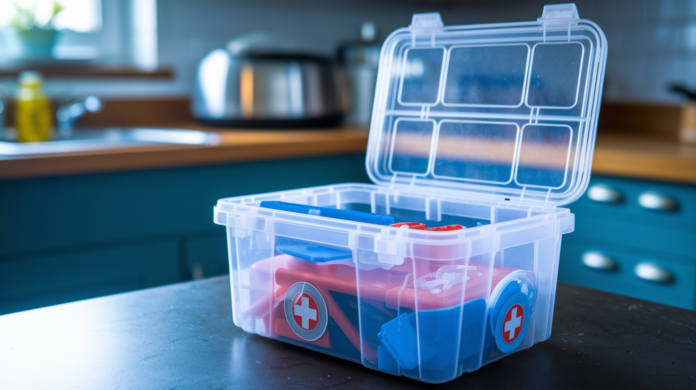

When was the last time you checked if your bandages could survive being underwater for three days? Most first aid kits fall apart the second floodwater touches them. Pills turn to mush, bandages soak through, and ointment tubes fill with contaminated water carrying sewage and chemicals. But you’ll need medical supplies more during a flood than almost any other emergency because cuts, infections, and chronic conditions don’t pause when disaster hits. This guide shows you exactly what belongs in a waterproof first aid kit and how to keep it ready when roads close and hospitals become unreachable.
Waterproof First Aid Kits: Product Recommendations and Buying Guide
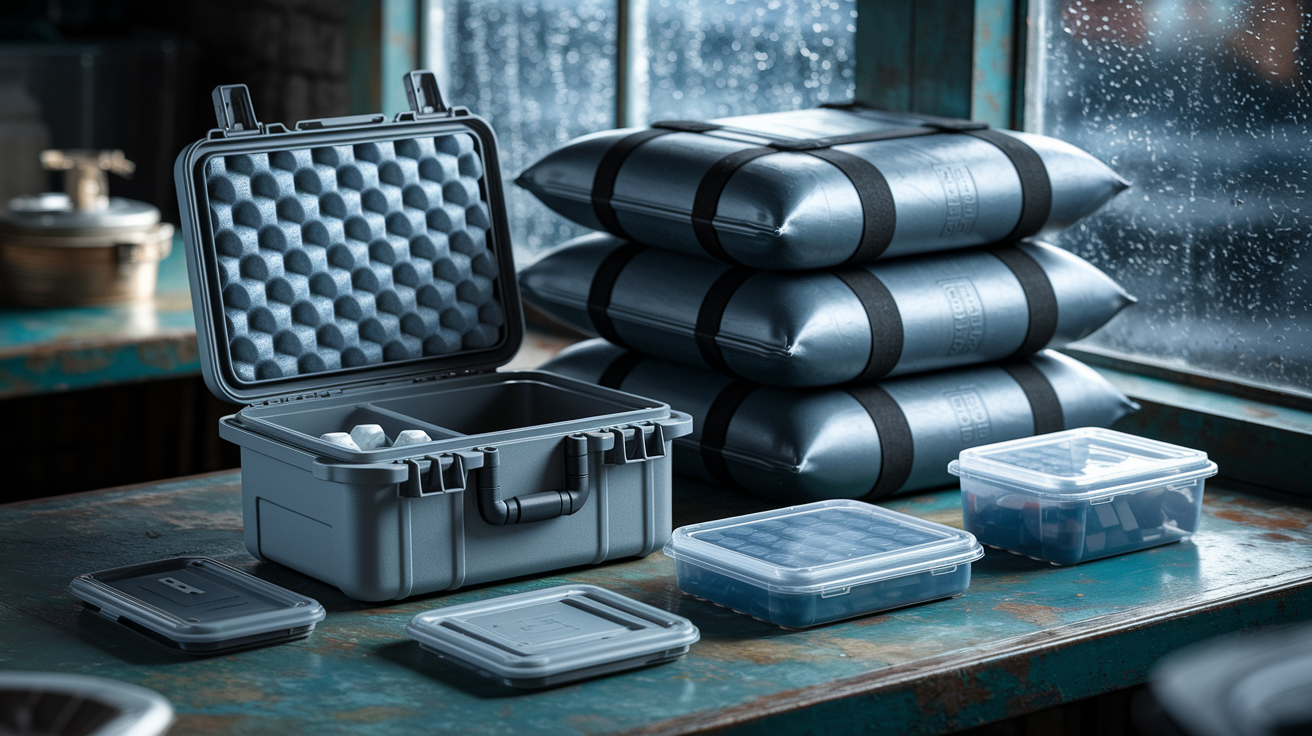
Regular first aid kits don’t survive floods. Fabric bags soak through, cardboard boxes fall apart, and plastic cases without real seals let contaminated water pour right in. FEMA says you need emergency supplies for at least 72 hours because floods cut you off from stores and hospitals. A waterproof first aid kit keeps your medical gear safe from the sewage, chemicals, and bacteria that show up in every single flood.
What you need, and why it matters during floods:
Sterile bandages and gauze pads. Get multiple sizes for cuts from sharp stuff hiding underwater. Buy individually wrapped packages. If your kit pops open, you won’t lose everything.
Adhesive tape. The waterproof medical kind that sticks to wet skin. Regular cloth tape quits working exactly when you need it.
Antibiotic ointment. Stops infection from cuts exposed to nasty floodwater. Triple antibiotic ointment in sealed tubes stays good longer.
Disposable nitrile gloves. At least ten pairs. You’ll use them treating wounds, handling contaminated materials, cleanup work. Nitrile handles chemicals better than latex.
Antiseptic wipes. Individual foil packets clean wounds when there’s no running water. Stock at least twenty per person.
Pain relievers. Both ibuprofen and acetaminophen in blister packs. Bottles break and pills get wet.
Trauma shears. These cut through wet clothing, boots, thick bandages. Regular scissors won’t handle flood cleanup.
Instant cold packs. Chemical packs work without power. Four per person minimum.
Tweezers. For removing splinters, glass, debris. Get stainless steel that won’t rust.
CPR mask. One way valve masks in waterproof pouches protect you during rescue breathing. You don’t want to do CPR without a barrier in contaminated environments.
Emergency blankets. Mylar thermal blankets prevent shock after injuries and exposure. They fold tiny and stay dry.
Eye wash solution. Sealed bottles rinse eyes exposed to chemicals or contaminated water. Floodwater splashes are seriously risky.
| Product Type | Recommended Features | Capacity |
|---|---|---|
| Hard shell waterproof cases | Gasket seals, pressure release valves, foam inserts for organization | Compact kits for 1 to 2 people |
| Waterproof dry bags | Roll top closure, welded seams, grab handles, clear window panels | 60L to 100L for comprehensive family kits |
| Sealed plastic containers | O ring seals, snap lock latches, stackable design | Individual kits per family member |
| Pre assembled waterproof first aid kits | ANSI compliant supplies, refill availability, expiration date tracking | Varies by household size |
Hard shell waterproof cases with gasket seals work best for grab and go situations. They protect supplies from crushing and water getting in. Look for cases rated IP67 or higher. That means they survive temporary submersion. Waterproof dry bags in 60L to 100L capacity hold comprehensive family kits including protective gear and cleanup supplies. The roll top closure creates a watertight seal when you fold it at least three times.
For individual kits that each family member carries, sealed plastic containers with O ring seals and snap lock latches keep personal medical supplies dry and organized.
Store your main waterproof first aid kit near your primary exit route, elevated at least three feet off the floor. Keep a second kit in your vehicle. Household members can get stranded away from home when floods hit. A third smaller kit belongs upstairs or on the highest floor for shelter in place scenarios.
Check all kits every six months. Replace expired medications, dried out ointments, damaged supplies. Mark your calendar for January and July so you remember. Each person needs their own prescription medications, but families can share general first aid supplies if you pack enough. One gallon of water per person per day for three days, plus all medical supplies, takes more space than most people expect. You’ll likely need two or more bags to carry everything.
Prescription Medications and Chronic Condition Management Supplies
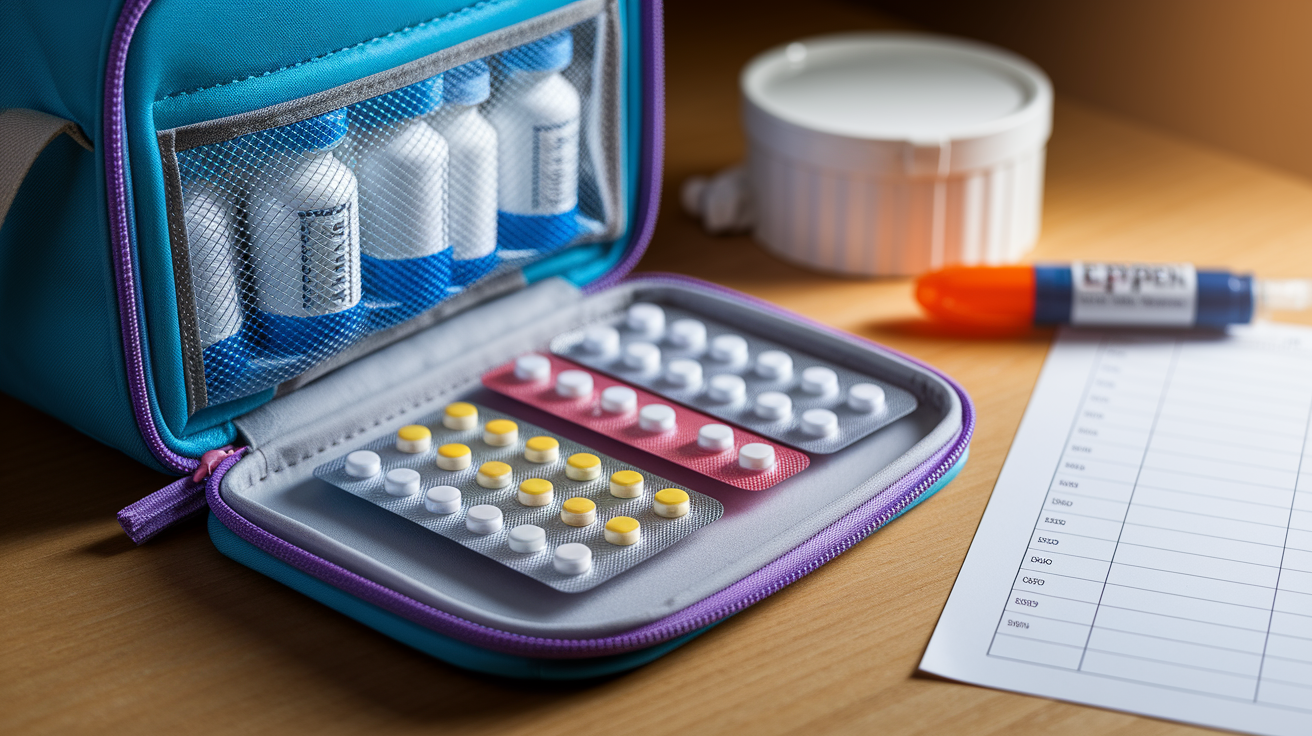
Stock at least a seven day supply of all prescription medications, not just the 72 hour minimum. Pharmacies close during floods, delivery services stop, and you can’t refill prescriptions without power or internet. That seven day buffer gives you time to reach medical help or wait for services to restore.
| Condition Type | Essential Supplies | Storage Notes |
|---|---|---|
| Diabetes | Insulin, syringes, glucose meter, test strips, lancets, fast acting glucose, ketone test strips | Insulin requires cooling. Pack in insulated bag with ice packs, check temperature daily. |
| Asthma/Respiratory | Rescue inhaler, maintenance inhaler, spacer, nebulizer if battery powered, extra medication vials | Keep inhalers in waterproof case. Replace before expiration date even if not empty. |
| Severe Allergies | EpiPen auto injectors (two minimum), antihistamines, medical alert information, action plan | Check EpiPen expiration monthly. Store at room temperature, not in vehicle. |
| Heart Conditions | Blood pressure medication, nitroglycerin, aspirin, beta blockers, blood pressure monitor | Nitroglycerin loses potency quickly. Replace every six months regardless of expiration. |
| Seizure Disorders | Anti seizure medication, rescue medication, medical ID, seizure log, care instructions | Missing doses triggers seizures. Pack double quantity in separate waterproof bags. |
| General Prescriptions | Blood thinners, antidepressants, thyroid medication, pain management, hormone therapy | List medication names, dosages, and prescribing doctor. Include pharmacy contact info. |
Package all medications in waterproof containers inside your main kit. Use small zip top bags as a first layer, then place those inside a hard shell waterproof case. Label each medication clearly with the person’s name, drug name, dosage, and timing. If you take five pills in the morning and three at night, write that on the label so anyone can help you during an emergency.
Keep copies of all prescriptions and a current medication list with your insurance cards in a separate waterproof document pouch. Write down your pharmacy’s phone number. You might need emergency refills and won’t have access to your usual contacts.
Temperature sensitive medications like insulin create serious challenges during power outages that last for days. Insulin stays effective for about 28 days at room temperature, but heat above 86 degrees destroys it faster. Pack insulin in an insulated medication cooler with ice packs that you can replace. Monitor the temperature with a small thermometer kept inside the cooler.
Call your doctor or endocrinologist before flooding occurs to discuss backup plans for refrigerated medications. Some pharmacies offer emergency supplies if you explain the situation and show proof of your prescription. Getting that seven day supply requires planning ahead because insurance often won’t cover early refills. Ask your doctor to write a vacation override or emergency supply prescription about two weeks before hurricane season starts or when your area faces flood warnings.
Wound Treatment Supplies for Flood Related Injuries
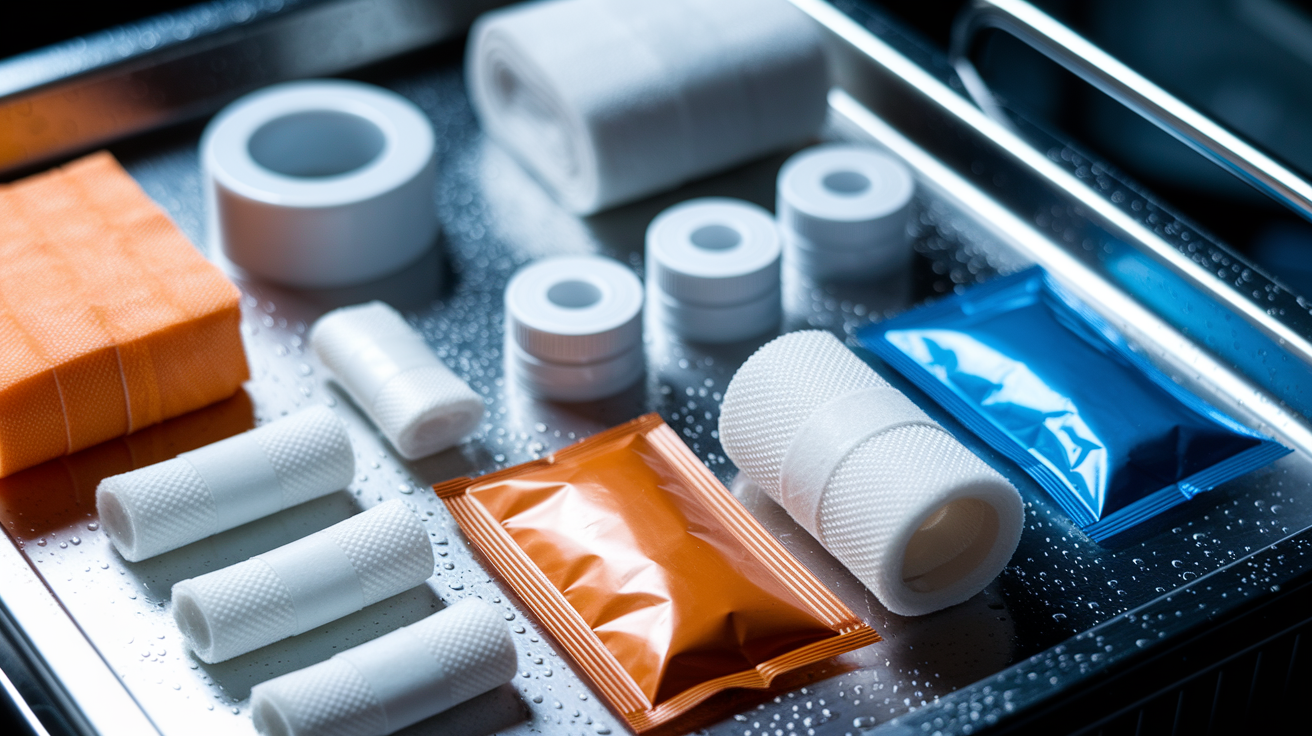
Floodwater carries bacteria, raw sewage, agricultural chemicals, fuel, and industrial waste. A small cut that would normally heal in days can turn into a serious infection within hours when contaminated water gets inside. The CDC tracks disease outbreaks after every major flood because standard wound care isn’t enough when you’re wading through water mixed with everything that washed out of basements, septic systems, and streets.
Pack hemostatic gauze for severe bleeding that won’t stop with pressure alone. This specialized gauze contains compounds that speed up clotting when you press it directly into a wound. You’ll also need a tourniquet if someone cuts an arm or leg on submerged metal or glass. Real tourniquets have windlass rods that you twist to tighten. Don’t improvise with belts or rope. They don’t apply even pressure and can cause more damage.
Stock sterile irrigation solution in squeezable bottles to flush debris out of wounds before you bandage them. Running water might be contaminated or unavailable for days. Multiple sizes of sterile dressings handle everything from scraped knees to deep gashes. Waterproof bandages stay in place even when you need to keep working in wet conditions.
Burns happen more often during floods than people expect. Generators leak fuel that ignites, electrical shorts cause fires, and people use camp stoves or candles unsafely when the power goes out. Chemical exposure from floodwater mixing with household cleaners also causes chemical burns. Stock burn gel in individual packets, sterile non stick burn dressings, and roll gauze to secure dressings without tape that pulls skin. Never put ointment on a burn. It traps heat inside. Burn dressings cool the injury and keep it clean while you get to medical help.
Make sure your tetanus shot is current before flood season. Tetanus lives in soil and enters through any puncture wound or deep cut. If your last tetanus shot was more than five years ago, get a booster. Keep your immunization record in your waterproof document pouch.
Apply antibiotic ointment to every wound after cleaning it thoroughly, then cover it with a sterile dressing and waterproof bandage. Change the bandage at least twice a day and watch for signs of infection like increased redness spreading from the wound, red streaks going up an arm or leg, swelling, warmth, pus, or fever. Any of those signs mean you need to reach emergency services immediately. Infections from contaminated floodwater can become life threatening fast.
Water Purification and Hydration Emergency Supplies
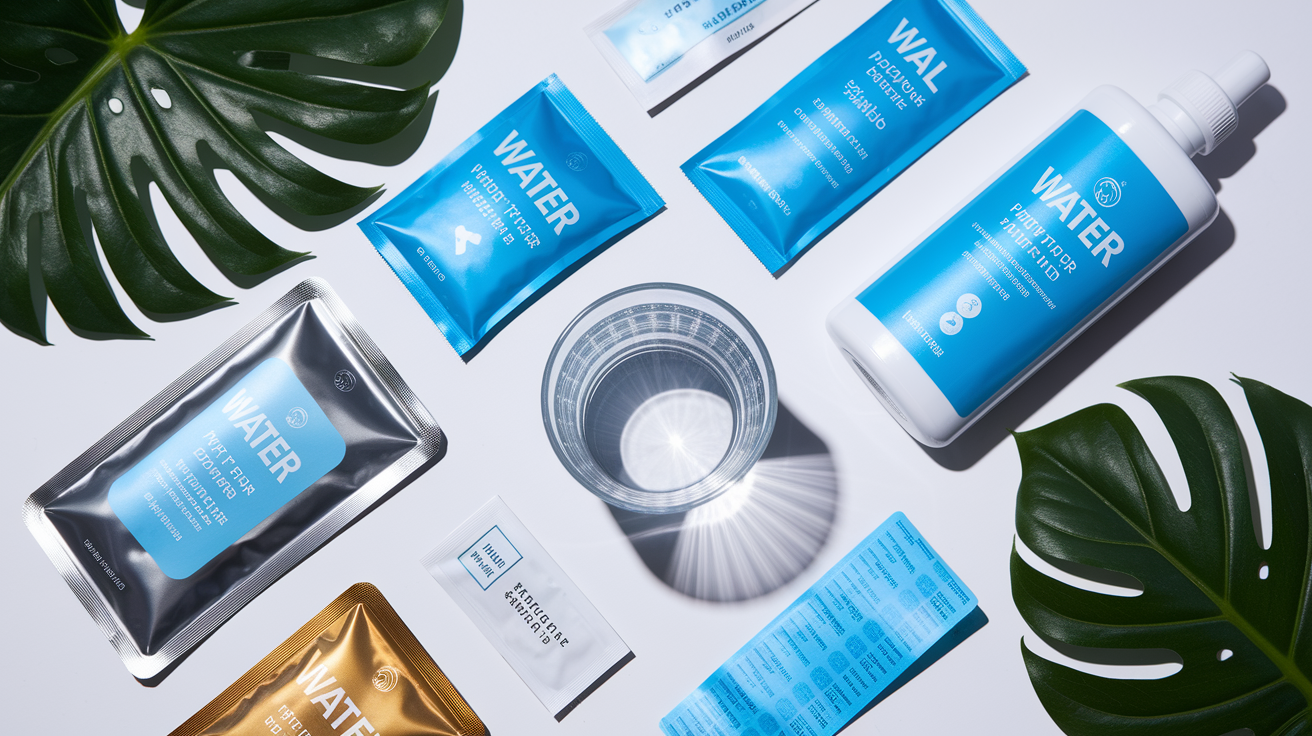
Store at least one gallon of clean water per person per day for three days. That’s your drinking and basic hygiene minimum. A family of four needs twelve gallons just to meet the 72 hour standard.
But stored water runs out, gets contaminated, or isn’t accessible when you evacuate quickly. Water purification supplies turn questionable water into safe drinking water when your stored supply is gone. You also need oral rehydration supplies because dehydration and diarrhea from waterborne illness are serious medical problems during floods when you can’t reach a hospital easily.
Water purification and hydration medical supplies ranked by priority:
Water purification tablets. Iodine or chlorine dioxide tablets kill bacteria, viruses, and parasites in clear water. Follow the package timing exactly, usually 30 minutes. Each person needs about 50 tablets for a week.
Portable water filtration devices. Squeeze filters or straw filters remove bacteria and protozoa immediately. They don’t remove viruses or chemicals, so use them on freshwater sources, not floodwater from urban areas.
Oral rehydration salts. WHO formula packets replace electrolytes lost from diarrhea and vomiting. They prevent dangerous dehydration when you’re sick from contaminated water or food. Pack at least ten packets per person.
Electrolyte replacement packets. Individual powder packets mix with water to replace salts lost through sweating during hot weather cleanup work. They’re not the same as oral rehydration salts but help prevent heat exhaustion.
Water testing strips. Simple test strips detect bacteria, chlorine, pH, and some chemical contamination. They’re not perfect but give you information about whether water is worth trying to purify.
Diarrhea medication like loperamide stops symptoms temporarily, but it can be dangerous if you have an infection that needs to clear your system. Stock it in your kit but use it carefully. If you have bloody diarrhea or high fever with diarrhea, don’t take anti diarrheal medication. You need medical care, not symptom suppression.
For regular diarrhea from stress, food disruption, or mild waterborne illness, loperamide helps you stay functional. Always combine it with oral rehydration salts so you replace the fluids and electrolytes you’re losing.
Dehydration sneaks up fast when you’re working in heat, stressed, and dealing with limited food and water. Watch for dark urine, dizziness when you stand up, dry mouth, and decreased urination. Those signs mean you need to drink more, add oral rehydration salts to your water, and rest.
Hygiene and Sanitation Supplies for Disease Prevention
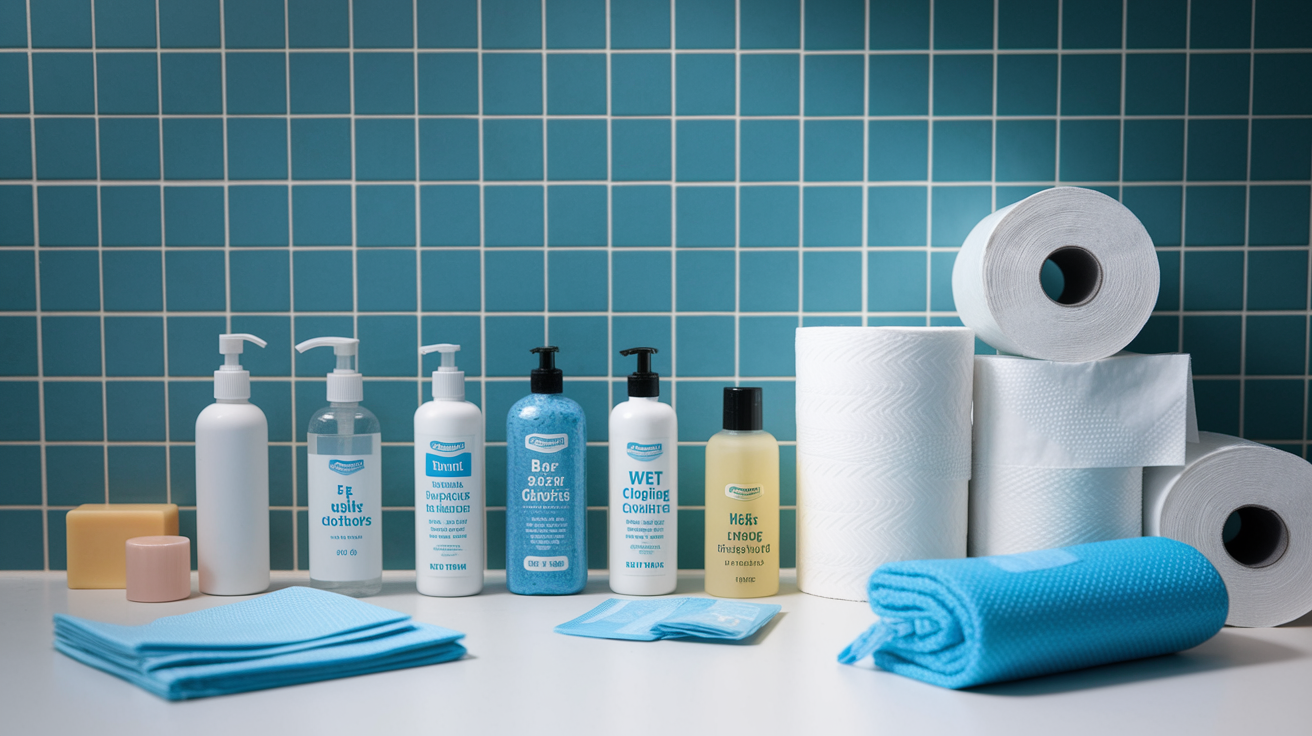
Hurricane Helene hit Asheville, North Carolina in 2024 and knocked out power and clean water for weeks. People couldn’t flush toilets, wash hands properly, or clean anything without risking illness from the limited water available. Sanitation breakdown spreads disease faster than almost any other disaster consequence.
Hand hygiene supplies prevent most disease transmission during floods. Stock alcohol based hand sanitizer with 60 to 90 percent alcohol concentration. Lower concentrations don’t kill enough germs, higher concentrations evaporate before they work. Buy sanitizer in pump bottles for your kit and individual pocket size bottles for each family member to carry.
Bar soap and liquid soap both work if you have water to rinse with, but you probably won’t. Wet cleaning cloths in individual packets clean hands, face, and body without needing rinse water. Each person needs at least five wet cloths per day to stay reasonably clean. Disposable towels dry you after washing and can clean surfaces. Paper towels work, but camping towels designed for backpacking are more absorbent and pack smaller.
Portable sanitation becomes critical when toilets don’t flush and you can’t leave your home or shelter location. The Cleanwaste Original WAG Bag Go Anywhere Toilet Kit contains a bag with chemical powder that gels human waste, neutralizes odor, and kills bacteria so you can seal it and dispose of it safely when services restore. Each person needs about three bags per day. Keep at least 25 bags in your emergency kit.
Regular heavy duty trash bags with ties create a second containment layer for used WAG bags and general waste. Without regular trash pickup, garbage piles up fast and attracts pests. Stock toilet paper, at least one roll per person per week. Pack sanitary products like tampons, pads, menstrual cups, or period underwear based on what each household member needs. Stress and physical demands can change menstrual cycles, so pack more than you think you’ll need.
Disinfectant supplies clean surfaces and prevent cross contamination when multiple people share small spaces. EPA registered bleach diluted with water disinfects surfaces, but you need clean water to dilute it properly. Pre mixed disinfectant wipes in canisters work immediately. Stock at least two large canisters.
Use them on any surface people touch frequently. Door handles, light switches, faucet handles, toilet seats, and table surfaces. Keep disinfectant separate from food and make sure everyone knows the difference between cleaning wipes and wet body cloths. After you clean with disinfectant, let the surface air dry instead of wiping it off immediately. That contact time kills more germs.
Protective Equipment for Cleanup and Flood Exposure
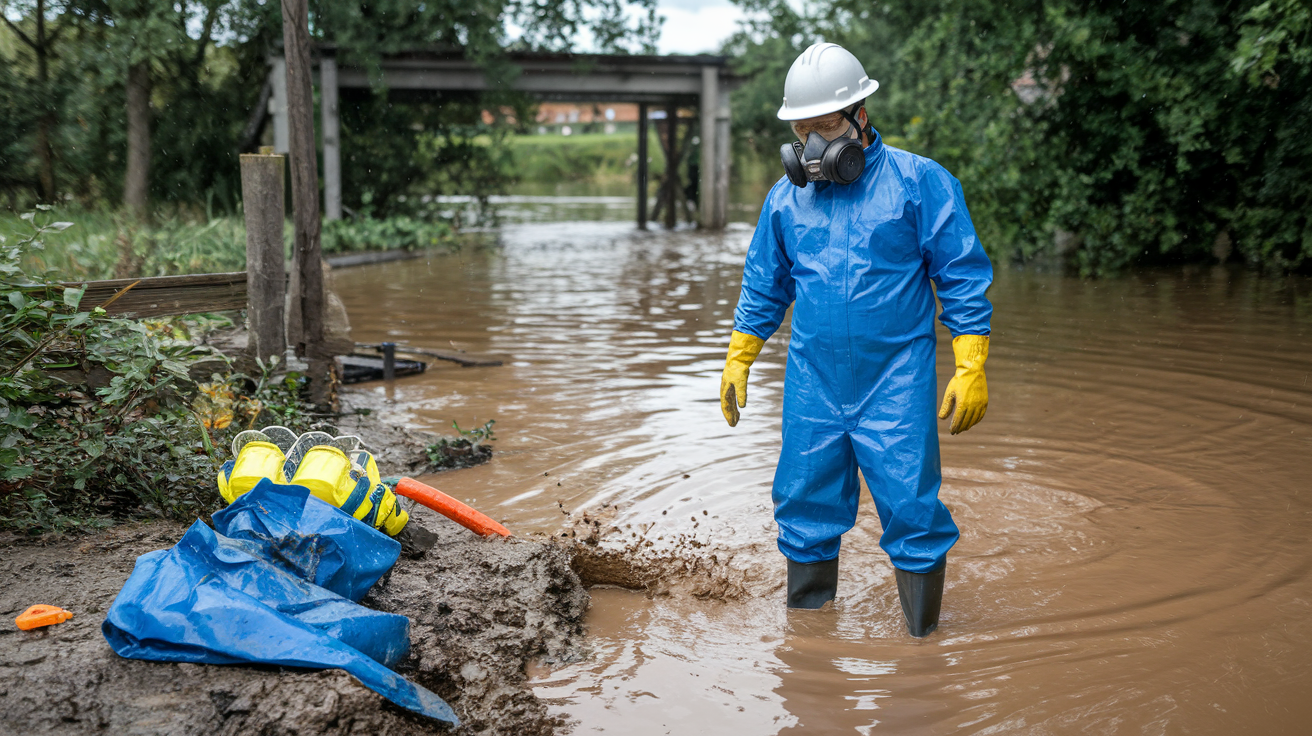
Protective equipment isn’t just safety gear. It’s medical prevention. Every injury you avoid is one less wound exposed to contaminated water, one less infection risk, and one less person needing medical care when hospitals are overwhelmed.
Essential protective items for flood emergency kits:
Nitrile disposable gloves. Pack at least 20 pairs per person. You’ll use them constantly during cleanup, handling contaminated items, treating wounds, and preparing food in unsanitary conditions. Nitrile resists chemicals better than latex and doesn’t cause allergic reactions.
N95 respirators. NIOSH approved N95 masks filter 95 percent of airborne particles including mold spores, dust, and bacteria. You need them for any cleanup work after water recedes. Pack at least ten per person. They’re single use items, not reusable.
Safety goggles without ventilation holes. Floodwater splashes into eyes during cleanup. Goggles without vents keep contaminated water and chemicals completely out. Vented goggles let liquid seep through.
Waterproof cut resistant gloves. Heavy rubber gloves with cut resistant liners protect your hands when you’re moving debris, broken glass, and sharp metal hidden in muddy water. These go over disposable nitrile gloves for double protection.
Chemical proof coveralls. DuPont Tyvek 400 Coveralls create a barrier between your skin and contaminated water. They’re disposable, which matters because you can’t safely wash flood contaminated clothing without spreading contamination. One size fits over regular clothes.
Waterproof steel toe boots. Slip resistant and puncture resistant boots prevent the most common flood injuries. Stepping on submerged nails, broken glass, and sharp debris. Regular rain boots don’t have reinforced toes or puncture resistant soles.
Hard hat. Structural damage creates falling hazards. Ceilings sag, loose materials drop, and debris falls when you move things. A hard hat prevents head injuries during cleanup.
Earplugs or protective headphones. Generators, pumps, and power tools run constantly during cleanup. Protect your hearing during extended exposure to loud equipment.
Each family member who enters your flood damaged home needs their own Coming Home/Clean Up Safety Bag with a complete set of protective equipment. Don’t share coveralls, boots, or gloves between people because sizing matters for safety. Gloves that are too big slip off, boots that don’t fit cause blisters and trips, and coveralls that drag on the ground pick up more contamination.
After using protective equipment in contaminated environments, you can’t just throw it in the regular washing machine with your other clothes. Flood contamination includes bacteria, chemicals, and sewage that standard detergent won’t remove safely. Use specialized PPE laundry detergent like Decon Ready or Shield Solutions Gear Clean. These products are formulated to break down and remove contamination while killing bacteria.
Wash protective gear separately from any other clothing, use hot water, and run an extra rinse cycle. Disposable items like Tyvek coveralls and nitrile gloves get sealed in trash bags and thrown away. Don’t try to reuse disposable protective equipment.
Special Population Medical Supply Needs
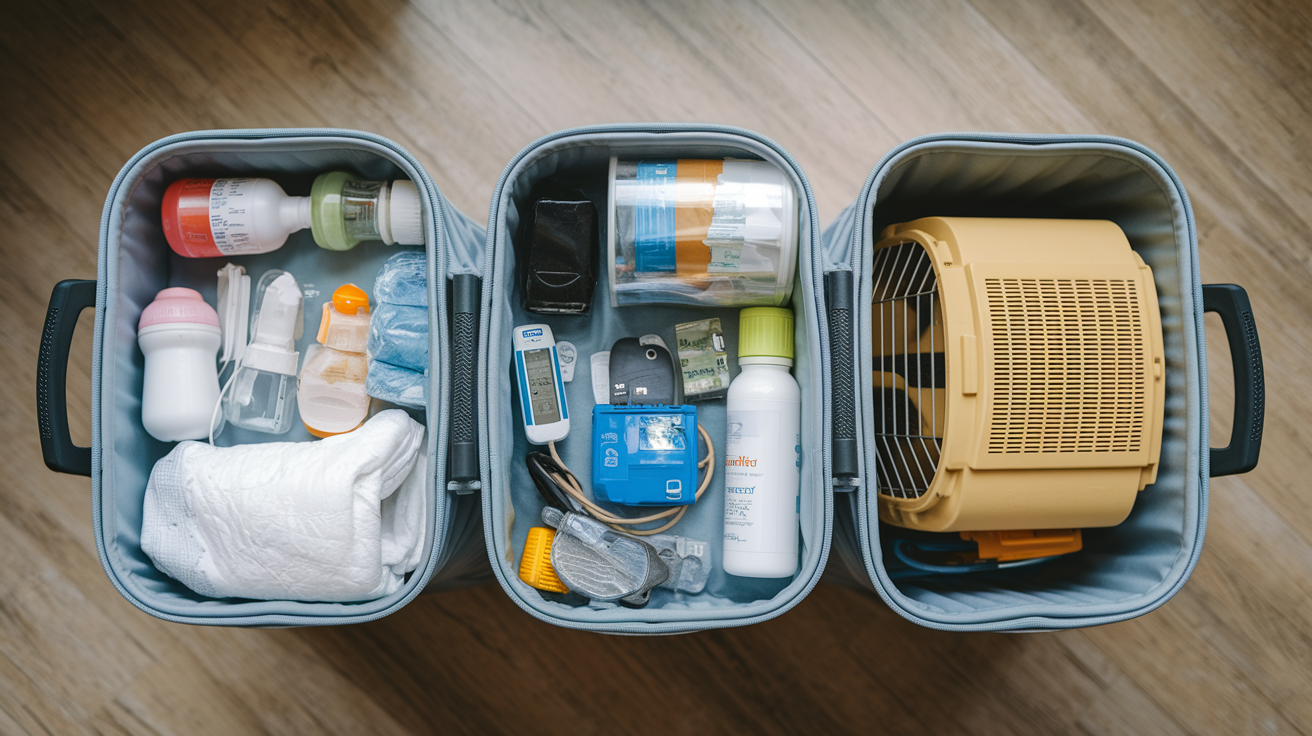
Generic emergency kits assume everyone has the same needs. They don’t. An infant can’t eat canned food or drink stored water. An elderly person with limited mobility can’t climb stairs to reach supplies stored on upper floors. Someone with special needs requires equipment and medications that standard kits never include.
Infant and Child Medical Supplies
Babies need formula even if you usually breastfeed because stress, dehydration, and poor nutrition during disasters can reduce milk supply. Stock at least a seven day supply of ready to feed formula in single serve bottles that don’t require mixing or refrigeration. Regular powdered formula needs clean water, and you might not have it. Pack extra bottles, nipples, and a bottle brush. Even if you never use bottles at home, you might need to accept donated formula in forms you’re not used to.
Infant medications include acetaminophen or ibuprofen formulated for babies with the correct dosing syringe. Don’t guess at doses. Pack the syringe that comes with the medicine bottle. Diapers and diaper rash cream are medical supplies, not just convenience items. Leaving a baby in a wet diaper during a flood emergency causes painful rashes that can become infected. Stock at least 50 diapers per infant.
Older children need child safe pain relievers with age appropriate dosing instructions written clearly on the package. A thermometer helps you monitor fevers when you can’t reach a doctor easily. Teething treatments matter for babies going through teething during an emergency because pain and irritation make an already stressful situation worse for everyone. Children’s antihistamines treat allergic reactions and help kids sleep when stress keeps them awake. Pack familiar comfort items that reduce anxiety because stressed children get sick more easily.
Elderly and Mobility Challenged Supplies
Mobility aids like canes, walkers, and wheelchairs need to be part of evacuation planning, but they also need backup supplies. Extra wheelchair batteries if you use a power chair, replacement walker tips that wear out, and spare cane rubber feet all belong in emergency kits. Assistive devices like grab bars, shower chairs, and raised toilet seats might not evacuate with you, but if you’re sheltering in place, you need them to stay independent and safe.
Blood pressure monitors help people with heart conditions or hypertension track their numbers when they can’t reach their doctor. Home glucose meters and extra test strips are essential for anyone managing diabetes. Stock at least 100 test strips per person because you’ll test more frequently during stressful situations when blood sugar swings wildly.
Hearing aid batteries die fast, and you can’t function safely in an emergency if you can’t hear warnings and instructions. Pack at least two weeks of batteries. Denture supplies including adhesive and cleaning tablets matter because people can’t eat properly without secure dentures, and nutrition becomes critical during disasters. Incontinence products aren’t optional for people who need them. Stock at least a two week supply because stress and limited bathroom access make incontinence worse.
Pet Medical Emergency Supplies
Pets need vaccination records to enter emergency shelters and temporary housing. Keep copies in a waterproof pouch with your family’s medical documents. Pet medications for chronic conditions like thyroid problems, seizures, or heart disease need the same seven day supply standard as human prescriptions.
Basic animal first aid supplies include gauze, self adhesive wrap that doesn’t require tape, antibiotic ointment safe for animals, tweezers for removing ticks or debris, and a muzzle even for friendly pets because injured animals bite. A secure carrier for cats and small dogs prevents them from escaping during stressful evacuation situations. Leash and collar with ID tags stay attached to the carrier so you can quickly secure your pet if you need to move them. Pet food in waterproof containers and bottled water specifically for pets prevent them from drinking contaminated floodwater.
Document special needs for every family member in your emergency contact list and evacuation plan. Write down what equipment, medications, and assistance each person requires so anyone helping your family knows what to grab and how to help if you’re injured or separated.
Critical Documents and Medical Information Organization
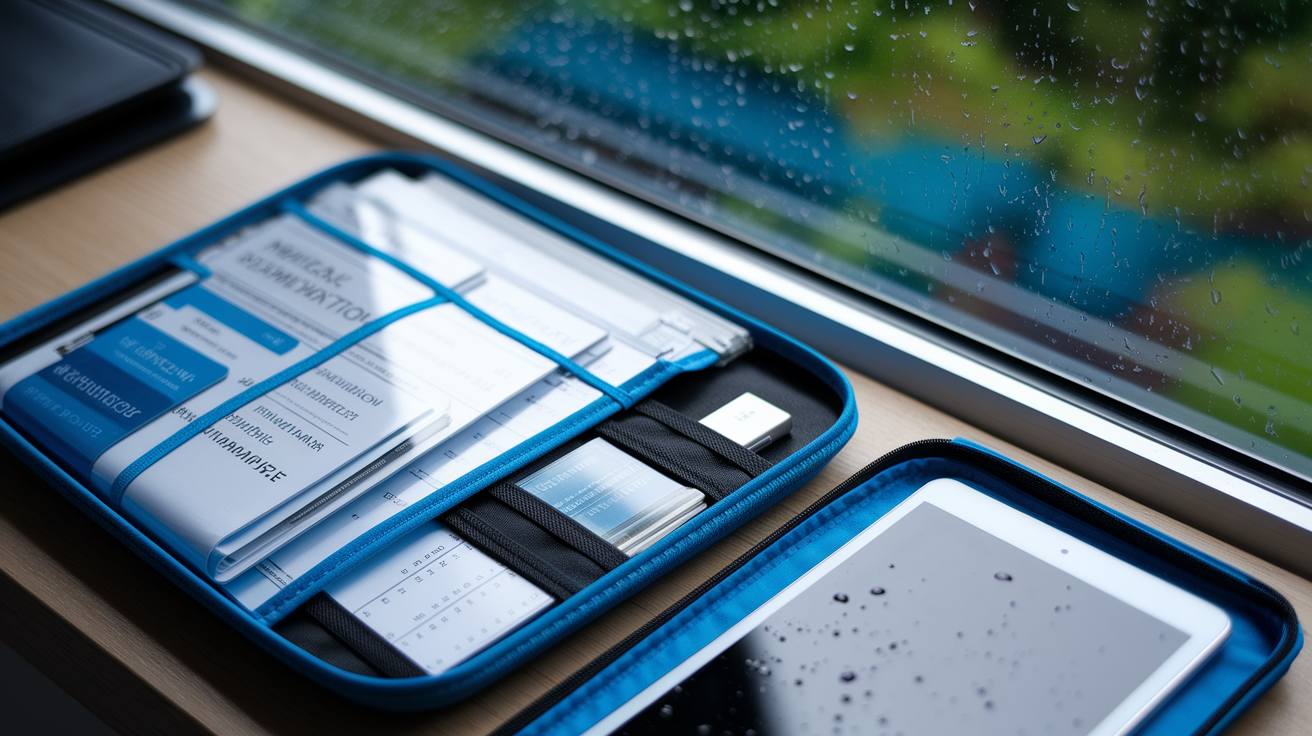
Medical supplies save lives. Medical documents make sure the right supplies reach the right person at the right time, especially when you’re too injured or sick to explain what you need.
Essential documents for flood emergency medical preparedness:
Medical history summary for each family member. List chronic conditions, past surgeries, serious allergies, and current treatments. Keep it to one page per person so emergency responders can scan it quickly.
Current prescription lists with dosages and prescribing doctors. Write the medication name, strength, how often you take it, and which doctor prescribed it. Include the doctor’s phone number because pharmacies might need authorization for emergency refills.
Health insurance cards and policy information. Front and back copies of every insurance card, plus your policy number and the customer service number. You might need to prove coverage to access care.
Emergency contact list including doctors and pharmacies. Names, phone numbers, and addresses for your primary doctor, specialists, dentist, and your usual pharmacy. Add an out of state contact person who can help coordinate your care if local systems are down.
Allergy information and medical alert details. Drug allergies, food allergies, and other critical alerts like pacemakers, implanted devices, or conditions that affect treatment decisions. Make this information obvious with red text or highlighting.
Vaccination records for family and pets. Proof of tetanus shots, other routine vaccines, and pet rabies vaccination. Shelters and temporary housing require this documentation.
Advance directives and medical power of attorney if applicable. If you have legal documents about life sustaining treatment preferences or who makes medical decisions if you’re incapacitated, keep copies accessible.
Waterproof storage protects paper documents from flood damage. Seal papers in zip top freezer bags, then put those bags inside a larger waterproof document pouch with a roll top closure. You can also laminate critical one page summaries like your medication list and medical history. Laminated cards survive water exposure and rough handling.
Digital backups on USB drives give you a second copy if paper documents get lost or damaged. Save scanned copies of all medical documents, insurance cards, and prescriptions as PDF files on a small USB drive that you keep with your physical documents. Put a label on the USB drive with your name and the date you last updated it. Update your digital backup every six months when you check your other emergency supplies.
Store your medical documents in the same waterproof container as your first aid kit or in a separate document pouch that stays with your emergency supplies. The entire household needs to know exactly where these documents are kept. Show every family member the location, the container, and how to open it. In an emergency, the person who knows where the medical information is might be the one who’s injured and can’t speak.
Practice grabbing your document pouch during family emergency drills so everyone can find it quickly without thinking. If you store supplies in multiple locations like your home, vehicle, and a safe upstairs area, keep a set of copied medical documents in each location. Original documents go in your primary emergency kit, but copies in your car kit or upstairs shelter kit mean you always have access to critical information no matter which supplies you grab first.
Final Words
Putting together first aid supplies for flood emergency doesn’t have to be overwhelming.
Start with a waterproof container and the basics: bandages, medications, gloves, and clean water. Add what your family actually needs, like infant formula or prescription refills.
Store everything near an exit where everyone can find it.
Check expiration dates twice a year and rotate supplies. You’re building a safety net that works when normal systems fail.
That’s the whole point. When floodwater rises, you’ll have what you need within reach, ready to go.
FAQ
What makes waterproof first aid kits essential for flood emergencies?
Waterproof first aid kits are essential for flood emergencies because floodwater contaminates standard storage containers and ruins medical supplies. They protect bandages, medications, and equipment from water damage while meeting FEMA’s 72-hour minimum self-sufficiency standard during disasters.
How many days of prescription medications should I store for flood emergencies?
You should store at least a seven-day supply of prescription medications for flood emergencies. This exceeds the standard 72-hour emergency kit guideline and accounts for pharmacy closures, impassable roads, and delayed emergency services during major flooding events.
What wound care supplies are needed for floodwater contamination injuries?
Wound care supplies for floodwater contamination injuries include hemostatic gauze for severe bleeding, sterile irrigation solution, waterproof bandages, antibiotic ointment, and tourniquets. Floodwater contains bacteria, sewage, and chemicals that create heightened infection risks requiring more advanced supplies than standard first aid.
How much water should each person have in a flood emergency kit?
Each person should have at least one gallon of water per day for a minimum of three days in a flood emergency kit. This 3-gallon minimum per person covers drinking and basic hygiene needs when clean water sources become contaminated or unavailable.
What concentration of alcohol should hand sanitizer have for flood emergencies?
Hand sanitizer for flood emergencies should contain 60 to 90 percent alcohol concentration to effectively kill bacteria and viruses. This concentration range provides adequate disinfection when soap and clean water are unavailable during sanitation system failures.
What protective equipment should each family member have for flood cleanup?
Each family member should have nitrile gloves, N95 respirators, safety goggles without ventilation holes, waterproof cut-resistant gloves, and chemical-proof coveralls. Individual Coming Home/Clean-Up Safety Bags prevent contamination exposure and injuries during flood-damaged home entry.
What infant supplies belong in flood emergency medical kits?
Infant supplies for flood emergency medical kits include formula, bottles, diapers, diaper rash cream, pediatric medications with correct dosing, and teething treatments. Infants require age-specific medical supplies that standard adult-focused emergency kits don’t include.
What medical documents should be stored in waterproof containers for floods?
Medical documents for waterproof flood storage include prescription lists with dosages, health insurance cards, medical history summaries, emergency contacts including doctors, allergy information, and vaccination records. These documents enable proper medical care when regular health records become inaccessible.
Why do flood emergency kits need both stored water and purification supplies?
Flood emergency kits need both stored water and purification supplies because initial stored water may run out, become contaminated, or get damaged. Water purification tablets, portable filters, and testing strips provide backup methods when the three-day stored water supply becomes insufficient.
What size waterproof dry bag is recommended for flood emergency kits?
Waterproof dry bags in 60L or 100L capacity are recommended for comprehensive flood emergency kits. These sizes accommodate first aid supplies, medications, protective equipment, and critical documents for entire families while maintaining waterproof protection during evacuations.
How often should flood emergency medical kits be checked and updated?
Flood emergency medical kits should be checked every six months for expiration dates, depleted supplies, and updated prescriptions. This maintenance schedule ensures medications remain effective, bandages stay sterile, and quantities match current household needs.
What special medical supplies do elderly family members need in flood kits?
Elderly family members need mobility aids, extra prescription supplies, blood pressure monitors, glucose meters for diabetes management, hearing aid batteries, denture supplies, and incontinence products. These age-specific items address chronic conditions and daily living requirements during extended emergency periods.
Where should flood emergency medical kits be stored in the home?
Flood emergency medical kits should be stored near exit routes in elevated positions that entire households know about. Multiple kit locations including vehicles provide backup access when primary storage becomes unreachable due to rising water or structural damage.
What pet medical supplies belong in flood emergency kits?
Pet medical supplies for flood emergency kits include vaccination records, pet medications, basic animal first aid supplies, carriers for safe transport, leashes, collars, and adequate pet food and water. These items ensure animal family members receive care during evacuations and sheltering.
What burn treatment supplies are needed for flood-related chemical exposure?
Burn treatment supplies for flood-related chemical exposure include sterile burn dressings, cooling gel packets that work without refrigeration, eye wash solution in sealed bottles, and multiple sizes of non-stick bandages. Floodwater carries chemicals from vehicles, industrial sites, and household products.