
You can’t sandbag a third-floor hallway, and your landlord probably won’t fix the building’s flood vulnerabilities before the next storm. That leaves apartment renters in a tough spot: you face real flood risk but control almost nothing about the building itself. The good news? You can still protect your belongings, plan a fast exit, and avoid the financial hit that wipes out unprepared renters. This guide walks you through flood insurance that actually covers your stuff, emergency kits that fit in a closet, and evacuation plans that work when you don’t own the property.
Comprehensive Flood Prevention Strategies for Apartment Residents

Living in an apartment changes everything about flood prep. You can’t waterproof the foundation or upgrade the drainage system. You’re stuck with whatever your landlord decides to do (or not do), and you’re sharing building systems with dozens of other units. Your emergency supplies have to fit in a coat closet, not a garage.
Here’s the thing about apartment flood prep: it all connects. Great insurance doesn’t help if you have no evacuation plan. Sandbags are useless if you don’t get weather alerts in time to deploy them. And storing your emergency kit in a basement unit that floods first? That’s not a backup plan.
You need to cover multiple bases:
Renters insurance won’t cover flood damage. You need separate flood insurance through NFIP, usually $100 to $300 a year. Your landlord’s policy only covers the building, never your stuff.
Weather alerts should come from multiple sources. Sign up for NOAA alerts, local emergency texts, and download the Red Cross flood app (it works offline when cell towers fail). Don’t rely on just your phone.
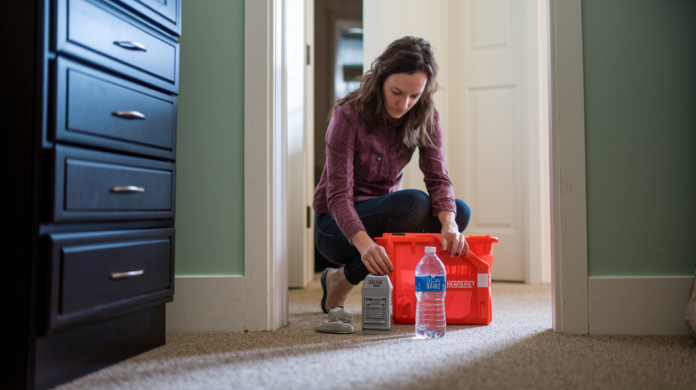
Emergency kits need to fit apartment storage but still sustain you for 72 hours minimum. Keep yours near an exit, not in some basement storage unit across the property.
Evacuation planning means knowing two ways out of your unit, two ways out of your building, and where you’re actually going. If you don’t own a car, figure that out now.
Physical protection is about elevation and waterproofing. Get your electronics off the floor, use sealed bins, and don’t store anything important on exterior walls where water gets in first.
Property management coordination matters because they control building systems. Ask about their emergency procedures and flood history before you need answers during rising water.
Emergency communication protocols keep separated family members connected. Texts work when calls don’t. Pick an out of state contact who can relay messages.
Floor level vulnerabilities vary wildly. Ground floor units face direct water intrusion. High rises stay dry but lose elevators, water pressure, and fire systems when basement mechanical rooms flood.
The sections below break down each category with actions you can take this week, next month, and before storm season. Think of it as building layers. If one fails, others catch you.
Essential Emergency Kit and Supplies for Apartment Dwellers

Your kit needs to keep everyone alive for 72 hours without electricity, running water, or the ability to leave. Three days is standard. A week is better if you’ve got space. Focus on compact stuff that doesn’t need refrigeration or cooking.
What goes in:
Water. One gallon per person per day, minimum three days. Two liter bottles stack efficiently under beds. Don’t forget pets.
Food that doesn’t need cooking. Protein bars, canned soup, peanut butter, crackers, dried fruit. Skip anything requiring a stove unless you own a camping setup.
LED flashlight with long battery life. Keep one by your bed and one near the main exit.
Battery powered NOAA weather radio. It receives emergency broadcasts when cell towers fail. Test monthly, keep spare batteries in the kit.
First aid supplies. Bandages, antiseptic, pain relievers, tweezers, medical tape. Include prescription meds with at least a week’s supply beyond your regular refill.
Current medication list with dosages and prescribing doctors. Rotate meds before expiration.
Hand crank phone charger or solar charger. Wall chargers are useless during power failures.
Fully charged power bank. Provides 2 to 4 phone charges. Recharge monthly even when not using it, or the battery dies.
Cash in small bills. $200 to $300 minimum. ATMs and card readers stop working when power fails.
Waterproof bags for documents. Gallon zip bags work. Protect passports, birth certificates, social security cards, insurance policies, lease agreements. Store sealed bags in a grab and go folder near your exit.
Hygiene items. Toilet paper, soap, toothbrushes, feminine products, baby supplies if needed. Garbage bags for waste when plumbing fails.
Emergency contact list printed on paper. Property manager numbers, insurance contacts, family phones, out of state contacts who can relay information when local calls fail.
Keep everything in a waterproof bin or duffel near your primary exit. Not in a storage unit across the property. Not in a basement that floods first. Download the Red Cross flood safety app on Android or iTunes. The app works without cell towers when you need it most. Test your kit twice yearly and replace expired items immediately.
Understanding Your Flood Risk and Floor Level Vulnerabilities
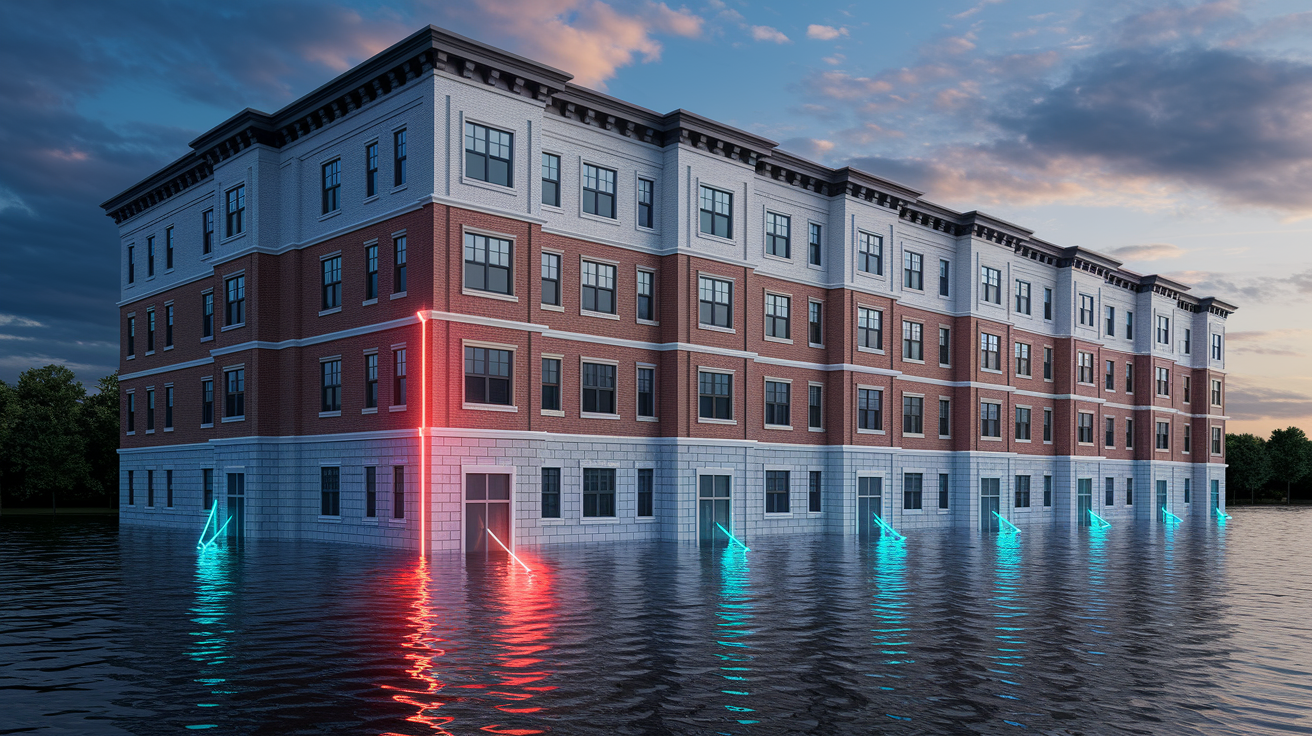
Start by checking FEMA’s Flood Map Service Center online. Or call your local planning department to learn if your building sits in a flood zone. Special Flood Hazard Areas (zones starting with A or V) face the highest risk. Moderate risk zones (B, C, or X) still flood though. Actually, more than 20% of flood claims come from moderate and low risk areas.
Your floor level changes everything. Basement and first floor apartments get hit with direct water intrusion when storms overwhelm drainage, rivers overflow, or storm surge pushes inland. Water comes through doors, windows, foundation cracks, floor drains. Ground level units should focus on physical barriers, fast evacuation planning, and getting all belongings off the floor. Second and third floor apartments avoid rising water but still deal with roof leaks and building system failures. High rise residents above the sixth floor rarely get water damage in their units. But they depend entirely on building systems that flooding destroys. When basement mechanical rooms flood, you lose elevators, water pressure, fire suppression, and often electricity even though your apartment stays dry.
Building vulnerabilities matter as much as floor level. High rises put critical systems like boilers, generators, water pumps, fire pumps, and sump pumps underground. Those are the first spaces to flood. Storm water systems overload quickly during heavy rain, causing sewage and storm water to back up through drains into ground floor units and basements. Buildings near streams, retention ponds, or in valleys collect runoff from surrounding areas and flood when nearby properties stay dry. Research your building’s flood history. Ask long term residents, check property management records, search local news archives for past flooding at your address. First floor flooding triggers special assessments that all building owners pay collectively, so even upper floor condo owners face financial hits from ground level flood damage.
Renters Insurance and Flood Coverage Requirements
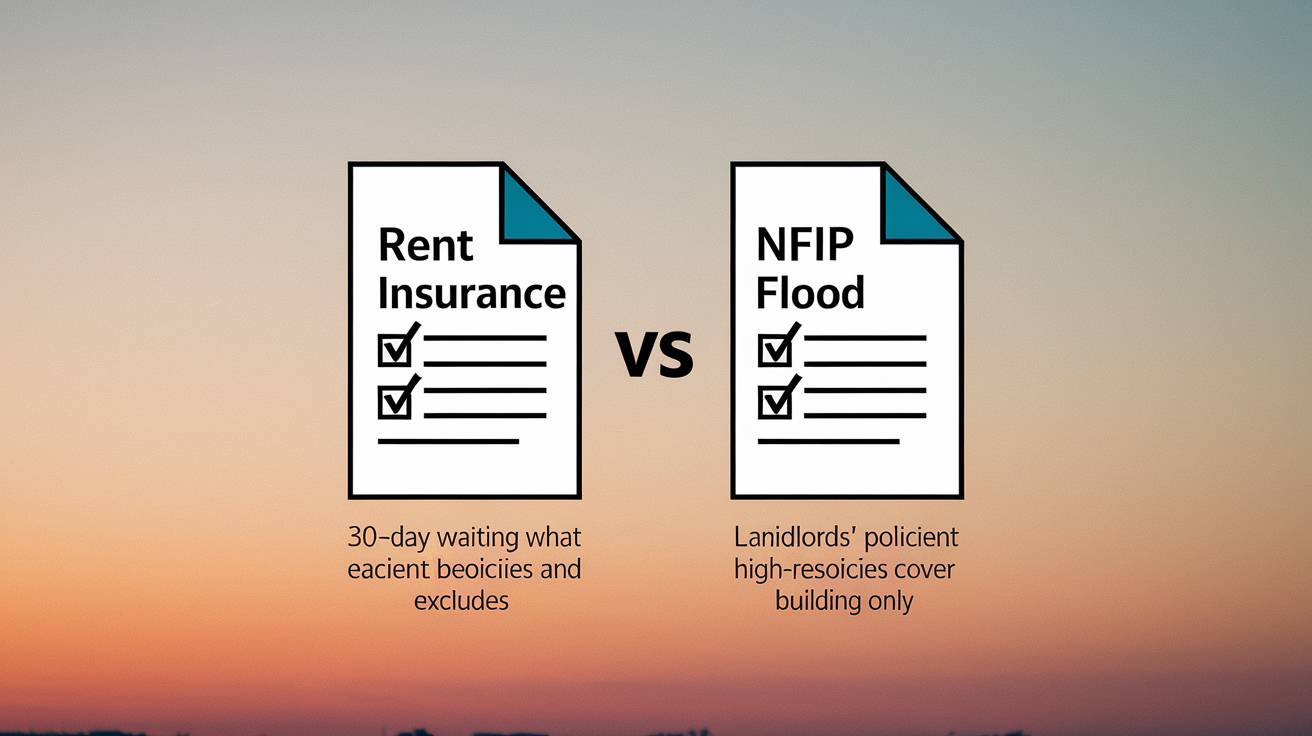
Understanding what insurance covers before flooding happens prevents devastating losses when water destroys your belongings and forces you into temporary housing.
| Coverage Type | What It Covers | What It Doesn’t Cover |
|---|---|---|
| Standard Renters Insurance | Personal belongings damaged by fire, theft, vandalism, windstorm, or water from burst pipes | Flood damage from rising water, storm surge, overflowing rivers, or sewer backup from external sources |
| NFIP Flood Insurance | Personal belongings damaged by flooding, temporary living expenses, and contents up to policy limits during federally declared flood events | Belongings stored in basements, additional living expenses beyond coverage limits, and property outside the building |
Most standard policies don’t cover flood damage. You need separate coverage through the National Flood Insurance Program (NFIP). Renters can purchase NFIP flood insurance for contents starting around $100 to $300 annually depending on flood zone and coverage limits. Policies typically offer $10,000 to $100,000 in contents coverage. There’s a standard 30 day waiting period before coverage begins, so buy flood insurance before storm season starts, not when warnings get issued. Your landlord’s flood insurance only covers the building structure and permanently installed fixtures. Never your personal belongings, temporary housing costs, or moving expenses if flooding forces evacuation.
Review both policies annually. Confirm coverage limits match the current value of your belongings, especially after major purchases like furniture, electronics, or collections. Ask your insurance agent about replacement cost versus actual cash value coverage, deductibles, additional living expense limits, and whether basement storage gets covered at all. Most flood policies exclude belongings stored below ground. Understand that landlords handle building and apartment repairs after flooding to maintain livable, code compliant housing. But they’re typically not liable for your damaged belongings or your temporary housing while repairs happen unless their negligence caused the flooding.
Documentation determines whether your claim succeeds or fails. Before any flooding, photograph all possessions from multiple angles showing condition and brand names. Create detailed inventory lists including serial numbers and purchase dates for electronics and appliances. Record video walkthroughs of every room including closets showing how items are stored. Organize receipts for valuable items like jewelry and furniture. File copies with your insurance company through their mobile app or online portal. Update this documentation whenever you get new items worth more than $100. Store digital copies in cloud storage and share a backup set with a trusted out of state contact who won’t lose documentation in the same flood event that damages your apartment.
Evacuation Planning and Emergency Communication Systems
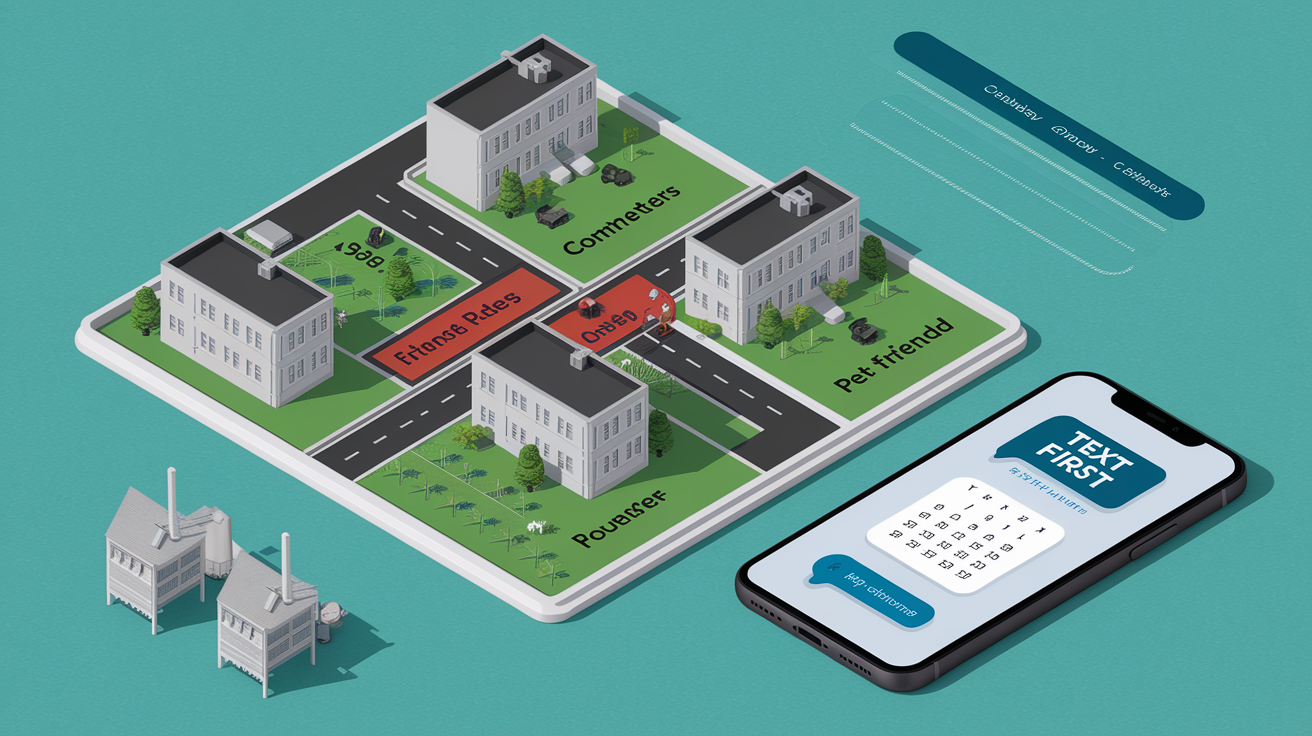
Evacuation planning for apartments means understanding multiple exit routes from your unit, your building, and your neighborhood before water blocks any of them.
Learn all exit routes in your building. Walk the hallways to find stairwell doors. Note which stairs exit to different sides of the building. High rise residents should never plan to use elevators during flooding. When fire pumps fail, mandatory building evacuation happens and elevators shut down immediately. Know at least two ways out of your apartment and two ways out of your building. If your primary stairwell faces rising water, your secondary route might stay clear. Practice these routes with everyone in your household, including children who may need to evacuate independently if separated from adults.
Transportation planning separates successful evacuations from dangerous last minute scrambles. If you don’t own a vehicle, identify neighbors, family, or friends who can provide rides. Discuss evacuation scenarios before storms threaten. Save their contact info in your phone under “Evacuation Ride” for quick access. Research public transportation routes from your address to emergency shelters, but understand that bus service often stops as flooding worsens. This is a backup option, not a primary plan. Research nearby emergency shelter locations and identify pet friendly options in advance. Many shelters turn away pets and you won’t leave family members behind. Call shelters before storm season to confirm policies, capacity, and whether they provide supplies or if you need to bring bedding and food.
Communication protocols during evacuation determine whether separated family members reconnect quickly or spend hours in panicked searches. Texts often work when voice calls fail because texts need less bandwidth and retry automatically when towers briefly work. Set up a text first protocol where everyone sends a brief status update every two hours during evacuation. Create a communication plan with loved ones, friends, or roommates using regular text updates or hourly phone calls depending on the situation. Designate an out of state contact who can relay information between separated family members when local networks overload. Choose someone in a different region who won’t experience the same emergency.
Evacuation and communication prep to complete now:
Map multiple routes from your apartment to your planned shelter. Use different highways or roads in case flooding closes your primary route. Practice these routes during calm weather.
Identify emergency shelters with pet friendly policies. Save addresses, phone numbers, and routes to at least three locations at different distances from home.
Save all emergency contacts in your phone. Property manager, building security, local police non emergency line, family members, designated out of state contact, shelter locations.
Practice evacuation with everyone including children and elderly family. Time how long it takes to grab your emergency kit and exit the building using stairs.
Prepare grab and go bags near exits. Medications, important documents, one change of clothes, phone chargers, cash.
Establish communication check in schedules. Specific times like “text at 8am, noon, 4pm, and 8pm until we’re together again” so everyone knows when to expect contact.
Program property manager contact info into every household member’s phone. They may need to report damage, request emergency building access, or get information about building status.
Create a family communication card that every household member carries in their wallet. All emergency contacts, meeting locations, out of state relay person’s information.
Set up social media update protocols. Choose one platform like Facebook where you’ll post location updates so extended family can track your safety without overwhelming your phone.
Weather Alerts and Early Warning Systems
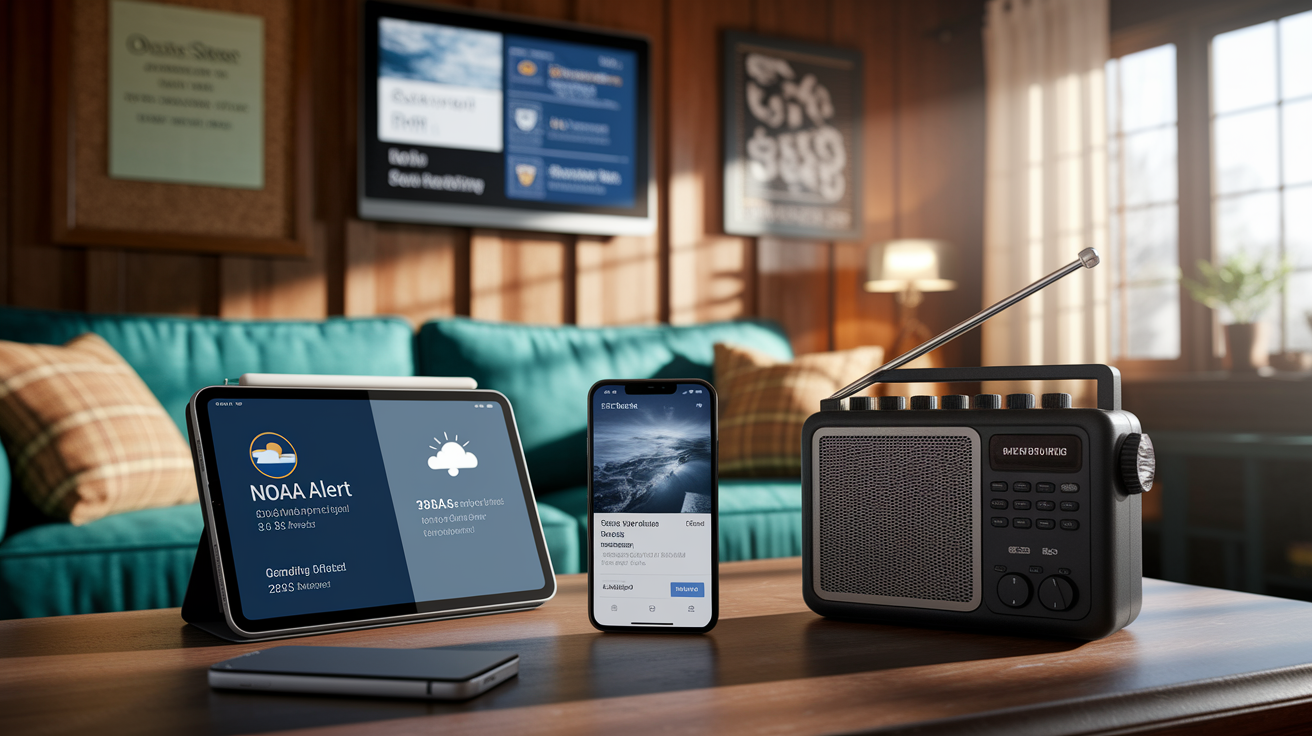
Early warning provides the critical hours you need to protect belongings, communicate with family, and evacuate safely before roads flood and conditions turn dangerous.
Reliable flood warnings need multiple alert systems because no single source guarantees you’ll get notifications. Cell phone alerts sometimes fail when towers overload as thousands simultaneously check weather and call family. Internet service drops when equipment loses power. Even battery powered radios only help if you’re home listening. Building redundancy into your warning systems ensures at least one source reaches you regardless of where you are or what infrastructure fails.
Seven alert systems to activate:
NOAA Weather Radio. Battery powered or hand crank radios receive continuous broadcasts from the National Weather Service. Warnings, watches, emergency instructions update every few minutes during severe weather. Program your radio to alert for your specific county.
Local emergency management text alerts. Sign up for your county’s notification system, often called “Alert [County Name]” or “[City] Alerts.” These send geo targeted warnings to residents in affected flood zones.
Weather app notifications. Download multiple apps like Weather Underground, The Weather Channel, and local news station apps. Enable severe weather alerts for your exact location, not just your general city.
Red Cross flood safety app. Free for Android and iTunes. Includes pre loaded instructions that work without cell towers. Monitors NOAA alerts and provides location based flood warnings plus step by step safety guidance.
Community social media groups. Join Facebook groups, Nextdoor communities, or neighborhood text chains where residents share real time flooding updates from your specific apartment complex or street. Locals often report rising water before official alerts go out.
Building management emergency communications. Confirm your property manager has your current phone and email. Ask how they notify residents during emergencies. Mass text, posted notices, door to door checks, or building wide alarm systems.
News outlet alerts. Enable notifications from local TV station apps and follow local emergency management accounts on social media. These sources often provide street level flooding updates and road closure information.
Test alert systems regularly. At least once before storm season and monthly during peak flood risk periods. Verify that every adult household member has enrolled independently, not just one person who might be at work or traveling when warnings are issued. Replace weather radio batteries twice yearly and keep fresh batteries in your emergency kit.
Protecting Valuables, Electronics, and Critical Items
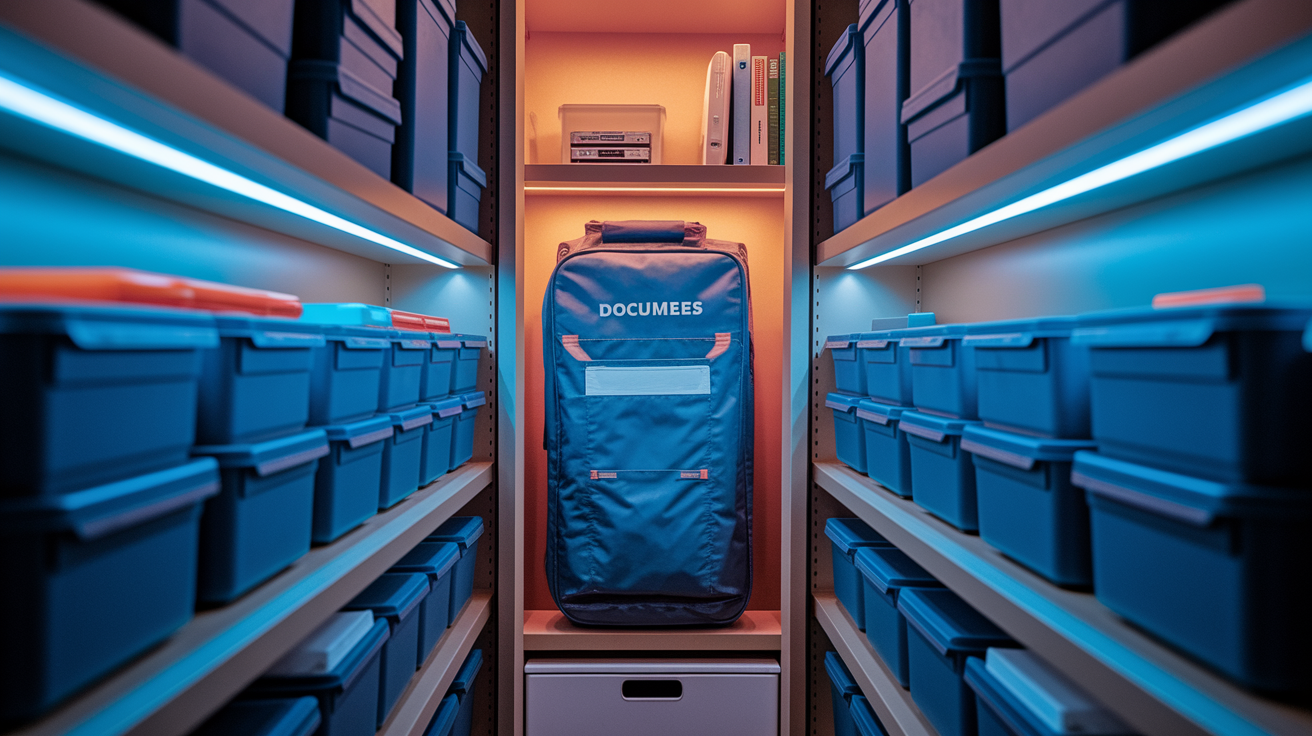
Electronics, valuable collections, and irreplaceable documents need layered protection that combines elevation, waterproofing, and documentation to minimize flood damage and maximize insurance recovery.
Ten protection strategies you can implement this week:
Elevate electronics on upper shelves of closets or bookcases. Keep laptops, tablets, gaming systems, external hard drives at least three feet above floor level in ground floor apartments.
Use waterproof plastic storage bins with tight sealing lids for clothing, shoes, books, household items. Stack bins on closet shelves rather than floors.
Unplug all devices before flooding begins. Prevents electrical surge damage when power restoration happens. Eliminates electrocution risk from submerged plugged in equipment.
Store valuable items in closets and rooms on higher floors or interior walls away from flood prone exterior walls and windows where water enters first.
Create elevated platforms using furniture risers. Raise beds, dressers, sofas, tables 6 to 12 inches above potential flood levels. Allows minor water intrusion to pass underneath without saturating furniture.
Keep important documents in waterproof document bags designed for legal size papers. Store in elevated locations with your emergency evacuation supplies for grab and go access.
Organize documents by category in separate waterproof bags. Label “Insurance,” “Medical,” “Financial,” and “Housing” so you can quickly grab specific documents needed for shelter check in or insurance claims.
Elevate items on plastic pallets or bricks in basement storage units. Keep belongings at least six inches off the floor since even minor flooding reaches floor level first.
Avoid placing heavy objects on top shelves. Could fall during evacuation or cause shelving to collapse if flood currents shift furniture.
Move electronics, photo albums, irreplaceable items away from exterior walls. Foundation cracks and window leaks allow water intrusion before flooding reaches floor level depth.
Creating comprehensive inventory documentation protects your insurance claim when you need to prove ownership and value after water destroys belongings. Photograph all valuable items from multiple angles showing brand labels, model numbers, condition. Record serial numbers from electronics, appliances, tools either in photos of serial number stickers or in a spreadsheet. Document purchase dates and estimated current values. Understand that replacement cost coverage pays to buy new equivalents while actual cash value coverage deducts depreciation. Organize images by room and category. Create folders labeled “Living Room Electronics,” “Bedroom Furniture,” “Kitchen Appliances,” and “Clothing” so claims adjusters can quickly verify your losses. Store copies in multiple locations including your insurance company’s mobile app, cloud storage services, and email attachments sent to yourself and trusted out of state contacts.
Digital protection safeguards information that water can’t touch. Scan critical documents like birth certificates, passports, social security cards, insurance policies, lease agreements. Save high resolution PDFs to secure cloud storage like Google Drive, Dropbox, or OneDrive with strong password protection and two factor authentication. Create password protected external hard drives or USB drives with copies of computer files, family photos, financial records. Store these drives in elevated waterproof containers or at an off site location like a workplace desk or relative’s home. Back up computer files weekly using automated cloud backup services that run in the background. Share copies of essential documents with trusted out of state contacts who can email you copies if flooding destroys your physical documents and local backups.
| Document Category | Examples | Storage Method |
|---|---|---|
| Identification | Birth certificates, passports, social security cards, driver’s licenses | Waterproof document bag in elevated location plus scanned copies in cloud storage |
| Financial | Bank account information, credit card numbers, investment statements, tax returns | Scanned copies in password protected cloud storage, physical copies in fireproof safe on upper shelf |
| Insurance | Renters policy, flood policy, auto policy, health insurance cards | Copies filed with insurance company, waterproof bag with emergency kit, digital copies on phone |
| Medical | Prescription lists, medical history, vaccination records, emergency contacts, doctors’ names and phone numbers | Waterproof bag with emergency kit, copies in cloud storage, wallet card with critical information |
| Housing | Lease agreement, property manager contact, move in inspection photos, maintenance request history | Scanned copies emailed to yourself and saved in cloud storage, physical copy in document bag |
Coordinating with Property Management on Building Preparedness

Your safety during flooding depends partly on building level preparedness that only property managers and landlords control. Communication and coordination are essential.
You have rights. You can request information about building flood preparedness plans, emergency procedures, building system protections. Contact your property manager before storm season to ask for written emergency procedures. Evacuation protocols, building specific shelter in place guidance, emergency contact numbers staffed 24/7 during disasters, communication methods management will use to notify residents when emergencies develop. Most professional property management companies have developed these plans but don’t distribute them unless residents request copies. Ask whether the building has held informational meetings covering pre disaster plans, storm procedures, evacuation routes, shelter locations, emergency response numbers, building system shutdown information. If not, request that management organize one before peak flood season.
Questions to ask your property manager:
Does the building carry flood insurance? Does that coverage protect building systems and common areas or just the structure? Where are the building’s main water shutoff valves? Are residents allowed to access them in emergencies or must they wait for management? What flood mitigation measures are currently in place? Sump pumps, backflow preventers, sealed basement access points, emergency generators for critical systems? What’s the emergency communication protocol? Will management call every unit, send mass texts, post notices, or use building alarm systems to alert residents? Are building emergency generators sized to maintain elevators, water pumps, fire suppression systems during extended power outages, or do they only power emergency lighting? Has the building experienced flooding in the past five years? What damage occurred? Do building drainage systems and storm sewers receive regular professional maintenance? When was the last inspection? Which residents have provided information about disabilities or mobility limitations that would require assistance during evacuation? Has this been shared with local emergency responders in advance?
Document all communications with your landlord about flood preparedness and building vulnerabilities. Send requests via email rather than phone calls. Creates a written record with dates and responses. Take photos of obvious drainage problems, foundation cracks, malfunctioning sump pumps, blocked storm drains on the property. Send these images to management with requests for repairs before flooding occurs. Save all responses in a dedicated folder, both to track their preparedness efforts and to establish documentation if flooding damages your unit and you need to prove whether management met their maintenance responsibilities.
Understanding management’s responsibilities versus tenant responsibilities prevents confusion during emergency response and recovery. Landlords handle building and apartment repairs after flooding to maintain livable, code compliant housing. Fixing structural damage, replacing flooring and drywall, repairing plumbing and electrical systems, restoring heating and cooling. Tenants typically handle damage to their personal belongings, temporary housing costs during repairs, unit level preparation like securing belongings and clearing personal items from patios. Know where these boundaries are drawn in your lease and local housing codes before flooding forces quick decisions about who pays for what repairs.
Physical Barriers and Water Intrusion Prevention
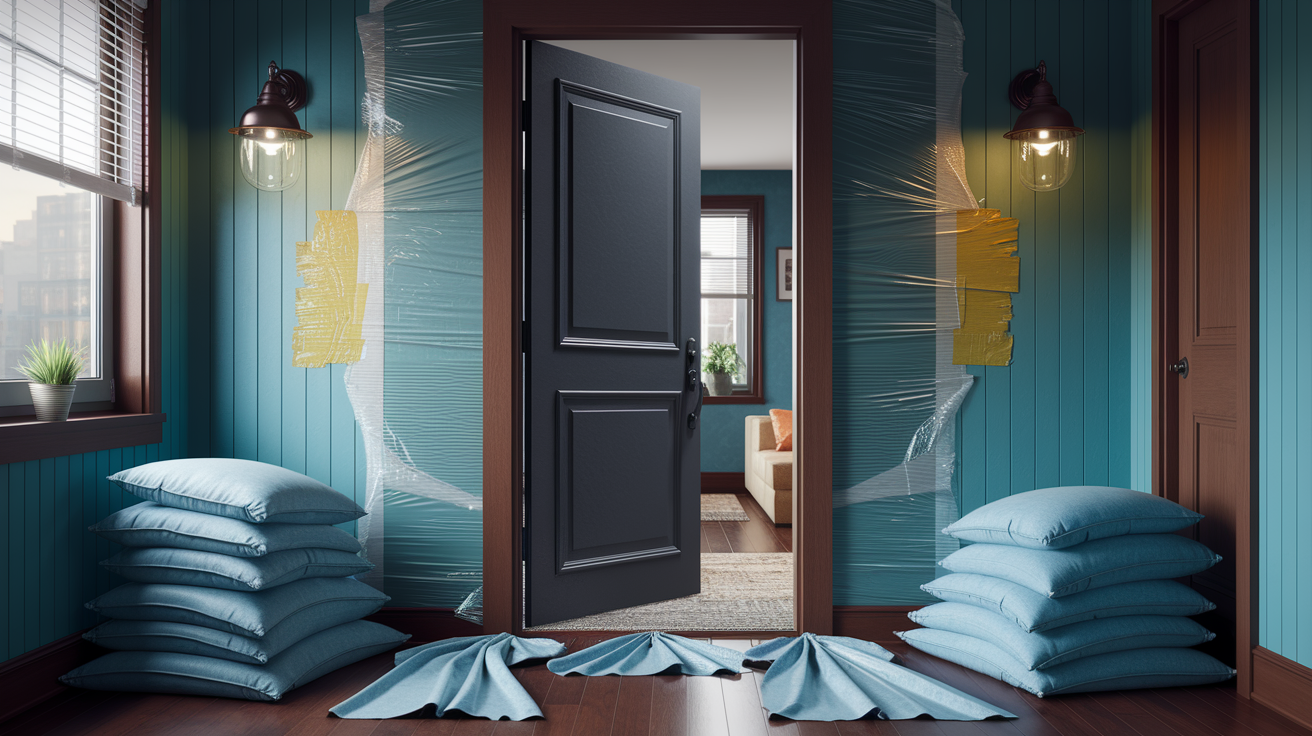
Ground level and basement apartment residents benefit from physical barriers that slow or redirect water intrusion. Buys critical time for evacuation and reduces damage to belongings when flooding occurs.
Which flood mitigation tasks fall under landlord responsibilities versus tenant actions varies by lease terms and local codes. Generally landlords handle permanent building modifications while tenants can implement temporary protective measures. Property owners typically handle FEMA recommended waterproofing of basements and flood susceptible areas with sealants, cleaning gutters and downspouts to prevent water backup, maintaining building drainage systems and storm sewers, installing and maintaining sump pumps and backflow preventers, sealing foundation cracks that allow water intrusion. Tenants can legally implement temporary barriers at their unit entrance, elevate personal belongings, seal gaps around their unit’s doors and windows, cover vulnerable areas inside their apartment without modifying building structure.
Nine barrier and prevention methods apartment residents can implement:
Proper sandbag placement for doorways requires stacking bags in a pyramid shape. First row placed perpendicular to the door threshold, second row laid lengthwise across the first, continuing in alternating directions. Fill sandbags only halfway so they mold around each other and seal gaps. Place them before water arrives since wet sandbags are too heavy to move effectively.
Temporary door barriers and commercial flood shields slip into door frames or attach with adhesive strips. Create watertight seals that stop water up to 2 to 3 feet deep. Products like flood barriers, water activated flood bags, expanding flood gates work for apartment entry doors without permanent installation.
Sealing window gaps with waterproof caulk closes cracks where water seeps through, especially in older buildings with deteriorating seals. Apply clear silicone caulk around window frames. Remove old cracked caulk first for proper adhesion.
Covering electrical outlets on lower walls with outlet covers or waterproof tape prevents water from entering wall cavities through outlet boxes. Reduces electrical hazards and structural damage to walls.
Using heavy towels and plastic sheeting for gaps provides quick temporary protection when water is already rising. Roll towels tightly and press them against door bottoms. Tape plastic sheeting over the door with duct tape to extend the barrier upward.
Moving items away from exterior walls protects belongings from water that seeps through foundation cracks, window frames, wall penetrations before flooding reaches doorsill height.
Covering air vents near ground level with plastic sheeting taped tightly around the vent frame prevents water from entering through HVAC systems. Only do this during actual flooding and remove immediately after to restore ventilation.
Understanding building drainage systems helps identify where water will flow and pool on the property. Walk your building’s perimeter during heavy rain to see where water collects. Note areas where storm drains can’t handle runoff volume or where grading slopes water toward building foundations.
Knowing when to request landlord action for building level mitigation includes calling management immediately when you notice malfunctioning sump pumps, clogged storm drains on property, foundation cracks larger than hairline width, or standing water that persists more than a few hours after rain stops.
Physical barriers have clear limitations in apartments. Sandbags stop slow rising water up to two feet deep but fail against fast moving floodwater or depths above three feet. Door barriers work for individual unit protection but don’t prevent building flooding that affects shared systems. DIY measures protect your belongings but can’t compensate for building level vulnerabilities like inadequate drainage, failing sump pumps, or basement mechanical rooms that flood and disable elevators and fire systems. Storm water systems overload quickly during heavy rainfall, causing backups into buildings that no individual unit protection prevents. When building level flooding threatens, professional flood mitigation including basement waterproofing, improved drainage systems, backup power for critical pumps becomes necessary. Only building owners can authorize these permanent modifications.
Utility Safety and System Shutoffs in Apartments

Electrical dangers during flooding create life threatening risks from electrocution when standing water contacts energized outlets, appliances, or electrical panels. Water conducts electricity efficiently. Turns entire rooms of standing water into electrified pools that can kill instantly. You should know how to shut off electricity to your unit. Locate your electrical panel, typically found inside coat closets, kitchen utility closets, or hallways. The main circuit breaker at the top of the panel shuts off all power to the unit when flipped to the off position. Flip this breaker before evacuating if water is rising toward outlets or appliances. Never touch electrical equipment, outlets, or appliances while standing in water or while wet, even if power appears to be off. Neighboring units may still be energized and current can travel through shared plumbing or building structures.
Understanding water shutoff valve locations and operation prevents additional water damage from burst pipes or allows you to stop water flow from specific fixtures during emergencies. Individual apartment units typically have shutoff valves under sinks, behind toilets, near water heaters that control water to specific fixtures. Turn these valves clockwise to close them. Some apartments include a main shutoff valve for the entire unit, usually in a bathroom, kitchen, or utility closet where the main water line enters the unit. Turning off your unit’s main shutoff stops all water flow to your apartment but doesn’t affect building water systems or other units. Building main shutoffs that control water to multiple units or the entire building are usually locked in mechanical rooms. Only property management or maintenance staff should operate these valves. If you smell gas, discover a gas leak, or suspect gas line damage, immediately evacuate and call 911 and your property manager from outside the building. Never attempt to locate or shut off gas valves yourself. Improper gas shutoff creates explosion risks and requires licensed professionals to restore service safely.
High rise residents face unique utility vulnerabilities because flooding in underground mechanical rooms disables building wide systems even when upper floor apartments stay completely dry. High rise buildings have critical systems like boilers, elevators, generators, water pumps, fire pumps, sump pumps located underground, making them vulnerable to flood damage. When fire pumps fail during flooding, mandatory building evacuation is required regardless of which floor you live on. Buildings lose the water pressure needed for fire suppression systems and can’t safely house residents. When water pumps fail, plumbing stops working above the sixth floor because water pressure depends on pumps to push water upward against gravity. Elevator failure during flooding traps high rise residents who can’t use stairs easily and creates dangerous evacuation challenges for elderly residents, people with disabilities, families with small children.
Five critical utility safety actions every apartment resident should complete:
Locate your unit’s electrical panel and identify the main circuit breaker. Test that you can reach it and operate it in darkness since flooding often occurs during power outages.
Identify water shutoff valve locations for sinks, toilets, your unit’s main water supply. Take photos of valve locations and text them to household members so everyone knows where they are.
Save property manager emergency contact numbers for gas issues in your phone under “GAS EMERGENCY” and “PROPERTY MANAGER EMERGENCY” so you can call immediately if you smell gas without searching for contact information.
Unplug all electronics before evacuation. TVs, computers, kitchen appliances, phone chargers, lamps. Prevents surge damage when power restoration happens and eliminates electrocution risks from submerged plugged in devices.
Never touch electrical equipment while standing in water or walk through standing water near outlets, even if you believe power is off. Current can travel through water from sources you don’t control.
Professional restoration of utilities before turning them back on prevents dangerous situations after flooding recedes. Electricians must inspect electrical systems for water damage, corrosion, short circuits before energizing panels. Gas technicians must check for leaks, test connections, relight pilot lights safely. Water systems need inspection for contamination and pressure testing before use resumes. Don’t flip breakers back on, turn water valves, or attempt any utility restoration yourself after flooding. Wait for property management to hire licensed professionals who can verify safe operation.
Post-Flood Safety and Contamination Risks
Returning too quickly to your flooded apartment creates serious health and safety risks. Floodwater appears like regular water but contains sewage, chemicals, fuel, debris, bacteria that cause infections and illness.
Wait for official clearance from local authorities and your property manager before returning to flooded buildings. Structural damage, electrical hazards, gas leaks, contaminated water create deadly conditions that aren’t obvious from outside. Even if your building appears intact, foundation shifting, weakened floors, or hidden electrical damage can cause collapse or electrocution.
Seven post flood safety priorities to follow in order:
Wait for official clearance before returning. From property management, local emergency management, or building inspectors confirming the structure is safe to enter and utilities are properly shut off.
Document flood damage with photographs immediately after receiving clearance to enter. Take wide shots of every room and close ups of damaged items before touching or moving anything for insurance claims.
Avoid contact with floodwater by wearing rubber boots, waterproof gloves, protective clothing. Floodwater contains sewage, chemicals, bacteria that cause skin infections, gastrointestinal illness, serious diseases.
Wear protective equipment during cleanup. N95 masks to prevent mold spore inhalation, safety goggles to protect eyes from contaminated water splashes, long sleeves and pants to minimize skin exposure.
Identify electrical hazards before entering. Confirm power is shut off at the breaker. Never enter standing water if outlets or appliances are submerged. Call a licensed electrician to inspect electrical systems before restoration.
Check for structural damage. Cracks in walls or ceilings, sagging floors, shifted foundations, doors and windows that no longer close properly. Evacuate immediately if you notice these signs and call building management.
Contact property management immediately upon discovering flood damage. Report conditions, request emergency repairs, begin the documentation process for insurance claims and landlord accountability.
Mold prevention requires rapid action because mold growth begins within 24 to 48 hours after flooding. Open windows and doors immediately to create cross ventilation if weather permits and outdoor air quality is safe. Remove standing water using wet vacuums, pumps, or professional water extraction services as quickly as possible. Use dehumidifiers and fans to dry affected areas completely. Run them continuously for days or weeks until moisture meters confirm materials are completely dry. Remove and discard porous materials like carpet, padding, drywall, insulation, upholstered furniture that absorbed floodwater. These items cannot be adequately cleaned and will grow mold. Wipe hard surfaces like tile, glass, metal, sealed wood with detergent and water, followed by disinfectant solution to kill bacteria and mold spores.
Professional mold remediation becomes necessary when mold covers areas larger than 10 square feet, when mold grows inside walls or HVAC systems, when residents have respiratory conditions or weakened immune systems, or when visible mold continues spreading despite cleaning efforts. Landlords are responsible for building and apartment repairs after flooding to maintain livable, code compliant housing. Professional mold remediation, structural repairs, restoration of all building systems. Tenants typically handle cleaning and replacing their personal belongings but should not be required to perform mold remediation beyond small affected areas. Document everything with photographs immediately after water stops for insurance claims. Water lines on walls, damaged belongings, mold growth, structural damage. Maintain emergency call lists with at least two reliable contractors for every possible repair type if you’re responsible for any repairs, though in most cases landlords must hire and pay for professionals to restore apartments to livable condition.
Seasonal Maintenance and Ongoing Readiness Checklist
Apartment flood prep isn’t a one time project. Effective preparedness requires regular updates as circumstances change, supplies expire, seasonal weather patterns shift.
| Season | Preparation Tasks | Frequency |
|---|---|---|
| Spring | Review and update emergency kit supplies, test weather radios and alerts, photograph new valuables, verify insurance coverage still matches belongings value, practice evacuation routes | Once before storm season starts |
| Summer | Monitor weather forecasts closely during peak hurricane season, recharge power banks monthly, confirm shelter locations still operate and accept pets, update out of state contact with any household changes | Monthly during June through November |
| Fall | Replace expired medications in emergency kit, update insurance documentation with recent purchases, test all battery powered equipment, review evacuation plan with household members | Once before winter storms begin |
| Winter | Inspect waterproof containers for cracks or seal failures, replace old batteries in flashlights and radios, review flood insurance policy before renewal, update emergency contact information | Once mid season |
Final Words
Apartment flood preparation doesn’t need to overwhelm you. Start with one category this week, maybe signing up for weather alerts or reviewing your insurance coverage. Then move to the next.
Your situation is unique. First floor apartments need different physical barriers than high-rise units. Renters have different insurance needs than owners. But every apartment can be more flood-ready.
Keep your emergency kit near an exit. Test your evacuation route once. Take photos of your stuff. Those three steps alone put you ahead of most households.
And remember, you don’t control the building’s flood defenses, but you control your family’s readiness. That’s what matters when water starts rising.
FAQ
What can I do if my apartment keeps flooding?
If your apartment keeps flooding, start by documenting every flood event with photos and written records, then formally notify your property manager in writing about the recurring problem. Request that your landlord implement building-level flood mitigation measures like improved drainage systems, waterproofing treatments, or storm water management upgrades. While waiting for permanent fixes, protect your belongings by storing items on elevated shelving, using waterproof containers, and keeping valuables in upper floor closets. Purchase renters insurance and separate flood insurance through the National Flood Insurance Program to protect your possessions financially. Work with your landlord to identify the water source, whether it’s storm water backup, plumbing failures, or ground level intrusion, because knowing the cause helps determine the right solution.
How do you flood proof your apartment?
You flood proof your apartment by combining physical barriers with smart preparation and property coordination. Install temporary door barriers or sandbags at entry points during flood warnings, seal gaps around windows and doors with waterproof caulk, and use towels with plastic sheeting to block water from coming under doors. Elevate your belongings by storing items on upper shelves or furniture risers, keeping electronics and valuables away from exterior walls and at least three feet off the floor. Coordinate with your property manager to ensure building-level protections are in place, including proper drainage system maintenance, waterproofed basement areas, and functioning sump pumps. Keep critical documents and electronics in waterproof bags positioned for quick evacuation, and know the location of your unit’s water shutoff valve in case pipes burst.
What are 5 ways to prepare for a flood?
Five essential ways to prepare for a flood include building a 72-hour emergency kit with water, food, flashlight, battery-powered radio, medications, and phone charging equipment stored near your exit. Second, secure both renters insurance and separate NFIP flood insurance because standard policies don’t cover flood damage, and document all your possessions with photos before any flooding occurs. Third, sign up for multiple weather alert systems including NOAA Weather Radio, local emergency management texts, and the Red Cross flood safety app that works without cell towers. Fourth, create a detailed evacuation plan with multiple routes from your building and neighborhood, research emergency shelters including pet-friendly options, and practice the plan with household members. Fifth, elevate your valuables and electronics onto upper shelves or furniture risers, store items in waterproof containers, and move belongings away from exterior walls to minimize water damage.
What can I use instead of sandbags for flooding?
Instead of sandbags for flooding, you can use temporary water-filled flood barriers that expand when filled with a garden hose and create a seal across doorways. Commercial flood barriers like quick-dam products contain water-absorbing polymers that swell when wet to block openings without the weight and storage challenges of sand. Tightly rolled towels placed against door bottoms and covered with heavy-duty plastic sheeting taped to the floor create a budget-friendly barrier for minor water intrusion. Inflatable door dams made from durable vinyl provide reusable protection that stores flat when not needed and can be quickly deployed during flood warnings. For apartment dwellers with limited storage space, keep plastic sheeting, duct tape, and absorbent towels on hand as a lightweight alternative that takes up minimal room but provides some protection against water coming under doors.
What floor is safest in a flood?
The safest floor in a flood is the second floor or higher because water intrusion affects ground level and basement apartments first and most severely. Upper floor apartments avoid direct water damage from rising floodwater, storm water backups, and sewage system overflows that impact lower levels. However, high-rise residents still face risks when flooding damages underground building systems like boilers, elevators, water pumps, and fire pumps, which can trigger mandatory evacuations even for upper floors. If you live on the first floor or in a basement apartment, your flood risk is significantly higher, so prioritize evacuation planning, comprehensive flood insurance, and keeping valuables elevated on upper shelves.
How long does flood insurance take to go into effect?
Flood insurance through the National Flood Insurance Program takes 30 days to go into effect after purchase, so you cannot buy coverage when a storm is already approaching. This waiting period means apartment residents must purchase flood insurance well before storm season begins or when moving into a flood-prone area. Plan ahead by buying flood insurance during calm weather months, not when forecasts show approaching storms or heavy rainfall. The only exception to the 30-day waiting period is when flood insurance is required by a mortgage lender, which applies to homeowners but rarely affects renters.
Do renters need flood insurance?
Renters do need flood insurance if they want to protect their personal belongings, because standard renters insurance specifically excludes flood damage coverage. Your landlord’s flood insurance only covers the building structure and their property, leaving your furniture, electronics, clothing, and valuables completely unprotected during floods. Flood insurance for renters is available only through the National Flood Insurance Program and typically costs less than building coverage since it only protects contents. Without separate flood insurance, you will pay out of pocket to replace everything you own if floodwater damages your apartment, even if you have renters insurance.
Who is responsible for flood damage in an apartment?
The landlord is responsible for repairing flood damage to the building structure, apartment unit, and building systems to maintain livable, code-compliant housing after flooding. Tenants are responsible for protecting and replacing their own personal belongings, furniture, electronics, and possessions damaged by floodwater. Property managers must restore essential services like plumbing, electricity, heating, and structural integrity, while renters handle their own contents through renters insurance and flood insurance. Document all damage with photos immediately after flooding and notify your landlord in writing to establish the timeline and hold them accountable for required repairs.
How do I protect my apartment from water damage?
You protect your apartment from water damage by elevating belongings on upper shelves or furniture risers, storing items in waterproof plastic containers, and keeping valuables away from exterior walls. Move electronics, important documents, and irreplaceable items to closets on higher floors or at least three feet off the ground. Use temporary barriers like door shields or sandbags during flood warnings, and seal gaps around windows and doors with waterproof caulk to reduce water intrusion. Unplug all electronics before evacuating, know the location of your water shutoff valve for pipe emergencies, and coordinate with your property manager about building-level protections like drainage system maintenance.
What should be in an apartment emergency kit?
An apartment emergency kit should include one gallon of water per person per day for three days, non-perishable food, flashlight, battery-powered radio, first aid supplies, prescription medications, phone charging solutions, and a power bank. Add cash in small bills, waterproof bags for important documents, personal hygiene items, emergency contact information written on paper, and the Red Cross flood safety app downloaded to your phone. Keep the kit compact for apartment storage and position it near your exit for quick evacuation. Check expiration dates monthly on food, water, medications, and batteries to ensure everything works when needed.
How do you prepare pets for apartment flooding?
You prepare pets for apartment flooding by researching emergency shelters that accept animals and keeping a current list of pet-friendly hotels along evacuation routes. Assemble a pet emergency kit including three days of food and water, medications, vaccination records in waterproof bags, leash, carrier, familiar toy, and recent photos in case you get separated. Practice crate training before emergencies so your pet tolerates carriers during stressful evacuations, and keep identification tags current with your phone number. Never leave pets behind during evacuation because floodwater rises quickly and rescue becomes dangerous, and know that many emergency shelters now accommodate pets during disasters.
What documents should I protect from flooding?
Documents you should protect from flooding include identification like driver’s licenses and passports, financial records like bank statements and tax returns, insurance policies for renters and flood coverage, medical records and prescription information, and housing documents like lease agreements. Store these in waterproof document bags positioned for quick evacuation, and create digital copies uploaded to secure cloud storage services. Keep copies with a trusted out-of-state contact and file documentation photographs with your insurance company before flooding occurs. Add birth certificates, Social Security cards, vehicle titles, and emergency contact lists to your protected document collection.
When should I evacuate my apartment during a flood?
You should evacuate your apartment during a flood when local authorities issue evacuation orders, when water reaches your doorstep or enters your unit, or when you smell gas or see sparking electrical outlets. Leave immediately if water is rising quickly, if roads are still passable, or if building systems like fire pumps fail and management orders evacuation. Don’t wait for perfect information because conditions change fast and roads become impassable within minutes during flash flooding. Evacuate during daylight hours whenever possible since nighttime travel through floodwater hides road washouts and other hazards.