

You won’t know it’s too late until your car stalls in water you thought was shallow enough to cross. By then, your doors won’t open, your windows won’t roll down, and the current’s already pushing you sideways. The brutal truth is that the window to evacuate closes way earlier than most people think, often before official warnings make it sound urgent. This guide shows you the exact signs that mean evacuation isn’t safe anymore, what to do if you’ve already missed that window, and how to recognize the point of no return before you’re trapped in it.
Critical Warning Signs and Safety Thresholds for Flood Evacuation
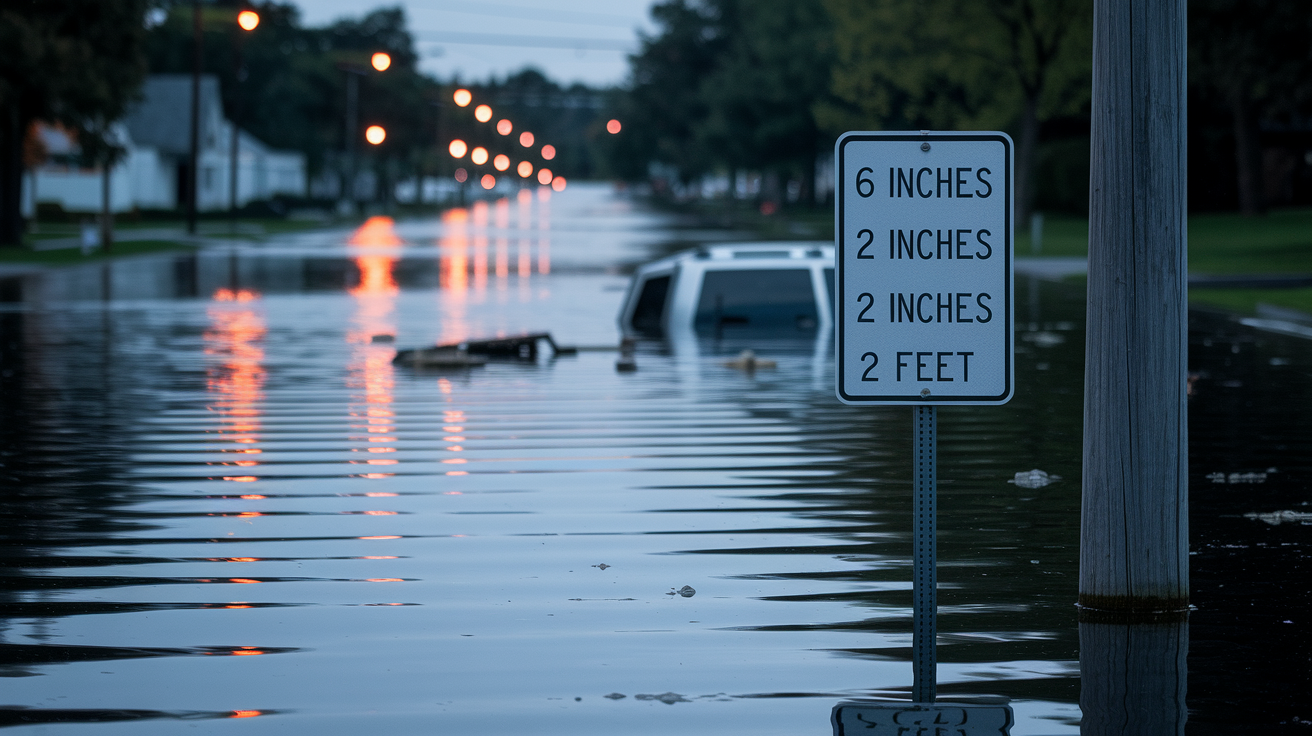
Knowing when it’s too late to evacuate can save your life. Once water starts covering roads or rising fast enough that you can actually watch it climb, your window to leave safely has pretty much slammed shut.
Three things tell you evacuation isn’t safe anymore: water already on your planned route, water rising so fast you can see the level changing, and swift current in any visible floodwater. When water’s already covering roads, you can’t tell how deep it is, how strong the current runs, or whether the pavement underneath even exists anymore. Rapid rise means things will get worse faster than you can drive to safety. Swift currents, even in shallow water, pack enough force to move vehicles and knock people down. If you see any of these three conditions, trying to evacuate by car or on foot will probably get you stranded or trapped somewhere worse than where you started.
Here’s what specific water depths actually do:
- 6 inches of moving water can knock an adult down and sweep them away
- 12 inches of rushing water has enough force to carry most vehicles, including SUVs
- 2 feet of water can float and carry virtually any passenger vehicle
- Any road submersion hiding lane markings or edges makes it impossible to judge depth
- Swift water moving at walking pace or faster creates drowning and impact dangers
- Visible damage to roads, bridges, or buildings means foundations are undermined and can collapse suddenly
What you can see right now matters more than forecasts when you’re deciding if evacuation’s still possible. You need observable, real time indicators to make safe calls in situations changing by the minute.
Watch for these specific danger signs that mean evacuation attempts won’t work:
- Water covering lane markings or centerlines
- Debris flowing in water (branches, trash, objects from upstream)
- Water moving at walking pace or faster, creating ripples or waves
- Vehicles stranded, abandoned, or floating in roadways ahead
- Road edges, curbs, or shoulders no longer visible
- Water approaching or touching building foundations on your street
- Manhole covers displaced by water pressure or geysering from backed up systems
- Utility poles leaning, wires sagging low, or electrical arcing near water
These signs mean routes have become impassable or will fail before you reach safety. Vehicles stall in water shallower than their ground clearance suggests because water gets into engine air intakes and shorts out electrical systems. Roads that look intact may have washed out sections hidden under murky floodwater. Trying to drive through these conditions gets you a stalled vehicle, water entering the cabin within seconds, and swift currents pushing you off the road into deeper water or against obstacles.
The “turn around don’t drown” thing exists because more than half of flood deaths happen in vehicles, and most of those people drove into water they thought was passable. When any of these conditions exist on your route, staying put becomes the safer option. Staying in a structure, even a single story home, and moving to upper levels gives you better survival odds than getting stranded in a vehicle filling with water.
Official Evacuation Orders and Emergency Alert Timing

Voluntary evacuation orders and mandatory evacuation orders mean different threat levels and dramatically different safety windows. Voluntary evacuations mean flooding’s expected and that leaving now, while routes stay clear, is the safest choice for at risk populations and anyone uncomfortable with potential shelter situations.
Mandatory evacuation orders typically mean conditions will fall apart within hours to where evacuation becomes impossible, and emergency responders may not be able to reach you once flooding starts. These orders get issued when emergency management has determined that staying poses serious life risk and that the window for safe departure is closing. Once a mandatory order goes out, you should assume you’ve got maybe 6 to 12 hours before routes become impassable, often way less in flash flood scenarios.
| Alert Type | Meaning | Action Window |
|---|---|---|
| Flood Watch | Conditions favor flooding; prepare to evacuate | 12 to 48 hours to finalize plans and prepare to leave |
| Flood Warning | Flooding is occurring or imminent; voluntary evacuation recommended | 6 to 24 hours; leave if uncomfortable or in known flood zones |
| Mandatory Evacuation | Life threatening flooding expected; leave immediately | 2 to 6 hours before routes become impassable |
| Flash Flood Emergency | Severe, life threatening flooding happening now | Immediate shelter in place; evacuation no longer safe |
Once emergency responders stop rescue operations because of dangerous conditions, the evacuation window has definitely closed. If first responders with specialized swift water rescue training and equipment decide conditions are too dangerous for them to operate, civilian evacuation attempts will end badly. Emergency managers issue all clear notices only after confirming roads are passable and hazards like downed power lines have been addressed. Until that official all clear arrives, stay where you are.
Shelter in Place Protocols When Evacuation Becomes Impossible

When floodwater’s already on evacuation routes, rising at visible rates, or moving with swift current, sheltering in place becomes safer than trying to leave. The risks of getting stranded in a vehicle or swept away on foot beat the risks of staying in a structure and moving to upper levels.
Vertical evacuation means moving to the highest livable space in your home before water enters. Go to the second floor if you have one, or get ready to access your attic if you’re in a single story home. If you’re using an attic, make sure you’ve got a way to break through to the roof if water keeps rising, since attics without roof access can become death traps. Bring emergency supplies, communication devices, and anything needed for 24 to 72 hours to your upper level spot before water reaches your home’s foundation.
Critical shelter in place actions:
- Bring emergency supplies, water, food, and medications to upper floors before water arrives
- Shut off utilities at main breakers and valves if you have time and water hasn’t entered the home yet
- Gather all phones, chargers, battery packs, and emergency radios to keep communication going
- Move to interior rooms on upper floors, away from windows that could break from debris
- Prepare signaling methods for rescuers (flashlights, bright clothing, items to wave from windows)
- Avoid attics unless they have roof access you can open from inside
- Never enter standing water inside your home as it may be electrically charged
- Stay away from electrical panels, outlets, and any electrical equipment once water’s present
- Avoid metal plumbing fixtures, radiators, or appliances that could conduct electricity
Keep communication with emergency services by calling 911 if you become trapped or conditions worsen. Give your exact address, number of people sheltering, any medical needs, and your location within the structure. Keep your phone charged and save battery by reducing screen brightness and closing apps you don’t need. If cell service fails, try text messages which often get through when calls can’t connect.
Electrical hazards in shelter situations create hidden dangers most people don’t think about. Downed power lines stay energized even when underwater, creating electrocution zones extending outward through the water. Electrical service boxes, meter bases, and pad mounted transformers all pose electrocution risks when floodwater makes contact. Inside your home, avoid any contact with water that’s reached outlets, switches, or electrical panels, as the water itself becomes a conductor. Don’t use corded electrical devices, and stay away from metal plumbing, gas lines, and appliances that could provide a path for electrical current.
If Trapped During Evacuation Attempt
If your vehicle stalls in floodwater, leave it immediately when water reaches the floorboards or door level. Don’t wait until water enters the cabin, as doors become impossible to open against water pressure, and power windows fail when electronics short out. Move to the vehicle roof if you can’t immediately reach dry ground. Call 911 with your exact location, including cross streets or landmarks visible from where you are. Turn on hazard lights to help rescuers find you. Wait for professional rescue rather than trying to swim or wade, as currents strong enough to move vehicles will overpower even strong swimmers. Swift water contains debris that causes injuries and drowning, and hidden drop offs make wading extremely dangerous.
Evacuation Route Assessment and Road Closure Indicators

Checking your planned evacuation route before you leave tells you whether departure’s still possible or whether you’ve crossed into shelter in place territory. Pull up traffic maps, check local news, and look at road closure information before getting in your car.
The “point of no return” means recognizing conditions that show routes have become impassable and that turning back immediately is necessary. Once you run into flooded sections, the route ahead likely has multiple flooded areas since flooding follows drainage patterns and low lying roadway sections. Turning around at the first sign of trouble keeps you from getting stranded miles from home in worsening conditions.
Route conditions that mean it’s too late to keep going:
- Water touching your vehicle frame or reaching the bottom of doors
- Current visible moving across the roadway in any direction
- Barricades, police vehicles, or emergency crews blocking access ahead
- Other vehicles abandoned, stalled, or stranded in or near water
- Road surface no longer visible beneath water covering the pavement
- Traffic moving in the opposite direction only, with no one going the way you intended
Running into even one flooded road section means your entire planned route is compromised. Flooding happens in multiple locations along drainage corridors, low areas, and near streams and rivers. If one low spot on your route has flooded, assume others ahead have too. Don’t try alternate neighborhood roads hoping to find a passable route, as this wastes time and fuel while conditions worsen. Go back home or to the nearest safe location and get ready to shelter in place.
Flash Flooding Versus River Flooding: Different Evacuation Timeframes

Understanding your specific flood type determines how much time you’ve got to evacuate safely. Flash flooding and river flooding follow completely different timelines and need different response urgency.
Flash Flooding Evacuation Urgency
Flash floods give you minimal warning time, typically six hours or less from first alert to dangerous conditions. Heavy rainfall overwhelms drainage systems, fills dry washes and creeks, and covers roads in minutes to hours. Evacuation must start immediately when you get a flash flood warning. Don’t wait to see if rain intensity drops or if water starts rising. By the time you see water on your street, evacuation routes have likely already flooded in lower areas between you and safety. Flash flood warnings mean leave now, not in an hour or after you finish what you’re doing.
River Flooding Evacuation Windows
River flooding offers longer prediction windows, usually 24 to 72 hours, as forecasters track rainfall upstream and predict crest times at downstream locations. But this extended warning creates dangerous complacency. Lots of people wait until they see water rising before taking action. River crest predictions mark when water reaches maximum height, but water rises continuously for hours or days before the crest. Evacuation needs to be done well before predicted crest time, ideally when voluntary evacuation’s first recommended. Water keeps rising past the point of safe evacuation, and people who wait until crest time find themselves trapped.
Storm surge scenarios with hurricanes and coastal storms provide the only safe evacuation window before the storm arrives. Once tropical storm force winds reach your area, all evacuation becomes impossible as wind, rain, and rising water combine to make roads impassable. Hurricane evacuation orders give you 24 to 48 hour windows before conditions fall apart. This is your only chance to leave, as storm surge can arrive hours before the storm’s center makes landfall.
Urban flooding patterns create unique dangers as overwhelmed storm drains, blocked culverts, and poor drainage cause rapid water buildup in areas that don’t flood from rivers or creeks. This flooding can eliminate evacuation routes quickly, especially in underpasses, low lying intersections, and areas near retention ponds. Urban flash flooding offers even less warning than rural flash flooding since water accumulates faster on pavement and in developed areas with limited absorption.
Emergency Responder Capabilities and Rescue Operation Limits
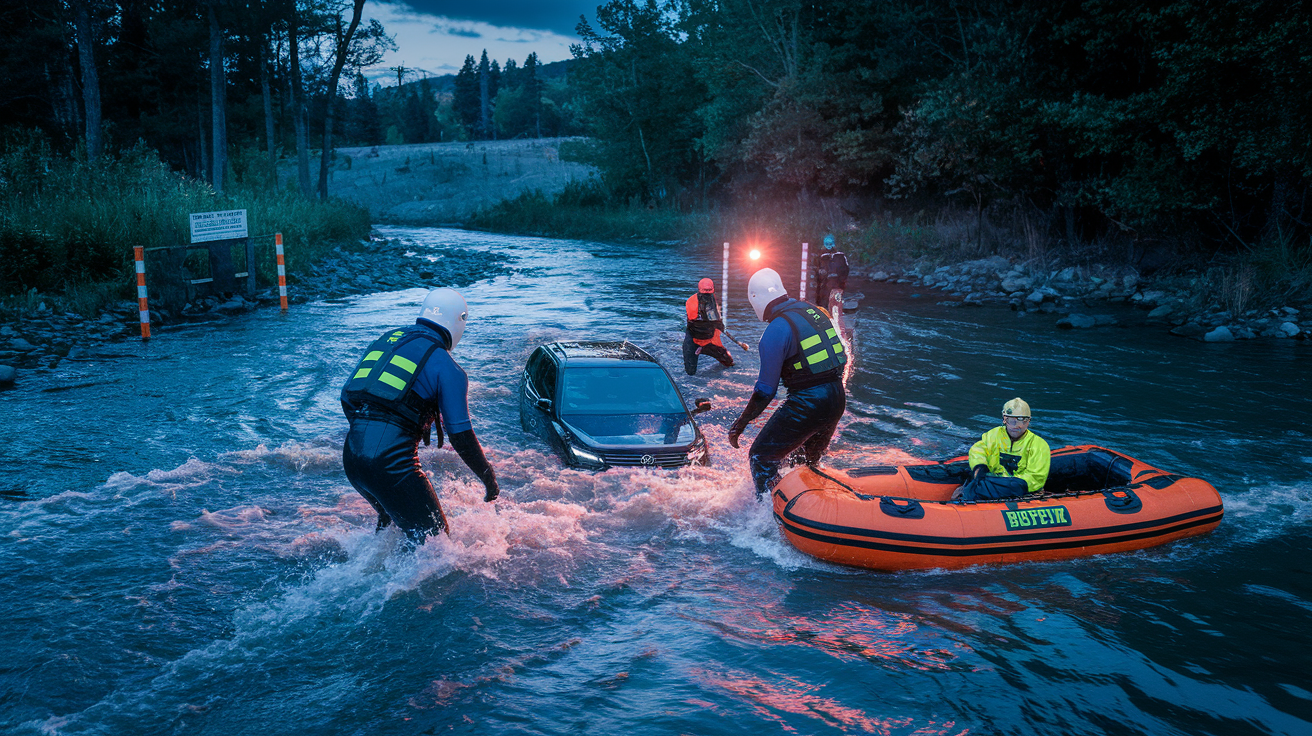
Professional emergency responders with specialized training and equipment have defined safety thresholds that halt rescue operations when conditions become too dangerous. Understanding when first responders stop working tells you when civilian evacuation is absolutely impossible.
Emergency management and fire departments suspend water rescue operations when continuing would likely result in rescuer deaths. These professionals train specifically for swift water rescue, use specialized equipment including rescue boats and personal flotation, and work in teams with backup support. If conditions are too dangerous for them, they’re absolutely too dangerous for untrained civilians trying evacuation.
Conditions that stop professional rescue operations:
- Wind speeds sustained above 40 mph, which capsize rescue boats and blow personnel off their feet
- Complete darkness without adequate artificial lighting to see hazards and victims
- Swift water currents exceeding wade safe limits, typically above knee depth with visible current
- Structural collapse risks from buildings, bridges, or trees undermined by erosion
- Electrical hazards in water from downed power lines or submerged transformers
When rescue operations get suspended, official communications will announce that emergency services can’t respond to calls until conditions improve. This announcement means absolute shelter in place orders are in effect. Anyone who tries evacuation during this period can’t be rescued if they become stranded or trapped. Rescue will resume only after conditions improve to safe working levels, which may take hours or days depending on flood duration and severity. Your job during this period is to shelter safely and wait. Rescuers will reach you once they can operate safely.
Pre Flood Evacuation Planning to Avoid the “Too Late” Scenario

Advance planning eliminates the panic driven, last minute decisions that lead to people trying evacuation after it’s already too late. Having a practiced plan means you recognize trigger points for leaving and act before conditions fall apart.
Find out your flood evacuation zone through local emergency management websites or flood maps. Learn whether you live in a high risk flood zone, moderate risk area, or outside typical flood boundaries. Understand your trigger points for leaving, which might include voluntary evacuation orders issued for your zone, flood warnings upgraded from watches, or specific rainfall amounts that historically cause flooding in your area. These trigger points give you measurable decision criteria instead of relying on subjective judgment about whether conditions look bad enough.
| Planning Element | Action Required | Deadline |
|---|---|---|
| Evacuation Route Selection | Identify primary route and two alternates avoiding flood prone areas | Complete during non emergency planning; review seasonally |
| Destination Identification | Arrange shelter with family or friends outside flood zone; identify backup options | Confirm arrangements before storm season begins |
| Emergency Kit Preparation | Assemble go bag with 72 hour supplies, documents, medications | Maintain year round; update expired items quarterly |
| Vehicle Readiness Check | Keep gas tank above half full; verify spare tire, jack, and emergency supplies | Check weekly during threat periods; daily once watches issued |
| Household Notification Plan | Designate out of area contact; establish check in procedures | Share contact info and procedures with all household members before events |
Evacuating early during voluntary evacuation windows keeps you ahead of the crowd, avoids traffic jams on limited routes, and makes sure you leave while roads stay clear and safe. Voluntary evacuation means conditions will likely worsen but haven’t reached dangerous levels yet. This is your ideal departure window. Waiting for mandatory evacuation means competing with everyone else leaving at the same time, sitting in traffic as conditions get worse, and potentially being caught on the road when flooding starts. Early evacuation also gives you choice in shelter destinations, time to secure your home properly, and the ability to bring more supplies and belongings than last minute scrambles allow.
Practice driving your evacuation routes during calm conditions to spot potential bottlenecks, construction zones, or confusing intersections. This practice helps you navigate efficiently during actual evacuations when stress levels are high and traffic’s heavy. Check out the flood readiness checklists at https://floodrescueguide.com/flood-preparedness-checklist/ for detailed planning steps that help you prepare before threats develop.
Family Members and Pets: Special Evacuation Timing Considerations

Who lives in your household affects how quickly you can evacuate and therefore how early you need to start. Families with members who have mobility limitations or special needs require extra time for safe departure.
Households with elderly members, infants, individuals with disabilities, or multiple pets need earlier evacuation to avoid getting caught when conditions deteriorate. What takes a healthy adult 30 minutes might take two hours for a household managing wheelchairs, gathering medical equipment, calming frightened children, securing multiple pets in carriers, and loading vehicles with specialized supplies. Starting evacuation during voluntary orders gives you the time buffer needed to leave safely and calmly.
Factors that narrow your safe evacuation window:
- Wheelchair or walker dependence requiring vehicle modifications or transfer assistance
- Oxygen concentrators, CPAP machines, or other medical equipment needing power and careful transport
- Young children requiring car seats, diaper supplies, and comfort items to prevent meltdowns during stressful travel
- Multiple pets needing individual carriers, leashes, medications, and food supplies
- Medication schedules that can’t be delayed and require coolers or refrigeration
- Cognitive impairments affecting cooperation with evacuation or causing confusion and resistance
- Multi story homes requiring assistance to move individuals or equipment between floors to reach vehicles
These households should treat voluntary evacuations as mandatory to keep adequate safety margins. Waiting for official mandatory orders eliminates your time buffer and increases the risk of getting caught mid evacuation when conditions worsen. If you need an extra hour or two to evacuate safely, you’ve got to start that much earlier than households without special considerations. Emergency kit planning at https://floodrescueguide.com/emergency-kit-list/ includes considerations for medications, medical equipment, and pet supplies that affect evacuation timing for these households.
Hurricane and Tropical Storm Evacuation Deadlines

Hurricane and coastal storm evacuations follow specific timing thresholds where storm surge and wind create definitive evacuation deadlines unrelated to rainfall flooding. Coastal areas face unique threats that make evacuation timing more rigid than inland flooding scenarios.
Evacuation must be done before tropical storm force winds arrive, defined as sustained winds of 39 mph or higher. Once these wind speeds reach your location, emergency services stop operations, roads become blocked by debris and falling trees, and storm surge starts flooding coastal evacuation routes. This is an absolute deadline. Miss it, and you’re sheltering in place through the entire storm with no rescue possible until after the storm passes and conditions improve.
| Storm Timeline | Condition | Evacuation Status |
|---|---|---|
| 72 Hours Before Landfall | Storm track forecasts stabilizing; evacuation zones identified | Finalize evacuation plans; prepare supplies; secure shelter destination |
| 48 Hours Before Landfall | Voluntary evacuation orders issued for high risk coastal zones | Begin evacuation for special needs households and coastal residents |
| 36 Hours Before Landfall | Mandatory evacuation orders expand to all at risk areas | All evacuation must be done within 12 to 18 hours; routes increasingly congested |
| Tropical Storm Winds Arrive | Sustained winds 39+ mph; storm surge beginning; emergency services suspended | All evacuation impossible; shelter in place only option |
Storm surge arrival often comes before peak winds by hours, making coastal evacuation deadlines even earlier than inland areas. Storm surge pushes ocean water inland ahead of the storm center, flooding coastal roads and evacuation routes before the worst winds arrive. Low lying bridges and causeways become impassable from surge flooding even while skies may still be partly clear and winds manageable. Coastal residents must finish evacuation during the 48 to 36 hour window when mandatory orders get issued, not wait to see how bad conditions actually get.
Final Words
When water is on roads, rising fast, or moving with visible current, it’s already too late to evacuate safely.
The difference between a safe exit and a life-threatening mistake comes down to recognizing warning signs early and acting before conditions deteriorate.
Know your evacuation zone. Watch official alerts. Pack your kit before the forecast gets bad. Leave during voluntary orders, especially if you have kids, pets, or anyone who needs extra time.
If you miss the window, shelter upward and wait for rescue. Your best move is always the one you make before you have to ask when is it too late to evacuate flood conditions.
Stay safe out there.
FAQ
When should you evacuate for a flood?
You should evacuate for a flood when a mandatory evacuation order is issued, when water begins covering roads, or when rainfall exceeds predicted safe levels for your area. Leave during voluntary evacuation windows rather than waiting for conditions to worsen.
How many inches of water can float a car?
Two feet of water can float and carry away most vehicles, including larger SUVs and trucks. Twelve inches of rushing water has enough force to move most cars, while six inches of moving water can knock a person off their feet.
How long until floodwaters recede?
Floodwaters typically recede within 24 to 72 hours for flash floods, but river flooding can last several days to weeks depending on watershed size and rainfall totals. Wait for official all clear from emergency management before returning home regardless of visible water levels.
What are the visual signs that evacuation is no longer safe?
Evacuation becomes unsafe when water covers road markings, debris flows visibly in currents, vehicles are stranded or floating, road edges disappear underwater, or water approaches building foundations. Any of these conditions means sheltering in place is safer than attempting to leave.
Can you evacuate on foot during a flood?
Evacuating on foot during a flood is extremely dangerous because six inches of moving water can sweep adults off their feet and swift currents hide underwater hazards like open manholes and debris. Stay sheltered and call for rescue rather than walking through floodwater.
What does a mandatory evacuation order mean for timing?
A mandatory evacuation order means conditions will soon make leaving impossible and emergency responders may not be able to reach you during the flood. Treat mandatory orders as final warnings and leave immediately using planned routes before water blocks roads.
When do emergency responders stop flood rescues?
Emergency responders suspend rescue operations when wind speeds exceed 40 mph, during complete darkness, when swift water currents become too strong, or when electrical hazards electrify floodwaters. When rescues stop, evacuation attempts will fail.
How does flash flooding affect evacuation time?
Flash flooding provides evacuation windows of only minutes to hours from the first warning, requiring immediate departure when alerts are issued. Unlike river flooding with longer prediction periods, flash floods eliminate safe evacuation options almost instantly.
Should you evacuate differently for hurricane flooding?
Hurricane evacuation must be complete before tropical storm force winds arrive at 39 mph, typically 36 hours before landfall, because storm surge and wind make all travel impossible. Coastal areas face earlier deadlines than inland zones due to surge arrival timing.
What should you do if trapped in a vehicle during evacuation?
If trapped in a stalled vehicle during evacuation, leave the car when water reaches the floorboards, move to the roof if unable to reach dry ground, call 911 with your location, and wait for professional rescue rather than attempting to swim.
How do you know if an evacuation route is still passable?
An evacuation route is no longer passable when water touches your vehicle frame, current is visible across the roadway, other vehicles are abandoned, barricades block access, or the road surface disappears underwater. Turn around immediately if you encounter any flooded section.
When should families with children evacuate?
Families with young children, elderly members, or anyone with mobility limitations should evacuate during voluntary evacuation windows rather than waiting for mandatory orders. These households need extra time to safely move everyone and should treat early warnings as urgent.
What is vertical evacuation during a flood?
Vertical evacuation means moving to the highest floor or attic when leaving your home becomes impossible due to surrounding floodwater. Move emergency supplies upward, prepare roof access if needed, and signal rescuers from the highest safe point while avoiding attics without roof exits.
How do you shelter in place when evacuation fails?
When evacuation becomes impossible, move to upper floors with emergency supplies, shut off utilities if time permits, avoid standing water inside the home, stay away from electrical outlets and panels, and maintain communication with emergency services while waiting for rescue.
What electrical hazards exist during flood shelter situations?
During flood shelter situations, downed power lines remain energized underwater, electrical panels and outlets create electrocution zones in wet areas, and transformers discharge deadly current through standing water. Never enter water inside your home or touch metal fixtures or wiring.