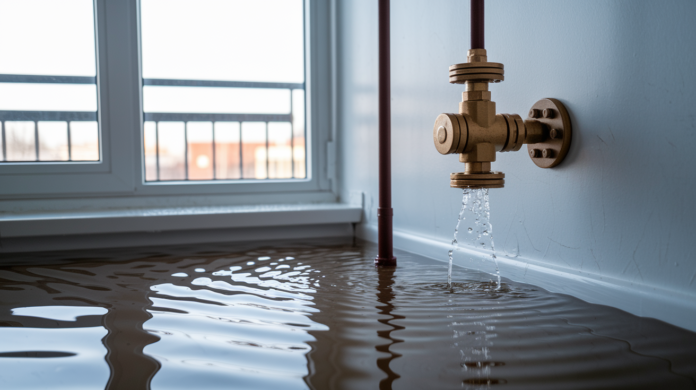

Most apartment leases don’t tell you where the water shutoff valve is until water’s already pouring through your ceiling from a busted pipe upstairs. When a utility shutoff fails or gets handled wrong, flooding happens fast, and knowing what to do in the first five minutes decides whether you lose everything or just have a bad day. This guide walks you through emergency shutoff steps, explains what your landlord legally has to fix and how fast, and shows you how to protect yourself with documentation that actually holds up if you need to file claims or break your lease.
Flooding Caused by Utility Shutoff Failures: Emergency Response

When a utility shutoff goes wrong, you don’t get a warning. Malfunctioning valves that won’t close, water surges after someone cuts service illegally, frozen pipes after the heat goes out in winter, equipment failing during restoration, plumbing that bursts when systems restart. Any of these can dump hundreds of gallons into your apartment in minutes.
The main water shutoff valve stops it. Finding that valve matters more than anything else when water’s pouring in.
- Find the main shutoff (usually basement, utility closet near the water heater, or outside by the meter)
- Turn it clockwise all the way (some need several full rotations)
- Open every faucet to drain what’s left and drop the pressure
- Kill power to wet areas if you can reach the breaker panel without stepping in water
- Get valuables, electronics, documents, anything irreplaceable off the floor now
- Call your landlord’s emergency line and take photos showing where the water’s coming from and what it’s hitting
You need to leave if water gets above your ankles, if you smell gas, if you see sparks, or if water’s touching outlets. Don’t ever walk into flooded areas with electrical problems. Water and electricity kill people instantly, even in shallow puddles.
Rights and Responsibilities: Landlord Obligations and Tenant Protections

State and local laws set the rules for what landlords must do when utility failures cause flooding. These habitability standards mean your landlord has to keep your place safe and functional, and they have to act when their systems fail.
Landlord Legal Obligations During Flooding Emergencies
Your landlord must offer 24 hour emergency repairs for water problems. Burst pipes, appliances flooding your kitchen, sewage backing up into the bathroom. They coordinate with utility companies to get service back, arrange emergency shutoffs when building systems break, and provide water sources when the main line goes down.
Water damage repairs typically need to happen within 24 to 48 hours. Landlords hire licensed electricians for electrical work, certified plumbers for water systems, qualified restoration companies for drying everything out properly. It’s not just about stopping the water. They have to prevent more damage through professional work.
Building codes are the landlord’s job. Maintaining old systems, keeping shared plumbing working in apartment buildings, making sure shutoff valves stay accessible, winterizing pipes in cold areas. When maintenance neglect contributes to flooding, that breaks your lease contract in most states.
Tenant Rights and Legal Remedies
You have fundamental rights to safe housing under consumer protection laws. Utility flooding that makes your apartment unsafe, unusable, or unhealthy can break habitability standards and trigger legal options.
You can get emergency repairs done at the landlord’s expense right away. After following proper procedures (usually written notice and reasonable time for response), you can withhold rent for places that aren’t livable. You get temporary relocation when apartments become uninhabable from extensive damage, electrical dangers, or mold concerns.
Other protections include rent reductions for space you can’t use during repairs, early lease termination if conditions stay bad beyond reasonable repair timelines, reimbursement for damaged stuff when landlord negligence caused the flood. You can recover hotel costs and displacement expenses, access mediation services for disputes, get legal help when landlords violate termination procedures or state rules.
Documentation protects your rights and makes legal remedies work. Send everything in writing, keep copies of maintenance requests with dates and times, save records of landlord responses (or silence) to build breach of contract claims.
Comprehensive Documentation Strategy for Utility Shutoff Flooding

Good documentation protects you during flooding emergencies and strengthens insurance claims and legal options. Photos, written reports, communication records create the foundation for recovering costs, damaged belongings, and emergency expenses.
Knowing who to call first prevents dangerous delays. Call 911 when electrical hazards exist, gas leaks happen, or someone’s life is at risk. Property management comes next for building emergencies.
Start taking photos and videos immediately. Water source and where it’s coming from, how far the flooding spread through rooms, damage to your furniture and electronics, structural problems in floors and walls, visible pipe failures or bursts. Use your phone’s automatic timestamps. Photograph the shutoff valve positions to prove you acted. Water damage affects electrical systems and gas appliances in ways you can’t always see right away, so document areas around outlets, appliances, utility connections even if they look dry.
- Emergency services (911) if electrical hazards, gas leaks, or life threatening situations exist
- Landlord or property emergency line to report flooding and get immediate response
- Building superintendent or maintenance for after hours problems
- Utility companies (water, electric, gas) to report shutoff issues or service disruptions
- Renter’s insurance within their required notification timeframe
| Documentation Type | What to Record | Why It Matters |
|---|---|---|
| Photos and video of active flooding | Water source, depth, spread, damage with timestamps | Proves how bad it was and when you responded |
| Written incident report | Dates, times, who you contacted, what they said | Shows you notified people and tracks landlord response |
| Communication logs with landlord | Names, phone numbers, times, written confirmation | Documents requests and repair delays |
| Receipts for emergency expenses | Hotel bills, food costs, storage fees, supplies | Required for insurance and rent reductions |
| Medical records if needed | Doctor visits, prescriptions, mold symptoms | Links health risks to flooding and shows liability |
| Damage inventory list | Item descriptions, purchase dates, replacement values | Supports personal property loss claims |
| Confirmation of maintenance requests | Email confirmations, certified mail receipts, portal screenshots | Proves landlord knew about problems before flooding |
Filing Insurance Claims for Apartment Utility Shutoff Flooding

Renter’s insurance covers personal property loss, displacement costs, temporary living expenses when apartment flooding hits. Most tenants don’t realize how much their stuff costs to replace until water destroys furniture, electronics, clothes, household items.
Typical coverage includes personal property replacement at actual cash value or replacement cost (depends on your policy), temporary living expenses during displacement like hotel costs, restaurant meals, storage fees, and liability coverage for damage you accidentally cause to neighboring units. But there are limits. Renter’s insurance covers your belongings, not the building structure. That’s on the landlord and their property insurance.
The claim process starts with notifying your insurance company, usually within 24 to 48 hours. Provide photos showing water damage and affected items, submit your damage list with replacement values, get repair estimates for tenant owned improvements. Keep receipts for hotel stays, storage fees for displaced furniture, moving costs if you have to relocate temporarily, emergency purchases like clothes or toiletries. Insurance adjusters will schedule damage assessment visits. Don’t throw out damaged items until after their inspection, even if they smell terrible or look destroyed.
Landlord liability coverage may apply when flooding resulted from maintenance neglect, building code violations, or failure to repair known plumbing problems. Your insurance company may pursue the landlord’s insurance through subrogation to recover costs, but you’ll file your claim with your own policy first for faster reimbursement.
Preventing Mold Growth After Apartment Utility Flooding

Mold can start growing within 24 to 48 hours after water damage and causes serious health problems. Respiratory issues, allergic reactions, asthma attacks, bad air quality. Wet building materials create perfect conditions for mold spores to multiply fast, especially in hidden spots behind walls, under floors, inside electrical panels.
Get the water out immediately to stop mold before it starts. Proper airflow removes moisture from affected areas. Professional drying prevents mold in flooring, drywall, concealed areas like electrical panels and wall cavities. Mold grows inside electrical panels and utility areas after water damage, creating both health and electrical dangers. Professional assessment before turning utilities back on confirms that hidden moisture won’t cause ongoing problems.
Start removing standing water right away using wet vacuums, pumps, or pro extraction services. Don’t wait for the landlord if you have access to equipment. Open windows and doors for maximum airflow when weather allows and outdoor humidity stays below indoor levels. Run dehumidifiers continuously in affected areas, aiming for humidity below 50 percent. Pull up wet carpeting, padding, porous materials within 48 hours because they can’t be dried adequately. Toss cardboard boxes, fabric items, paper products, other absorbent materials exposed to flooding. Monitor humidity with an inexpensive hygrometer (keep it below 50 percent to prevent mold). Request professional mold inspection if musty odors develop, visible mold appears, or you experience breathing problems.
Utility Restoration and Safety Checks After Apartment Flooding
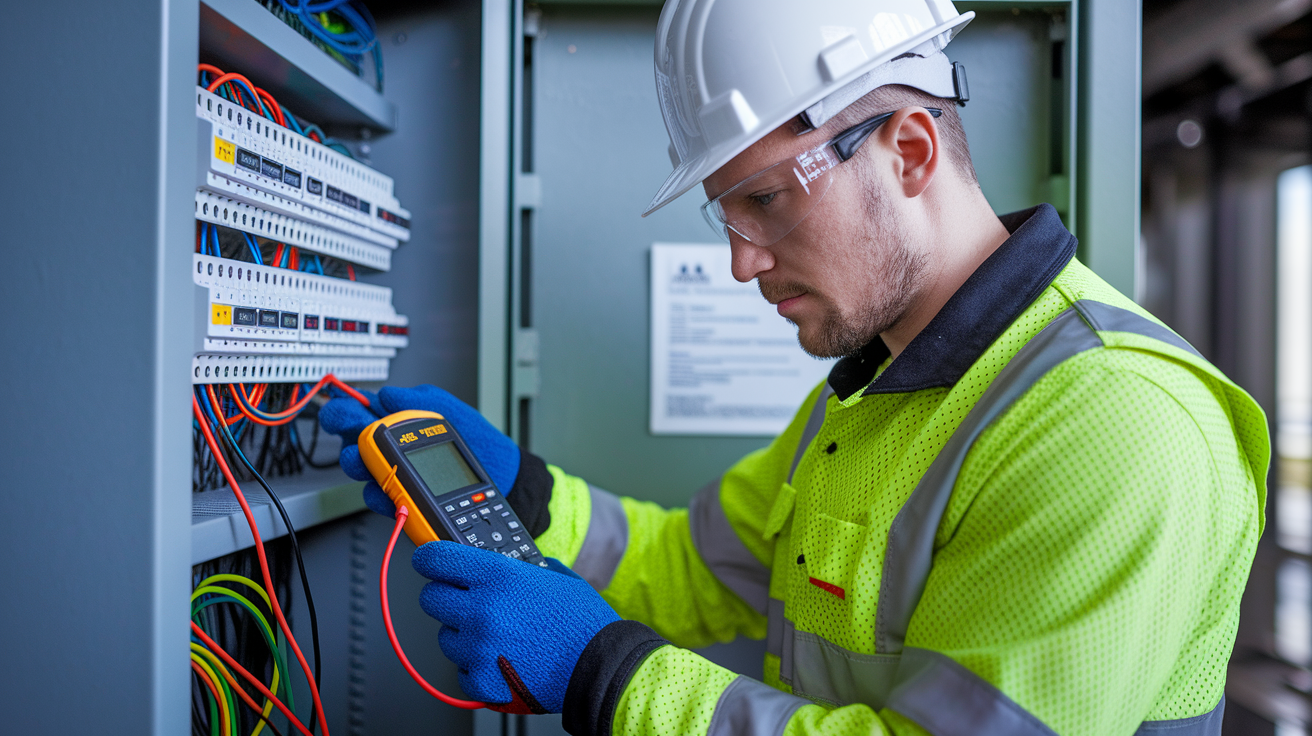
Don’t try to restore utilities without professional inspection. Electrocution, appliance damage, equipment failure, fire can happen when wet electrical systems get power before proper inspection and drying. Water conducts electricity well, and moisture trapped inside walls, outlets, electrical panels stays dangerous even after visible flooding goes away.
Licensed electricians must check all wiring, outlets, circuit breakers, electrical panels before re-energizing circuits. If power wasn’t turned off before flooding, don’t go back in until a qualified contractor says it’s safe. Wet appliances like washing machines, dishwashers, refrigerators, water heaters should never be plugged in until technicians check them. Trapped moisture causes major damage, electrical shorts, fire hazards. Some damaged appliances can be fixed after proper drying and inspection, but don’t use any without professional verification. For detailed guidance on electrical safety protocols, see How to Practice Electrical Safety During Flooding.
Water system restoration requires leak detection throughout plumbing, especially at connection points, valves, joints that may have shifted during flooding. Make sure emergency shutoff valves work properly by testing them after repairs. Inspect shared plumbing connections in apartment buildings to prevent flooding from spreading between units through common pipes. Coordinate with utility companies for service restoration to ensure proper pressure levels and system testing before full operation resumes.
Landlords must hire qualified contractors and certified restoration companies for major building repairs. DIY fixes on old systems or complex plumbing create liability issues and often violate building codes.
Common Causes of Apartment Utility Shutoff Flooding

Apartment flooding stems from various system failures and external factors, many tied to utility shutoffs, restoration procedures, or aging infrastructure. Understanding these causes helps you spot warning signs and respond right.
Internal causes dominate apartment flooding. Burst pipes from old systems happen when galvanized pipes corrode, copper pipes develop pinhole leaks, plastic pipes crack under pressure. Frozen pipes during winter expand and rupture when heat gets shut off during vacant periods or thermostats fail. Plumbing failure in shared systems affects multiple units at once, especially in older buildings with interconnected supply lines. Appliances fail when washing machine supply hoses deteriorate or connection points loosen. Dishwashers flood when door seals fail or drainage pumps quit. Water heaters release 40 to 80 gallons when tanks rust through or pressure relief valves stick. Toilets malfunction and drains overflow from internal component failures or flushing blockages. Sewage backup from blocked lines creates the most hazardous flooding type and requires immediate pro help.
External causes create sudden, high volume flooding. Water main breaks affecting building supply send surges through apartment plumbing when service comes back. Weather damage from storms, ice dams, heavy rain overwhelms drainage systems. Construction accidents damage utility lines near buildings, disrupting service and causing system failures. Flooding from neighboring units spreads through shared plumbing in apartment buildings, especially in vertical pipe chases and common drain lines. Basement flooding requires shutting off electricity before entering if electrical stuff exists in affected areas. Storm damage often hits multiple utility systems at once, requiring coordinated assessment of water, electrical, gas systems.
Watch for decreased water pressure indicating potential pipe issues, valve problems, supply line restrictions. Unusual sounds like banging, hissing, gurgling in plumbing suggest air in lines, pressure issues, loose components. Visible corrosion or moisture around pipes, valves, connection points shows early leak development. Frequent toilet or drain clogs suggest system problems, partial blockages, venting issues. Water discoloration (brown, yellow, rusty) indicates pipe deterioration or sediment buildup. Unexplained increases in water bills suggest hidden leaks in walls, under floors, in toilet tanks.
Legal Action and Remedies for Apartment Flooding Negligence

Legal remedies become necessary when landlords ignore maintenance requests, refuse emergency repairs despite clear habitability violations, fail to meet reasonable response times for water damage, or try security deposit deductions for pre-existing water damage. You have multiple legal paths for recovering losses and enforcing landlord responsibilities.
Small claims court offers accessible options for recovering displacement costs like hotel expenses and restaurant meals during uninhabitable periods, damaged personal property up to court limits (typically $5,000 to $10,000 depending on state), compensation for repair delays that extend beyond reasonable periods. Filing procedures vary by jurisdiction but generally require completing claim forms, paying modest filing fees, presenting documentation at hearings. Bring written notice records showing when you reported problems, photos of flooding and damage, communication showing landlord non-response or delayed response, receipts for all claimed expenses, lease agreements showing landlord obligations.
Mediation services provide faster, less formal proceedings than court. Housing authority complaints address habitability violations, building code violations, systematic maintenance neglect. Many cities offer free tenant mediation through housing departments or consumer protection agencies.
Get legal help for complex cases involving extensive structural damage, repeated maintenance neglect despite multiple written requests, clear violations of state regulations, local ordinances, consumer protection laws. Rent control jurisdictions often have additional tenant protections and stricter landlord obligations. Cooperative housing and condominium associations follow different legal frameworks requiring specialized knowledge.
Preventive Measures to Protect Against Apartment Utility Flooding

Landlords handle building infrastructure maintenance, but you benefit from understanding flooding prevention and emergency prep. Proactive steps minimize damage when flooding occurs and protect your belongings, security deposit, legal rights.
Start by photographing emergency shutoff valve locations when you move in. Know where the main water shutoff sits and test that you can actually turn it (some valves stick from years without use). Learn individual appliance shutoff procedures for your washing machine, dishwasher, toilet supply lines. Request regular inspections from property management for visible plumbing, especially in older buildings. Report early warning signs like leak detection issues, persistent moisture problems, water stains on ceilings or walls, unusual sounds in pipes. Understand winterization procedures in cold climates, including keeping heat at minimum levels if you travel during winter and knowing where vulnerable pipes run.
Create a written emergency contact list with after hours maintenance numbers, building superintendent contact, utility company emergency lines, nearest 24 hour plumber. Keep basic water emergency supplies accessible. Old towels, a bucket, heavy duty trash bags, flashlight with fresh batteries, basic tools. Know where circuit breakers for individual rooms are so you can shut power to flooded areas without killing electricity to your entire apartment. Document pre-existing conditions during move in with photos and written notices to landlord to protect your security deposit from prior water damage claims. Get renter’s insurance with adequate coverage for your belongings (most people own more than they think).
Request information about building infrastructure age, recent plumbing upgrades, maintenance schedules for shared systems in apartment buildings. For comprehensive guidance on emergency utility shutoff procedures, see How to Shut Off Utilities in Emergencies. Buildings over 30 years old with original plumbing face higher flooding risks. Condominium associations sometimes provide maintenance records to residents showing system age and replacement schedules.
Final Words
When apartment utility shutoff flood situations hit, your first moves matter most.
Know where that main water shutoff valve sits. Keep emergency contacts ready. Document everything with photos and timestamps.
Your landlord has legal obligations to fix flooding fast, and you have real rights to safe housing, repairs, and reimbursement when things go wrong.
Don’t wait until water is ankle deep to figure out your plan. Take ten minutes this week to locate your shutoff valves, snap a few reference photos, and confirm your renter’s insurance actually covers what you own.
You can handle this.
FAQ
Who is responsible for apartment flooding?
Responsibility for apartment flooding depends on the cause and location of the water damage. If flooding results from building infrastructure failures like burst pipes, plumbing systems, or utility shutoff malfunctions, the landlord is typically responsible for repairs and mitigation. If flooding occurs due to tenant negligence like leaving faucets running or failing to report leaks, the tenant may bear responsibility for damages.
Is an apartment flood a valid reason to call out of work?
An apartment flood is generally a valid reason to call out of work, especially if it involves emergency response, meeting with landlords or contractors, or displacement from your home. Document the situation with photos and written notice to your landlord. Keep communication records to verify the emergency if your employer requests proof of the situation.
Is it safe to turn on power to a recently flooded apartment?
Turning on power to a recently flooded apartment is unsafe without professional electrical inspection first. Water damage affects wiring, outlets, and electrical panels in ways not immediately visible, creating serious electrocution and fire risks. A licensed electrician must check all electrical systems and verify safety before re-energizing any circuits in flooded areas.
What to do if an apartment gets flooded?
If your apartment floods, immediately locate the main water shutoff valve and turn it clockwise to stop active water flow. Shut off electricity to flooded areas if you can safely access the breaker panel. Move valuables to higher ground, contact your landlord’s emergency line, and document everything with timestamped photos. Evacuate if electrical hazards exist or water continues rising.
How quickly does mold grow after apartment flooding?
Mold growth can begin within 24 to 48 hours after water damage in apartments. Immediate water extraction, proper ventilation, and dehumidification are critical to prevent mold in flooring, drywall, and concealed areas. Professional moisture remediation and mold inspection become necessary if musty odors develop or humidity remains above 50 percent.
Can I withhold rent if my apartment floods?
You may have the right to withhold rent if flooding makes your apartment uninhabitable, but you must follow proper legal procedures specific to your state regulations and local ordinances. Send written notice to your landlord documenting the uninhabitable conditions and allowing reasonable time for emergency repairs before withholding rent to protect your legal position.
When should I call 911 for apartment flooding?
Call 911 for apartment flooding if you face immediate life-threatening situations including electrical hazards with standing water, gas leaks, or anyone trapped by rising water. For flooding without immediate safety threats, contact your landlord’s emergency line and building maintenance first. Always prioritize personal safety and evacuate if conditions become dangerous.
What should renter’s insurance cover for apartment flooding?
Renter’s insurance typically covers personal property loss, temporary living expenses during displacement, and hotel expenses if flooding makes your apartment uninhabitable. Coverage usually includes damaged belongings, storage fees, and moving expenses, but not building structure repairs, which remain the landlord’s responsibility. Document all damaged items with photos and receipts for successful claims.