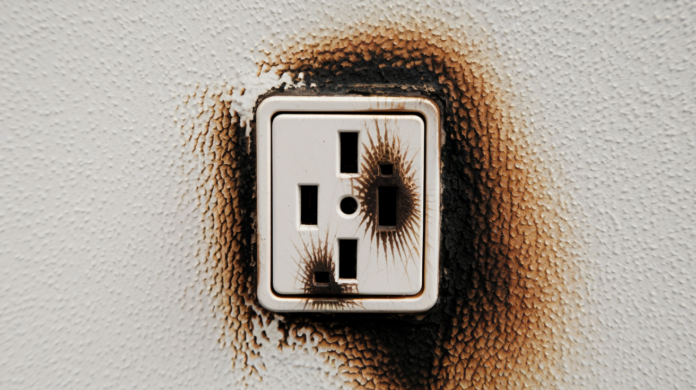

You can’t always see electrical damage after a flood, and that’s exactly what makes it so dangerous. Water doesn’t just short out your lights and trip a few breakers. It seeps into walls, corrodes hidden connections, and turns entire rooms into electrocution zones that look perfectly safe on the surface. Some warning signs scream for attention, like sparking outlets and burning smells. Others hide for weeks, quietly eating through wire insulation until a corroded connection starts a fire inside your wall. If floodwater touched any part of your electrical system, you need to know what to look for right now, because the next person who flips a light switch could be you.
Recognizing Electrical Damage: Visual and Functional Warning Signs

You need to spot electrical damage fast after flooding because some of these hazards can kill you in seconds. Floodwater turns your whole electrical system into a danger zone, and the warning signs range from totally obvious to completely invisible behind walls and inside components that look perfectly fine on the surface.
Damage shows up in three stages. First, you get immediate visible signs during or right after flooding. Burn marks, sparking, total power loss. Second, acute hazards develop while water’s still present, when live electricity meets standing water and creates electrocution zones. Third, delayed deterioration emerges days to months later as corrosion eats through connections and moisture trapped inside walls slowly destroys insulation you can’t see.
Immediate Observable Warning Signs
Any of these signs means stop, shut off the main breaker if it’s safe to reach, and call a licensed electrician right now.
- Burning, fishy, or acrid smells coming from outlets, switches, or electrical panels. If it smells like something’s cooking and nothing is, that’s wire insulation melting.
- Discolored, warm, or charred outlets and switches showing brown, black, or yellow marks
- Black burn marks or scorch patterns around electrical fixtures, especially outlet faceplates
- Frequent or repeated circuit breaker trips without obvious cause, happening multiple times per day
- Flickering, dimming, or completely dead lights that worked before the flood
- Sparking or arcing when you operate switches or plug in devices, visible as blue or white flashes
- Buzzing, crackling, popping, or sizzling sounds from electrical components that should be silent
- Visible corrosion appearing as white, green, or orange crusty deposits on outlet screws, plugs, electrical boxes, or exposed wiring
- Appliances that malfunction, operate erratically, start and stop randomly, or refuse to power on
- Rust or oxidation on metal electrical components including panel covers, junction box exteriors, and conduit fittings
- Moisture stains or water marks on walls near electrical installations, ceiling fixtures, or floor level outlets
Progressive Damage That Develops Over Time
Floodwater doesn’t just damage what you can see. It seeps into walls, basements, and crawl spaces, soaking insulation, drywall, and wood framing. This makes entire rooms potentially electrified even after visible water recedes and floors look dry. Moisture remains trapped in wall cavities and electrical component interiors for weeks, sometimes months. Water creates conductive paths to ground that weren’t there before. Touch a switch, grab a doorknob near wiring, lean against a damp wall with compromised circuits behind it, and you complete the circuit.
The danger doesn’t decrease as things dry out. It actually increases as corrosion develops.
Corrosion damage is sneaky because systems appear functional at first. Lights work. Outlets deliver power. Everything seems fine. But trapped moisture continues degrading insulation and eating through metal connections behind the scenes. Systems start working intermittently. A circuit that functioned yesterday fails today. Breakers trip randomly. Then comes the worst outcome, electrical fires from arcing in corroded components that ignite nearby building materials, often starting inside walls where smoke detectors won’t catch it early.
Hidden damage in ceiling spaces, junction boxes buried in insulation, and wiring running under floors remains completely undetectable without professional inspection using specialized equipment. If you see, hear, or smell any of these warning signs, shut off power at the main breaker if you can reach it safely without stepping in water or touching wet surfaces, then call a licensed electrician before doing anything else.
How Flooding Damages Electrical Systems: Immediate and Long-Term Mechanisms

Floodwater attacks electrical systems through multiple mechanisms that stack on top of each other. What starts as immediate short circuits during active flooding turns into progressive corrosion that destroys components over weeks and months, even after everything looks dry.
Short circuits happen the instant water enters electrical panels or outlets. Water creates unintended electrical pathways between conductors that should never connect, forming what electricians call conductor bridges. Current flows where it shouldn’t, which trips breakers if they’re working properly or damages appliances if protective devices fail. Contaminated floodwater makes this worse. Clean water conducts electricity, but floodwater carrying dirt, chemicals, sewage, and dissolved metals conducts even better. The debris and contaminants enhance conductivity while creating shorting across live wires that should be separated by air gaps and insulation.
Moisture intrusion compromises insulation during flooding, particularly in hidden areas you can’t see. Wire insulation is designed to keep electricity contained in the conductor, but it’s not designed to resist prolonged water exposure. Moisture penetrates the plastic or rubber coating, especially at nicks, cuts, and connection points where insulation is thinner. Wires behind walls and under floors retain this moisture long after surface areas dry, creating ongoing hazards invisible to homeowners. Insulation breakdown exposes live conductors, which increases both shock risk if someone touches exposed wire and fire risk if bare conductors contact grounded metal surfaces or each other.
Progressive metal corrosion accelerates on every metal component after flood exposure. Metal electrical boxes corrode. Terminal screws corrode. Wire connection points inside outlets and switches corrode. The corrosion process creates electrical resistance where smooth metal contact should exist. Resistance generates heat. Heat buildup in a corroded connection can ignite surrounding materials including wire insulation, wood framing, and drywall paper backing. The fire risk is real and documented.
Corrosion doesn’t stop when water recedes. It continues developing for months as residual moisture and chemical residue keep attacking metal surfaces, causing systems that worked fine initially to fail later.
Circuit breaker and protective device failure happens when internal breaker mechanisms get flooded. Breakers are mechanical devices with springs, contacts, and trip mechanisms that must move freely to function. Water intrusion causes corrosion and debris buildup that prevents proper operation. A flooded breaker may fail to trip during overcurrent conditions, which is exactly when you need it most. When protective devices no longer function, homes become vulnerable to electrical fires that would normally be prevented. Panel bus bars, the metal strips that distribute power to individual breakers, corrode and create poor connections throughout the entire system.
Voltage irregularities develop from flood damaged wiring and connections. Corroded connections create resistance that causes voltage drops. Partial shorts create voltage spikes. The result is unstable electrical supply that fluctuates unpredictably. Sensitive electronics like computers, televisions, and modern appliances with circuit boards suffer damage from these voltage swings. Ground fault conditions persist after flooding when damaged wiring creates unintended electrical paths to ground, turning metal surfaces, plumbing, and even damp building materials into electrocution hazards that remain dangerous until professional repairs restore proper grounding.
Components at Greatest Risk: Vulnerability Assessment

Certain electrical components face disproportionate flood risk based on where they’re installed, how they’re built, and whether they’re sealed against moisture. Understanding which components are most vulnerable helps prioritize inspection and replacement decisions.
Basement and ground level components face the highest risk because they’re first to contact rising water. Damage often hides behind walls and inside sealed enclosures where you can’t see corrosion developing until systems fail.
| Component | Typical Location | Flood Vulnerability |
|---|---|---|
| Electrical panel/breaker box | Basement wall or exterior wall at ground level | Internal mechanisms corrode, breakers fail to trip, bus bars deteriorate, entire system compromised |
| Wall outlets (lower placement) | Standard 12-18 inches above floor | Direct water entry corrodes contacts and internal wiring, creates immediate shock hazard |
| Light fixtures (ground level) | Basements, garages, crawl spaces, exterior soffits | Moisture enters fixture housings and corrodes sockets, ballasts, and wiring connections |
| Junction boxes | Behind walls, in ceilings, between floors | Water accumulates in boxes, trapped moisture corrodes wire connections creating fire hazards |
| GFCI outlets | Bathrooms, kitchens, exterior locations, garage | Internal sensing components fail, losing protective function while appearing operational |
| Meter base | Exterior wall at service entrance point | Water infiltration damages metering equipment and creates entry point for moisture into panel |
| Service entrance | Exterior wall where utility lines penetrate building | Water follows conduit directly into main panel, compromises main distribution point |
| Switches (lower placement) | Standard 48-inch height | Often above minor flooding but corrode from moisture migration through walls |
The Greensboro case demonstrates typical damage patterns. Water infiltrated behind drywall affecting circuitry homeowners couldn’t see. The main breaker panel showed extensive corrosion even though external water contact was brief. Moisture damage appeared in numerous outlets and fixtures throughout both floors, not just ground level, because water traveled through wall cavities and building spaces.
Comprehensive inspection must examine all these components, not just the ones with visible water contact. Moisture migrates through building cavities, electrical conduit, and wire channels, affecting components far from where you saw flooding.
Safe Assessment and When to Call Professionals
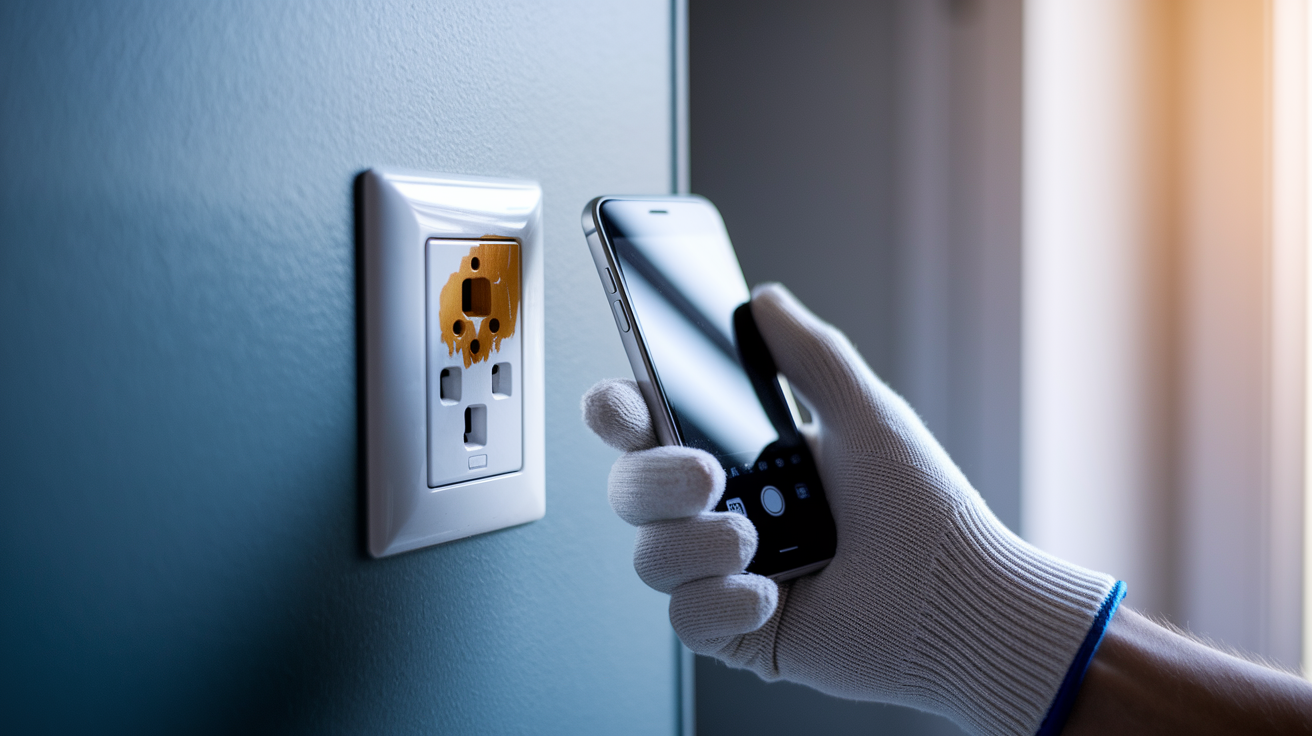
Professional licensed electrician inspection is mandatory after any flooding that contacted electrical components. No exceptions. Homeowner assessment is strictly limited to safe, visual only documentation from a distance, without touching anything.
Safe visual assessment steps homeowners can perform:
- Verify the main breaker is in the off position and check for visible water damage on the panel exterior. Never touch it if wet or if you’re standing in water.
- Visually inspect the panel box exterior for water damage, rust, or discoloration from a minimum 10 foot distance without opening the cover or touching any part.
- Look for visible water stains, discoloration, or moisture on walls near outlets and switches.
- Observe for any burning, fishy, or unusual odors from a safe distance without approaching closer than arm’s length.
- Check for standing water around electrical equipment without approaching. Use a flashlight from doorway if needed.
- Note any appliances or equipment that were submerged or contacted by floodwater, documenting their locations.
- Document all visible damage with photos and videos for insurance purposes and professional review, keeping safe distance.
Call a licensed electrician immediately (24 hour emergency service) if:
- Any standing water reached outlets, switches, panels, or appliances at any depth
- Water infiltrated walls, ceilings, or floors where wiring is present or suspected
- Basement or crawl space flooding occurred at any depth, even just dampness
- Any electrical warning signs are present including odors, discoloration, sparking, unusual sounds, warm components, or visible corrosion
- Circuit breakers or electrical panel had any water contact or are located in flooded areas
- More than 24 hours have passed since flooding because corrosion development accelerates rapidly
- Power restoration is needed. Never restore power yourself without professional clearance and testing.
Assessment must remain visual only. Never attempt to test outlets, flip switches, open electrical panels, or operate any electrical equipment after flooding. Even if components appear dry externally, hidden moisture and internal damage require professional testing with specialized equipment you don’t have access to.
Only licensed professionals possess the tools needed for accurate assessment. Insulation resistance testers called megohmmeters that measure if wire insulation has broken down. Thermal imaging cameras that detect hidden heat sources indicating failing connections. Voltage analyzers that identify power quality problems. Moisture meters that measure water content inside walls and components.
Insurance policies require licensed electrical contractor documentation for electrical damage claims. DIY assessment, testing, or repairs void insurance coverage entirely and create legal liability if problems develop later. Professional inspection costs ranging from a few hundred dollars for basic assessment to several thousand for comprehensive testing with detailed reports are fully justified by three critical factors: life safety assurance using proper procedures and equipment, insurance documentation that satisfies claim requirements, and code compliant restoration that protects your property value and eliminates future liability.
Professional Electrical Inspection and Testing Procedures
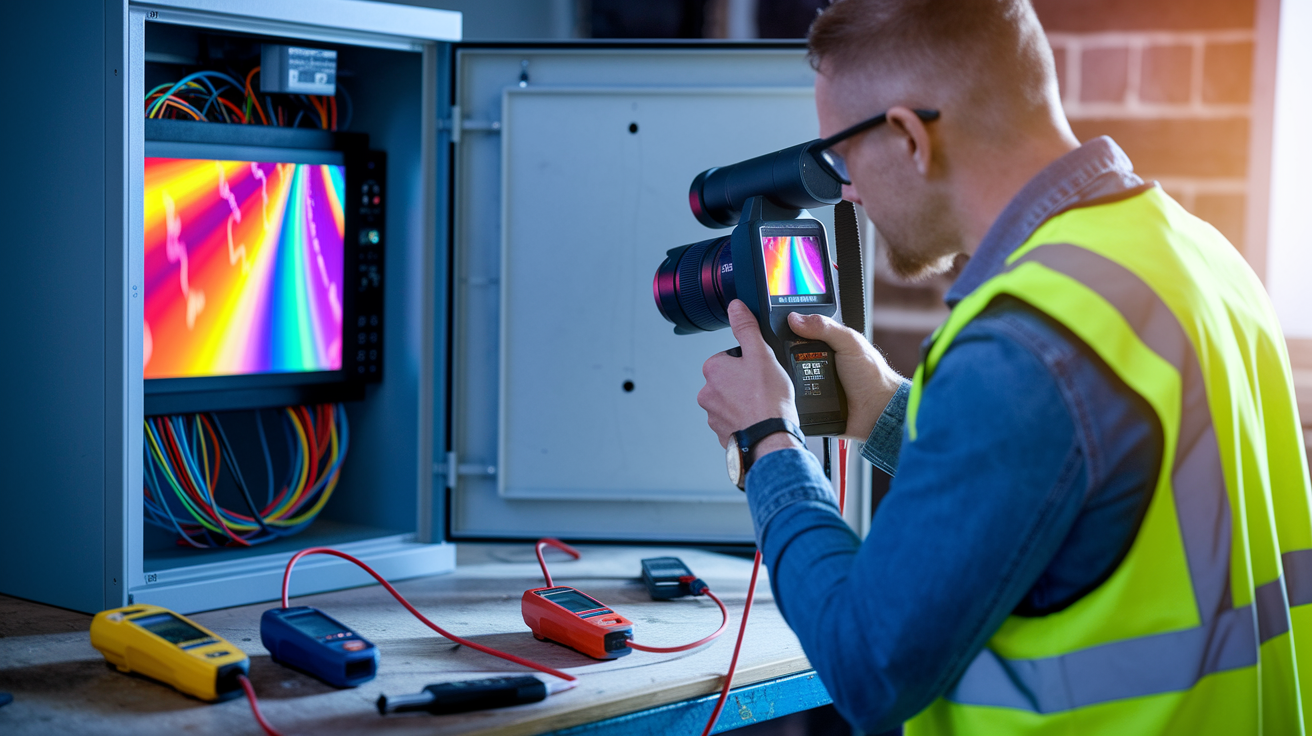
Professional inspection involves multiple specialized tests that go far beyond visual examination. Only licensed electricians with proper equipment and training can perform these procedures safely and accurately.
Initial Safety Assessment and Documentation
The electrician’s first steps establish the scope of damage and create the foundation for insurance claims. They photograph damage from multiple angles, capturing overall views and close-ups of specific components. Non-contact voltage testers check for energized circuits without physical contact, identifying unexpected live wires in areas that should be de-energized.
All affected areas get identified including hidden spaces behind walls, above ceilings, and under floors. Moisture mapping with specialized meters creates a detailed picture of where water infiltrated and how far it traveled through building cavities. A detailed scope of work gets created listing every component requiring repair or replacement. Documentation for insurance claims includes technical measurements, safety findings, and itemized repair requirements formatted to meet insurance company standards.
Specialized Testing Procedures
Specific tests reveal damage invisible to homeowners. Insulation resistance testing uses a megohmmeter that applies high voltage to measure if wire insulation has broken down. Compromised insulation shows low resistance readings indicating moisture penetration or physical damage. Voltage testing at multiple points throughout the system identifies irregularities and lost neutral conditions that create shock hazards. Grounding system integrity checks use ground resistance testers to verify the safety ground system still functions properly, protecting against electrocution when faults develop.
Circuit continuity verification finds breaks or degradation in wiring that may cause intermittent failures. Moisture meters take readings inside walls and inside electrical component housings to locate trapped water. Thermal imaging cameras detect hidden heat sources indicating corroded connections or failing components that show normal temperature externally but run hot internally where problems develop.
Component by Component Evaluation
Systematic inspection examines every part of the electrical system. The electrical panel gets opened for internal examination including bus bar corrosion inspection and individual breaker functionality testing under controlled conditions. Individual circuits get tested under load to simulate actual operating conditions and reveal problems that don’t show up during no load testing. Outlets and switches get disassembled so internal contacts can be inspected for corrosion and moisture damage.
Junction boxes throughout the house get opened and connection integrity gets verified by checking wire to wire connections for tightness, corrosion, and proper joining methods. Appliances and equipment get evaluated for internal moisture and component failure, often requiring partial disassembly. Wiring integrity gets assessed in all accessible areas including pulling receptacles away from walls to examine wire condition behind finished surfaces.
This thorough multi-step process requiring specialized training, years of experience, and thousands of dollars worth of equipment is exactly why DIY assessment is inadequate and dangerous. Inspection results determine whether components can be salvaged through cleaning and thorough drying versus requiring complete replacement for safety. Professional inspection typically takes several hours for minor damage in small homes to a full day or more for extensive damage in larger properties, depending on home size, system complexity, and damage extent.
Electrical System Restoration and Repair Requirements

Restoration follows a systematic sequence designed to ensure safety and bring systems back to full code compliance. Every step matters because skipping procedures or rushing work creates future hazards.
The extent of repairs depends on three factors: flood severity measured by water depth and duration, water contamination level with sewage and chemical exposure requiring more extensive replacement than clean water, and exposure duration with longer submersion causing deeper damage.
Typical restoration sequence:
- Complete system shutdown and de-energization using lockout/tagout procedures that physically prevent accidental re-energization during work.
- Drying and dehumidification of all affected areas including wall cavities, electrical spaces behind panels, and individual components using industrial dehumidifiers and air movers, typically requiring 3 to 7 days of continuous operation with moisture monitoring.
- Removal and disposal of contaminated or corroded components that can’t be salvaged including breakers with internal corrosion, outlets and switches with contact damage, and any components exposed to sewage contaminated water.
- Replacement of damaged wiring, outlets, switches, breakers, panels, and junction boxes using new code compliant materials and proper installation methods.
- System verification testing including insulation resistance testing to confirm wire integrity, voltage stability testing under load, and grounding integrity testing to ensure proper safety ground function.
- Installation of preventive measures including elevated outlets in flood prone areas, GFCI protection expansion to additional circuits, and moisture barriers around vulnerable components.
Some repairs involve temporary stabilization for essential circuits while comprehensive work continues. You might get power restored to refrigerator and critical medical equipment circuits within 24 to 48 hours while full restoration takes longer. Rewiring entire circuits or sections becomes necessary when insulation integrity is compromised, particularly in walls that remained wet for extended periods. Water damaged wire insulation never fully recovers its protective properties even after drying.
All work must meet current National Electrical Code standards, which often requires upgrades beyond simple replacement. Modern code requires AFCI breakers on bedroom circuits to prevent electrical fires, proper grounding methods that may not have existed when your home was built, and adequate circuit capacity for modern electrical loads.
Restoration timeline depends on damage extent, material availability especially for older panel types requiring special order breakers, and permit processing with inspection scheduling. Minor damage might take several days. Extensive system replacement requiring new panels, multiple circuit rewiring, and wall repairs can take several weeks from start to final inspection.
Rushing restoration compromises safety. Thorough drying prevents mold growth and ensures components are genuinely dry before re-energization, while proper repairs following code requirements prevent future failures and fire hazards.
Electrical Damage Documentation for Insurance Claims
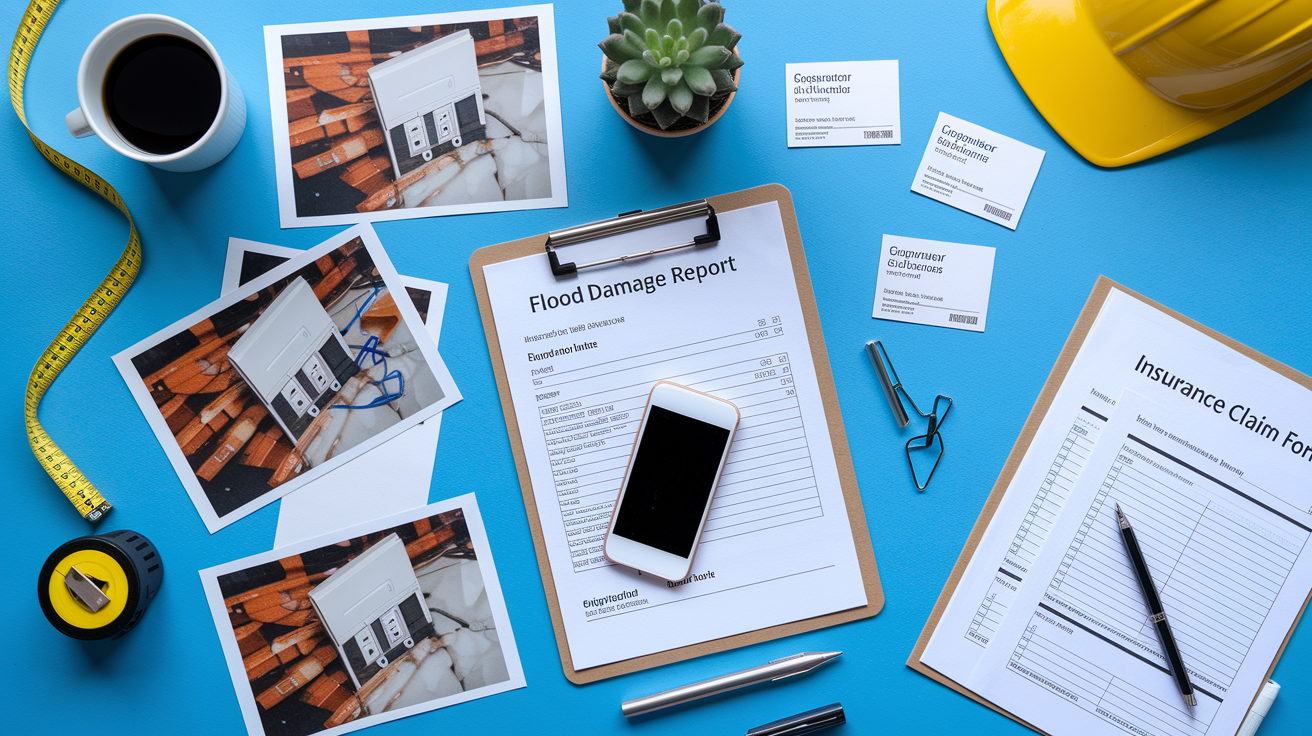
Proper documentation starts immediately after flooding and continues throughout the restoration process. Insurance companies require specific evidence formats and professional verification to process electrical damage claims.
Start documenting before any cleanup or repairs begin. Photograph and video all visible damage from multiple angles. Capture wide shots showing overall room conditions and close-ups of specific damaged components. Document water levels with measurements using a tape measure visible in photos, showing depth marks on walls. Create room by room inventory noting affected areas and listing specific damaged components. Take close-up images of outlets, switches, panels, appliances, and any visible corrosion or burn marks.
Note date, time, flood source like river overflow or broken pipe, and circumstances in written records that supplement visual documentation. Capture images showing water marks on walls near electrical installations so adjusters can verify electrical equipment was genuinely affected by flooding.
Insurance policies require licensed electrician assessment and formal documentation for electrical damage claims. There’s no way around this requirement. Professional reports must specify damage extent with technical measurements from testing equipment, safety hazards identified through inspection procedures, required repairs itemized with material and labor breakdowns, and code compliance issues that must be addressed during restoration.
DIY repairs void insurance coverage entirely and complicate claims processing to the point of likely denial. Insurance companies reject claims when unlicensed work is performed because they can’t verify repairs were done safely and properly. Only licensed contractor documentation with permit records and inspection certificates satisfies insurance requirements.
Detailed written estimates should break down labor rates and hours by specific task like panel replacement versus outlet rewiring, materials with quantities and specifications showing wire gauge and outlet types, permit costs that typically range from 200 to 500 dollars varying by location and scope of work, and disposal fees for contaminated components that must be handled as potentially hazardous waste if sewage exposed. Itemized breakdowns allow insurance adjusters to verify costs are reasonable and comparable to local market rates. Separate emergency service charges like after hours response and temporary power restoration from standard repair costs so adjusters can evaluate each component.
Document the repair process itself with dated photos at key stages. Capture images during initial damage exposure, during demolition when walls are opened to access wiring, after drying when moisture levels have returned to normal ranges, during rewiring showing new components being installed, and final installation with everything completed and ready for inspection.
Retain all receipts, invoices, permits, and inspection certificates in organized files, preferably both paper and digital copies. Obtain final electrical inspection certificates and warranty documentation from your contractor showing work was inspected by local building officials and meets code. Keep a detailed correspondence log with dates and summaries of conversations with electricians, insurance adjusters, and any other involved parties. Save all test results and verification reports from professional inspections including insulation resistance readings, voltage measurements, and moisture meter documentation showing components are safe for operation.
Dangers of DIY Electrical Assessment and Repairs After Flooding

DIY electrical work after flooding is dangerous and inadvisable under any circumstances, regardless of how simple repairs appear or how much electrical experience you have. Flood damage creates hazards that don’t exist in normal electrical work.
Specific DIY risks:
- Electrocution from hidden moisture creating conductive paths in walls, floors, and components that appear completely dry externally but remain energized internally
- Electrical fire ignition from improper repairs, missed corrosion spots, or inadequate connections that seem fine initially but fail over time as corrosion progresses
- Inability to detect voltage irregularities, insulation breakdown, or grounding failures without specialized testing equipment like megohmmeters and ground resistance testers unavailable to homeowners
- Missing hidden damage behind walls in junction boxes you don’t know exist, within panels where internal corrosion isn’t visible, and in ceiling spaces inaccessible without proper tools and training
- Code violations that create future hazards, establish legal liability if someone gets hurt, and create obstacles to property sale requiring disclosure of unpermitted work
- Voided insurance coverage when unlicensed work is performed, resulting in complete claim denial even for legitimate flood damage
- Lack of proper grounding verification and ground fault testing leaving ongoing shock hazards that turn metal surfaces, plumbing fixtures, and appliances into electrocution risks
Electrical work requires specialized knowledge of load calculations to size wires properly, wire sizing standards that vary by circuit type and load, circuit protection coordination so breakers trip in correct sequence, grounding systems that must be installed following precise code requirements, and building code requirements that change regularly.
Professional electricians use tools homeowners don’t have including insulation resistance testers that measure wire condition, voltage analyzers that detect power quality problems, and thermal imaging cameras that find hidden hot spots indicating failing connections. These tools cost thousands of dollars and require training to interpret results correctly.
Homeowner electrical work violates most insurance policies. Read your policy’s fine print. It likely prohibits unlicensed electrical work and voids coverage if you perform repairs yourself. This creates liability if future problems occur. Someone gets shocked by your faulty repair, or a fire starts from your improper connection, and your insurance won’t defend you or pay damages because you violated policy terms. Insurance also won’t pay claims for current flood damage if they discover you attempted repairs before professional assessment and documentation.
Legal ramifications extend beyond insurance. Unpermitted electrical work violates building codes in every jurisdiction. Code violations create liability if injuries occur, with potential criminal penalties in some locations for unlicensed electrical work. Unpermitted work must be disclosed during property sales where it reduces property value, scares off buyers, and complicates transactions. Some buyers walk away entirely when they discover unpermitted electrical work because of liability concerns and unknown safety issues.
Professional electrician costs are justified by what you get. Life safety assurance using proper procedures and equipment protects your family from electrocution and fire. Insurance coverage protection ensures your claim gets paid and you’re covered for liability. Code compliance means work meets safety standards and passes inspection. Warranty protection on completed work gives you recourse if problems develop.
Assessment fees, repair labor, materials, and permits might total several thousand dollars for moderate flood damage, but attempting DIY work to save money ultimately costs more when insurance denies your claim for flood damage that could have been fully covered, and when your improper repairs require professional correction after they fail or create new hazards.
Appliances and Equipment Affected by Flood Water Contact
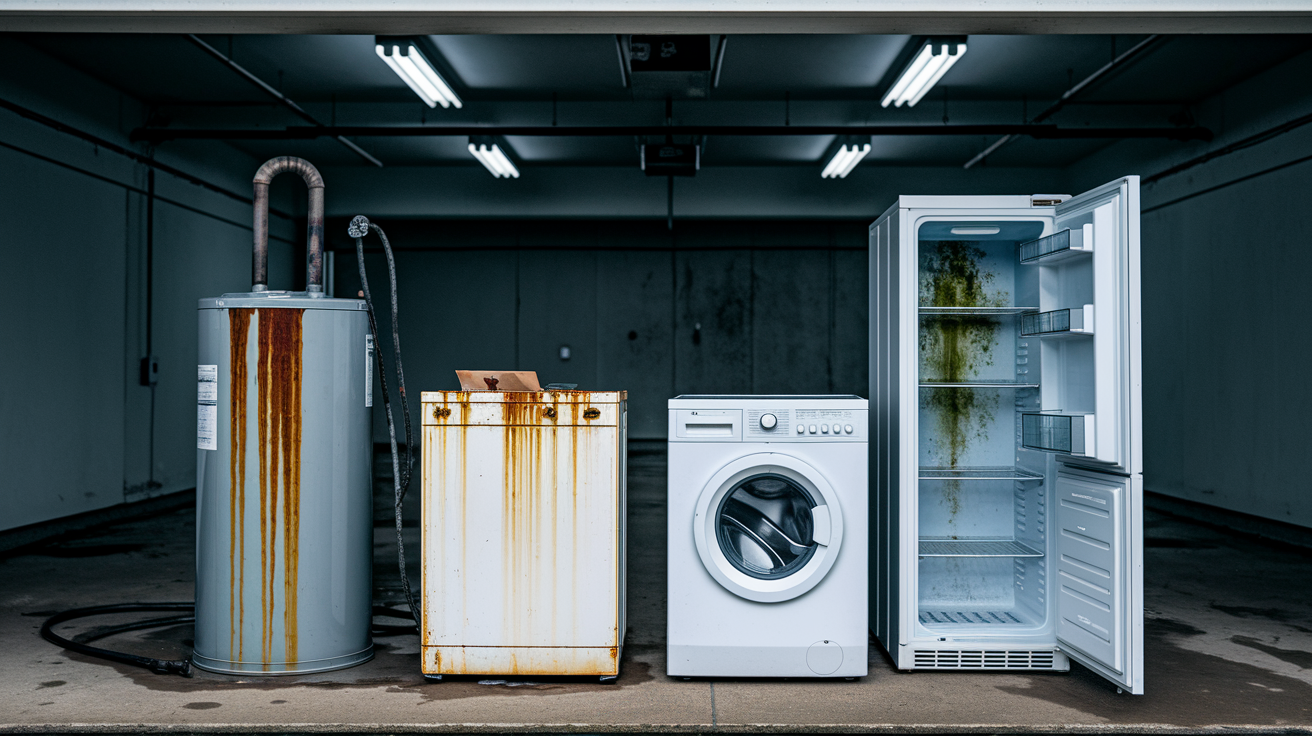
Appliances and equipment with any flood contact are compromised even if they appear undamaged externally and may seem to function normally when you first plug them in. Water penetrates internal compartments and creates hazards that develop over time.
Attempting to operate flooded appliances creates immediate shock and fire hazards plus long term failure risks. Internal moisture takes weeks to dry even in ventilated conditions, and contaminated floodwater leaves corrosive residue that continues damaging components after external surfaces appear dry.
| Equipment Type | Flood Impact | Typical Action Required |
|---|---|---|
| HVAC systems | Blower motors corrode, control boards fail from moisture, ductwork becomes contaminated with bacteria and mold, refrigerant systems can be compromised | Professional inspection required, often full system replacement needed for safety and efficiency |
| Water heaters | Control systems fail, heating elements corrode internally, gas valves malfunction creating explosion risk, insulation saturates and never fully dries | Replacement required for safety and efficiency, repair not recommended |
| Washers/dryers | Motors corrode, control boards short from internal moisture, bearings seize from water contamination, electronic components fail progressively | Replacement typically most cost-effective, repair costs approach new appliance prices |
| Refrigerators/freezers | Compressors fail from internal contamination, control boards damaged, insulation compromised creating efficiency loss, sealed refrigerant systems contaminated | Replacement recommended due to safety concerns and food safety risks from failed components |
| Sump pumps | Motors seize from debris, float switches fail mechanically, check valves corrode and stick, electrical components short creating total system failure | Replacement essential for flood protection, testing existing pump inadequate to ensure reliability |
| Small appliances | Internal components corrode rapidly, safety mechanisms fail, shock hazards develop from compromised insulation and grounding | Discard and replace, repair not economical for items under 200 dollars |
| Electronics/computers | Circuit boards corrode even from humidity exposure, data loss occurs from hard drive damage, short circuits damage components, moisture persists in sealed areas | Professional data recovery sometimes possible, hardware replacement usually required for safety |
Even brief water contact or partial submersion compromises appliance safety through moisture penetration into electrical compartments and control systems. Internal electrical components including motors with wire windings, control boards with sensitive circuits, switches with metal contacts, and internal wiring corrode rapidly after water exposure. Corrosion accelerates over days and weeks as residual moisture and chemical residue continue attacking metal surfaces and circuit board traces.
Contaminated floodwater leaves residue containing bacteria, chemicals from street runoff and yard products, and sewage that continues causing damage long after water recedes. This residue creates health hazards when equipment operates and heats up, releasing contaminated particles into air. The smell alone from operating sewage contaminated appliances makes them unusable even if they technically function.
Professional appliance inspection can determine salvageability, but replacement is often necessary, safer, and more cost-effective than repair attempts. Repair labor to disassemble, clean, dry, replace internal components, and reassemble often exceeds replacement cost for mid-range appliances. Flood insurance and homeowner’s insurance policies typically cover appliance replacement after flooding with actual cash value or replacement cost coverage depending on your policy, making replacement the prudent choice rather than attempting repairs on compromised equipment.
Operating uninspected flooded appliances risks electrocution when internal shorts create energized metal exteriors, fire when corroded connections arc and ignite insulation or surrounding materials, and equipment damage to other connected systems when voltage irregularities from failing appliances travel through electrical circuits damaging electronics and sensitive equipment elsewhere in your home.
Preventive Measures to Protect Electrical Systems From Future Flooding
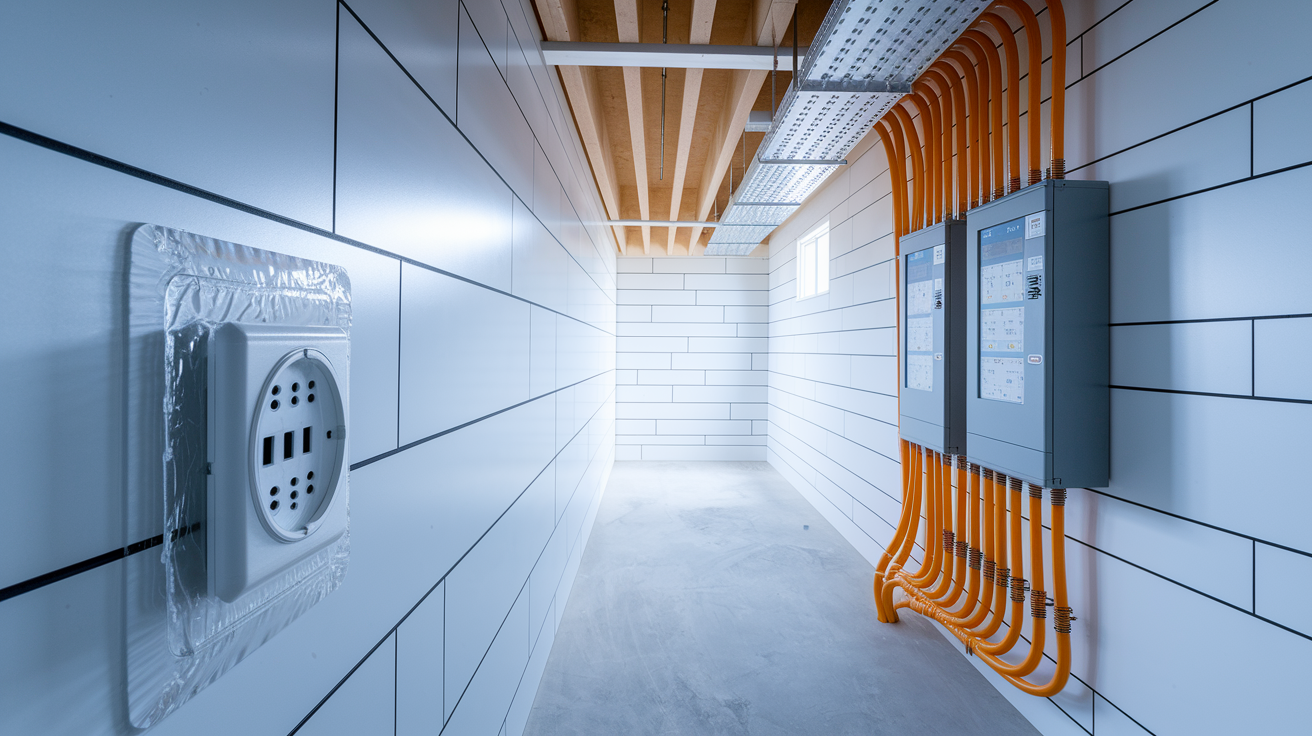
Post-flooding restoration is the ideal time to implement protective measures since electrical systems are already being modified, walls are opened for access, and upgrades can be incorporated into necessary repairs rather than requiring separate projects later.
Preventive measures to discuss with your licensed electrician:
- Elevate electrical panels, outlets, and switches at least one foot, preferably 2 to 3 feet, above projected flood levels based on FEMA flood plain maps and local flood history
- Install GFCI outlets in all areas with moisture risk including basements, crawl spaces, garages, exterior locations, laundry rooms, and anywhere within 6 feet of water sources like sinks and tubs
- Use moisture resistant wiring materials including PVC conduit for physical protection, THWN-rated or THWN-2 rated wires specifically designed for wet locations in all flood prone areas
- Relocate critical electrical equipment including main panels, subpanels, and service disconnects to upper floors or elevated platforms when structurally feasible and permitted by code
- Install whole-house surge protection at the main panel to guard against flood related power surges, lightning strikes common during storms, and voltage spikes when utility power is restored
- Implement waterproofing measures around service entrance and meter base using sealed conduit penetrations, weather resistant enclosures, and silicone sealing
- Install sump pump systems with battery backup and water powered backup pumps for automatic water removal before flooding reaches electrical components
- Create emergency shutoff procedures with clearly labeled main breaker, updated circuit directory showing what each breaker controls, and laminated shutdown instructions posted visibly near panel
- Consider backup generator systems with proper transfer switches and elevated waterproof placement for power during extended outages, keeping essentials like refrigerators and medical equipment operating
These preventive measures significantly reduce damage severity in future flood events and cut restoration costs by limiting how much equipment gets affected. Many improvements qualify for insurance premium reductions, typically 5 to 15 percent depending on your insurer and which measures you implement. Some improvements including GFCI installation, proper grounding upgrades, and panel elevation may be required by updated building codes adopted since your home was built, making post-flood restoration the logical time for implementation since you’re already doing electrical work and obtaining permits.
Prevention investment costs are minimal compared to repeated flood damage restoration expenses ranging from several thousand to tens of thousands of dollars per event, and compared to potential life safety consequences if someone gets electrocuted or a fire starts from flood damaged electrical systems. Consult with a licensed electrician familiar with local flood risks, soil drainage conditions, and building code requirements to develop a site specific protection plan tailored to your property’s vulnerabilities. Coordinate with flood mitigation contractors for an integrated approach including French drains for yard drainage, improved grading to direct water away from foundation, and foundation waterproofing that protects electrical systems indirectly by keeping basements dry.
FEMA and local emergency management offices often provide flood risk assessments free of charge and offer mitigation grants through programs like the Hazard Mitigation Grant Program that can offset improvement costs, sometimes covering up to 75 percent of eligible work. Check with your local floodplain administrator or emergency management office to learn about available programs in your area.
Final Words
Spotting signs of electrical damage after flood isn’t about being paranoid. It’s about catching problems before they catch you.
You’ve got the warning signs now. You know what burning smells, discolored outlets, and flickering lights mean. You know that water hides in walls long after floors dry.
And you know one non-negotiable truth: don’t touch it. Call a licensed electrician.
Your job is eyes only. Document what you see. Let the pros handle the rest. That’s how you keep your family safe and your insurance claim solid.
FAQ
How long does it take for electrics to dry out after a leak?
The time for electrics to dry out after a leak varies from 3 to 7 days depending on moisture severity, requiring professional dehumidification equipment and verification testing before restoration, not just surface drying.
How to check electrical after a flood?
To check electrical systems after a flood, shut off the main breaker, perform visual-only inspection from 10 feet away for water damage signs, and immediately call a licensed electrician for professional testing with specialized equipment.
Are there warning signs before an electrical fire?
Warning signs before an electrical fire include burning or fishy odors from outlets, warm or discolored switches, buzzing or crackling sounds, frequent breaker trips, flickering lights, and visible sparking or scorch marks around fixtures.
Can electronics be fixed after water damage?
Electronics exposed to water damage can sometimes have data recovered professionally, but internal circuit board corrosion, short circuits, and persistent moisture typically require complete hardware replacement for safety and reliability.
What electrical components are most vulnerable to flood damage?
The electrical components most vulnerable to flood damage include ground-level outlets, basement electrical panels, junction boxes behind walls, lower switches, GFCI outlets, meter bases, and service entrance points where water infiltrates and corrodes connections.
Why can’t I do electrical repairs myself after a flood?
You cannot do electrical repairs yourself after a flood because hidden moisture creates electrocution risks, specialized testing equipment is required, DIY work voids insurance coverage completely, and code violations create legal liability and future hazards.
Should I replace appliances that got wet in a flood?
Appliances that got wet in a flood should be replaced rather than repaired because internal electrical components corrode rapidly, safety mechanisms fail, contaminated water leaves hazardous residue, and replacement is typically covered by insurance.
How do I document electrical damage for insurance?
To document electrical damage for insurance, photograph all visible damage before cleanup, obtain a licensed electrician’s written assessment with technical measurements, keep itemized repair estimates, and retain all receipts, permits, and inspection certificates throughout restoration.
What preventive measures protect electrical systems from future flooding?
Preventive measures that protect electrical systems from future flooding include elevating outlets and panels 2-3 feet above flood levels, installing GFCI outlets in moisture-prone areas, using waterproof conduit and wiring, and adding sump pumps with battery backup.
How long does professional electrical inspection take after flooding?
Professional electrical inspection after flooding takes several hours to a full day depending on home size and damage extent, involving specialized testing of insulation resistance, voltage stability, grounding integrity, and component-by-component evaluation.