

Most people don’t realize their flood claim can fail even when they have solid coverage, because they didn’t document damage correctly in the first 48 hours. Your insurance company needs specific proof showing what the flood destroyed, how high water reached, and what items looked like before cleanup started. Take photos before you touch anything, record video walkthroughs while narrating damage out loud, and write detailed lists of every ruined item with brands and ages included. This guide walks you through exactly what to photograph, how to organize your documentation, and which receipts to save so your claim gets approved fast without fights over what you’re owed.
Complete Flood Damage Documentation Guide

You need to start documenting flood damage within the first 24 to 48 hours after it’s safe to return. This timeline matters because mold starts growing fast in wet conditions, and damage spreads through walls and floors. Wait even a few days and it gets harder to prove what the flood caused versus what developed later.
Your photography needs to be systematic. Take at least 20 to 30 photos per room from multiple angles with good lighting. Start by standing in doorways and shooting wide angle shots that capture entire rooms before you move anything or start cleaning. These wide shots show the full scope in one frame. Then move through the space taking close up photographs of specific damage to flooring, walls, furniture, and appliances. Good lighting matters because dark, unclear photos make it harder for adjusters to see what actually happened.
Record narrated video walkthroughs while you film. Speak out loud to include the date, time, and descriptions of what you’re seeing. Say things like “This is the living room on May 15th at 9 AM, water came through the back door and reached about six inches up the drywall.” Your voice creates a timestamp and explains context that photos alone can’t capture. Walk slowly through each room, pausing to describe damage details while the camera records both the visuals and your observations.
Create written documentation alongside your photos and videos. Write detailed lists of damaged items including descriptions, brand names, estimated ages, purchase dates when you remember them, and notes about current condition. This written inventory supports your visual evidence and helps you track what was lost when memory gets fuzzy weeks later. Include approximate replacement costs if you can estimate them, but focus first on thorough descriptions.
8 systematic steps for complete flood damage documentation:
- Check that entering the property is safe, with electricity turned off to flooded areas and no structural collapse risks
- Stand in doorways and take wide angle shots of every affected room before touching anything
- Move through spaces taking close up photos of specific damage from multiple angles with strong lighting
- Photograph water level markers on walls, furniture, and door frames to show flood height
- Record narrated video walkthroughs stating date, time, and damage descriptions out loud while filming
- Create written inventories listing every damaged item with descriptions and condition notes
- Check hidden damage areas inside cabinets, behind furniture, under sinks, and in crawl spaces where water collects
- Upload all photos, videos, and written files to cloud storage immediately to prevent loss if your phone fails in humid conditions
Capture everything before you touch, move, or clean damaged items. Once you start hauling wet carpet to the curb or mopping floors, you lose the chance to document original conditions. Your phone or camera is working in a humid, wet environment where electronics fail, so upload files to cloud storage right away. If your device dies or gets water damaged before you back up documentation, you lose critical evidence that can’t be recreated.
Understanding Your Flood Insurance Coverage and Policy Limits
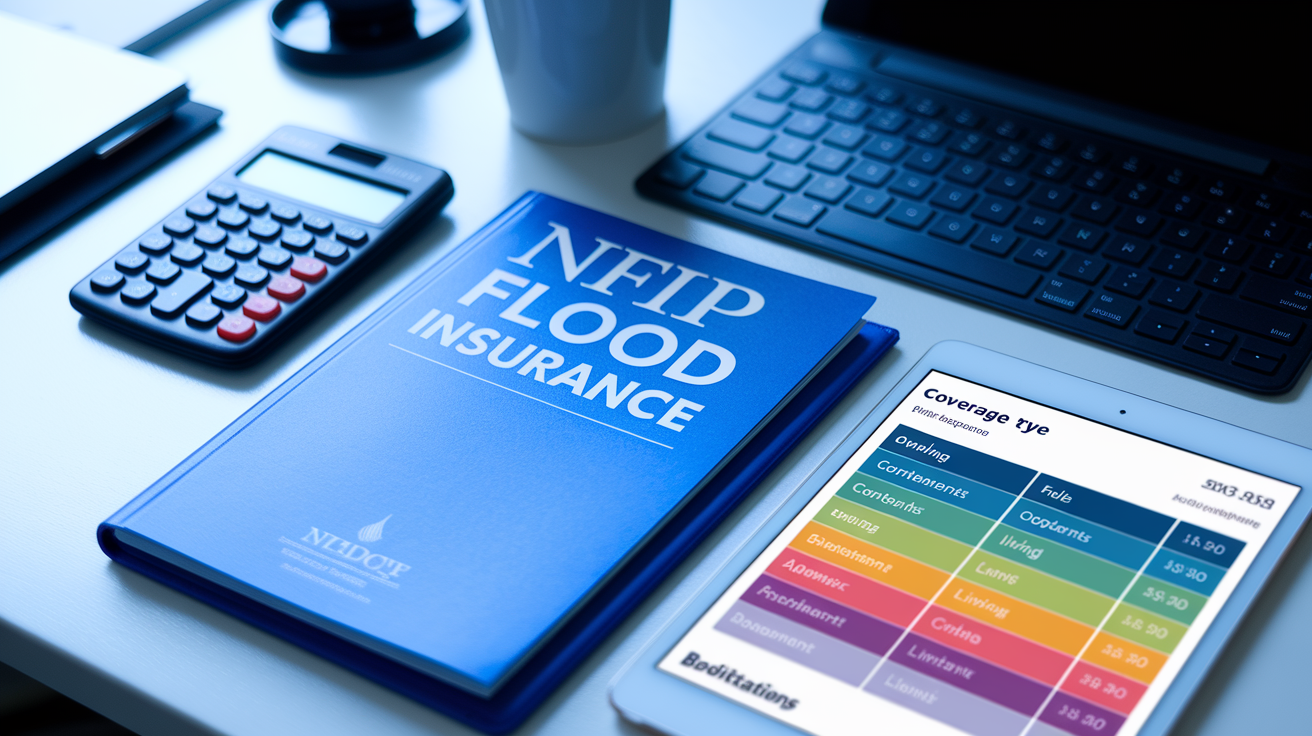
Homeowners insurance policies typically exclude flood damage. You need separate flood insurance coverage through the National Flood Insurance Program or a private flood insurer. Understanding this distinction matters because you might assume your regular homeowners policy covers water damage, but flood damage specifically requires flood insurance. FEMA guidelines define flooding as water that affects two or more properties or covers two or more acres, which includes most scenarios where rising water enters homes during storms or river overflow.
| Coverage Type | What’s Covered | Typical Limit |
|---|---|---|
| Dwelling Coverage | Building structure, foundation, electrical and plumbing systems, HVAC, built in appliances, permanently installed carpeting | Up to $250,000 |
| Contents Coverage | Personal belongings, furniture, clothing, electronics, portable appliances, window treatments | Up to $100,000 |
| Additional Living Expenses | Generally not covered under NFIP, but may be included in private flood policies for temporary housing | Varies by private policy |
| Basement Limitations | Limited to structural elements, utility systems, and cleanup. Personal property stored in basements typically not covered | Restricted coverage |
Policy limits and deductibles directly affect how much you’ll receive for documented damage. If your dwelling coverage limit is $250,000 but your home needs $300,000 in repairs, you’ll only receive up to your policy limit. Your deductible amount gets subtracted from the settlement, so a $2,000 deductible means you pay the first $2,000 of repairs yourself. Document damage according to these coverage categories by separating dwelling damage like drywall and flooring from contents damage like furniture and clothing. This organization helps adjusters process claims faster and ensures you claim everything your policy covers.
Tennessee insurance policies typically require prompt notification within 30 to 60 days after flood damage occurs, but reporting within 24 to 48 hours produces better results. Quick reporting starts the claims process while damage is fresh and clear, prevents questions about whether you tried to mitigate further damage, and gets adjusters to your property before conditions change. Follow FEMA guidelines by notifying your flood insurance provider immediately, even if you’re still documenting the full extent of damage.
Creating a Written Inventory of Damaged Items

Written inventories serve as detailed records that go beyond what photographs alone can prove, especially when establishing the age, condition, and value of damaged belongings. Photos show that a couch is ruined, but your written inventory records that it was a three year old sectional sofa from a specific brand, purchased for approximately $1,800, and now has water stains up to the seat cushions. This level of detail helps adjusters calculate accurate replacement costs and prevents disputes about what you actually lost.
| Item Category | Required Information |
|---|---|
| Electronics | Brand, model number, serial number, purchase date, purchase price, retailer, current condition, whether it powers on |
| Furniture | Type of furniture, material (wood, fabric, leather), brand if known, approximate age, purchase price estimate, extent of water damage |
| Appliances | Brand, model number, serial number from label, age, whether built in or portable, operational status before and after flood |
| Clothing and Textiles | General descriptions (10 pairs of jeans, 5 winter coats), estimated total value for grouped items, whether contaminated by sewage |
| Documents and Photos | Types of documents lost, whether originals or copies, any irreplaceable items, storage method before flood |
| Structural Elements | Square footage affected, material types (carpet, hardwood, tile), installation age if known, height of water contact |
Document each item by recording its brand, model number when visible, serial number for electronics and appliances, purchase date if you remember it, and estimated replacement cost based on what similar items sell for now. Serial numbers prove you owned specific high value items and help establish their exact model and features, which affects replacement cost. For example, a 55 inch television has vastly different values depending on whether it’s a basic model or a high end smart TV, and the serial number settles that question. Write down current condition using specific terms like “water damage to lower 12 inches” or “completely submerged, non functional” rather than vague terms like “damaged.”
Gather supporting documentation including receipts, warranties, and pre flood photos showing damaged items in your home before the flood. Bank statements and credit card records work when you can’t find original receipts. Online purchase histories from retailers like Amazon provide proof of what you bought and when. Photos from family gatherings or social media posts sometimes show furniture, electronics, or room layouts before damage occurred, which helps prove you owned specific items and their condition.
Preserving Receipts and Invoices for Filing Claims

Save every receipt related to flood damage from the moment flooding occurs through the complete recovery process. These receipts prove expenses that insurance should reimburse beyond just repairing your property, and missing receipts for legitimate costs means you pay out of pocket for things your policy might cover. Start collecting receipts immediately for any flood related spending including emergency supplies, temporary housing, meals eaten away from home, and professional services.
7 categories of receipts to preserve for insurance reimbursement:
- Hotel stays and temporary rental housing while your home is uninhabitable or unsafe
- Extra meal costs when you can’t cook at home due to flood damage or power loss
- Storage unit rentals for furniture and belongings removed from the flooded property
- Emergency repairs including water pumping, board up services, and temporary roof tarping
- Cleaning supplies like mops, buckets, disinfectants, trash bags, and protective equipment
- Contractor estimates and quotes for restoration work, even if you haven’t hired anyone yet
- Temporary repair costs for stopping ongoing damage like patching holes or sealing leaks
These expenses connect to additional living expenses coverage, which reimburses you for costs you wouldn’t normally have if the flood hadn’t forced you from your home. If your policy includes this coverage, or if you have a private flood policy with these benefits, document every dollar spent beyond your normal monthly expenses. The difference between your regular grocery spending and eating restaurant meals for two weeks matters. The cost of a hotel for ten nights while contractors dry out your house matters. Keep these receipts separate from property damage documentation so adjusters can easily identify reimbursable living expenses.
Organize receipts chronologically in a folder or envelope labeled by month, or scan them and create digital files organized by expense type. When the adjuster reviews your claim, a clear chronological record makes it simple to verify what you spent and when. Group similar expenses together. All hotel receipts in one section, all meal receipts in another, all contractor estimates together. Write brief notes on receipts if the expense purpose isn’t obvious, like “hotel stay May 15 to 20 while home flooded and unsafe” on your hotel invoice. This organization prevents confusion weeks later when you’re trying to remember why you rented a storage unit or hired a specific contractor.
Working With Restoration Companies and Professional Documentation

Professional restoration companies respond within 30 to 60 minutes after you call, which matters because every hour of standing water causes more damage to your home’s structure, flooring, and belongings. These companies arrive with industrial water extraction equipment, dehumidifiers, air movers, and moisture detection tools that stop damage from spreading while you’re still figuring out what to do next. Insurance companies prefer when you call professionals quickly because preventing further damage limits the total claim cost, which benefits both you and your insurer.
Restoration professionals provide technical documentation that strengthens your insurance claim beyond what you can produce with a phone camera and written notes. They measure moisture levels in walls, floors, and ceilings using specialized meters, creating records that prove how deeply water penetrated your home’s structure. Thermal imaging cameras detect hidden moisture behind walls and under floors that looks dry to the eye but is actually saturated. Water extraction logs document how many gallons of water they pumped from your property, and drying equipment placement records show exactly where they positioned dehumidifiers and air movers. Daily progress photos track moisture readings over several days, proving the property dried properly and completely.
6 types of professional documentation that strengthen insurance claims:
- Moisture meter readings showing water saturation percentages in different materials and room locations
- Thermal imaging reports with color coded images revealing hidden moisture behind finished surfaces
- Equipment placement logs documenting every dehumidifier, air mover, and specialty drying tool used in the restoration process
- Daily progress photos and moisture readings tracking the drying process from day one through completion
- Material removal records detailing what building materials were removed, why they couldn’t be saved, and disposal documentation
- Contamination testing results if floodwater contained sewage or hazardous materials requiring specialized cleaning protocols
Professional documentation makes your claim more credible because trained technicians using calibrated equipment produce objective measurements rather than subjective opinions. When you tell an adjuster “the walls were really wet,” that’s your impression. When a certified restoration technician submits a report showing wall moisture at 40 percent saturation, that’s measurable evidence. Insurance companies work directly with restoration companies every day, and they trust this professional documentation as standard industry practice. The cost of professional services often pays for itself through faster claim processing, higher settlements, and prevention of secondary damage like mold that would cost even more to remediate later.
Preparing for the Adjuster Meeting and Inspection Preparation

Schedule the adjuster inspection as quickly as possible after reporting your claim, ideally within the first week while damage remains visible and fresh. Being present during this inspection directly improves your claim outcome because you can walk the adjuster through exactly what happened, point out damage they might miss, and answer questions on the spot instead of playing phone tag for weeks. Adjusters visit multiple properties daily and move through inspections efficiently, which means they can overlook details if you’re not there to guide them.
Share your documentation immediately when the adjuster arrives, either as printed photos and inventories or on a tablet where they can scroll through digital files. Point out damage the adjuster might miss including water stains on ceilings that look like shadows, warped baseboards that look normal from a distance, or moisture inside cabinets where doors hide the damage. Guide them to hidden damage locations like crawl spaces, attics, and interior wall cavities where water traveled but isn’t obvious from standing in the room. Speak up when you know something the adjuster might not, like “water came up through the floor vents” or “the surge happened at 3 AM and stayed for six hours before receding.”
5 steps to prepare effectively for adjuster inspections:
- Organize all documentation into clearly labeled folders separating photos, videos, written inventories, receipts, and professional reports
- Create damage summary sheets listing each room and its major damage in bullet points for quick adjuster reference
- Prepare questions about coverage, settlement timelines, and what happens next in the claims process
- Note hidden damage locations on a floor plan or simple sketch to ensure the adjuster checks every affected area
- Have contractor estimates ready to share, showing what professionals say the repairs will cost
Get everything the adjuster says in writing, especially verbal commitments about what’s covered, settlement amounts, or repair approvals. If the adjuster says “this should be covered” or “we’ll probably approve that,” follow up with an email repeating what you heard and asking them to confirm in writing. Memories fade and people change roles, and written documentation protects you if questions arise later about what was promised during the inspection. Take notes during the meeting including the adjuster’s name, contact information, inspection date, and key discussion points. Send a follow up email within 24 hours summarizing what was discussed and what you understood the next steps to be.
Organizing and Submitting Your Claim Documentation

Create an organized filing system with both physical copies in labeled folders and digital copies stored in cloud accounts like Google Drive, Dropbox, or iCloud. Arrange everything chronologically so the timeline of damage, documentation, and response is clear from start to finish. Physical organization matters if your internet fails or adjusters want to review paper copies during site visits, while digital organization ensures nothing gets lost if papers get wet, misplaced, or damaged in ongoing recovery efforts.
Contact your insurance provider within 24 to 48 hours after the flood, even if you’re still assessing damage and creating documentation. This immediate notification starts the claims process, establishes the damage date, and shows you acted promptly to report and mitigate losses. Formal submission requirements vary by insurer, but most require a completed proof of loss form, supporting documentation of damage, and signed statements about what occurred. The 24 to 48 hour reporting timeline produces better results than waiting weeks, even though Tennessee insurance policies typically allow 30 to 60 days for formal notification.
8 essential items for complete insurance claim submission package:
- Photos organized by room and date with clear file names like “Kitchen May15 WideAngle” or “Bedroom May16 CloseUp Carpet”
- Video files with written descriptions of what each video shows and when it was recorded
- Written inventory spreadsheets listing every damaged item with all required details in organized columns
- All receipts sorted by expense type including emergency repairs, temporary housing, meals, and supplies
- Contractor estimates and quotes for restoration work from at least two different companies when possible
- Professional reports from restoration companies including moisture readings, equipment logs, and material removal records
- Correspondence logs documenting every phone call, email, and in person conversation with your insurer including dates and discussion summaries
- Signed proof of loss form completed fully with accurate damage descriptions and estimated costs
Submit claim packages through online portals when your insurer provides one, as this creates automatic timestamps and confirmation of receipt. Email submissions work when you request read receipts showing the adjuster opened your message and downloaded attachments. For important submissions, use certified mail with tracking numbers and request signature confirmation so you have proof the insurance company received your documentation. Save copies of submission confirmations, tracking numbers, and delivery receipts in your claim file.
Maintain written records of all claim communications by sending follow up emails after phone conversations summarizing what was discussed and agreed upon. If you call and speak with an adjuster about coverage questions, send an email within 24 hours saying “This confirms our phone conversation today where you explained that dwelling coverage includes…” and ask them to reply confirming your understanding is correct. Track claim numbers, adjuster names and contact information, submission dates, and response deadlines in a simple spreadsheet or notebook. This communication log prevents confusion weeks later when you’re trying to remember who said what and when decisions were made. Cloud backup saves this digital documentation automatically, preventing loss if your computer or phone fails during the weeks or months your claim remains active.
Common Mistakes That Lead to Claim Denial Prevention

Documentation errors derail insurance claims every day, turning legitimate flood damage into denied or reduced settlements because homeowners make preventable mistakes during the critical first days after flooding. Knowing what not to do matters as much as knowing correct documentation steps.
8 documentation mistakes that jeopardize insurance claims:
- Discarding damaged items before the insurance adjuster inspects and photographs them, eliminating physical evidence of your losses
- Starting cleanup and repairs before documenting original damage conditions, making it impossible to prove flood extent
- Taking insufficient photos with poor lighting or unclear angles that don’t show damage severity
- Losing receipts for emergency repairs, temporary housing, and flood related expenses that qualify for reimbursement
- Failing to document hidden damage inside walls, under floors, and in crawl spaces where water spreads invisibly
- Not reporting flood damage promptly within 24 to 48 hours, creating questions about when damage occurred and whether you tried to mitigate it
- Submitting incomplete inventories missing item descriptions, ages, brands, or replacement costs that adjusters need for settlements
- Skipping timestamp verification in photos and videos, making it hard to prove documentation happened immediately after the flood
Premature disposal of damaged items creates serious claim problems because adjusters need to see physical evidence of what was destroyed. When you haul wet carpet, ruined furniture, and soaked drywall to the curb before the adjuster visits, you eliminate proof that supports your written inventory and photos. Insurance companies sometimes question whether items existed, whether damage was as severe as claimed, or whether flood caused the damage versus pre existing problems. Physical evidence settles these disputes, but only if you keep it until the adjuster gives approval to dispose of damaged property.
Insufficient documentation leads to reduced settlements because adjusters can only approve payments for damage they can verify through clear evidence. If you submit five blurry photos of a flooded basement but no detailed inventory, no receipts, and no contractor estimates, the adjuster has little basis for calculating a fair settlement. More thorough documentation directly impacts reimbursement amounts by proving exactly what was damaged, how severely, and what replacement or repair will cost. Missing information forces adjusters to make conservative estimates that favor the insurance company, not you.
Tenant and homeowner rights include protection under Tennessee law requiring insurance companies to handle claims in good faith, which means honest dealing, fair investigation, and reasonable settlement offers. If your claim faces denial or unreasonably low settlement offers despite thorough documentation, contact the Tennessee Department of Commerce and Insurance for assistance. They investigate consumer complaints and help resolve disputes between policyholders and insurance companies when companies fail to meet good faith obligations.
Documenting Replacement Cost Versus Actual Cash Value
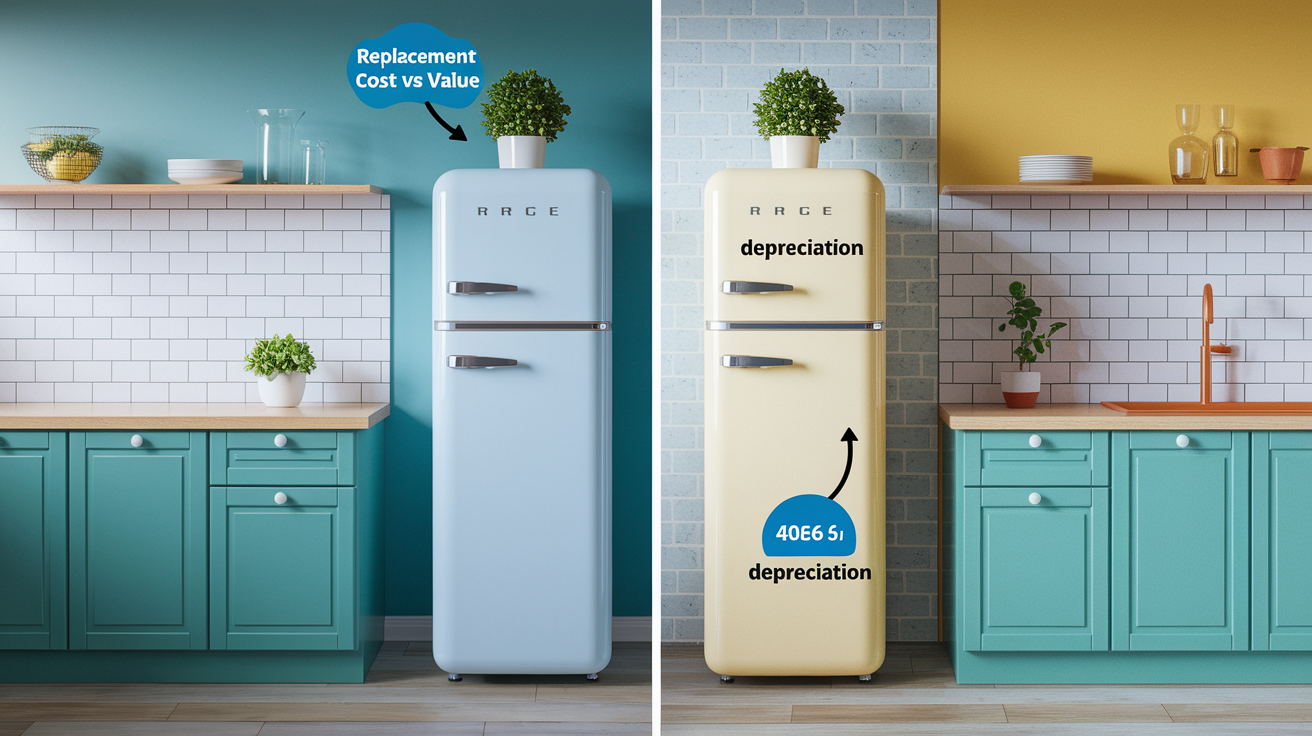
Replacement cost coverage pays what it costs to replace damaged items with new equivalents at current prices, while actual cash value coverage pays replacement cost minus depreciation based on age and wear. A five year old refrigerator might cost $1,200 to replace new, but actual cash value settlement subtracts depreciation and might pay only $600 because the appliance was halfway through its expected lifespan. Understanding this difference matters because your documentation approach changes depending on which coverage type your policy provides.
| Item Type | Age Factor | Depreciation Rate | Documentation Needed |
|---|---|---|---|
| Electronics | Rapid obsolescence, 3 to 5 year useful life | 20 to 30% per year | Purchase receipts, model numbers, functionality before flood, current retail prices for equivalent models |
| Appliances | Expected 10 to 15 year lifespan | 10 to 15% per year | Serial numbers, installation dates, maintenance records, energy efficiency ratings |
| Furniture | Quality and construction affect lifespan | 7 to 10% per year for average pieces | Purchase information, material quality, construction type, before photos showing condition |
| Flooring | 20 to 30 year lifespan for quality installation | 3 to 5% per year | Installation date, material grade, square footage, installer invoices if available |
| Structural Elements | Depreciation often minimal for dwelling coverage | Varies by component, 1 to 5% typical | Home age, renovation dates, building permits, contractor records for improvements |
Document item age and original purchase information to establish accurate depreciation calculations when your policy uses actual cash value coverage. Include purchase dates on your written inventory, attach receipts showing when you bought items, and note approximate age when exact dates are unknown. The difference between a two year old couch and a ten year old couch significantly affects depreciation amounts, so accurate age documentation protects you from excessive depreciation deductions. Take photos showing item condition before flood damage if possible, because well maintained older items depreciate less than neglected ones.
Appraisal documents for high value items like jewelry, art, antiques, collectibles, and specialized equipment establish pre flood value that might exceed standard depreciation calculations. Professional appraisals provide expert opinions about condition, rarity, and market value that support higher settlements. If you own valuable belongings, get them appraised before flooding occurs and keep appraisal documents in waterproof storage or cloud backups. After flood damage, appraisals prove what you lost and what fair compensation should be, especially for irreplaceable items where age based depreciation doesn’t reflect true value.
Final Words
Start documenting flood damage the moment it’s safe to return to your property.
Those first 24 to 48 hours matter because mold grows fast and damage gets worse by the hour. Take 20 to 30 photos per room, shoot narrated videos, write detailed inventories, and upload everything to cloud storage right away.
Don’t toss damaged items until the adjuster says it’s okay. Keep every receipt from hotel stays to contractor estimates.
When you know how to document flood damage for insurance properly, you’ll get through the claims process faster and with less stress. You’ve got this.
FAQ
How do you prove water damage to insurance?
You prove water damage to insurance by taking 20-30 photos per room showing both wide-angle and close-up views, recording narrated video walkthroughs with dates and times, creating written inventories with item details, and uploading everything to cloud storage within 24-48 hours.
How do you report flood damage?
You report flood damage by contacting your flood insurance provider within 24-48 hours of the event, even though policies typically allow 30-60 days. Provide your policy number, describe what happened, and ask about next steps for filing your claim.
How do you document water damage?
You document water damage by starting with wide-angle doorway shots of each room, then taking close-ups of specific damage with good lighting. Record narrated videos, write detailed item lists with brands and ages, check hidden areas like cabinets, and save all receipts.
Why is flood damage not covered by homeowners insurance?
Flood damage is not covered by homeowners insurance because standard policies exclude rising water events. You need separate flood insurance through the National Flood Insurance Program or private insurers to cover damage from flooding, storm surge, or ground saturation.
What should you photograph first after flood damage?
You should photograph wide-angle shots from doorways first to capture entire rooms before moving anything. Then take 20-30 close-up photos per room showing specific damage to floors, walls, furniture, and appliances from multiple angles with good lighting.
How long do you have to file a flood insurance claim?
You have 30-60 days to formally file a flood insurance claim under most policies, but you should report damage within 24-48 hours for best results. Early reporting prevents complications and shows you acted quickly to prevent further damage.
What receipts should you save after a flood?
You should save receipts for hotel stays, extra meals, storage units, emergency repairs, water pumping, cleaning supplies, contractor estimates, and temporary repairs. These expenses may be covered under additional living expenses and need documentation for reimbursement.
Should you throw away flood damaged items before the adjuster visits?
You should not throw away flood damaged items before the adjuster visits and gives approval. Insurance adjusters need to see physical evidence of damage, and premature disposal can lead to claim denials or reduced settlements.
What information belongs in a flood damage inventory?
A flood damage inventory should include each item’s description, brand, model number, serial number for electronics, purchase date, estimated age, approximate replacement cost, and current condition with photos showing the damage clearly.
Do restoration companies help with insurance documentation?
Restoration companies help with insurance documentation by providing moisture meter readings, thermal imaging reports, water extraction records, equipment logs, daily progress photos, and material removal records that strengthen your claim and show professional mitigation efforts.
How do you organize flood claim documentation?
You organize flood claim documentation by creating chronological filing systems with both physical and digital copies. Group photos by room and date, organize receipts by expense type, keep contractor estimates together, and maintain communication logs tracking all conversations.
What is the difference between replacement cost and actual cash value?
Replacement cost pays to replace damaged items with new equivalents, while actual cash value subtracts depreciation based on age and condition. Document item purchase dates, ages, and original costs to support either coverage type accurately.