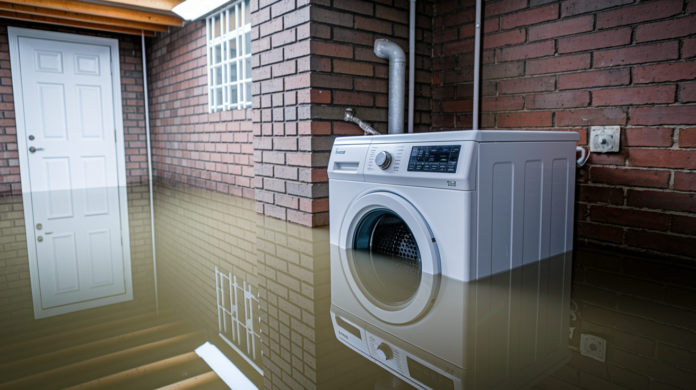

You know that fridge that’s been humming in the corner since the water went down? It might look fine, but floodwater doesn’t care how expensive your appliances were or how new they are. The real question isn’t whether they still turn on, it’s whether they’re safe to use at all. This guide walks you through what to check before you plug anything back in, which appliances you can maybe save, and which ones are done no matter what. We’ll cover safety first steps, visual clues that tell you what happened while you were gone, and the specific risks hiding in refrigerators, washers, dryers, ovens, and HVAC systems after they’ve been underwater.
Immediate Safety Protocols and Salvageability Overview
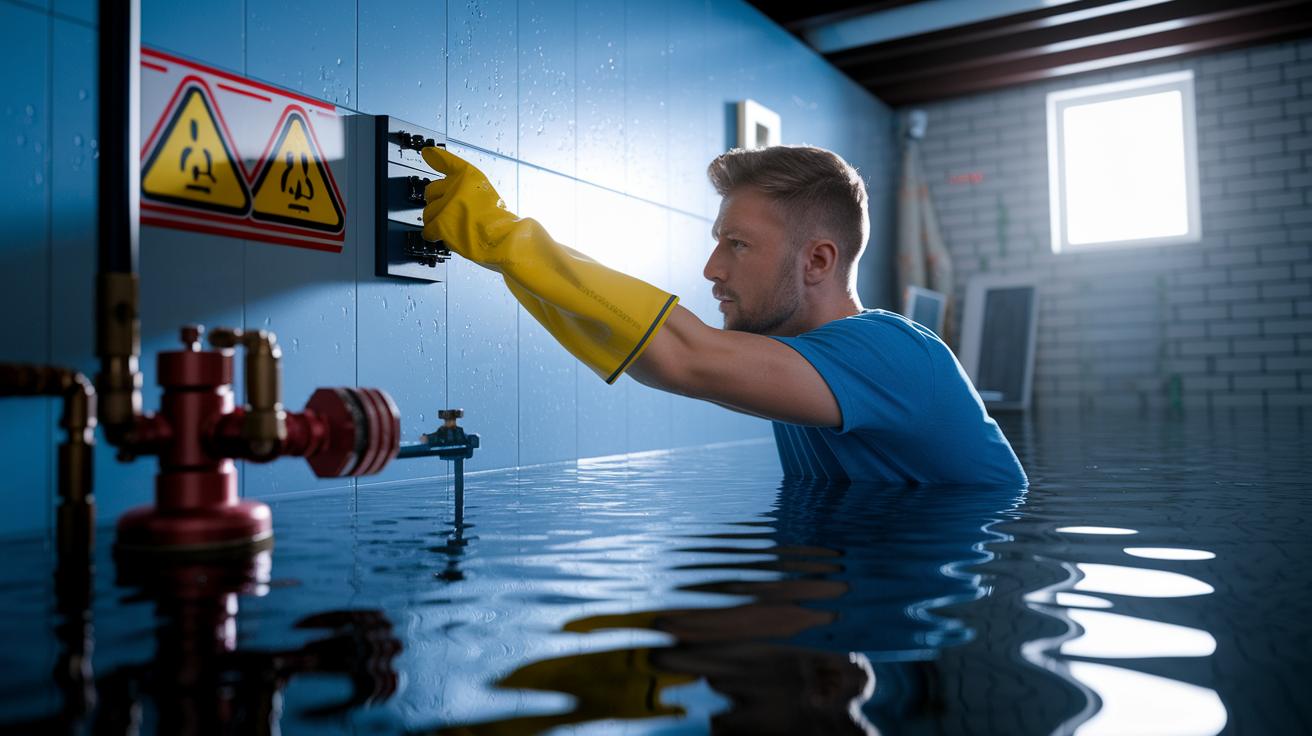
If you’ve got standing water and the power’s still on, call your utility company to shut it off. Don’t try disconnecting or reconnecting appliances while you’re standing in water. Don’t light matches, flip switches, or mess with anything electronic near wet appliances. And if you smell rotten eggs? Get out. That’s a gas leak waiting for a spark.
Consumer Reports suggests going appliance by appliance to figure out what you can save. Four things matter: how old it is, whether it’s safe, what insurance covers, and how long it sat underwater. If an appliance went fully under, especially in nasty floodwater, you’re probably looking at replacement. Corrosion and contamination don’t care how expensive it was.
| Appliance Type | Partial Submersion | Full Submersion (Clean Water) | Full Submersion (Contaminated) |
|---|---|---|---|
| Refrigerator | Possibly salvageable | Rarely salvageable | Replace |
| Washing Machine | Possibly salvageable | Rarely salvageable | Replace |
| Dryer | Possibly salvageable | Rarely salvageable | Replace |
| Dishwasher | Possibly salvageable | Replace | Replace |
| Gas Furnace | Replace | Replace | Replace |
| Small Appliances | Replace | Replace | Replace |
Before you get close to any flooded appliance, do this:
-
Cut power at the breaker panel only if you can get there without stepping in water. Wear rubber-soled shoes and dry gloves.
-
Suit up with rubber gloves, boots, and eye protection. Floodwater isn’t just dirty, it’s dangerous.
-
Open windows and doors before you walk in, especially if there’s gas appliances around.
-
Can’t reach the panel safely? Call the utility company. They’ll handle it.
What kind of water matters more than you’d think. Clean water from a busted pipe is one thing. Sewage backup or river water full of chemicals and bacteria? That’s different. If sewage touched it, you’re almost always replacing it. Health risks don’t wash off. Same goes for water with oil, chemicals, or anything that sat there for more than two days. The sections below break down what to check for each type of appliance based on what actually happened.
Visual Inspection Checklist for Water-Damaged Appliances

Look before you touch. See how high the water got by checking for water lines, sediment, and discoloration. Figure out how long it sat there, because a fridge underwater for two hours has better odds than one that soaked for two days.
Here’s what to look for:
• Water line marks showing how high the flood reached
• Discoloration or staining on metal, control panels, or painted spots
• Sediment like mud or silt in vents, seams, or around doors
• Rust or corrosion on metal parts, screws, hinges, connections
• Weird smells. Musty, gas, burning, anything off
• Water behind display screens or moisture in buttons
• Insulation showing through gaps where panels separated
• Electrical parts visible through vents with water damage
Get photos before you start cleaning. Insurance adjusters need to see it as it is. Multiple angles showing the water line on each appliance, close-ups of damage, wide shots showing where everything sat. Write down serial numbers and model numbers while you can still read them. Note when the flood started, when water went down, and what kind of water it was (clean, gray, or black). You’ll need all this when professionals show up days later.
Refrigerator and Freezer Flood Damage Assessment

Wet insulation means you’re replacing it. That foam between the walls loses its job once it soaks through, and it grows mold you can’t see or clean. Water above the bottom six inches? Insulation’s probably shot. Below that, maybe you’ve got a chance after inspection.
The compressor, defrost timer, safety switches, and thermostats are all at risk. Where they sit depends on your model, but the compressor’s usually at the bottom rear. Defrost timer hides behind the control panel or near the compressor. Thermostats connect to temperature controls. Floodwater reaching any of these parts needs a pro’s eyes on it. Water in electrical connections corrodes things that fail weeks or months later, even if everything seems fine now.
Got a water dispenser or ice maker? Those need attention even if the main unit dodged damage. Replace the filter after being without water or during boil alerts. Flush the dispenser for three to five minutes once water’s back. Toss all the ice, run the maker for an hour, then wash and sanitize the bins. Water sitting in those lines is a separate health problem from whether the fridge works.
Run your hand along the door seals with the door closed. Feel air? See light? The seal’s compromised. Floodwater carries junk that tears gaskets or warps frames. Bad seals mean the unit can’t hold temperature. Replacing a gasket’s cheap and easy, but only worth it if the rest of the fridge passes inspection.
Checking Washing Machines and Dryers After Water Exposure
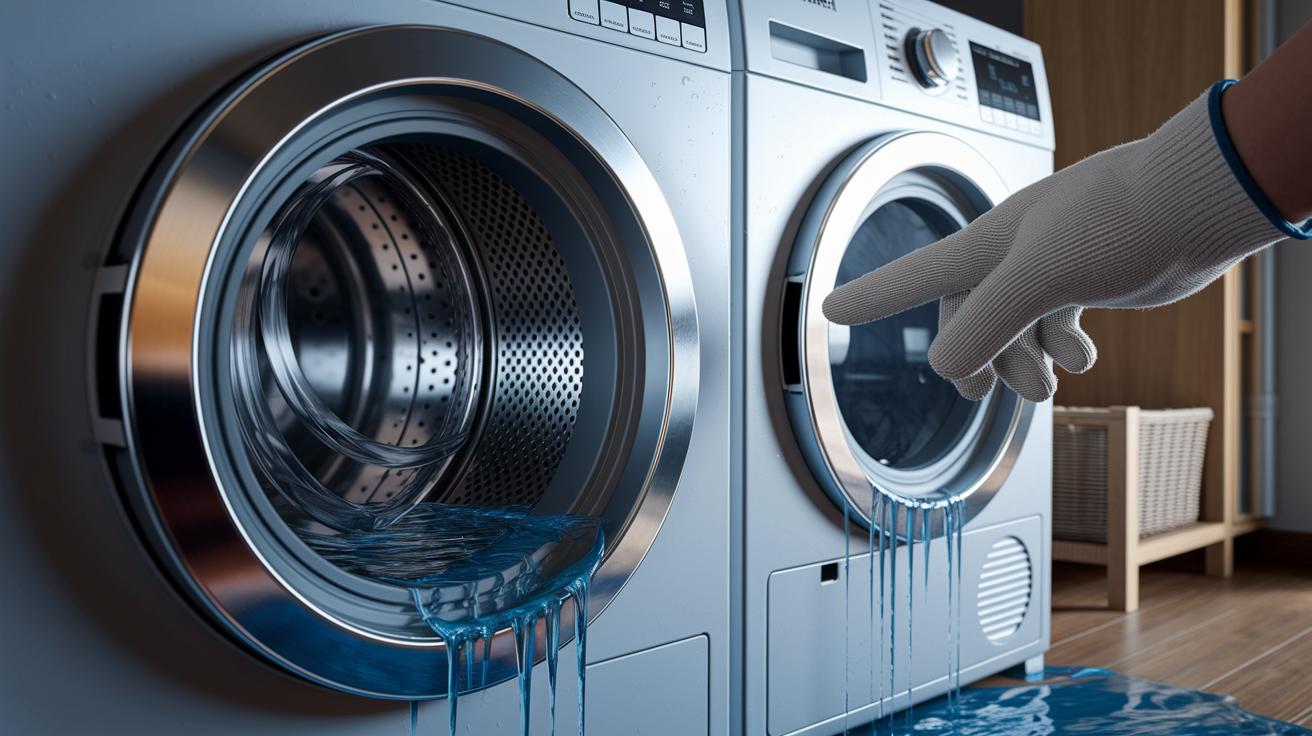
Motors and drums take the hit in both washers and dryers. The motor sits at the bottom where floodwater lands first. Water inside shorts circuits and eats bearings. It might run after drying, but internal damage cuts its life short. Front-load washers have drum seals that fail when contaminated water hits them, letting mold and bacteria grow in spots you can’t reach.
Control panels and timers are risky enough that you should think about replacing them even if you’re trying to save the unit. Timers manage wash cycles, temps, safety features. Water damage to these boards causes failures that come and go, creating fire risks. A washer that starts mid-cycle or a dryer that won’t quit means control damage. These parts cost almost as much as a used appliance, so full submersion of washers and dryers usually means replacement beats repair.
Partial submersion where water only hit the bottom few inches might work out if it dried fast. Check hose connections for sediment that’ll block flow or leak next time. Look inside the drain pump filter, usually behind a small door at the front bottom. Find mud, debris, or standing water? The pump needs cleaning or replacement. Damaged filters and insulation get replaced in anything you’re trying to save. But if water reached the control panel, or it sat submerged for more than a few hours, plan on replacing instead of fixing.
Dishwasher, Oven, and Microwave Flooding Inspection

Dishwashers keep the control board and pump at the bottom, right in the flood’s path. The board handles cycle timing, water temp, drying. The pump moves water through spray arms and out the drain. Both quit when floodwater gets in. Even a little water on the control board corrodes circuit traces. You might get a few cycles before it dies completely, but it’s coming.
Gas ranges and ovens need new pilot parts and gas controls after water damage. Gas appliances usually need full replacement because of fire and explosion risks, though you can replace pilots and valve controls if you’re attempting repair. Don’t try lighting or testing a gas appliance after flooding until a licensed gas tech checks it. Corroded gas valves leak. Wet igniters don’t light right, letting gas build up. Electric ovens have heating elements that might survive water, but control boards and temp sensors usually don’t.
Small stuff like toasters, microwaves, coffee makers, countertop ovens? Replace them if they got wet. Repair versus replacement cost makes no sense for anything under $200. Microwaves are especially sketchy because the magnetron (the part making microwave energy) can’t be checked without taking it apart. A damaged magnetron can fail badly, causing fire or radiation leaks. Not worth the risk. Heating elements and control boards in small appliances are cheap to make but expensive to replace individually. Just buy new.
HVAC System and Furnace Evaluation After Flooding
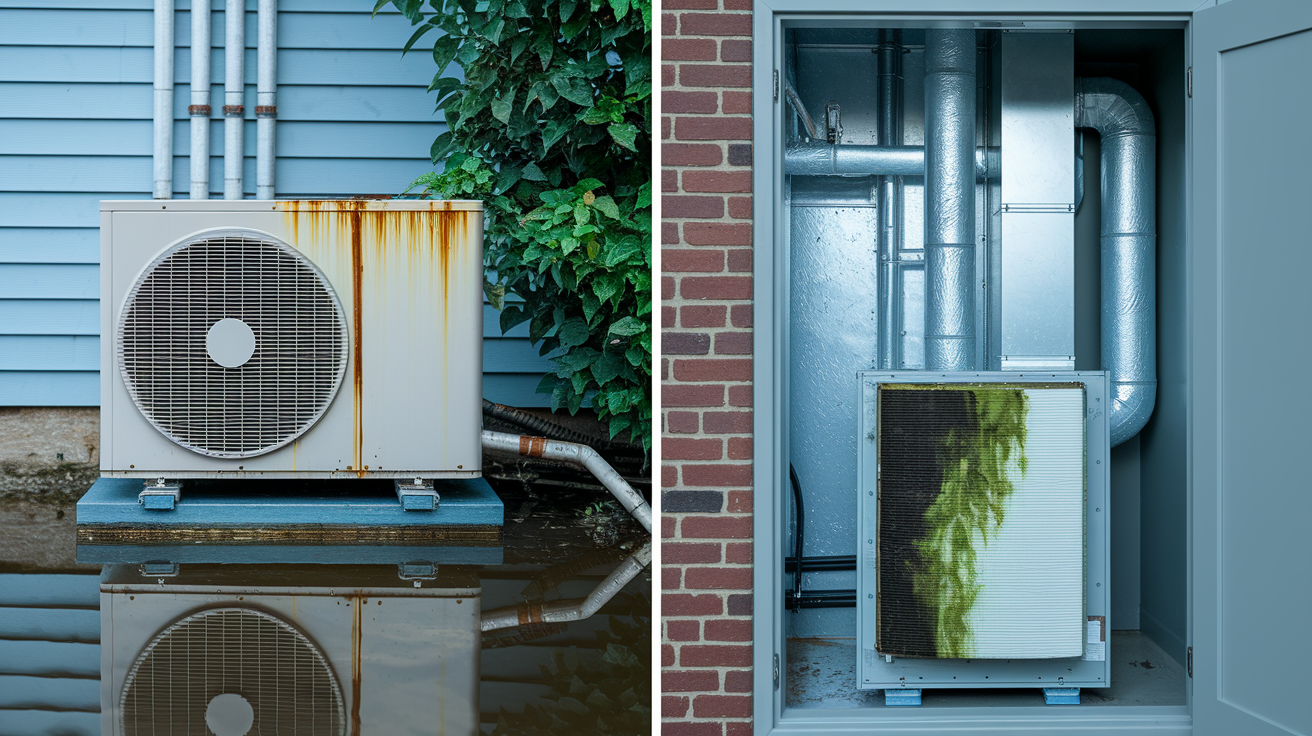
Don’t turn on HVAC systems after flooding. They’ll spread mold through the whole place. Ductwork’s like a highway for mold spores, bacteria, and contaminated particles. Running the system before professional cleaning pushes that stuff into every room. Even if the furnace or air handler looks clean outside, ducts may have caught floodwater and grown mold you can’t see. This creates health problems beyond the appliance itself, especially for anyone with asthma, allergies, or weak immune systems.
Gas furnaces usually need replacing after going under. The gas valve, pilot assembly, burners, electronic ignition all fail when water hits them. Corrosion inside gas valves creates leaks that can explode. Heat exchangers (the metal chambers separating combustion gases from air you breathe) can crack after water damage, letting carbon monoxide into your home. Inspections can’t always catch hairline cracks that show up weeks later. For more on preventing contamination during cleanup, check out Flood Cleanup Safety Tips.
Air conditioners and heat pumps have compressors and electrical parts at ground level in outdoor units. If floodwater reached the compressor, refrigerant lines may have taken on water or the motor shorted. Capacitors and contactors (electrical parts that start and run the compressor) corrode fast. Indoor air handlers have blower motors, control boards, and evaporator coils. Water in the air handler usually means mold on the evaporator coil that you can’t fully clean without tearing it apart.
You need duct inspection and cleaning even if the main unit escaped. Metal ducts rust. Flexible ducts soak up water and grow mold inside layers you can’t reach. If sewage or contaminated floodwater got in the ducts, replacement’s the only safe move. Professional cleaning helps with clean water, but contaminated ducts are a health hazard you can’t fix. When you’re replacing anyway, consider improving duct design to cut future flood risk.
When Professional Appliance Inspection Is Required

Get a qualified service tech out there four to five days after appliances are completely dry. Earlier wastes time because trapped moisture takes days to evaporate. Testing wet components gives you false readings. Waiting the full drying period lets techs see real damage instead of temporary issues.
These situations always need professional eyes before you try using anything:
• Any appliance fully underwater for more than an hour
• Gas appliances with any water contact above the pilot area
• Anything exposed to saltwater or brackish water, doesn’t matter how much
• Any unit showing visible corrosion on electrical connections or control boards
• Appliances that were running when the flood hit and might have damage from sudden shutdown
| Electrical Component | Failure Indicator |
|---|---|
| Control Board | Corrosion on circuit traces, water stains, burnt smell |
| Motor Windings | Discoloration, resistance reading outside specifications |
| Capacitor | Bulging case, rust on terminals, failed continuity test |
| Thermostat | Incorrect resistance at set temperatures, visible corrosion |
| Timer Mechanism | Sticky movement, erratic advancement, corroded contacts |
| Compressor | Grinding noise, failed start, abnormal amp draw |
| Wiring Connections | Green corrosion, loose terminals, insulation damage |
Saltwater or brackish water touching electrical and gas parts means replacement. There’s no economically smart way to fix them. Salt conducts electricity and corrodes everything, creating fire, explosion, and shock risks through damaged or clogged parts. Pros test voltage, continuity, insulation resistance, ground fault protection. They check breakers for trip sensitivity and internal damage. They measure motor windings with a multimeter to catch short circuits you can’t see. This needs training and equipment most people don’t have.
Gas work needs a licensed tech by law in most places. A leak or failed valve kills people. Your insurance might deny claims if unlicensed work contributed to damage or injury. Manufacturer warranties die after DIY repairs on flooded appliances. The risks of fires, explosions, or fatal shocks make professional inspection worth paying for. Even if you’re handy, flood damage creates hidden failures that show up later. A pro’s inspection report also helps insurance claims by documenting what failed and why.
Drying Timeframes and Cleaning Protocols for Salvageable Appliances

You’ve got 48 hours to stop mold. After that, spores germinate and spread fast, especially when it’s warm and humid. Mold grows inside appliances where you can’t see or reach. Behind control panels, inside insulation, within sealed motor housings. Once mold takes hold, you can’t salvage it.
Drying right means positioning and airflow. Move appliances away from walls so air circulates on all sides. Open all doors, drawers, access panels. Point fans straight at the appliance to keep air moving. Run a dehumidifier in the room to pull moisture out. Check humidity with a simple meter from the hardware store. Keep room humidity under 50% to prevent mold. Four to five days is minimum. Big appliances or ones with thick insulation need longer. You’ll know it’s dry when metal surfaces don’t feel cool and damp, and pressing a paper towel against internal parts doesn’t pick up moisture.
Clean water and contaminated water need different approaches. Clean water (from supply lines or rain) needs standard sanitizing. Contaminated water (sewage, river water, floodwater carrying chemicals) needs special decontamination beyond standard cleaning. Check with local health authorities or the CDC website for special instructions on appliances exposed to polluted floodwater. Contamination with bacteria, parasites, or chemicals might make salvage impossible no matter how well you clean.
What you need for safely cleaning flood-damaged appliances:
• Rubber gloves rated for chemicals
• Safety glasses or face shield
• Rubber boots covering your ankles
• N95 respirator for filtering mold spores and bacteria
• Household bleach for sanitizing solution
• Large buckets for mixing
• Stiff brushes and clean rags you can toss after
Mix one cup household bleach with one gallon water for sanitizing solution. Wipe down all outside surfaces first to get visible dirt and debris off. Then clean inside surfaces, getting into corners, around seals, under removable parts. Let the sanitizing solution sit on surfaces at least 10 minutes before wiping dry. Don’t mix bleach with other cleaners. It creates toxic fumes. Work in ventilated space and take breaks if you feel lightheaded.
Some parts can’t be cleaned, only replaced. Water filters trap contaminants and can’t be sanitized. Insulation absorbs water and contaminants permanently. Door seals and gaskets develop mold in tiny crevices. Replace these even if the main appliance is salvageable. Trying to clean instead of replace just delays the mold problem.
Early mold signs mean unsalvageable damage. Black or green spots on surfaces you just cleaned. Musty or earthy smells getting stronger over a few days. Surfaces staying damp despite drying time. If mold appears during drying, the appliance has contamination too deep to clean. Stop trying to salvage it and plan for replacement. For more detailed guidance on controlling conditions during drying, see Mold Prevention After Flooding.
Documentation and Insurance Claim Procedures for Damaged Appliances

Document before you move or clean anything. Insurance adjusters need to see damage in place to verify claims. Cleanup erases evidence of water levels and contamination type. Once you start salvage, you can’t recreate the original damage state. Photos first, cleaning later.
Six steps for documenting appliance damage for insurance:
-
Photograph each appliance from four angles showing the whole unit and area around it.
-
Close-up shots of water lines, control panels, visible corrosion, damaged parts.
-
Record serial numbers and model numbers from data plates (usually inside doors or on back panels).
-
Write down purchase dates and original costs if you have receipts, or estimate based on when you bought them.
-
Note what type of water caused damage (clean supply water, sewage, river water, unknown contamination).
-
List which appliances were running when flooding hit versus which were off.
Professional inspection reports strengthen claims by giving third-party proof of damage extent and safety issues. Get written reports from techs detailing which components failed, why salvage is or isn’t doable, and estimated repair costs versus replacement. These reports carry more weight than your own assessment when dealing with insurance companies. Adjusters trust licensed technicians more than homeowner claims because techs have no financial stake in the outcome. Keep copies of all inspection reports, repair estimates, and communication with insurance reps. Manufacturer warranties die after water damage in most cases, but documentation helps prove the damage was from a covered event like flooding rather than neglect or misuse.
Safe Power Restoration and Operational Testing After Professional Approval

Only restore power after professional clearance. Never reconnect flooded appliances until inspected and repaired by qualified techs. Even if an appliance looks dry and undamaged, internal parts may have corrosion or short circuits waiting to cause fires or shocks when you apply power.
Start the reconnection at the breaker panel. Make sure the appliance is completely unplugged or disconnected at its shutoff. Turn on the breaker. Then plug in or reconnect the appliance. This sequence protects you if something arcs or sparks. You’re standing at the panel where you can cut power fast, not next to the appliance when it fails.
Watch the first operation cycles closely. Stay nearby for the full cycle. Listen for weird sounds including grinding, buzzing, humming louder than normal, or clicking that repeats. Watch for smoke, even thin wisps. Smell for burning including electrical (sharp, acrid), plastic melting (sweet, chemical), or overheating insulation (hot, dusty). Feel the outside for spots getting too hot to touch. Check that controls respond right and cycles advance on schedule.
Warning signs during testing mean immediate shutdown. Flip the breaker off right away if you see sparking, smoke, or flames. Shut down if you smell gas or burning. Stop if it makes loud grinding noises or circuits trip repeatedly. Pull the plug if controls freeze or the unit runs but doesn’t do its job. These failures mean internal damage pros missed or that developed during testing. Don’t try restarting. Call the tech back for follow-up.
Preventing Future Appliance Flood Damage
Getting ahead of floods reduces appliance damage risk next time. You can’t always stop flooding, but you can control how much damage it does. Small changes now save thousands in replacements and days without essentials later.
Physical changes to cut appliance flood damage risk:
• Raise washers and dryers on 4-inch to 6-inch platforms in basements and ground-floor laundry rooms
• Move water heaters and HVAC equipment to upper floors or raised platforms if your area floods regularly
• Install quick-disconnect fittings on water supply lines so you can unhook appliances fast when warnings come
• Mount appliances on concrete blocks or pressure-treated wood platforms rated to handle weight plus vibration
• Seal basement floor drains with backflow preventers to stop sewage backing up into the room
• Move small appliances to upper shelves or cabinets above likely flood levels based on your area’s flood maps
Emergency prep includes pre-planned shutdown procedures everyone in your house knows. Post a laminated checklist near your electrical panel listing which circuits control which appliances. Practice shutting off power, water, and gas so you can do it fast under stress. Keep a wrench for gas shutoffs and water valves in an obvious spot, like hanging on the wall next to the meter. Install emergency shutoff switches for essential appliances in easy-to-reach spots above flood levels. Consider backup power for refrigerators and medical equipment, but only use generators according to manufacturer instructions and never run them indoors or in attached garages. Before flood season, review your plan and update it based on what you learned from past events. For comprehensive prep steps before the next flood threat, visit Flood Preparedness Checklist.
Final Words
Knowing how to check appliances after flooding starts with safety: power off, wait for professional clearance, and never rush reconnection.
Most fully submerged units can’t be saved, especially if contaminated water reached electrical components or insulation.
For appliances that might survive, document everything first, dry them completely for four to five days, and get a licensed technician to confirm they’re safe before you plug anything back in.
If you caught the flood early and only the bottom got wet, you’ve got better odds, but contamination type still matters more than you’d think.
Take photos, keep receipts, and don’t guess on electrical safety.
FAQ
How long does it take for hard water to ruin appliances?
Hard water does not directly ruin appliances from flooding. Floodwater damage depends on submersion time and contamination level, not water hardness. Most electrical components fail when submerged for more than a few hours, especially in contaminated floodwater, due to corrosion and short circuit risks.
Can flooded appliances be saved?
Flooded appliances can sometimes be saved if only partially submerged in clean water for a short time. Fully submerged appliances, especially in contaminated floodwater, typically cannot be salvaged due to corrosion, contamination, and compromised electrical components. Professional inspection is required before attempting any salvage.
How to check for appliance damage after a power outage?
Check for appliance damage after a power outage by looking for water lines, unusual odors, discoloration, or visible corrosion. Do not plug in or turn on any appliance until a professional inspects electrical components, wiring, and circuit integrity. Wait four to five days after complete drying before professional inspection.
Will my washer and dryer work after a flood?
Washers and dryers may work after a flood if only partially submerged and professionally inspected. Fully submerged units typically require replacement because water damages motors, timer controls, and electrical components beyond economical repair. Timer mechanisms and control panels usually need replacement even in salvageable units.