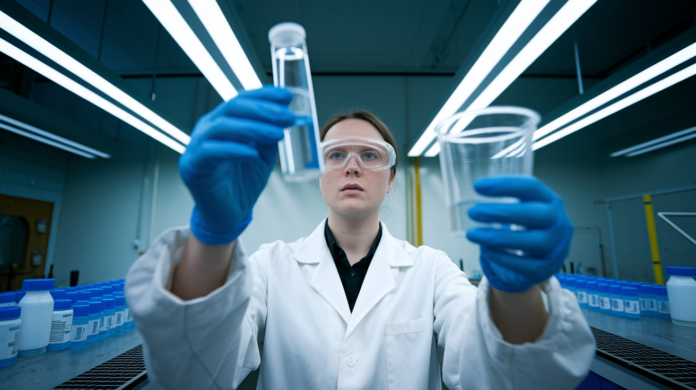

You won’t know if your water’s dangerous just by looking at it. Floodwater leaves behind invisible bacteria, chemicals, and heavy metals that clear looking water can still carry. The difference between safe and contaminated isn’t something your eyes can catch. Testing is the only way to confirm what’s actually in your system before you drink, cook, or bathe with it again. This guide walks you through the exact steps to test water safety after flooding, from choosing a certified lab to collecting samples correctly and understanding what results mean for your household.
Critical Water Testing Steps and Laboratory Contacts

Wait 72 hours after standing water recedes before you collect samples. Sediment needs time to settle. Rushing to test while mud and debris are still moving through the system can produce unclear results that waste time and money.
Contact your state health department, county extension office, or search for EPA certified labs near you. Most states keep directories of approved labs that meet federal standards. Many facilities now offer rush testing for bacteria, which is your most urgent post flood concern. You can get bacteria results in 24 to 48 hours instead of the typical 5 to 7 days. If you need bacteria confirmation fast, ask specifically about expedited analysis when you call.
Pick up sterile containers directly from the testing lab. Don’t use your own bottles. When you’re ready to collect your sample, run cold water for 2 to 3 minutes to clear the lines. For bacterial testing, flame the tap with a lighter for about 5 seconds to kill surface bacteria. Let it cool, then fill the container without letting your fingers touch the inside or the cap threads. Seal it immediately and label it clearly with your name, address, date, and time.
Call the Water Systems Council wellcare Hotline at 888-395-1033 if you need help choosing a lab, interpreting results, or deciding what to test for first. They provide free consultation for well owners facing contamination concerns. Use this resource when you’re unsure whether to test immediately or wait, or when lab reports include terms you don’t understand.
If you’re on municipal supply, follow any boil water advisory instructions from your local water authority while waiting for official clearance. Bring water to a rolling boil for at least one minute to kill major waterborne pathogens. This is temporary protection, not a permanent solution. Well owners can’t rely on government monitoring and must arrange all testing, disinfection, and verification themselves before using water for any purpose.
| Testing Phase | Recommended Timeframe | Priority Level | Action Required |
|---|---|---|---|
| Initial visual inspection | Day 1 | High priority | Check for physical damage |
| Bacterial rush testing | Days 2-3 | Urgent | Contact certified lab |
| Comprehensive laboratory analysis | Days 3-7 | High priority | Test all parameters |
| Post-treatment verification | 7-10 days after remediation | Medium priority | Retest before consumption |
| Ongoing monitoring | Quarterly for first year | Medium priority | Establish baseline |
Contamination Types and Essential Testing Parameters
Floodwater brings three main contamination categories. Biological pathogens, chemical pollutants, and heavy metals. Each requires different testing approaches because the lab methods for detecting bacteria are completely separate from the procedures for measuring lead or pesticides. You can’t skip any category and assume your water’s safe. A well that tests clean for bacteria might still contain arsenic, and water free of chemicals can harbor deadly pathogens.
Bacterial and pathogen risks include E. coli, Salmonella, Shigella, and Hepatitis A, all of which cause gastrointestinal illness ranging from severe diarrhea to life threatening dehydration. Direct contact can lead to wound infections and skin rashes, especially if you have cuts or scrapes. In coastal areas, hurricanes and storm surge introduce Vibrio, a flesh eating disease that enters through even minor skin breaks. Along the Gulf Coast, floodwater contact can also cause Melioidosis, a serious infection that attacks the lungs and bloodstream.
Chemical hazards vary by location. Industrial areas face higher risk of VOCs and petroleum compounds from flooded factories, gas stations, and storage tanks. Agricultural areas are more prone to pesticide and fertilizer contamination, with nitrates being especially dangerous for infants. Heavy metals like lead, arsenic, and iron enter water through corroded pipes, disturbed soil, and industrial runoff. Your testing priorities should reflect what’s around you. If your neighborhood has farms, test for nitrates and pesticides. If you’re near a commercial zone, add petroleum products and solvents to your list.
Microbiological assessment happens fast because bacteria grow quickly and the results determine whether your water’s immediately dangerous. Chemical testing takes longer but remains essential because many toxic substances have no taste, smell, or color. For pathogens like E. coli, the acceptable level is zero. For chemicals like nitrates and lead, regulatory agencies set threshold levels based on health studies, meaning small amounts might be allowed but anything above the limit requires action.
| Contaminant Type | Specific Tests | Health Risk | Acceptable Levels |
|---|---|---|---|
| Coliform bacteria/E. coli | Bacterial culture analysis | Gastrointestinal illness/sepsis | Zero tolerance |
| Vibrio in coastal areas | Pathogen-specific culture | Flesh-eating disease | Zero tolerance |
| Nitrates/nitrites | Chemical analysis | Infant methemoglobinemia | 10 mg/L |
| Lead contamination | Heavy metal screening | Developmental harm/neurological damage | 15 ppb action level |
| Arsenic detection | Heavy metal screening | Cancer risk/organ damage | 10 ppb |
| Petroleum products/VOCs | Organic compound analysis | Organ damage/cancer | Varies by compound |
| Pesticide residue | Pesticide panel | Neurological effects/endocrine disruption | Varies by chemical |
| Heavy metals general | Multi-metal screening | Multiple health impacts | Varies by metal |
| Turbidity measurement | Physical analysis | Indicates filtration effectiveness | 5 NTU |
Home Testing Kits Versus Professional Laboratory Analysis and Sample Collection
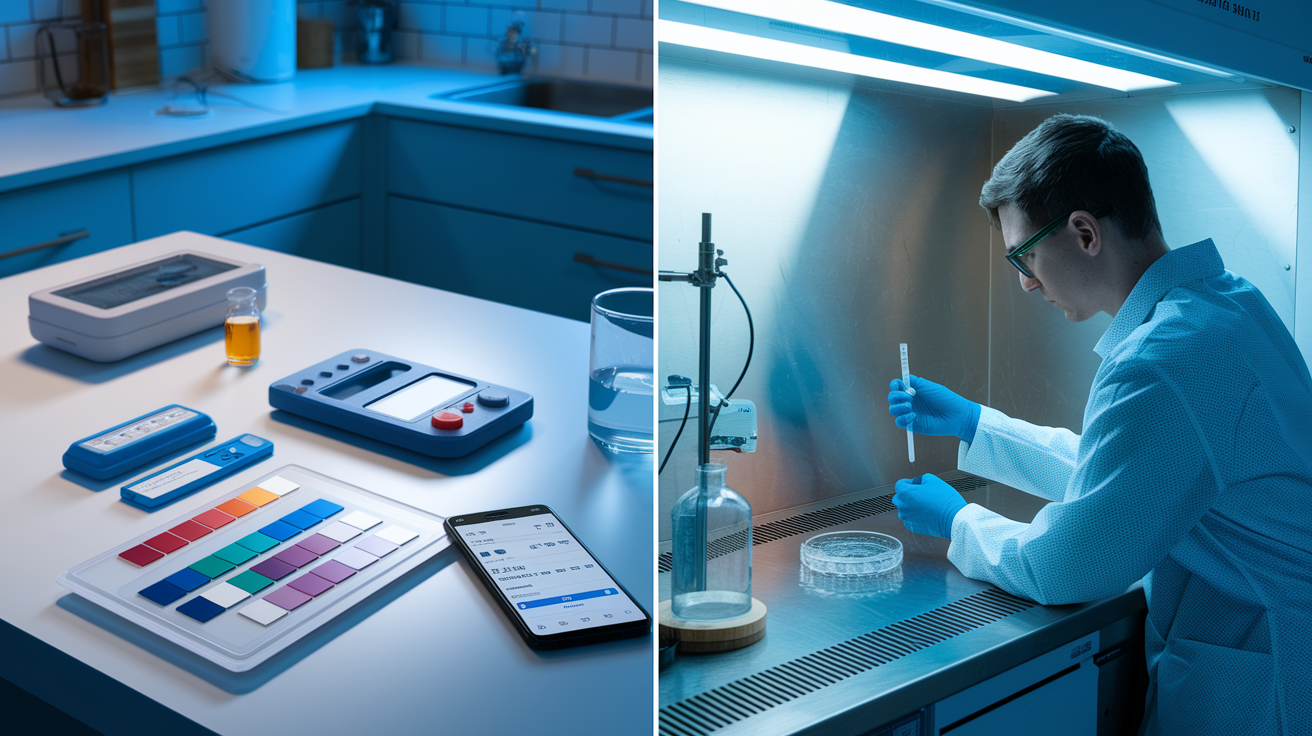
Home water testing kits and test strips can’t detect all bacteria, provide limited chemical detection, and offer no pathogen identification. A test strip might tell you your pH is off or chlorine is present, but it won’t identify E. coli, measure arsenic levels, or confirm whether Salmonella is in your system. These kits are designed for routine maintenance in stable conditions, not post flood contamination assessment where your health is on the line.
Professional laboratory analysis offers comprehensive microbiological assessment, precise chemical quantification, and legally defensible results you can submit with insurance claims. Certified testing facilities follow strict protocols, use calibrated equipment, and provide documentation that meets federal and state standards. If you need proof for a claim, a home test kit won’t hold up. Both the EPA and CDC recommend certified lab testing before resuming water use after flooding.
The best approach is to use home kits only for preliminary pH and chlorine screening while you arrange professional testing. A quick check for obvious chlorine loss or extreme pH can help you decide whether to take extra precautions, but it should never replace lab analysis.
Get sterile containers directly from the testing lab. Using your own bottles, even if you wash them thoroughly, risks contaminating the sample and producing false results. Labs provide containers that are already sterilized and sealed to prevent any outside bacteria or chemicals from affecting the test.
Select a cold water tap, preferably one without a screen or aerator that could trap debris. Run the water for 2 to 3 minutes to flush out anything sitting in the pipes. If you’re testing for bacteria, use a lighter to flame the tap for about 5 seconds, which kills surface bacteria that could contaminate your sample. Let the tap cool briefly, then fill the container without letting your fingers touch the inside, the rim, or the threads where the cap screws on. Seal it immediately, label it with your name, address, date, and time, then refrigerate it.
Label everything clearly and take photos of the container, the label, and the collection location for insurance claim evidence. Keep the sample cold and deliver it to the lab within 24 to 48 hours. Bacteria counts change rapidly at room temperature, which can make results inaccurate if the sample sits too long or gets warm during transport.
Home kits provide:
- pH level testing (acidic or alkaline water)
- Chlorine treatment verification (shows if disinfectant is present)
- Basic turbidity measurement only (cloudiness, not contamination type)
Professional labs provide:
- Bacterial testing including E. coli presence (identifies specific pathogens)
- Heavy metals detection (measures lead, arsenic, iron, and more)
- Chemical pollutants quantification (precise levels of VOCs, nitrates, pesticides)
- Pesticide residue identification (determines which chemicals are present)
- Comprehensive pathogen screening (tests for multiple disease causing organisms)
- Legally certified results (accepted by insurance companies and health departments)
Water Safety Protocols for Well and Municipal Systems
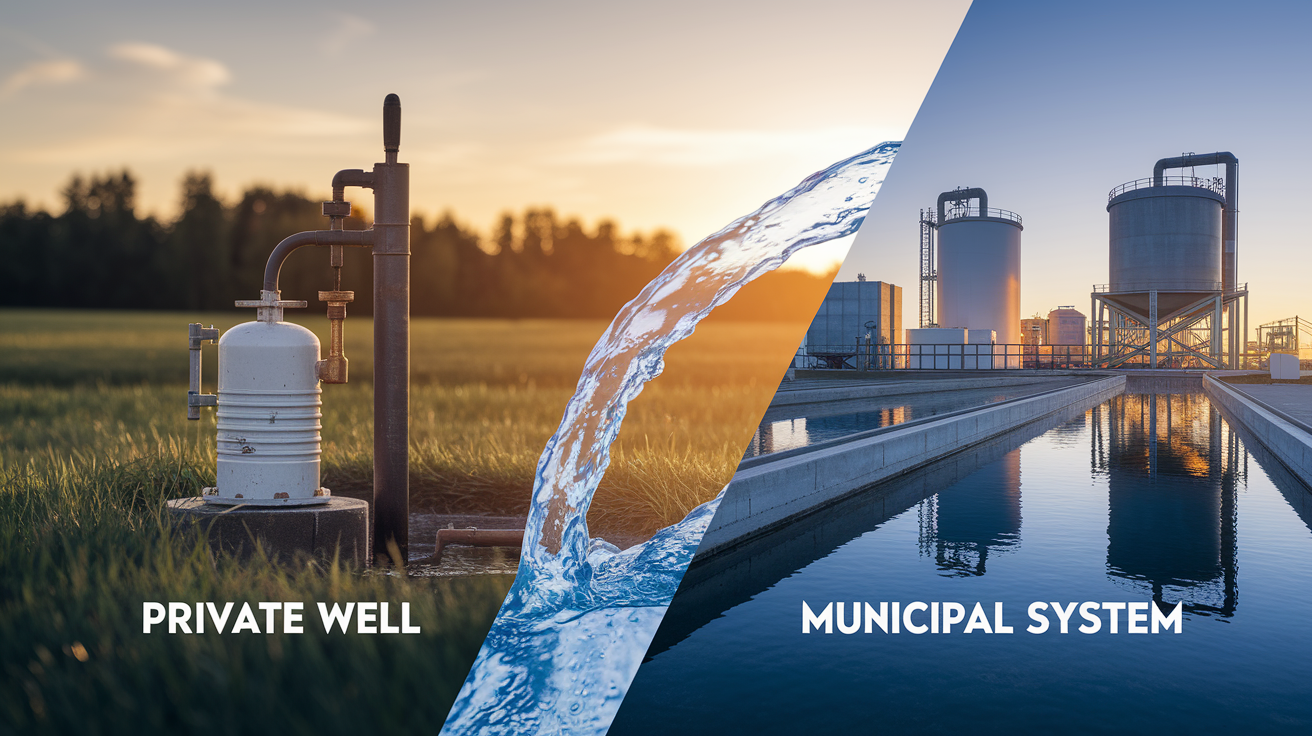
Well water and municipal supply require different response approaches because wells have no government oversight while municipal systems are monitored by local health departments. If you own a well, you’re responsible for every step, from inspection to testing to treatment. Municipal users rely on official notifications and can often resume use faster because larger systems have backup disinfection and filtration.
Bring water to a rolling boil for at least one minute if you need to use it before testing confirms safety. Boiling kills major waterborne pathogens including bacteria, viruses, and parasites. This works as temporary protection for drinking, cooking, and teeth brushing, but it doesn’t remove chemicals, heavy metals, or sediment. Use it as a short term measure, not a substitute for testing and proper treatment.
Private Well Water Testing and Disinfection
Don’t turn on your well pump until a professional inspects it. Floodwater and electrical systems create a serious shock risk, and energizing a submerged or damaged pump can injure or kill you. Wait for a licensed well or pump contractor to assess the situation.
Look for visible signs of well collapse. Shifted or tilted well casings, broken caps, cracks in the casing, or debris around the wellhead. Floods can dislodge well hardware and allow contaminated sediment to enter the system directly. If anything looks damaged or out of place, don’t use the water.
Schedule a professional inspection even if everything looks intact. A contractor can check the pump, wiring, pressure tank, and underground components that you can’t see. Structural damage below ground is common and dangerous.
After the inspection, have the contractor perform shock chlorination, which involves adding a high concentration of chlorine to the well, circulating it through the entire system, and letting it sit for several hours to kill bacteria. This isn’t something you should try yourself unless you have training. The chemical concentrations and safety procedures require expertise.
Once the chlorination is complete, flush the system by running every tap, hose, and outlet until the chlorine smell is gone. This can take several hours and uses a lot of water, but it’s necessary to clear the disinfectant and any loosened sediment. Wait 24 to 48 hours after flushing before collecting samples. This waiting period lets the system stabilize and gives you a true picture of your water quality.
Collect samples in sterile containers provided by the lab, following the procedure outlined earlier. Submit them for comprehensive analysis covering bacteria, nitrates, heavy metals, and any location specific contaminants your contractor or lab recommends.
- Conduct visual damage assessment
- Schedule professional inspection
- Perform shock chlorination through contractor
- Execute proper flushing procedures
- Wait 24 to 48 hours for disinfection
- Collect samples in sterile containers
- Submit to laboratory for comprehensive analysis
Municipal Water Supply Safety and Official Notifications
Municipal systems are monitored by health departments, which means trained professionals are testing the water and tracking contamination. When flooding damages treatment plants or distribution lines, officials issue a boil water advisory through local news, social media, text alerts, and sometimes door to door notifications.
Check for public health notifications by calling your water utility, visiting their website, or listening to local radio. Many areas now offer text or email alerts that notify you immediately when water safety changes. Sign up for these services if they’re available.
EPA standards determine when water is declared safe. Treatment plants must meet strict testing requirements and show consistent results before lifting advisories. This process follows health department protocols that include multiple rounds of testing over several days.
Expect longer timelines if you’re served by a small water system. These systems have fewer resources, less backup equipment, and smaller staff than large municipal operations. A neighborhood well system or small town treatment plant might take weeks to restore full safety, while a major city utility could clear an advisory in days.
Remember that municipal water safety is government monitored, but well owners bear individual responsibility. If you’re on a well, no one is tracking your water or telling you when it’s safe. You must arrange testing, interpret results, and make decisions on your own or with help from contractors and the Water Systems Council.
Visual Inspection Signs and Preliminary Assessment
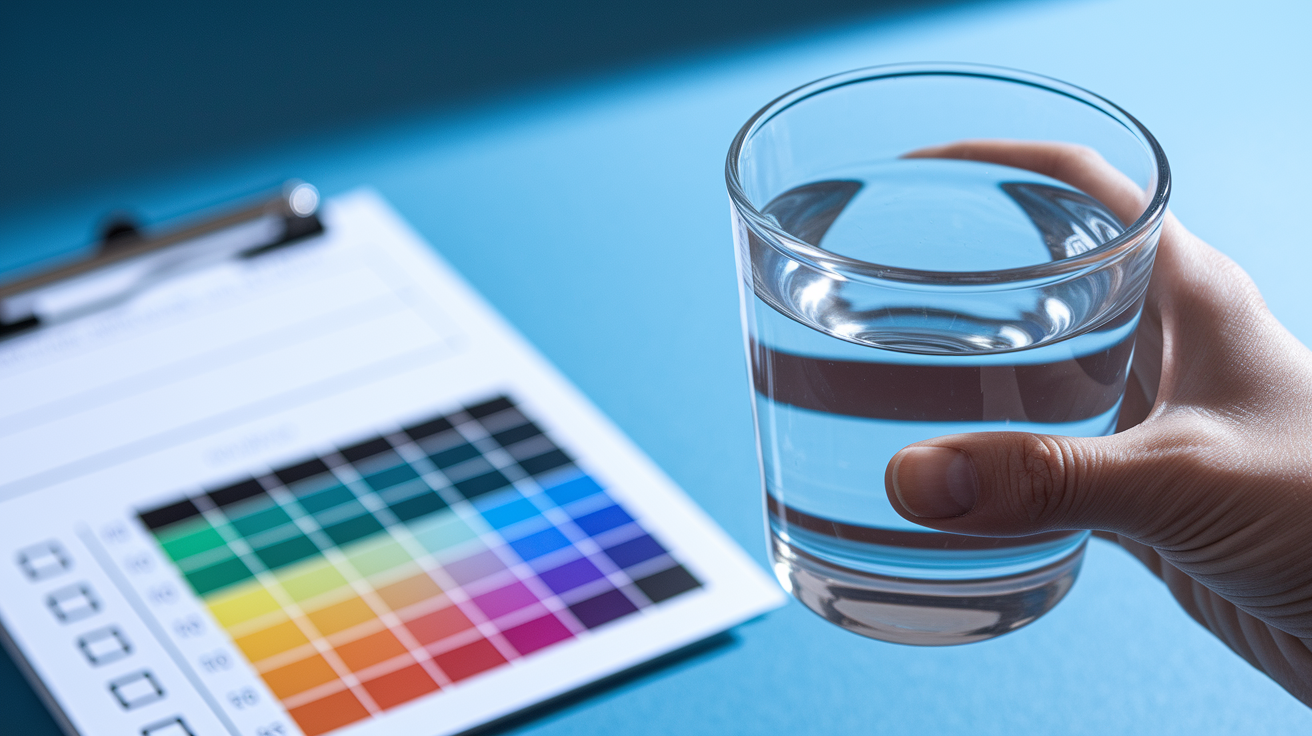
Clear water isn’t necessarily safe, but visible problems mean your water is definitely contaminated and needs immediate professional testing. Don’t drink, cook with, or wash dishes in water that shows obvious signs of trouble, even if you’re on a municipal system that hasn’t issued an advisory. Your individual service line could be compromised.
Check for brown, yellow, or cloudy appearance when you first turn on a tap. Discoloration often indicates rust, sediment, or organic matter stirred up by flooding. Smell the water for sulfur (rotten egg odor), petroleum (gasoline or oil scent), or sewage (foul, bathroom like smell). These odors signal contamination that testing will confirm. Cloudiness that doesn’t clear after running the water for several minutes suggests sediment, bacteria, or chemical contamination. Visible particles, grit, or floating material mean your system has been breached and needs professional attention.
Passing a visual inspection doesn’t eliminate the need for lab testing. Floodwater remains contaminated regardless of appearance, even without visible sewage or oil slicks. Deadly pathogens like E. coli, Salmonella, and Hepatitis A are invisible. Chemicals like nitrates, arsenic, and pesticides have no color, taste, or odor at dangerous levels. Clear, clean looking water can still contain contamination that will make you sick or cause long term health damage. Treat visual inspection as a warning system, not a safety confirmation. If your water looks or smells wrong, act immediately. If it seems fine, still test it before using it for drinking, cooking, or bathing.
Interpreting Water Test Results and Action Thresholds

Lab reports highlight values that exceed safety limits, compare your results to EPA standards, and flag parameters that require action. Look for bold text, red highlighting, or notes that say “exceeds maximum contaminant level” or “action required.” These markers tell you which problems need immediate attention and which results fall within acceptable ranges.
EPA standards set acceptable contamination levels based on health research and risk assessment. For bacteria like E. coli, the standard is zero tolerance, meaning any detection requires treatment. For chemicals, the limits vary. Nitrate concentration above 10 mg/L threatens infants. Lead contamination above 15 ppb triggers mandatory action. Arsenic detection above 10 ppb increases cancer risk. Your report should list your results next to these thresholds so you can compare them directly. If a number is higher than the standard, you need to take action.
Some results indicate aesthetic issues like discoloration, metallic taste, or staining, but don’t pose immediate health hazards. High iron levels cause orange stains and a metallic flavor, but they’re not toxic at the concentrations typically found in wells. Sulfur creates a rotten egg smell that’s unpleasant but not dangerous in most cases. Health hazards like pathogen presence or toxic chemical levels require urgent response, while aesthetic problems can be addressed over time.
Consult a well contractor, water treatment specialist, or your county extension office if you’re unsure what your results mean or what steps to take next. Remediation planning often requires expertise, especially when multiple contaminants are present or when treatment systems need to be installed.
Results requiring immediate action:
- Any detection of E. coli presence or coliform bacteria (zero tolerance)
- Nitrate concentration above 10 mg/L (infant risk)
- Lead contamination above 15 ppb (action level)
- Arsenic detection above 10 ppb (cancer risk)
- Presence of petroleum products (any detection)
- Detection of pesticide residue above EPA limits
- pH level testing outside 6.5 to 8.5 range (corrosion or treatment issues)
Water Disinfection Methods and Treatment Solutions
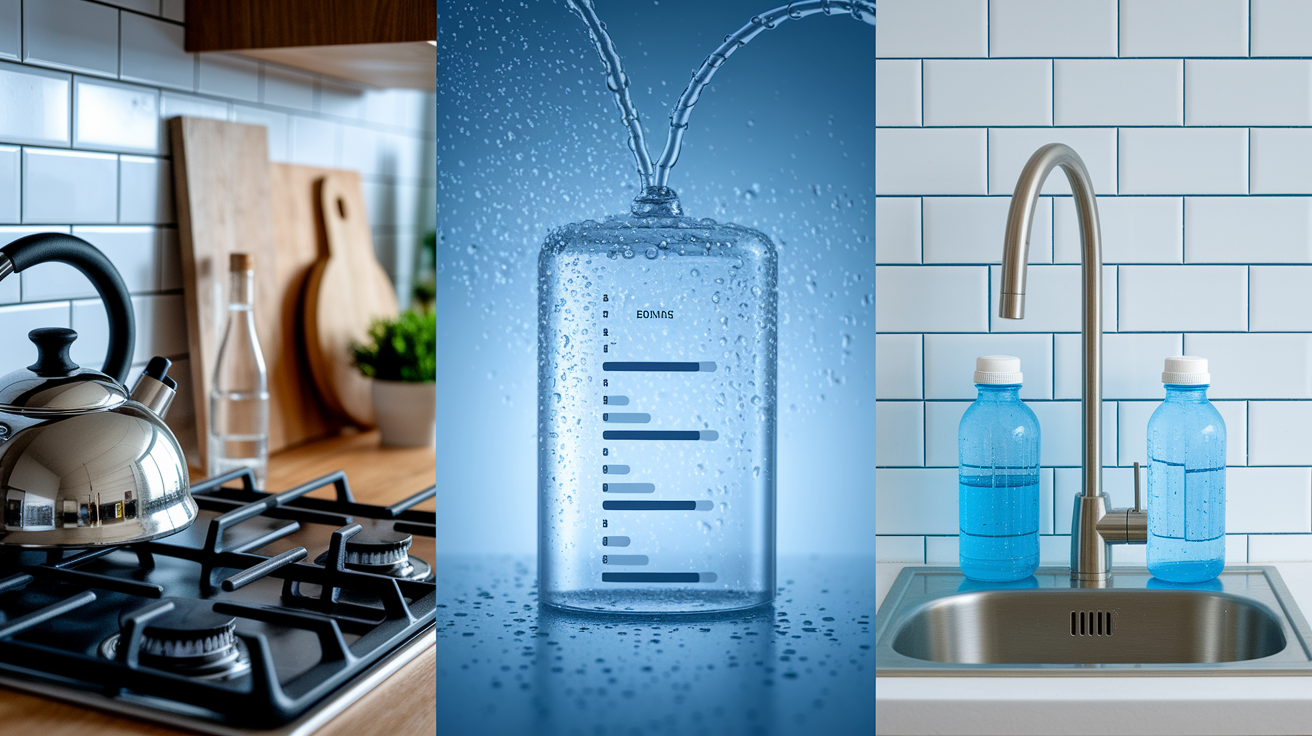
Boiling kills bacteria, viruses, and parasites but doesn’t remove chemicals, sediment, or heavy metals. Bring water to a rolling boil for at least one minute, which is enough to eliminate major waterborne pathogens. Let it cool before drinking or using it for cooking. Boiling works for emergency disinfection when you need safe water immediately, but it’s not a long term solution for contaminated wells or compromised systems.
Temporary treatment solutions include point of use filtration systems like countertop or faucet mounted filters that remove specific contaminants. Carbon filters reduce chlorine, some chemicals, and bad tastes, but they don’t kill bacteria unless they include a separate disinfection stage. Ceramic filters can remove bacteria and sediment but may not address chemical contamination. Use these devices for interim protection while waiting for test results or permanent system installation, but make sure the filter is rated for the contaminants you’re concerned about.
Permanent remediation steps include professional chlorine treatment for wells, UV purification systems that kill pathogens without chemicals, and reverse osmosis systems that remove a wide range of contaminants. Shock chlorination is a one time treatment that disinfects the well and plumbing, but it doesn’t provide ongoing protection. UV purification installs at the point where water enters your home and kills bacteria and viruses as water flows through, but it requires clear water to work effectively and doesn’t remove chemicals. Reverse osmosis systems filter water at the molecular level, removing heavy metals, chemicals, bacteria, and other contaminants, but they waste water, require regular maintenance, and produce a slower flow rate than other methods.
| Treatment Method | Effectiveness Against | Limitations | Cost Range |
|---|---|---|---|
| Boiling | Kills bacteria/viruses/parasites | Doesn’t remove chemicals/sediment/heavy metals | Free to low cost |
| Chlorine treatment/shock chlorination | Bacteria/some viruses | Taste issues/chemical residuals/requires professional application | Low to medium cost |
| UV purification | Bacteria/viruses/parasites | Requires clear water/electricity/doesn’t remove chemicals | Medium cost $300 to $800 |
| Reverse osmosis systems | Comprehensive removal of chemicals/heavy metals/pathogens | Water waste/maintenance/slow flow rate | High cost $200 to $2000 |
| Point-of-use filtration | Varies by filter type/carbon removes chemicals/ceramic removes bacteria | Filter replacement needed/limited capacity | Medium cost $50 to $500 |
Special Safety Considerations for Vulnerable Populations

Infants under 6 months face serious risk from nitrate concentration in water, which causes methemoglobinemia or “blue baby syndrome,” a condition that prevents blood from carrying oxygen properly. Use only bottled water for mixing formula, and don’t assume boiling makes high nitrate water safe because boiling concentrates nitrates rather than removing them. Babies also have zero tolerance for bacterial contamination because their immune systems can’t fight off pathogens that might only cause mild illness in adults.
Immunocompromised individuals, including cancer patients, people with HIV or AIDS, and transplant recipients, need extra testing vigilance because infections that are minor for healthy people can be life threatening for them. Pregnant women are more sensitive to pathogens and face chemical exposure risks that can harm fetal development, so they should avoid any water that hasn’t been confirmed safe through comprehensive lab analysis. Elderly individuals often have weakened immune systems and underlying health conditions that make waterborne illness more severe and harder to recover from.
Pets and livestock need safe water too. Animals suffer from the same waterborne pathogens and chemical exposure that threaten people. Dogs, cats, horses, and farm animals can develop severe gastrointestinal illness, organ damage, and infections from contaminated water. Test water used for animals and provide bottled or treated water until safety is confirmed.
Populations requiring stricter water safety standards and bottled water until comprehensive testing confirms safety:
- Infants under 6 months (nitrate and bacteria sensitivity)
- Pregnant women (pathogen and chemical risks)
- Elderly individuals (weakened immunity)
- Immunocompromised individuals (opportunistic infection risk)
- People with open wounds (infection through skin contact)
- Pets and livestock (susceptible to same pathogens)
Non-Drinking Water Safety: Bathing, Cleaning, and Food Preparation
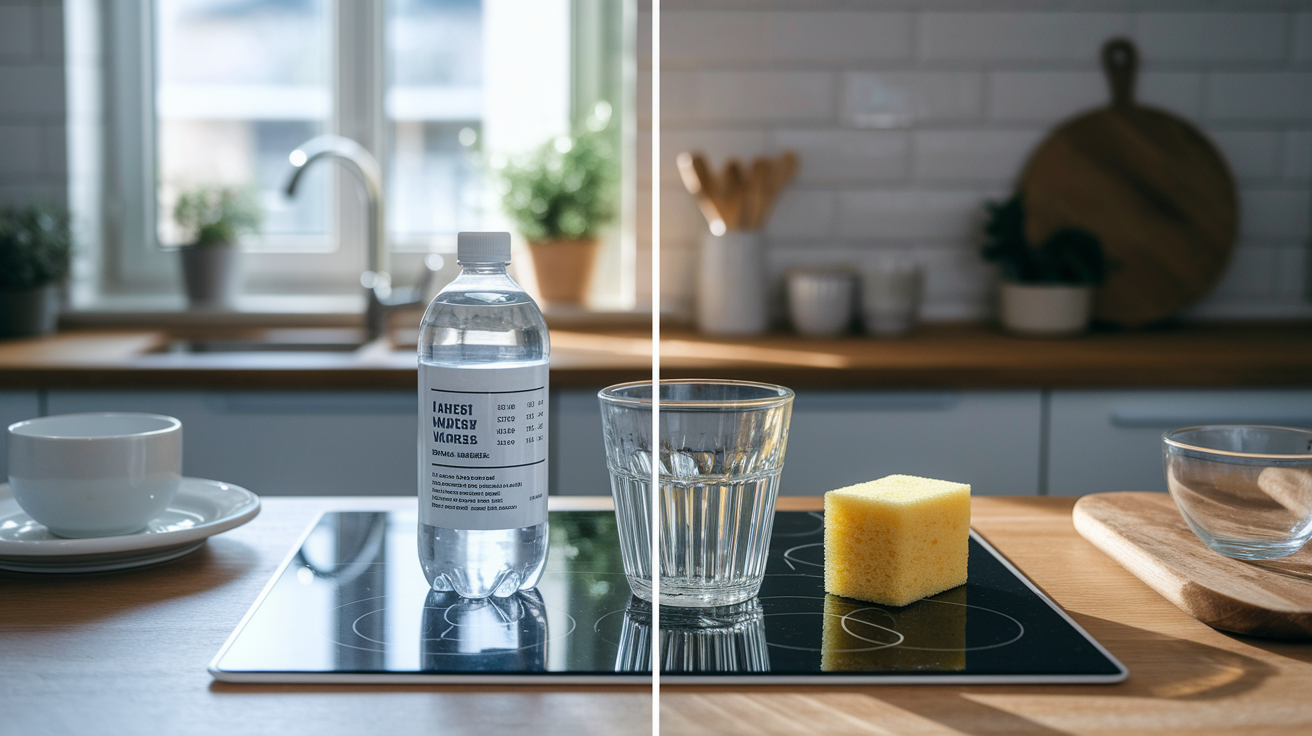
Bathing in contaminated water exposes you to pathogens through skin contact, especially if you have cuts, scrapes, or open wounds. Floodwater bacteria can cause wound infections that become serious quickly. Skin rashes and irritation are common even without open injuries. Mucous membranes in your eyes, nose, and mouth absorb contaminants easily, so avoid getting untested water on your face or in your eyes during showers.
Food preparation and dishwashing transfer bacteria from contaminated water to plates, utensils, and fresh produce. Washing vegetables in unsafe water deposits pathogens directly onto food you’ll eat raw. Rinsing dishes in contaminated water leaves bacteria on surfaces that touch your mouth. Cross contamination spreads through your kitchen when you use unsafe water for any food related task, from rinsing cutting boards to filling ice trays.
Handwashing requires clean water because you’re trying to remove germs, not add them. Use bottled water for handwashing if your water hasn’t been tested and cleared, especially before preparing food or eating. Treated municipal water that has been boiled is safe for handwashing, but untreated well water should be avoided until testing confirms safety.
Prevent cross contamination by keeping separate zones for clean and potentially contaminated areas. Use bottled water in the kitchen and bathroom until testing is complete. Sanitize all surfaces that contacted floodwater with a bleach solution (1 cup bleach per gallon of water) before resuming normal use.
- Drinking and cooking (highest priority pathogen risk)
- Ice making (pathogens survive freezing)
- Dishwashing (bacteria transfer to food contact surfaces)
- Bathing and showering (skin and mucous membrane exposure)
- Teeth brushing (direct ingestion risk)
Long-Term Monitoring and Ongoing Water Safety Maintenance
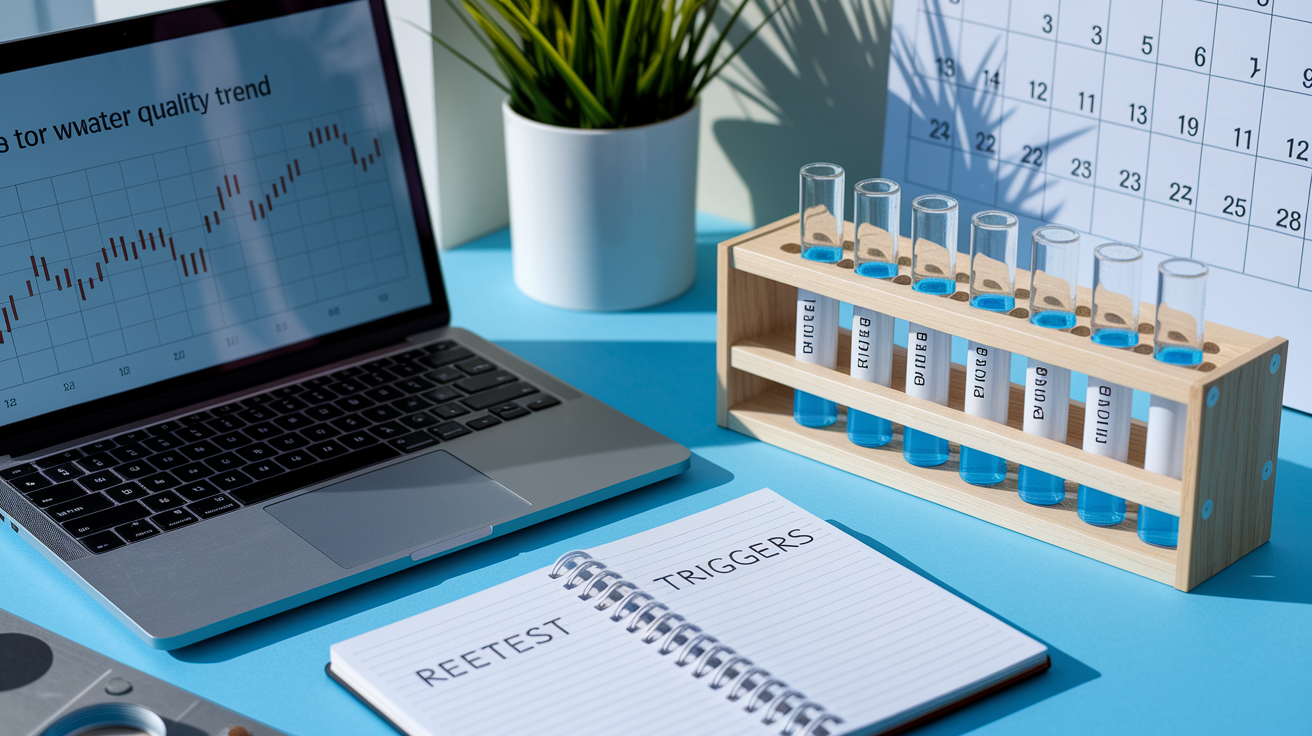
A single test doesn’t guarantee permanent safety because contamination changes over time. Sediment can settle and then stir up again during heavy rain. Contaminants migrate slowly through soil and groundwater, meaning chemicals that weren’t detected immediately after a flood might show up months later. Infrastructure deteriorates after flood damage, and cracks or leaks can develop gradually. Seasonal water table changes affect well water quality, with spring runoff and fall rains bringing different contamination patterns.
Test quarterly for the first year after flooding. Every three months. This schedule catches delayed contamination, verifies that treatment systems are working, and establishes a baseline for your water quality. In the second year, drop to biannual testing (twice a year), and after that, test annually to maintain a safety baseline and catch any new problems before they become serious.
Retest after heavy rains, additional flooding, or any event that could introduce new contamination. Install long term safety measures if you live in a flood prone area, such as raising your wellhead above typical flood levels, adding backflow preventers to stop contaminated water from entering your plumbing, and keeping emergency water storage so you have clean water immediately available when the next flood hits.
Recommended retesting triggers:
- After any remediation or disinfection treatment (verify effectiveness)
- Following additional flooding or heavy precipitation events (new contamination introduction)
- Before ending bottled water use permanently (confirm sustained safety)
- Annually for maintenance baseline (track water quality trends)
Final Words
Testing water after flooding isn’t optional. It’s the only way to know if bacteria, chemicals, or heavy metals are hiding in clear-looking water.
Start with a visual check on day one. Then call a certified lab for bacterial testing within 72 hours. Follow up with a full analysis that covers nitrates, heavy metals, and location-specific risks.
Don’t skip the retest after treatment. And keep testing quarterly for the first year, especially if you have a private well.
Your family’s health depends on knowing how to test water safety after flooding and following through every time.
FAQ
What are the critical first steps for testing water after a flood?
The critical first steps for testing water after a flood include waiting 72 hours for standing water to recede before collecting samples, contacting a state-certified laboratory for rush bacterial testing, and avoiding all water use until testing confirms safety.
How do I find a certified laboratory to test my flood-affected water?
You can find a certified laboratory to test your flood-affected water through your state health department directory, EPA certified lab listings, or county extension offices, which maintain lists of approved testing facilities offering rush bacterial analysis services.
What is the proper way to collect a water sample for testing?
The proper way to collect a water sample for testing involves using sterile containers from the laboratory, running cold water for 2-3 minutes, flaming the tap if bacterial testing is required, filling without touching the container interior, and sealing immediately.
When should I call the Water Systems Council wellcare Hotline?
You should call the Water Systems Council wellcare Hotline at 888-395-1033 when you need emergency consultation about private well safety, professional inspection referrals, or guidance on flood-damaged well systems requiring immediate attention.
How is testing different for municipal water versus private well water?
Testing is different for municipal water versus private well water because municipal systems receive government monitoring and public notifications, while private well owners bear individual responsibility for testing, disinfection, and safety confirmation after floods.
What types of contamination can floodwater introduce into drinking water?
Floodwater can introduce biological pathogens like E. coli and Salmonella, chemical pollutants from industrial runoff and agricultural chemicals, and heavy metals including lead and arsenic, each requiring different testing approaches and presenting distinct health risks.
Why is coastal flooding particularly dangerous for water contamination?
Coastal flooding is particularly dangerous for water contamination because it can introduce Vibrio bacteria, which causes flesh-eating disease, in addition to standard flood pathogens like E. coli, Salmonella, and Hepatitis A found in all floodwater.
What are the acceptable levels for common water contaminants after flooding?
The acceptable levels for common water contaminants after flooding include zero tolerance for coliform bacteria and E. coli, 10 mg/L maximum for nitrates, 15 ppb action level for lead, and 10 ppb for arsenic according to EPA standards.
Can home water testing kits replace professional laboratory analysis after a flood?
Home water testing kits cannot replace professional laboratory analysis after a flood because they have limited bacterial detection capability, cannot identify specific pathogens, and lack the comprehensive chemical quantification needed to confirm safety.
What are the advantages of professional laboratory testing over home testing kits?
The advantages of professional laboratory testing over home testing kits include comprehensive microbiological assessment with pathogen identification, precise chemical quantification for all contaminants, and legally defensible results needed for insurance claims.
How should I handle and transport water samples to the laboratory?
You should handle and transport water samples to the laboratory by labeling containers with collection date and location, refrigerating immediately after collection, and delivering within 24-48 hours while maintaining documentation for insurance purposes.
What is a boil water advisory and how long should I boil water?
A boil water advisory is an official public health notification requiring water treatment before use. You should bring water to a rolling boil for at least one minute to kill major waterborne pathogens as temporary protection.
Should I turn on my well pump immediately after floodwaters recede?
You should not turn on your well pump immediately after floodwaters recede due to electric shock risk from wet electrical components and potential debris damage to well hardware that could cause total system collapse.
What is shock chlorination and when is it necessary for wells?
Shock chlorination is a professional disinfection process using high-concentration chlorine to kill bacteria in well systems. It is necessary after flood contamination and must be performed by well or pump contractors before water use resumes.
How long do I wait after well disinfection before collecting test samples?
You wait 24-48 hours after well disinfection and proper flushing procedures before collecting test samples to ensure chlorine has neutralized contaminants and dissipated sufficiently for accurate laboratory analysis.
How do municipal water users know when water is safe after flooding?
Municipal water users know when water is safe after flooding through official public health notifications from local health departments and community water updates declaring EPA standards have been met and boil water advisories lifted.
Can clear water still be contaminated after a flood?
Clear water can still be contaminated after a flood because dangerous pathogens, chemicals, and heavy metals remain invisible. Floodwater stays contaminated regardless of appearance, even without visible sewage or oil slicks.
What visual signs indicate my water is definitely contaminated?
Visual signs that indicate your water is definitely contaminated include brown, yellow, or cloudy discoloration, unusual sulfur or petroleum odors, sewage smells, visible sediment, and persistent cloudiness even after flushing.
Does passing a visual inspection mean my water is safe to drink?
Passing a visual inspection does not mean your water is safe to drink because clear, odorless water can still contain dangerous pathogens and chemicals requiring professional laboratory testing to confirm safety.
What do I do if my water test results show E. coli?
If your water test results show E. coli, you must immediately stop all water use, switch to bottled water for drinking and cooking, contact a professional for well disinfection or follow municipal boil water procedures, and retest after treatment.
What nitrate level is dangerous for infants?
A nitrate level above 10 mg/L is dangerous for infants because it causes methemoglobinemia or “blue baby syndrome,” which prevents blood from carrying oxygen. Use only bottled water for formula preparation when levels exceed this threshold.
When should I consult a professional about my water test results?
You should consult a professional about your water test results when any parameter exceeds EPA standards, laboratory reports flag concerning values, you detect pathogens, or you need guidance developing a remediation plan.
What is the difference between aesthetic water issues and health hazards?
The difference between aesthetic water issues and health hazards is that aesthetic problems like discoloration, odor, and iron staining affect appearance but may not harm health, while pathogen presence and toxic chemicals pose immediate serious health risks.
Does boiling water remove all contaminants after a flood?
Boiling water does not remove all contaminants after a flood because while it kills bacteria, viruses, and parasites, it cannot eliminate chemicals, heavy metals, or sediment, which require filtration or reverse osmosis treatment.
What is the most effective treatment for comprehensive flood water contamination?
The most effective treatment for comprehensive flood water contamination is reverse osmosis systems, which remove chemicals, heavy metals, and pathogens, though they cost $200-2000 and require maintenance, electricity, and produce slower flow rates.
How much does UV water purification cost and what does it remove?
UV water purification costs $300-800 and effectively removes bacteria, viruses, and parasites, but it requires clear water and electricity, does not eliminate chemicals or heavy metals, and needs ongoing maintenance.
Can I use chlorine bleach to treat my contaminated well water myself?
You cannot use chlorine bleach to treat your contaminated well water yourself because drilled, driven, or bored wells require professional shock chlorination by well or pump contractors to ensure proper disinfection concentration and safety.
Why are infants at higher risk from contaminated water than adults?
Infants are at higher risk from contaminated water than adults because they have zero tolerance for bacterial contamination, extreme sensitivity to nitrate concentration causing methemoglobinemia, and developing immune systems cannot fight waterborne pathogens effectively.
Is contaminated water safe for pets and livestock to drink?
Contaminated water is not safe for pets and livestock to drink because animals are susceptible to the same waterborne pathogens, chemical exposure, and heavy metal poisoning that affect humans, requiring testing before resuming use.
What special precautions should pregnant women take with water after flooding?
Pregnant women should take special precautions with water after flooding by using only bottled water until comprehensive testing confirms safety, due to heightened pathogen sensitivity and chemical exposure risks affecting fetal development.
Should immunocompromised individuals use stricter water safety standards after floods?
Immunocompromised individuals should use stricter water safety standards after floods because weakened immune systems cannot fight opportunistic infections from waterborne pathogens, requiring bottled water until multiple comprehensive tests confirm sustained safety.
Is it safe to bathe in water that hasn’t been tested after flooding?
It is not safe to bathe in water that hasn’t been tested after flooding because skin contact and mucous membrane exposure can cause wound infections, rashes, and pathogen absorption even without drinking the water.
Can I wash dishes with untested water after a flood?
You cannot wash dishes with untested water after a flood because bacteria transfer to food contact surfaces creates cross-contamination risks and direct pathogen exposure through dishes used for eating and drinking.
Does freezing contaminated water kill bacteria in ice?
Freezing contaminated water does not kill bacteria in ice because pathogens survive freezing temperatures and remain viable when ice melts, requiring testing confirmation before resuming ice making from any water source.
What handwashing protocol should I follow with potentially contaminated water?
The handwashing protocol you should follow with potentially contaminated water is using bottled water or confirmed-safe treated municipal water, avoiding direct contact with untested well water even for hygiene until laboratory results confirm safety.
How do I prevent cross-contamination in my home after water testing?
You prevent cross-contamination in your home after water testing by separating contaminated and clean zones, properly sanitizing all surfaces that contacted floodwater, and maintaining strict protocols for bottled water use until comprehensive testing confirms safety.
How often should I retest my water after the initial post-flood testing?
You should retest your water quarterly for the first year after initial post-flood testing, biannually for the second year, and annually thereafter to track water quality trends and catch delayed contamination migration.
Why isn’t a single water test sufficient after flooding?
A single water test is not sufficient after flooding because sediment settles over time, contamination can migrate through groundwater with delays, infrastructure deteriorates gradually, and seasonal water table changes affect well water quality.
When should I retest my water between regular scheduled tests?
You should retest your water between regular scheduled tests after any additional flooding or heavy precipitation events, following remediation or disinfection treatment to verify effectiveness, and before permanently ending bottled water use.
What long-term safety measures protect water in flood-prone areas?
Long-term safety measures that protect water in flood-prone areas include installing elevated wellheads above flood levels, adding backflow preventers to municipal connections, maintaining emergency bottled water storage, and establishing annual testing baselines.