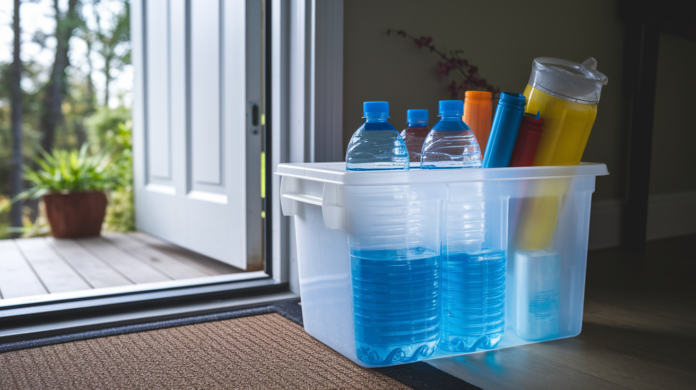

When floodwater starts rising, most households realize they don’t have the supplies to survive 72 hours without power, running water, or outside help. You’re not alone if you fall into that gap. FEMA reports that fewer than half of American families keep even basic emergency supplies on hand, yet floods are the most common natural disaster in the United States. The good news? Building a complete flood emergency kit doesn’t require a huge budget or months of planning. This guide breaks down exactly what you need, organized by category, so you can protect your household starting today.
Core Categories for Your Flood Emergency Kit
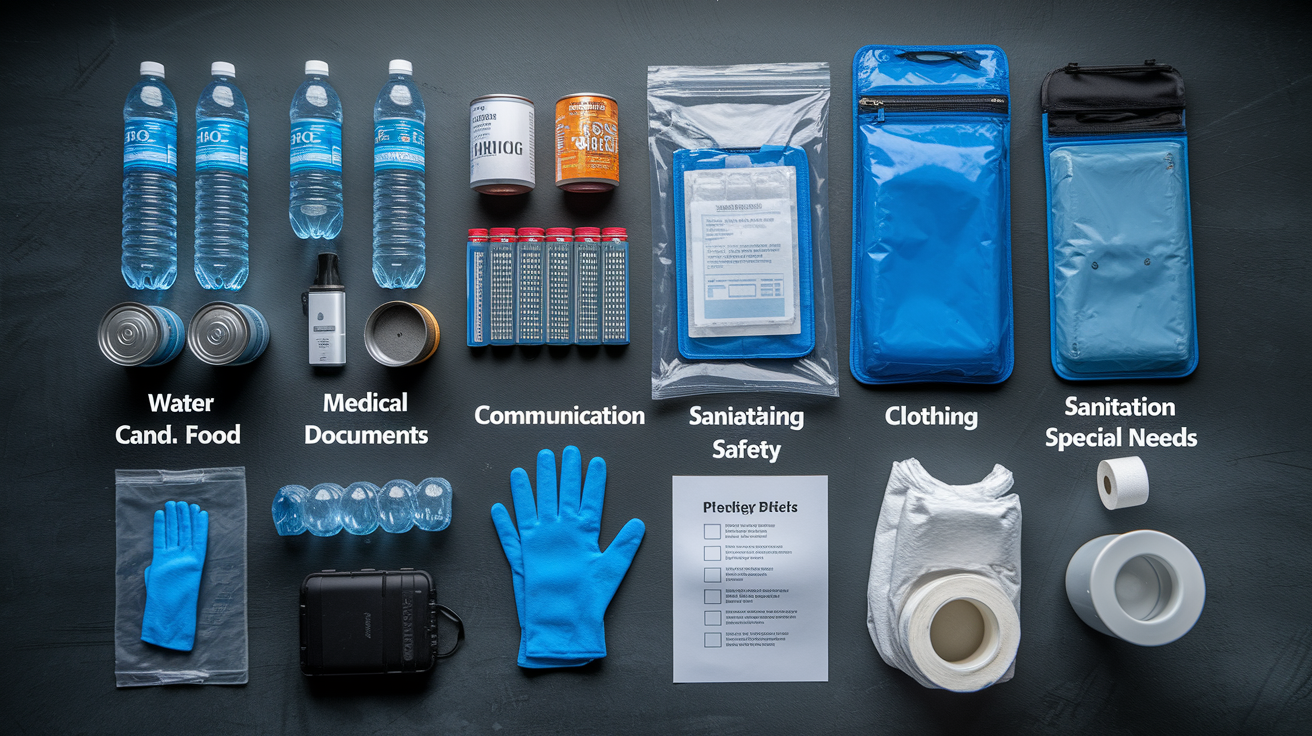
FEMA says you need an emergency kit that can keep your household going for at least 72 hours without outside help. When floods hit, electricity goes out, water stops flowing, cell towers fail, and roads become impassable for days or even weeks. You’re on your own until services come back. That 72 hour standard assumes rescue teams can reach you within three days, but severe flooding can last much longer. That’s why preparedness experts recommend planning for a full week of self-sufficiency.
Your flood emergency kit needs nine critical supply categories: water, food, medical supplies, important documents, communication tools, safety equipment, protective clothing, sanitation items, and special needs provisions. This structure covers every aspect of survival and comfort during a flood emergency, from basic hydration to staying informed about evacuation orders to protecting your critical paperwork. Each category tackles specific challenges that pop up when floodwaters cut you off from normal resources. Miss even one category and you’re setting yourself up for serious problems during an extended emergency.
Store everything in waterproof containers or bags near your home’s exit routes so you can grab them in seconds if you need to evacuate immediately. The following sections break down exactly what to pack in each category, with specific quantities and practical tips for building a complete flood emergency kit that keeps your household safe when minutes matter.
Water and Food Storage for Flood Survival
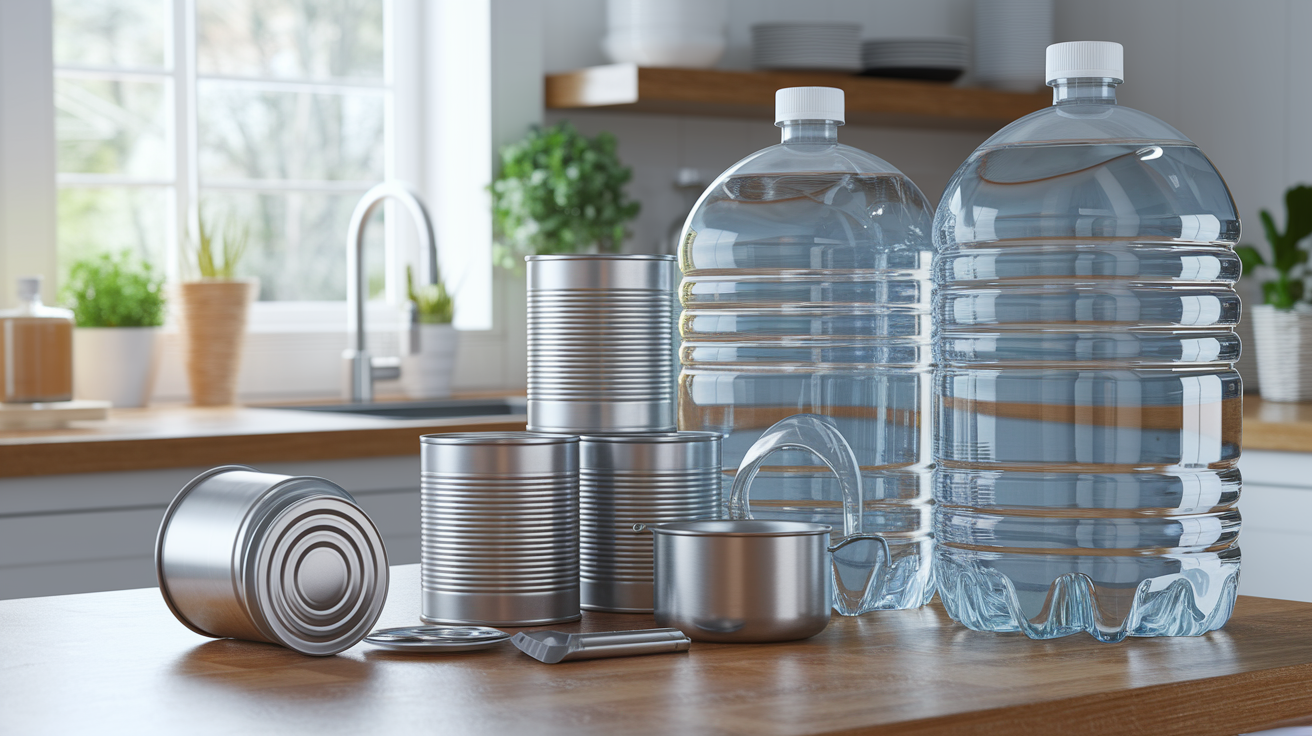
You need at least one gallon of water per person per day. That’s three gallons per person for the minimum 72 hour period, but shoot for seven gallons if you’ve got storage space. Commercial bottled water works great and comes with expiration dates that help you track freshness. Or use clean two liter soda bottles filled from the tap and replaced every six months. Water purification tablets serve as critical backup if you run out of stored water and need to treat questionable sources. But contaminated floodwater containing sewage or chemicals should never be consumed, even with purification tablets.
Choose non-perishable foods that don’t need refrigeration, require minimal preparation, and use little to no water to prepare. You might not have access to a working stove or clean water for cooking. Canned goods like tuna, chicken, beans, vegetables, and soups provide complete nutrition and long shelf lives. Protein bars, peanut butter, crackers, dried fruits, nuts, and granola offer quick energy without any preparation. Don’t forget a manual can opener. Electric openers won’t work during power outages and you’ll be stuck staring at sealed cans you can’t access.
Mark all food and water with purchase dates and rotate your stock every six months by using the oldest items first and replacing them with fresh supplies. If someone in your household has dietary restrictions, allergies, or strong preferences, account for those now rather than during an emergency when options don’t exist. Consider including comfort foods like cookies or candy that can lift spirits during stressful situations, especially for kids who may be frightened by evacuation.
If storage space is tight, stack cases of bottled water under beds or in closets, and use a single plastic bin to consolidate all your food supplies so you can grab the whole container during evacuation. Every household is different, but the basic formula stays the same. One gallon of water per person per day, plus enough ready to eat food to sustain everyone for at least three days, preferably longer.
Critical Medical Supplies and First Aid Items for Your Kit
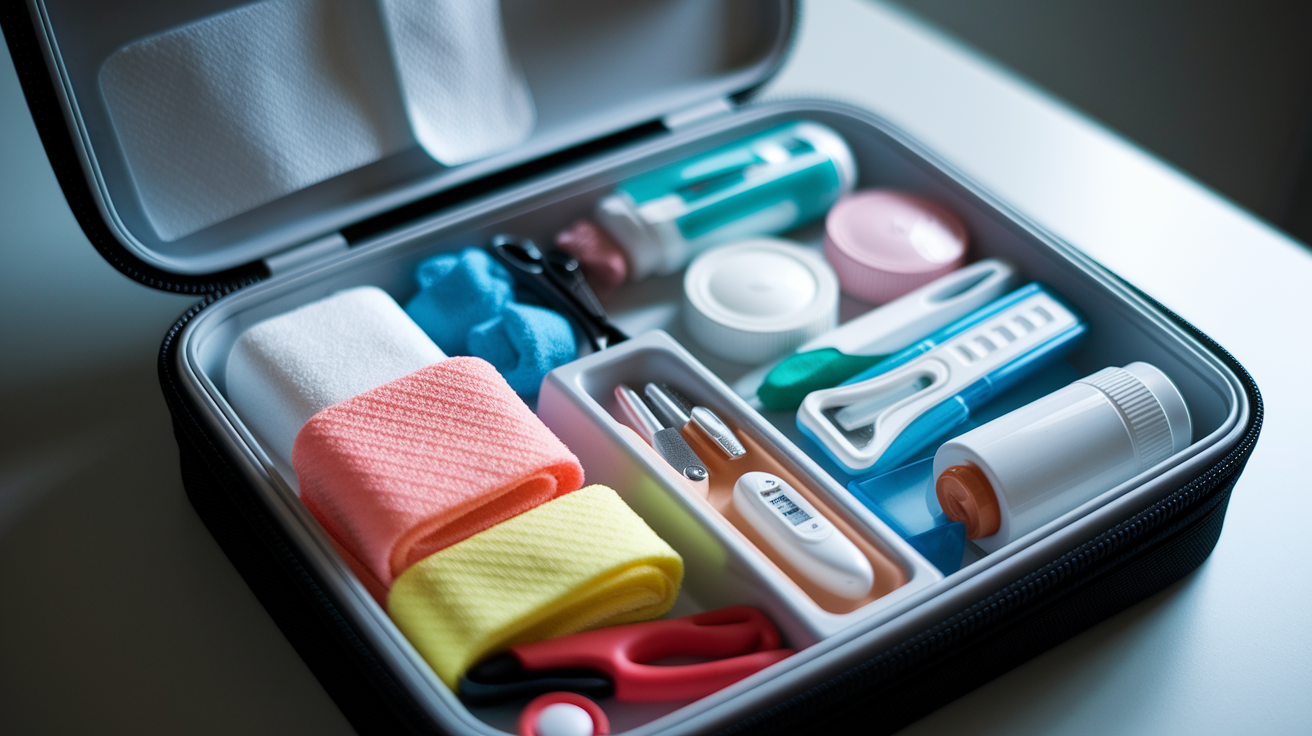
Pack a seven day supply of all prescription medications for every household member who takes them. Pharmacies may be closed, evacuated, or completely inaccessible during flood emergencies. Medications lose effectiveness after expiration dates, so check them during your six month kit reviews and replace anything that’s close to expiring. Include over the counter medicines for common problems that could arise during a disaster, like pain relievers for headaches or injuries, anti-diarrhea medication for stomach issues from stress or questionable food, and antihistamines for allergic reactions.
Your first aid kit should contain:
Adhesive bandages in multiple sizes for cuts and scrapes. Sterile gauze pads and medical tape for larger wounds. Antiseptic wipes and rubbing alcohol for cleaning injuries. Antibiotic ointment to prevent infection. Pain relievers like ibuprofen or acetaminophen. A thermometer to monitor fevers. Scissors and tweezers for removing debris or cutting medical tape. Disposable gloves to protect against contaminated floodwater. CPR breathing barrier for emergency resuscitation. Elastic bandages for sprains and support.
If anyone in your household uses medical equipment, pack extra batteries for hearing aids, backup eyeglasses, wheelchair batteries, or glucose monitors and testing supplies for diabetes management. Medical needs don’t pause during emergencies, and planning for them now prevents serious complications later when help isn’t available.
Important Documents and Cash to Protect
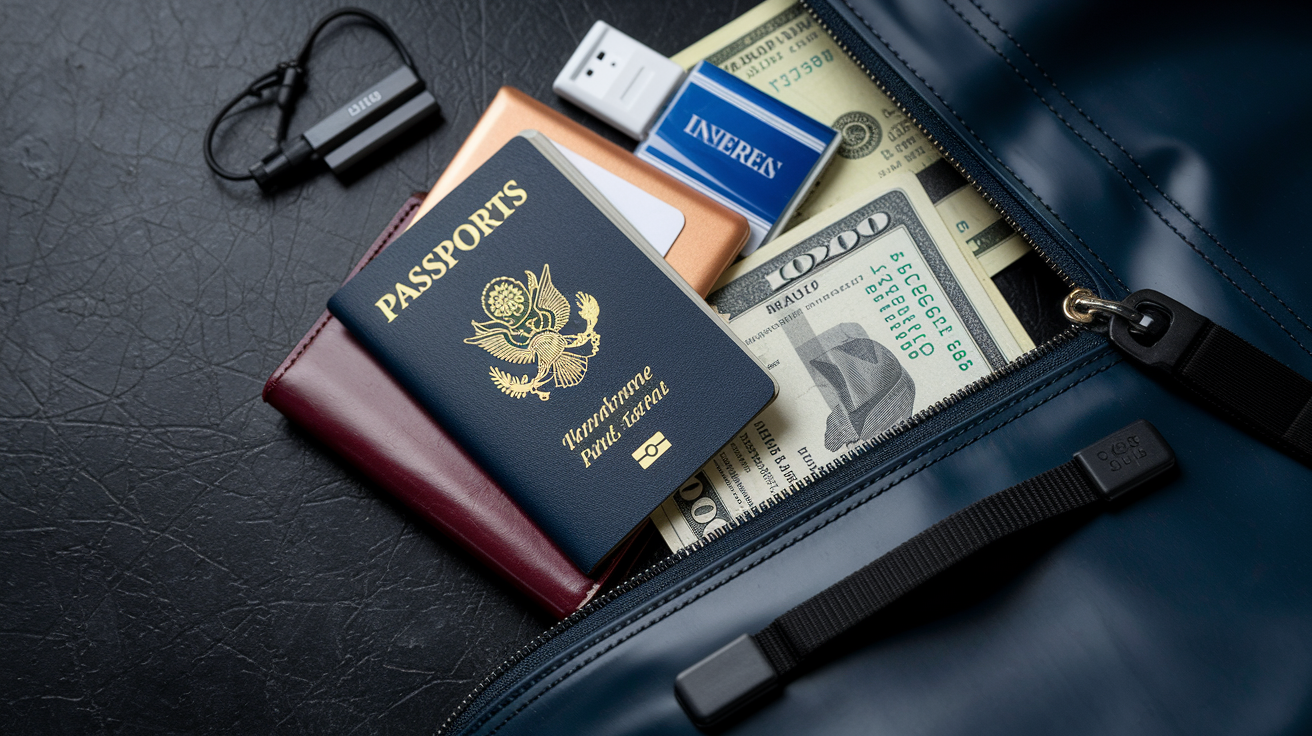
Floodwater destroys paper documents within minutes, turning critical identification, financial records, and insurance paperwork into illegible pulp that can take months or years to replace. Waterproof containers, heavy duty zip top bags, or dedicated document protectors keep your most important papers safe and dry even if your kit ends up partially submerged during evacuation.
You need copies of identification like driver’s licenses, passports, and birth certificates for every household member. You may need to prove who you are to access shelters, apply for disaster assistance, or check into temporary housing. Insurance policies, especially flood insurance and homeowner’s policies, provide the documentation you’ll need to file claims and start recovery after the disaster ends. Bank account information, including account numbers and contact information for your financial institutions, helps you access funds if you lose your wallet or purse during evacuation. Property inventories with serial numbers, receipts, and photos of valuable possessions support insurance claims by proving what you owned before the flood.
| Document Type | Why You Need It | Storage Method |
|---|---|---|
| Identification (licenses, passports, birth certificates) | Prove identity for shelters, assistance programs, temporary housing | Waterproof zip bag or document case |
| Insurance policies (flood, homeowner’s, auto) | File claims and begin recovery process | Waterproof container with USB backup |
| Bank account information and contact numbers | Access funds if wallet is lost | Laminated sheet in waterproof bag |
| Property inventory (photos, receipts, serial numbers) | Support insurance claims for damaged possessions | USB drive in waterproof case |
| Medical records and prescription information | Continue treatment with new providers | Waterproof folder with digital backup |
Keep at least $50 in small bills and coins in your emergency kit. ATMs stop working during power outages and many businesses can’t process credit card transactions without electricity. Small denominations like ones, fives, and tens make it easier to pay for gas, food, or supplies without needing change, which may be scarce during widespread emergencies.
Communication Tools and Emergency Alert Systems
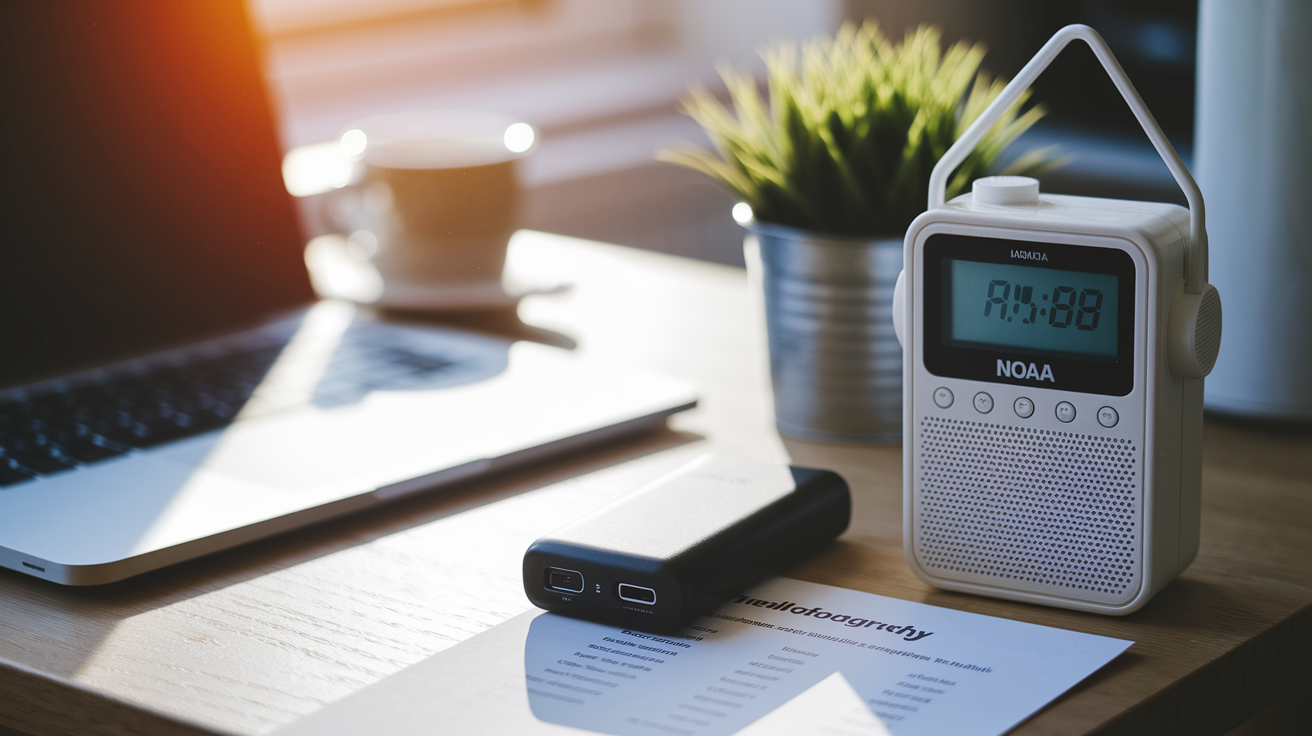
A battery powered or hand crank radio keeps you connected to emergency broadcasts when cell towers fail and internet service goes down during floods. NOAA Weather Radios automatically alert you to flood watches, flood warnings, and evacuation orders issued by the National Weather Service. That gives you critical minutes or hours to act before conditions become life threatening. Hand crank models eliminate battery dependence entirely, which matters during extended power outages when replacement batteries become impossible to find. Battery powered versions offer simpler operation if you keep plenty of spare batteries in your kit.
Fully charged portable phone chargers or power banks extend your cell phone’s life for days instead of hours. They preserve your ability to call for help, receive emergency alerts, and check in with family members who may be worried about your safety. Choose power banks with at least 10,000 mAh capacity to recharge a typical smartphone two to three times, and remember to recharge your power banks every few months so they hold a full charge when you actually need them. Keep charging cables for every phone type used by household members. A dead phone with a missing cable becomes useless weight.
Print a physical emergency contacts list with names, phone numbers, and addresses for local family, nearby friends, out of state relatives, your insurance agent, doctors, and your designated out of region emergency contact person. Cell phones die, get lost, or break during disasters. If your contacts only exist in your phone’s memory, you lose access to everyone when the device fails. Designating an out of state contact gives separated family members a central point to check in, since long distance calls often work even when local circuits are jammed during regional emergencies.
Safety Tools and Essential Equipment for Flood Response
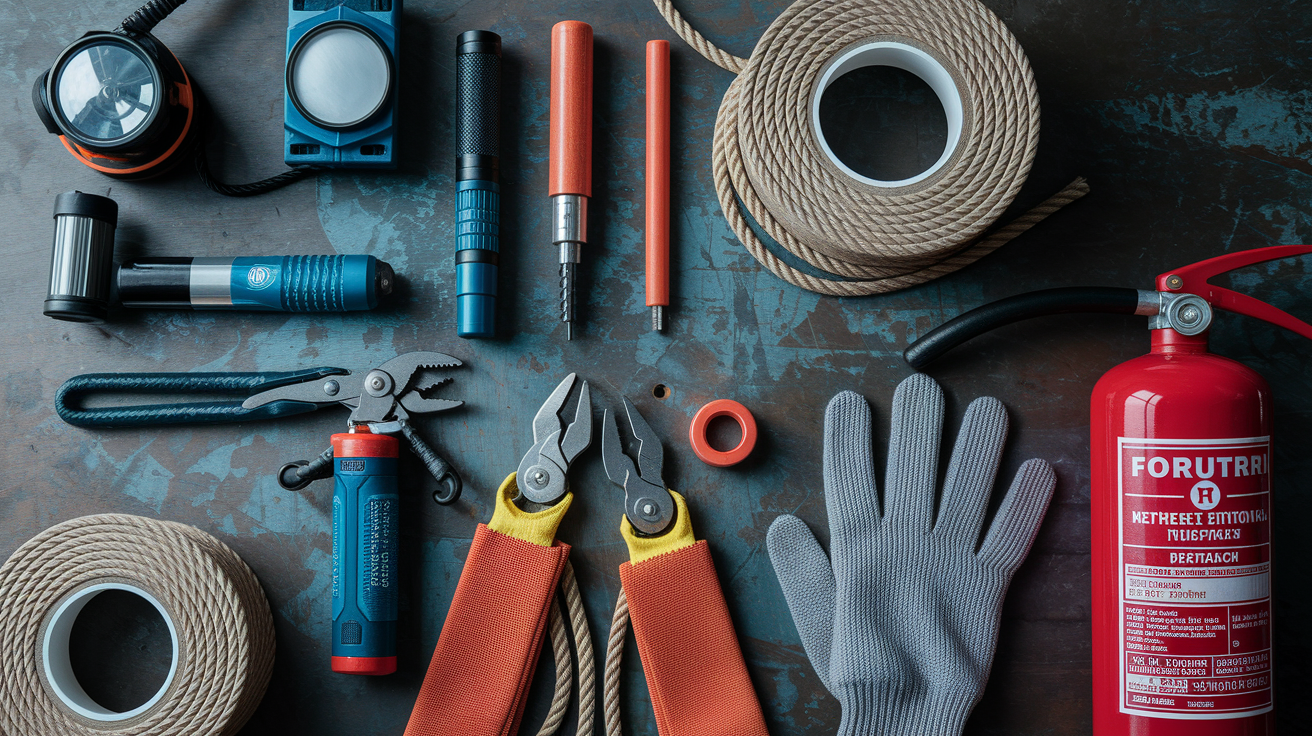
Your flood kit needs tools for lighting, signaling, temporary repairs, and emergency utility shutoffs.
Pack these safety tools:
LED flashlight with spare batteries (at least two complete sets). Headlamp for hands free lighting during evacuations or repairs. Emergency whistle to signal rescuers if you’re trapped. Multi-tool with knife, pliers, screwdrivers, and can opener. Duct tape for temporary repairs to leaking windows or torn tarps. Plastic sheeting to cover broken windows or create emergency shelter. Waterproof matches for lighting without electricity. Rope (50 to 100 feet) for securing items or emergency rescues. Work gloves to protect hands from debris and contaminated materials. Fire extinguisher rated for multiple fire types. Battery powered or glow stick emergency lighting.
A wrench and pliers specifically designated for your emergency kit let you shut off gas, water, and electricity at main valves if officials order utility shutoffs or if you notice leaks and hazards. Gas leaks combined with electrical sparks cause explosions and fires during floods. Knowing how to stop the flow of gas can save your home and your life. Water main shutoffs prevent additional flooding from broken pipes inside your house. Electrical shutoffs reduce electrocution risks when floodwater contacts outlets, appliances, or wiring. Locate your utility shutoff points now, before an emergency, and make sure every adult in your household knows where they are and how to operate the valves.
Protective Clothing and Shelter Items to Pack
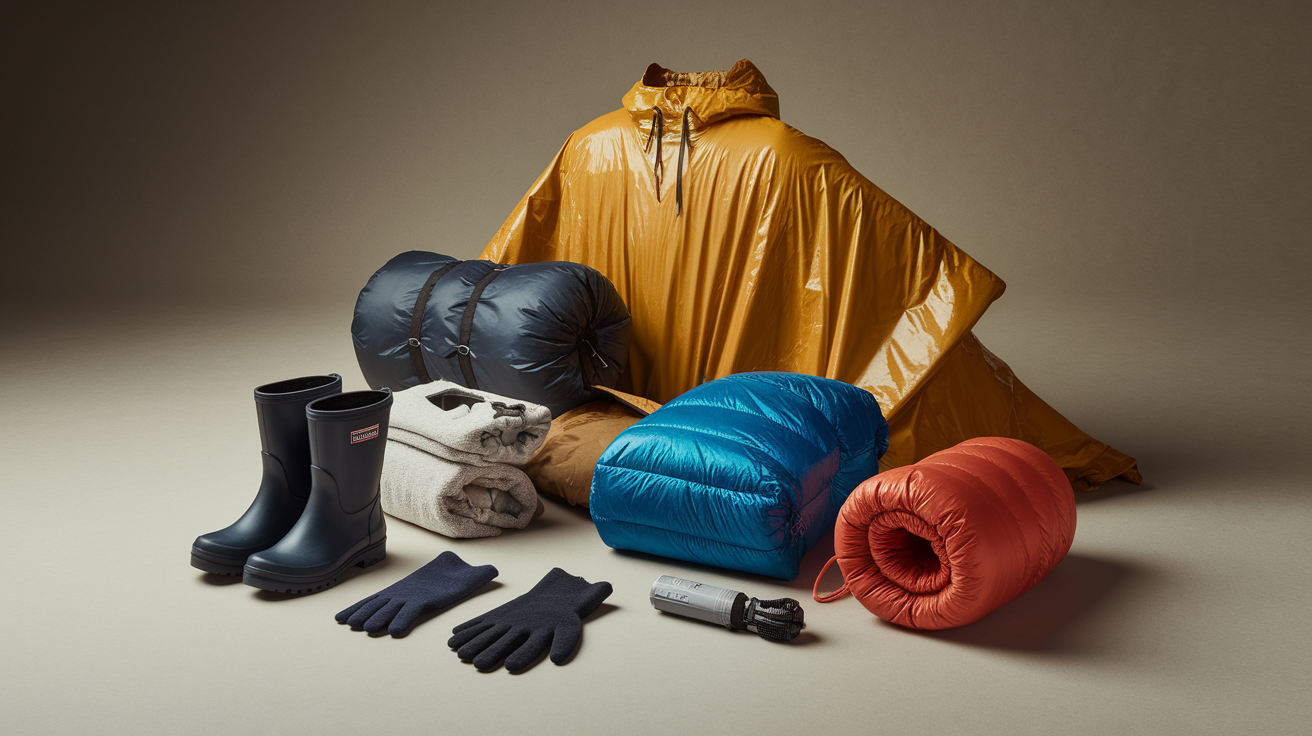
Waterproof rain ponchos and rubber boots protect you from contaminated floodwater that carries sewage, chemicals, and bacteria that cause serious infections through skin contact. Regular shoes and clothing soak through in seconds during evacuation through flooded areas, leaving you cold, uncomfortable, and exposed to health hazards you can’t see.
Sturdy shoes with closed toes and good traction help you navigate debris fields, broken glass, and slippery surfaces without injuries that become infected in flood conditions. Pack extra pairs of thick socks to keep feet dry and warm. Wet feet lead to trench foot and other painful conditions during extended emergencies.
Extra warm layers like fleece jackets, sweatshirts, and long underwear matter even in summer. You may end up sleeping in unheated shelters or vehicles overnight when temperatures drop. Emergency blankets or sleeping bags rated for cold weather provide critical warmth and can prevent hypothermia if you’re stuck outdoors or in buildings without power for heat.
Seasonal adjustments to your clothing kit make sense. Add lighter options for summer flood kits in hot climates and emphasize insulation for winter flooding in cold regions. Gloves protect your hands from contaminated materials, sharp debris, and cold temperatures during cleanup or emergency repairs. Extra changes of complete outfits give you dry options after wading through floodwater or getting caught in rain.
Sanitation and Hygiene Products for Extended Emergencies
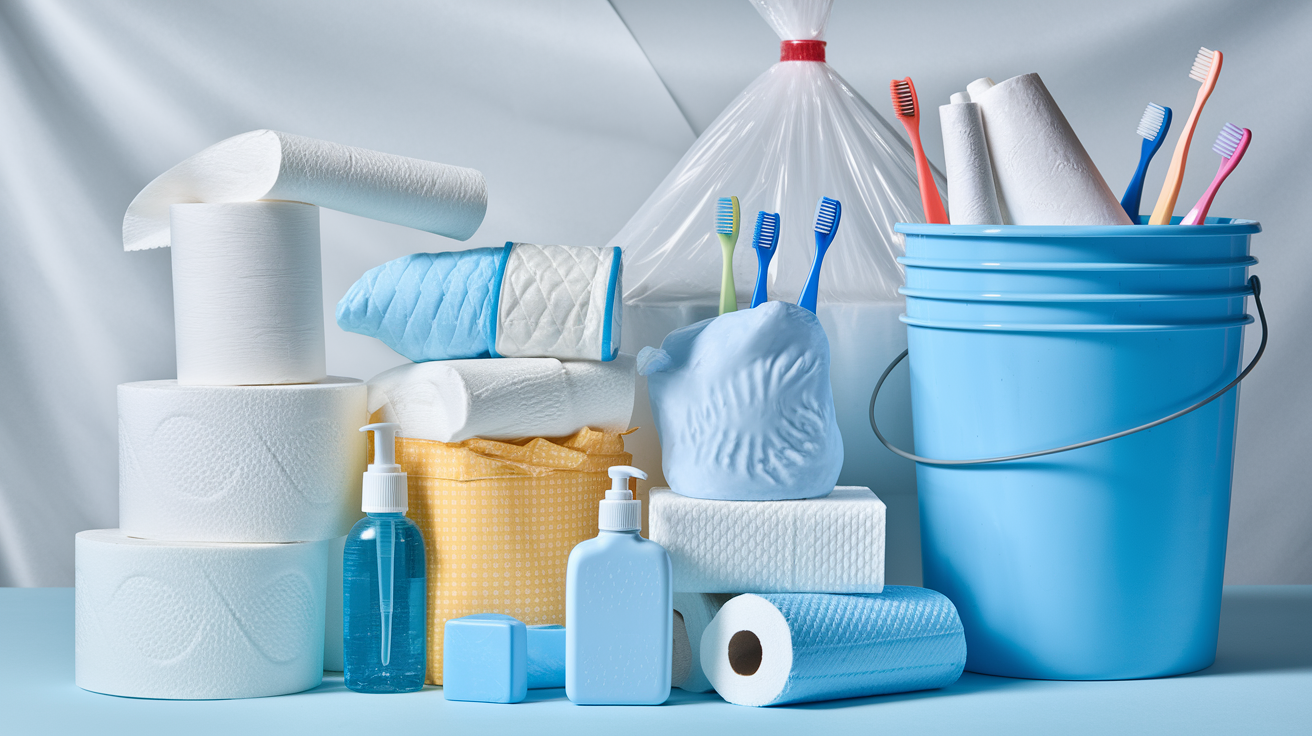
Floods contaminate municipal water systems and knock out sewage treatment. Your normal hygiene routines become impossible right when staying clean matters most for preventing illness. Hand washing with soap and clean water stops the spread of disease, but when taps run dry or produce contaminated water, you need alternatives like hand sanitizer, antiseptic wipes, and bottled water specifically reserved for hygiene.
Your sanitation supplies should include:
Toilet paper and paper towels. Moist towelettes or baby wipes for cleaning without water. Hand sanitizer with at least 60 percent alcohol. Soap in bar or liquid form. Toothbrush and toothpaste for each person. Feminine hygiene products. Diapers if needed for infants or adults. Disinfectant spray or wipes for surfaces. Plastic garbage bags for waste disposal. Tissues. Deodorant. Insect repellent for mosquitoes that breed in standing floodwater.
Large garbage bags serve double duty for waste disposal when toilets stop working and for waterproofing supplies or creating makeshift rain protection. Five gallon buckets with tight lids can become emergency toilets when lined with garbage bags and filled with kitty litter or sawdust to control odors and absorb liquids. That matters during multi-day emergencies when conventional sanitation completely fails.
Special Needs Supplies for Babies, Pets, and Mobility Considerations
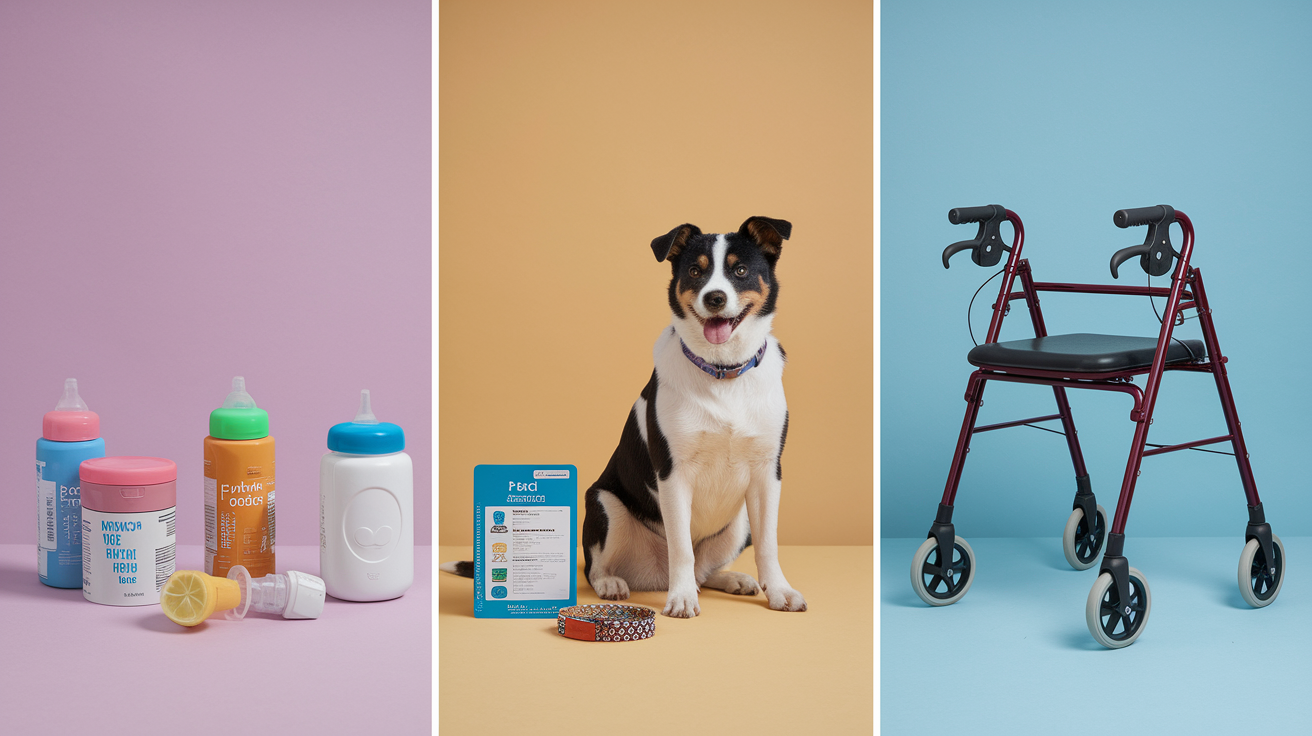
Family members with unique needs require specialized supplies that aren’t part of standard emergency kits. Forgetting these items creates dangerous or impossible situations during flood emergencies.
Infant and Baby Essentials
Pack enough baby formula, bottles, and nipples for at least 72 hours, and double that amount if possible since formula fed infants have no alternatives when supplies run out. Ready to feed formula in single serve bottles eliminates the need for clean water, refrigeration, or preparation during emergencies when those resources don’t exist. Diapers in current sizes, baby wipes, diaper rash cream, and a portable changing pad handle sanitation needs. Any medications or special medical equipment your baby uses must be included with clear dosing instructions. Don’t forget comfort items like a favorite blanket or stuffed animal that can calm a frightened infant in an unfamiliar shelter or evacuation location.
Pet Emergency Supplies
Most emergency shelters do not accept pets. You need a plan that includes your animals rather than hoping to figure it out during evacuation. Pack at least three days of pet food in an airtight waterproof container, along with collapsible food and water bowls that don’t take up much space. Sturdy leashes, harnesses, or carriers keep animals secure during evacuation and prevent them from running into floodwater or traffic. Copies of vaccination records prove your pet’s health status, which matters for boarding facilities or pet friendly shelters that require documentation. Include any medications your pet takes, along with basic first aid supplies like bandages and antiseptic for treating minor injuries.
Medical Device and Mobility Aid Provisions
Extra batteries for hearing aids let you stay connected to emergency information and evacuation orders that you’d miss if your hearing aid dies. Backup eyeglasses or contact lenses with solution preserve your ability to navigate safely and read important instructions or signs. Wheelchair users need spare batteries if using powered chairs, or extra inner tubes and repair kits for manual chairs that might get punctured during evacuation through debris. Any assistive devices like canes, walkers, or oxygen equipment require backup supplies and a plan for transporting them quickly during evacuation.
Update these specialized supplies as your household’s needs change. Infant formula stages advance, pet food preferences shift, and medical equipment gets upgraded over time.
Kit Storage, Maintenance, and Accessibility Best Practices
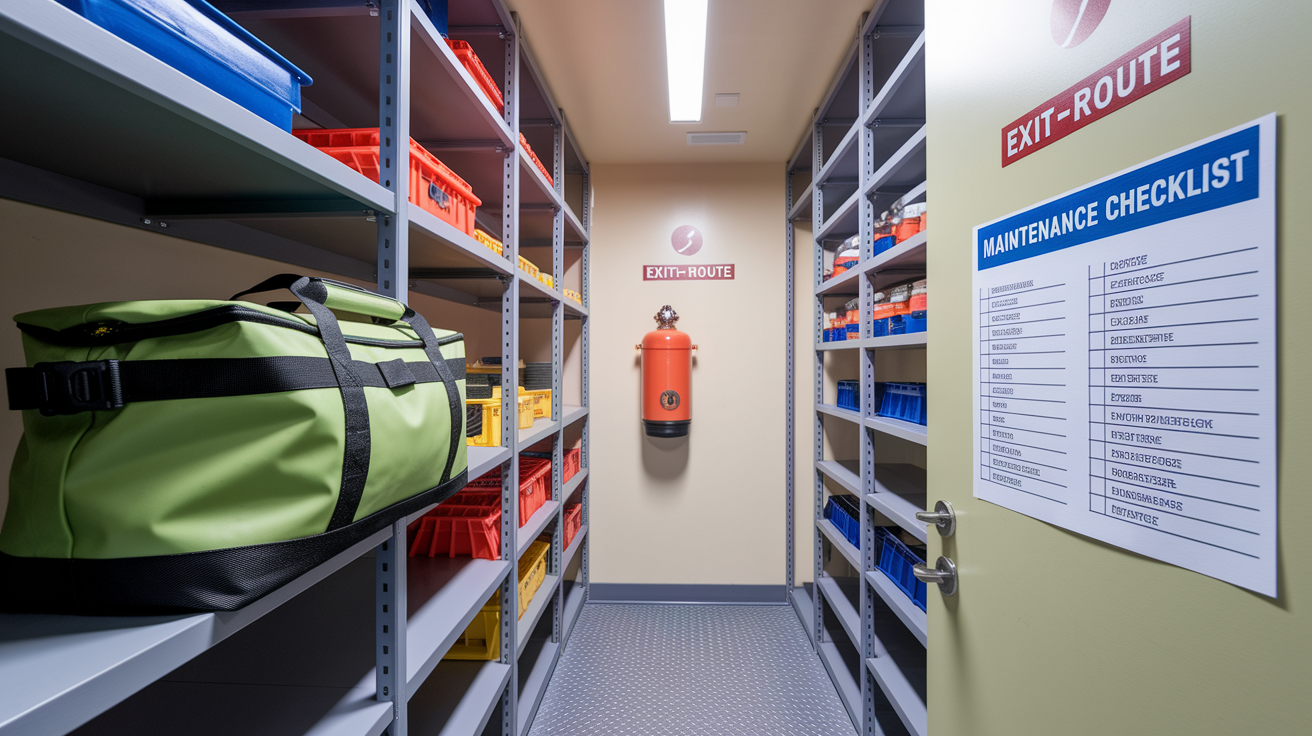
Store your complete flood emergency kit in a waterproof duffel bag, plastic storage bin with sealed lid, or dedicated waterproof dry bag placed near your home’s primary exit door or in a garage for instant access during evacuation orders. Upstairs locations work better than basements in flood prone areas, since rising water can trap your supplies in the exact place you can’t reach them. The container needs to be large enough to hold everything but still light enough that one person can carry it quickly. Split supplies across multiple grab bags if your household is large.
Check your emergency kit every six months, ideally when you change smoke detector batteries or adjust clocks for daylight saving time. That way the review becomes a regular habit rather than something you forget for years. Inspect expiration dates on food, water, medications, and batteries. Replace anything that’s expired or within a few months of expiring. Rotate clothing seasonally to match current weather, swapping heavy winter gear for lighter summer options and vice versa. Update documents if you’ve moved, changed jobs, switched insurance providers, or experienced major life changes like births, marriages, or new medical conditions.
| Check Item | Frequency | Action Required |
|---|---|---|
| Water and food expiration dates | Every 6 months | Replace expired items, rotate stock |
| Medications and prescriptions | Every 6 months | Update prescriptions, check expiration dates |
| Batteries and electronics | Every 6 months | Replace dead batteries, test flashlights and radios |
| Clothing and seasonal items | Twice yearly (spring and fall) | Swap seasonal clothing, check sizes for growing children |
| Important documents | Annually or after major life changes | Update insurance policies, identification, contact lists |
| Special needs supplies | As needs change | Adjust infant supplies, pet needs, medical equipment |
Every household member needs to know where the emergency kit is stored and how to grab it quickly. That requires occasional practice drills where you time how fast everyone can gather at the exit with the kit. Kids forget, new roommates never learned, and even adults blank out under stress. Regular reminders and practice runs ensure nobody wastes critical evacuation time searching for supplies they can’t find.
Budget Friendly Strategies for Building Your Flood Kit
Add one category to your emergency kit each month rather than trying to buy everything at once. This spreads the financial impact across an entire year and makes preparedness achievable even on tight budgets. Start with water and food in month one since those are the most critical survival items, then add medical supplies in month two, documents in month three, and continue through the list until your kit is complete.
Garage sales, thrift stores, and dollar stores carry many emergency supply items at a fraction of retail prices. Flashlights, batteries, manual can openers, plastic storage containers, blankets, and basic first aid supplies appear regularly at these locations for one or two dollars instead of ten or twenty. Dollar stores stock non-perishable foods, hygiene products, garbage bags, and cleaning supplies that work perfectly in emergency kits. Buying these items at dollar store prices leaves more budget available for specialized items that cost more.
If money is extremely limited this month, prioritize water first, then food, then medications. Those three categories keep you alive. Document copies are free if you use a phone camera to photograph important papers and save the images to a USB drive. Many household items can be repurposed into emergency supplies rather than purchased new, like using old backpacks as kit containers, refilling cleaned soda bottles with tap water, or gathering extra blankets from closets instead of buying sleeping bags.
Community resource sharing with trusted neighbors can reduce costs by splitting bulk purchases of batteries, water cases, or other items that come cheaper in larger quantities. Some communities organize preparedness swaps where households trade duplicate supplies or share information about sales and bargains on emergency items.
Family Emergency Planning and Evacuation Coordination
Your flood emergency kit works as part of a larger family disaster plan that includes evacuation routes, meeting points, and communication strategies for staying connected when emergencies separate household members. The kit provides the supplies, but the plan provides the roadmap for how to use those supplies and where to go when flooding threatens your area.
Identify multiple evacuation routes from your home, workplace, and children’s schools to higher ground outside flood zones. Your first choice route may already be flooded or blocked when you need to leave. Drive these routes in advance so you know exactly where they go and how long they take, and keep printed maps in your vehicle since GPS and cell phone maps stop working when networks fail. Designate a specific meeting point where separated family members should gather if an emergency happens during work or school hours. Choose a location that’s easy to find, safely above flood levels, and familiar to everyone.
Program emergency contact numbers into every household member’s phone, including local family, your out of state contact person, and local emergency management agencies. An out of region contact gives everyone a central point to call and check in. Long distance phone circuits often keep working even when local calling fails during regional disasters. Share this contact person’s information with your children’s schools and your workplace so they know who to notify if they can’t reach you directly.
Practice your evacuation plan and kit retrieval through quarterly family drills where everyone practices grabbing the emergency kit, loading into the vehicle, and driving the first part of your evacuation route. These drills reveal problems like kits that are too heavy for one person to carry, evacuation routes nobody remembers, or missing supplies that seemed obvious until you actually practiced using the plan. For more detailed guidance on organizing your family’s communication strategy and emergency contacts, see Family Communication Plans and Emergency Contact Templates. Regular practice turns your emergency plan from a theoretical document into an automatic response that works even when stress and fear make clear thinking difficult.
Final Words
Your flood emergency kit list doesn’t need to be perfect on day one. Start with water and food this week, add medical supplies next month, and keep building from there.
Store everything in waterproof containers near your exit routes so you can grab it fast when a warning hits.
Check your kit twice a year, swap out expired items, and make sure everyone in your household knows where it is. Run a quick practice drill every few months.
The goal is simple: when flooding starts, you don’t want to be searching for supplies or making decisions under stress. You want to grab your kit and go, knowing your family has what they need for the next 72 hours and beyond.
FAQ
What should be in an emergency kit for a flood?
A flood emergency kit should include nine essential categories: water (1 gallon per person per day), non-perishable food, medical supplies and medications, important documents in waterproof containers, communication tools like battery-powered radios, safety equipment including flashlights and whistles, protective clothing and rain gear, sanitation items, and special needs supplies for babies, pets, or medical devices. Store everything in waterproof containers near exit routes.
How do I get a free emergency kit from FEMA?
FEMA does not provide free pre-assembled emergency kits to households. Instead, FEMA offers free preparedness guidance, checklists, and planning resources through their website and Ready.gov to help you build your own 72-hour emergency kit. Some local emergency management agencies may offer community distribution events, so check with your county or city emergency services for local programs.
What are 20 items in an emergency kit?
Twenty essential emergency kit items include bottled water, non-perishable food, manual can opener, prescription medications, first aid supplies, flashlight, extra batteries, battery-powered radio, portable phone charger, emergency contacts list, cash in small bills, copies of important documents, whistle, duct tape, garbage bags, hand sanitizer, toilet paper, change of clothes, sturdy shoes, and emergency blankets. Store all items in waterproof containers.
What supplies do flood victims need most?
Flood victims need clean drinking water most urgently, followed by non-perishable food, prescription medications, dry clothing and sturdy footwear, and critical documents like identification and insurance papers. Communication tools such as charged phones and battery-powered radios help victims stay informed. Personal hygiene items and sanitation supplies become essential when water systems fail. Special needs items for infants, elderly family members, and pets are also critical.