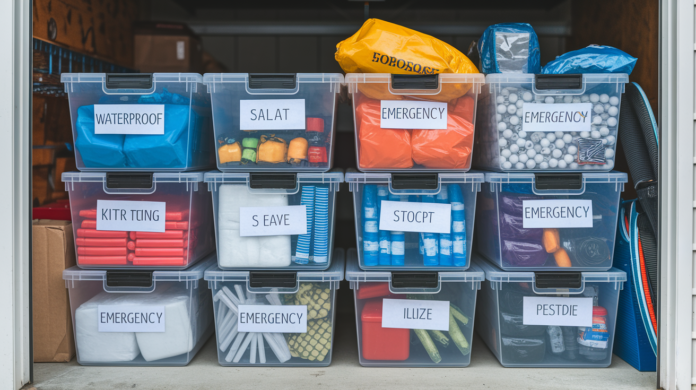

Most people pack a flood kit once, then forget it exists until the power cuts out or water’s at their doorstep. And by then, they realize half the food’s expired, the flashlight batteries leaked, and nobody can find the medications. You don’t want to be that household. A flood emergency kit only works if you pack it right the first time, store it where you can grab it fast, and keep it current with supplies that actually match what your family needs right now. This guide walks you through every essential item, explains why it matters, and shows you how to organize it so you’re not digging through bags while water rises outside your door.
Complete Flood Emergency Kit Checklist: All Essential Categories
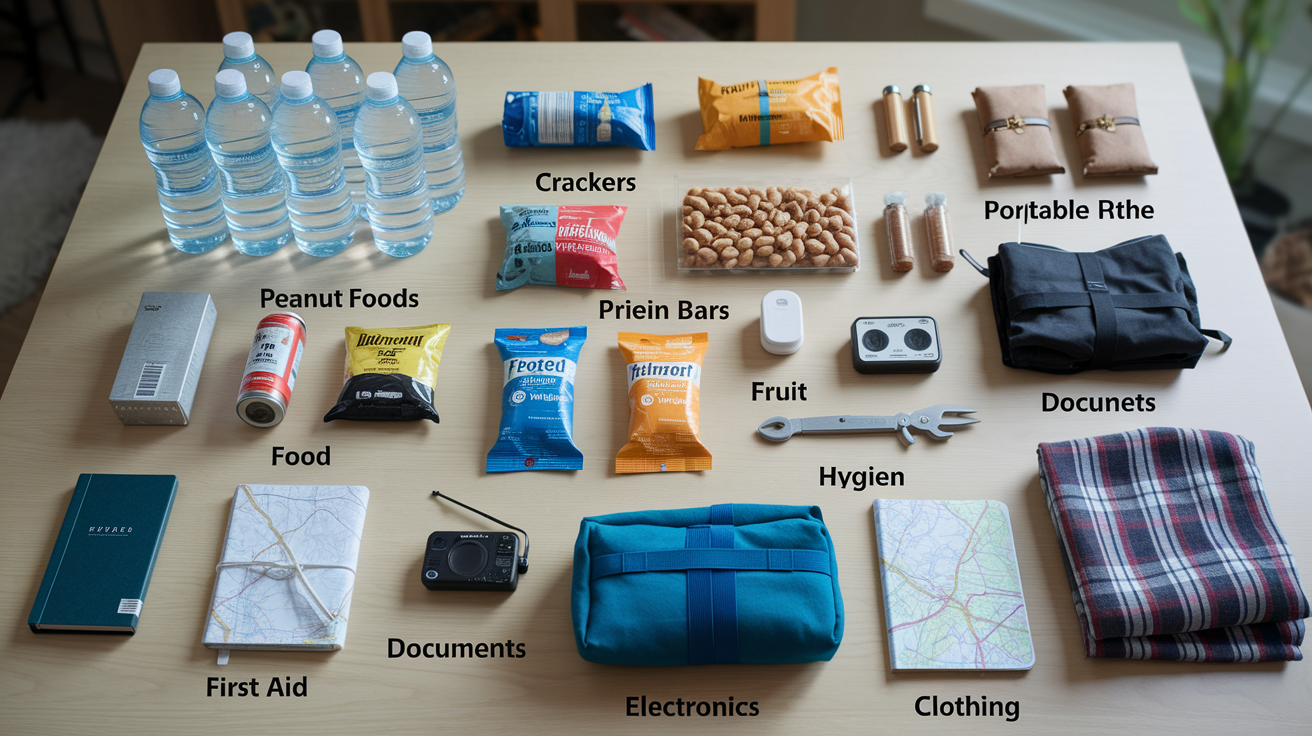
This checklist covers what you need for at least three days away from home when flooding forces you out. Each category keeps you alive, healthy, or helps you recover during the emergency and right after.
| Category | Specific Items | Quantity Per Person | Rationale |
|---|---|---|---|
| Water | Sealed bottled water | 3 gallons (1 gallon per day for 3 days) | Drinking, basic hygiene, food prep when tap water is contaminated or shut off |
| Food | Non-perishable items like canned goods, protein bars, dried fruit, crackers, peanut butter | 3-day supply | Energy and nutrition without refrigeration or cooking when there’s no power |
| First Aid/Medications | Bandages, antiseptic, pain relievers, prescription medications, contact solution, glasses | 7-day supply of prescriptions, standard first aid supplies | Treat injuries, maintain health conditions when pharmacies are closed or unreachable |
| Documents | Driver’s license, passport, health insurance cards, birth certificates, social security cards, will, vehicle registration, marriage or divorce papers, bank account info, tax returns, insurance policy copies | 1 complete set in waterproof container | Identity verification, insurance claims, financial access, legal processes after you’re displaced |
| Hygiene | Soap, shampoo, hand sanitizer (60-90% alcohol), toilet paper, wet wipes, sanitary products (tampons, pads), toothbrush, toothpaste | 7-day supply | Disease prevention, comfort, dignity when normal sanitation fails |
| Electronics/Communication | Cell phone, charger, power bank, battery-powered radio, extra batteries | 1 of each device, 2 sets of batteries | Emergency alerts, family communication, updates when the grid’s down |
| Clothing | Full change of weather-appropriate clothes, underwear, socks, sturdy shoes | 1 week supply | Warmth, dryness, protection when your original clothing gets contaminated by floodwater |
| Tools | Manual can opener, wrench or pliers, whistle, scissors, duct tape, plastic sheeting | 1 of each tool | Food access, utility shutoff, signaling for help, basic repairs in damaged structures |
| Lighting/Power | Flashlight, battery-powered or solar lights, extra batteries | 1 flashlight, 2 light sources, 3 sets of batteries | Navigation, safety, getting things done during outages that last days or weeks |
| Cash | Small bills and coins | $200-300 per household | Purchases when ATMs and card readers are offline because of power or network failures |
That one gallon per person per day breaks down to half a gallon for drinking, the rest for basic hygiene and food prep. Three gallons per person is the bare minimum. But a week’s worth (seven gallons per person) makes more sense because flood recovery almost always takes longer than anyone thinks, and clean water can stay shut off for days because of infrastructure damage. Stick with factory sealed bottles instead of refilling your own containers at home. Home filled bottles grow bacteria faster.
Adjust quantities based on your household size and what you actually need. A family of four needs 12 gallons minimum (84 gallons for a week). If you’ve got medical conditions, you might need extra water for medication or wound care. Quality matters in every category. Choose first aid supplies that handle realistic flood injuries like cuts from debris, generator burns, and infections from contaminated water. Keep commercial products in their original packaging so you’ve got dosing instructions and expiration dates right there without digging through paperwork.
Storage and Organization Systems for Quick Evacuation Access
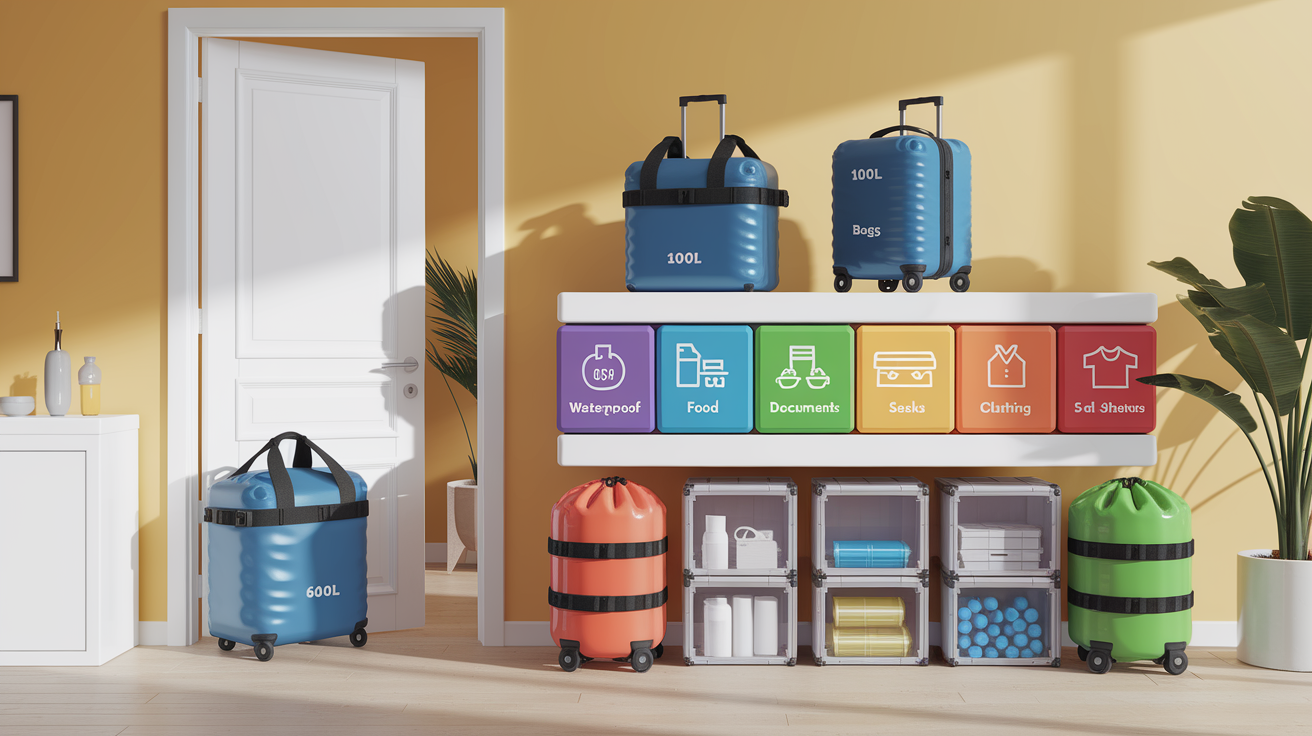
You’ve got two priorities here. Portability and waterproof protection. You need to grab your emergency supplies and get them into your vehicle within minutes when flood warnings get serious. Cardboard boxes turn to mush when wet, and supplies scattered across different closets waste time you don’t have when water’s rising.
Use a multi location storage strategy. Keep one kit in your vehicle so you’re covered if flooding traps you away from home while you’re at work or running errands. Store your main home kit somewhere high and dry, never in a basement or ground floor closet where rising water hits it first. Put grab and go bags near your main exit door so anyone in your family can find them and move them without searching.
- 60-liter waterproof dry bag: Daily hygiene kit for sheltering at home, fits clothing, toiletries, medications, documents for one or two people with a roll top seal
- 100-liter waterproof dry bag: Coming home cleanup kit, holds protective coveralls, boots, gloves, respirators, safety gear for when you reenter after flooding
- Rolling waterproof duffel (65-90 liters): Main evacuation kit stored in your vehicle, wheeled so it’s easier to move when you’re carrying kids or pets, holds three days of supplies for your whole household
- Clear plastic document boxes (letter/legal size): Important papers stored inside larger bags, lets you see birth certificates, insurance policies, medical records without opening everything
- Compression stuff sacks (10-20 liters): Individual family member clothing sets, shrinks bulk and keeps outfits together as complete units
- Sealed food grade buckets (5-gallon): Water and non-perishable food storage in garage or on a high shelf, stackable and rodent proof with gamma seal lids
Label each container with what’s inside and what it’s for using permanent marker or waterproof labels. Keep a written inventory list inside each kit showing expiration dates for food, water, medications so you know what needs rotating without unpacking everything. For documents, use double layers. Put papers in ziplock bags first, then put those inside your waterproof container for backup protection if the outer seal fails during rough transport.
Specialized Supplies for Infants, Children, Elderly, and Pets
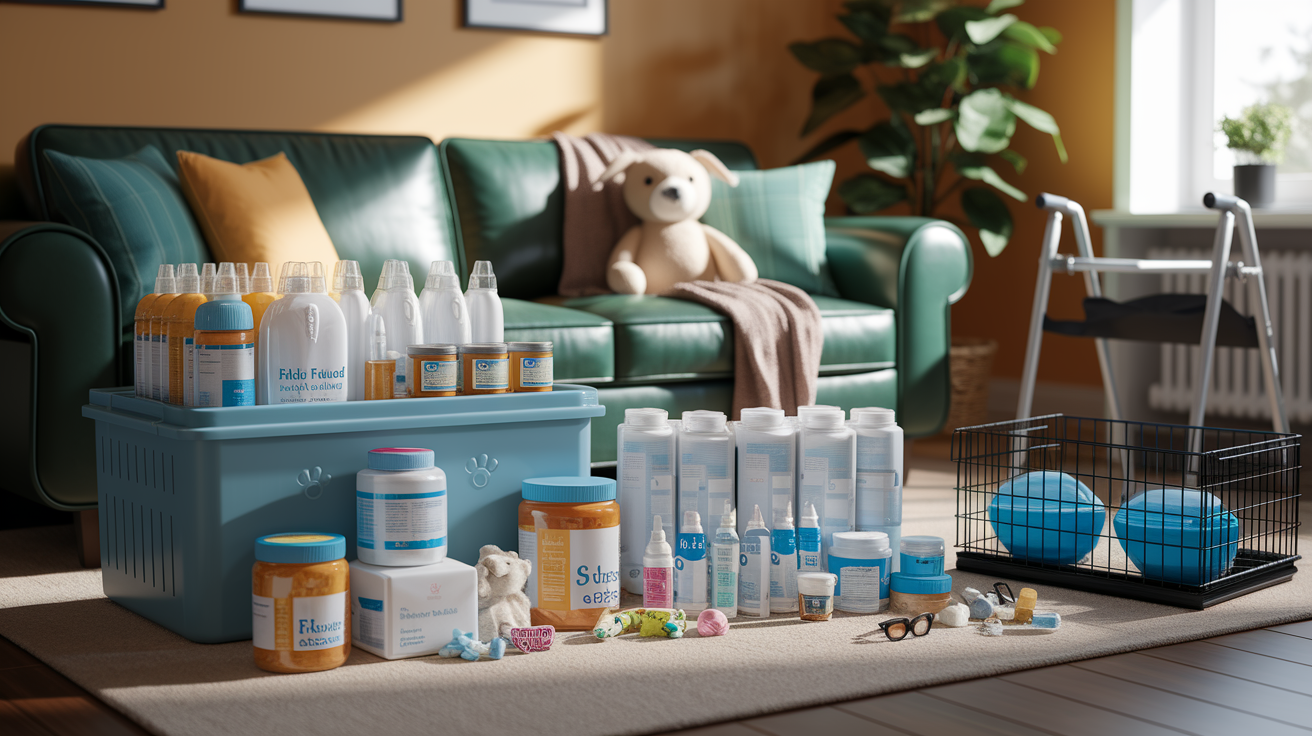
Standard emergency kits don’t work when you add an infant who needs formula every three hours or an elderly parent who depends on daily medications and mobility equipment. You’ve got to customize.
Infant and Baby Emergency Supplies
Pack ready to feed formula instead of powder when you can. You won’t always have clean water or sanitized bottles for mixing. Store at least nine bottles (three per day for three days minimum) with nipples and caps in sealed bags. Get 12 to 15 jars of baby food that match your child’s age, varieties that don’t need refrigeration or heating. Pack 30 diapers minimum (ten per day for three days), though a week’s supply of 70 diapers is smarter because shortages happen fast after disasters when stores are closed or sold out. Add a full container of baby wipes (72 count minimum), one tube of diaper rash cream, two pacifiers in case one gets lost or contaminated by floodwater.
Children’s Comfort and Entertainment Items
Add one special stuffed animal or comfort object per child. These aren’t luxuries. They reduce anxiety and help kids sleep in unfamiliar evacuation shelters. Pack two or three small books, a deck of cards, one compact game like travel Connect Four or a magnetic board. Comfort items give parents ways to distract kids during long shelter stays when routines get disrupted.
Elderly and Medical Needs
Store a 14 day supply of all prescription medications, double the standard three day minimum. Medication access after floods gets complicated by closed pharmacies and overwhelmed medical systems. Add written copies of all prescriptions with dosage instructions and prescribing doctor contact info. Pack hearing aid batteries (at least two sets), extra glasses or contact lenses with solution, any medical equipment like blood glucose monitors with test strips. Include mobility devices like walkers, canes, wheelchair cushions that fit in your evacuation vehicle. Create a medical information card listing all conditions, medications, allergies, emergency contacts. Keep it with your important documents.
Pet Emergency Supplies
Pack three days minimum of your pet’s regular food in sealed containers. Sudden diet changes cause digestive problems that make evacuations harder. Get two collapsible water bowls (one for food, one for water), a gallon of drinking water per pet per day, any medications with dosing instructions. Store travel crates or carriers for each pet. Even if your dog normally rides loose in the car, shelters require crated animals and loose pets escape during chaos. Add a sturdy leash, collar with current ID tags showing your cell phone number, copies of vaccination records required by shelters, a recent photo of you with your pet in case you get separated and need to prove ownership. For cats, pack a small litter box, three days of litter in a sealed bag, a scoop.
You can’t assemble any of this during evacuation. When warnings get issued, you won’t have time to shop for formula or track down medical records. These items need to be packed and ready to grab.
Protective Gear and Safety Equipment for Cleanup Operations
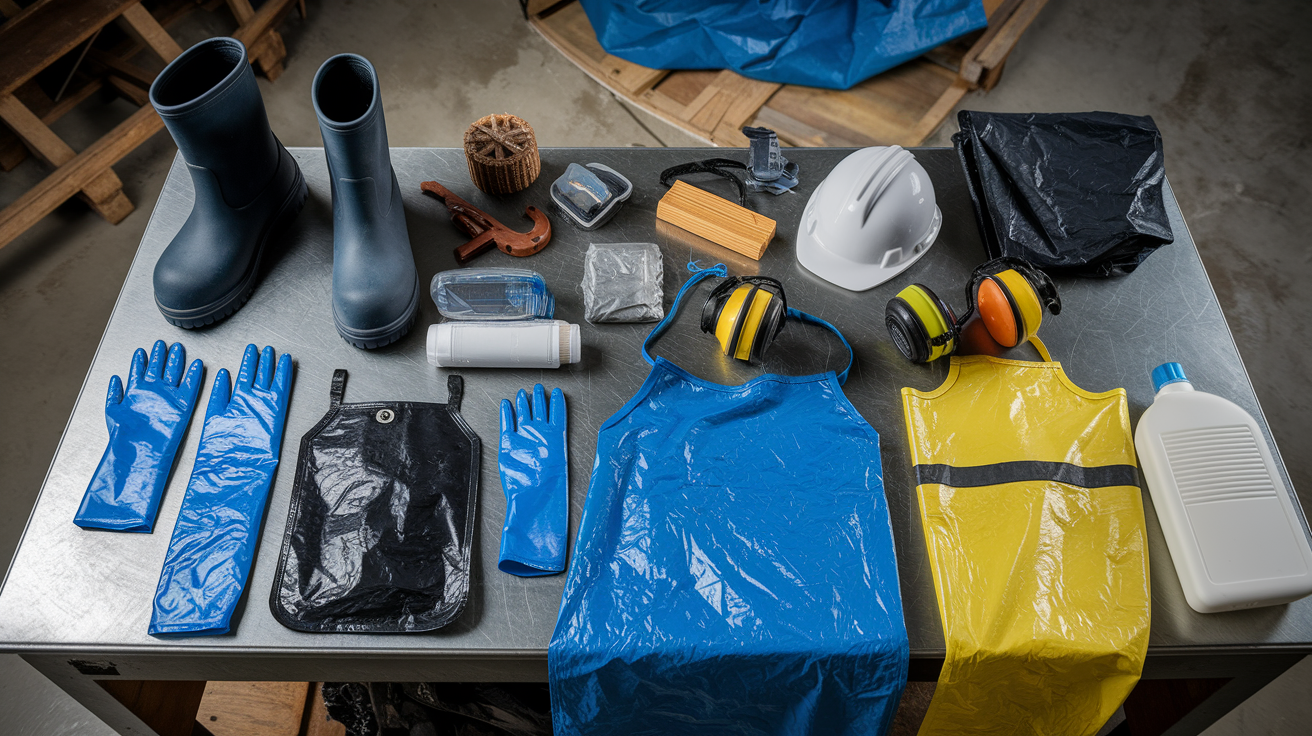
Floodwater’s got raw sewage, industrial chemicals, agricultural runoff, decomposing organic matter. All of it causes serious infections and chemical burns through skin contact or breathing it in. Regular work clothes and household gloves don’t cut it when you go back into your home to check damage or start cleaning up.
Get waterproof boots with steel toes that resist slips and punctures. Floodwater hides nails, broken glass, sharp metal debris that goes right through regular rubber boots. Choose boots rated for chemical resistance, not just water resistance. Flood contamination includes gasoline, pesticides, household cleaners all mixed into the standing water. Add waterproof and chemical proof coveralls like DuPont Tyvek 400 Coveralls that cover your whole body with sealed wrists and ankles. Disposable coveralls work well because you throw them away after each cleanup session instead of trying to wash contaminated reusable clothing.
Wear long heavy gloves that are waterproof and cut resistant, rated for puncture protection when you’re handling debris. Standard latex or nitrile gloves tear immediately on rough materials. Use safety goggles without ventilation holes. Vented goggles let contaminated water splash right into your eyes when you’re moving damaged furniture or ripping out soaked drywall. Add a hard hat to protect your head from falling ceiling materials and unstable structures damaged by water. Get an N95 respirator as minimum protection, though a full face respirator with P100 filters defends better against mold spores and airborne contaminants that show up within 24 to 48 hours after flooding. Pack earplugs or protective headphones if you’ll be using loud equipment like wet dry vacuums, generators, fans during the drying process.
- Waterproof steel toe boots: ASTM F2413 rated, slip resistant sole, puncture resistant plate, chemical resistant rubber, ankle support
- DuPont Tyvek 400 Coveralls: Chemical barrier protection, disposable, sealed seams, elastic wrists and ankles, size large or extra large for layering
- Cut resistant gloves: ANSI A4 cut level minimum, nitrile coating, waterproof, extended cuff covering forearms
- Safety goggles: ANSI Z87.1 impact rated, indirect ventilation or fully sealed, anti fog coating, comfortable seal around eyes
- Hard hat: ANSI Type I (top impact protection), adjustable suspension, chin strap for overhead work
- N95 respirator or P100 full face: NIOSH approved, individual fit tested sizes, minimum 10 masks for multi day cleanup
- Fire extinguisher (2 units): UL rating 10A minimum, multi purpose ABC type, mounted in accessible locations, current inspection tags
- Hearing protection: NRR 25 or higher rating, either earplugs or over ear muffs depending on what’s comfortable
- Waterproof work apron: Chemical resistant material, covers torso, adjustable neck and waist straps for different body sizes
Cleanup supplies should include multiple heavy duty tarps (10×12 feet minimum), contractor grade trash bags rated for construction debris (not regular kitchen bags that tear), alcohol based hand sanitizer with 60 to 90 percent alcohol for cleaning your hands before eating or touching your face. Add EPA registered chlorine bleach for disinfecting surfaces and laundry detergent for washing any salvageable clothing or linens after you’ve removed them from the contaminated area.
Emergency Kit Maintenance Schedule and Supply Rotation
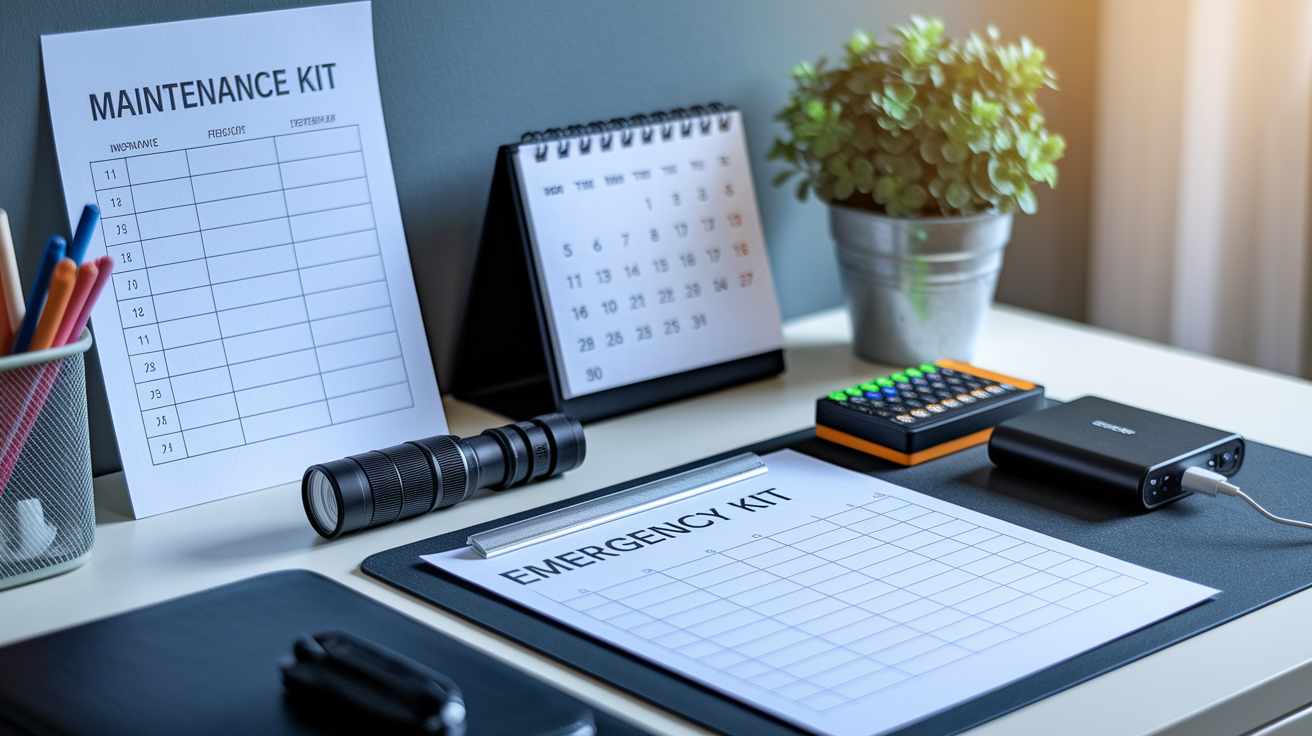
Emergency kits need regular inspection to stay effective when you actually need them. Batteries corrode, food expires, medications lose potency, documents get outdated while your kit sits untouched in storage.
| Kit Component | Inspection Frequency | Maintenance Action |
|---|---|---|
| Water | Every 6 months | Check bottles for leaks or cloudiness, replace any compromised containers, rotate stock using oldest bottles first for household use |
| Food | Every 6 months | Check expiration dates, replace items within 6 months of expiring, look for rust, dents, swelling in canned goods |
| Medications | Every 3 months | Replace prescriptions before they expire, coordinate with pharmacy for early refills, update over the counter medicines, make sure contact solution hasn’t dried out |
| Batteries | Every 6 months | Test all batteries in flashlights and radios, replace any showing corrosion, check that power banks hold charge, run devices to confirm they work |
| Documents | Annually | Update insurance policies, add new family photos, check that contact info is current, replace outdated tax returns, make sure account numbers match current statements |
| Clothing | Every 6 months (seasonally) | Swap seasonal clothing for temperature changes, update children’s sizes as they grow, replace worn out shoes or damaged rain gear, make sure everything still fits adults |
Set a recurring calendar reminder for your six month inspection and treat it like any other important appointment. Open every container, physically handle each item, test that equipment actually works instead of just glancing at expiration dates. Run your battery powered radio to confirm it picks up stations, turn on flashlights to check that bulbs work, verify your manual can opener actually opens a can smoothly. Food and water rotation should move oldest items to your regular household use while adding fresh supplies to your emergency kit. This keeps everything current without wasting products.
Medication expiration monitoring needs extra attention because prescriptions often can’t be refilled early without special arrangements. Talk to your pharmacist about maintaining a small emergency supply. Many insurance plans allow early refills when you explain you’re building a disaster kit. Test your power banks every three months by fully charging them, then using them to charge your phone. Weak batteries that won’t hold a charge need replacement before the emergency. Update documents whenever major life changes happen. New insurance policies after switching providers, updated bank info after moving accounts, recent photos of children who’ve grown or family members whose appearance has changed, current contact information for relatives who’ve moved or changed phone numbers. FEMA says emergency kits should be living systems, not one time projects. Regular testing proves you can actually deploy your supplies under pressure when a flood warning shows up at 3 AM and you need to evacuate immediately.
Final Words
Your flood emergency kit isn’t something you build once and forget. Pack what matters most: three gallons of water per person, three days of food, medications, documents in waterproof bags, and the gear that protects you during cleanup.
Store everything where you can grab it fast. Check expiration dates twice a year. Update sizes as kids grow.
When flood warnings arrive, you won’t have time to hunt for supplies or make lists. You’ll have your kit, your plan, and minutes to act. That preparation makes all the difference between chaos and calm action when water starts rising.
FAQ
What are 10 items in an emergency kit for flood?
A flood emergency kit includes one gallon of water per person per day for three days, three-day supply of non-perishable food, first aid kit with medications, battery-powered radio, flashlight with extra batteries, important documents in waterproof bags, cell phone charger, change of clothing, personal hygiene items like soap and toilet paper, and cash in small bills.
What are the 5 P’s of evacuation?
The 5 P’s of evacuation are people and pets, prescriptions and medical equipment, papers including insurance and identification documents, personal needs like clothing and hygiene items, and priceless items such as irreplaceable photos or heirlooms. Gather these essentials first when evacuation orders are issued.
What does FEMA recommend you purchase?
FEMA recommends you purchase one gallon of water per person per day for at least three days, a three-day supply of non-perishable food, a battery-powered or hand crank radio, flashlight with extra batteries, first aid kit, and copies of important documents stored in waterproof containers.
What are 10 items in an emergency kit for a tsunami?
A tsunami emergency kit includes water (three gallons per person), non-perishable food for three days, battery-powered radio to receive alerts, waterproof flashlight, first aid supplies and medications, important documents in waterproof bags, sturdy shoes for evacuation, cell phone with charger, emergency whistle, and cash for immediate needs after the event.
How much water should each person have in a flood emergency kit?
Each person should have three gallons of water in a flood emergency kit, which equals one gallon per person per day for a minimum three-day supply. This amount covers drinking and basic hygiene needs during displacement when clean water may be unavailable.
Where should you store your flood emergency kit?
Store your flood emergency kit in multiple locations including a waterproof container in your vehicle, a high and dry location at home away from basements, and near exits for quick access. Use 60 liter or 100 liter waterproof dry bags that any family member can carry.
What protective gear do you need for flood cleanup?
Flood cleanup requires waterproof boots with steel toes, water and chemical-proof coveralls like DuPont Tyvek 400, cut-resistant waterproof gloves, safety goggles without ventilation holes, hard hat, N95 respirator or higher, and at least two fire extinguishers with 10A UL rating for contaminated water hazards.
How often should you check your emergency kit?
You should check your emergency kit every six months to rotate water and food supplies, test batteries in flashlights and radios, verify medication expiration dates, update documents and contact information, and adjust clothing sizes as children grow.
What documents should go in a flood emergency kit?
Your flood emergency kit should include driver’s license, passport, health insurance cards, birth certificates, social security cards, vehicle registration, bank account information, insurance policies, tax returns, and prescriptions. Store all documents in ziplock bags inside waterproof containers for double protection.
What pet supplies are needed in a flood emergency kit?
Pet flood emergency supplies include three-day minimum supply of pet food and water, medications with dosage instructions, travel crate or carrier, leash and collar with ID tags, litter box and litter for cats, vaccination records, and recent photos for identification if separated during evacuation.