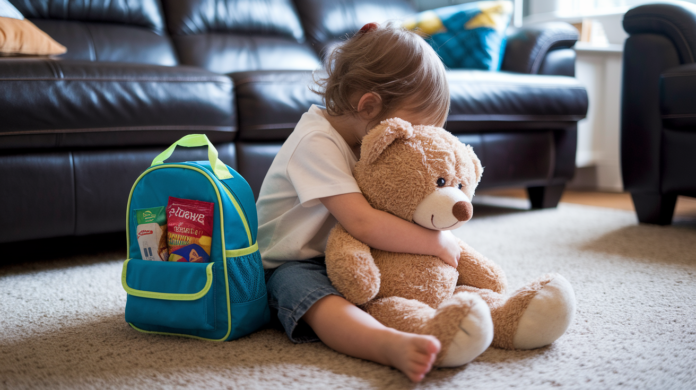

Your kid’s favorite stuffed animal isn’t a luxury right now. It’s a survival tool. When floodwaters force you out and your child lands in a loud, unfamiliar shelter with a hundred strangers, that worn bunny or dinosaur they sleep with every night becomes the only familiar thing in their world. Comfort items keep kids emotionally stable when everything else falls apart, which means you can focus on the next safety step instead of managing a full meltdown. This guide covers exactly what to pack, how to store it waterproof, and why these small objects matter as much as food and flashlights when you’re evacuating with children.
Essential Comfort Items to Pack for Your Child’s Evacuation Kit
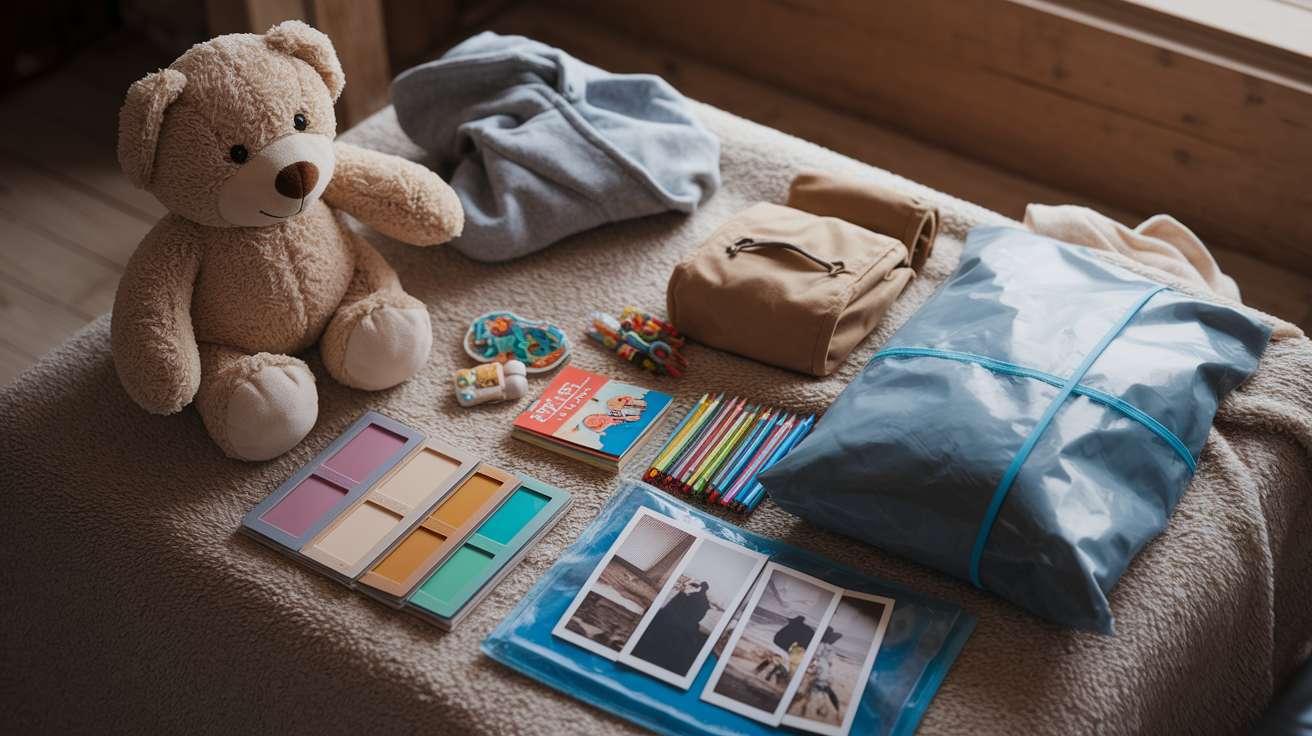
Comfort items aren’t extras. They’re survival tools that help kids cope when everything falls apart. A worn stuffed animal or favorite book can anchor a child’s world when familiar routines disappear. These objects keep kids mentally stable when chaos takes over.
Familiar things give children coping tools they already know how to use. That security blanket that works at bedtime? It’ll work the same way in a shelter. These items create small pockets of normal in the middle of a crisis, giving kids something they can control when everything else spins out of reach.
Every child’s evacuation kit needs:
Stuffed animals or plush toys for tactile comfort and a familiar presence
Security blankets that smell like home and support soothing behaviors they already use
Small familiar toys like action figures or dolls for imaginative play and distraction
Books (picture books or chapter books that keep bedtime routines going)
Simple games like small card decks or travel board games for long shelter stays
Drawing supplies (crayons, colored pencils, paper for creative outlet)
Soft comfort clothing like a favorite hoodie or worn t-shirt that feels safe
Loveys or transitional objects kids already use for emotional regulation
Food Comfort Items and Familiar Snacks
Familiar snacks bring comfort and normalcy during stress. A kid who sees their usual granola bar feels a tiny bit of predictability when nothing else makes sense. This isn’t just about nutrition. It’s about emotional anchoring through taste and routine.
Pick non-perishable, high-energy, allergen-conscious options like granola bars, crackers, and fruit snacks. Check expiration dates regularly. Throw in a few special treats you don’t normally allow, like a small bag of their favorite candy or cookies. These create positive moments and give kids something to look forward to. Battery-free toys and entertainment work best because they’ll function when everything else fails. Let children help pick their comfort items so they feel ownership and control over their own safety plan.
Age-Appropriate Comfort Item Selection for Different Developmental Stages
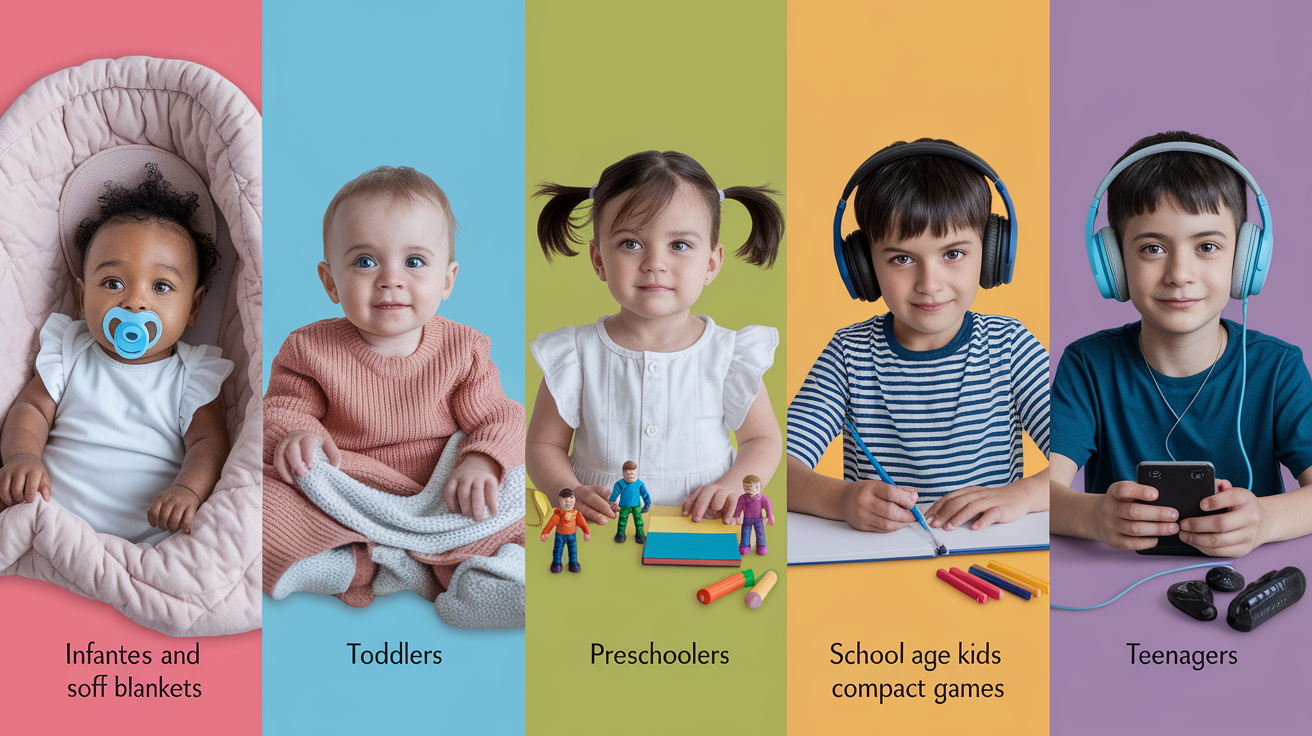
Infants (0-12 months)
Infants need sensory comfort objects that support basic developmental needs. Pack multiple pacifiers in case one disappears, familiar bottles even if you’re breastfeeding, soft rattles for auditory comfort, and teething toys that soothe physical discomfort. The blanket that smells like home can calm a distressed infant better than a new one ever will.
Formula needs careful planning for storage and rotation if you use it. Keep a sealed container with several days’ worth, and mark rotation dates clearly. Enough diaper supplies for all infants in your care is non-negotiable. Running out of diapers in a shelter creates health risks and serious distress for everyone.
Toddlers (1-3 years)
Toddlers lean heavily on attachment objects for emotional regulation. Security blankets, favorite stuffed animals, board books with familiar stories, and simple toys aren’t optional for this age. They’re survival tools for both the child and the exhausted parent trying to keep them calm.
Portable entertainment like basic picture books and soft toys provides distraction during extended stays. A toddler stuck in a shelter for a week with nothing to do will melt down constantly. Simple familiar items give them something to focus on besides the stress.
Preschoolers (3-5 years)
Small action figures, dolls, coloring books with crayons, simple puzzles, and storybooks offer distraction and comfort. Preschoolers can engage with these independently for short stretches, giving caregivers brief mental breaks during long shelter stays.
The UNO Card Game costs about $10 and works for kids as young as 4, providing 30 minutes or more of entertainment. This kind of structured game creates a sense of normalcy and routine. It also opens up positive interactions with other children or adults in the shelter.
School-Age Children (6-12 years)
Card games keep things normal and fight boredom during shelter stays. Waterproof playing cards cost around $8 and work for multiple card games. UNO stays popular and portable. The Total Brain Workout puzzle book costs $14 and contains 450 puzzles for extended boredom periods, making it one of the most space-efficient entertainment options you can find.
Journals, chapter books, small craft supplies, and compact games support this age group’s need for both solo activity and social engagement. School-age kids can read independently, work on puzzles quietly, or organize games with other kids in the shelter. These items help them feel competent and occupied instead of helpless and bored.
Teenagers (13+)
Teenagers need emotional regulation tools that respect their developing independence. Music players, headphones, journals, books, photographs, and personal mementos support their emotional world. These items help teens process stress privately without constant adult involvement.
Group games like Werewolves of Millers Hollow cost $23.99 and fit 8 to 18 players without boards or extensive setup. This kind of social game helps teenagers connect with peers during extended shelter stays, creating normalcy through interaction. Teens often cope better when they can engage with their peer group rather than being stuck in constant proximity with younger children or adults.
Psychological Rationale Behind Comfort Items During Evacuation Scenarios
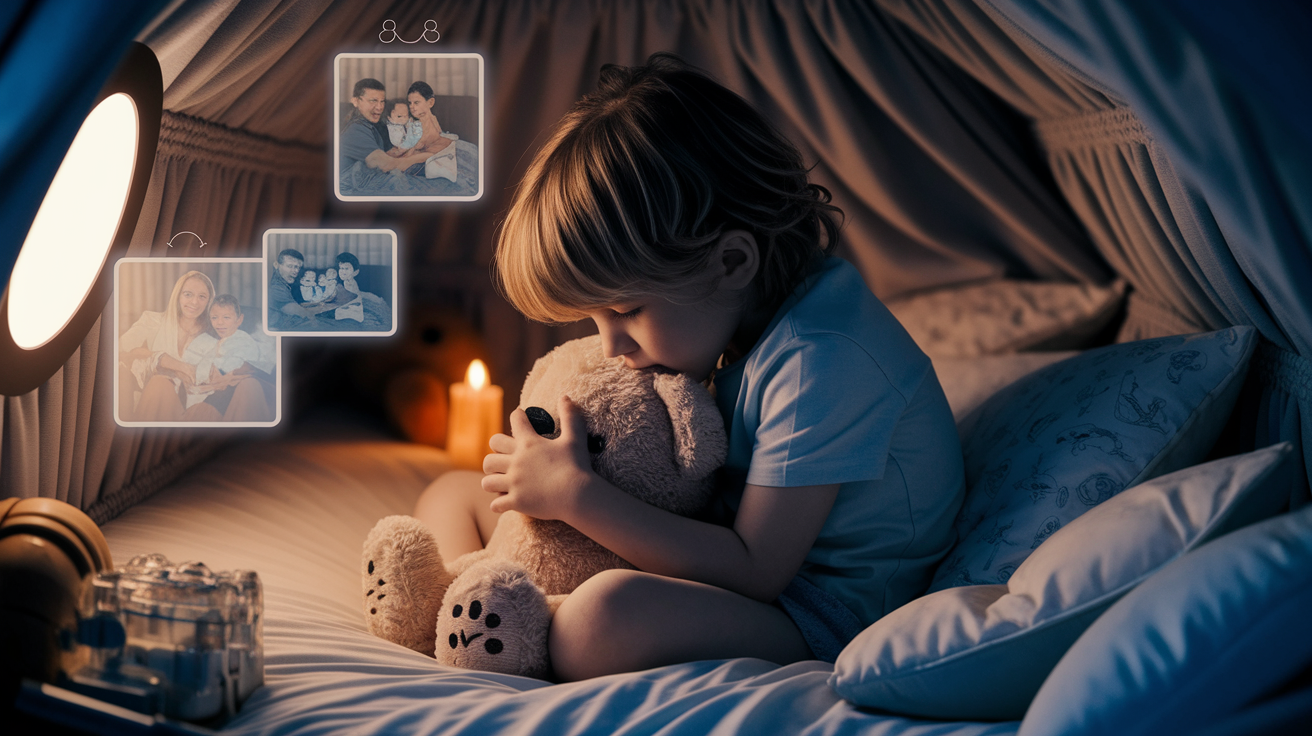
Familiar objects provide emotional anchors during chaos and uncertainty. When a child’s world becomes unpredictable, a well-loved teddy bear or favorite book represents continuity and safety. These items send a powerful message to the child’s brain that not everything has changed, that some reliable things still exist.
Transitional objects play a critical role in stress management across all ages. These are items children use to bridge emotional gaps when primary caregivers are unavailable or overwhelmed. A security blanket lets a child self-soothe when a parent is busy managing crisis logistics. This isn’t weakness. It’s a healthy coping mechanism that builds resilience.
Comfort items help maintain routines and bedtime rituals during displacement. A familiar stuffed animal and favorite pajamas can recreate enough of the normal bedtime routine to help a child sleep in a chaotic shelter. Sleep supports mental health, which supports everything else. Most survivalist teachers consider positive mental attitude more important than physical supplies for survival in stressful environments. Comfort items directly support that critical mental state.
Preparation and involvement in selecting items builds confidence and control. When children help choose what goes in their emergency bag, they mentally rehearse the idea that they can handle hard situations. They start seeing themselves as capable people with plans, not helpless victims waiting for disaster. That shift in self-perception can determine how well they cope when the actual emergency arrives.
Compact Storage Solutions for Children’s Evacuation Comfort Items
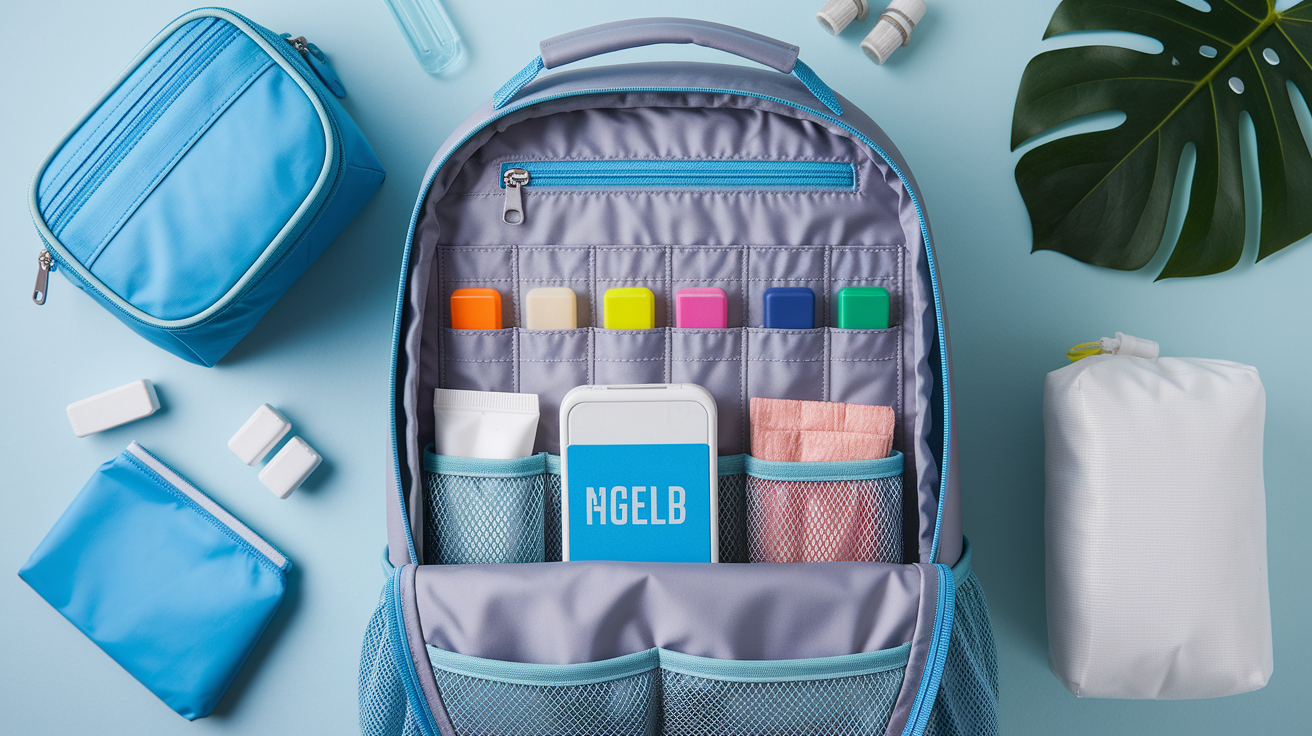
Waterproof and durable storage protects comfort items from the elements and rough handling during evacuations. A soaked stuffed animal or ruined book loses its comfort value immediately. All critical items should go in waterproof bags or containers that seal completely.
Use labeled ziplock bags and compartmentalized organization to keep different categories separate and easy to find. When you’re stressed and moving fast, clear organization saves time and cuts frustration. Different items should be organized using separate pockets, compartments, or labeled ziplock bags so you can grab exactly what you need without dumping everything out.
Backpacks work well as emergency bags because they’re sturdy and easy to carry. Children can carry their own items on their backs, keeping their hands free. This also gives them ownership and control over their comfort supplies.
| Storage Method | Best For | Benefits |
|---|---|---|
| Waterproof bags | Soft items, clothing, paper goods | Complete moisture protection, see-through options available |
| Ziplock containers | Snacks, small toys, medical items | Easy to open, reusable, clear visibility |
| Compression sacks | Blankets, extra clothing, soft toys | Maximizes space, reduces bulk significantly |
| Small pouches | Crayons, cards, fidget items | Keeps tiny items organized and prevents loss |
| Individual compartments | Daily-use items, frequently needed comfort objects | Quick access without unpacking entire bag |
Space-saving techniques and lightweight selection priorities matter when every ounce counts. Choose smaller versions of favorite items when possible. Pack the most important comfort items where you can reach them fast without digging.
Personalized and Sentimental Evacuation Comfort Items
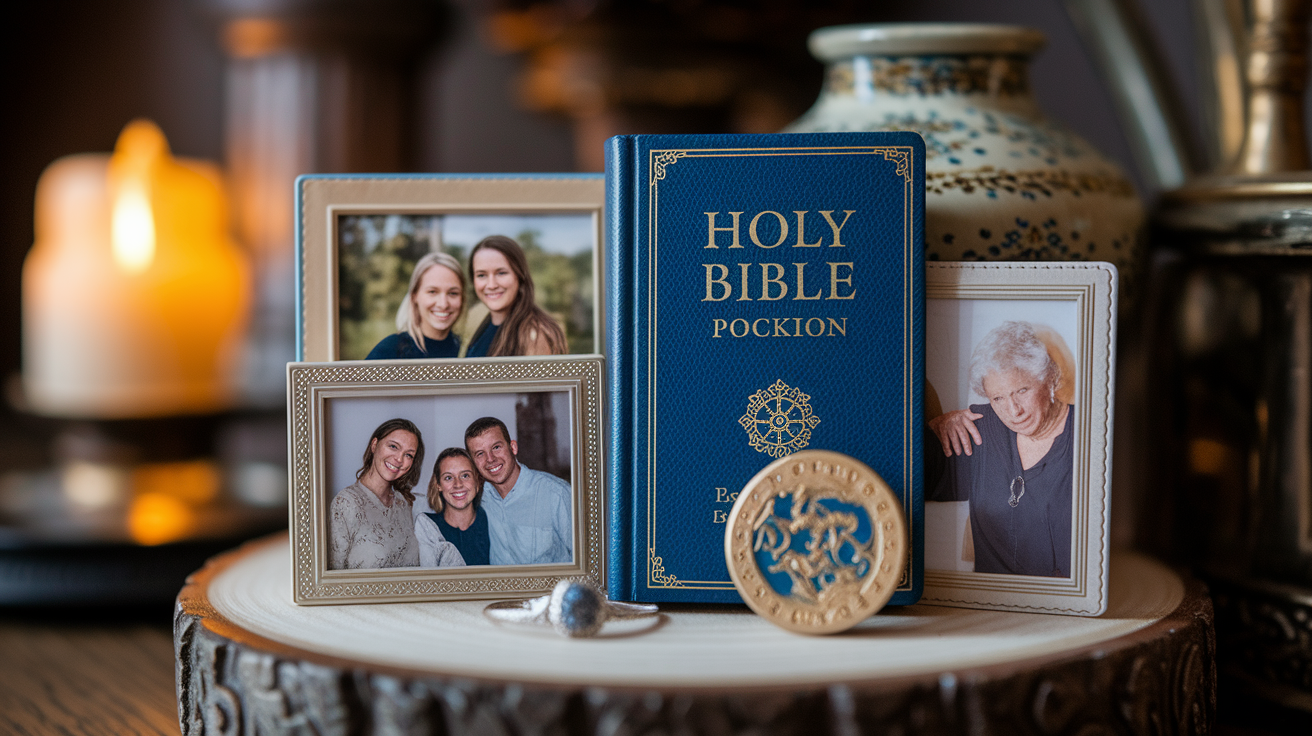
Family photographs provide emotional connection and reassurance when children are separated from their normal environment or extended family. Laminated photos of parents, siblings, grandparents, and pets remind children who they belong to and what they’re returning to. These images become anchors when everything else feels temporary and unstable.
Religious or cultural items maintain spiritual comfort and identity during displacement. A Holy Bible Pocket Edition costs $12 and measures 6.8 x 4.6 x 1.1 inches, fitting easily in a small bag while providing significant emotional support for Christian families. Similar compact religious texts exist for other faiths. Prayer beads, small cultural tokens, or traditional comfort objects help children maintain their identity and spiritual grounding when physical surroundings have changed completely.
Small keepsakes or mementos represent home and family in tangible ways. A special piece of jewelry from a grandparent, a small heirloom that fits in a pocket, or handwritten notes from family members carry enormous emotional weight in very little physical space. These items remind children that their family history and connections survive even when their house doesn’t. Keep these items compact (pocket-sized religious texts, laminated photos, and small cultural tokens) that won’t add significant weight but provide immeasurable comfort.
Maintenance, Rotation, and Testing Protocol for Children’s Comfort Items
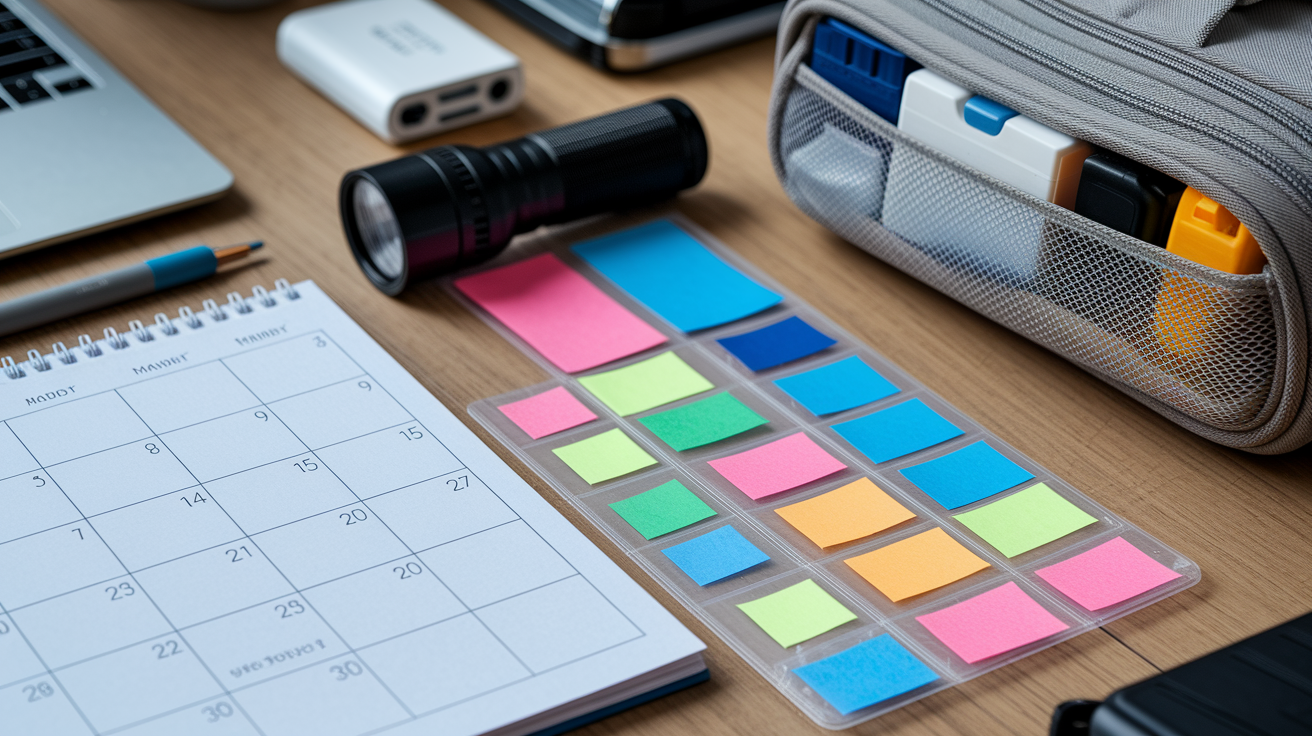
Regular checking and updating every 3 to 6 months keeps everything ready and age-appropriate. Mark your calendar with specific check dates so it becomes routine instead of something you forget until it’s too late.
Children’s preferences and developmental needs change rapidly. A 4-year-old’s favorite toy becomes boring to a 5-year-old. A book that comforted a 7-year-old feels babyish at 8. Regular rotation keeps comfort items actually comforting instead of outdated and irrelevant.
Specific maintenance tasks include:
- Check expiration dates on all snacks and replace anything close to expiring
- Test battery-powered items like flashlights or small electronic games to make sure they still work
- Wash soft items like stuffed animals and blankets so they stay fresh and clean
- Replace outgrown clothing with current sizes and weather-appropriate options
- Update age-appropriate toys and books that match current interests and reading levels
- Verify contact information accuracy on all labels and identification cards
- Conduct practice drills where children actually use their items and provide feedback
- Use checklists placed on top of bags to remind about quick-grab last-minute additions like fresh snacks or medicine with short expiry dates
Having duplicate items means favorites can stay in the emergency kit without upsetting daily life. Purchase backup stuffed animals, blankets, or toys specifically for emergency bags. If possible, buy identical versions of the most important comfort items so rotation doesn’t require explanation or negotiation with your child. Rotation strategies keep items fresh and familiar without removing things children rely on daily. Purchase identical backup items and rotate seasonal comfort clothing so winter pajamas get swapped for summer ones during your regular maintenance checks.
Set calendar reminders for seasonal checks tied to other routine events like daylight saving time changes or school breaks. Involve children in maintenance to build ongoing familiarity with their emergency supplies and reinforce that these preparations are normal and manageable, not scary.
Involving Children in Selecting and Packing Their Evacuation Comfort Items
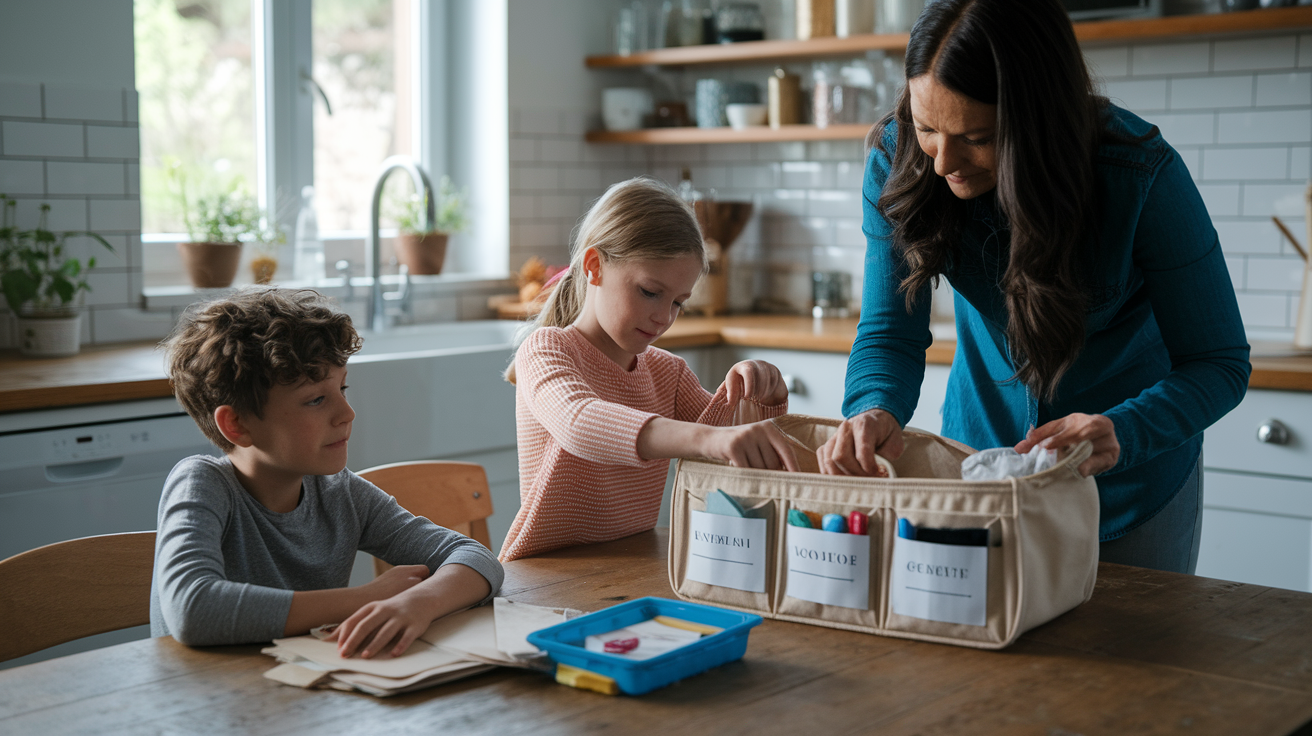
Participation builds confidence, reduces anxiety, and makes sure the right items get selected. Involving children in preparing emergency bags helps them feel safer, more in control, and confident during crisis situations. This isn’t busywork. It’s psychological preparation that changes how children experience actual emergencies.
Age-Appropriate Participation Tasks
Younger children can help by choosing comfort items like favorite toys, games, and books, counting items like water bottles, and sorting items into pockets. Even a 3-year-old can pick which stuffed animal goes in the bag. Older children and teenagers can research needed items, write lists, check expiration dates, pack bags, and practice using equipment like torches or weather radios. Teenagers should take full responsibility for their own kits, with parents providing guidance but not control.
Making Selection a Positive Experience
Turn preparation into a calm, empowering activity rather than a fear-based exercise. Frame it as “being smart and ready” instead of “scary things might happen.” Let children make real choices about their comfort items. If they choose something you think is silly, let them include it anyway unless it creates a genuine safety problem. Their sense of control matters more than perfect efficiency.
Practice and Familiarity Building
Run practice drills where children grab their bags and discuss what items would comfort them in different scenarios. Walk through how they’d use their supplies. Let them actually play with the toys, read the books, and eat a sample snack from their kit. Familiarity removes mystery and builds confidence.
Visual supports or video modeling help children with additional needs understand tasks and expectations. Practice reduces panic during actual emergencies because children already know what to do and where their comfort items are.
Special Considerations for Children With Medical or Developmental Needs
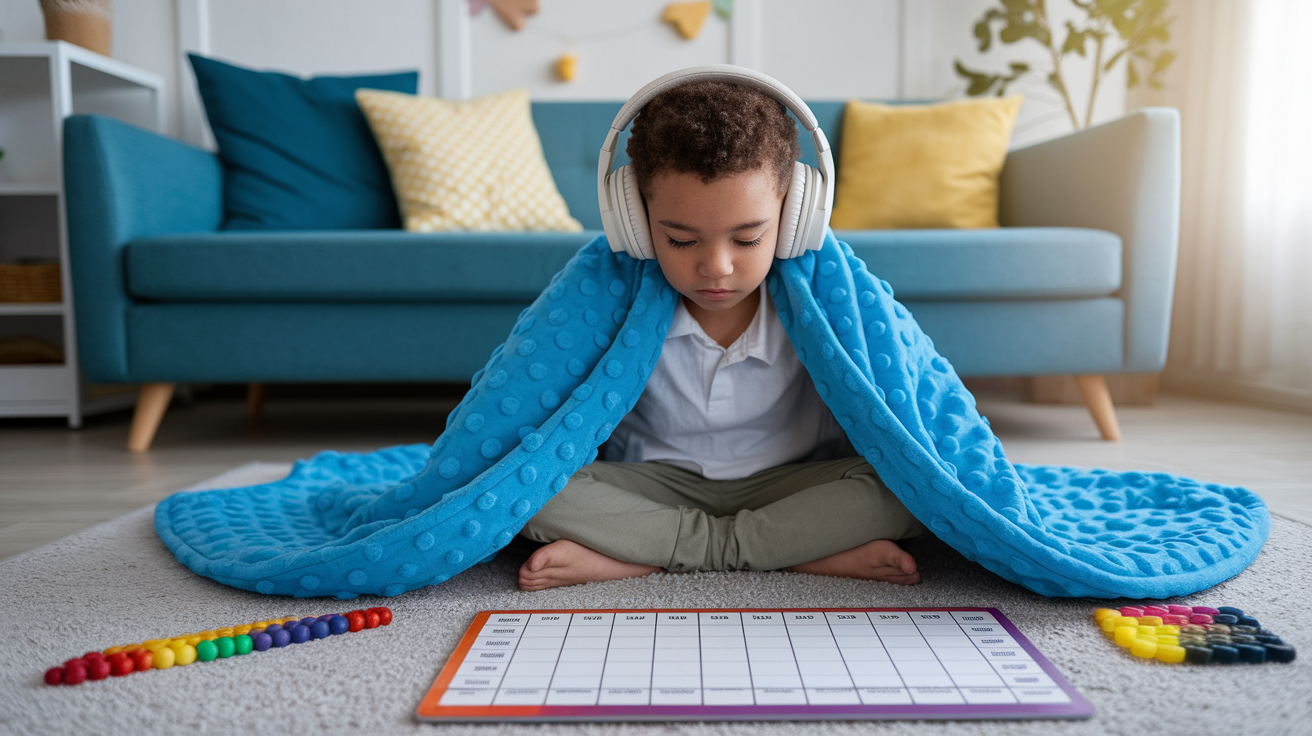
Sensory regulation tools support children with autism or sensory processing disorders during high-stress evacuation situations. Include weighted items if your child uses them for comfort, fidget toys that provide tactile input, stress balls for hand activity, and noise-canceling headphones to reduce overwhelming auditory input in crowded shelters. These items aren’t luxuries. They’re tools that prevent meltdowns and support emotional regulation when routines get disrupted.
Communication devices or visual supports help non-verbal children or those with communication delays express needs and maintain connection. Include picture cards, communication boards, or electronic devices pre-loaded with familiar communication apps. Important documents should include individual learning plans if applicable so temporary caregivers understand your child’s needs and communication methods.
Medical comfort items extend beyond emergency medical supplies to include specific feeding equipment, adaptive utensils, or specialized comfort tools your child relies on. If your child uses specific sensory items prescribed by an occupational therapist, pack backups in the evacuation kit. Emergency identification bracelets or cards should contain child details and parent contact information that can be attached to the child, especially critical for children who can’t verbally communicate their needs or family information.
Routine-maintaining items matter intensely for children who rely on predictability for emotional stability. Include visual schedules, familiar transition objects, or small items from established routines. Even small fragments of normal routine can provide significant comfort.
Sleep support items create familiarity during overnight shelter stays. Include soft blankets beyond emergency Mylar space blankets that provide tactile comfort your child recognizes. Emergency blankets should be lightweight Mylar space blankets for true emergencies, but comfort blankets serve a different purpose. Portable night lights, white noise alternatives like small battery-operated sound machines, favorite pajamas, and comfort clothing create enough familiarity to support sleep. Familiar scents on blankets or clothing provide additional comfort through olfactory memory, one of the most powerful sensory connections to safety and home.
Digital Comfort and Entertainment Tools for Modern Evacuation Kits

Digital devices work as powerful comfort tools for modern children who use technology for emotional regulation and entertainment. An e-reader loaded with favorite books or a music player with familiar songs can provide hours of comfort in very little space.
Power management and backups matter because digital devices fail without electricity. Equipment should include fully charged power banks specifically dedicated to recharging children’s devices, separate from adult emergency communication needs.
| Digital Item | Comfort Benefit | Power Consideration |
|---|---|---|
| E-readers (Amazon Kindle $79+) | Stores hundreds of books, supports reading routine | Battery lasts over a month, minimal power needs |
| Music players or phones with downloaded music | Provides emotional regulation through familiar songs | Requires daily charging, include dedicated power bank |
| Tablets with downloaded content | Movies, games, audiobooks for extended entertainment | Heavy battery drain, prioritize offline downloads |
| Handheld gaming devices | Familiar play patterns, distraction from stress | Moderate battery use, bring charging cable and power bank |
Pre-download audiobooks, music, movies, and games for offline access before emergencies happen. Streaming won’t work when cell towers are down or shelters have no wifi. Digital devices can carry the equivalent of several thousand encyclopedias worth of content, making them incredibly space-efficient for entertainment value.
But digital devices can fail when batteries die, screens crack, or electronics get wet. Physical comfort items stay essential backups. Battery-free toys work better for emergency bags as core items, with digital tools serving as supplements rather than primary comfort sources. A stuffed animal works in any condition. A tablet doesn’t.
Identification and Organization Methods for Children’s Emergency Comfort Bags
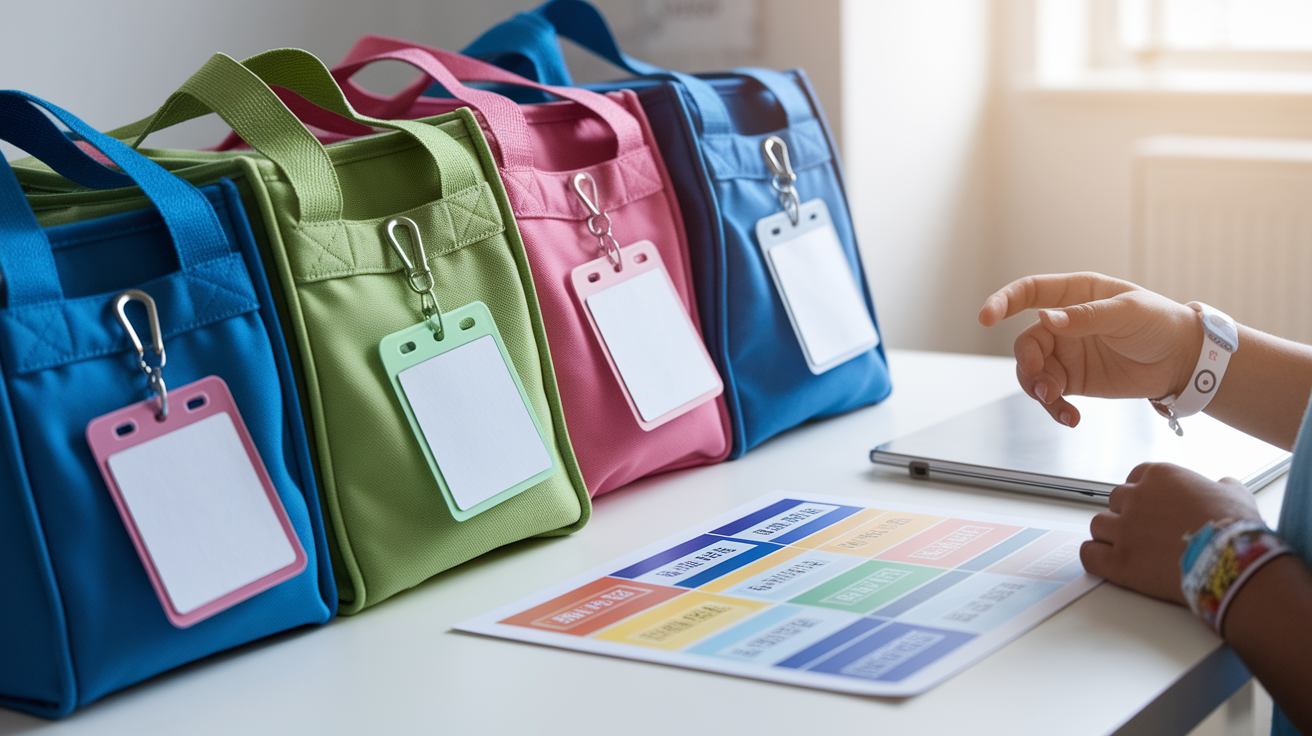
Label all bags with your child’s name and emergency contact information in permanent marker or attached tags. Bags should be labeled with name and contact information so they can be returned if separated during chaotic evacuation moments. Use waterproof labels or laminated tags that won’t become illegible if wet.
Attach identification cards or bracelets to children with parent contact details for situations where children and bags become separated from parents. Emergency identification bracelets or cards should contain child details and parent contact information that can be attached to the child, not just the bag. In worst-case scenarios, this makes sure children can be reunited with family even without their belongings.
Label individual items, especially clothing and high-value comfort objects. Weather-appropriate spare clothes should be labeled with child details and next-of-kin contact information. Write names inside books, on clothing tags, and on the bottom of toys with permanent marker. Shelters often become chaotic with many families in close quarters, and labeled items are more likely to get returned.
Include written instructions inside bags for use if separated from parents. Written instructions for using bag items should be included in case of parent-child separation, explaining any special comfort routines, medication instructions, or specific ways certain items should be used. Use clear labeling systems for quick visual identification of each child’s bag through color-coding, unique decorations, or personalized tags that children can recognize from a distance.
Final Words
Pack children’s comfort items for evacuation before stress hits. Your child’s stuffed animal, favorite blanket, or special snack might seem small, but they carry huge weight when everything else feels wrong.
Kids handle emergencies better when they have something familiar to hold.
Start now. Let your kids help choose what goes in. Test it during a practice run. Check it twice a year.
When you need to leave fast, you’ll be glad those comfort items are ready to go.
FAQ
Q: What are 20 items in an emergency kit for kids?
A: A kid’s emergency kit should include water, non-perishable snacks, first aid supplies, flashlight, batteries, copies of important documents, medications, extra clothes, diapers (if needed), comfort items like stuffed animals, books, crayons, small toys, family photos, blanket, contact information card, whistle, and age-appropriate entertainment items.
Q: What are the 10 essential survival kit items?
A: Essential survival kit items include water (one gallon per person per day), food, flashlight, first aid kit, battery-powered radio, extra batteries, whistle, dust mask, plastic sheeting, wrench or pliers, and local maps. For kids, add comfort items and age-appropriate snacks.
Q: What are the 5 P’s of evacuation?
A: The 5 P’s of evacuation are People and pets, Papers and documents, Prescriptions and medical supplies, Pictures and irreplaceable items, and Personal computer or laptop with important files. These priorities help you remember critical items when leaving quickly during an emergency.
Q: What are 10 items in an emergency go bag?
A: An emergency go bag should contain water, ready-to-eat food, flashlight, first aid kit, battery-powered phone charger, copies of important documents in a waterproof bag, medications, cash, change of clothes, and emergency contact list. Pack items you can grab in under two minutes.
Q: Why are comfort items important in children’s evacuation kits?
A: Comfort items are important in children’s evacuation kits because they reduce anxiety and trauma during stressful situations. Familiar objects like stuffed animals, blankets, and favorite toys help children maintain emotional stability and provide psychological anchoring when everything else feels uncertain and chaotic.
Q: What snacks should I pack for my child’s emergency kit?
A: Pack non-perishable, high-energy snacks like granola bars, crackers, and fruit snacks for your child’s emergency kit. Include a few special treats your child doesn’t normally get to create positive associations. Check expiration dates every three to six months and replace as needed.
Q: How do I choose age-appropriate comfort items for my child?
A: Choose age-appropriate comfort items by matching them to your child’s developmental stage. Infants need pacifiers and soft rattles. Toddlers need security blankets and board books. School-age kids need card games and puzzle books. Teenagers need music players, journals, and group games for extended shelter stays.
Q: Should I include digital devices in my child’s emergency kit?
A: Include digital devices in your child’s emergency kit with fully charged power banks and pre-downloaded content for offline access. E-readers, music players, and tablets provide powerful comfort and entertainment. However, always pack non-battery backup items like physical books and card games in case devices fail.
Q: How often should I update my child’s emergency comfort items?
A: Update your child’s emergency comfort items every three to six months. Check expiration dates on snacks, test battery-powered items, replace outgrown clothing, and update age-appropriate toys and books. Children’s preferences change rapidly, so regular checks ensure items still provide comfort.
Q: How can I involve my child in preparing their evacuation kit?
A: Involve your child by letting younger kids choose favorite toys and count items, while older children research needs and check expiration dates. Teenagers can pack their own bags and practice using equipment. This participation builds confidence, reduces anxiety, and ensures the right items are selected.
Q: What comfort items should I pack for a child with autism or sensory needs?
A: Pack sensory regulation tools like weighted items, fidget toys, noise-canceling headphones, and familiar textures for children with autism or sensory needs. Include visual supports, communication devices for non-verbal children, routine-maintaining items, and comfort objects that provide predictability during stressful situations.
Q: How do I store comfort items to save space in an evacuation bag?
A: Store comfort items in labeled ziplock bags and waterproof containers organized in separate compartments. Use compression sacks for soft items and small pouches for toys. Pack items in a backpack your child can carry, keeping frequently needed comfort objects in easily accessible outside pockets.
Q: Should I include family photos in my child’s emergency kit?
A: Include laminated family photos in your child’s emergency kit because they provide emotional connection and reassurance during displacement. Photos help children feel connected to home and family when separated. Keep them small, waterproof, and in an easily accessible pocket for quick comfort.
Q: What sleep comfort items should I pack for my child’s evacuation kit?
A: Pack sleep comfort items like soft blankets (beyond emergency Mylar blankets), favorite pajamas, portable night lights, and items with familiar scents. These create bedtime familiarity and help children rest in unfamiliar shelter environments. Include white noise alternatives if your child relies on specific sounds.
Q: How do I label my child’s emergency bag for identification?
A: Label your child’s emergency bag with their name and emergency contact information on the outside. Attach identification cards or bracelets to your child with parent contact details. Label individual items, especially clothing and high-value comfort objects, and include written instructions inside for use if separated.
Q: Should I pack duplicate comfort items for my child’s emergency kit?
A: Pack duplicate comfort items or purchase backup stuffed animals and blankets specifically for the emergency kit. This lets your child’s favorite items stay in the bag without disrupting daily routines. Rotate seasonal comfort clothing and keep items fresh and familiar through regular replacement.
Q: What games work best in children’s emergency kits?
A: Games that work best in children’s emergency kits include waterproof playing cards ($8), UNO card games (suitable from age 4, $10), compact puzzle books like Total Brain Workout ($14, 450 puzzles), and group games like Werewolves of Millers Hollow ($23.99) that need no board or props.
Q: How do comfort items help children’s mental health during evacuations?
A: Comfort items help children’s mental health by providing emotional anchors during chaos and supporting positive mental attitude, which experts consider more important than physical supplies for survival. Familiar objects maintain routines, reduce trauma responses, and give children coping mechanisms when everything feels out of control.
Q: What religious or cultural items should I include in my child’s emergency kit?
A: Include compact religious or cultural items that maintain spiritual comfort and identity during displacement. Pack pocket-sized religious texts like the Holy Bible Pocket Edition (6.8 x 4.6 inches, $12), small cultural tokens, or meaningful symbols that connect your child to their faith and heritage.
Q: How do I practice using my child’s emergency comfort kit?
A: Practice by conducting drills where your child grabs their bag and actually uses the items. Discuss what would comfort them in different scenarios. Make practice calm and empowering, not fear-based. Regular familiarity with the kit reduces panic during actual emergencies and builds confidence.