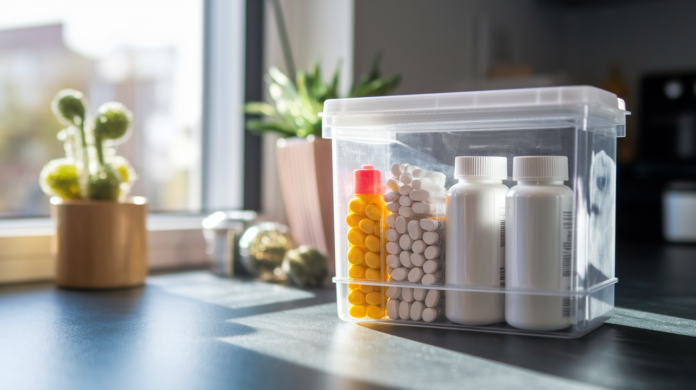

Most people forget about their meds when packing an emergency kit. Then the pharmacy closes, roads flood, and they realize their blood pressure pills are running out in three days. You can’t rely on refills during a disaster. You need backup medications stored now, labeled clearly, and ready to grab. This guide walks through exactly which prescription and over the counter drugs to stockpile, how much to keep on hand, and how to store them so they actually work when you need them most.
Essential Prescription and OTC Medications: Complete Emergency Checklist
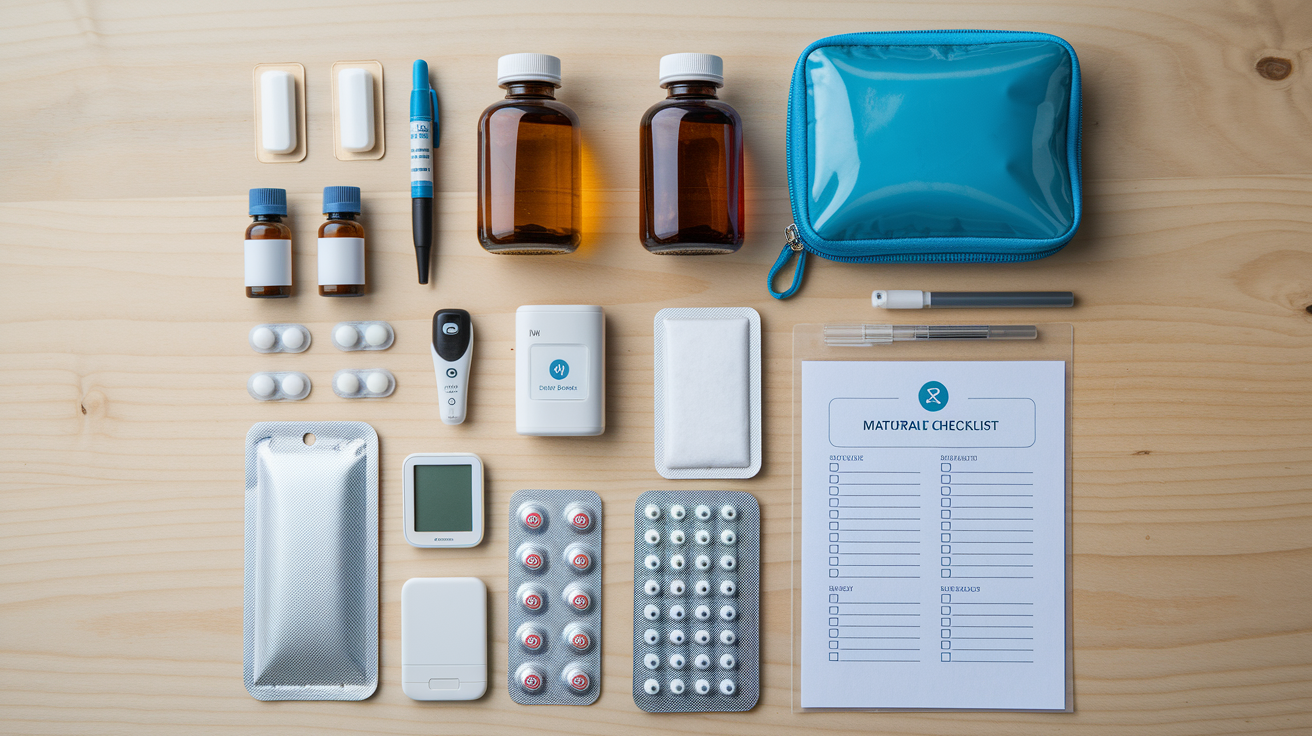
More than 6 in 10 U.S. adults live with a chronic condition that requires daily medications. When disaster hits, pharmacies close. Roads flood. Power fails. You need medications on hand, period.
Your emergency kit has to match your household’s specific medical needs. This checklist covers prescription medications for chronic conditions and over the counter options that handle common symptoms. Every household member should review their personal medication needs. Think about chronic conditions like diabetes, heart disease, COPD, allergies, mental health conditions, and pain management requirements.
| Medical Condition | Essential Medications | Recommended Quantity | Notes |
|---|---|---|---|
| Diabetes | Insulin, metformin, glucagon emergency kit, glucose tablets | 14 to 30 day supply | Include blood glucose testing supplies, lancets, and alcohol wipes |
| Heart Disease | Nitroglycerin, aspirin, beta blockers, anticoagulants | 14 to 30 day supply | Keep nitroglycerin current, replace every 6 months even if not expired |
| Hypertension | ACE inhibitors, calcium channel blockers, diuretics | 14 to 30 day supply | Monitor blood pressure regularly if possible during emergency |
| Asthma/COPD | Albuterol inhalers, corticosteroid inhalers, nebulizer medications | 2 rescue inhalers minimum, 14 to 30 day supply maintenance meds | Include spacer device, peak flow meter |
| Thyroid Disorders | Levothyroxine, liothyronine | 30 day supply minimum | Thyroid medication remains stable, less urgent to replace frequently |
| Mental Health Conditions | Antidepressants, antipsychotics, antianxiety medications, mood stabilizers | 14 to 30 day supply | Sudden discontinuation can cause serious withdrawal symptoms |
| Seizure Disorders | Anticonvulsants, benzodiazepines for emergency use | 30 day supply minimum | Missing doses increases seizure risk dramatically |
| Allergies/Anaphylaxis | EpiPens, diphenhydramine injection or tablets | 2 EpiPens minimum, 14 day supply antihistamines | Check EpiPen expiration monthly, keep in temperature stable location |
| Infections | Amoxicillin, azithromycin, ciprofloxacin | One full course per person | Requires prescription consultation, not for routine storage by most families |
| Nausea/Vomiting | Ondansetron, promethazine | 7 to 14 day supply | Critical when clean water is limited and dehydration risk is high |
| Pain Management | Prescription NSAIDs, opioids (if currently prescribed), muscle relaxants | 7 to 14 day supply | Controlled substances require special documentation for travel/evacuation |
| Gastrointestinal Issues | Loperamide, prescription antidiarrheals, antiemetics | 7 to 14 day supply | Contaminated water and stress commonly trigger digestive problems |
| Category | Specific Medications | Quantity | Purpose |
|---|---|---|---|
| Pain/Fever Relief | Acetaminophen, ibuprofen | 100 tablets each | Reduce fever, headaches, body aches, minor injuries |
| Antihistamines | Loratadine, cetirizine, diphenhydramine | 30 tablets each | Allergic reactions, insect bites, environmental allergens |
| Digestive Aids | Famotidine, TUMS, loperamide, bismuth subsalicylate | 30 to 50 doses each | Heartburn, diarrhea, upset stomach from stress or contaminated food/water |
| Hydration Support | Electrolyte tablets, oral rehydration salts | 20 packets or tablets | Replace fluids and electrolytes lost through heat, exertion, illness |
| Cold/Flu Relief | Decongestants, cough drops, expectorants | 1 to 2 boxes each | Manage respiratory symptoms, especially in crowded shelters |
| Topical Treatments | Hydrocortisone cream, antibiotic ointment, antifungal cream | 1 tube each | Skin irritation, minor cuts, rashes, fungal infections from wet conditions |
| Eye Care | Saline rinse, artificial tears | 2 bottles each | Flush debris, relieve dryness from dust, smoke, or debris |
| Wound Antiseptics | Hydrogen peroxide, alcohol wipes, iodine solution | 1 bottle, 100 wipes | Clean wounds when clean water is unavailable |
| Cough Suppressants | Dextromethorphan, menthol cough drops | 1 bottle, 2 bags | Sleep disruption from coughing in stressful conditions |
| Anti-Nausea | Meclizine, ginger tablets | 20 tablets | Motion sickness during evacuation, stress related nausea |
Stock a 7 to 14 day supply of each medication as a minimum for portable evacuation kits. Stationary home kits should hold 30 days or more when possible. Choose non drowsy formulations for antihistamines and cold medications so you stay alert during emergencies. Label everything clearly with name, dosage, and expiration date so any household member can grab the kit and know exactly what they have.
Building Your Emergency Medication Kit: Step by Step Assembly Guide
Breaking the assembly process into sequential steps keeps it manageable. You build the kit once, then maintain it twice a year.
First, assess all household members’ medication needs. Think about chronic conditions, current prescriptions, known allergies, mental health medications, and pain management requirements.
Consult healthcare providers about obtaining extra medication supplies for emergencies. Explain you need backup quantities for disaster preparedness.
Request photocopies of all prescriptions and ask about vacation overrides or early refill options to build a 7 to 14 day emergency reserve.
Gather all current prescription medications and separate emergency supplies from daily use bottles to avoid confusion.
Add over the counter medications based on likely symptoms during disasters. Pain, fever, allergies, digestive issues, and dehydration top the list.
Collect administration tools including pill organizers, measuring cups, medicine droppers, glucose monitors, blood pressure cuffs, and peak flow meters as needed.
Organize documentation. You’ll need medication lists with dosages, photocopied prescription labels, insurance card copies, pharmacy contact information, and physician details.
Select waterproof storage containers like sealed plastic bins, heavy duty Ziploc bags, or waterproof medication pouches that protect from moisture damage.
Label each medication clearly with the person’s name, medication name, dosage strength, frequency, and expiration date using permanent marker or printed labels.
Establish a storage location that all household members know. Choose an accessible spot away from high heat and humidity like a bedroom closet on an upper floor.
Initial setup requires a few hours and some coordination with your doctor and pharmacy. Once assembled, you just rotate medications twice a year and update documentation when prescriptions change. Keep bottled water stored near your medication kit so you can take pills even when the water supply is compromised. If you store water in a separate location, make sure everyone in the household knows where both the medications and the water are kept.
Comprehensive Storage Guidelines for Stationary and Portable Medication Kits
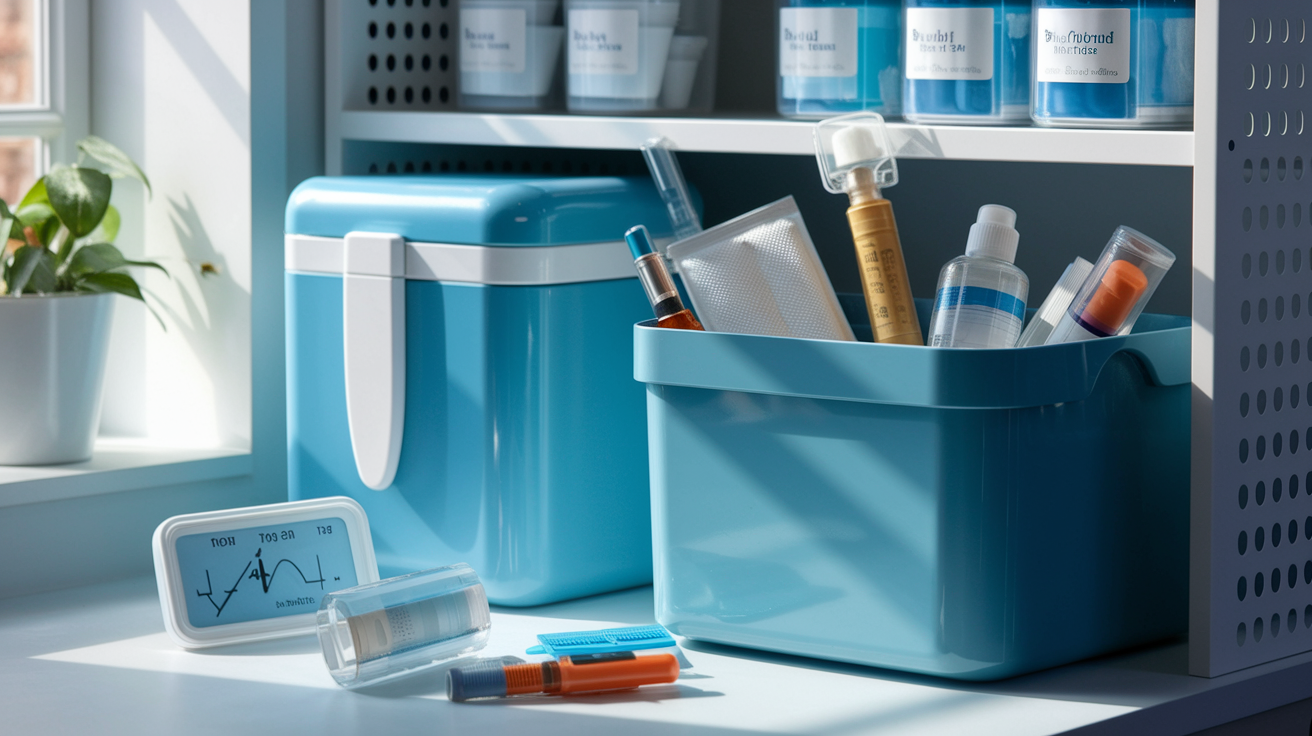
Waterproof protection matters because floods, roof leaks, and high humidity can ruin medications. Store everything in sealed plastic containers or heavy duty Ziploc bags. Avoid high heat and humidity by keeping kits out of attics, garages, and cars. Medications left in a hot car degrade fast, especially insulin, EpiPens, and tablets in gelatin capsules.
Refrigerated medications like insulin, certain antibiotics, and biologic drugs need temperature maintenance during power outages. Keep a cooler and reusable ice packs in your emergency supplies. Insulin stays stable at room temperature for about 28 days once opened, but extreme heat destroys it quickly. For longer outages, portable battery powered mini fridges or larger coolers with ice block rotation can extend temperature control. If you rely on refrigerated medications daily, plan your backup cooling strategy now, before the power goes out.
| Medication Type | Storage Temperature | Container Type | Stationary Kit Notes | Portable Kit Notes |
|---|---|---|---|---|
| Standard Medications | 59 to 77°F | Waterproof plastic bin or sealed bag | Store 30+ day supply in multiple locations on different floors | 7 to 14 day supply in lightweight, consolidated container |
| Insulin/Injectables | 36 to 46°F (refrigerated) or room temp up to 28 days | Insulated cooler with ice packs | Keep backup vials refrigerated, plan for cooler transfer during outage | Small insulated pouch with ice pack, monitor temperature |
| Refrigerated Prescriptions | 36 to 46°F | Cooler with ice packs or battery powered mini fridge | Larger cooler for extended outages, ice block rotation plan | Compact cooler, replace ice packs every 12 to 24 hours |
| Inhalers | Room temperature, avoid extreme heat | Waterproof bag, keep upright | Store 2 to 3 rescue inhalers, check pressure monthly | 1 rescue inhaler in easy access outer pocket |
| EpiPens | 68 to 77°F, never freeze or overheat | Original carrier tube in waterproof bag | Check solution clarity monthly, replace if discolored | Keep in insulated pouch separate from ice packs |
| Liquid Medications | Room temperature unless labeled otherwise | Upright in sealed container with absorbent material | Pad around bottles to prevent breakage | Use plastic bottles when possible, wrap in towel |
Stationary kits stay in your home for shelter in place situations like extended power outages, quarantines, or when roads are impassable. Store larger quantities, 30 days or more, in accessible locations on multiple floors. If you have a two story house, keep one kit upstairs and one downstairs so you can reach medications even if stairs flood or become blocked.
Portable evacuation kits hold 7 to 14 days of medication in lightweight, consolidated containers you can grab fast. Pack these for quick departures when you may not return home for days or weeks. For more guidance on overall emergency kit organization and making sure your medications fit into a complete preparedness plan, see our full guide at Emergency Kit Planning. When planning your evacuation medication kit, coordinate with your overall evacuation strategy covered in Evacuation Route Planning so you know exactly what to grab and how much time you have.
Organize prescription medications in monthly pill boxes to stay ahead of refills and enable fast access during emergencies. Label each medication with name, dosage, and expiration date using permanent marker or printed labels. Make sure all household members know where kits are stored and how to use them. If you live alone, tell a trusted neighbor or family member where you keep your medications in case first responders need to find them quickly.
Organization tools that help:
Pill organizers with daily or weekly compartments for tracking doses and managing multiple medications. Waterproof bags in multiple sizes to protect medications and separate categories like daily prescriptions, rescue medications, and first aid supplies. Medication administration devices including droppers, measuring cups, and oral syringes for liquid medications. Flashlights with fresh batteries stored next to medication kits for nighttime access during power outages. Multi floor storage approach with duplicate kits on each level of your home and one portable kit near the main exit. Sharps containers for safe disposal of needles, lancets, and injectable medication supplies.
Documentation Requirements for Standard and Controlled Prescription Medications
When pharmacies close or your medical records become inaccessible during disasters, documentation saves lives. Emergency responders, temporary clinics, and out of area pharmacies need to know exactly what medications you take, at what doses, and why. Written lists also prevent dangerous errors when you’re stressed or displaced.
Keep multiple copies in different locations. Store one set inside your medication kit, another in your wallet or phone case, and a third with a trusted family member or neighbor who can share it with first responders if needed.
Complete documentation for your medication kit:
Complete medication list with medication names, dosage strengths, frequency schedules, and prescribing physician for each drug.
Photocopies of all prescription labels showing medication name, prescriber, pharmacy, and refill information.
Insurance card copies including front and back with member ID, group number, and pharmacy benefit contact details.
Pharmacy contact information with phone numbers, addresses, and prescription numbers for faster refills.
Physician contact details including primary care provider and specialists with office phone numbers and after hours emergency contacts.
Medical condition summary listing chronic conditions, surgeries, implanted devices, and ongoing treatments.
Drug allergy documentation clearly stating which medications cause reactions and what symptoms occur.
Emergency contact list with family members, neighbors, and out of area contacts who know your medical history.
Controlled substance documentation for travel and evacuation including prescription dates and DEA numbers if crossing state lines.
Contents checklist for inventory monitoring that tracks quantities and expiration dates for each medication in the kit.
Controlled substances like opioids, benzodiazepines, and stimulants require advance planning with healthcare providers. Pharmacies can’t provide early refills for controlled medications without special authorization. You face tighter legal restrictions when traveling across state lines or through checkpoints during evacuations. Carry prescription documentation that proves you have a legitimate medical need for these medications.
For families without existing prescriptions, a nurse practitioner consultation costs around $90 and can provide emergency prescriptions for certain medications based on anticipated needs. This option works for antibiotics, anti nausea medications, and other drugs you might need during disasters but don’t currently take. Talk with your pharmacist about emergency supply options during natural disaster warnings. Some states allow pharmacists to provide emergency refills when prescriptions can’t be reached, but policies vary and usually require documentation of your existing prescription history.
Quantity Planning, Expiration Management, and Rotation Schedules
Stock at least a 7 to 14 day supply of each medication for portable evacuation kits. This covers the immediate period after a disaster when pharmacies may be closed or roads blocked. Stationary home kits should hold 30 days or more when possible, especially for chronic condition medications that can’t be skipped safely.
Different disaster scenarios require different supply levels. Shelter in place situations like ice storms or pandemic quarantines mean you stay home but can’t reach a pharmacy for weeks. Evacuations mean you leave home with only what you carry, possibly for extended periods if your home becomes uninhabitable. Building medication reserves within insurance and prescription limitations takes planning, but the pill box organization method helps you stay ahead of refills without stockpiling.
Here’s how to build and rotate your supply.
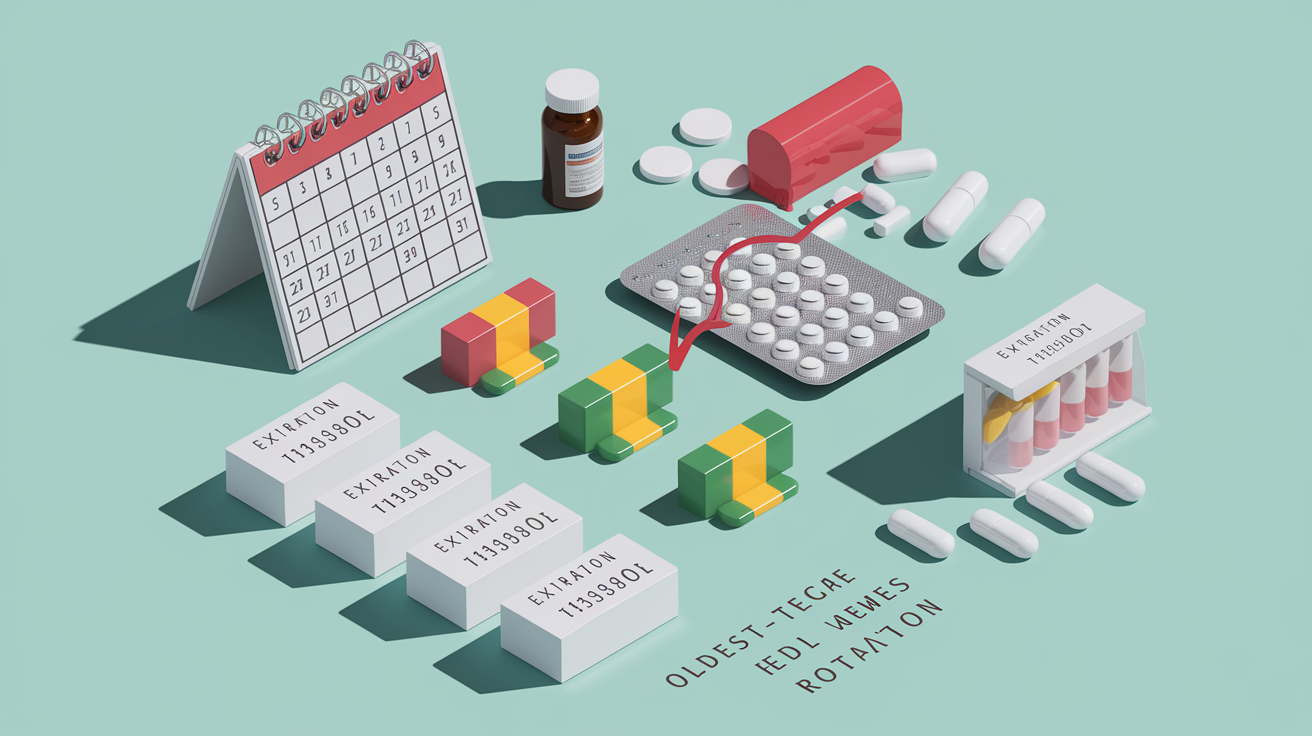
Check all expiration dates during six month reviews, scheduled in spring and fall to match daylight saving time changes.
Update inventory lists and documentation to reflect any changes in prescriptions, dosages, or household members.
Replace expired items by moving near expiration medications from your emergency kit into daily use and refilling the kit with fresh supplies.
Rotate stock to use oldest medications first in daily routines, keeping the freshest supplies in the emergency kit.
Document rotation dates on your inventory checklist so you know when the next review is due and what was replaced.
Update medication lists whenever prescriptions change, including new diagnoses, discontinued medications, or dosage adjustments.
Review and replace expired medications every six months. Mark these review dates on your calendar so you don’t forget. Expired medications may retain some potency, especially tablets and capsules stored in cool, dry conditions, but degradation varies by drug type. Liquid medications, insulin, and EpiPens lose effectiveness faster and must be replaced on schedule.
When medications approach expiration, move them from your emergency kit into daily use and refill the kit with newer supplies. This rotation minimizes waste while keeping your emergency stock fresh. If you take a medication daily, you naturally cycle through it. For medications you don’t use regularly, consider whether they still fit your household needs during the six month review. Families change, medical conditions resolve, and kids outgrow pediatric formulations, so your kit should evolve too.
Refill Strategies and Pharmacy Coordination for Emergency Stockpiling
Insurance refill rules typically allow refills when you’ve used 75 to 80 percent of your current supply. That means you can refill a 30 day prescription after 22 to 24 days. Use this timing window strategically by refilling exactly when you become eligible, even if you still have pills left. Over several months, this builds a small buffer.
Vacation override requests let you get early refills when you plan to travel. Call your insurance company and explain you’ll be away from your home pharmacy for 14 to 30 days. Most insurers approve one vacation override per year. Frame emergency preparedness conversations with prescribers around legitimate medical needs. Explain that you want backup supplies in case of natural disasters, pharmacy closures, or travel delays that could interrupt your medication access.
For medications not covered by insurance or when you need prescriptions for emergency only drugs like antibiotics, a nurse practitioner consultation provides an alternative. Telehealth platforms and urgent care clinics charge around $90 for consultations specifically focused on emergency kit prescriptions. These consultations assess your household risks and issue prescriptions for medications you might need during disasters but don’t currently take daily.
Stay one month ahead through organized pill box systems and calendar based refill scheduling. Fill a monthly pill organizer every time you refill your prescription. Once you establish this routine, you always have one month in the pill box and your full bottle becomes the emergency backup. Mark refill dates on your phone calendar with reminders three days before eligibility so you never miss a window. Talk with your pharmacist about automatic refill programs that notify you when medications are ready, reducing the mental load of tracking multiple prescriptions.
Special Population Medication Needs in Emergency Preparedness
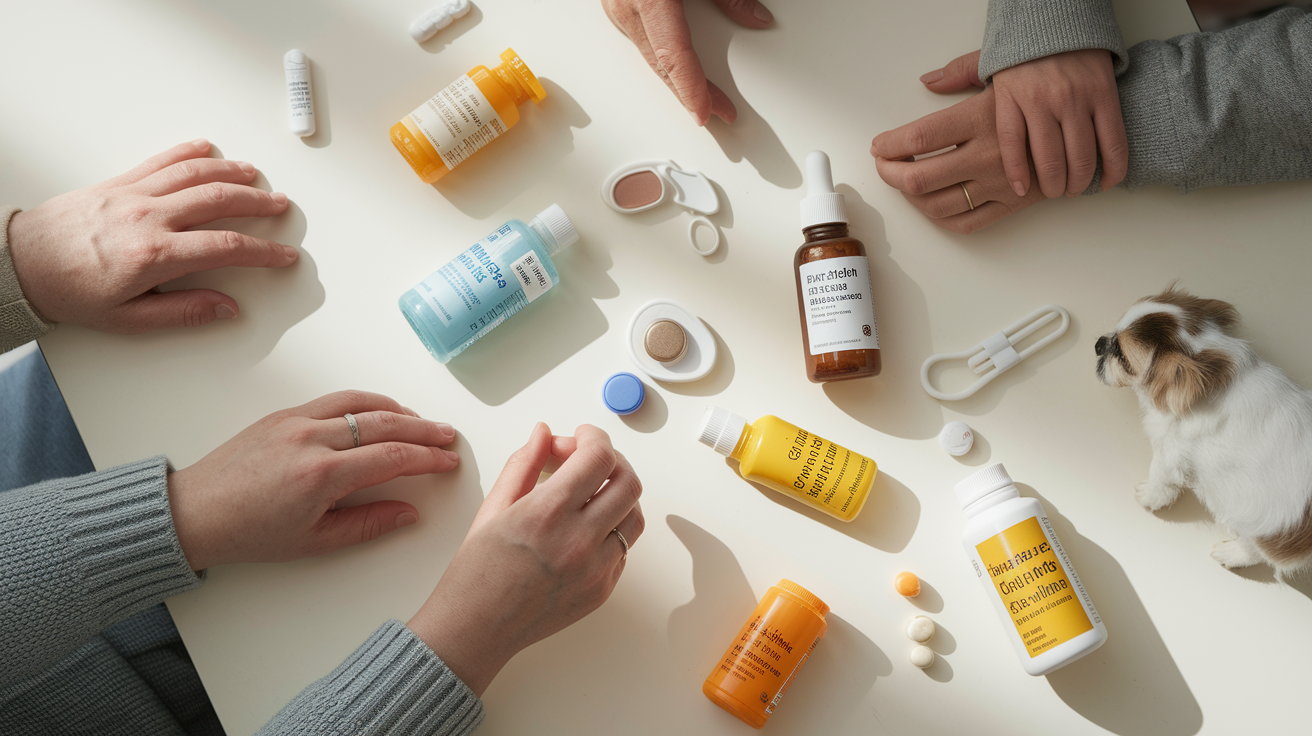
Infants, children, elderly adults, pregnant individuals, and pets require customized medication planning because standard adult supplies don’t work for everyone.
Pediatric Emergency Medication Considerations
Children need medications in appropriate dosage strengths based on weight and age. Stock infant and children’s formulations of acetaminophen and ibuprofen in liquid form with measuring syringes. Keep a current weight based dosing chart printed and stored with your medications because stress makes it hard to calculate doses accurately. Fever management becomes critical during power outages when you can’t reach urgent care.
Include any prescription medications your children take for chronic conditions like asthma, ADHD, seizures, or allergies. Pack rescue inhalers with spacer devices designed for children. If your infant uses formula, store at least a two week supply of powdered formula along with bottled water for mixing. Babies can’t wait for supplies to arrive, and formula shortages happen during disasters when supply chains break down.
Elderly Medication Management During Emergencies
Seniors often manage multiple chronic conditions requiring five or more daily medications. Medication interaction risks increase with each added drug. Organize medications clearly with large print labels showing name, dose, and timing. Consider cognitive factors that affect self administration during stressful situations. Pre fill pill organizers and include simple written instructions for caregivers or emergency responders who may need to help.
Include mobility aids and assistive devices like pill splitters, bottle openers, and magnifying glasses. Store backup supplies of incontinence products, hearing aid batteries, and denture adhesives because these medical necessities often get overlooked in emergency planning. Keep a current list of all medications including over the counter drugs, supplements, and vitamins because interactions matter even for non prescription items.
Pet Prescription Planning
Pets rely on you for their medications just like human family members. Common pet prescriptions include heartworm prevention, seizure medications like phenobarbital, thyroid medications, insulin for diabetic pets, and anxiety medications. Store at least a 14 day supply in your pet emergency kit.
Keep veterinarian contact information updated including regular vet, emergency vet, and out of area backup clinics that hold your pet’s medical records. Many boarding facilities and emergency shelters require proof of vaccination and current prescriptions before accepting animals. Photocopy vaccination records and prescription labels for your pet’s medications. Include dosage documentation with your pet’s weight and medication schedule because evacuating with animals often means explaining their medical needs to unfamiliar veterinarians or shelter staff.
Supporting Medical Supplies and Administration Tools for Medication Kits
Medications alone won’t help if you can’t administer them properly or monitor the conditions they treat. Include measurement tools, monitoring devices, and first aid supplies that turn your medication stockpile into a functional emergency kit.
Stock administration tools like medicine droppers and oral syringes for liquid medications, measuring cups or spoons with clear markings, and pill splitters for tablets that need to be divided. Include protective equipment like medical gloves and hand sanitizer for wound care or handling infectious situations when clean water is unavailable.
| Supply Category | Specific Items | Primary Use |
|---|---|---|
| Administration Tools | Medicine droppers, oral syringes, measuring cups, pill splitters, pill organizers | Accurate dosing and organized medication management |
| Monitoring Devices | Thermometer, blood glucose monitor with test strips, blood pressure cuff, pulse oximeter, peak flow meter | Track vital signs and chronic condition management |
| Wound Care | Bandages, gauze pads, medical tape, antiseptic solutions, hydrogen peroxide, alcohol wipes, antibiotic ointment | Clean and dress injuries when access to medical care is delayed |
| Protective Equipment | Medical gloves, face masks, hand sanitizer, eye protection | Infection control when treating injuries or illness |
| Measurement Tools | Scale for weighing medication doses, timer for tracking medication intervals | Precision dosing and scheduled administration |
| Diabetic Supplies | Lancets, alcohol wipes, glucose tablets, glucagon emergency kit, sharps container | Blood sugar monitoring and hypoglycemia treatment |
| Respiratory Equipment | Spacer devices for inhalers, nebulizer with backup power option, oxygen concentrator if prescribed | Effective medication delivery for asthma and COPD management |
| Documentation Materials | Waterproof notebook, pens, symptom tracker sheets, flashlight with batteries | Record symptoms, doses, and vital signs during extended emergencies |
Condition specific devices matter more than general supplies for households managing chronic illness. If someone in your home has diabetes, the blood glucose monitor with extra test strips, lancets, and backup batteries becomes more critical than a basic first aid kit. Asthmatics need spacer devices that improve inhaler effectiveness during attacks and peak flow meters to assess breathing capacity. COPD patients may need nebulizers with battery backup or manual operation options for power outages. For supplies that need waterproof protection during flood events, our guide at Flood Emergency Supplies covers storage strategies that keep medical equipment functional even in wet conditions.
Drug Interactions and Medication Safety During Emergency Situations

Drug interactions become higher risk during emergencies when you can’t reach a pharmacist for advice. Combining the wrong medications causes dangerous side effects, reduces effectiveness, or creates toxic reactions. Over the counter medications seem harmless, but they interact with prescription drugs in ways that can cause bleeding, blood pressure spikes, or heart rhythm problems.
Avoid multi symptom over the counter products unless you understand every active ingredient. A single cold and flu capsule might contain acetaminophen, a decongestant, an antihistamine, and a cough suppressant. If you also take acetaminophen separately for pain or a prescription antihistamine for allergies, you risk overdose from duplicate active ingredients. Read labels carefully and choose single ingredient products when possible.
Document known interactions and contraindications in your emergency medication list so anyone helping you during a crisis knows what to avoid. Include information about allergies, past adverse reactions, and drugs that shouldn’t be combined. Keep this list with your medications and update it every time a prescription changes.
Common dangerous interactions to document and avoid:
Blood thinners like warfarin combined with NSAIDs like ibuprofen or aspirin increase bleeding risk dramatically, especially dangerous during injuries or surgery.
Certain antibiotics, particularly fluoroquinolones and macrolides, interact with heart medications and can cause life threatening heart rhythm changes.
Antacids containing calcium, magnesium, or aluminum block absorption of many prescription medications including antibiotics, thyroid medications, and some blood pressure drugs when taken at the same time.
Alcohol containing cough syrups and cold medications interact with sedatives, anxiety medications, and certain antidepressants, causing excessive drowsiness or breathing problems.
Duplicate active ingredients in multiple products lead to accidental overdoses, such as taking acetaminophen for pain while also using a multi symptom cold medication that contains acetaminophen.
MAO inhibitor antidepressants combined with decongestants like pseudoephedrine can cause dangerous blood pressure spikes and must be avoided completely.
Timing conflicts between medications require spacing doses by specific hours, such as thyroid medications taken alone on an empty stomach two hours before other drugs.
Final Words
Your prescription medication list for emergency kit starts working the moment you write it down and gather the first supplies.
Don’t wait for perfect conditions or a complete stockpile. Start with what you have now—your current prescriptions, a waterproof bag, and a written list.
Build from there, one refill at a time.
When flooding or power outages hit, you won’t have time to figure out dosages or hunt for inhalers. You’ll just grab your kit and go.
That’s the whole point. Simple prep now means calm decisions later, when everything else feels chaotic.
FAQ
What medications should be in an emergency kit?
An emergency kit should contain both your prescription medications (like insulin, blood pressure medicine, inhalers, and thyroid medication) and essential over-the-counter medications (like pain relievers, antihistamines, anti-diarrhea medicine, and hydration salts). Stock a 7 to 14 day supply minimum for each medication.
What are the 20 emergency drugs lists?
The 20 emergency drugs typically include antibiotics like amoxicillin and azithromycin, antihistamines like diphenhydramine, pain relievers like ibuprofen and naproxen, anti-nausea medication like ondansetron, anti-diarrhea medicine like loperamide, albuterol inhalers, EpiPens, and your personal chronic condition medications like insulin, heart medications, and mental health prescriptions.
What drugs should be included in an ideal emergency kit?
An ideal emergency kit includes prescription medications for chronic conditions (diabetes, heart disease, asthma, thyroid disorders, mental health), over-the-counter medications (acetaminophen, ibuprofen, antihistamines, hydrocortisone cream), emergency medications (EpiPens, albuterol), antibiotics if available, anti-nausea medication, electrolyte tablets, and first-aid antiseptics.
What to stockpile for 72 hours?
For 72 hours, stockpile a three-day supply of all prescription medications with dosage instructions, over-the-counter pain relievers and antihistamines, any emergency medications like inhalers or EpiPens, first-aid supplies, bottled water for taking medications, and copies of prescriptions and medical documentation in waterproof bags.
How much medication supply should I keep in my emergency kit?
You should keep a 7 to 14 day supply minimum for each medication in your emergency kit, with 30 days being ideal for stationary home kits. Organize medications in pill boxes one month at a time to stay ahead of refills and enable quick access during emergencies.
How do I store medications properly in an emergency kit?
Store medications in waterproof containers or zip bags in a cool, dry location inside your home, avoiding cars where heat degrades medications quickly. Label each medication clearly with name, dosage, and expiration date. Keep refrigerated medications like insulin with coolers and ice packs ready.
How often should I rotate medications in my emergency kit?
You should review and rotate your emergency kit medications every six months to check expiration dates and replace expired items. Update your medication lists whenever prescriptions change and rotate stock to use oldest medications first in your daily routine to minimize waste.
What documentation should I include with emergency medications?
Include a complete medication list with dosages and schedules, photocopies of all prescription labels, insurance card copies, pharmacy and physician contact information, medical condition summaries, drug allergy documentation, and emergency contact lists. Keep multiple copies in waterproof bags in different locations.
How can I build an emergency medication supply with insurance limits?
You can build an emergency supply by requesting refills at 75 to 80 percent depletion, asking for vacation overrides when traveling, organizing medications in pill boxes to stay one month ahead, or consulting a nurse practitioner for around $90 to obtain emergency prescriptions outside regular insurance channels.
What special medication considerations exist for children and elderly?
Children need weight-based dosing charts, liquid formulations, fever management medications, and infant formula if applicable. Elderly individuals often require medications for multiple chronic conditions, large-print labels, cognitive support for self-administration, and careful interaction monitoring due to complex medication regimens.
Do I need special supplies beyond just medications?
Yes, you need administration tools like medicine droppers and measuring cups, monitoring devices like thermometers and blood glucose meters, first-aid supplies like bandages and antiseptics, sharps containers for injectables, flashlights with batteries, and condition-specific equipment like nebulizers or peak flow meters.
Can I include pet medications in my emergency kit?
Yes, include your pet’s prescription medications like heartworm preventatives, seizure medications, thyroid pills, and anxiety medications along with veterinarian contact information and dosage documentation. Treat pet medications with the same rotation and storage care as human prescriptions.