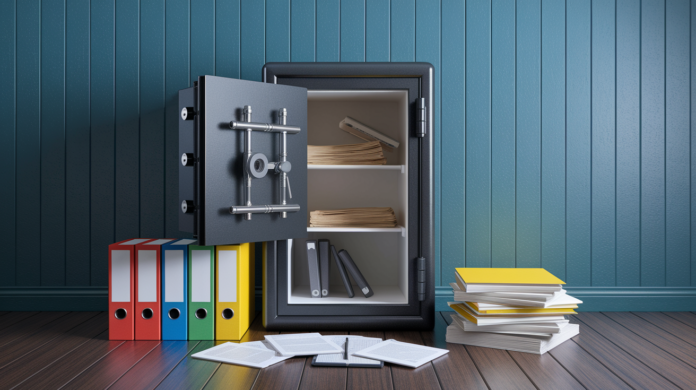

You keep originals in a safe deposit box and copies at home, right? Wrong. When flooding or fire hits, banks close and you can’t get those originals when the insurance adjuster shows up the next morning. Waterproof document storage keeps your birth certificates, insurance policies, and property deeds accessible during the exact moments you need them most. In this guide, you’ll see what products actually protect papers during floods and fires, which size fits your family’s documents without overpaying, and how to organize everything so you can grab what matters in under two minutes.
Top Waterproof Document Storage Products and Buying Recommendations
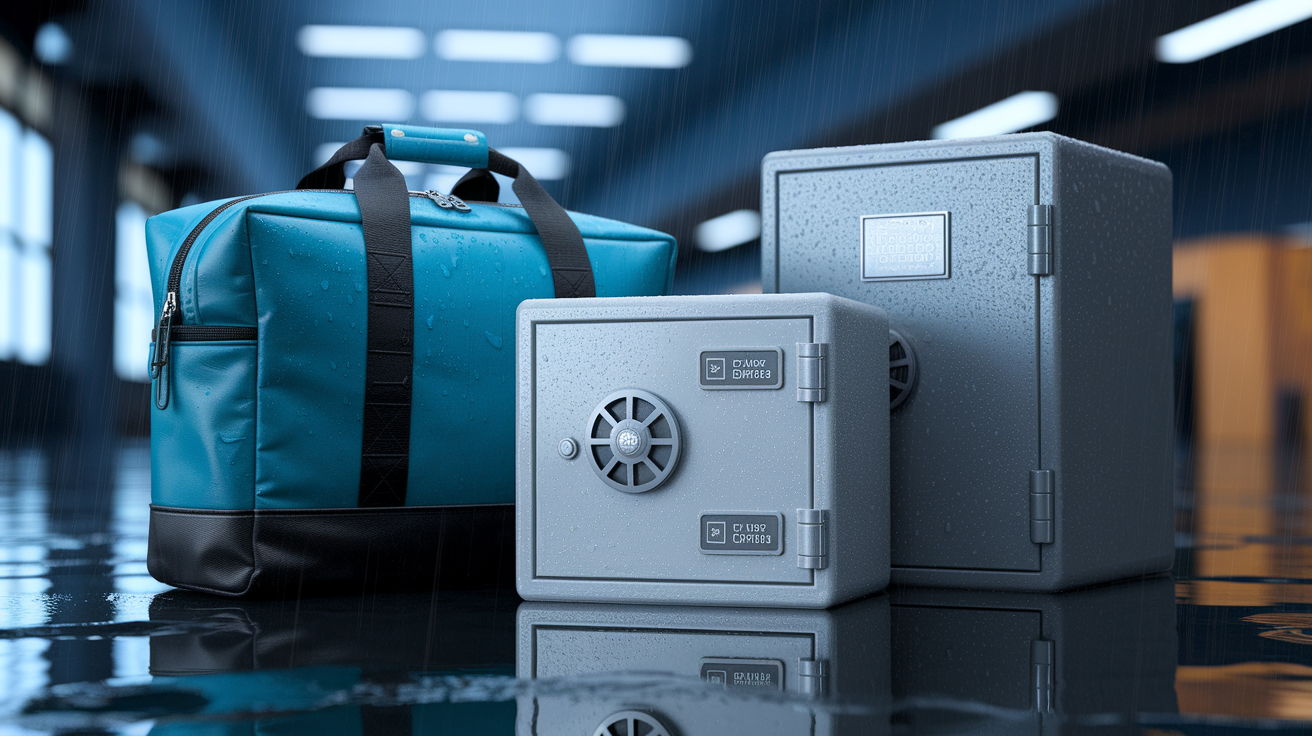
Waterproof document storage breaks down into three main types, each built for different emergency situations. Document bags work when you need to grab papers and run. Portable safes give you better protection with some ability to move them if you’ve got time and help. File folder safes stay put and hold the most documents, built for families with years of records to protect.
| Product Name | Protection Rating | Capacity | Weight | Price Range | Where to Buy |
|---|---|---|---|---|---|
| DocSafe Document Bag | 2000°F fire rating | 10x14x4 inches, letter-size documents | 1.2 pounds | $25-40 | Amazon |
| Boeciog Fireproof Bag | 2000°F fire rating | 11×15 inches | 11.3 ounces | $20-35 | Amazon, Walmart |
| BuilTuff Duffel | 2000°F fire rating | 2 cubic feet with exterior pockets | 2.6 pounds | $35-50 | Amazon |
| Union Safe Portable | 30 min at 1,550°F | Letter-size interior | 28 pounds | $50-75 | Harbor Freight exclusive |
| Honeywell 1114 Portable Safe | 60 min at 1,700°F | 0.39 cubic feet | 42 pounds | $75-100 | Walmart, Target, Amazon |
| Honeywell 1108 File Safe | 60 min at 1,700°F | 1+ cubic feet, hanging folder capacity | 84 pounds | $150-250 | Major retailers, Amazon |
Document bags under 3 pounds fit inside evacuation backpacks. You can carry them with one hand while managing kids or pets. They protect against sprinklers, fire hoses, rain, and brief heat exposure, but you’ll need to grab them and go. Portable safes in the 25 to 45 pound range offer stronger protection. You can move them with a second person helping or slide them across floors during an evacuation if roads are still clear. File safes over 80 pounds stay in one spot, built for households with medical records, tax returns going back seven years, property titles, and files for multiple family members.
Watch for rollback sales at Walmart where safes drop $20 to $40 below regular prices, usually during back to school season and January. Compare prices across retailers before buying since the same Honeywell model might cost $85 at one store and $110 at another. Make sure shipping is free or flat rate. Actual shipping costs on a 42 pound safe can hit $35. Harbor Freight sells the Union Safe exclusively, so you won’t find it at other stores, but their frequent 20% off coupons work on it.
Protection Certifications and Performance Standards for Document Storage
Independent testing organizations UL and Intertek verify whether safes and bags actually protect documents during fires and floods. These labs run furnaces, drop safes from three stories, and measure internal temperatures while the outside burns. Manufacturer claims without third party certification mean the company tested its own product, which matters less when your birth certificates are inside.
UL and Intertek ETL marks show up on certified products as small labels, usually near the locking mechanism or stamped into metal. Look for those marks before buying. If a product just says “fireproof” without naming who tested it, assume it hasn’t been independently verified.
| Protection Type | Standard Rating | Premium Rating | What It Means |
|---|---|---|---|
| Fire Resistance | 30 min at 1,550°F | 60 min at 1,700°F | Safe placed in furnace at temperature, then dropped three stories, then back in furnace |
| Water Submersion | 24 hours | 100 hours | Manufacturer claim, not verified by UL or Intertek in most cases |
| Internal Temperature Limits | Under 350°F for paper | Under 125°F for digital media | What stays protected inside while exterior burns at rated temperature |
Testing puts safes in a furnace at the rated temperature, bakes them for the rated duration, yanks them out and drops them three stories onto concrete, then puts them back in the furnace. Internal temperatures have to stay under 350°F the whole time or paper documents char. Flash drives and DVDs fail at 125°F. That’s why you need a safe rated for media protection if you’re storing digital backups inside.
House fires reach 2,000°F at ceiling level but stay cooler near floors where you store safes. Most residential fires burn for 60 to 75 minutes if firefighters don’t get water on them fast. A 30 minute rating gives you protection during the first half of a typical fire. A 60 minute rating covers most scenarios.
Fireproof waterproof bags have limits. They work against heat exposure, sprinkler water, fire hoses, and temporary flooding from broken pipes or storm surge pushing through a door. They don’t survive sitting in direct flames for an hour or getting buried underwater for days. The protection buys you time and shields against the most common document threats, not worst case scenarios where your whole house burns to the foundation.
Selecting the Right Size and Capacity for Document Storage Needs
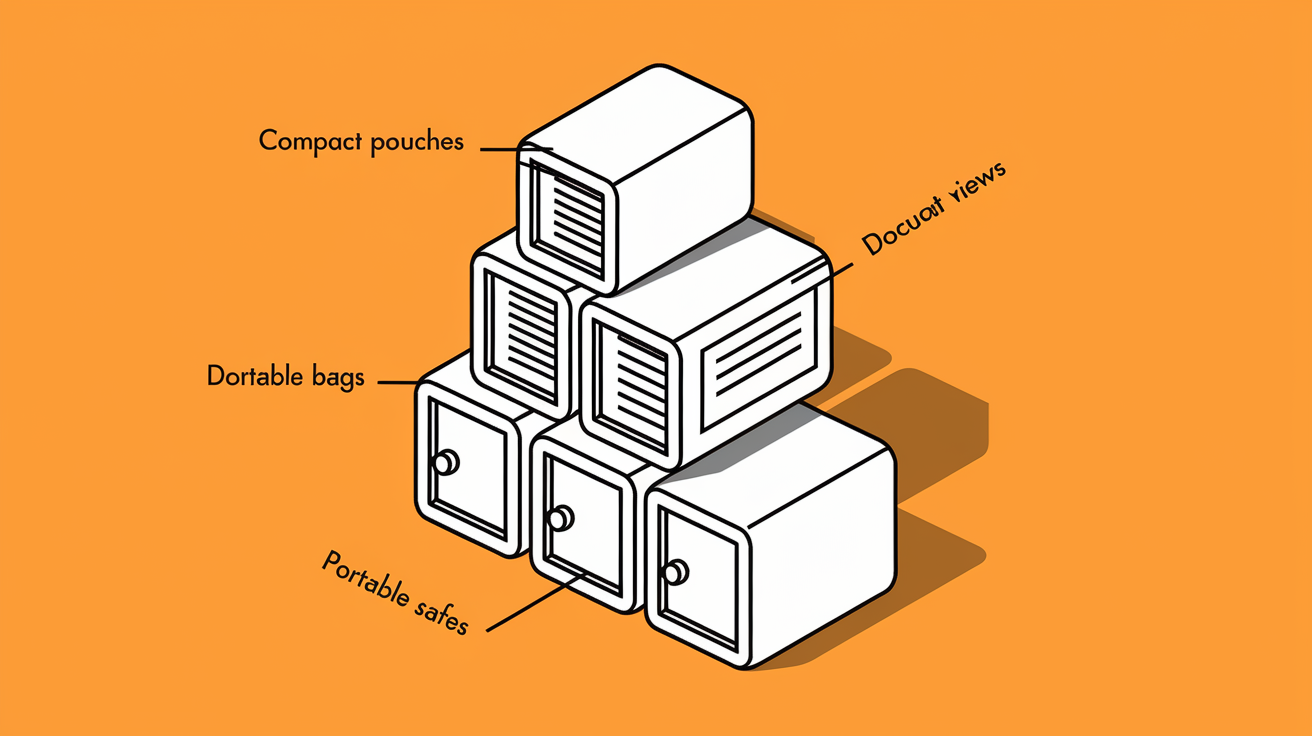
Choosing storage size means balancing three things that push against each other. Bigger containers hold more documents. Heavier containers protect better but you can’t carry them during an evacuation. Lighter portable options go in a backpack but only fit essential papers.
| Size Category | Typical Dimensions | Weight Range | Best For |
|---|---|---|---|
| Compact Pouches | Up to 11×15 inches | Under 1 pound | Single persons or minimal documents like passports, IDs, insurance cards |
| Document Bags | 10-15 inches wide | 1-3 pounds | Small families and evacuation kits, holds birth certificates, medical records, recent tax returns |
| Portable Safes | Interior 12-15 inches | 25-45 pounds | Stationary home storage with some portability if you have help moving it |
| File Folder Safes | Interior over 15 inches | 80+ pounds | Large families or extensive record keeping with hanging folders |
Paper comes in three common sizes and your storage needs to fit them without folding. Letter size measures 8.5 by 11 inches and covers most U.S. documents. Legal size runs 8.5 by 14 inches for contracts and some government forms. A4 size measures 8.3 by 11.7 inches, used internationally. Check interior dimensions before buying. Some safes marketed for documents only fit letter paper if you fold it.
Critical documents stay pretty static unless you’re adding kids to the family or buying property. You probably won’t double your birth certificates and passports next year. Match capacity to what you have now plus a small buffer for a few years of tax returns and medical records. A couple with no kids can usually fit everything important in a 1 to 2 pound document bag. A family of four with seven years of tax files, vaccination records for multiple children, and property titles needs a file folder safe with hanging organizers.
Critical Documents and Organizing for Emergency Access
Sort documents by how fast you need them and how hard they are to replace. Some papers you grab every few months for doctor visits or school registration. Others sit untouched for years until a crisis hits.
Essential documents to protect:
Birth certificates and vital records for every family member. Passports and travel documents. Social security cards. Insurance policies covering homeowner’s, life, auto, and health. Property deeds and titles for house, land, vehicles. Wills and power of attorney documents. Medical records and vaccination cards. Tax returns and financial records for 3 to 7 years based on IRS guidelines. Marriage certificates and divorce decrees. Military discharge papers. Vehicle titles and registration. Emergency contact lists with account numbers, customer service numbers, and login information.
Birth certificate replacements cost about $20 each and take two to six weeks to arrive by mail. If you’re divorced with shared custody, keep copies at both homes so kids can register for sports or get medical care without waiting on the other parent to find papers. Social security cards take longer to replace and require an in person visit to a Social Security office in many cases.
The IRS says keep tax returns for three years from the filing date or two years from when you paid the tax, whichever comes later. Stretch that to seven years if you claimed losses from worthless securities or bad debt deductions. Most households can toss returns older than seven years unless you’re in an audit or legal situation.
Create a password protected document listing account numbers, customer service phone numbers, website addresses, usernames, and passwords for banks, insurance, utilities, and credit cards. Print it and update the printout every six months. Store the printed version in your waterproof container and keep the digital file backed up in cloud storage with strong encryption.
Steps for organizing documents:
Gather all documents needing protection from drawers, filing cabinets, and desk piles scattered through the house. Group by category like personal IDs, financial records, medical files, property documents, insurance policies, and legal papers. Use color coded folders or subdividers for visual sorting, such as red folders for insurance split into life insurance, automobile insurance, and homeowner’s insurance, and blue folders for financial records. Place frequently accessed items like shot records and birth certificates near the top or in exterior pockets you can reach without unpacking everything. Add clear labels visible without opening containers so you know what’s inside during a grab and go evacuation. Create an inventory checklist kept separately listing what’s stored and where, updated when you add or remove documents.
Plastic sleeves protect individual documents from moisture that seeps past zippers during flooding. Vacuum sealed pouches add another barrier for papers you rarely touch, like original marriage certificates or military discharge records. Desiccant packets absorb humidity inside closed containers. Most safes include them, but you need to replace them every few months.
Document bags with rigid frames and integrated organizers for cards, passports, and small papers protect better than soft pouches that let contents shift and bend. The rigid shape keeps a passport from getting crushed under a tax return binder. Built in card slots mean you’re not hunting for your insurance card at the bottom of a pile during an emergency room visit.
Where to Position and Store Waterproof Document Containers

Keep document storage on your home’s main level where you can grab it fast during an evacuation. Basements flood first when water comes through a foundation crack or a sump pump fails. Upper floors trap you if floodwater rises past the staircase.
Position storage near a primary exit so you walk past it on your way out the door. If your family evacuation route goes through the garage, store documents in a hall closet between bedrooms and the garage door. If you leave through a front door, find a spot in an entry closet or living room cabinet.
Considerations for document storage location:
Avoid basements and lowest floors during flood season or if you live in a flood zone. Keep storage near primary exit routes you’d use during a fire or flood evacuation. Position low to the ground where temperatures stay cooler during fires and you can reach it without climbing. Make sure the location is accessible to family members who might need documents, like a spouse grabbing medical records for an emergency room visit. Consider concealment to reduce theft risk, such as inside a closet rather than visible in an entryway. Leave space around the container for regular maintenance and airing to prevent moisture damage. Keep storage in a climate controlled part of your home, not in a garage or shed where temperature swings cause condensation.
Weight matters during evacuations. A 28 pound safe takes two hands and some effort to carry to a car. An 84 pound file safe needs two people and a clear path. A 1.2 pound document bag goes over your shoulder while you’re carrying a kid or a pet carrier in your other arm. Think through your realistic evacuation scenario, including who’s home during a weekday and whether you’d have help moving a heavy safe.
Concealment slows down thieves but don’t hide documents so well that you forget where they are during a crisis. Inside a bedroom closet behind winter coats works better than buried in a basement storage room behind holiday decorations. You want quick access, not a treasure hunt.
Redundancy protects against the scenario where your one fireproof safe fails or you can’t reach it. Store smaller document bags inside larger fireproof safes so you have grab and go options even when you own stationary storage. Keep digital backup copies in cloud storage behind strong passwords and two factor authentication. Maintain offsite physical copies of the most critical irreplaceable documents with a trusted family member who lives outside your immediate flood zone or in a safe deposit box at a bank branch across town. Check out Flood Evacuation Planning for more details on positioning supplies and documents for fast access when water’s rising and minutes count.
Digital Backup, Maintenance, and Long Term Document Protection
Physical waterproof storage protects paper, but paper can still burn or get soaked if protection fails. Digital copies give you a second chance. The “two is one, one is none” rule means if you only have one copy of a birth certificate or insurance policy, you actually have zero reliable copies when that one fails.
Steps for a complete digital backup strategy:
Scan all critical documents to high resolution PDFs, at least 300 DPI so text stays readable when you print replacement copies. Store digital copies on encrypted USB flash drives kept inside your waterproof storage, but know that digital media fails at 125°F while paper survives to 350°F. Upload encrypted copies to cloud storage services with strong passwords and two factor authentication turned on. Keep an external hard drive backup at an offsite location like a trusted family member’s home or a safe deposit box at a bank. Create a password protected spreadsheet listing all accounts, emergency contacts, policy numbers, and login credentials. Update digital copies every six months or after major life events like buying a house, having a kid, or changing insurance.
Storing a document bag inside a larger fireproof safe doubles your protection. The bag shields against water if the safe’s seal fails. The safe adds fire resistance beyond what the bag provides alone. You can grab the lightweight bag during an evacuation and leave the heavy safe behind, knowing your most critical documents are in your hands.
Regular Maintenance Schedule
Waterproof containers trap moisture inside because the same seals that keep water out also keep humidity in. Over time, condensation builds up and creates mold on paper or makes ink run. Silica gel packets absorb some moisture but they saturate after a few months.
First Alert recommends opening your safe for 20 minutes every two weeks to let moisture escape. SentrySafe suggests a similar schedule. Honeywell says air out containers for 30 minutes weekly. Set a recurring phone calendar reminder so you don’t forget. Three months of sealed storage can damage documents even when they never touched water.
Maintenance Tasks Checklist
Regular checks catch problems before they wreck your documents:
Air out containers every 1 to 2 weeks to release trapped moisture into your home’s normal air circulation. Inspect and replace desiccant packets every 3 to 6 months, when they change color from blue to pink or feel heavy with absorbed water. Check seals and zippers for wear or damage, especially after you’ve moved the container or it’s been stored more than a year. Verify locks and latches function properly and you remember the combination or know where keys are stored. Wipe down interior surfaces if you see condensation or water droplets forming on walls or lid. Rotate documents during maintenance checks, moving frequently accessed items to the top so you’re not digging through everything. Set phone calendar reminders for recurring maintenance with alerts that actually get your attention. Store extra sensitive items like photos, stamps, or documents with water soluble ink in individual airtight containers inside the main storage.
Keep document storage in a climate controlled room rather than a garage or shed where temperature swings cause condensation. A bedroom closet or living room cabinet works better than an uninsulated space that hits 90°F in summer and 40°F in winter.
Integration of Document Storage into Comprehensive Emergency Kits
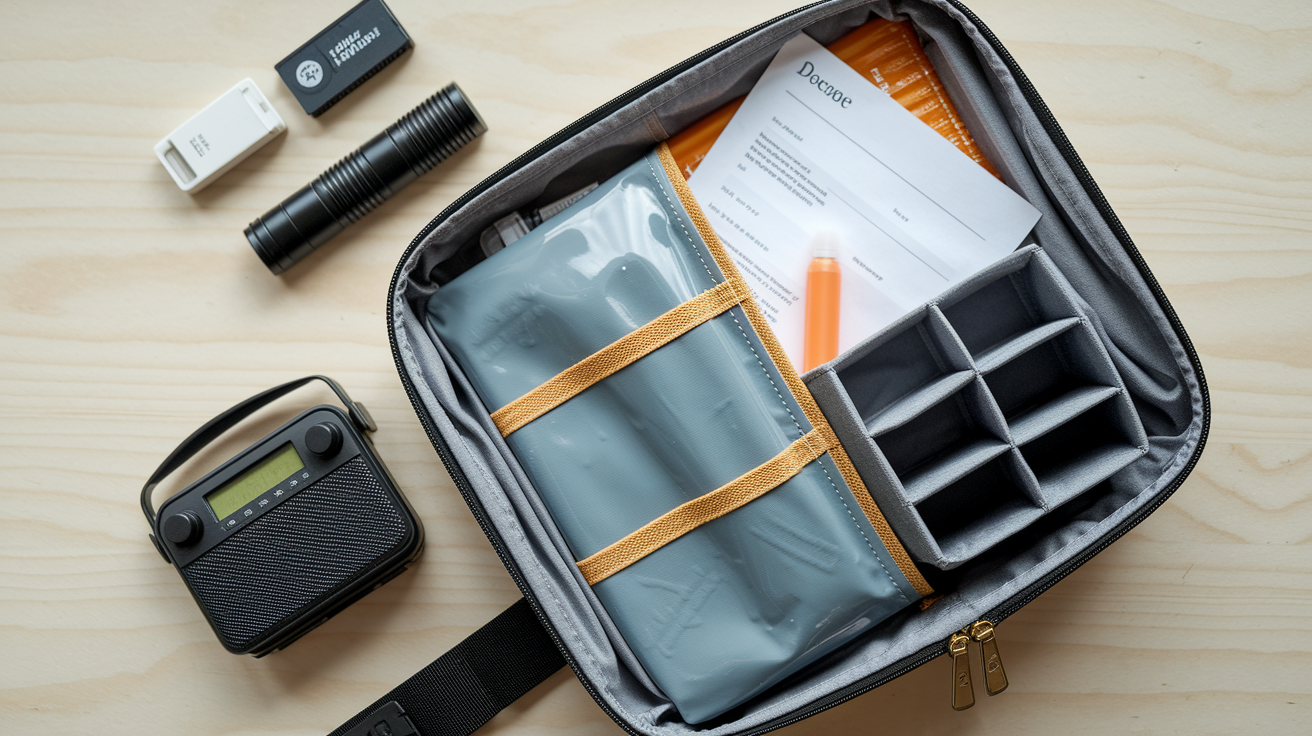
Document protection fits as one piece of a complete disaster preparedness plan that includes food, water, first aid supplies, flashlights, and communication tools. Your documents don’t help much if you’re evacuating without medications, phone chargers, or three days of drinking water.
Steps to integrate document storage with broader emergency preparedness:
Review your overall emergency kit needs alongside document protection, using a checklist that covers water, food, medical supplies, tools, and communication gear. Select document storage sized to fit inside your bug out bag or sit next to your evacuation kit rather than buying storage that’s too big to move with other supplies. Match document storage type to other waterproof containers protecting emergency supplies, so you’re not mixing certified fireproof bags with cheap plastic bins that fail in the same crisis. Run practice evacuation drills that include grabbing your document storage along with go bags, making sure everyone knows where it’s kept and who carries it. Update documents during regular emergency kit maintenance cycles, like when you rotate expired food, check batteries, or refresh medications every six months.
Home survival kits built for sheltering in place can use larger file folder safes since you’re not carrying them anywhere. Bug out bags designed for evacuation need lightweight document bags under 3 pounds that fit in a backpack outer pocket. Get home bags kept at work or in your car hold compact pouches for IDs, insurance cards, and emergency contacts. INCH bags (I’m Never Coming Home) prepared for extended displacement need mid sized document bags that balance protection with portability when you’re living out of the bag for weeks.
A single person evacuating on foot carries different gear than a family of four loading an SUV. Size your document storage to match realistic scenarios where you’re the one doing the carrying, possibly while managing kids or helping an elderly parent move.
Larger document duffels with exterior pockets serve double duty, holding vital records in interior compartments and other emergency supplies requiring fire and water protection in outside pockets. The BuilTuff Duffel’s 2 cubic feet of space and exterior pockets let you pack documents, a change of clothes, basic toiletries, medications, and a first aid kit in one container with a shoulder strap for hands free carrying. For a broader look at what belongs in a complete emergency kit and how document storage fits the bigger picture, check out Emergency Kit Essentials.
DIY and Budget Friendly Alternatives for Document Protection
Certified fireproof waterproof storage costs a minimum of $50 for a basic safe and $20 for a simple document bag. Those prices put protection out of reach for households managing tight budgets, but imperfect protection beats none when floodwater’s rising or smoke’s filling rooms.
Budget alternatives for document protection:
Heavy duty freezer bags with multiple layers create temporary water resistance for a few dollars, enough to protect documents during a car evacuation or brief rain exposure. Vacuum seal bags remove air and create airtight protection against moisture for under $10, though they offer no fire resistance and puncture easily. Plastic sleeves inside waterproof dry bags meant for kayaking or camping cost $15 to $25 and keep documents dry during flooding, available at outdoor recreation stores. Waterproof phone pouches designed for swimming hold passports, insurance cards, and folded documents for $8 to $12 at sporting goods stores. Food grade plastic buckets with gasket lids plus plastic sleeves inside cost under $10 at hardware stores and resist water but not fire. Basic waterproof document pouches without fire rating start around $15 to $20 and protect against sprinklers, rain, and temporary flooding.
DIY methods have real limits. Freezer bags and vacuum seal pouches provide zero fire protection and limited submersion protection, maybe 30 minutes in a few inches of water before seals fail. Dry bags work great for kayaking but they haven’t been tested against house fire temperatures or fire hose pressure. None of the budget options carry independent certification from testing labs.
The Union Safe sold exclusively at Harbor Freight costs about $50 and carries UL certification for 30 minutes at 1,550°F plus manufacturer waterproof claims for 24 hours of submersion. That $50 buys verified protection that DIY solutions can’t match. Start there instead of relying on freezer bags and hoping for the best. If $50 is still too much right now, use heavy duty freezer bags as a temporary solution and put aside $10 a month until you can afford certified storage. Upgrade to premium protection like the Honeywell 1114 later when your budget allows, then move the Union Safe to a secondary location or give it to a family member who needs document protection. Imperfect steps forward still move you toward safety. Something waterproof protecting your birth certificates beats leaving them in a desk drawer where the first pipe leak ruins everything.
Final Words
Your important papers need protection that works when seconds count.
Start by picking one certified safe or document bag that fits your space and budget. Get your birth certificates, insurance papers, and IDs into plastic sleeves this weekend. Set a phone reminder to air out your container every two weeks so moisture doesn’t ruin what fire and water couldn’t touch.
Waterproof document storage for emergencies works best when you combine it with digital backups and offsite copies. You don’t need to buy everything at once.
Grab what you can afford now, organize what you have today, and add to your protection over time. When flooding hits your neighborhood or fire threatens your block, you’ll have one less thing to panic about. That’s worth every minute you spent getting ready.
FAQ
What is the best fireproof and waterproof document box for home use?
The best fireproof and waterproof document box for home use depends on your needs. For portability, the Honeywell 1114 offers 60 minutes at 1,700°F protection with 0.39 cubic feet capacity at $75-100. For budget protection, the Union Safe provides 30 minutes at 1,550°F for approximately $50 at Harbor Freight.
Do fireproof document bags really work?
Fireproof document bags really work for heat exposure, sprinkler water, and temporary flooding, but have limits. Most bags rated at 2000°F protect against indirect flame and radiant heat, not direct fire contact. They handle short submersion (24 hours under 1 meter) but aren’t designed for deep water.
How to protect documents from water?
To protect documents from water, store them in certified waterproof containers with proper seals. Place individual documents in plastic sleeves, use vacuum-sealed pouches for extra moisture protection, add desiccant packets to prevent humidity damage, and keep containers on main level away from basement flooding risk.
How to protect documents from moisture in a safe?
To protect documents from moisture in a safe, air out the container every 1-2 weeks for 20-30 minutes to release trapped moisture. Replace desiccant packets every 3-6 months, store extra-sensitive items in individual airtight containers inside the safe, and maintain climate-controlled environment around storage location.