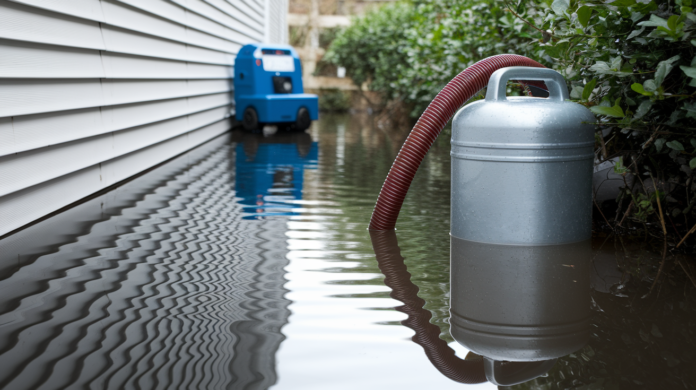

You think you can walk into a flooded home with a mop and some paper towels and fix it? Wrong. Flood cleanup demands specific equipment in a specific order, or you’ll end up with mold in the walls and structural damage you can’t see until it’s too late. Without the right tools, water extraction, drying, disinfecting, and damage assessment, you’re setting yourself up for months of problems that could’ve been prevented in the first few days. This guide breaks down every tool you actually need, organized by cleanup phase, so you can work fast, stay safe, and avoid the mistakes that turn a bad flood into a disaster.
Critical Equipment Categories for Flood Cleanup Success
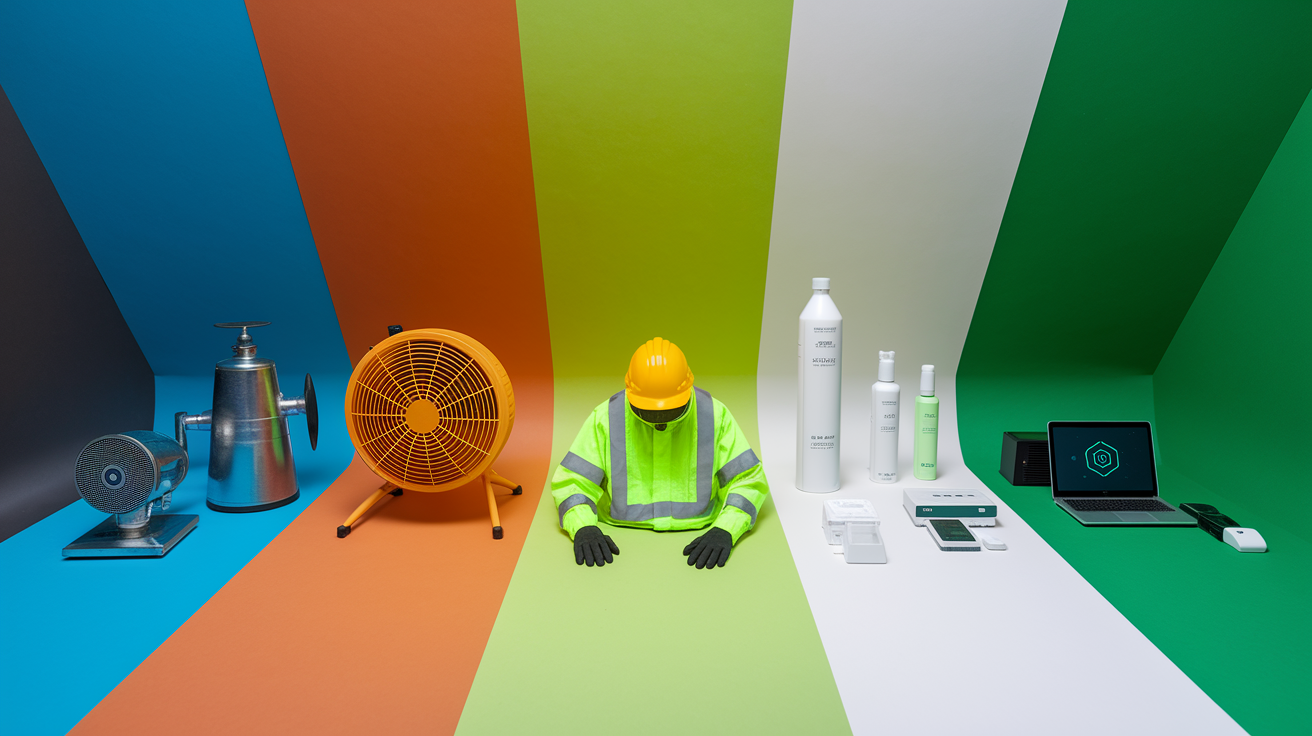
Flood cleanup needs systematic equipment across five phases: water extraction, drying, personal protective gear, cleaning supplies, and damage assessment tools. You can’t skip around or grab random stuff and hope it works out. Each category does something specific in the timeline from “water everywhere” to “safe to rebuild.” Professional crews and DIY homeowners follow the same sequence because it’s the only path that prevents secondary damage and problems that show up months later.
Safety equipment protects you from contaminated floodwater that’s carrying sewage, chemicals, and stuff you don’t want anywhere near your body. Secure it before cleanup begins. Don’t touch floodwater without proper gear. Not even for a quick grab of something you left behind.
| Equipment Category | Primary Purpose | Critical Tools |
|---|---|---|
| Water Extraction | Remove standing water from floors, basements, and crawl spaces | Submersible pumps, wet/dry vacuums, sump pumps |
| Drying/Moisture Control | Eliminate hidden moisture to prevent mold and structural damage | Dehumidifiers, air movers, industrial fans |
| Personal Protective Equipment | Protect against contaminated water, mold spores, and physical hazards | N95 respirators, waterproof boots, chemical-resistant gloves, safety goggles |
| Sanitization Supplies | Disinfect all surfaces that contacted floodwater | Bleach solutions, hydrogen peroxide, scrub brushes, mops, squeegees |
| Mold Prevention | Stop mold growth and remove existing contamination | HEPA vacuums, antimicrobial coatings, mold removers |
| Assessment Instruments | Verify complete drying and document damage for insurance | Moisture meters, thermal imaging cameras, hygrometers |
| Structural Repair | Remove damaged materials and prepare for reconstruction | Pry bars, drywall saws, utility knives, hammers |
| Debris Disposal | Safely contain and remove waterlogged materials | Heavy-duty trash bags, wheelbarrows, tarps, storage containers |
Water Removal Tools and Pumping Equipment
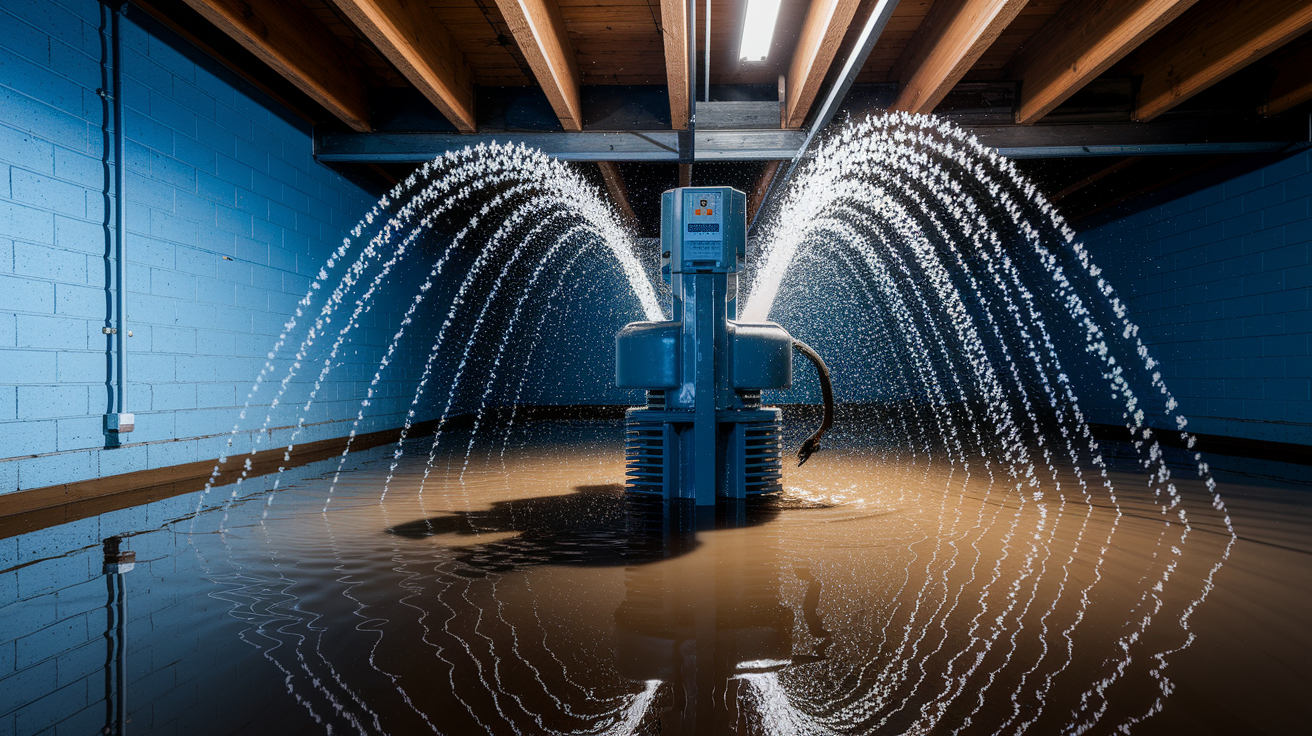
Water removal is the first step and needs different tools based on depth and volume. A basement with six inches calls for a different approach than a crawl space with two feet of standing water. Match the tool to the job or you’ll waste hours.
Submersible pumps have robust motors, automatic float switches, durable casing, and they run hands-free for deep standing water. The float switch means you drop the pump in a flooded basement, plug it in, and walk away while it does the work. These things move serious volume, some handling thousands of gallons per hour. Look for models with screened intakes that won’t clog from debris and adjustable discharge heights so you can pump water far enough from your foundation.
Wet/dry vacuums handle what’s left after the bulk water’s gone. They work under cabinets, behind appliances, inside closets. Two tools in one, sucking up liquids and solids like mud, small debris, and that gritty sediment floodwater leaves everywhere. Shop-Vac, Craftsman, and Ridgid make models rated for water extraction. Tank capacity matters because larger tanks mean fewer dump trips when you’re already exhausted.
| Tool Type | Best For | Key Features |
|---|---|---|
| Submersible Pump | Deep standing water in basements and crawl spaces | Automatic float switch, high gallon-per-hour capacity, screened intake |
| Wet/Dry Vacuum | Residual moisture, hard-to-reach spaces, mixed debris | Handles liquids and solids, large tank capacity, powerful suction |
| Sump Pump | Basement flooding prevention and continuous drainage | Automatic operation, battery backup option, long-term installation |
| Extraction Equipment | Professional-grade rapid removal for large areas | Truck-mounted systems, automatic shut-off, adjustable suction power |
Sump pumps work automatically for basement flooding prevention. Professional rental companies stock high-capacity extraction equipment with automatic shut-off for severe flooding. If you’re in a flood-prone area, a permanently installed sump pump with battery backup is worth the money because it works when the power goes out.
Personal Protective Equipment for Safe Flood Cleanup
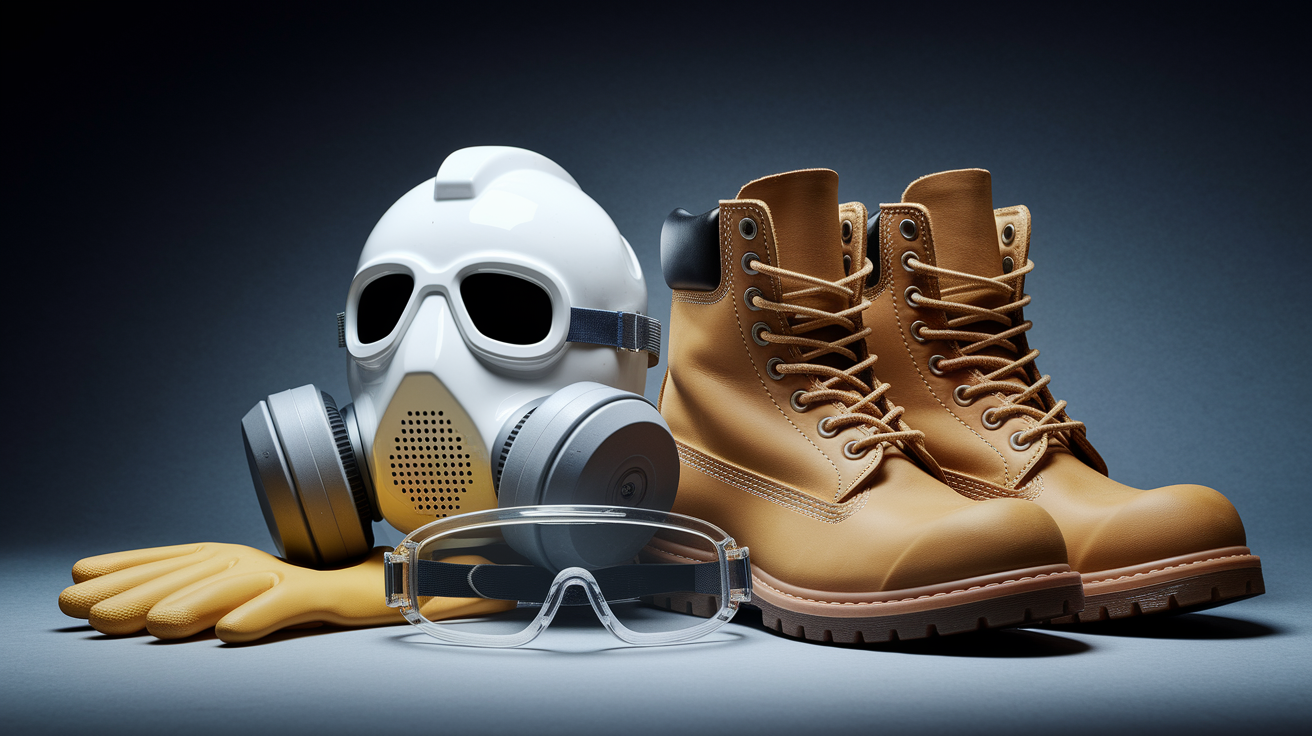
Floodwater contains sewage, chemicals, bacteria, and stuff you don’t want on your skin or in your lungs. PPE isn’t optional. It’s your first purchase before you step into any contaminated area. People skip this because they want to rush in and start saving belongings, but you can’t help anyone if you end up sick or injured.
Three main threats: contaminated water carrying disease, electrical hazards from submerged outlets and appliances, and sharp debris hiding under murky water.
Each piece of PPE blocks a specific threat. Together they create a barrier between you and everything floodwater drags into your home:
N95 respirators filter mold spores and airborne contaminants that regular dust masks let through. Critical once drying begins and spores go airborne.
Chemical-resistant rubber gloves protect your hands from sewage, harsh cleaning chemicals, and contaminated surfaces during every cleanup phase.
Waterproof boots with puncture-resistant soles prevent sharp debris injuries and keep contaminated water away from your feet and lower legs.
Safety goggles or face shields block splashes of contaminated water from reaching your eyes during extraction and pressure washing.
Protective coveralls or waterproof clothing create a full-body barrier, especially important in heavily contaminated areas or during mold work.
Hard hats protect your head if there’s structural damage like sagging ceilings, loose fixtures, or unstable walls.
Buy this gear first. Before anything else. Store it where you can grab it fast because floodwater doesn’t wait for delivery.
Drying Equipment: Dehumidifiers and Air Circulation Tools
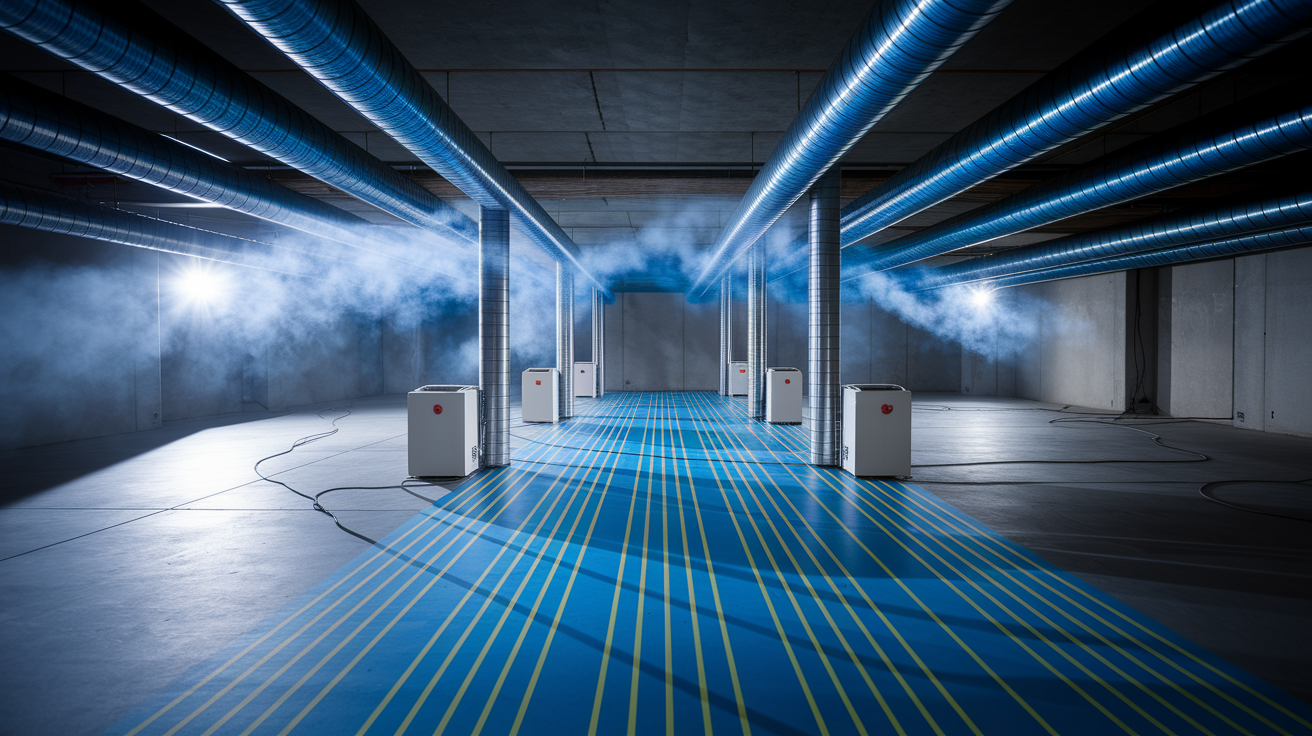
Removing standing water is just step one. Drying equipment prevents mold growth and secondary damage to walls, floors, and anything you’re hoping to salvage. Wet drywall looks fine until mold shows up three days later, then you’re tearing out walls you thought you saved. Air movers can cut drying time from weeks to days when you position them right and run them nonstop.
Dehumidifier Types and Sizing
Portable dehumidifiers work for single rooms or small areas. Industrial models handle entire basements or multiple connected spaces. Size the dehumidifier to the affected area or it’ll run constantly without making progress. Many units include built-in humidistats that measure moisture levels and adjust automatically, shutting off when target humidity’s reached and restarting when moisture creeps back up. Run them continuously for several days, especially in closed spaces like basements where moisture has nowhere else to go. Empty the collection tank regularly or connect a drain hose if the model supports it so the unit doesn’t shut off when the tank fills overnight.
Air Mover Placement and Techniques
Four air mover types exist for different situations. Axial fans work best for large open areas like living rooms and move massive amounts of air across wide spaces. Centrifugal fans fit confined spaces like closets and bathrooms where you need focused airflow in tight quarters. Stackable models save floor space when you need multiple units running in a small area. High-pressure air movers deliver concentrated drying power to specific wet spots.
Position air movers in a cross-flow pattern with one fan facing the wet area and another in the opposite direction. This creates circulation that keeps air moving instead of just blowing moisture around. Place air movers a few inches off the ground to improve airflow underneath and target soaked surfaces like carpets and wooden floors where moisture hides. Angle some fans toward walls if the drywall got wet. Point others at furniture if you’re trying to save upholstered pieces. Move them around every few hours to hit different angles and reach moisture pockets you missed.
Complete Cleaning, Sanitization, and Surface Tool Systems
All surfaces contacted by floodwater need thorough sanitization. Walls, floors, furniture. The contamination risks from sewage and chemicals are real. You can’t just dry things out and call it clean.
Four main disinfectant types handle different jobs. Bleach solutions kill most pathogens but need ventilation and can’t be mixed with other cleaners. Hydrogen peroxide works as a non-toxic option safe for homes with kids and pets. Quaternary ammonium compounds tackle hard surfaces like tile and sealed concrete. Alcohol-based cleaners with at least 70% alcohol content disinfect smaller items and electronics.
Squeegees push water off smooth surfaces. Work from edges inward to capture maximum water without spreading it around. Mop material differences matter more than people think. Cotton mops absorb large water volumes, making them good for soaking up puddles and residual moisture after extraction. Microfiber mops trap dirt and debris along with moisture, better for the scrubbing phase when you’re dealing with the grime floodwater leaves behind.
| Disinfectant Type | Application | Safety Note |
|---|---|---|
| Bleach Solution | Hard surfaces, tile, concrete, maximum pathogen kill | Requires ventilation, never mix with other cleaners, wear gloves |
| Hydrogen Peroxide | General sanitization, safer for homes with children and pets | Non-toxic but still requires gloves, may discolor some surfaces |
| Quaternary Ammonium | Hard non-porous surfaces, commercial-grade cleaning | Follow label dilution instructions, avoid skin contact |
| Alcohol-Based 70%+ | Small items, electronics, quick-drying needs | Flammable, use in ventilated areas away from heat sources |
| Eco-Friendly Options | Vinegar, baking soda, castile soap for light contamination | Less effective on heavy sewage contamination, better for final cleaning |
Scrub brushes handle stubborn grime on various surfaces. Their stiff bristles work with chemical disinfectants to physically remove contaminants embedded in textured surfaces like grout, unsealed wood, and rough concrete. Pair brushes with your chosen disinfectant and scrub in circular motions to lift residue before wiping or rinsing.
Floor scrapers remove damaged flooring that absorbed too much water to save. Shovels with long handles plus multiple buckets are essential for mud and debris removal from basements and low areas where sediment settles thick. The long handle saves your back during hours of scooping.
Eco-friendly alternatives like vinegar, baking soda, castile soap, and biodegradable products work for households seeking non-toxic options, though they’re less effective against heavy sewage contamination. Basic supply checklist includes sponges for wiping surfaces and microfiber cloths for final cleaning passes that pick up fine particles disinfectants loosen.
Mold Remediation and Air Quality Equipment
Mold begins growing within 24 to 48 hours of water exposure. Prevention equipment is critical. You don’t see it at first, then suddenly it’s across an entire wall. Speed matters because once mold establishes itself, removal becomes exponentially harder and more expensive. Check out mold prevention and damage control priorities for detailed guidance on timing and rapid response strategies.
HEPA filtration captures 99.97% of particles down to 0.3 microns, which includes mold spores that regular vacuum cleaners just spread around instead of trapping. Regular vacuums blow microscopic spores out the exhaust, making contamination worse. HEPA vacuums contain everything they pick up, essential during active mold cleanup and the final cleaning phase before reconstruction.
Antimicrobial coatings create a protective barrier on cleaned surfaces to prevent mold from returning. Negative air machines maintain containment during active remediation by pulling air out of the work area and filtering it before exhausting outside. This prevents spores from spreading to unaffected parts of your home during cleanup.
A complete mold remediation kit should include these six components:
HEPA vacuum rated for mold spore capture with sealed filtration system
Mold remover solutions designed to kill mold at the root, not just bleach surface stains
Additional PPE specific to mold including full-face respirators for heavy contamination and disposable coveralls
Mold-resistant coatings applied after cleaning to prevent regrowth on vulnerable surfaces
Testing methods and kits to confirm mold is gone before sealing walls and moving forward with repairs
Containment barriers and plastic sheeting to isolate work areas and prevent cross-contamination to clean spaces
Moisture Detection and Damage Assessment Tools
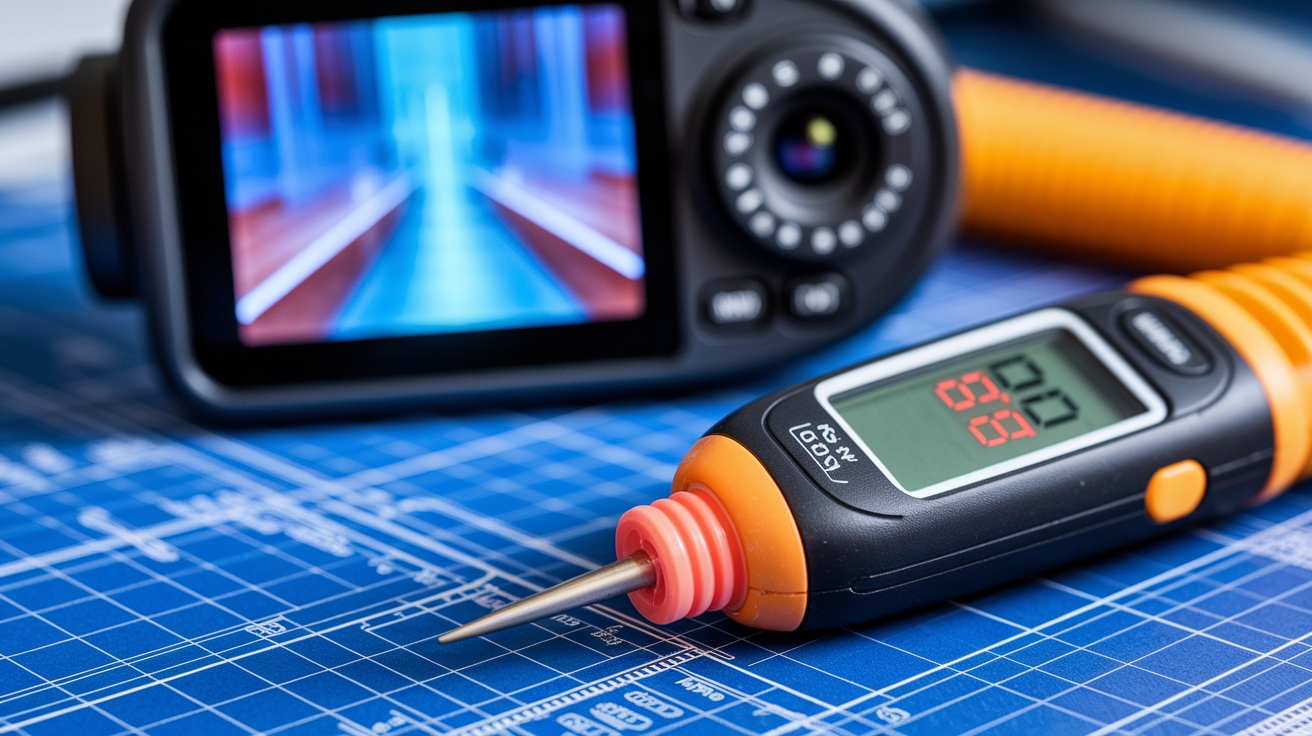
Visible drying doesn’t guarantee complete moisture removal. Hidden dampness causes problems like rot, mold growth inside walls, and structural deterioration you won’t discover until repair bills pile up months later.
Two moisture meter types serve different needs. Pin meters with sharp probes penetrate solid wood and drywall to measure moisture deep in the material, giving accurate readings for structural lumber and wall framing. Pinless meters use electromagnetic signals to scan finished surfaces without leaving holes, perfect for testing sealed hardwood floors, painted walls, and furniture you’re hoping to salvage. Both types are necessary because flood damage doesn’t limit itself to one material or location.
Thermal imaging cameras detect temperature differences behind walls and floors, revealing hidden moisture pockets where cold, damp areas show up as different colors on the display. These cameras find problems moisture meters miss because they scan entire walls at once instead of checking individual spots.
Documentation matters for insurance claims and tracking drying progress over days and weeks. Take photos of every damaged area before cleanup begins, then again after water removal, and throughout the drying process. Record moisture meter readings with dates and locations written down so you can prove to adjusters and contractors exactly what happened and when areas reached safe moisture levels.
Material Removal and Debris Management Equipment
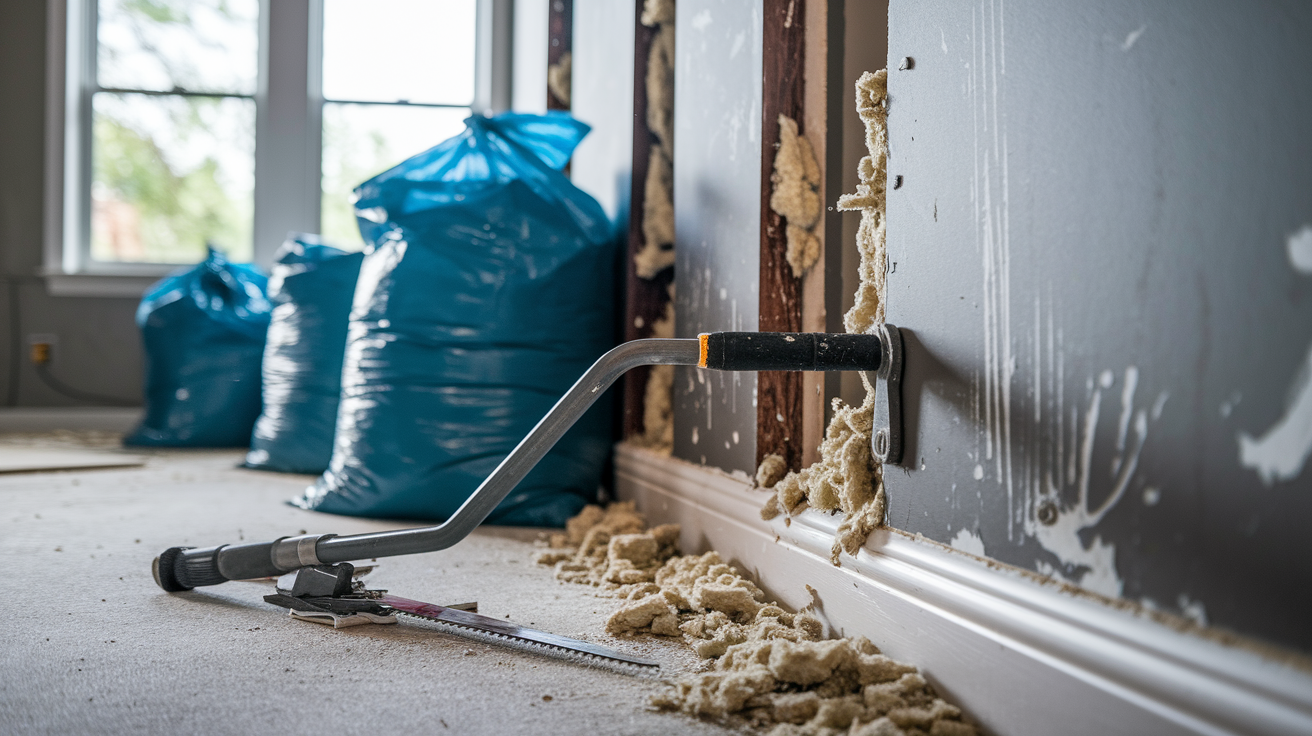
Waterlogged drywall, insulation, flooring, and baseboards must be removed promptly to prevent mold and structural deterioration hidden behind surfaces you can’t see. Wet drywall falls apart. Soaked insulation turns into a breeding ground for mold that spreads through your walls. Hardwood floors buckle and warp beyond repair if they sit wet for days.
Pry bars and crowbars remove baseboards and trim with minimal additional damage when you work slowly and use leverage instead of force. Slide the flat end behind the baseboard, apply gentle pressure, move six inches down and repeat until the whole piece releases without splintering.
Utility knives and drywall saws cut water-damaged drywall at the flood line to preserve undamaged sections above the water mark. Score the drywall with the utility knife, then use the drywall saw to finish the cut along studs so new drywall patches fit cleanly during reconstruction.
Hammers, measuring tapes, and stud finders assess structural integrity and plan repairs before reconstruction begins. Tap walls with the hammer to listen for hollow sounds that indicate hidden damage. Measure carefully so replacement materials get ordered at the right sizes. Use the stud finder to locate framing members behind damaged drywall.
Waterlogged materials are heavy and contaminated. You need tear-resistant heavy-duty trash bags to prevent leaks during transport to the curb or dumpster. A soaked section of carpet weighs triple what it did dry and will tear through regular trash bags instantly. Use wheelbarrows and furniture dollies for moving saturated items safely without destroying your back or dragging contaminated water through clean areas. Heavy-duty tarps cover debris piles when you can’t haul everything away immediately, protect salvageable items from rain during outdoor drying, and contain dusty demolition work. Storage containers document and organize salvageable belongings while cleanup progresses, keeping family photos, important papers, and keepsakes separated and labeled so nothing gets accidentally thrown out during the chaos.
Power Generation and Electrical Safety Tools
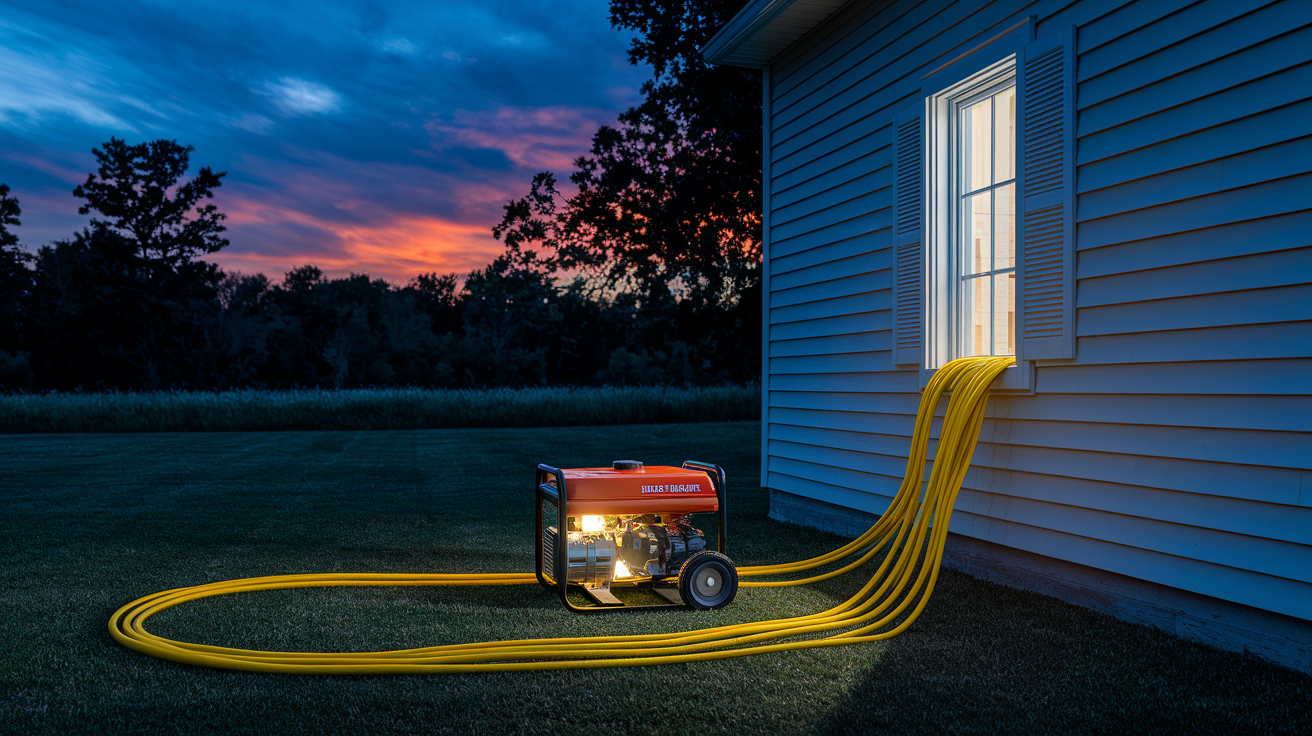
Floods often cause power outages while cleanup equipment needs continuous electricity for days to run dehumidifiers, air movers, vacuums, and work lights around the clock until drying completes.
Portable generators must be sized based on equipment loads you plan to run simultaneously. Add up the wattage requirements for your dehumidifiers, air movers, vacuums, and work lights, then choose a generator rated at least 20% higher than that total to prevent overload. Place generators outdoors away from living areas because carbon monoxide kills and you can’t smell it until it’s too late. Never run a generator in a garage, basement, or near windows even if the space feels ventilated.
Heavy-duty extension cords need proper gauge ratings and waterproof connections for flood environments where water and electricity create deadly combinations. Use 12-gauge or 10-gauge cords rated for outdoor use, check that connections stay elevated off wet floors, and inspect cords daily for damage.
Work lights and flashlights provide safe navigation and inspection in dark or powerless areas where you need to see structural damage, check for hazards, and move around safely during evening cleanup shifts. Pressure washers handle exterior cleanup like hosing mud off driveways, foundations, and siding once the interior work is under control.
Rental Equipment Options Versus Purchase Decisions
Professional-grade equipment is expensive but rental options make effective cleanup accessible to homeowners who face a single flood emergency rather than ongoing seasonal risk. Buying a $2,000 industrial dehumidifier makes no sense if you’ll use it once, but renting that same unit for $75 a day gets the job done at a fraction of the cost.
The analysis depends on whether you’re handling single-use emergency response or own flood-prone property that’ll need this equipment again. Homeowners in flood zones eventually save money buying core equipment they’ll deploy multiple times. Renters and first-time flood victims should rent the expensive industrial tools and buy only the basics they can reuse for other household projects.
Rental companies offer major extraction and drying equipment with typical rental periods running from daily to weekly rates. Weekly rentals usually offer better value if you know drying will take five to seven days. Tampa and most metropolitan areas have equipment rental locations stocked for flood season because the demand is predictable.
Recommended purchases for homeowner essentials:
Basic PPE like boots, gloves, respirators, and goggles because these items work for other household projects including painting, yard work, and garage cleaning.
Moisture meter at $30 to $100 for entry-level digital models that serve multiple purposes from checking firewood moisture to diagnosing leaks.
Heavy-duty wet/dry vacuum because you’ll use it for workshop cleanup, car detailing, and regular household messes beyond flood response.
Quality squeegee and mop that last for years and handle routine cleaning plus emergency water removal.
Disinfectants and cleaning supplies purchased in bulk during non-emergency times when prices are lower.
Recommended rentals for major flood cleanup:
Industrial dehumidifiers that cost thousands to buy but rent for reasonable daily rates and deliver professional drying performance.
Professional air movers designed for continuous operation that consumer-grade fans can’t match.
Submersible pumps unless you live in a flood-prone area where permanent ownership makes sense.
Specialty assessment tools like thermal imaging cameras that cost more than most cleanup budgets but rent affordably for the day or two you need them.
Flood Cleanup Checklist: Organizing Your Tool Acquisition
Organizing tool acquisition by cleanup phase prevents costly mistakes like buying a dehumidifier before you’ve extracted the standing water, or purchasing cleaning supplies when you haven’t secured PPE yet. Each phase builds on the previous one and requires specific equipment at specific times. Documentation tools should be acquired immediately for insurance claim support because photos and moisture readings taken early establish your baseline and prove the extent of damage before cleanup begins.
Phase 1: Immediate Response (First 24 Hours)
Priority tools include PPE before anything else because you can’t safely enter the flooded area without proper protection. Grab your documentation camera or smartphone to photograph every damaged area, every waterline on walls, and every ruined belonging before you move or throw away anything. Water extraction equipment like submersible pumps and wet/dry vacuums comes next to stop the damage from spreading. Flashlights and battery-powered work lights keep you safe when the power’s out. Initial safety assessment tools include circuit testers to verify power is off before you touch anything electrical and basic first aid supplies. This phase focuses on safety and water removal, nothing else.
Phase 2: Drying and Mitigation (Days 2 to 7)
Drying equipment takes over once standing water is gone. Dehumidifiers pull moisture from the air while air movers push air across wet surfaces to speed evaporation. Moisture meters monitor progress by checking walls, floors, and furniture daily to track drying trends and identify problem areas that stay damp. Run this equipment continuously, 24 hours a day, until readings confirm materials have reached safe moisture levels. Turning equipment off at night to save electricity just extends the timeline and increases mold risk.
Phase 3: Cleaning and Remediation (Days 7 to 14)
Sanitization supplies disinfect every surface once materials are dry enough to clean without spreading moisture around. Mold prevention tools including HEPA vacuums and antimicrobial coatings address any growth that started during the first week. Debris removal equipment like pry bars, drywall saws, and heavy-duty trash bags clear out materials too damaged to salvage. Structural repair tools prepare spaces for reconstruction by removing baseboards, cutting damaged drywall, and clearing the workspace.
FEMA provides flood insurance resources and recovery assistance at fema.gov. Red Cross preparedness guides at redcross.org offer household planning information. IICRC restoration technique references at iicrc.org give detailed standards for professional cleanup procedures. Review emergency kit planning and grab-and-go bag essentials for pre-disaster preparedness so basic supplies are ready before flooding occurs.
Final Words
Getting the right tools isn’t about buying everything at once. Start with safety gear and water removal equipment, then move through drying, sanitization, and assessment as your cleanup progresses.
Match your tool purchases to your situation. If you’re in a flood-prone area, invest in core equipment. For a one-time emergency, rentals make more sense.
The tools needed for flood cleanup work together as a system. Water extraction clears standing water. Drying equipment prevents mold. PPE keeps you safe. Documentation protects your insurance claim.
You’ve got this. One phase at a time.
FAQ
What tools and supplies are needed to clean up after a flood?
Flood cleanup requires tools across five main phases: water extraction tools like submersible pumps and wet/dry vacuums, drying equipment including dehumidifiers and air movers, personal protective equipment such as N95 respirators and waterproof boots, cleaning and sanitization supplies like disinfectants and scrub brushes, and damage assessment tools including moisture meters to verify complete drying.
What equipment is essential for cleaning a flooded basement?
Cleaning a flooded basement requires submersible pumps to remove standing water, industrial dehumidifiers and air movers to dry the space, personal protective equipment to guard against contaminated water, disinfectants to sanitize all surfaces, moisture meters to detect hidden dampness, and debris removal tools like shovels and heavy-duty trash bags for waterlogged materials.
What personal protective equipment do you need for flood cleanup?
Flood cleanup requires N95 respirators to filter mold spores and contaminants, chemical-resistant rubber gloves, waterproof boots with puncture-resistant soles, safety goggles or face shields to protect eyes, protective coveralls or waterproof clothing, and hard hats if structural damage is present, because floodwater contains sewage, chemicals, and harmful substances.
What items and supplies do flood victims need most urgently?
Flood victims need personal protective equipment first before starting any cleanup, water extraction tools to remove standing water quickly, heavy-duty flashlights for navigating dark spaces, cameras or phones to document damage for insurance claims, and basic sanitization supplies like disinfectants and cleaning tools to prevent mold growth within the critical first 24 to 48 hours.
What type of pump removes standing floodwater most effectively?
Submersible pumps remove standing floodwater most effectively because they feature robust motors designed for heavy-duty situations, automatic float switches that enable hands-free operation, durable casing that withstands debris, and the capacity to move large water volumes quickly from basements and low-lying areas before structural damage worsens.
What tools help prevent mold growth after flooding?
Mold prevention requires HEPA vacuums that capture 99.97% of particles down to 0.3 microns including mold spores, dehumidifiers to remove excess moisture from air, antimicrobial coatings applied to cleaned surfaces, negative air machines for containment during remediation, and moisture meters to verify complete drying before rebuilding because mold begins growing within 24 to 48 hours.
Should you rent or buy flood cleanup equipment?
You should rent professional-grade equipment like industrial dehumidifiers, air movers, and submersible pumps for single-use emergency response because they are expensive. Buy reusable homeowner essentials including basic PPE, moisture meters, heavy-duty wet/dry vacuums, squeegees, mops, and disinfectants, especially if you own property in flood-prone areas where repeated use justifies purchase costs.
What disinfectants work best for sanitizing flood-damaged surfaces?
Bleach solutions work effectively on most hard surfaces, hydrogen peroxide provides a non-toxic alternative, quaternary ammonium compounds sanitize durable hard surfaces, and alcohol-based cleaners with at least 70% alcohol content kill bacteria and viruses on smaller items, because floodwater contains sewage and chemicals that require thorough sanitization of all contacted walls, floors, and furniture.
How do moisture meters help with flood cleanup?
Moisture meters measure hidden dampness in walls, floors, and furniture to verify areas are completely dry before repairs begin, preventing long-term mold and structural problems. Pin meters use sharp probes for solid wood and drywall while pinless meters use electromagnetic signals for finished surfaces without causing damage during testing.
What debris removal tools are needed for flood cleanup?
Debris removal requires pry bars and crowbars for baseboard and trim removal, utility knives and drywall saws to cut water-damaged drywall at flood lines, tear-resistant heavy-duty trash bags for contaminated waterlogged materials, wheelbarrows and furniture dollies to move saturated items safely, and heavy-duty tarps for covering debris piles.