

Your landlord’s flood insurance doesn’t cover your stuff. That’s the hard truth most renters learn too late, standing in ankle-deep water watching their laptop short-circuit and their mattress turn into a sponge. Standard renters insurance won’t help either because it excludes flood damage entirely. This guide walks you through contents-only flood insurance options that actually protect your belongings, how much coverage costs, what gets covered and what doesn’t, and how to decide if you need a policy before the next storm rolls in.
Flood Insurance Options and Availability for Renters
Yes, renters can buy contents-only flood insurance through the National Flood Insurance Program or private insurers. This coverage protects your stuff when floodwater gets into your apartment.
You need a separate flood policy because your regular renters insurance won’t cover flood damage. That standard policy handles water from burst pipes or broken appliances, but it excludes flooding from storms, rivers overflowing, or rapid snowmelt. Your landlord’s flood insurance only covers the building itself. Your belongings? Completely exposed.
Two options exist for renters. The NFIP sells contents-only policies through insurance agents in participating communities, covering up to $100,000 based on actual cash value. Private companies also offer renter policies, sometimes with different terms, higher limits, and coverage in places where NFIP doesn’t operate. Private insurers might give you replacement cost value instead of actual cash value. That means you get money to replace items at today’s prices, not what they’re worth after depreciation.
Getting coverage falls completely on you. There’s no automatic protection. And you can’t wait until storm warnings pop up because mandatory waiting periods kick in before policies activate.
NFIP Flood Insurance for Apartment Renters
The National Flood Insurance Program runs through FEMA and serves as the main federal source for contents-only coverage designed for renters. NFIP makes flood insurance available to millions of renters in communities that participate in the federal flood management program.
NFIP contents policies protect renters’ belongings up to $100,000 maximum. Coverage pays out based on actual cash value, which accounts for depreciation. So that five-year-old couch damaged by flooding? You’ll get paid based on its used condition, not what a brand new one costs. This keeps premiums lower but means you won’t get full replacement value for older stuff.
You can’t buy NFIP coverage directly from FEMA. The Write Your Own program lets participating private insurance companies and agents sell these policies while the federal program backs the actual insurance. You work with a local agent or company in the Write Your Own program, just like shopping for other insurance, but the terms and rates follow federal guidelines.
Five things to know about NFIP contents policies:
- Maximum coverage caps at $100,000 for all your property combined
- Payments use actual cash value with depreciation factored in
- Only available if your apartment building sits in an NFIP-participating community
- Federal backing guarantees claim payments even after massive flooding events
- Standardized rates based on flood risk, not individual company pricing
Private Flood Insurance Options for Renters

Private insurance companies now offer flood coverage for renters outside the federal program. These companies operate independently and create their own policy terms, coverage options, and pricing.
Key differences make private options worth comparing. Several private insurers offer replacement cost value instead of actual cash value. You’d get enough money to buy new replacements regardless of how old your damaged items were. Private policies might provide higher limits beyond NFIP’s $100,000 cap, protection for more item types, and sometimes lower premiums depending on your situation. Some private insurers cover temporary living expenses, which NFIP excludes entirely. That gives you funds for hotels and meals if flooding forces you out.
Private flood insurance becomes especially useful for renters in communities where NFIP doesn’t participate or when you want features the federal program doesn’t offer. Your premium with private insurers depends on building age, prior flood claims, occupancy type, your deductible choice, how many floors the building has, total coverage amount, and where you keep valuables inside the apartment. Shop multiple private insurers and stack them against NFIP to find the best fit.
Understanding Coverage: What’s Protected and What’s Not
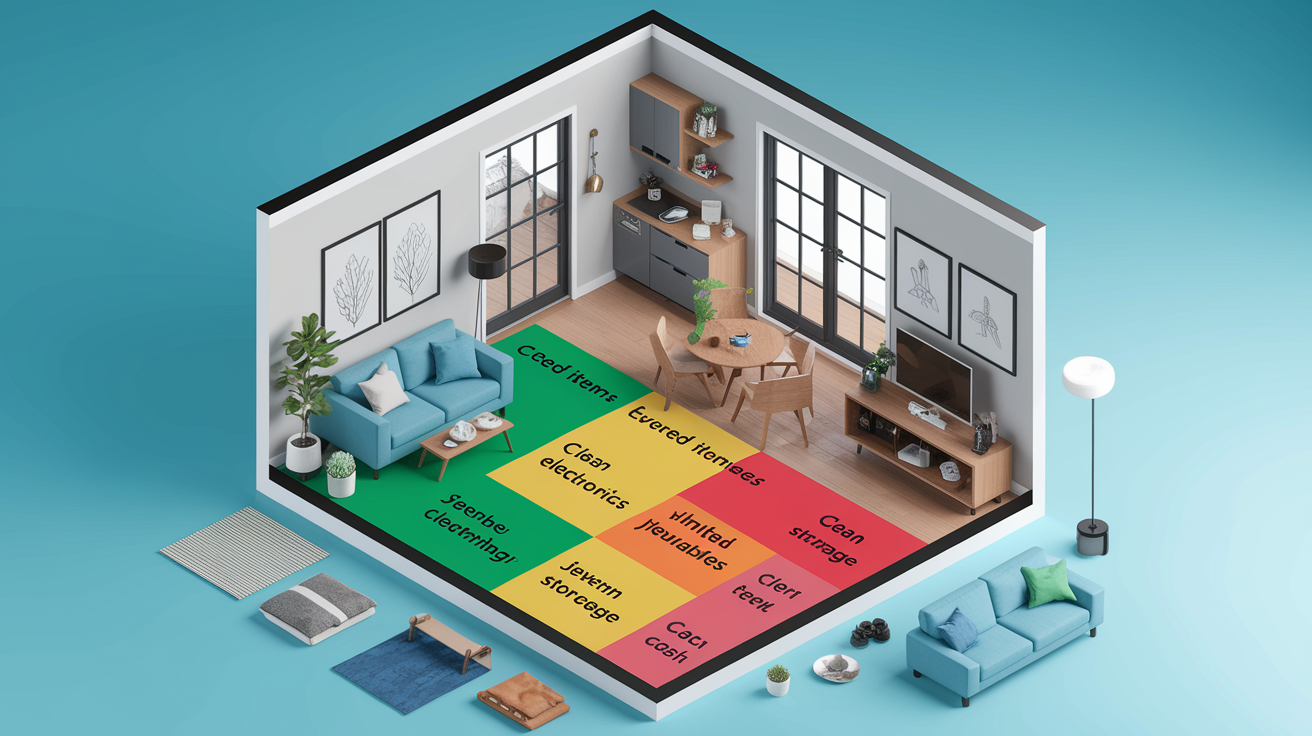
Knowing exactly what flood insurance covers prevents ugly surprises when you file a claim. Flood insurance for renters focuses on personal property, but not everything gets covered.
Broadly speaking, it protects furniture, electronics, clothing, and appliances damaged by floodwater entering your apartment. Your couch, bed, TV, computer, clothes, fridge, and microwave all qualify. Air conditioners, washers, dryers, and food in freezers also get protection.
| Item Category | Coverage Status | Special Limits |
|---|---|---|
| Furniture | Covered | Up to policy maximum |
| Electronics | Covered | Up to policy maximum |
| Clothing | Covered | Up to policy maximum |
| Appliances | Covered | Up to policy maximum |
| Valuables/Jewelry | Limited coverage | $2,500 maximum combined |
| Basement Items | Mostly excluded | Only washer, dryer, freezer, and food inside covered |
| Cash/Documents | Not covered | $0 coverage |
High-value stuff like artwork, jewelry, furs, and collectibles hit a combined $2,500 cap no matter what your total policy limit says. Own a $5,000 painting and $3,000 in jewelry? You’ll only get $2,500 maximum for both combined after flood damage. Items stored in basements or on the lowest floor get no coverage except washers, dryers, freezers, and the food inside those freezers. Cash, stock certificates, bonds, and valuable papers also get zero coverage.
Six major exclusions you should understand:
- Temporary housing costs like hotel rooms and restaurant meals while you’re displaced
- Building damage to walls, floors, or permanent fixtures (that’s the landlord’s problem)
- Mold damage from negligence or failing to protect property after flooding
- Sewer backup damage unless you buy a separate rider
- Vehicles including cars, motorcycles, or recreational vehicles
- Currency, precious metals, valuable papers, and most documents
Flood Insurance Premium Costs and Affordability Strategies

Contents-only flood insurance for renters typically runs between $400 and $700 annually for NFIP policies. Your specific premium varies a lot based on flood risk and coverage choices. Private insurance premiums might run higher or lower depending on the company and your apartment’s characteristics. These annual costs break down to roughly $35 to $60 monthly.
Several factors determine your individual premium. Your apartment’s flood zone designation carries the most weight since high-risk Special Flood Hazard Areas cost way more to insure than moderate or low-risk zones. Building characteristics like age, construction type, number of floors, and elevation above base flood level also matter. The coverage amount you pick and your chosen deductible create direct impacts. Higher coverage and lower deductibles increase costs. Previous flood claims on the building, even if filed by other tenants or the landlord, can raise premiums for everyone.
Renters in low to moderate risk areas qualify for Preferred Risk Policies. These offer the same NFIP coverage at reduced premiums, sometimes as low as $129 annually. To cut costs further, choose a higher deductible if you can afford larger out-of-pocket expenses during a claim. Select only the coverage amount you actually need rather than maxing out. Ask about community rating system discounts if your city participates in additional floodplain management activities. Shopping private insurers alongside NFIP often uncovers better rates, especially for newer buildings in lower-risk zones.
Assessing Your Flood Risk and Coverage Needs
FEMA flood maps give you a starting point for evaluating whether your apartment faces flood risk. Visit the FEMA Flood Map Service Center online, enter your address, and check your zone designation. Zones starting with “A” or “V” indicate high-risk Special Flood Hazard Areas with a 1% annual flood chance (the 100-year floodplain). Zones beginning with “B,” “C,” or “X” show moderate to low risk, though flooding still happens in these areas.
Your lease might require flood insurance regardless of risk level. Some landlords make renters in ground-floor units or flood-prone buildings carry contents coverage as a lease condition.
Beyond official maps, several factors signal elevated flood risk worth protecting against. Ground-floor apartments face higher vulnerability than upper floors since floodwater enters from ground level. Coastal locations near oceans, bays, or large lakes get storm surge and high-tide flooding. Apartments near rivers, streams, or drainage channels can flood when water levels rise fast. Buildings in areas with poor drainage, frequent street flooding, or past flood events carry obvious risk. Older buildings lacking modern flood mitigation features also face greater exposure.
Even moderate-risk zones warrant consideration given changing climate patterns and increasing extreme weather frequency. Over 20% of flood insurance claims come from moderate and low-risk areas. Flood insurance costs less in these zones while still giving you financial protection if unexpected flooding occurs. Calculate the value of your personal property, furniture, electronics, clothing, and other belongings. If replacing everything exceeds your available savings, flood insurance makes sense. For help planning broader emergency preparedness beyond insurance, check out emergency preparedness flood resources.
Step-by-Step Process to Purchase Flood Insurance for Your Apartment

Buying flood insurance for your apartment follows a straightforward process that typically takes less than an hour.
Six steps to purchase flood insurance:
- Verify your apartment building sits in an NFIP-participating community by checking FEMA’s database or asking your local government
- Assess flood risk using FEMA maps to understand your zone designation and figure out if you need standard or preferred risk coverage
- Gather apartment info including your building’s full address, year built, number of floors, and your unit floor level
- Contact an insurance agent who sells flood insurance or visit insurance company websites to request online quotes
- Compare NFIP quotes against private flood insurance options to check coverage terms, limits, and premium costs
- Purchase your chosen policy and mark your calendar for the 30-day waiting period before coverage kicks in
The mandatory 30-day waiting period means flood insurance doesn’t protect you immediately. From the day you buy a policy, coverage won’t activate for 30 days except in specific circumstances like a new mortgage requirement. This waiting period prevents people from buying insurance only when they see a storm approaching, then canceling after the threat passes. Plan ahead and buy flood insurance well before storm season or known flood risks arrive.
Working with insurance agents requires giving accurate information about your apartment and the building. Know your unit’s floor level, the building’s age, and whether it sits in a designated flood zone. Ask agents to explain the difference between actual cash value and replacement cost coverage. Clarify exactly which items get protection and confirm the deductible amount you’ll pay before insurance kicks in. Request quotes from at least two different sources, either multiple agents or a mix of NFIP and private insurers, to make sure you get competitive pricing and appropriate coverage.
Filing a Flood Insurance Claim as an Apartment Renter
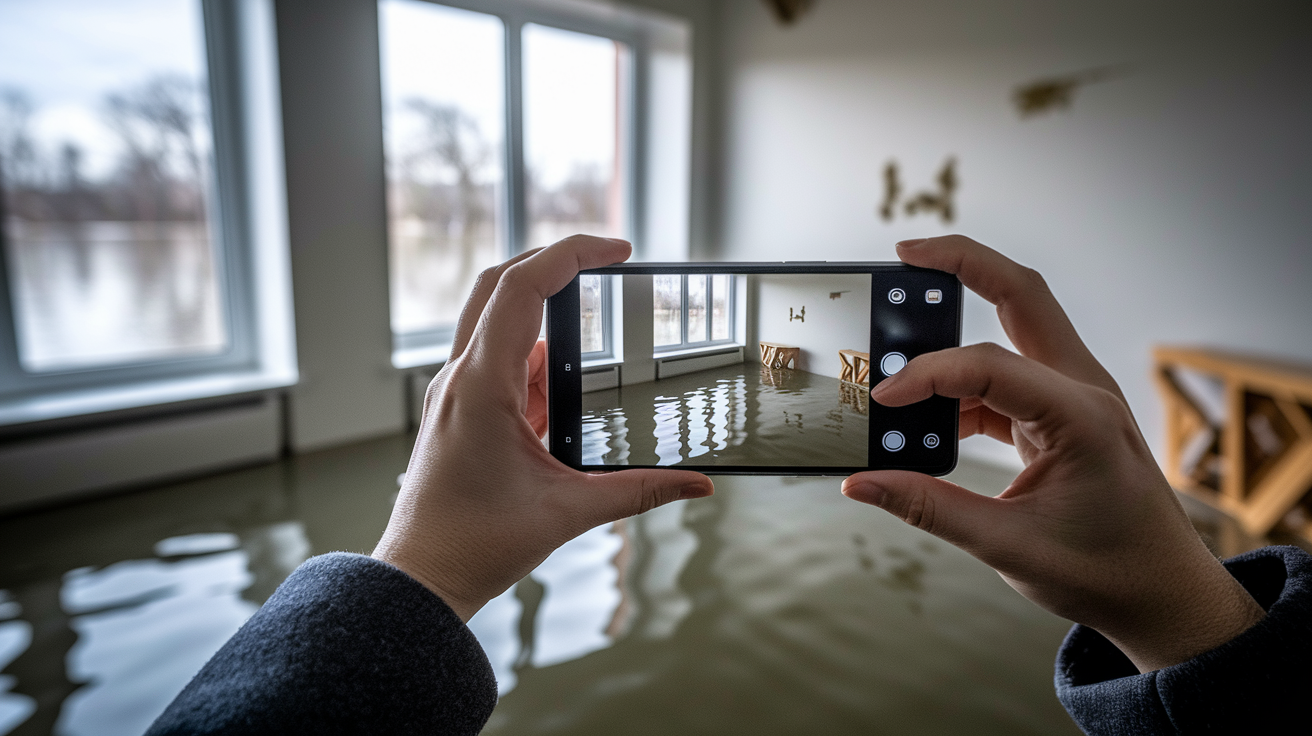
Understanding the claims process before disaster strikes helps you act quickly and get the most from your settlement when flooding damages your belongings. Preparation and prompt action directly impact how much compensation you receive.
Document everything immediately after floodwater recedes and authorities say your apartment is safe to enter. Take photos and videos showing water damage to all affected items before moving or tossing anything.
Seven steps in the claim process:
- Contact your insurance company immediately to report flood damage, ideally within 24 hours
- Document all damage thoroughly with photos and videos showing each damaged item and the extent of water exposure
- Create a detailed written inventory listing every damaged item with descriptions, approximate purchase dates, and original costs
- Meet with the insurance adjuster who visits your apartment to assess damage and verify your claim
- Submit a signed, sworn Proof of Loss form within 60 days of the flood, detailing all damaged items and claimed amounts
- Review the settlement offer from your insurance company and verify calculations match your policy terms
- Understand that actual cash value payments account for depreciation, reducing payouts for older items compared to what they originally cost
Typical flood insurance settlements arrive within 30 to 60 days after you submit all required documentation and the signed Proof of Loss form. NFIP aims to process and pay claims within 30 days when paperwork is complete. If your claim gets denied or you receive a lower settlement than expected, you can appeal. Common denial reasons include damage occurring before coverage activated, items stored in excluded locations like basements, or damage from non-covered water sources like sewer backup. Contact your insurance company immediately if you disagree with a claim decision. Provide additional documentation supporting your case and request a detailed written explanation for any denial or reduced payment.
Protecting Your Belongings Beyond Flood Insurance

Flood insurance gives you crucial financial protection but represents just one piece of a complete flood safety strategy for apartment renters.
Practical preparedness measures work alongside insurance to minimize damage and protect what matters most. Store important documents, medications, and irreplaceable items in waterproof containers or plastic bags, then keep them on high shelves or upper floors if your apartment has multiple levels. Create digital copies or photos of critical documents like birth certificates, passports, lease agreements, and insurance policies. Store them in cloud storage or email for access from anywhere. Pack a go-bag with essential items including medications, phone chargers, important documents, a change of clothes, and basic supplies so you can evacuate quickly if flooding threatens.
Understand that flood insurance won’t cover temporary living expenses if you have to evacuate. Hotel costs and restaurant meals come from your own pocket. Build an emergency fund specifically for disaster-related expenses or maintain a credit card with available balance for unexpected evacuation costs. Know your evacuation routes, keep your car fueled during flood season, and identify friends or family in safer areas where you could stay if flooding forces you from your apartment. Move valuable electronics and furniture to higher locations when flood warnings are issued, even if that means stacking items on beds or tables. For comprehensive flood safety planning specific to apartment living, visit flood safety apartment resources that cover evacuation timing, communication plans, and survival strategies during flooding events.
Common Questions About Renter Flood Insurance Policies

Renters often run into specific questions about how flood insurance policies work in practice, especially around policy management and situations beyond basic coverage.
Can I Bundle Flood Insurance With Regular Renters Insurance?
Flood insurance has to stay separate from your standard renters insurance because flood coverage operates under different rules. But you can purchase both policies through the same insurance agent or company for convenience. Many agents sell both regular renters insurance and flood insurance, letting you manage both policies through one contact and sometimes receive a small discount for multiple policies even though they remain separate.
What Happens When I Move to a New Apartment?
Flood insurance policies can transfer to a new apartment if you stay in the same NFIP-participating community, or you can cancel and buy new coverage at your new location. Contact your insurance company before moving to discuss options. If your new apartment sits in a lower flood risk zone, your premium may drop. Moving to a higher-risk area will likely increase costs. Always reassess flood risk when relocating since your previous apartment’s risk level doesn’t predict your new location’s exposure.
Are Landlords Required to Have Flood Insurance?
Landlords only have to carry flood insurance if they have federally backed mortgages on properties in Special Flood Hazard Areas. Beyond that specific situation, landlord flood insurance stays optional. Remember that even when landlords carry flood insurance, their policies only cover building structure and permanently installed fixtures, not your personal belongings. Lease agreements may require you as the renter to maintain flood insurance regardless of whether the landlord carries coverage, particularly for ground-floor units or buildings with flood history.
How Often Do I Need to Renew My Flood Insurance Policy?
Flood insurance policies run for one-year terms and require annual renewal. Your insurance company will send renewal notices about 30 to 45 days before your policy expires. Renew promptly to avoid coverage gaps since the 30-day waiting period applies again if your policy lapses. Review your coverage amount annually and increase it if you’ve bought new furniture, electronics, or other valuable belongings since your last policy period.
Can I Cancel My Flood Insurance and Get a Refund?
You can cancel flood insurance anytime by notifying your insurance company in writing. NFIP provides pro-rated refunds for the unused portion of your policy minus administrative fees. Cancel halfway through your policy year? You’ll get roughly half your premium back. Private flood insurers have varying cancellation and refund policies, so check your specific terms. Don’t cancel flood insurance just because you haven’t experienced flooding. The risk stays constant and the 30-day waiting period delays coverage if you buy again later.
Final Words
Apartment renter flood insurance is your separate safety net when standard renters policies won’t help.
Your landlord’s coverage protects the building. You protect your stuff.
Whether you choose NFIP or private insurance, the key is buying before water shows up. Remember that 30-day waiting period.
Take ten minutes this week to check your flood zone, get a quote, and decide what your belongings are worth protecting.
You’ll sleep better knowing your electronics, furniture, and everything you’ve worked for won’t disappear in a flood without a backup plan.
FAQ
Does renters insurance cover apartment flooding?
Standard renters insurance does not cover apartment flooding from external sources like heavy rain, storm surge, or river overflow. Flood damage requires a separate flood insurance policy, either through NFIP or a private insurer, to protect your personal belongings during flooding events.
Should I have flood insurance as a renter?
Renters should have flood insurance if they live in flood-prone areas, on ground floors, near coastlines, or where lease agreements require coverage. Even in moderate-risk zones, flood insurance protects your belongings from costly water damage that standard renters policies exclude.
How much does renters flood insurance cost?
Renters flood insurance typically costs between $100 and $400 annually for contents-only policies, depending on flood zone designation, building age, coverage amount selected, and deductible choice. Preferred risk policies in low-to-moderate risk areas offer lower-cost protection options for eligible renters.
Who is responsible for apartment flooding?
Landlords are responsible for building structure flood insurance, while renters are responsible for protecting their personal belongings through separate contents-only flood insurance. Tenants must purchase their own flood coverage since landlord policies do not cover resident possessions or personal property damage.
What does NFIP flood insurance cover for renters?
NFIP flood insurance for renters covers personal property including furniture, electronics, clothing, and appliances up to $100,000 on an actual cash value basis. Coverage is available only in NFIP-participating communities through qualified insurance agents or companies participating in the Write Your Own program.
Can I get flood insurance if my apartment is not in a flood zone?
You can get flood insurance even outside designated flood zones through NFIP preferred risk policies or private insurers with potentially lower premiums. Properties in moderate-to-low risk areas qualify for affordable coverage options since flooding can occur anywhere heavy rain or poor drainage creates water accumulation.
How long does it take for flood insurance to activate?
Flood insurance policies have a mandatory 30-day waiting period before coverage activates after purchase, except when required by mortgage lenders or during community map changes. Plan ahead and purchase coverage before flood season starts to ensure protection when you need it most.
Are basement items covered by renter flood insurance?
Renter flood insurance does not cover most basement items except washers, dryers, freezers, and food inside freezers stored on the lowest floor or below ground level. Move valuable belongings to higher floors and use elevated storage to protect possessions not covered in basement flooding situations.
Does flood insurance cover temporary housing costs?
Flood insurance does not cover temporary living expenses like hotel stays or restaurant meals while your apartment is uninhabitable after flooding. Budget separately for out-of-pocket relocation costs or check if your standard renters policy includes additional living expense coverage for other covered disasters.
Can I transfer my flood insurance when I move?
You can transfer your flood insurance policy to a new apartment, but you’ll need to reassess coverage based on the new location’s flood risk and building characteristics. Contact your insurer before moving to update your policy details and ensure continuous protection at your new address.