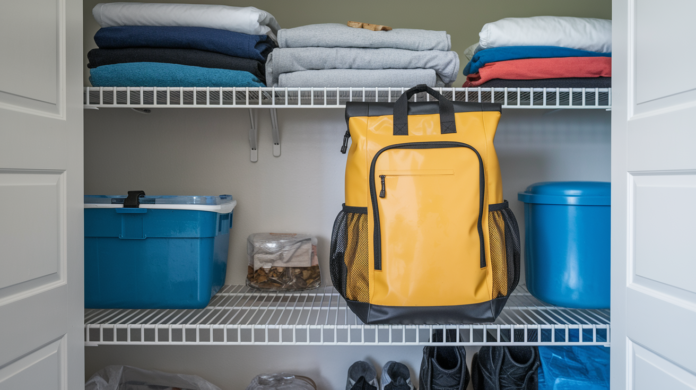

Most flood emergency kits fail in the first five minutes because people pack supplies that can’t survive getting wet. You need waterproof everything, not regular camping gear with a trash bag thrown over it. A proper 72 hour flood kit means three days of drinking water, food that doesn’t need cooking, medications in sealed bottles, and documents your family can’t replace. Pack it all in containers rated for submersion, store it above ground level, and make sure everyone knows exactly where to grab it when water starts rising.
Complete Flood Emergency Kit Checklist with Specific Recommendations
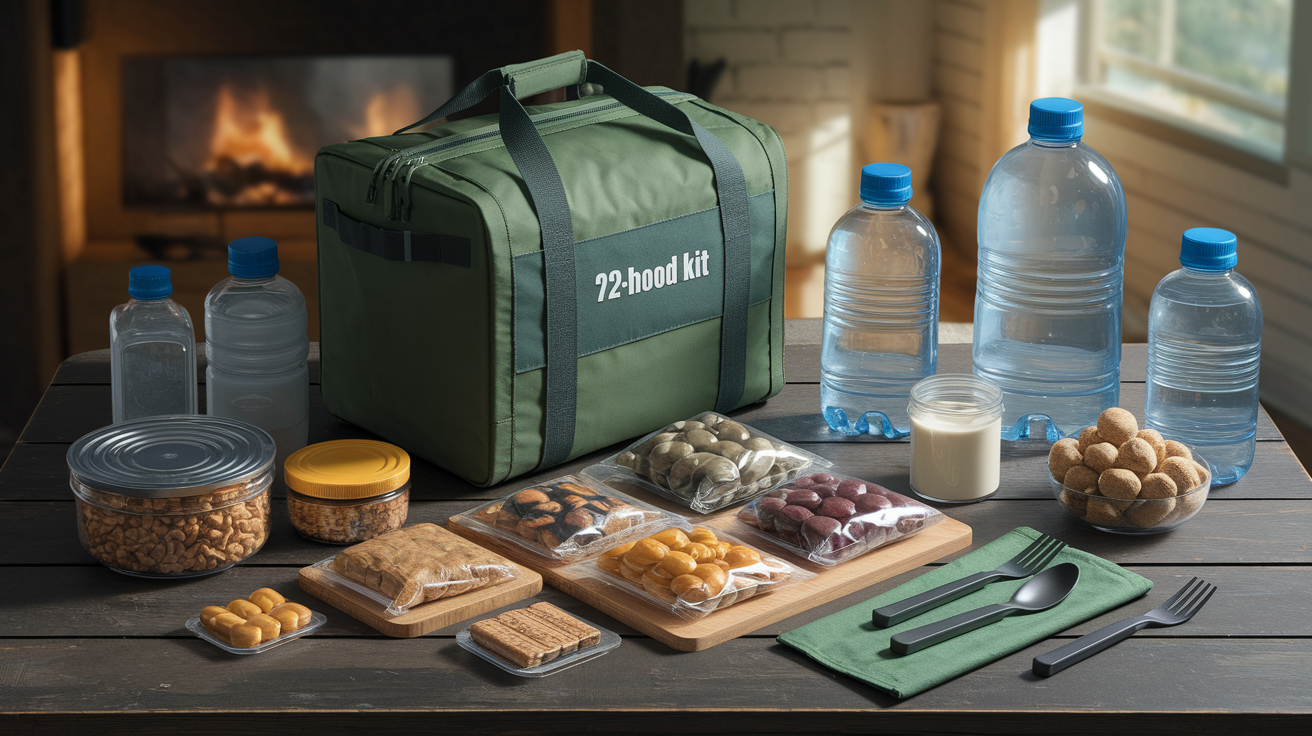
Flood kits are different from regular emergency kits because waterproofing matters more than anything else. Your standard emergency supplies don’t work the second rising water hits them. Flood scenarios give you minutes to grab your stuff and go, not hours to pack carefully while water moves toward your house. Everything you pack needs to survive getting wet, staying wet, and the chaos of evacuating through debris filled water.
Your 72 hour flood kit needs these supplies with exact amounts:
Water & Hydration:
- Three gallons of drinking water per person in factory sealed containers
- Water purification tablets, 50 pack minimum (chlorine dioxide or iodine based)
- Portable water filter rated for 1000+ gallons with 0.1 micron absolute pore size
Food Supplies:
- Ready to eat meals in retort pouches, 6 per person at 300+ calories each
- Energy bars individually wrapped, 12 per person at 200+ calories each
- Trail mix with nuts and dried fruit, 2 pounds per person
- Peanut butter in plastic jar, 18 oz (protein that doesn’t need refrigeration)
- Low sodium crackers in sealed inner packaging, 2 boxes per person
- Dried fruit for natural sugar energy, 1 pound per person
- Hard candy for quick energy and morale
- Powdered milk in sealed packaging
- Military style P 38 can opener
- Disposable plastic utensils for 9 meals per person
Medical & First Aid:
- Pre assembled first aid kit with 200+ pieces: adhesive bandages (50+ assorted sizes), sterile gauze pads (20+ four by four inch pads), antibiotic ointment (three 1 oz tubes), pain relievers including ibuprofen and acetaminophen (100+ tablets total), antiseptic wipes (50 pack), tweezers and scissors (stainless steel), medical adhesive tape (2 rolls), elastic bandages (two 3 inch rolls), thermal blankets (2 per person)
- Three day supply of prescription medications in original waterproof pill bottles with pharmacy labels
- Written prescription information and physician contact details
Critical Documents & Cash:
- Waterproof document pouch with copies of personal ID, driver’s license, insurance policies (home, auto, flood), bank account information, immunization records, property deeds, emergency contacts, prescriptions
- Minimum $50 in small bills (ones, fives, tens)
Communication & Power:
- NOAA Weather Radio with hand crank and solar backup
- Battery powered AM/FM radio for news when cellular networks fail
- LED flashlight rated 300+ lumens with lithium batteries
- LED headlamp for hands free lighting with extra AAA batteries (6+ batteries)
- Phone charging cables for all household devices
- Portable power bank rated 20,000+ mAh capacity (recharges phones 4 to 6 times)
- Extra batteries (12+ AA batteries, 12+ AAA batteries, specific device batteries)
Clothing & Protection:
- Complete change of clothes in vacuum sealed compression bags (synthetic or wool materials, never cotton)
- Waterproof rain jacket with sealed seams and adjustable hood
- Sturdy waterproof boots (ankle height or higher)
- Thermal underlayers in synthetic or merino wool materials
- Wool socks, 3 pairs per person
- Heavy duty work gloves (leather or synthetic)
- Emergency thermal blankets (2 per person, reflects 90% body heat)
Sanitation & Hygiene:
- Hand sanitizer 8 oz bottle (60%+ alcohol content)
- Antibacterial soap bars in waterproof cases, 2 bars
- Moist towelettes unscented, 100 count pack
- Toilet paper in sealed plastic bags, 4 rolls
- Feminine hygiene products (full menstrual cycle supply)
- Heavy duty plastic garbage bags 20 gallon size (10+ bags)
- Quick dry microfiber towel, 2 per person
- Toothbrush and toothpaste travel sizes
- Disinfecting wipes, 75 count canister
Tools & Survival Gear:
- Multi tool with pliers, knife, and screwdrivers
- 50 feet of nylon paracord (550 pound test rating)
- Emergency whistle with 120+ decibel output (pealess design functions when wet)
- Waterproof matches (2 containers, 50+ matches total)
- Duct tape, full 2 inch width roll
- Plastic sheeting 10×10 feet minimum (6 mil thickness for temporary barriers)
- Adjustable wrench or dedicated gas shutoff tool
- N95 dust masks (10 pack for mold protection)
- Laminated local maps with evacuation routes pre marked
All supplies go in waterproof containers to survive flood conditions. Roll top dry bags rated IP67 or higher provide submersion protection up to 1 meter for 30 minutes. Waterproof backpacks with welded seams and sealed zippers work for larger kits. Hard case options like pelican style containers offer maximum protection but add weight. Look for high visibility colors (orange, yellow) that rescuers can spot if your kit ends up in floodwater.
The 72 hour self sufficiency goal means your household can survive three full days without outside help, clean water, electricity, or access to stores. Rising water situations give you minutes to grab supplies and evacuate. Every household member needs to know exactly where the kit is stored and be able to carry it during immediate evacuation. Store kits on elevated shelves at least 4 feet above ground level. Never in basements or ground floor locations that flood first.
Comprehensive Waterproofing and Storage System for Flood Kits
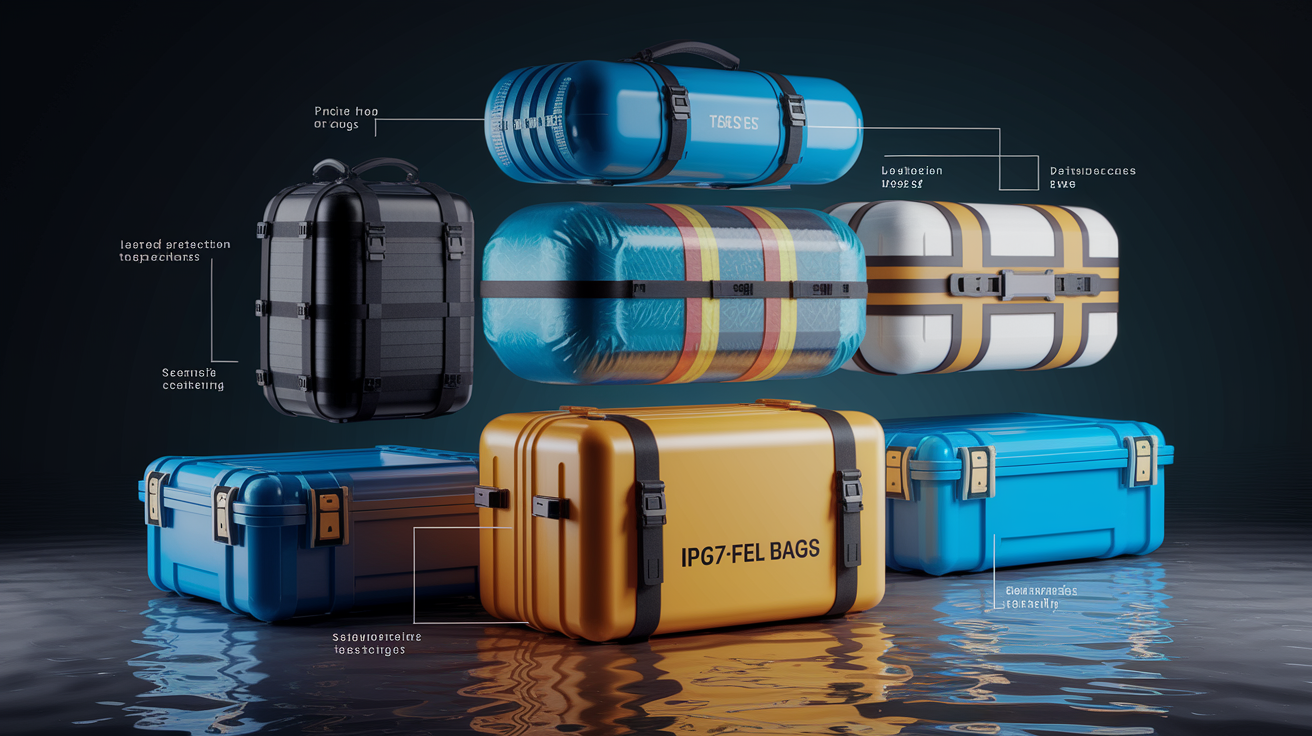
Waterproofing isn’t optional for flood kits. It’s the essential protection that determines whether your supplies save your family or fail completely when water rises. Standard emergency kit containers fall apart when exposed to rising water. Proper waterproofing protects life saving supplies and critical documents from total loss during the exact moments you need them most.
Selecting the right primary container determines everything. Waterproof backpacks with roll top closures and welded seams in 40 to 60 liter capacity offer the best combination of protection and portability. Roll top designs create watertight seals when folded three times and clipped. Waterproof duffel bags with compression straps work for families who prefer handles over shoulder straps. Hard case options like pelican style cases provide maximum submersion protection but add serious weight and bulk. Prioritize features including waterproof ratings of IP67 or IP68 for submersion protection (IP67 means submersion up to 1 meter for 30 minutes, IP68 means deeper and longer), comfortable padded shoulder straps for evacuation carries of 1+ miles, multiple internal compartments for organization without opening main seal, high visibility colors (orange, yellow, bright red) for rescue scenarios when you need to be spotted, and floating capability if swept into floodwater.
Use a layered waterproofing approach for different item categories:
Critical documents go in heat sealed waterproof pouches, then inside ziplock freezer bags as secondary protection. Prescription medications need waterproof pill bottles with silicone gaskets, clearly labeled with prescription information in permanent marker. Electronics including phones, radios, and power banks require individual waterproof cases with desiccant packets to absorb moisture. First aid supplies belong in a dedicated waterproof dry bag separated from main kit for quick access without opening everything. Clothing must be vacuum sealed in compression bags removing all air and moisture before placing in larger waterproof stuff sacks. Food items stay in original factory packaging, then placed inside larger waterproof stuff sacks with roll top closures. Cash and credit cards go in multiple small waterproof pouches distributed throughout kit (not all in one location). Matches and fire starting materials need waterproof match cases with strike strips sealed inside the case lid.
Test waterproof seals before emergencies arrive. Put empty containers through submersion tests in bathtub or large sink for 10 minutes. Check zipper and seal integrity annually by running your fingers along every inch of closure looking for gaps, cracks, or compression set in gaskets. Replace containers immediately if you find wear, cracked seals, or gaskets that stay compressed instead of bouncing back. A failed seal during actual flooding turns your kit into a bag of contaminated mush.
| Storage Priority | Location | Reason |
|---|---|---|
| Primary kit | Second floor closet or highest accessible point | Above potential flood levels, protected from first wave of water |
| Vehicle kit | Trunk or rear cargo area | Ensures access if home evacuation impossible or roads flood while away |
| Workplace kit | Elevated locker or desk drawer | Coverage during daytime floods when returning home is impossible |
| Never basement | Ground level storage | First area to flood, traps supplies underwater within minutes |
| Never attic | Difficult access location | Evacuation delay during rising water, risk of becoming trapped |
| Exterior option | Elevated shed on blocks | Alternative if interior storage limited, must be 4+ feet elevated |
Proper storage location combines elevation with accessibility. Minimum 4 feet above ground in flood prone areas gets supplies above typical residential flooding. Retrievable within 30 seconds means you can grab the kit in complete darkness without thinking. Supplies are worthless if trapped behind rising water or if retrieval requires dangerous wading through contaminated floodwater. Ensure all household members know exact kit locations and can reach them in darkness without turning on lights. Practice nighttime retrieval drills where each person locates and grabs their assigned kit within the 30 second target.
Water Requirements and Purification Systems for Flood Contamination
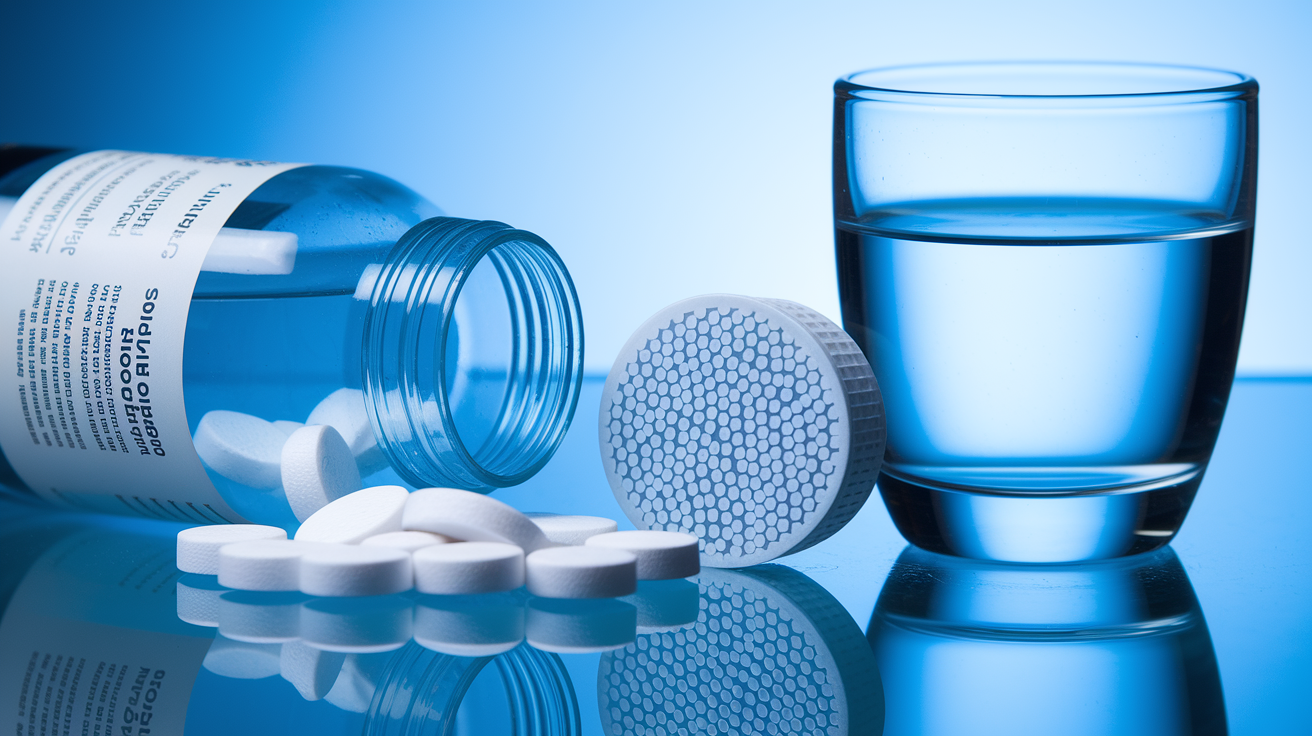
Each person requires one gallon of water per day for drinking and sanitation, totaling three gallons minimum per person for 72 hours. Floods make stored water absolutely critical because all local water sources become contaminated with sewage, agricultural runoff, industrial chemicals, and disease causing bacteria. You cannot safely drink floodwater under any circumstances. Even with purification.
| Water Need | Quantity Per Person | 3 Day Total |
|---|---|---|
| Drinking consumption | 0.5 gallons daily | 1.5 gallons total |
| Food preparation | 0.2 gallons daily | 0.6 gallons total |
| Sanitation and hygiene | 0.2 gallons daily | 0.6 gallons total |
| Medical and first aid | 0.1 gallons daily | 0.3 gallons total |
| Total requirement | 1.0 gallon daily | 3.0 gallons minimum |
Floodwater is extremely unsafe and contains sewage from overwhelmed treatment systems, agricultural runoff including pesticides and animal waste, industrial chemicals from submerged facilities, gasoline and oil from vehicles, and disease causing organisms including E. coli, hepatitis, and leptospirosis. Store water in commercially sealed containers rather than home filled bottles that may have contamination from previous contents. Use food grade plastic containers marked BPA free, or stick with factory sealed bottled water. Never use containers that previously held milk or juice because proteins and sugars create bacterial growth even after washing.
Backup purification becomes necessary when stored water runs out. Water purification tablets based on chlorine dioxide or iodine treat 1 liter per tablet and require a 50+ tablet supply for family backup. Portable water filters rated for bacteria and protozoa removal need 0.1 micron absolute pore size minimum and 1000+ gallon capacity before filter replacement. The critical limitation is that neither tablets nor filters remove chemical contaminants common in floodwater including gasoline, pesticides, or industrial solvents. Purification is emergency backup only when you have no other option. Stored commercial water is your primary safe source. Treat purification as a last resort, not a primary strategy.
Flood Ready Food Selection for 72 Hours

Flood kits require shelf stable, no cook foods with moisture resistant packaging because power outages eliminate refrigeration and cooking capability while contaminated water makes food preparation dangerous. You need foods that withstand moisture exposure, require zero cooking when utilities fail, and provide adequate calories for the physical demands of evacuation and recovery work. A sedentary adult needs roughly 2000 calories daily, but evacuation and recovery efforts can push requirements to 2500 to 3000 calories per day.
Your 72 hour flood food supply should include:
Ready to eat meals in MREs or retort pouches (6 per person, self contained with no water needed, 300+ calories each). Just tear open and eat, like the camping meals that come fully cooked in sealed pouches. Energy bars individually wrapped (12 per person, 200+ calories each, look for protein content above 10 grams). Trail mix with nuts and dried fruit (2 pounds per person, provides high calorie density at roughly 150 calories per ounce). Peanut butter in plastic jar (18 oz jar, protein source requiring no refrigeration, provides 190 calories per 2 tablespoon serving). Low sodium crackers (2 boxes per person, in sealed inner packaging to prevent moisture damage from humidity). Dried fruit including raisins, apricots, or apple slices (1 pound per person, natural sugar for quick energy). Hard candy for energy boost and morale support during stress (sugar provides fast energy when exhausted). Powdered milk in sealed packaging (reconstitutes with purified water for nutrition and cooking).
For each item, factory sealed packaging is critical. Moisture destroys crackers, ruins powdered items, and creates mold in dried fruit. Check expiration dates during six month kit reviews and replace items within 3 months of expiration. Store everything in secondary waterproof bags inside your main kit even though items come sealed. Humidity penetrates packaging over time, and one exposure to flood moisture ruins entire food supplies.
Include a military style P 38 or P 51 can opener, not bulky household models. These tiny folding openers weigh almost nothing and open cans reliably. Add disposable plastic utensils including spoons, forks, and knives for 9 meals per person (3 days times 3 meals). Paper plates or bowls eliminate dishwashing with contaminated water. Avoid foods requiring significant water for preparation since water supplies are limited and needed for drinking first.
First Aid and Medical Supplies for Flood Emergency Kits

Common flood related medical emergencies include puncture wounds from submerged debris like nails, broken glass, and sharp metal. Infections from bacteria laden floodwater entering cuts and scrapes. And hypothermia from prolonged cold water exposure even in warm climates. Comprehensive first aid is essential when emergency services are overwhelmed or unreachable during widespread flooding. Ambulances can’t reach you through flooded roads, and hospitals may be evacuating their own patients.
Pre assembled first aid kits rated for 200+ pieces should contain:
Adhesive bandages in assorted sizes (50+ count total) for minor cuts from debris. Sterile gauze pads (4×4 inch, 20+ pads) for larger wound coverage and pressure on bleeding. Antibiotic ointment (1 oz tubes, 3+ tubes) critical for contaminated water exposure to prevent infection. Pain relievers including ibuprofen 200mg and acetaminophen 500mg (100+ tablets total, separately packaged). Antiseptic wipes (50+ pack) for wound cleaning when water is unsafe for washing. Tweezers and scissors (stainless steel, not plastic) for debris removal and bandage cutting. Medical adhesive tape (2 rolls, 1 inch width) for securing gauze and bandages. Elastic bandages (3 inch width, 2+ rolls) for sprains common during evacuation over debris. Thermal blankets (2+ per person, mylar material reflects 90% of body heat) for hypothermia prevention and shock treatment.
Prescription medications require special handling. Store medications in original waterproof pill bottles with pharmacy labels intact so you can prove prescriptions at evacuation shelters or unfamiliar pharmacies. Pack a minimum three day supply with an extra day buffer recommended because refills may be impossible for days. Include written prescription information listing medication name, dosage, prescribing physician, and pharmacy phone number. Add physician contact details in case you need refills at unfamiliar pharmacies during displacement. Consider temperature sensitive medication needs, especially insulin and other refrigerated medications that require cooler packs. Rotate supplies before expiration dates, using the oldest medications first and replacing with fresh prescriptions.
Waterproof the entire first aid kit in a dedicated dry bag with bright red or orange color for quick identification in chaotic situations. Keep it in an easily accessible outer pocket of your main emergency pack so you can grab medical supplies without opening waterproof seals on other items. Check supplies every six months to replace expired medications, depleted bandages, and dried out ointments. First aid supplies are worthless if medications have lost potency or adhesive bandages no longer stick.
Communication and Lighting Tools for Flood Survival

Communication and lighting failures invariably accompany floods. Submerged electrical infrastructure shuts down power grids for days. Damaged cell towers eliminate cellular coverage across entire regions. Overwhelmed networks drop calls and data connections when everyone tries to communicate simultaneously. Independent communication and lighting capabilities are essential for receiving emergency alerts about rising water and evacuation orders, plus signaling rescuers if you become trapped.
| Device | Primary Purpose | Power Backup Option |
|---|---|---|
| NOAA Weather Radio | Receives emergency flood alerts and evacuation orders | Hand crank and solar charging |
| Battery powered AM/FM Radio | News updates when cell networks fail | Extra battery supply (12+ AA batteries) |
| LED Flashlight (300+ lumens) | Primary lighting for nighttime evacuation | Lithium batteries (2+ sets) |
| LED Headlamp | Hands free lighting during kit retrieval and evacuation | Extra AAA batteries (6+ batteries) |
| Phone charging cables | Maintains communication device power | Portable power bank backup |
| Portable Power Bank (20,000+ mAh) | Recharges phones and small devices 4 to 6 times | Solar panel accessory option |
NOAA weather radios are non negotiable for flood kits. They receive alerts directly from the National Weather Service even when internet and cellular networks fail completely. You get specific local flooding information including river levels, dam status, and predicted crest times. Evacuation orders come through NOAA weather radio when nothing else works. Models with hand crank charging eliminate battery dependence during extended power outages. You can generate power by cranking for 60 seconds to get 10 to 15 minutes of operation.
Battery strategy and waterproofing protect electronics from flood damage and power failures. Store extra batteries in original packaging inside waterproof bags to prevent corrosion from humidity. Select lithium batteries over alkaline for longer shelf life (10 years versus 5 years) and better cold weather performance. Include solar power banks for renewable charging during multi day displacements when grid power is unavailable. Choose hand crank radio options to eliminate battery dependence entirely for critical weather information. Keep all electronic devices in individual waterproof cases with desiccant packets (silica gel packets) to prevent moisture damage. Even small amounts of humidity corrode circuit boards and destroy electronics from the inside.
Clothing and Personal Protection in Flood Kits
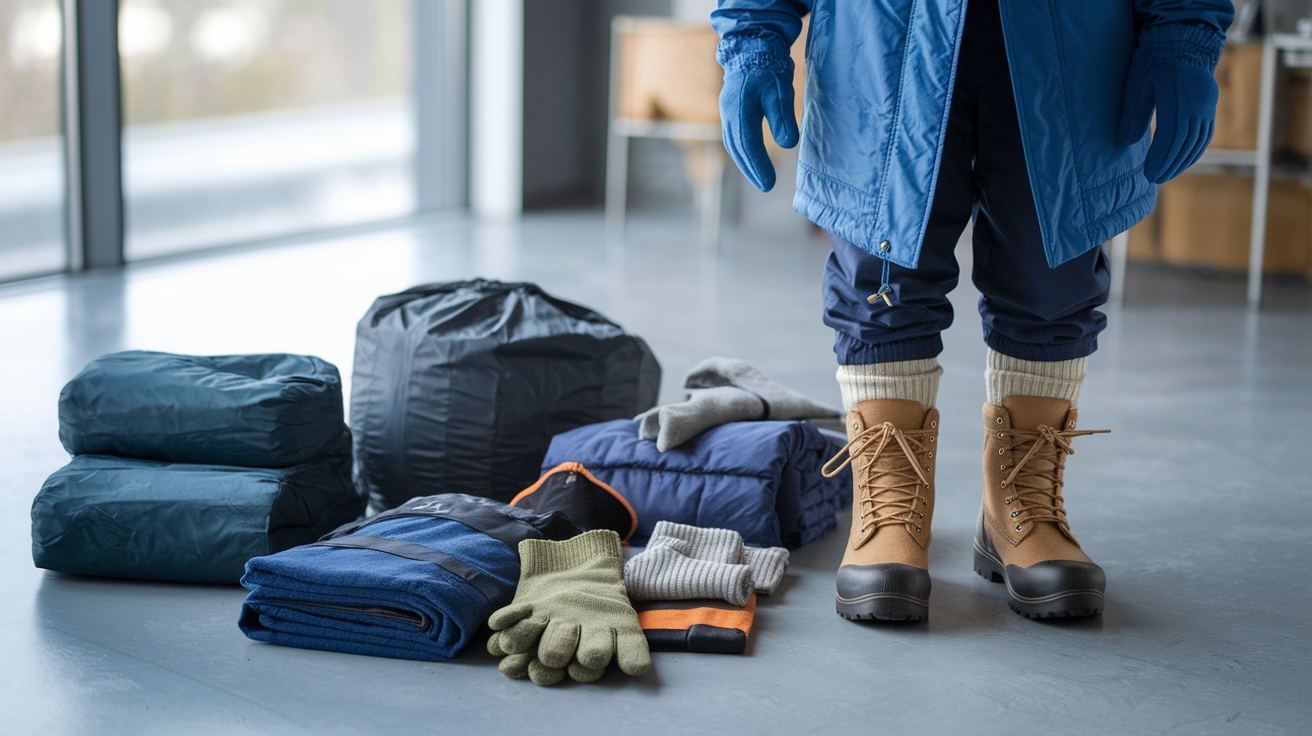
Floods require specialized protective clothing beyond typical emergency kits because water exposure is guaranteed, debris hazards including sharp objects and broken glass hide underwater, and hypothermia risks exist even in warm climates due to prolonged water immersion. Water conducts heat away from your body 25 times faster than air at the same temperature. You can develop hypothermia in 70 degree water within hours.
Essential clothing with flood specific justifications:
Waterproof rain jacket with sealed seams and adjustable hood prevents core temperature loss during evacuation in rain and through water. Sturdy waterproof boots ankle height or higher protect feet from submerged debris, broken glass, nails, and contaminated water carrying disease. Thermal underlayers in synthetic materials or merino wool maintain body heat when wet, unlike cotton which accelerates hypothermia. Wool socks (3 pairs minimum per person) retain insulating properties when wet, provide cushioning during long evacuation walks. Heavy duty work gloves in leather or synthetic materials are essential for handling debris, opening blocked doors, moving sharp objects safely. Complete change of dry clothes in vacuum sealed compression bags is critical for preventing hypothermia after water exposure. Emergency thermal blankets (2 per person, mylar material) reflect 90% of body heat, treat hypothermia and shock.
The deadly danger of cotton materials during floods can’t be overstated. Cotton absorbs water, loses all insulating value when wet, and accelerates hypothermia by pulling heat away from your body. Wet cotton against skin drops core body temperature rapidly. Synthetic materials like polyester and nylon or natural wool maintain warmth when wet. Wool retains roughly 80% of insulating value even when soaked. Jeans are particularly dangerous because heavy wet denim clings to legs, restricts movement, and causes rapid heat loss. Never include jeans or cotton sweatshirts as flood evacuation clothing.
Store all clothing in vacuum sealed compression bags that remove air and moisture, creating waterproof protection. Place these bags inside secondary waterproof stuff sacks within the main kit as double protection. Ensure each family member has a complete outfit sized appropriately because wet clothing must be removed immediately upon reaching safety. Hypothermia kills within hours. Dry clothing saves lives.
Sanitation and Hygiene Supplies for Emergency Kits
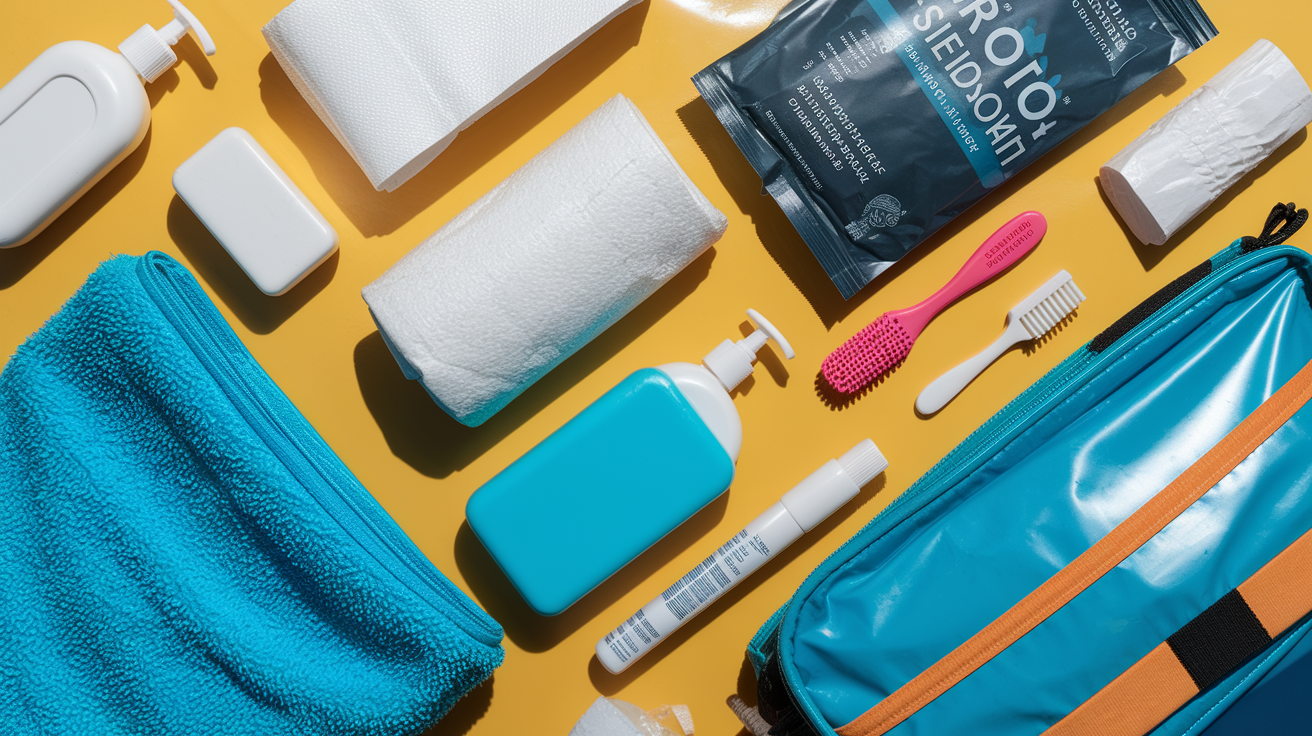
Flood conditions dramatically increase disease transmission risks from bacteria laden floodwater containing sewage, agricultural waste, and industrial chemicals. Rigorous sanitation practices are critical to preventing gastrointestinal illness, skin infections, and disease spread among family members in close quarters during evacuation to temporary shelters. You’re living in contaminated conditions where normal bathroom facilities don’t exist.
Essential sanitation supplies with specific quantities for 72 hours:
Hand sanitizer (8 oz bottle, 60%+ alcohol content minimum) for disinfection when handwashing impossible. Antibacterial soap bars (2 bars in waterproof cases or bags) for cleaning when water is available. Moist towelettes (100 count pack, unscented to avoid attracting insects) for body cleaning without water. Toilet paper (4 rolls in sealed plastic bags) for bathroom needs. Feminine hygiene products (full menstrual cycle supply, roughly 20 to 30 products) appropriate for each household member. Heavy duty plastic garbage bags (20 gallon size, 10+ bags) for waste containment and sanitation. Small quick dry towel (microfiber material, 2 per person) for hygiene and drying after washing. Toothbrush and toothpaste (travel sizes for weight and space efficiency). Disinfecting wipes (75 count canister) for surface cleaning in shelters and vehicles. Toilet paper alternative including portable camping toilet or 5 gallon bucket with snap on toilet seat and plastic liner bags.
Portable sanitation solutions become necessary for extended evacuations when facilities are unavailable. A 5 gallon bucket with snap on toilet seat and heavy duty plastic liner bags creates an emergency toilet that functions anywhere. Seal waste bags immediately after use and store separately from living areas to contain odor and prevent contamination. Double bag all waste to prevent leakage and reduce smell. In shelter situations or temporary housing, proper waste containment prevents disease spread and maintains sanitary conditions.
Waterproof all hygiene supplies in a dedicated dry bag separate from food supplies to prevent contamination. Replace consumable items every six months to maintain freshness and effectiveness. Include unscented products whenever possible to avoid attracting insects in temporary shelter situations. Scented products draw flies, mosquitoes, and other pests that spread disease.
Tools and Survival Gear for Flood Emergency Kits
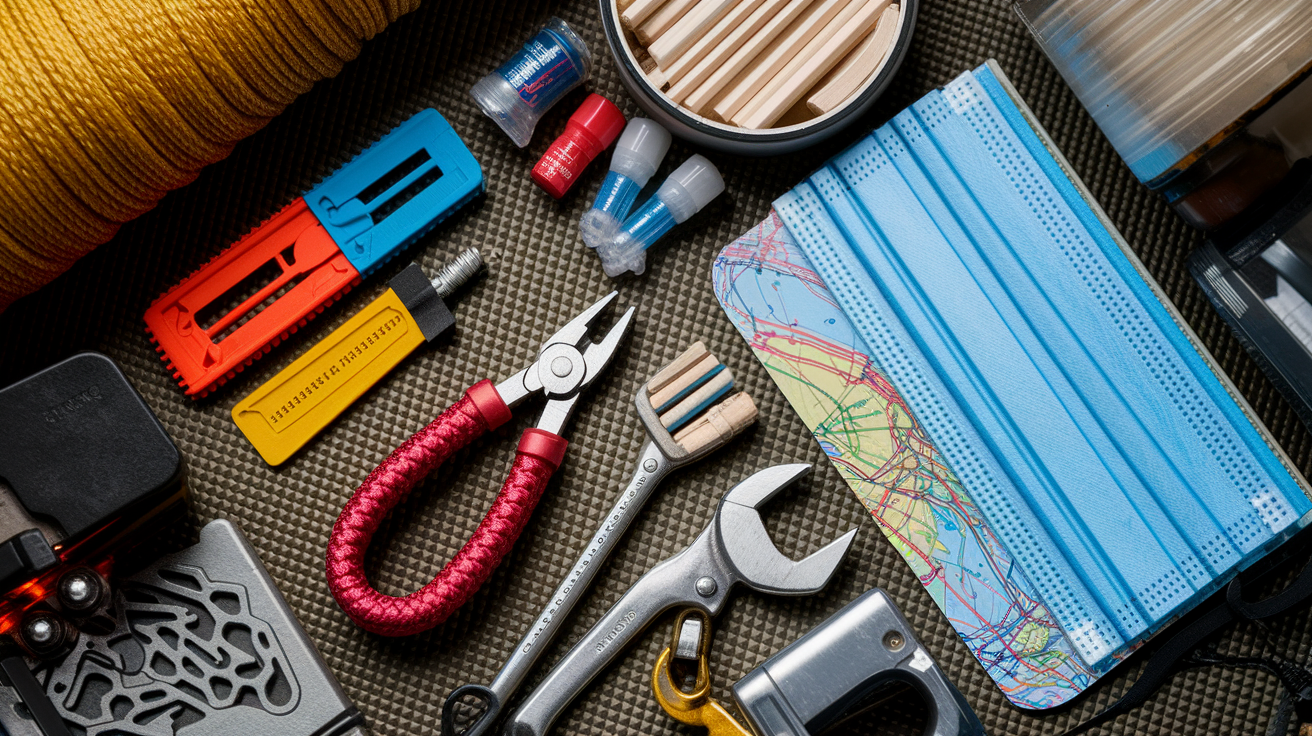
Flood scenarios require specialized tools for shutting off gas and water lines before evacuation to prevent explosions and additional water damage, signaling rescuers when trapped by rising water, and creating temporary barriers against water intrusion. Gas leaks combined with electrical sparks cause fires and explosions during floods. Shutting off utilities before evacuating prevents these secondary disasters.
Critical tools with specific flood applications:
Multi tool with pliers, knife, and screwdrivers is versatile for emergency repairs, cutting rope, opening containers, removing obstacles. 50 feet of nylon rope (550 paracord rated for 550 pound test) is for securing items to prevent loss in floodwater, creating safety lines, rescue applications. Emergency whistle (120+ decibel output, pealess design) signals rescuers when voice fails from exhaustion, works when wet unlike shouting. Waterproof matches (2 containers, 50+ matches total) for fire starting when all materials are wet and normal lighters fail. Duct tape (full roll, 2 inch width minimum) for emergency repairs, waterproofing torn bags, securing plastic sheeting over openings. Plastic sheeting (10×10 feet minimum, 6 mil thickness) provides temporary water barriers for windows, emergency shelter construction. Adjustable wrench or gas shutoff tool turns off gas lines preventing fire and explosion hazards from leaks. N95 dust masks (10 pack) protect against mold spores and airborne contaminants during cleanup after water recedes. Laminated local maps with evacuation routes pre marked in permanent marker for navigation when GPS and cellular networks fail.
Whistle importance for rescue scenarios can’t be overstated. Vocal cords fatigue quickly when calling for help repeatedly. Sound travels further than voice, especially through rain and wind. Rescuers in boats and helicopters listen specifically for whistle signals cutting through ambient noise. Three short blasts is the universal distress signal recognized worldwide. Pealess designs work when wet because there’s no ball to jam with water.
Plastic sheeting applications include taping over broken windows to prevent additional water entry into homes, creating emergency shelter when evacuation shelters reach capacity, and constructing privacy barriers in crowded temporary housing. The 6 mil thickness provides durability without excessive weight and bulk.
Tool maintenance keeps equipment functional when needed. Keep multi tool blades sharp and oiled to prevent rust from humidity. Check whistle function annually by blowing test blasts. Store matches in double waterproof containers with desiccant packets. Most critically, ensure your wrench fits your home gas shutoff valve specifically before an emergency occurs. Gas valves vary in size. Test the fit now, not during evacuation.
Family Specific Considerations for Flood Emergency Kits
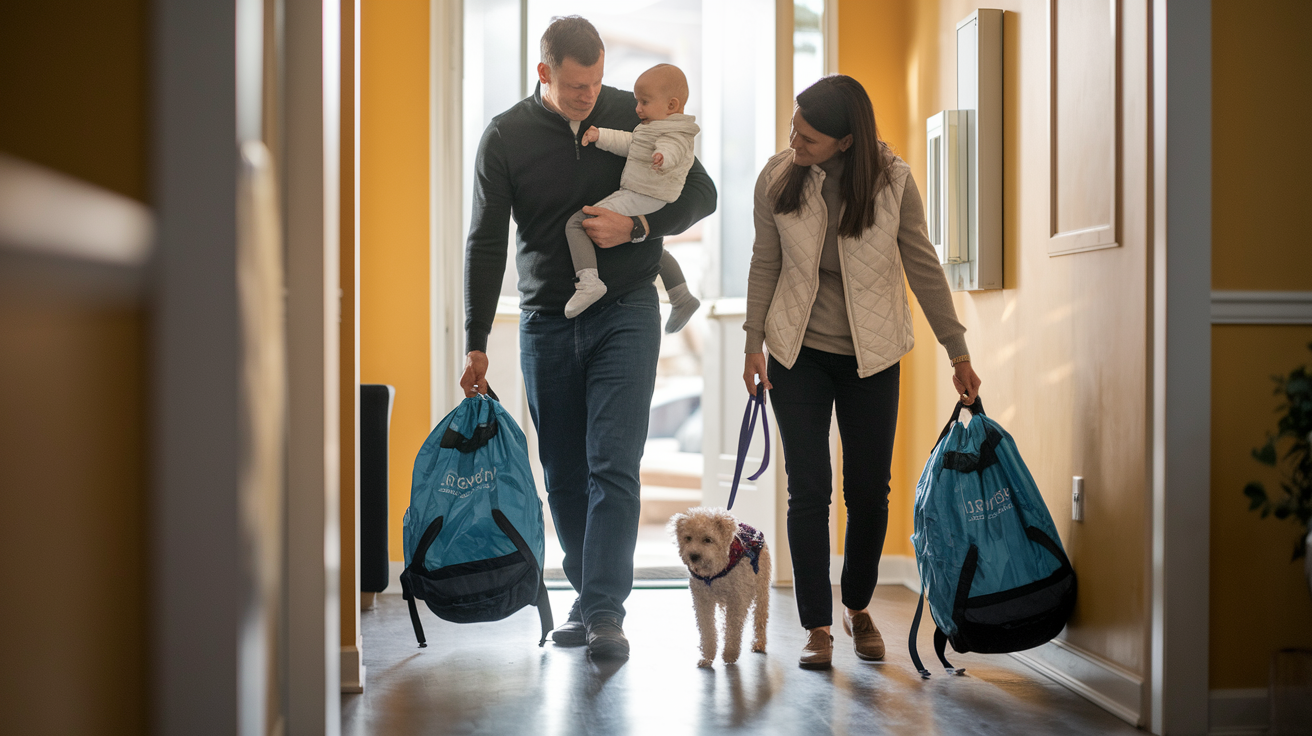
Standard emergency kits must be adapted for household specific needs because infants can’t consume adult food, elderly may have mobility limitations during evacuation, pets require separate supplies and can’t be abandoned, and special medical needs demand specific equipment and medications. One size fits all kits fail families with diverse ages and needs.
Infant and Child Supplies
Complete infant needs require ready to feed formula in single serve bottles with no water mixing required (18+ bottles for 72 hours at 6 bottles per day), disposable bottles if breastfeeding becomes unavailable due to stress or separation, diapers (30+ for 72 hours based on 10 per day for newborns), unscented baby wipes (200 count pack for diaper changes and cleaning), diaper rash cream to prevent infection in unsanitary conditions, infant medications including acetaminophen drops and simethicone for gas, comfort items like pacifiers and small familiar blanket or stuffed animal, and age appropriate entertainment for older children including books, small games, puzzles, and coloring supplies to reduce stress during evacuation. Waterproof all infant supplies in dedicated bags and keep formula away from temperature extremes above 100°F that spoil contents.
Elderly and Special Needs Considerations
Specific elderly and disability needs include extra prescription medications with 4 day supply minimum to buffer refill delays when pharmacies are closed or inaccessible, mobility device batteries for wheelchairs and scooters with charging cables, spare eyeglasses or contact lenses with solution since losing glasses during evacuation creates dangerous dependency, hearing aid batteries (full pack of 8+ batteries), medical equipment specific to conditions like glucose monitors with test strips, blood pressure cuffs, nebulizers with extra medication canisters, special dietary foods for restricted diets including low sodium options for heart patients and diabetic appropriate foods with controlled carbohydrates, written medical history with conditions and current medications listed, and copies of medical device prescriptions. Make lightweight kit modifications for those with limited carrying capacity by using rolling bags or distributing supplies across multiple smaller packs that others can help carry.
Pet Emergency Supplies
Pet requirements include three day food supply in sealed containers calculated based on pet weight and normal feeding schedule, collapsible water and food bowls that pack flat, 6 foot leash and backup collar with ID tags including evacuation contact number (not just home number), current vaccination records and pet medications in waterproof pouch since many evacuation shelters require proof before allowing animals, pet first aid supplies including gauze for paw injuries, waste bags for sanitation and cleanup, comfort items like favorite toy and blanket with familiar scent to reduce animal stress, and recent pet photos for lost and found purposes if you become separated during chaos. For families needing help covering flood risks, reviewing resources on Emergency Planning for Families provides guidance on creating evacuation plans that account for all family members including elderly, infants, and pets.
Ensure all family members including children old enough to understand know kit locations and basic evacuation procedures. Assign age appropriate responsibilities like older children carrying their own backpacks with personal supplies. Practice evacuation drills that include retrieving infant supplies from multiple locations, assisting elderly members with mobility limitations, and securing pets with leashes within a target 5 minute evacuation window from alarm to vehicle departure.
Strategic Kit Placement and Evacuation Coordination
Pre planned kit locations and evacuation coordination are as critical as kit contents because floods develop rapidly giving minutes not hours for evacuation, panic and stress impair decision making making automatic retrieval essential, and family members separated at work or school need redundant supplies and communication plans. A perfectly stocked kit trapped underwater saves no one. For information on how flood zone classifications affect storage elevation requirements, see Understanding Flood Zones and Risk Assessment which explains why different flood zones require different elevation strategies.
Strategic placement and evacuation coordination essentials:
Primary home kit location stored on second floor master bedroom closet upper shelf, never basement or ground floor that floods first. Vehicle kit placement in trunk or rear cargo area of primary evacuation vehicle, ensures access if home evacuation becomes impossible. Workplace backup kit in elevated office locker or desk drawer for daytime floods when returning home is impossible. Elevation requirement of minimum 4 feet above ground level in flood prone areas based on historical flood data and FEMA maps. Accessibility standard meaning retrievable within 30 seconds in complete darkness by all household members. Multiple evacuation routes with three different routes from home identified since primary route may be flooded or blocked by debris. Designated meeting places including two locations (one nearby like a specific intersection and one out of neighborhood like a relative’s home) if family separates during evacuation. Out of town emergency contact designating relative or friend in different area to coordinate communication when local networks fail.
Include laminated evacuation materials inside your kit on waterproof paper. Mark maps showing all three evacuation routes highlighted in different colors. Create emergency contact cards listing out of town coordinator phone number, family member workplace addresses and phone numbers, school addresses for children, and designated meeting place addresses with GPS coordinates for accuracy. List shelter locations along evacuation routes with addresses. Use waterproof paper and permanent marker so information stays readable after water exposure.
Evacuation drill practice turns plans into automatic responses. Conduct nighttime kit retrieval drills quarterly where family members locate and retrieve kits in complete darkness within the 30 second target time. Practice different evacuation routes by actually driving them to identify problems like low water crossings, narrow bridges, or areas that flood first. Time complete evacuation from alarm sound to vehicle departure with a target under 5 minutes total. Ensure children can execute the plan without parent supervision if separated at school during a flood event when parents can’t reach them.
Vehicle preparedness forms part of evacuation readiness. Maintain fuel tanks above half full always since quarter tank is insufficient for evacuation traffic and long
Final Words
Your 72 hour emergency kit for flooding is only as good as your ability to grab it and use it when water starts rising.
Store everything in waterproof containers at least four feet off the ground. Make sure every person in your household knows exactly where the kit is and can find it in the dark.
Run a quick drill this weekend. Time how fast you can get from your bedroom to your car with the kit in hand. If it takes longer than five minutes, you need a simpler plan.
Check your supplies every six months. Replace expired items. Update medications. Test your batteries.
The best kit is the one that’s ready when you need it.
FAQ
Q: What should be included in a 72-hour flood emergency kit?
A: A 72-hour flood emergency kit should include three gallons of water per person, non-perishable food, first aid supplies, waterproof containers for documents, battery-powered radio, flashlight, extra batteries, prescription medications, change of clothes, and sanitation items all stored in waterproof bags for immediate evacuation access.
Q: How much water do I need in my flood emergency kit?
A: You need one gallon of water per person per day in your flood emergency kit, totaling three gallons minimum per person for the 72-hour period. Store water in factory-sealed containers since local water sources become contaminated during floods.
Q: What type of food belongs in a flood kit?
A: Flood kits should contain ready-to-eat meals, energy bars, trail mix, peanut butter, low-sodium crackers, dried fruit, and hard candy. All food must be non-perishable, require no cooking, and come in moisture-resistant packaging since utilities fail during floods.
Q: Why do flood kits need waterproof containers?
A: Flood kits need waterproof containers because water exposure and submersion are guaranteed during floods. Waterproof containers rated IP67 or higher protect life-saving supplies and critical documents from total loss when exposed to rising water.
Q: Where should I store my flood emergency kit?
A: Store your flood emergency kit on the second floor or highest accessible point, minimum 4 feet above ground in flood-prone areas. Never store kits in basements or ground floors that flood first, and ensure retrieval within 30 seconds in darkness.
Q: What documents belong in a waterproof emergency kit?
A: Waterproof emergency kits should contain copies of personal ID, driver’s license, insurance policies including flood coverage, bank account information, immunization records, property deeds, emergency contacts, and prescription information all in heat-sealed waterproof pouches.
Q: How do I waterproof electronics in my flood kit?
A: Waterproof electronics by placing phones, radios, and power banks in individual waterproof cases with desiccant packets. Store devices inside roll-top dry bags or hard cases rated IP67 for submersion protection.
Q: What first aid supplies are critical for flood emergencies?
A: Critical flood first aid supplies include antibiotic ointment for contaminated water exposure, sterile gauze pads, adhesive bandages, antiseptic wipes, thermal blankets for hypothermia prevention, pain relievers, and a three-day supply of prescription medications in waterproof bottles.
Q: Why is a NOAA weather radio important for floods?
A: A NOAA weather radio is important because it receives emergency flood alerts and evacuation orders directly from the National Weather Service even when internet and cellular networks fail. Hand-crank models eliminate battery dependence during extended power outages.
Q: What clothing should go in a flood emergency kit?
A: Flood emergency kits should contain a waterproof rain jacket with sealed seams, sturdy waterproof boots, thermal underlayers made from synthetic or wool materials, three pairs of wool socks, work gloves, and a complete change of dry clothes in vacuum-sealed compression bags.
Q: Why can’t I wear cotton during flood evacuation?
A: Cotton absorbs water, loses all insulating value when wet, and accelerates hypothermia during flood evacuation. Synthetic materials like polyester or wool maintain warmth when wet and are critical for preventing dangerous core temperature loss.
Q: What sanitation supplies do I need for 72 hours?
A: For 72 hours you need hand sanitizer, antibacterial soap, moist towelettes for no-water cleaning, toilet paper, feminine hygiene products for a full cycle, heavy-duty garbage bags for waste containment, and disinfecting wipes for surface cleaning in shelters.
Q: What tools are essential in flood survival kits?
A: Essential flood survival tools include a multi-tool with pliers and knife, 50 feet of rope, emergency whistle rated 120+ decibels, waterproof matches, duct tape, plastic sheeting for water barriers, utility wrench for gas shutoff, and N95 masks.
Q: Why do I need an emergency whistle during floods?
A: You need an emergency whistle because vocal cords fatigue quickly when calling for help, sound travels further than voice through rain and wind, and rescuers listen specifically for whistle signals. Three short blasts signal universal distress.
Q: What infant supplies belong in flood emergency kits?
A: Flood emergency kits for infants need ready-to-feed formula in single-serve bottles requiring no water mixing, 30+ diapers for 72 hours, unscented baby wipes, diaper rash cream, infant medications, comfort items, and age-appropriate entertainment.
Q: How do I prepare a flood kit for elderly family members?
A: Prepare elderly flood kits with a four-day medication supply, mobility device batteries and charging cables, spare eyeglasses or contacts, hearing aid batteries, medical equipment like glucose monitors, special dietary foods, and written medical history with physician contacts.
Q: What pet supplies are needed for flood evacuation?
A: Pet flood evacuation supplies include a three-day food supply in sealed containers, collapsible water and food bowls, six-foot leash and backup collar with ID tags, current vaccination records, pet medications, waste bags, and recent photos for lost-and-found purposes.
Q: How many emergency kits should my family have?
A: Your family should have emergency kits in multiple locations including home second floor, vehicle trunk, and workplace for daytime floods. Redundant placement ensures access when returning home is impossible during rapidly developing floods.
Q: What evacuation routes should I plan for floods?
A: Plan three different evacuation routes from home since primary routes may be flooded or blocked. Drive all routes in advance to identify problems, mark them on laminated maps, and include alternate routes in your waterproof kit.
Q: How often should I check my flood emergency kit?
A: Check your flood emergency kit every six months to replace expired water, food, and medications. Test batteries every three months, conduct full annual audits of all equipment, and update documents annually for current information.
Q: Can I use tap water in my emergency kit?
A: Use commercially sealed water bottles rather than tap water filled at home for emergency kits. Factory-sealed containers prevent contamination and maintain safety for the full storage period without the risk of home-filled bottle contamination.
Q: What power bank capacity do I need for floods?
A: You need a portable power bank with 20,000+ mAh capacity for flood emergencies. This capacity recharges phones four to six times, maintaining communication during multi-day power outages when cellular towers remain operational.
Q: Why store emergency kits on upper floors?
A: Store emergency kits on upper floors because ground levels and basements flood first during rising water. Elevated storage minimum 4 feet above ground based on historical flood data ensures kit accessibility during actual flood events.
Q: How do I create a family flood evacuation plan?
A: Create a flood evacuation plan by designating two meeting places, establishing an out-of-town emergency contact, identifying three evacuation routes, conducting quarterly nighttime retrieval drills, and ensuring all family members can execute the plan in under 5 minutes.
Q: What makes flood kits different from general emergency kits?
A: Flood kits differ from general emergency kits by requiring comprehensive waterproofing for all supplies, grab-and-go storage in roll-top dry bags, elevated storage locations, and specific protection against water contamination that destroys standard emergency supplies.